 Hatha Yoga
Yin Yoga Twists: the 30-minute “Yin: Twists” sequence
Calm twists, seated and lying down
In yin, a twist is not wrung out by effort: the rotation comes from body weight and time. Of the eight poses here, only three are true twists, and the rest prepare the spine for them and balance them out.
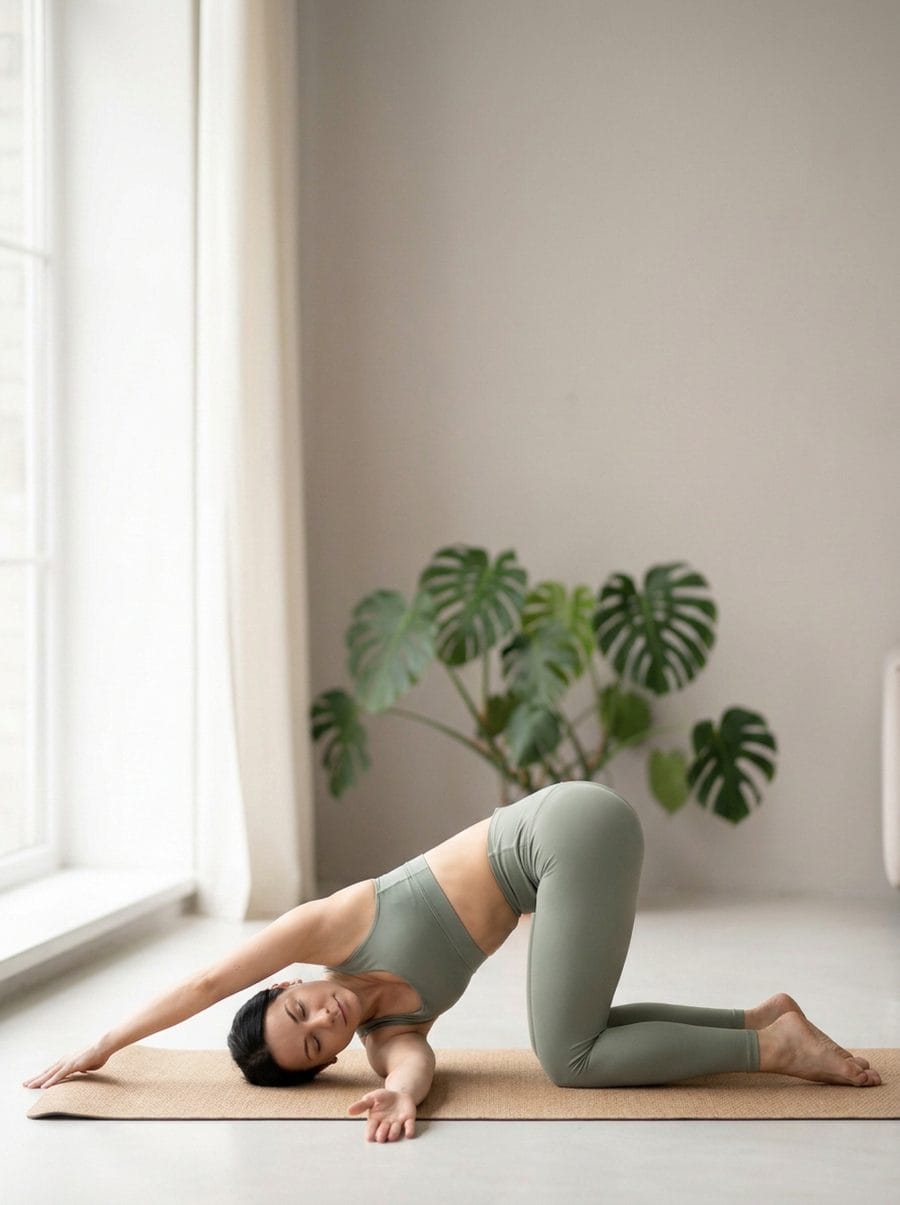
The level is beginner, each hold lasts two to three minutes, which is short by yin standards, and four minutes of rest close the session. Thread the Needle is ruled out by shoulder or neck injuries and by pregnancy, Sphinx Pose and the side bend by acute lower back pain, the plain Supine Twist by an acute herniated disc.
With a lumbar disc herniation, go more gently in the eagle-legs version.




Why this order
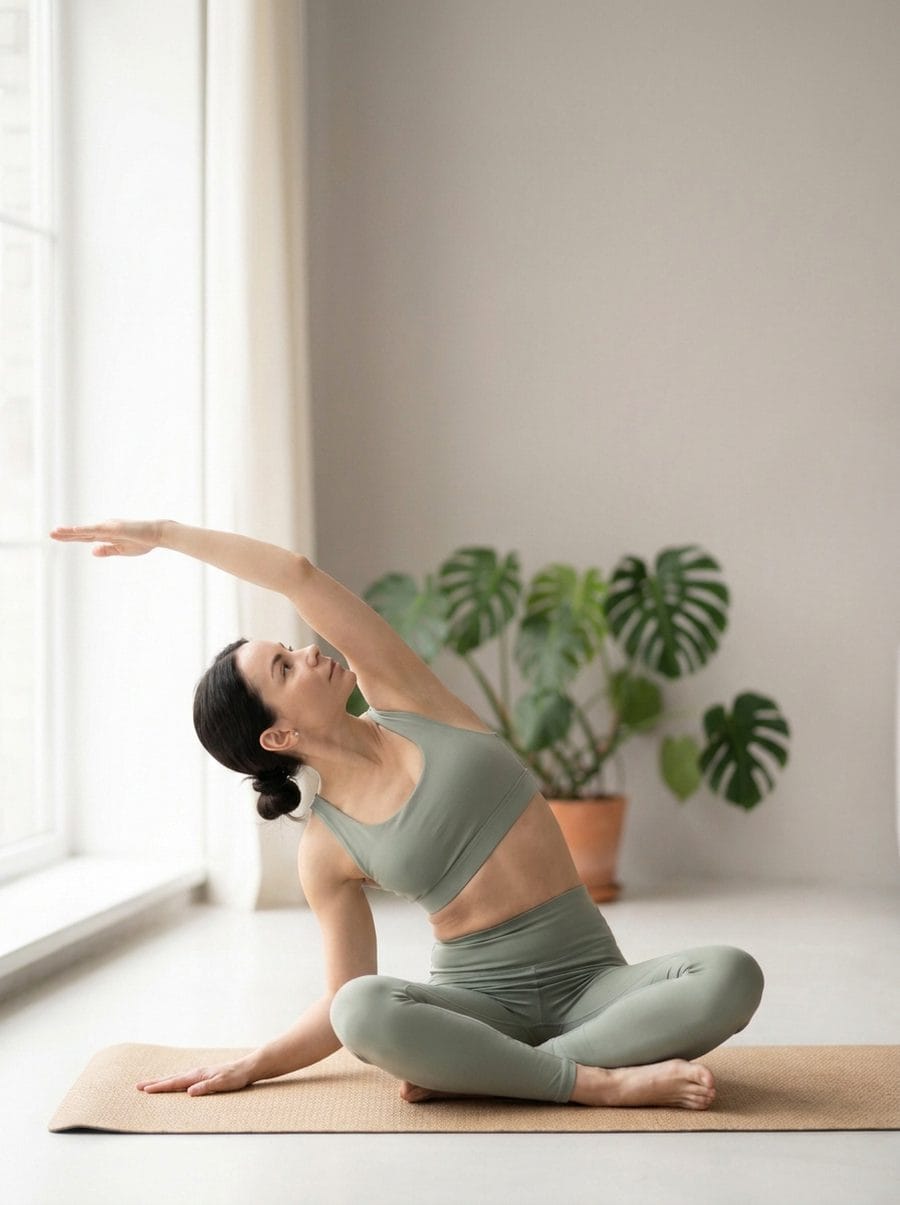
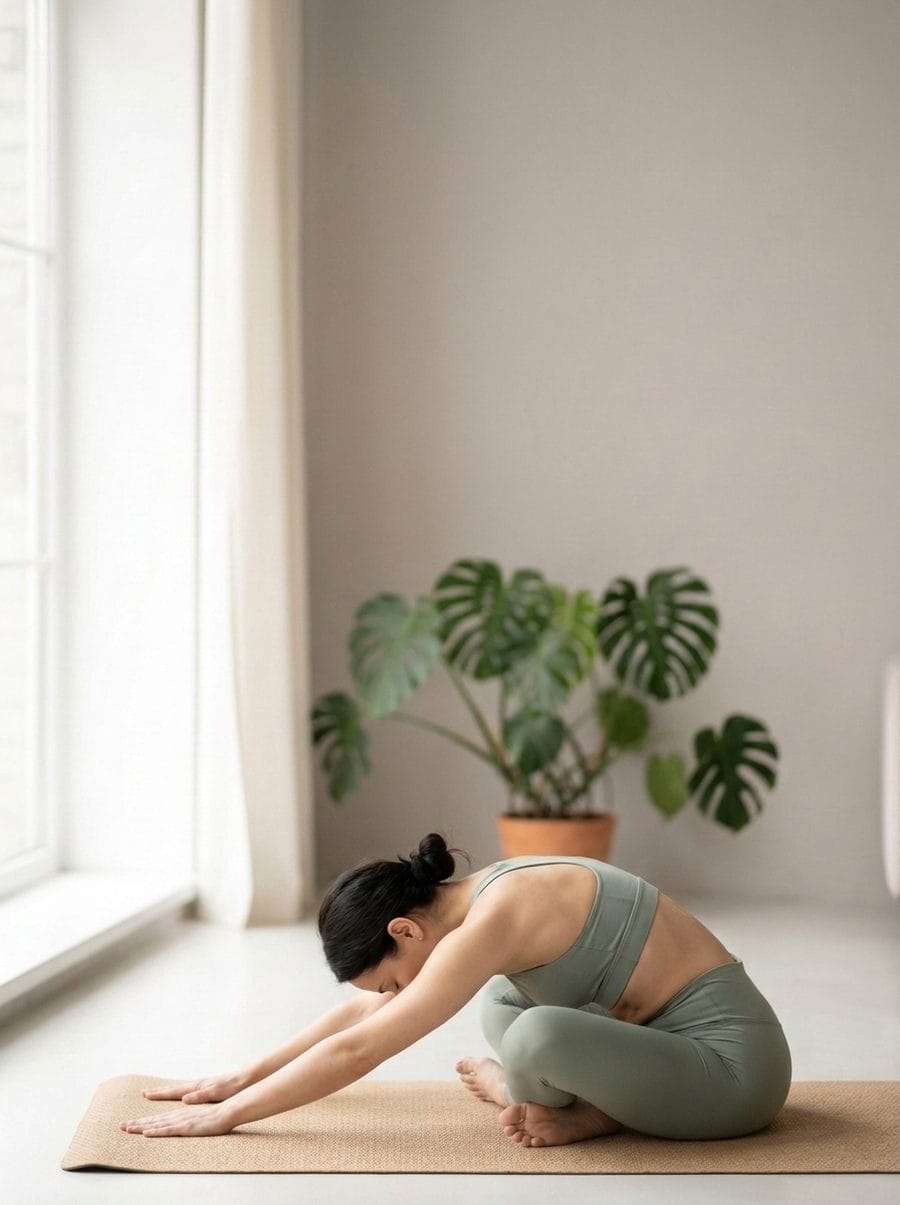
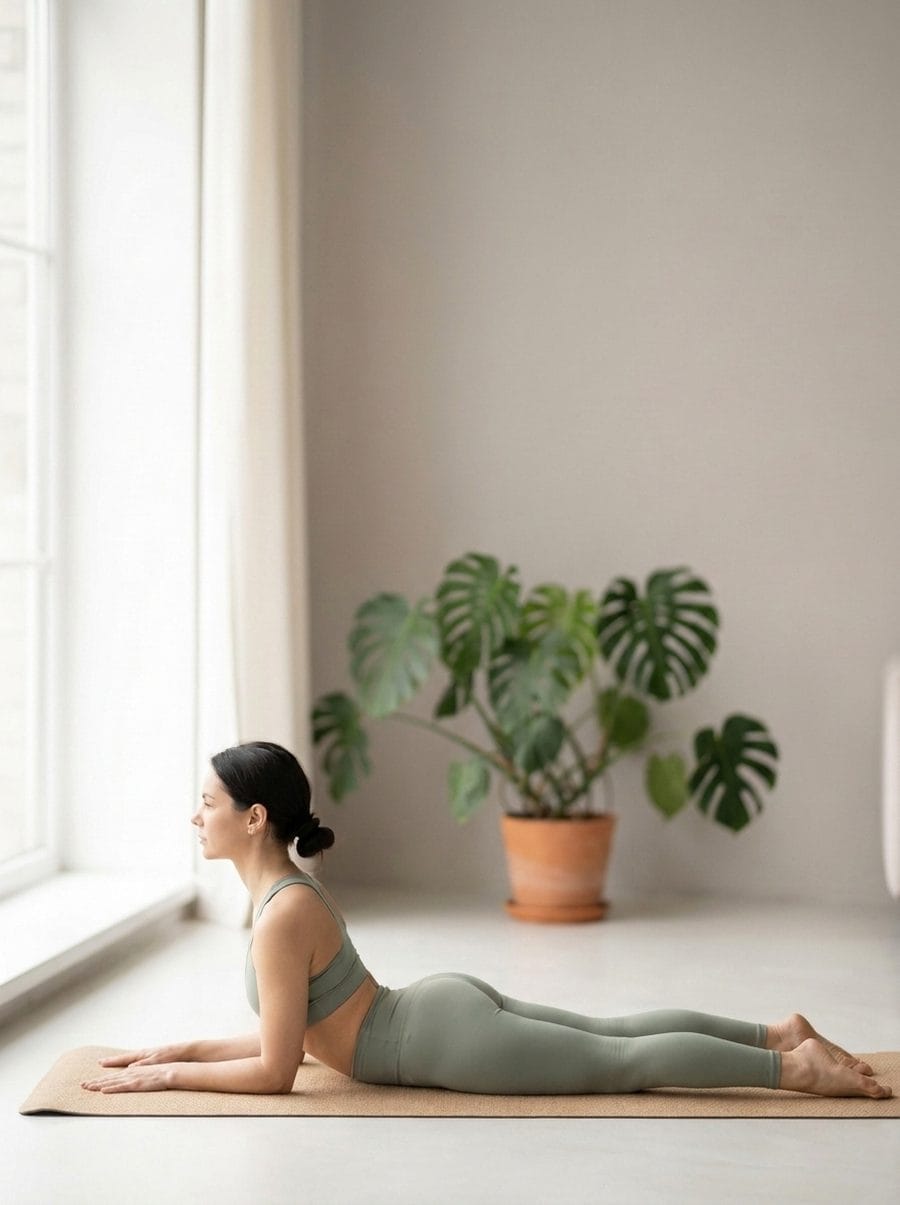
The Cross-Legged Side Bend and Cross-Legged Forward Fold prepare the spine: the flank opens, then the back rests rounded. Thread the Needle turns the upper back from all fours and keeps the work between the shoulder blades. Sphinx Pose sits between Thread the Needle and the lying twists: a gentle backbend lengthens the spine again before you roll onto your back.
The last two twists are done on both sides. Supine Twist with Eagle Legs lands on the outer hip, and the plain Supine Twist closes on an easy rotation before the final rest.
Cautions
- Pregnancy — widen your knees (Child's Pose)
- Knee injuries (Child's Pose)
- Acute lower back pain (Cross-Legged Side Bend, Sphinx Pose)
- Knee discomfort — sit on a prop (Cross-Legged Forward Fold)
- Shoulder and neck injuries (Thread the Needle)
- Pregnancy (Thread the Needle)
- Lumbar disc herniation — go more gently (Supine Twist with Eagle Legs)
- Disc herniation in the acute phase (Supine Twist)
This site is for general information and is not medical advice. If you have pain, an injury, a chronic condition, or are pregnant, check with a qualified professional before practicing.