 Hatha Yoga
Kundalini: Clear Mind, a 20-minute sequence for relaxation
Smooth movement and a long stillness
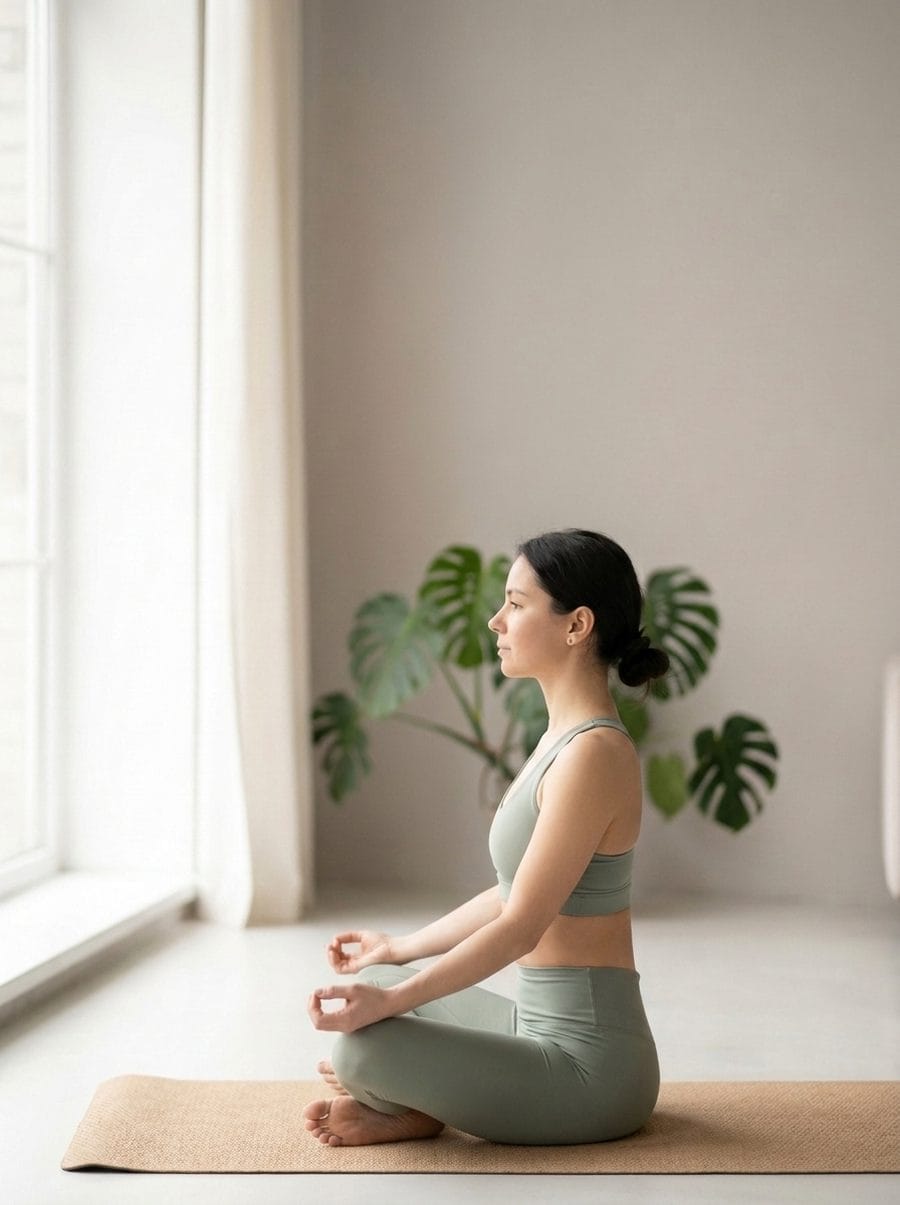
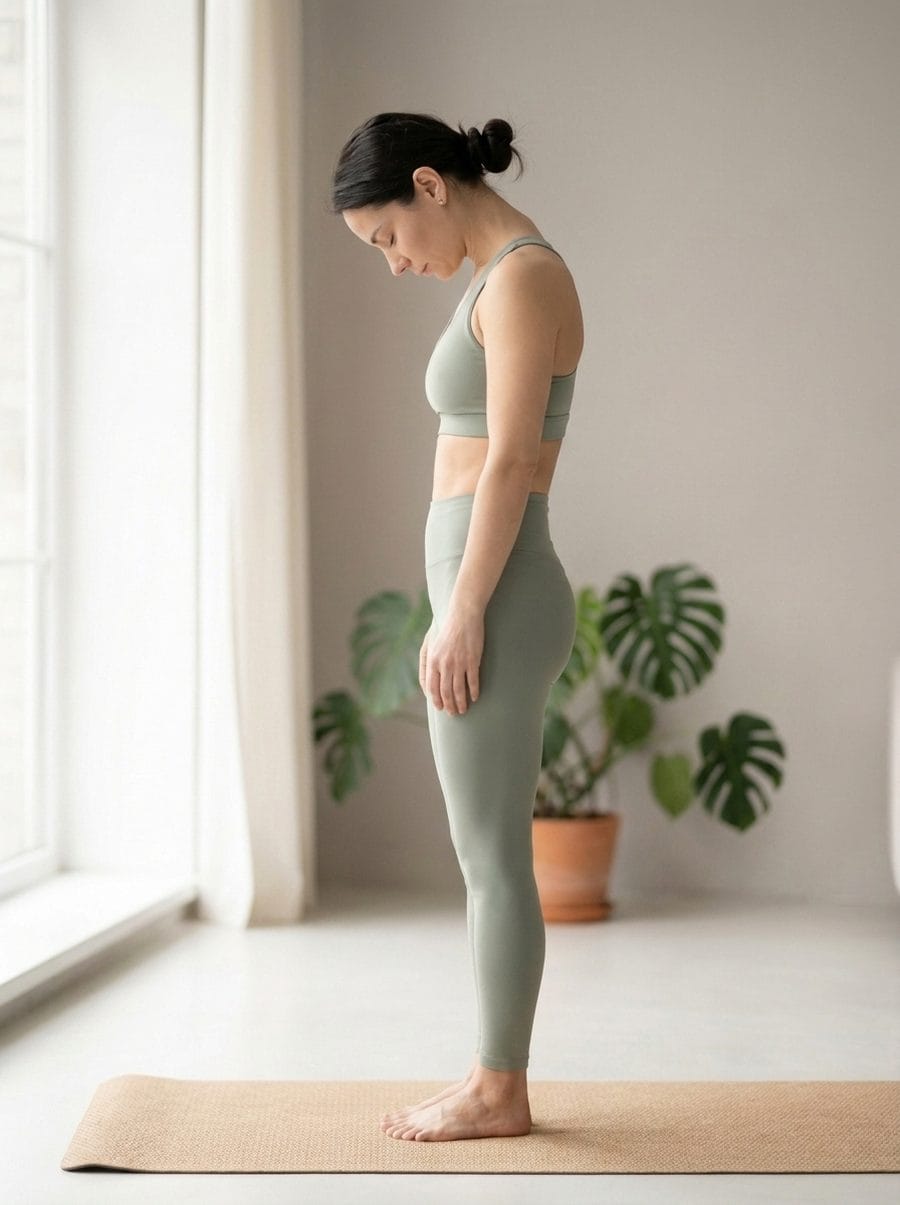
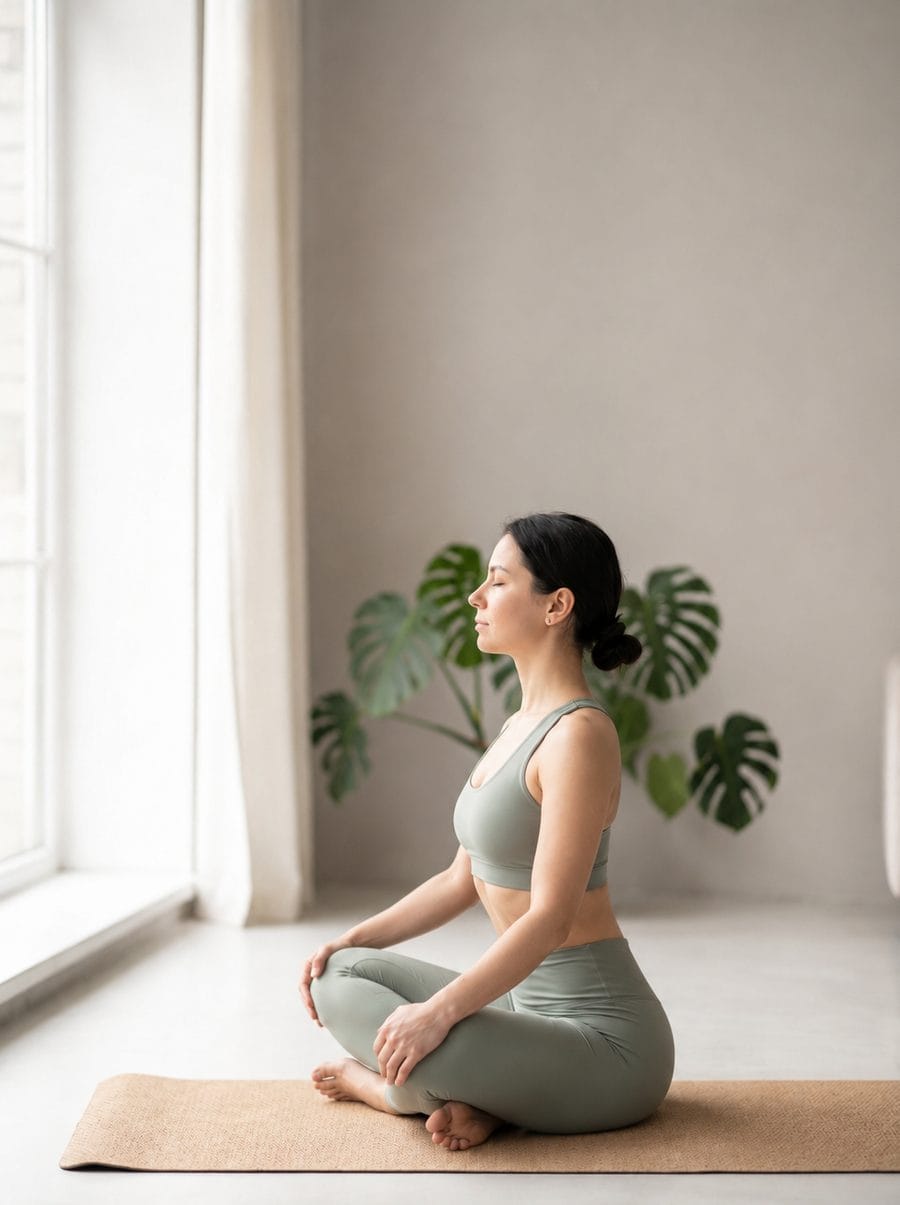
A calm sequence in which movement takes the smaller share and more than half of the time goes to being still: seated with closed eyes, then Relaxation Pose. Beginner level, no breath of fire. Neck and shoulders loosen first, followed by the Seated Spine Wave, the Tabletop to Child's Pose Flow and the Seated Forward Fold.
The aim is not effort but training your attention: watch the breath and add nothing. A lumbar hernia rules the forward fold out; when back pain spikes, keep it but with soft knees. Injured knees get a blanket in the Tabletop to Child's Pose Flow.
Sharp neck pain or dizziness cancels the Neck Warm-Up, and knees that complain about sitting deserve a raised seat.




Why this order
Here the movement prepares you for sitting. Neck and shoulders let go of surplus tension so it stops tugging at your attention, the Seated Spine Wave lengthens the back for the sit, and the tabletop flow and forward fold bring your focus down toward the floor.
The longest part, sitting, comes after all the movement, when the body no longer asks to move. Relaxation Pose then continues the same task: doing nothing.
Cautions
- Knee discomfort — sit on a prop (Easy Pose)
- Acute neck pain (Neck Warm-Up)
- Dizziness (Neck Warm-Up)
- Acute lower back pain — reduce the range of motion (Seated Spine Wave)
- Knee injuries — place a blanket under your knees (Tabletop to Child's Pose Flow)
- Lumbar disc herniation (Seated Forward Fold)
- Flare-up of back pain — bend your knees (Seated Forward Fold)
This site is for general information and is not medical advice. If you have pain, an injury, a chronic condition, or are pregnant, check with a qualified professional before practicing.