 Hatha Yoga
Seated Forward Fold
Paścimottānāsana
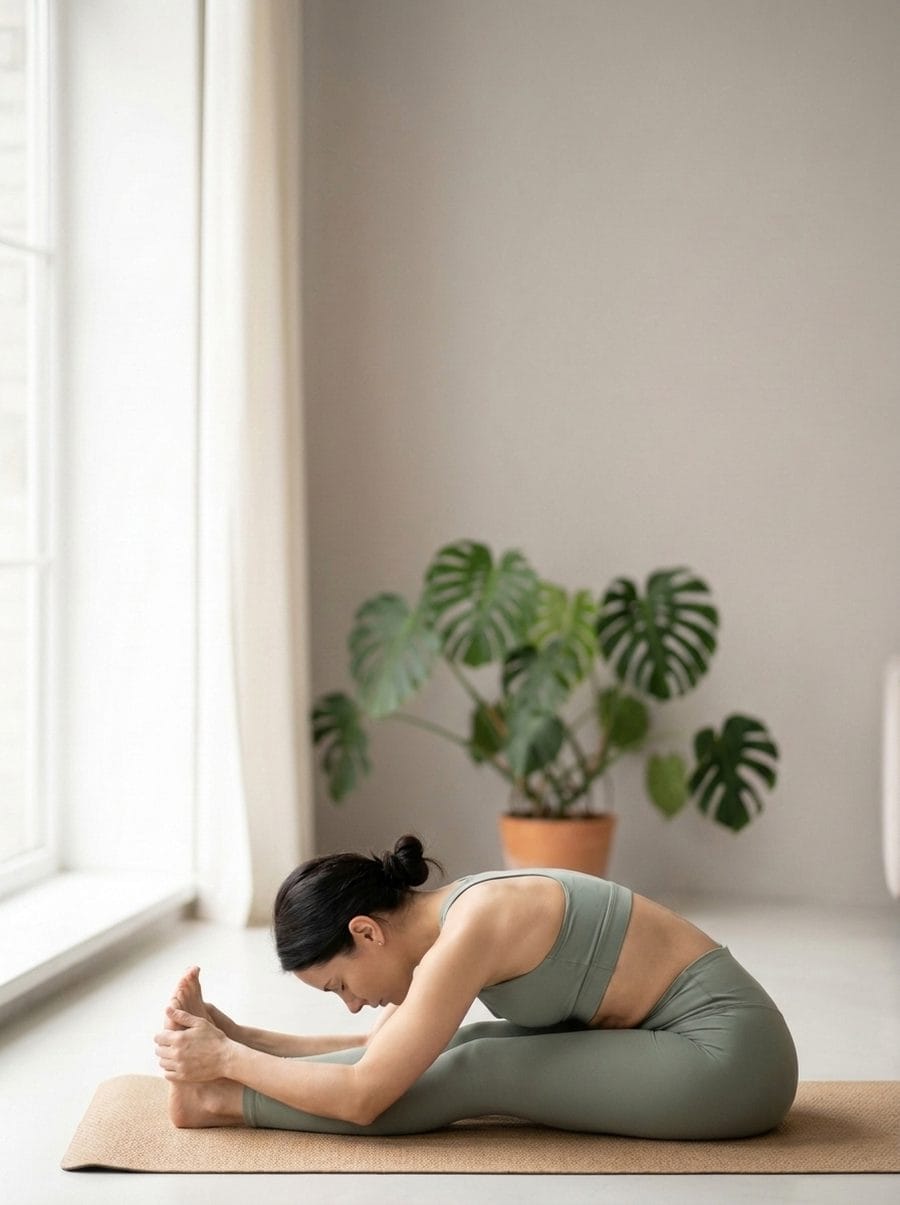
Seated Forward Fold, or Paschimottanasana, folds your torso over straight legs and stretches the whole back of your body, from heels to the back of your head. The Sanskrit word "paschima" means west, the traditional name for the back side of the body.
The app rates the pose Beginner. You'll practice it in 19 sequences and in the Back Line, Twist Round and Heart Opener flows, and Yin Practice includes it once, for four minutes.
How to do it
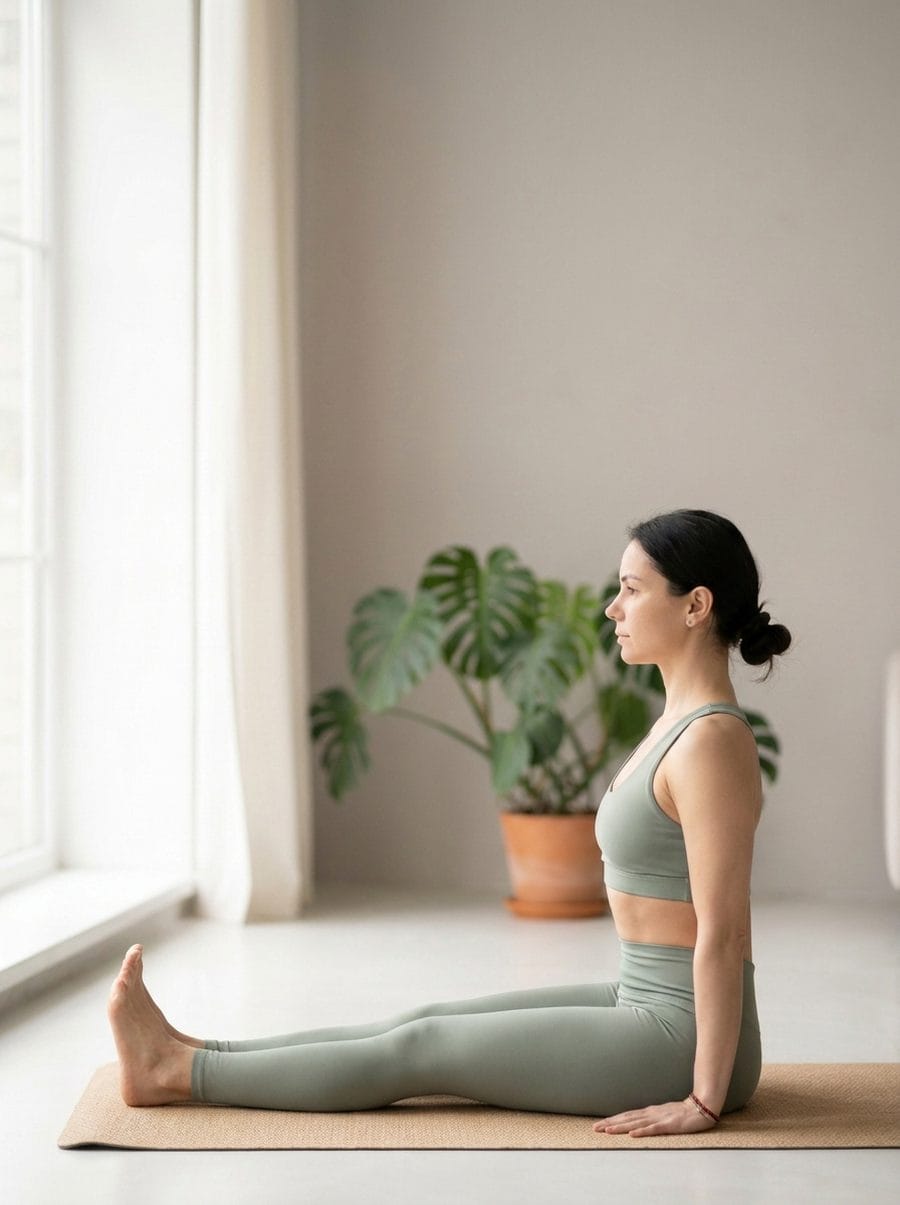
- EnterFrom Staff Pose, inhale and reach your arms up. Exhale and fold forward from your hips, bringing your belly toward your thighs. Hold your shins or feet.
- HoldDon't pull yourself down with your arms. Let the weight of your torso and your breath deepen the fold. Keep your spine long; you can bend your knees slightly. With each exhale, sink a little lower.
- ExitInhale, lift your torso with a flat back.
More detail
Begin in Staff Pose and notice what you're sitting on. If your pelvis tips back and your lower back rounds before you even fold, sit on a folded blanket: lifting your hips makes folding much easier. Hinge at the hip joints, as if your belly lands on your thighs first, then your chest, with your head arriving last.
Rest your hands wherever they reach without strain: shins, ankles or feet. Short on length? Loop a strap around your feet and hold both ends. With tight hamstrings, bend your knees freely, and you can slide a bolster under them.
On each inhale, grow taller through your spine; on each exhale, let the fold deepen a little.
Benefits
Deeply stretches the entire back of the body; calming.
The pose stretches your calves, hamstrings and the muscles along your spine. It has a quiet character: eyes down, almost no movement, and your breath slows on its own. That's why it fits the second half of a session, closer to relaxation.
Cautions
- Lumbar disc herniation
- Flare-up of back pain — bend your knees
This site is for general information and is not medical advice. If you have pain, an injury, a chronic condition, or are pregnant, check with a qualified professional before practicing.
Common mistakes
- Hauling yourself forward by your feet. Let the weight of your torso do the work while your hands just hold on.
- Leading with your chest and shoulders. The fold starts at your hips and your lower back doesn't hunch.
- Sitting on your tailbone. Lift your hips on a blanket.
- Jamming your knees into the floor. Legs straight, knees soft.
- Pushing through a sharp pull behind your knees. That's your cue to bend them.
Counterpose
Where it appears
- First Practice 15 min · Beginner
- Full Morning 20 min · Intermediate
- Deep Stretch 25 min · Intermediate
- Classic Full Practice 50 min · Intermediate
- Toward the Splits 25 min · Intermediate
- Yin Practice 35 min · Beginner
- First Balances 15 min · Intermediate
- Deep Backbend 35 min · Advanced
- Yin: Spine 40 min · Intermediate
- Deep Yin 60 min · Advanced
- Yin: Legs 25 min · Intermediate
- First Yin 30 min · Beginner
- Full-Body Yin 50 min · Intermediate
- Deep Yin: Spine 60 min · Advanced
- Kundalini: First Steps 15 min · Beginner
- Kundalini: Clear Mind 20 min · Beginner
- Kundalini: Strong Back 25 min · Intermediate
- Full Kundalini 45 min · Intermediate
- Kriya for Elevation 25 min · Beginner
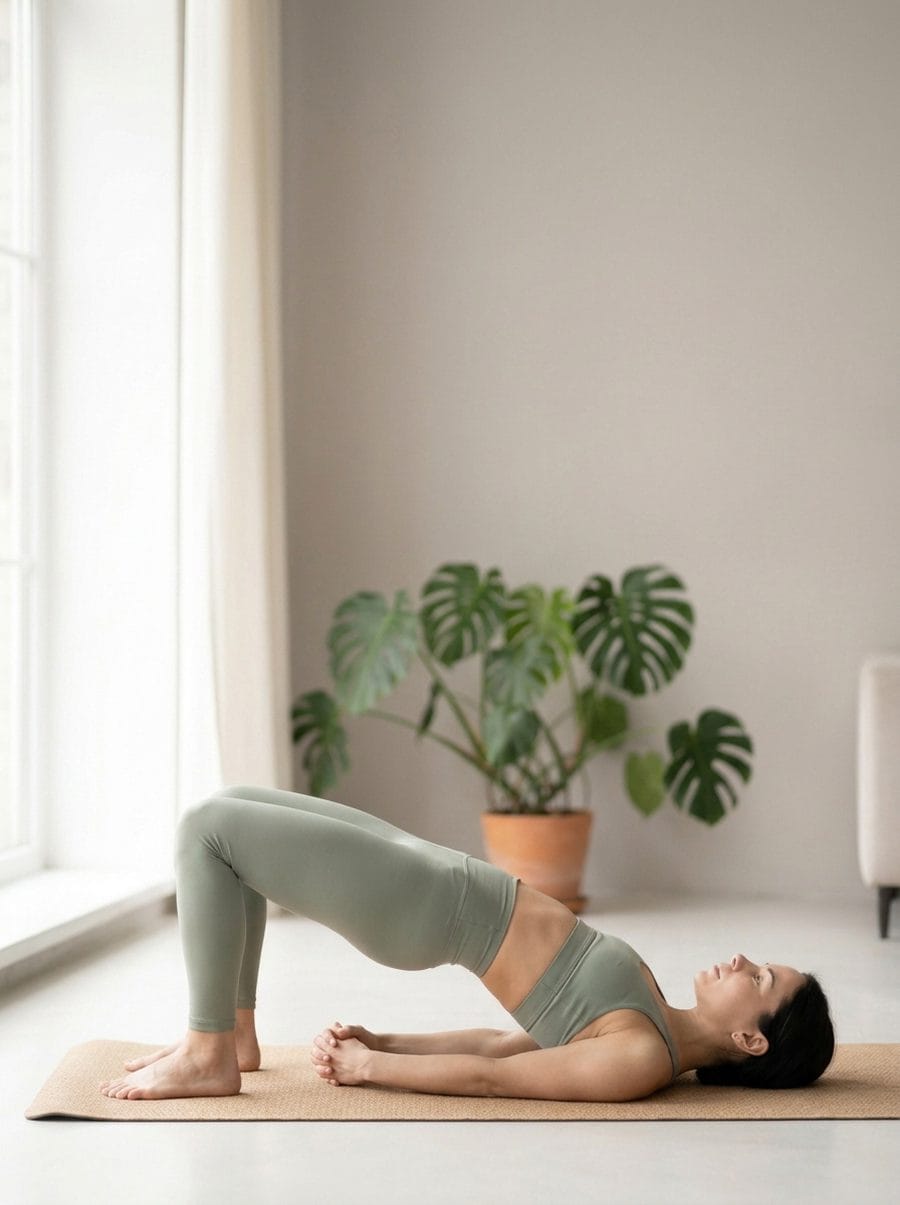
- Warm-up: Twist Round Squat, strength, backbend, rotation, and fold
- Warm-up: Back Line Stretch and strength for the back of the body on five levels, from a standing fold to Bridge Pose
- Warm-up: Heart Opener Two backbends with different mechanics — Camel Pose from the knees and Upward-Facing Dog from the floor — with active counterposes: a stretch and a forward fold
Similar poses
Questions
My hands don't reach my feet. Now what? Grab your shins or loop a strap around your feet, and bend your knees. A flat back matters more than touching your toes.
Can I do Paschimottanasana with back pain? A lumbar disc herniation means skipping this pose. During a flare-up of back pain, the app suggests folding with your knees bent; if the pain keeps coming back, see a doctor.
How long do you hold a seated forward fold? The pose card gives it a minute. In hatha sequences it lasts 55 to 75 seconds, in kundalini ones one to two minutes, and the longest holds, three to five minutes, belong to yin sequences such as Yin Practice.
Featured in
- Ashtanga Yoga Explained: The Series, the Breath and the Difference from Hatha6 min read
- The History of Yoga: From Ancient Texts to Modern Studios6 min read
- Yoga vs. Pilates: How They Differ and Which Fits Your Goal5 min read
- Types of Yoga: How the Styles Differ and Which One to Choose6 min read
- Yin Yoga for Beginners: Your First Routine at Home6 min read
- Yin Yoga for Hips and Lower Back: Poses, Holds and Cautions7 min read
- Yin Yoga Poses: 15 Key Poses With Props and Cautions7 min read
- What Is Yin Yoga? Long Holds Without Effort, Explained7 min read
- Stretching for Beginners: Full Body Stretches and How to Get Flexible6 min read
- Yoga for Beginners: How to Start Yoga at Home from Scratch7 min read
Updated: