 Hatha Yoga
Yin Practice: a 35-minute yin yoga sequence
Long holds and complete letting go
A first taste of yin yoga in 35 minutes: 8 poses on the floor, nothing standing and nothing that needs strength. You hold each one for two to four minutes while your muscles stay soft and the stretch barely registers.
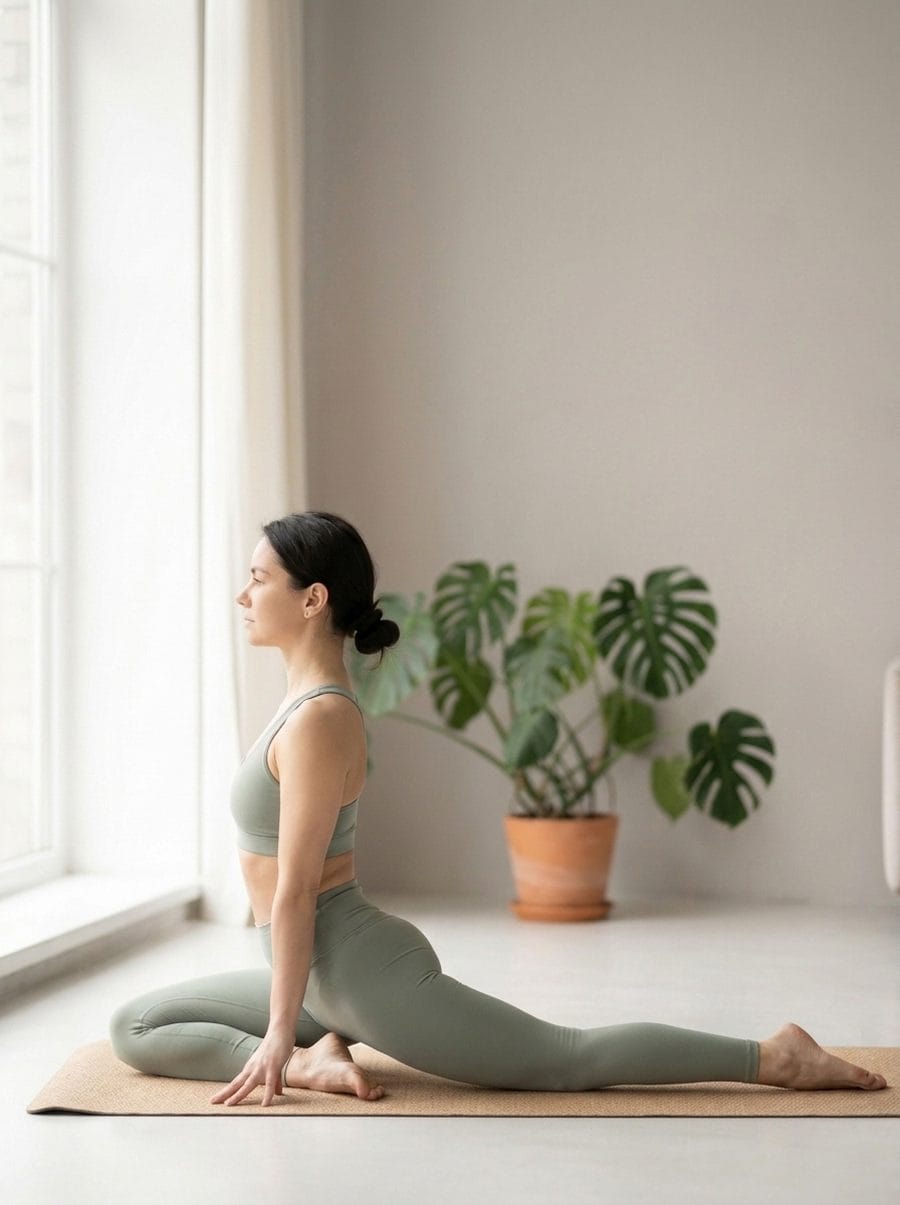
The level is beginner, though Pigeon Pose (Prep) is the deepest pose here, so slide a blanket or cushion under your hips.
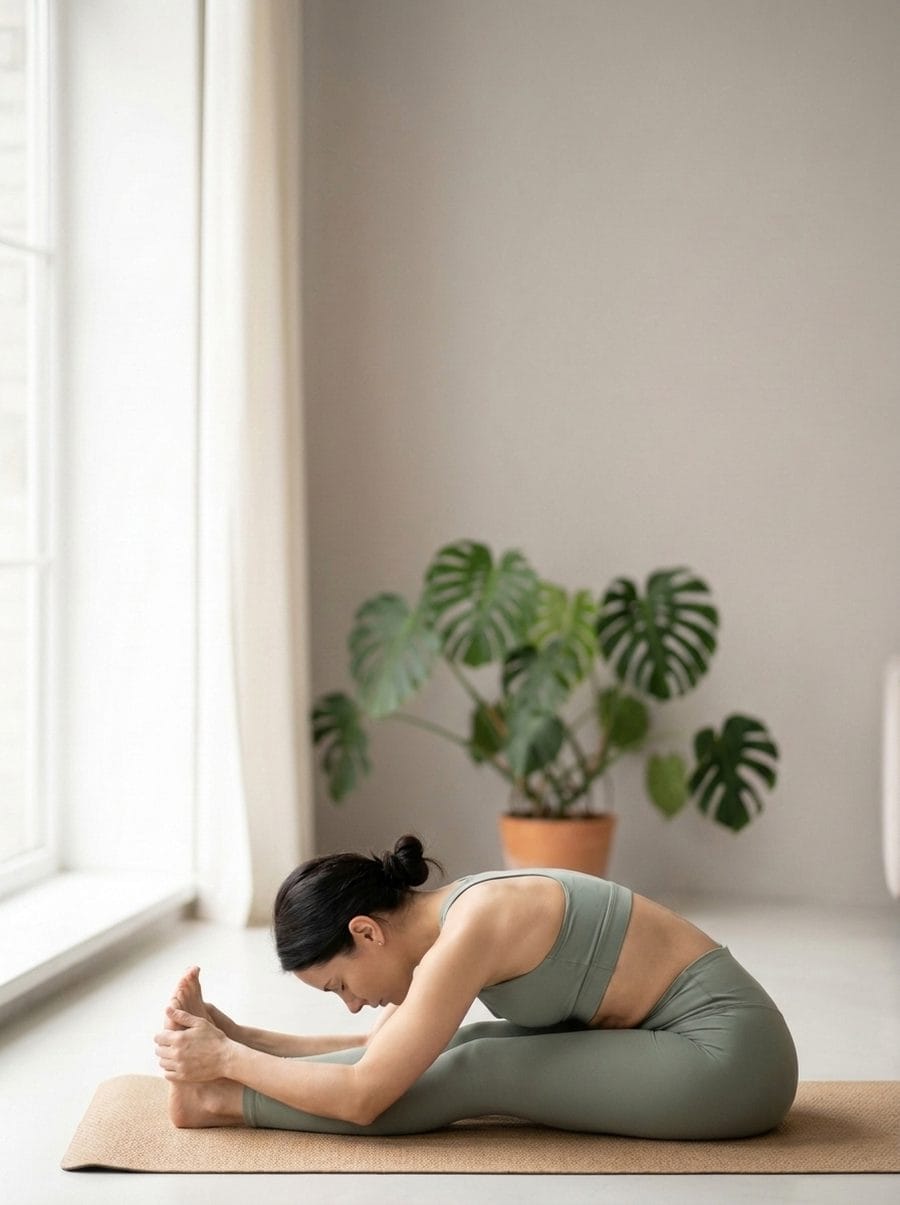
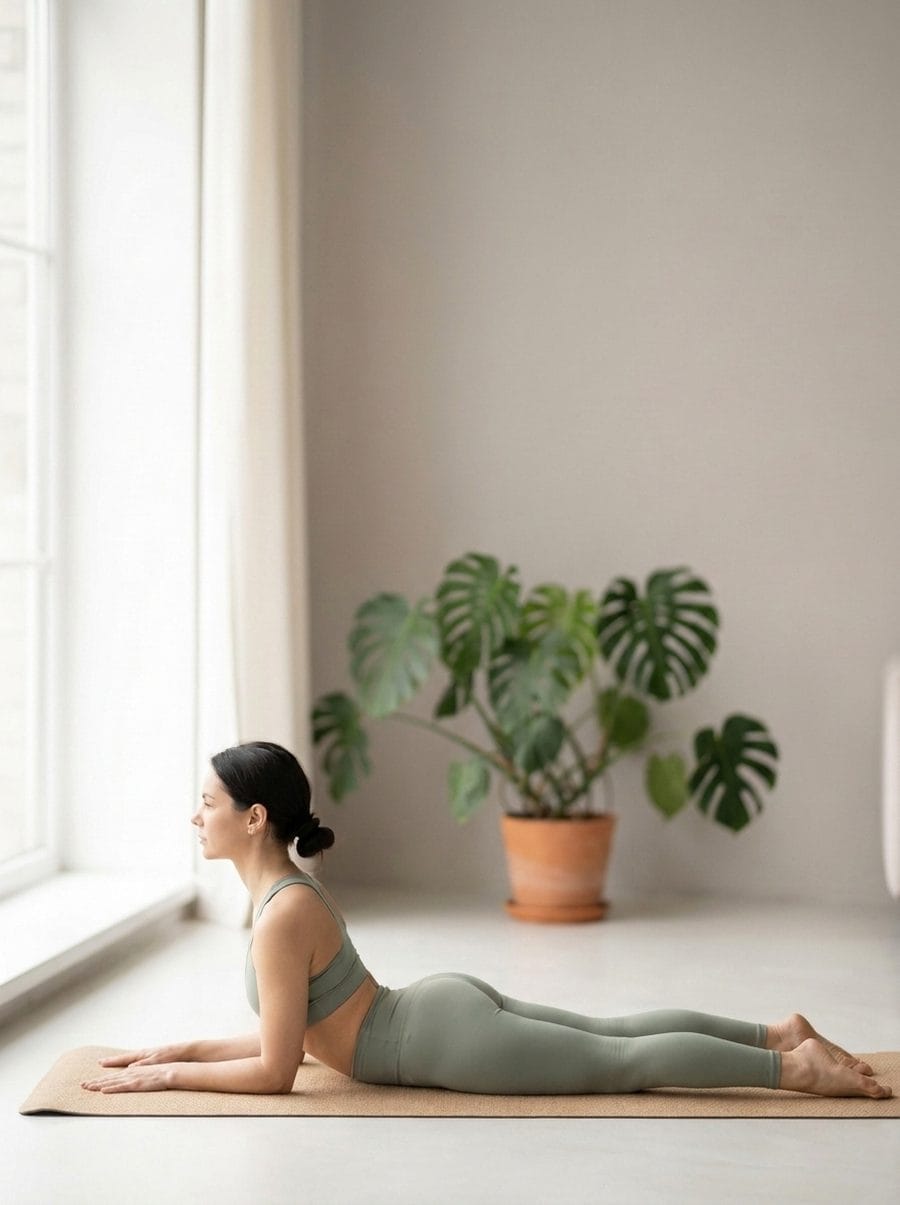
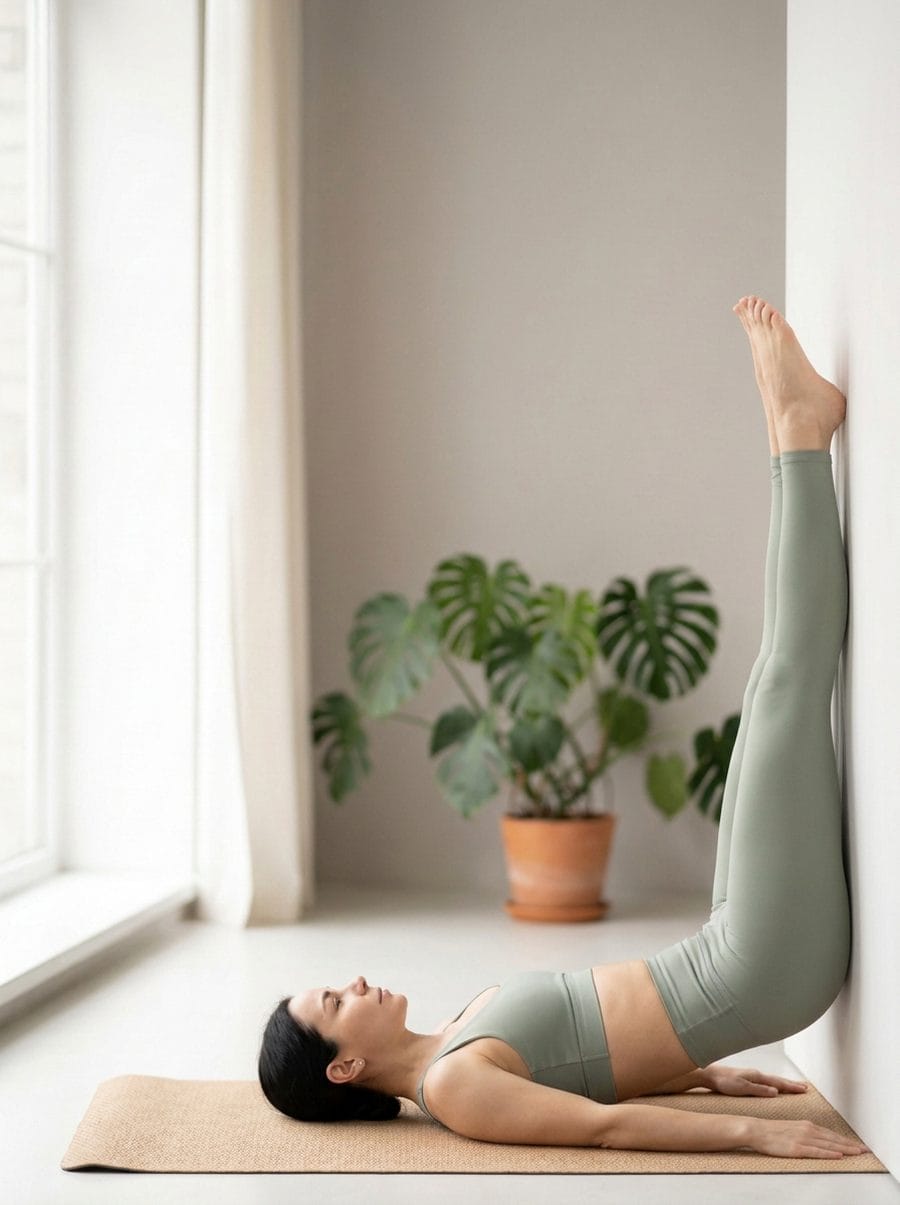
What to leave out: Child's Pose with knee injuries, Seated Forward Fold with a lumbar disc herniation, Sphinx Pose with sharp lower back pain, Supine Twist while a herniation is flaring. Legs-Up-the-Wall Pose is closed to you during your period, with glaucoma, or when hypertension won't stay in check.
With injured knees, do a twist on your back with one knee pulled in to your chest in place of the pigeon, unless a herniation is flaring. New to the style? Start with the yin yoga overview.




Why this order
The order takes you down into the poses and back out again. Child's Pose gathers your attention, then Butterfly Pose and the pigeon open the hips. Seated Forward Fold draws out the full rear line of the body, so let your arms go and your spine round.
Sphinx Pose answers the folds with a gentle backbend, and Supine Twist unwinds the spine. Legs-Up-the-Wall Pose lets your legs rest, and Relaxation Pose (Savasana) closes the practice.
The long holds aren't about depth. Given time, your muscles stop bracing and the release comes on its own.
Featured in
- The Three Doshas in Ayurveda: What Vata, Pitta and Kapha Mean5 min read
- Foam Rolling and Yoga: Self-Massage Before and After Your Practice6 min read
- Types of Yoga: How the Styles Differ and Which One to Choose6 min read
- Vipassana and Other Types of Meditation: How They Differ6 min read
- Yin Yoga Poses: 15 Key Poses With Props and Cautions7 min read
- What Is Yin Yoga? Long Holds Without Effort, Explained7 min read
- What Is Mindfulness? 7 Mindfulness Exercises for Everyday Life6 min read
Cautions
- Pregnancy — widen your knees (Child's Pose)
- Knee injuries (Child's Pose)
- Groin and knee injuries — place supports under your thighs (Butterfly Pose)
- Knee injuries — do a Supine Twist with your knee to your chest instead (Pigeon Pose (Prep))
- Lumbar disc herniation (Seated Forward Fold)
- Flare-up of back pain — bend your knees (Seated Forward Fold)
- Acute lower back pain (Sphinx Pose)
- Disc herniation in the acute phase (Supine Twist)
- Menstruation (Legs-Up-the-Wall Pose)
- Glaucoma (Legs-Up-the-Wall Pose)
- Uncontrolled hypertension (Legs-Up-the-Wall Pose)
This site is for general information and is not medical advice. If you have pain, an injury, a chronic condition, or are pregnant, check with a qualified professional before practicing.