 Hatha Yoga
Vipassana and Other Types of Meditation: How They Differ
Hatha Yoga editorial team · Updated · 6 min read
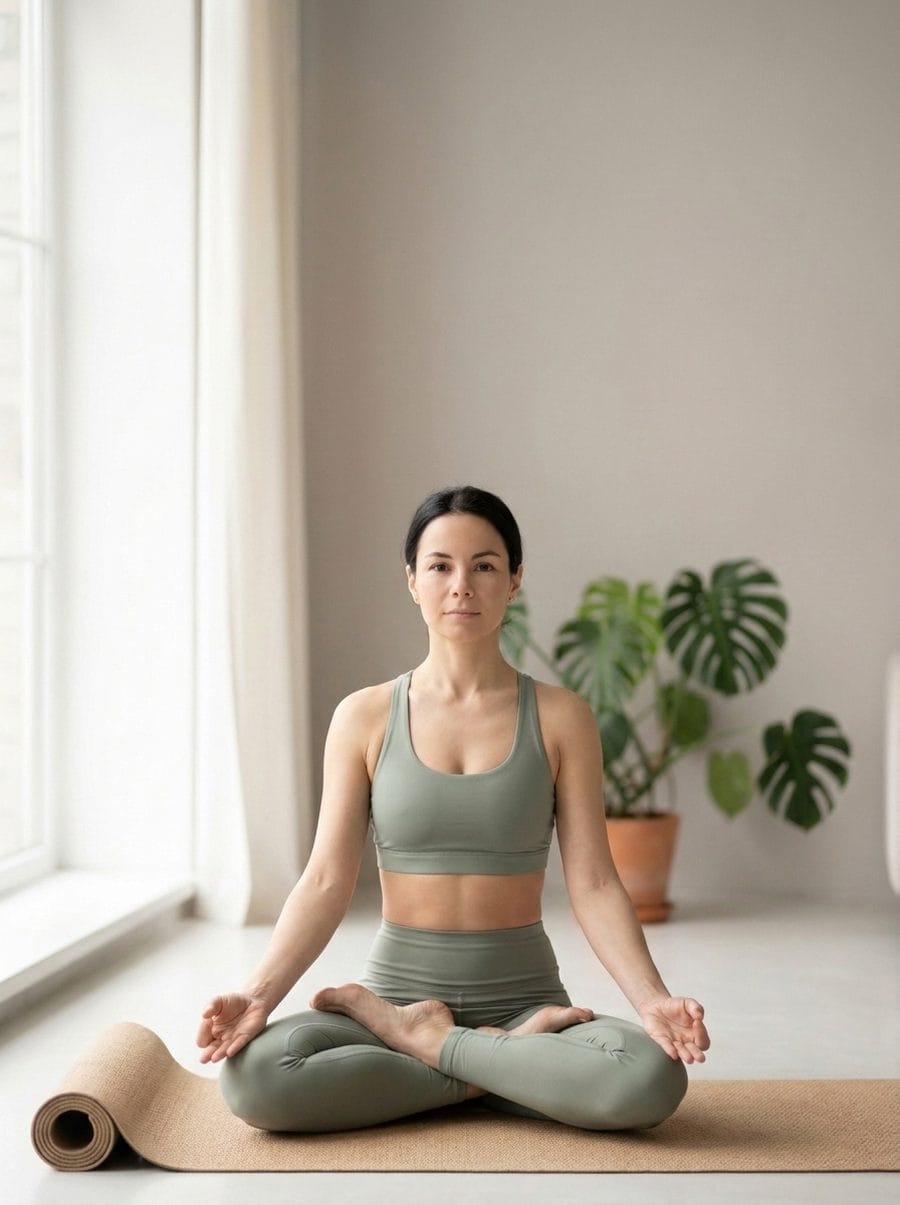
Many people know vipassana from ten-day courses held in complete silence, but at heart it's an attention technique you can try at home. Here's a plain-language look at what vipassana means, how the classic course is set up, how to start practicing on your own and how it differs from other types of meditation: samatha, loving-kindness, Zen, transcendental meditation and candle meditation.
What is vipassana meditation?
The word comes from Pali, the language of the early Buddhist texts. It's translated as "clear seeing" or "insight": looking at what's happening in you just as it is. The foundation of the technique is laid out in the Satipatthana Sutta, where attention moves in turn to the body, sensations, states of mind and mental phenomena.
In practice, vipassana looks like this: you observe your breath and bodily sensations without trying to change them. An itch, warmth, tension or calm comes and goes, and you learn to notice it without reacting right away. Vipassana comes from Theravada Buddhism, but today people of every background practice it.
What happens on a vipassana retreat
The best known format is associated with S. N. Goenka. The basic course lasts 10 days. Participants keep "noble silence": no talking, no phone and no eye contact. Days start early, and meditation fills about ten hours a day, with breaks.
- The first three days are given to anapana, watching the breath around the nostrils.
- From day four, vipassana proper begins: attention travels slowly through the body, noticing sensations.
- On the last day, metta, wishing goodwill to yourself and others, is added, and the silence ends.
Centers in many countries run these courses, and the tradition's website, dhamma.org, posts the schedules. A retreat at that intensity takes real preparation, so it makes sense to start with short sessions at home.
How to do vipassana meditation at home
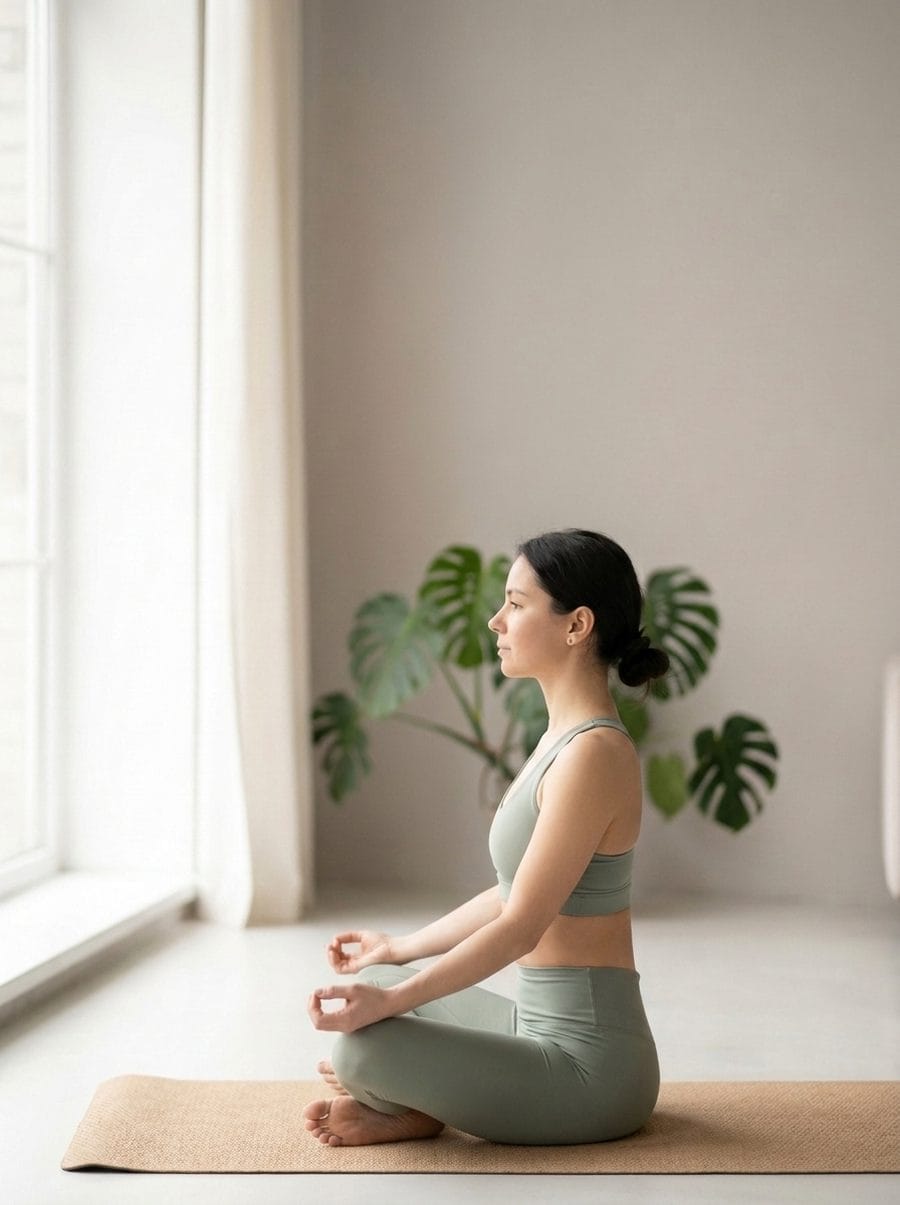
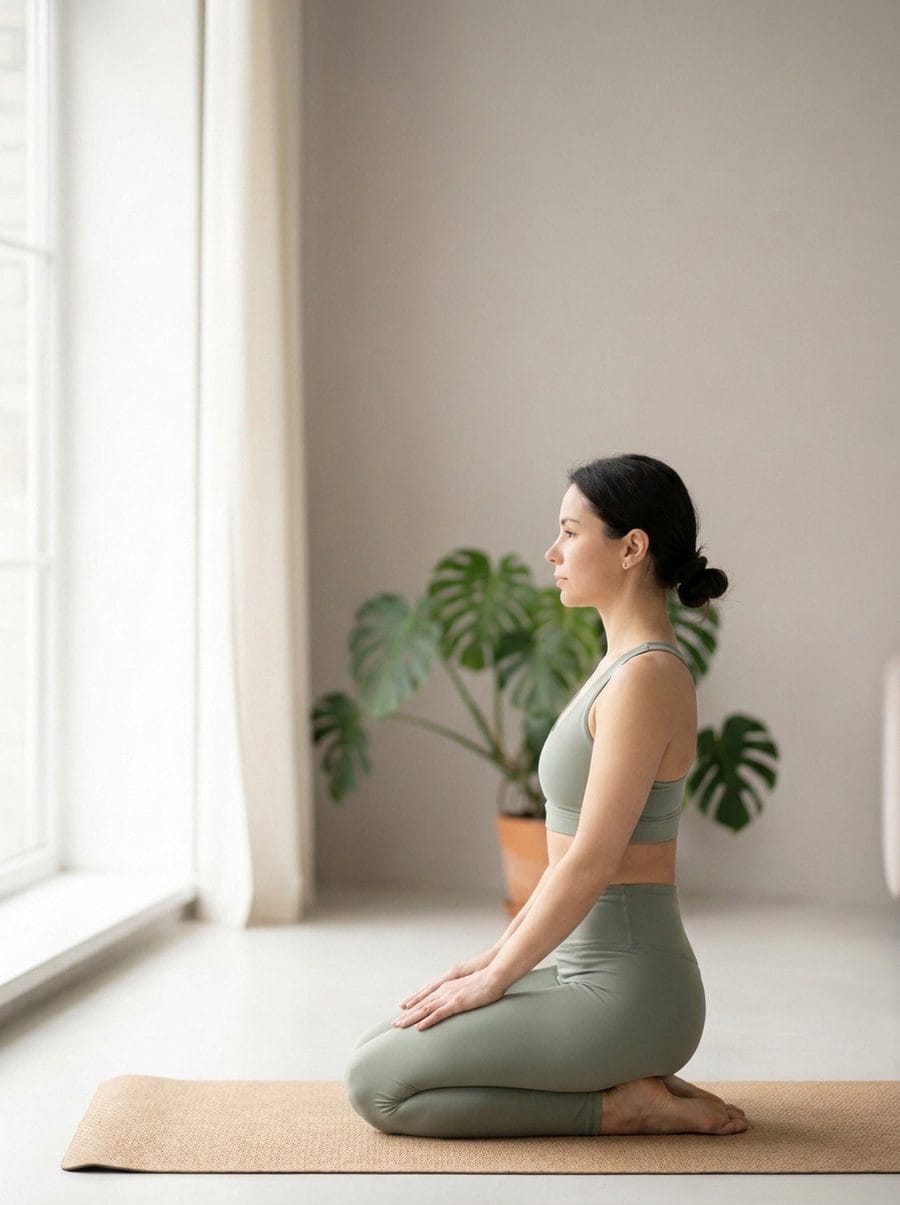
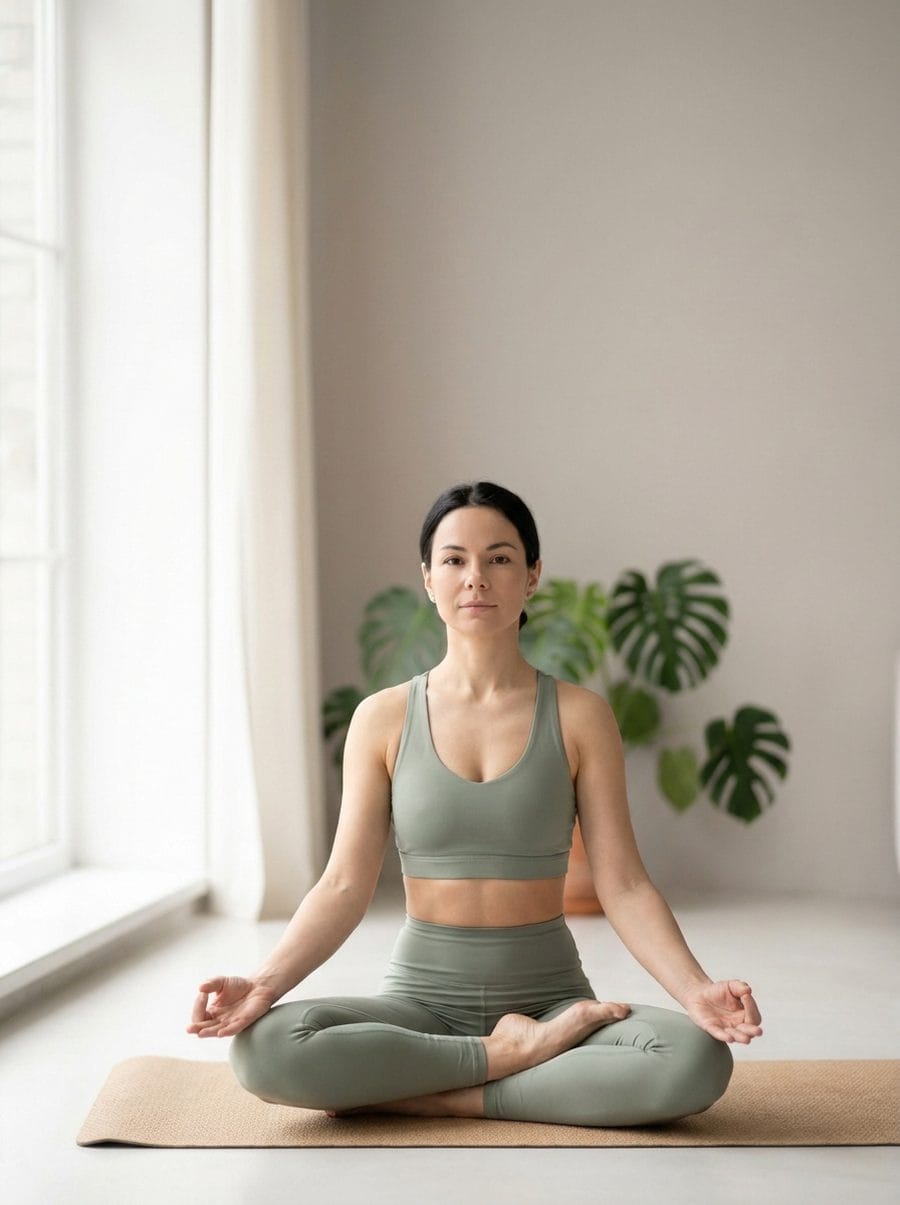
1. Pick a seat you can hold for 15 to 20 minutes with a naturally upright back. Options include Easy Pose, Half Lotus Pose, Accomplished Pose, or kneeling with your hips resting on your heels. 2. For the first 5 to 10 minutes, watch the breath at your nostrils: cool air on the inhale, slightly warmer on the exhale.
Don't change anything. 3. Then slowly move your attention through the body, from the top of the head down to the toes and back up. Notice any sensations, even faint ones. 4. Did a thought pull you away? Note it and calmly return to where you left off. 5.
At the end, sit for a minute doing nothing, and only then get up.
How long should you sit? Ten minutes a day is enough to begin, and you can add a couple of minutes each week. Mornings work well, before email and news, or evenings before bed. Set a timer so you aren't tempted to check the clock.
A short daily session does more than a long one once a week.
Another approach, from the Mahasi Sayadaw school, has you silently note the movement of your belly: "rising," "falling." Try both and keep whichever holds you in the practice.
Other types of meditation
- Samatha. Calm-abiding meditation: attention rests on a single object, most often the breath. In Buddhist tradition, samatha and vipassana go together: the first settles the mind, the second sharpens observation.
- Loving-kindness (metta). You silently repeat wishes such as "may I be safe, may I be at ease," then extend them to loved ones, strangers and all living beings.
- Walking meditation. A slow walk with attention on lifting, moving and placing each foot. It's practiced both on vipassana retreats and in Zen.
- Zazen. The seated meditation of Zen Buddhism: eyes half open, gaze lowered, attention on posture and breath. In the Soto school, it's "just sitting," with no object.
- Transcendental meditation. The technique of Maharishi Mahesh Yogi: a teacher gives you a mantra, and you practice for 20 minutes twice a day. To learn how mantras work, see Mantras and Om.
- Candle meditation. In hatha yoga this is Trataka: you first gaze softly at the flame, then hold its image in your mind's eye. The app sets aside 5 minutes for it.
Brand new to sitting still? The general guidelines for seated practice are in Meditation for Beginners.
Vipassana and yoga
Meditation in yoga, dhyana, is the seventh limb of Patanjali's path, and the poses were originally meant to prepare the body for long, still sitting. Every yoga session already holds a bridge to vipassana: in Relaxation Pose, you move your attention through the body, releasing one part after another. Read more in Savasana: The Art of Relaxation.
Inside the app, Yin Practice builds a similar skill: 35 minutes at beginner level, long holds of floor poses and, as a finale, five minutes of Relaxation Pose. The task matches vipassana: observe sensations and don't rush to change them.
Safety
- Most sources rate meditation as low-risk. Yet in a review that NCCIH cites, roughly 8% of participants described unpleasant effects, mostly anxiety and depression. If practice noticeably increases your anxiety, take a break.
- An intensive retreat, with hours of sitting in silence, is a heavy load. If you've had a mental health condition or severe stretches of anxiety or depression, discuss the retreat with a doctor ahead of time.
- Skip Trataka if you have glaucoma, epilepsy or a psychiatric disorder.
- Your seat. Half Lotus Pose and sitting on your heels are off-limits when knees or ankles are injured. With a knee injury, use Accomplished Pose only when raised on a firm cushion.
- In Yin Practice, drop the seated forward fold if your lumbar spine has a disc herniation, and Child's Pose and Pigeon Pose (Prep) with knee injuries. During your period, give Legs-Up-the-Wall Pose a miss; it's excluded altogether for people with glaucoma, as well as for unmanaged hypertension.
Pose cautions in this article
- Knee and ankle injuries (Half Lotus Pose, Thunderbolt Pose)
- Knee discomfort — sit on a prop (Easy Pose)
- Knee injuries — use a prop under your hips (Accomplished Pose)
This site is for general information and is not medical advice. If you have pain, an injury, a chronic condition, or are pregnant, check with a qualified professional before practicing.
Questions
What does vipassana mean? Put simply, it's a meditation of observation: you calmly notice your breath and body sensations without trying to change them. The Pali name translates as "clear seeing."
How long is a vipassana course? The classic course in the Goenka tradition lasts 10 days. At home, people usually begin with 10 to 20 minutes a day.
Can vipassana be done at home? Yes. Start by watching your breath, then add a slow, head-to-toe tour with your attention. For deeper immersion, the tradition recommends a course with a teacher.
How is vipassana different from transcendental meditation? In vipassana, attention observes body sensations; in transcendental meditation, the anchor is a mantra you repeat silently.
Sources
- The Satipatthana Sutta and Patanjali's Yoga Sutras as historical texts, summarized in our own words. Poses, Trataka and the program contents: the Hatha Yoga app. How we verify our texts is explained on the How We Prepare Our Content page.
- Meditation safety: NCCIH, Meditation and Mindfulness: What You Need To Know.
Read next
- Yoga for Arthritis and Osteoporosis: How to Protect Your Joints and Bones7 min read
- Ashtanga Yoga Explained: The Series, the Breath and the Difference from Hatha6 min read
- Ayurveda Explained Simply: The Basics and a Daily Routine (Dinacharya)5 min read
- Balance Exercises: 10 Yoga Poses for Balance and Stability7 min read