 Hatha Yoga
Ashtanga Yoga Explained: The Series, the Breath and the Difference from Hatha
Hatha Yoga editorial team · Updated · 6 min read
Ashtanga yoga is a dynamic style in which the poses follow a strict, unchanging order. Transitions are tied to the breath, your body heats up fast, and progress shows in how far into the series you've come. Below, in plain words: what ashtanga yoga means, how its series are built, why ujjayi, bandhas and a fixed gaze point matter, how it differs from hatha, and how to prepare for it at home.
What does ashtanga yoga mean?
The word "ashtanga" means "eight limbs." That's the name the Yoga Sutras of Patanjali give to the whole path of yoga, from ethical principles to meditation; see The Eight Limbs of Yoga. In studios, though, ashtanga usually refers to a specific style, ashtanga vinyasa yoga.
It was systematized in the 20th century by the teacher K. Pattabhi Jois in the Indian city of Mysore.
Its defining feature is that the sequence never changes. Between poses you do a short breath-linked transition: jump or step back, lower into Chaturanga, lift into a backbend, then press back to Downward-Facing Dog. That transition gives the style the second half of its name, vinyasa.
Because you're always moving, the room heats up without any heaters: your body warms itself. The freestyle version of this kind of flow is covered in Hatha vs. Vinyasa.
The ashtanga yoga series
The poses are grouped into series, which you learn in order.
- Primary series. The foundation of the style, with many forward folds and lots of hip work.
- Second, or intermediate, series. It's called "nadi shodhana," cleansing of the channels. Don't confuse it with Alternate Nostril Breathing, which shares the same Sanskrit name.
- Advanced series. Several series with deep backbends, arm balances and complex transitions.
Every session follows the same shape. First come Sun Salutations A and B, then a shared block of standing poses, then the main part of the series, and finally a closing sequence with inversions, Lotus and relaxation. New poses are added one at a time, once the previous ones are working.
The full primary series takes more than an hour, so beginners often start with half of it.
Breath, bandhas and gaze
Ashtanga teachers talk about three supports of practice.
- Breath. Steady breathing through the nose that makes a quiet ocean-like sound: ujjayi. It keeps the count: every movement gets its own inhale or its own exhale.
- Bandhas. A gentle lift through the base of the pelvis and the area just below the navel. More in our guide to bandhas.
- Gaze point. Each pose has a set place to look: the tip of the nose, the hand, the feet, the point between the eyebrows. It helps keep your attention inward.
Mysore style and led classes
The classic format is called Mysore style. Each student works through their own portion of the series at their own pace while the teacher moves around the room giving adjustments. That way, beginners and experienced students share the same room. In a led class, the teacher guides the whole group and counts the transitions aloud.
Traditionally, students practice six days a week and rest on Saturdays and on new and full moon days. You don't need to start like that: practicing two or three days weekly is plenty for learning the sequence.
Ashtanga vs. hatha yoga
- Order. In hatha the teacher chooses poses for each class. In ashtanga the order stays the same for years.
- Pace. Hatha allows pauses and time for technique. Ashtanga moves almost without stopping, and most poses are held for five breaths.
- Intensity. Ashtanga is noticeably harder: lots of transitions through Plank and Chaturanga, and a heart rate that climbs fast.
- Progression. In hatha you can try different poses in any order. In ashtanga you unlock the next pose only after you've got the one before it.
How to prepare for ashtanga with the app
The app doesn't include the ashtanga series: it teaches hatha yoga. But many poses from the primary series and the closing sequence are in the app, and learning them in advance pays off.
Standing poses
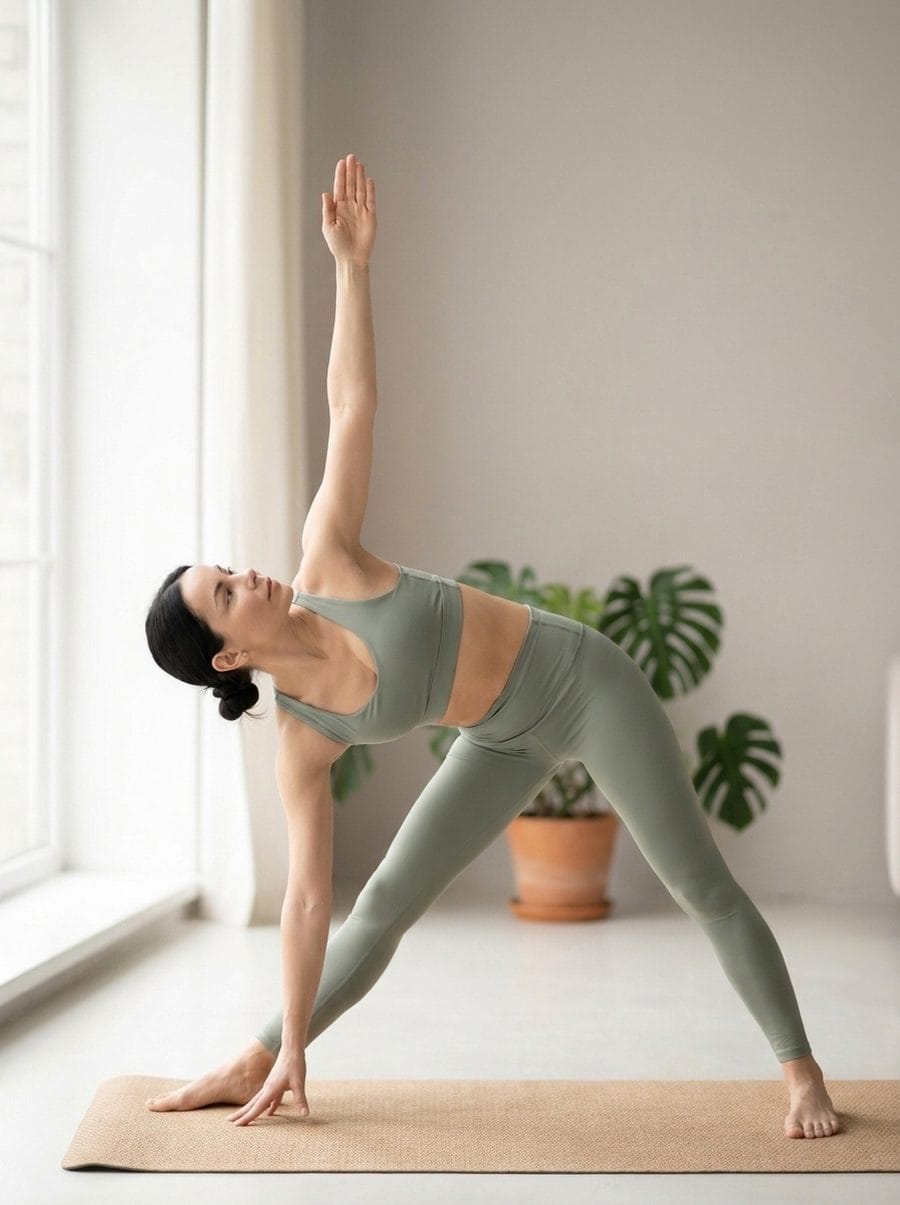
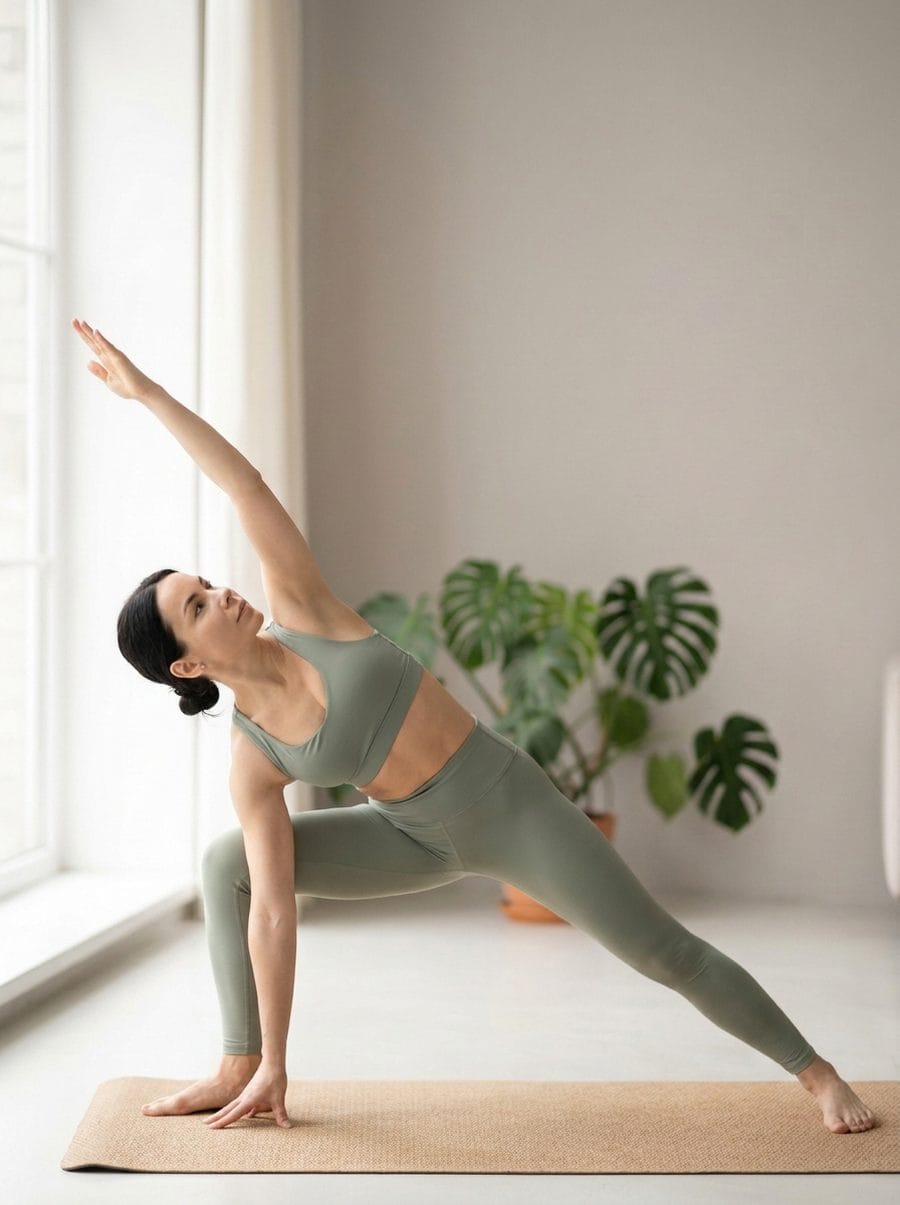
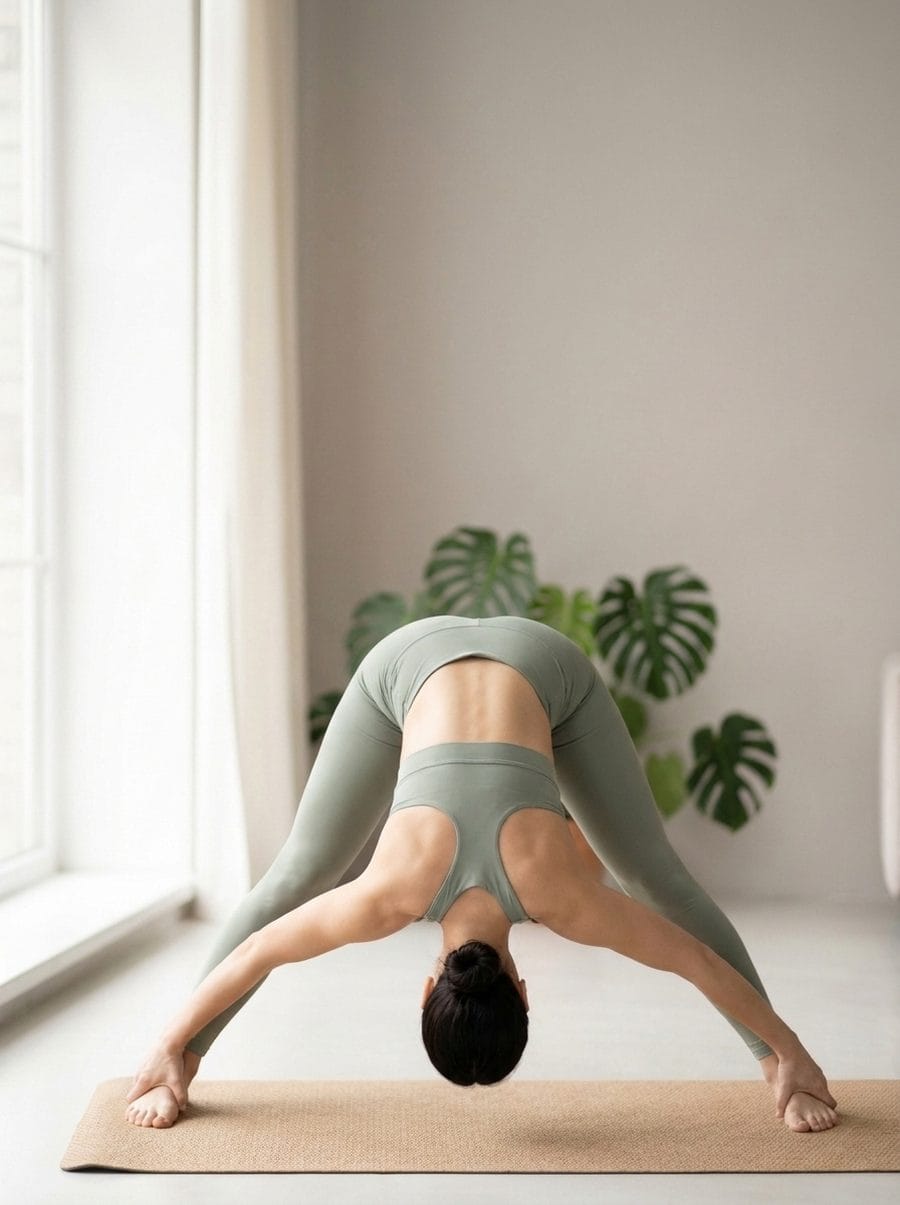
Triangle Pose, Side Angle Pose and Wide-Legged Forward Fold belong to the standing block that opens every series.
Seated poses and the finish
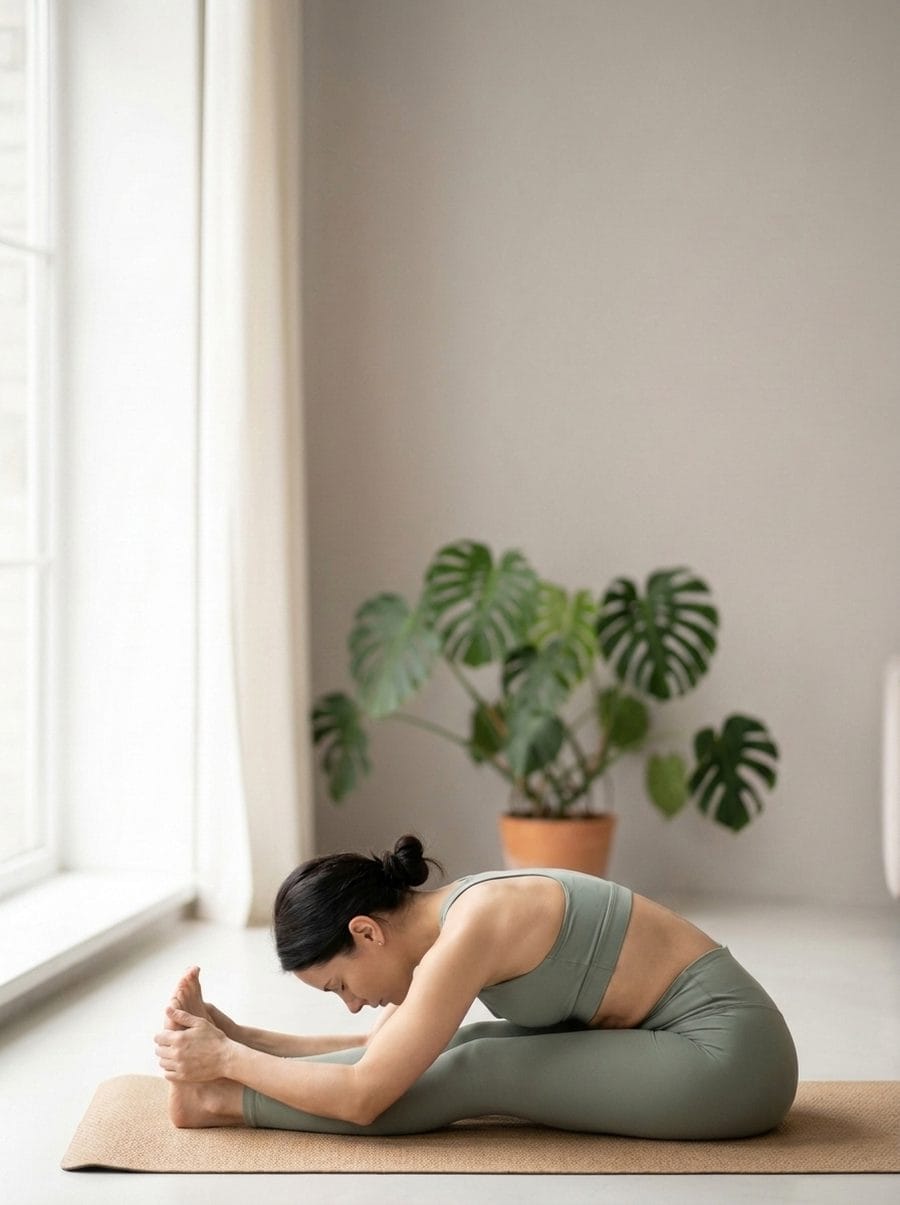
Seated Forward Fold, Head-to-Knee Pose and Boat Pose appear in the primary series. The closing sequence includes Shoulder Stand, Plow Pose and Fish Pose.
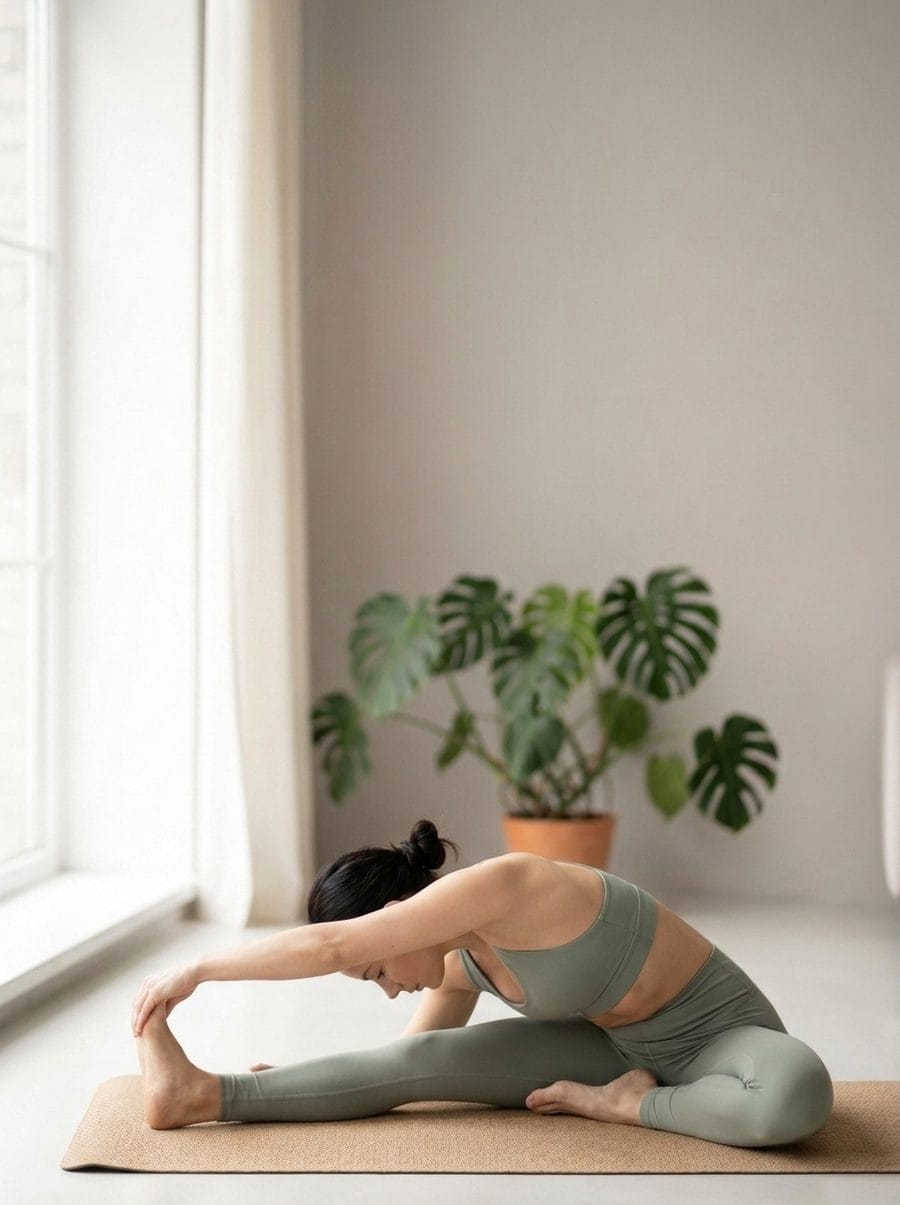
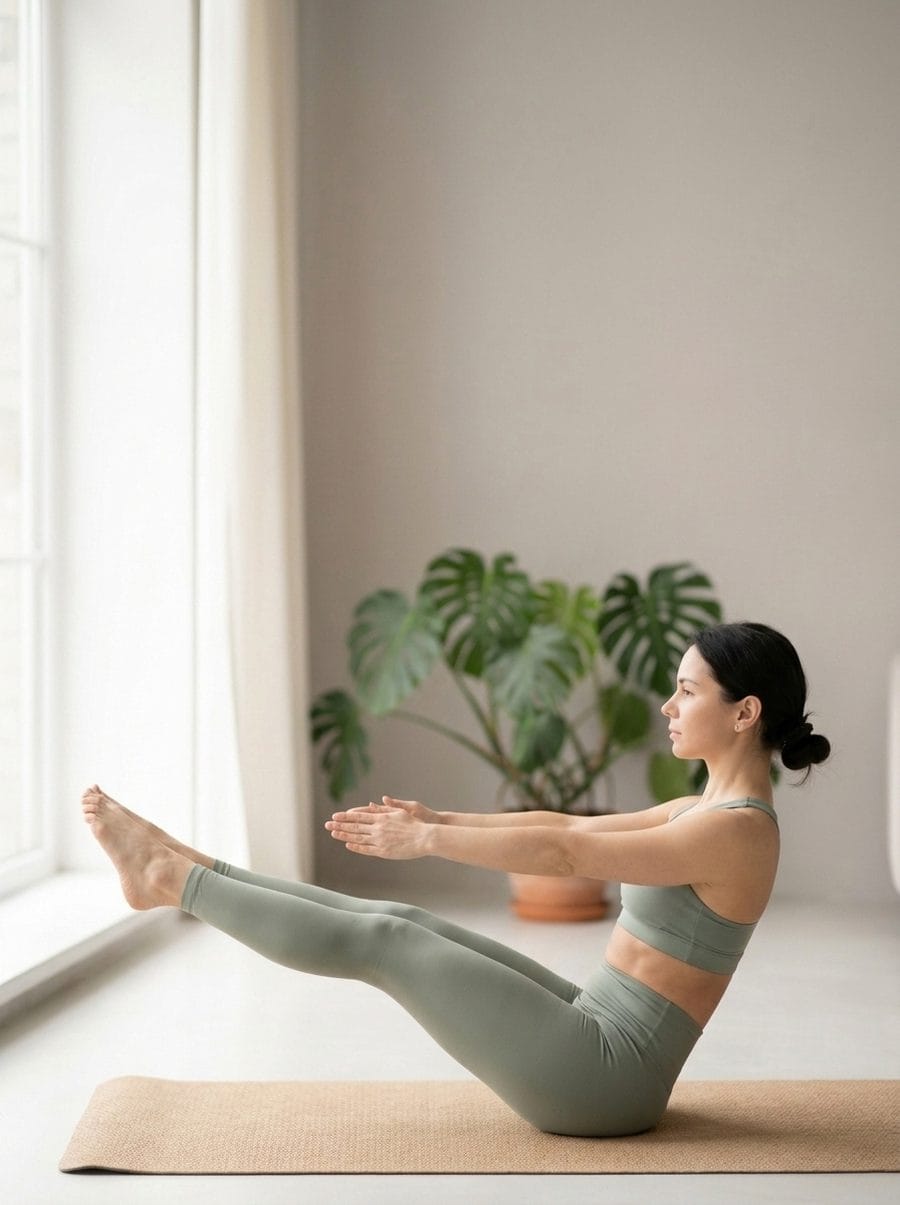
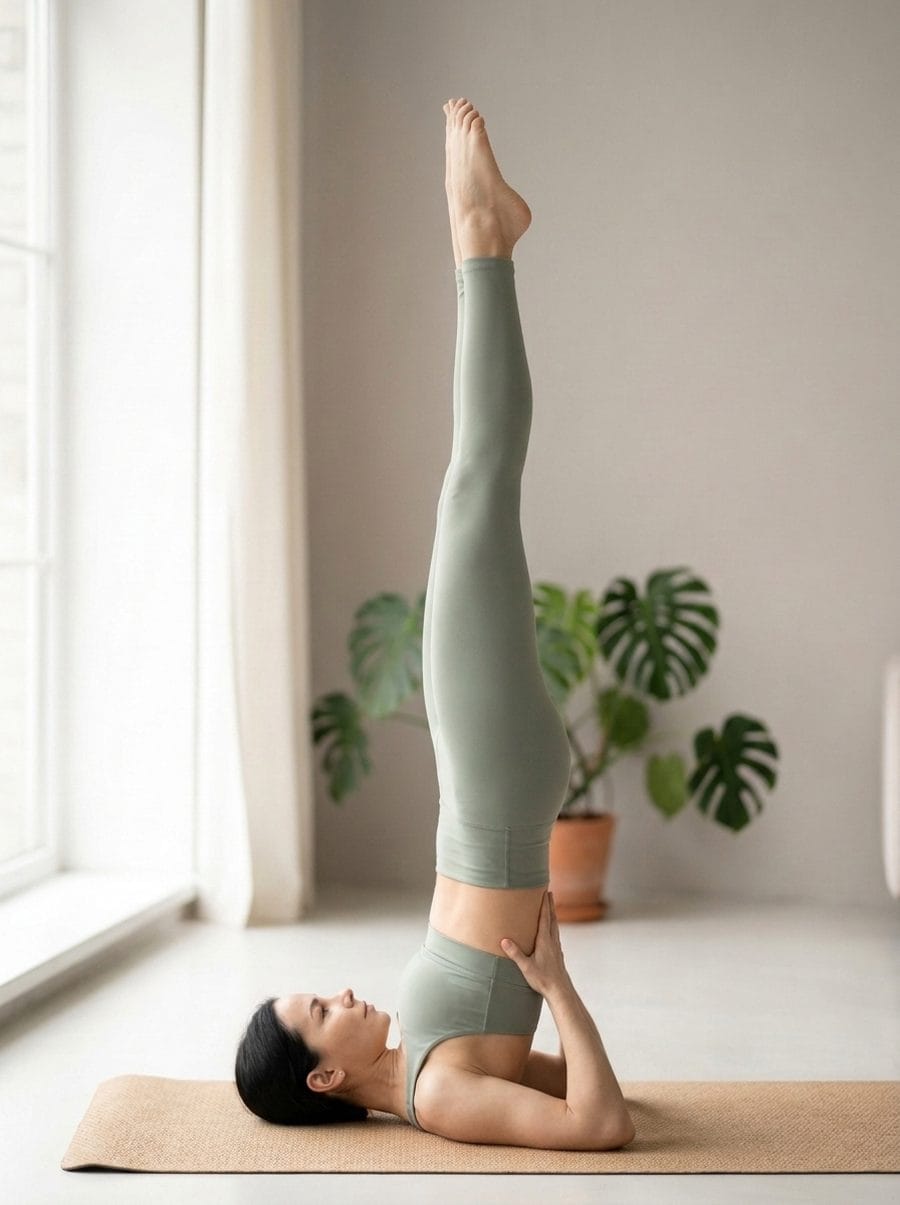
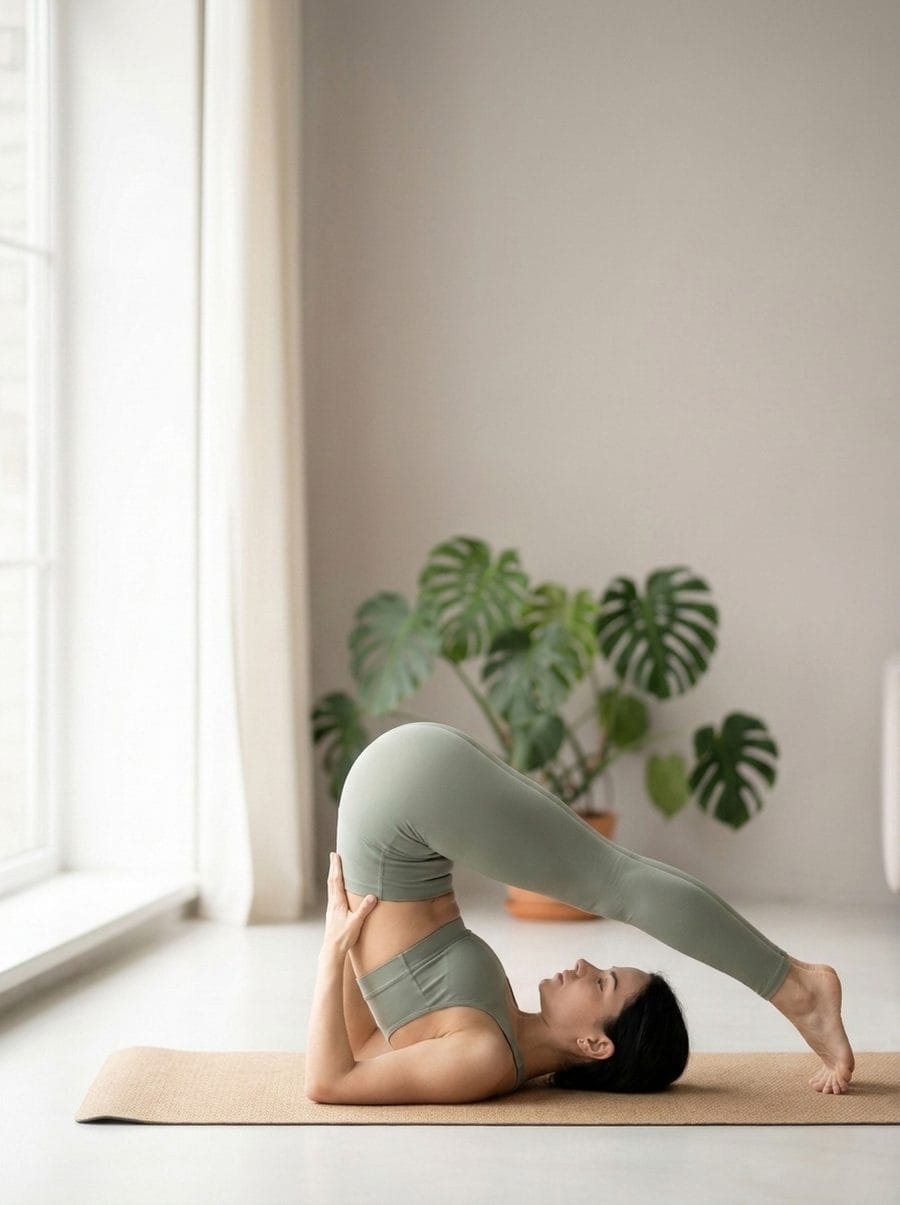
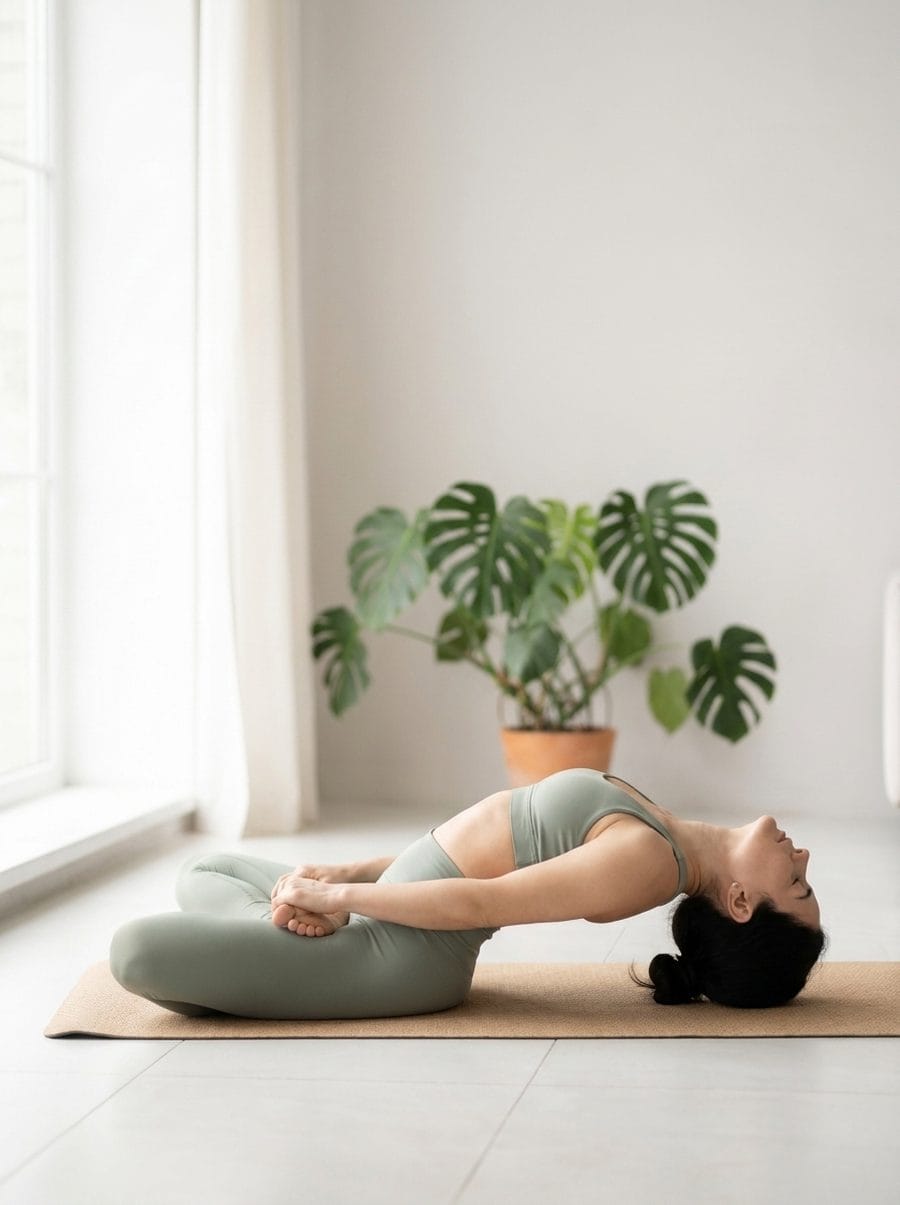
Structurally, the closest program is Classic Full Practice: 50 minutes, six rounds of Sun Salutation, then standing poses, folds and backbends, and inversions with a counterpose toward the end. The holds are longer and the transitions gentler. A good plan for your first month: three or four rounds of Sun Salutation most days, this program twice a week, and a short strength session for your arms.
For the arm and shoulder strength that endless Chaturangas demand, try Power Wave: 12 minutes of Down Dog to Plank transitions and Chaturanga push-ups, intermediate level.
Safety
The most common risk in ashtanga is hurry: the urge to move on to the next pose too soon. Knees suffer most in Lotus and half Lotus when you force them. Wrists and shoulders get overloaded in jump-backs and Chaturangas when the core is weak.
- Shoulder Stand and Plow Pose. A neck injury, hypertension, glaucoma, menstruation or pregnancy: in any of these cases, do neither pose.
- Fish Pose. An injured neck, high blood pressure or migraines rule it out as well.
- Boat Pose and Seated Forward Fold. Lumbar disc herniation rules out both. Boat Pose is also not for pregnancy or diastasis recti.
- Side Angle Pose. With injured knees, do without it.
If you're pregnant or managing a chronic illness, get medical clearance ahead of your first class. The detailed rules are in Safety and Contraindications.
Pose cautions in this article
- Flare-up of lower back pain (Triangle Pose)
- Low blood pressure — come out slowly (Triangle Pose)
- Knee injuries (Side Angle Pose)
- High blood pressure — don't lower your head too far (Wide-Legged Forward Fold)
- Hamstring injuries (Wide-Legged Forward Fold)
- Lumbar disc herniation (Seated Forward Fold, Boat Pose)
- Flare-up of back pain — bend your knees (Seated Forward Fold)
- Knee injuries — place a support under your bent knee (Head-to-Knee Pose)
- Pregnancy (Boat Pose, Shoulder Stand, Plow Pose)
- Diastasis recti (Boat Pose)
- Neck injuries (Shoulder Stand, Plow Pose, Fish Pose)
- Hypertension (Shoulder Stand, Plow Pose, Fish Pose)
- Glaucoma (Shoulder Stand, Plow Pose)
- Menstruation (Shoulder Stand, Plow Pose)
- Migraines (Fish Pose)
This site is for general information and is not medical advice. If you have pain, an injury, a chronic condition, or are pregnant, check with a qualified professional before practicing.
Questions
How is ashtanga yoga different from hatha yoga? In ashtanga the sequence is always the same, the pace is fast, and poses are joined by breath-linked transitions. In hatha the order changes, poses are held longer, and there are pauses between them.
Is ashtanga yoga good for beginners? Yes, if you start in a Mysore-style class with a teacher and learn the series gradually. Without any preparation the full series is too demanding, so it helps to build arm strength and learn the basic poses first.
What's the difference between ashtanga and vinyasa? Both are built on moving with the breath. In ashtanga the sequence is fixed, while in vinyasa the teacher puts together a new one each time.
What is Mysore-style ashtanga? A class format where each student practices their own part of the series at their own pace and the teacher helps one-on-one. It's named after the Indian city where the tradition took shape.
Sources
- Pose technique and cautions, program contents: the Hatha Yoga app. More on the How We Prepare Our Content page.
Read next
- Yoga for Arthritis and Osteoporosis: How to Protect Your Joints and Bones7 min read
- Ayurveda Explained Simply: The Basics and a Daily Routine (Dinacharya)5 min read
- Balance Exercises: 10 Yoga Poses for Balance and Stability7 min read
- Yoga for High Blood Pressure: Safe Poses, Breathing and Limits6 min read