 Hatha Yoga
A complete hatha yoga class: Classic Full Practice
Every element of the traditional sequence
The longest program in the app: 50 minutes and 30 poses arranged in the traditional structure of a hatha yoga class. It has everything: six rounds of Sun Salutation, joint warm-ups, standing poses and balances, arm support, seated folds and a twist, backbends, inversions and a long relaxation.
The level is intermediate. Don't do Sarvangasana or Halasana if you have a neck injury, hypertension or glaucoma, or during pregnancy or your period; rest on your back in their place. If fifty minutes feels like a lot for now, begin with shorter programs.
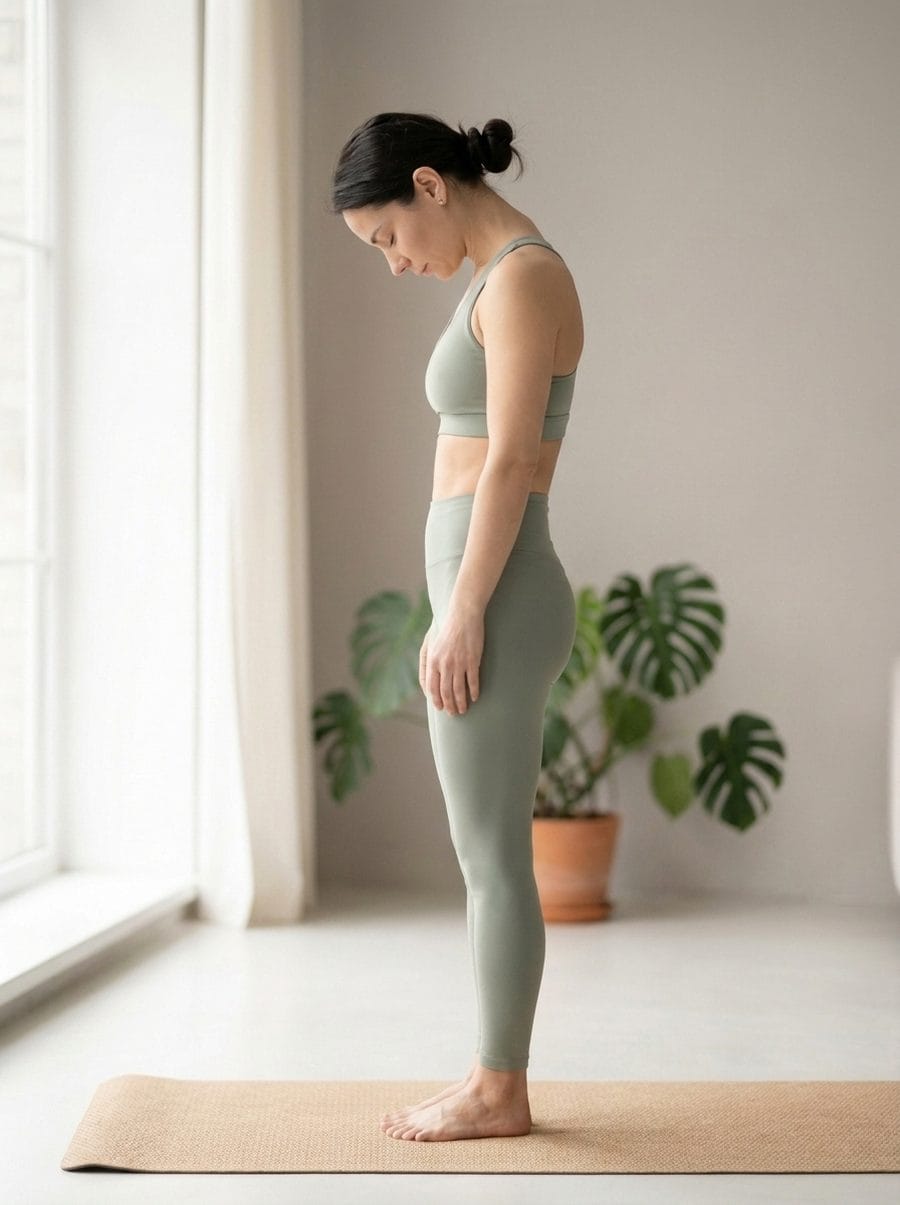
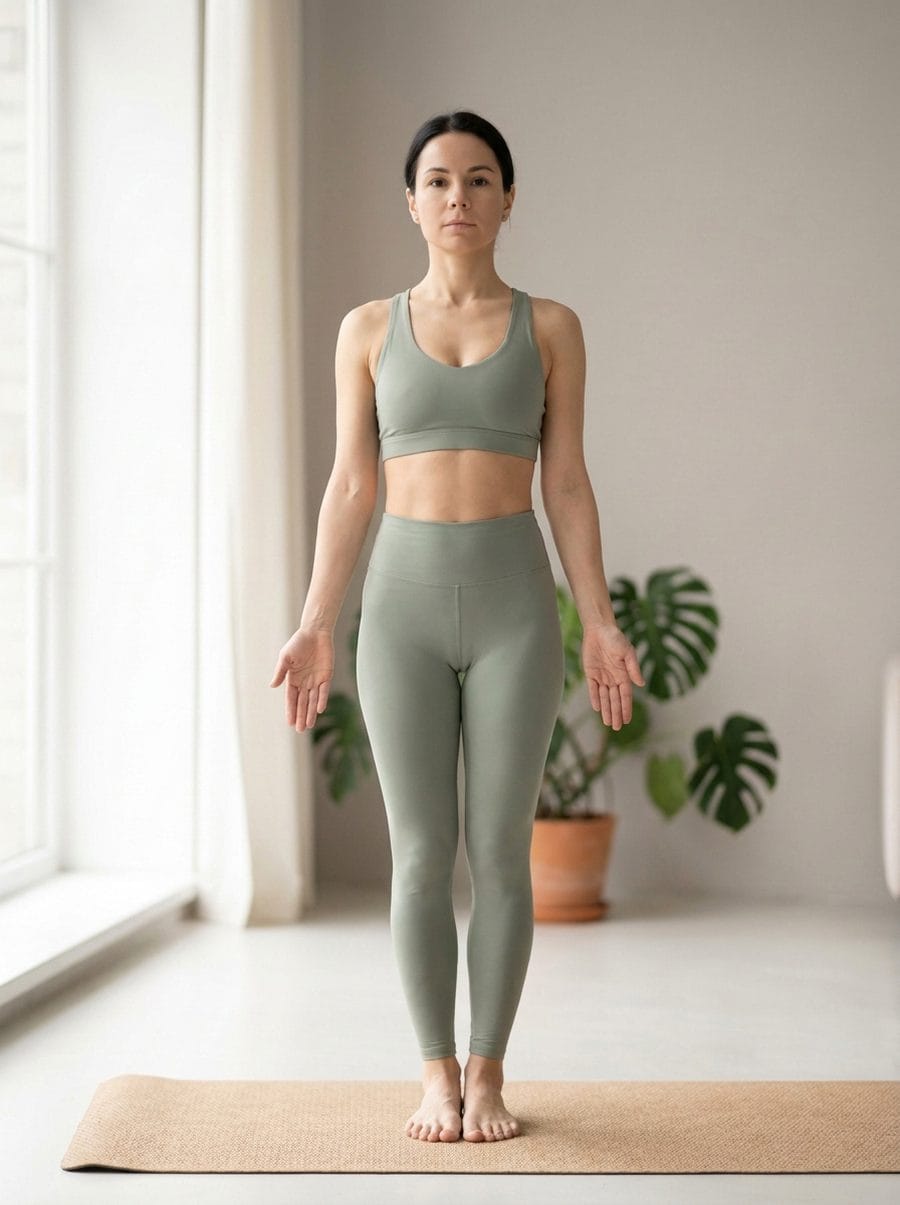
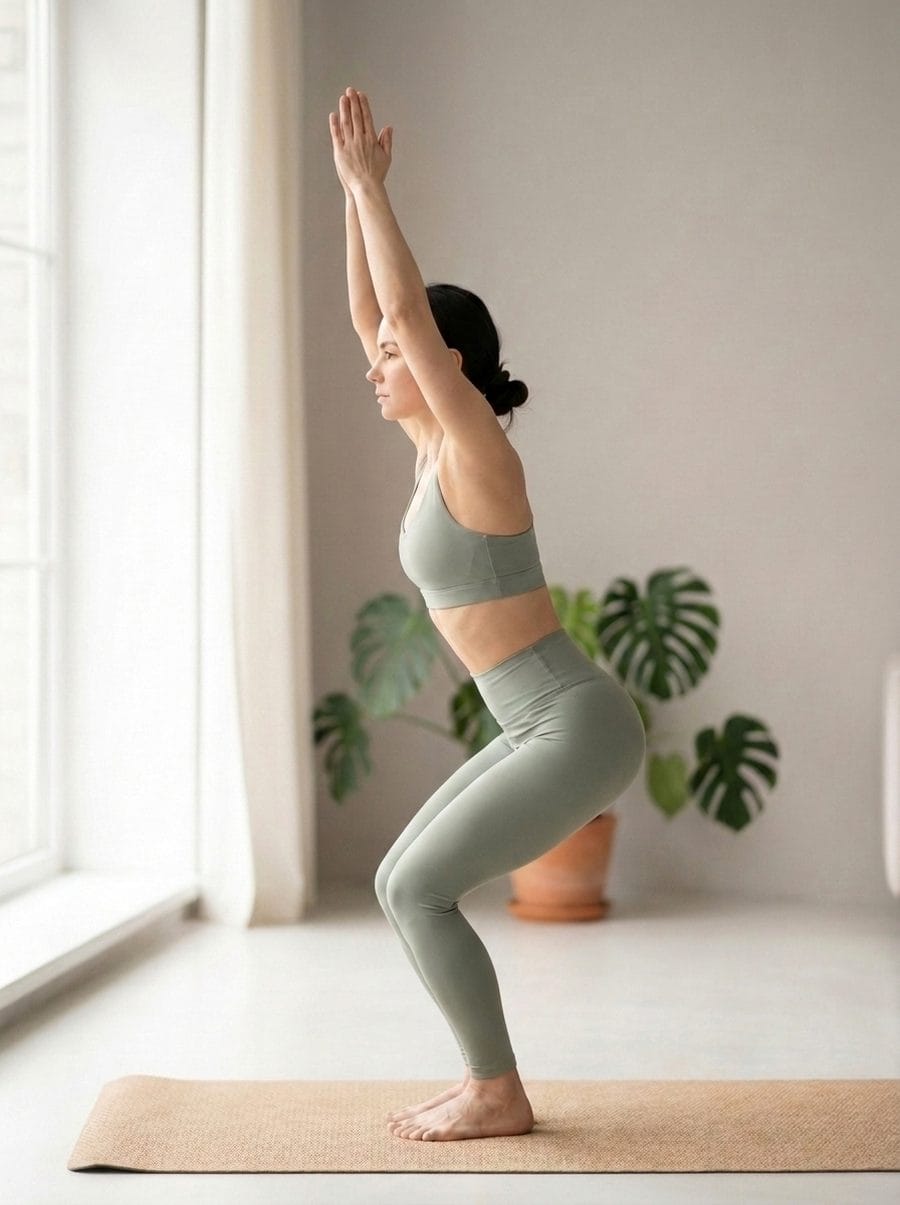
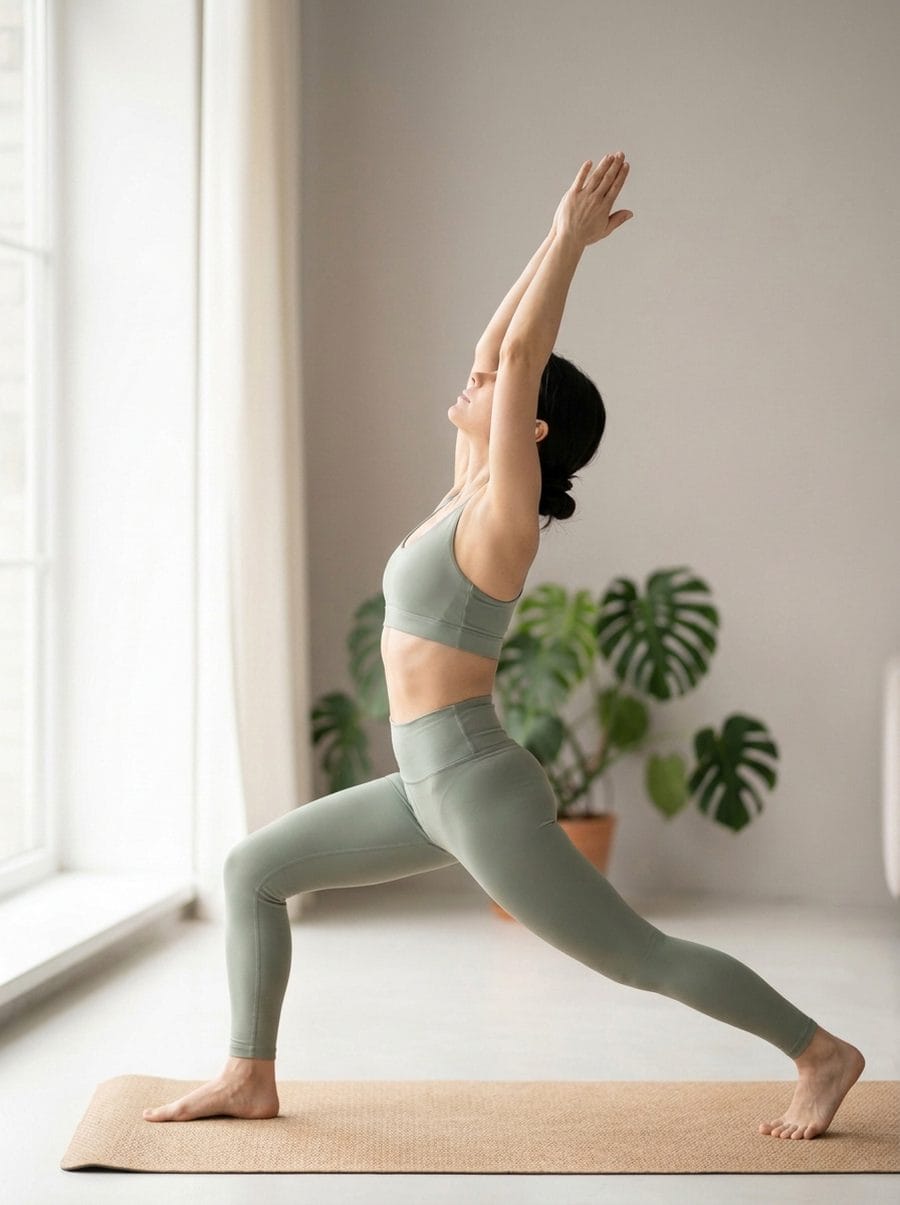
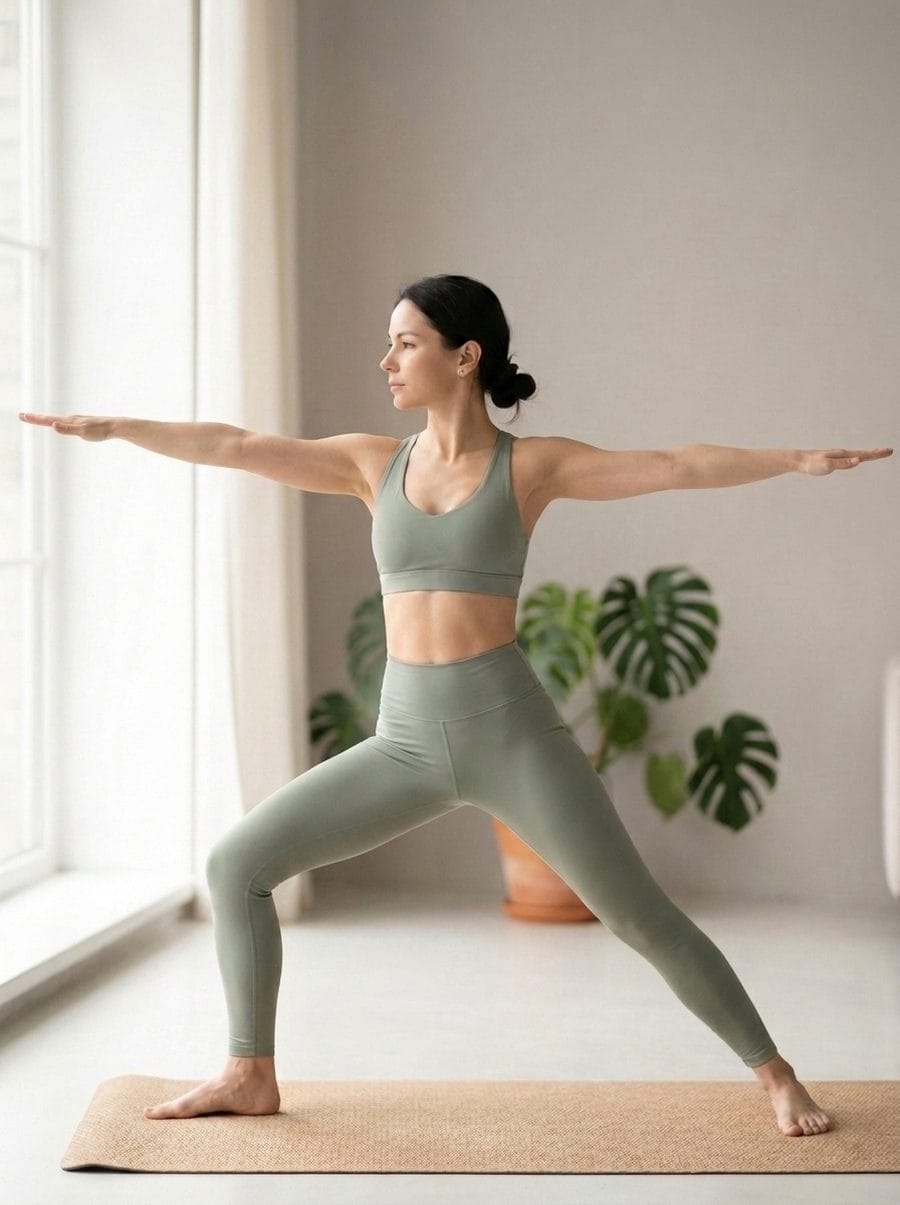
Sun Salutation × 6
-
-

-
-
-
-
-
-
-
-
-
-
-
-
-
-
-
-

-
-

-
-
-
-
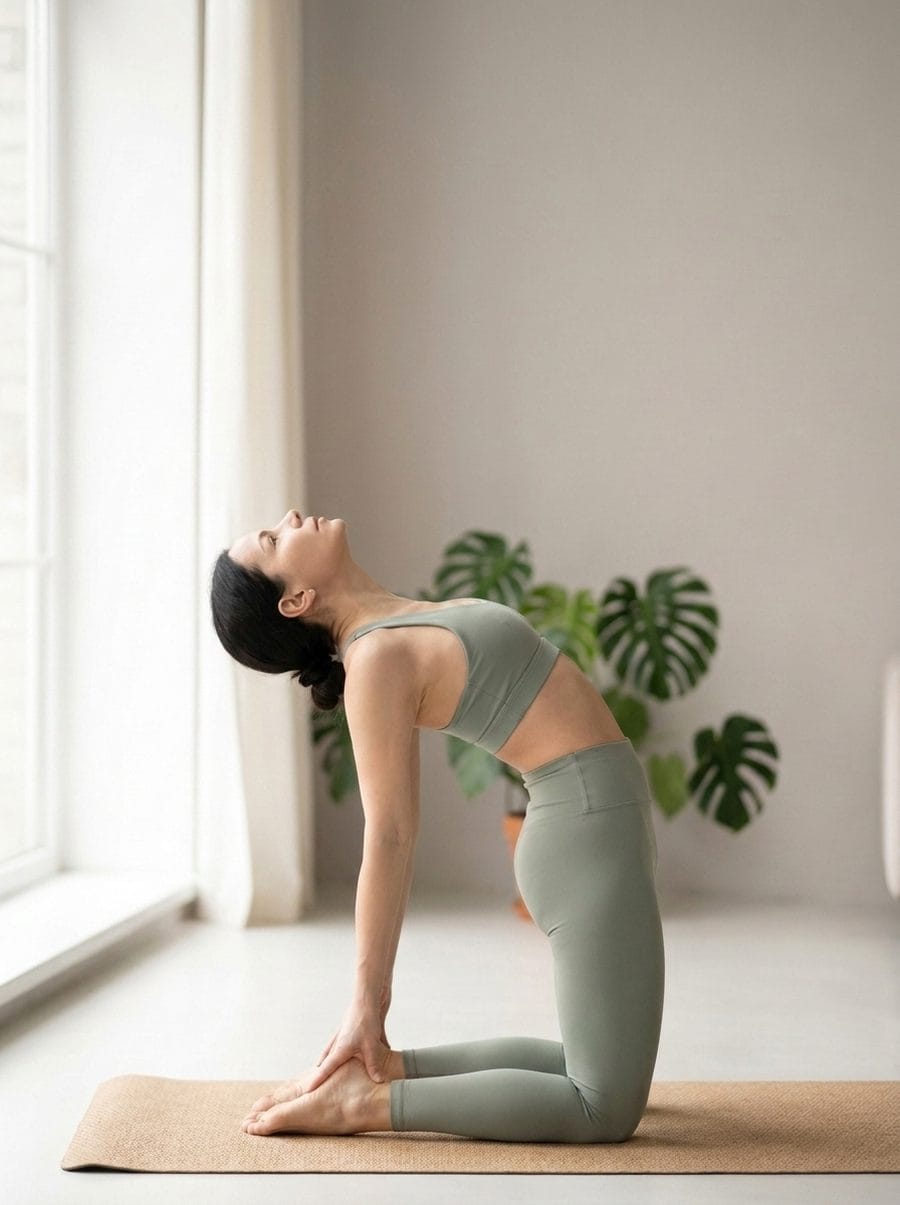
-
-
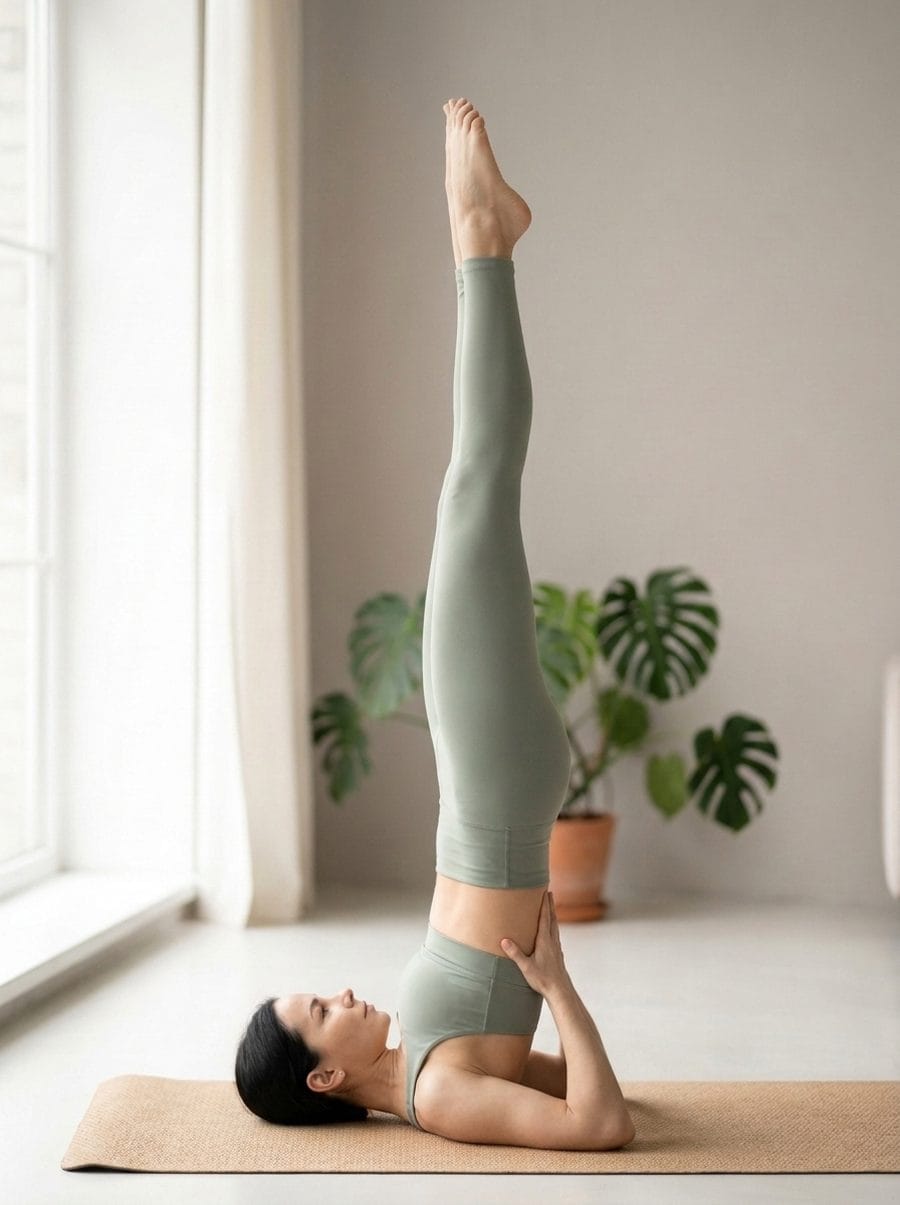
-
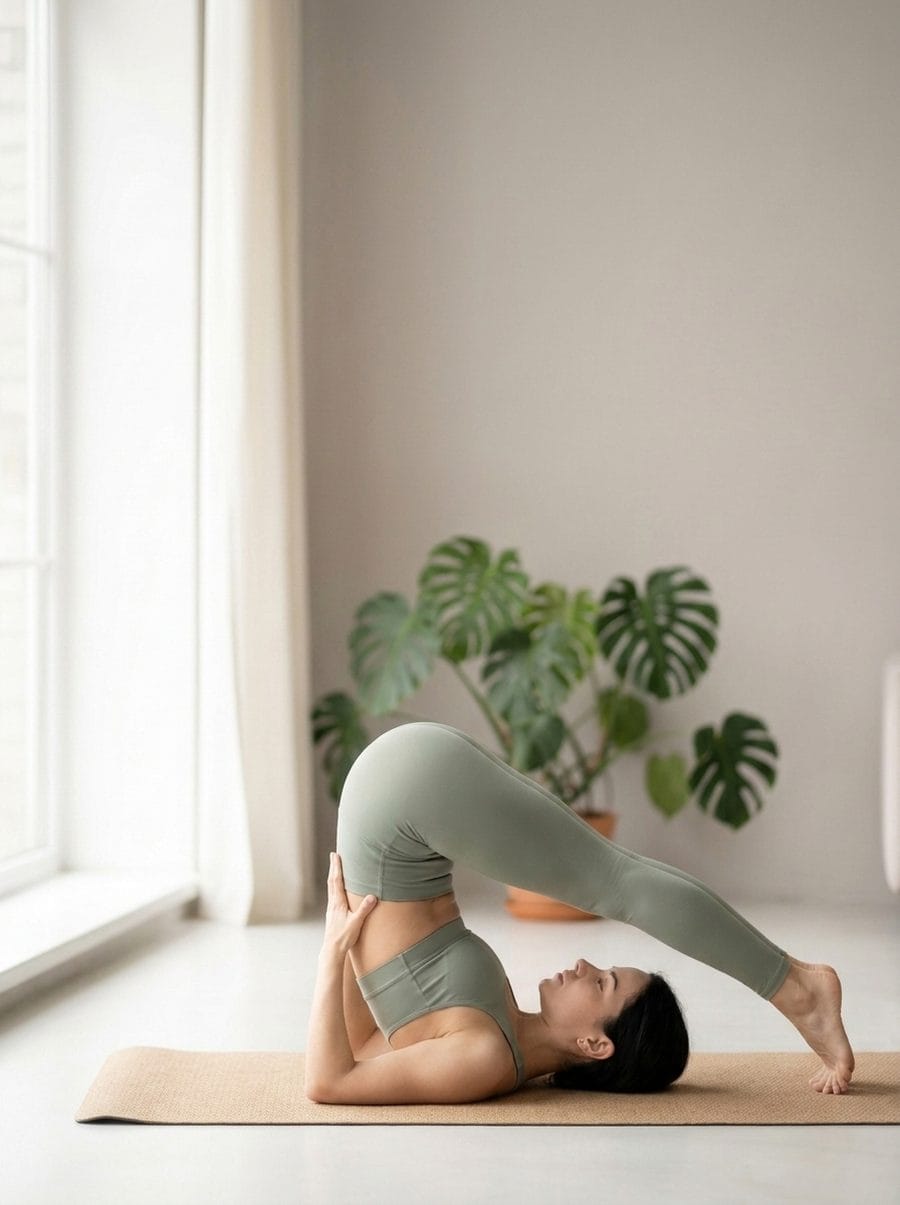
-
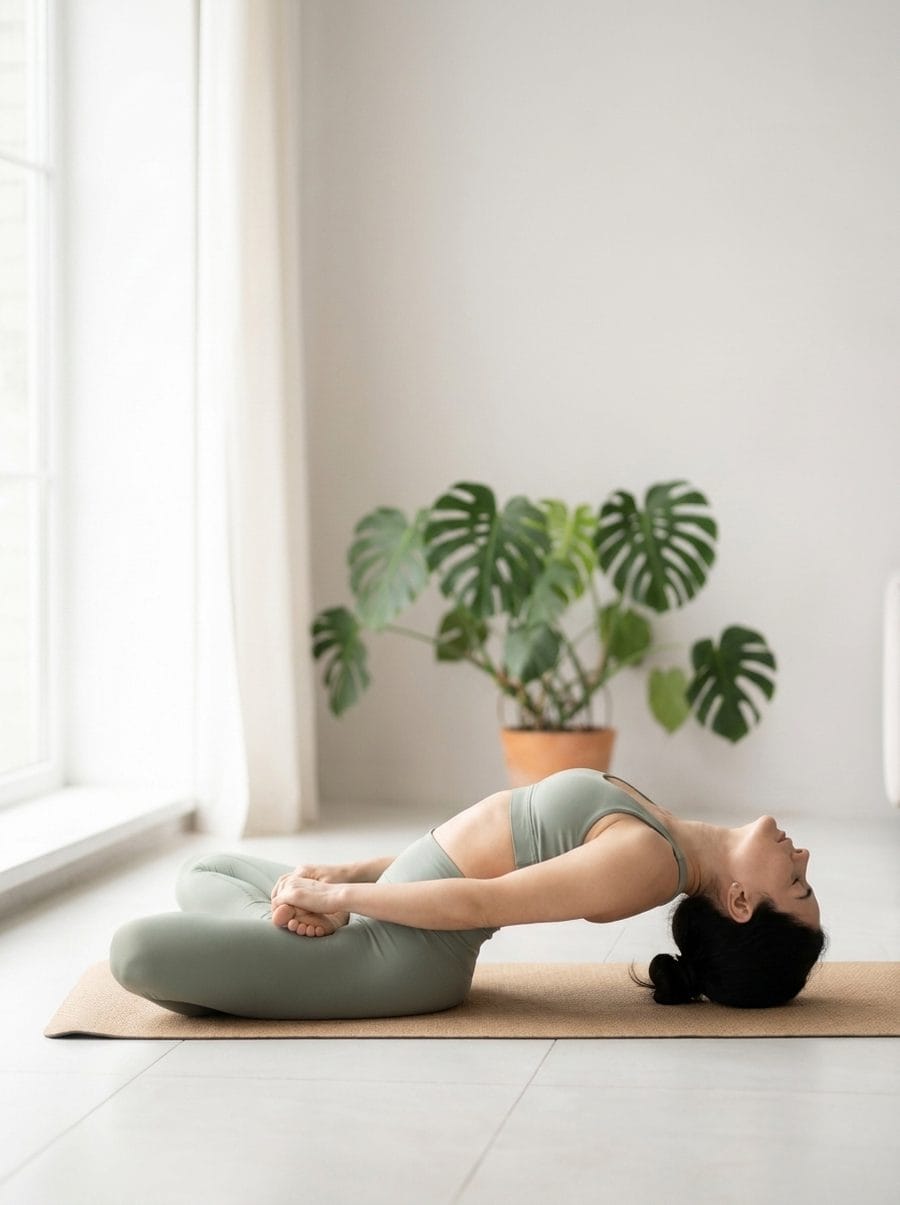
-

-
-

Why this order
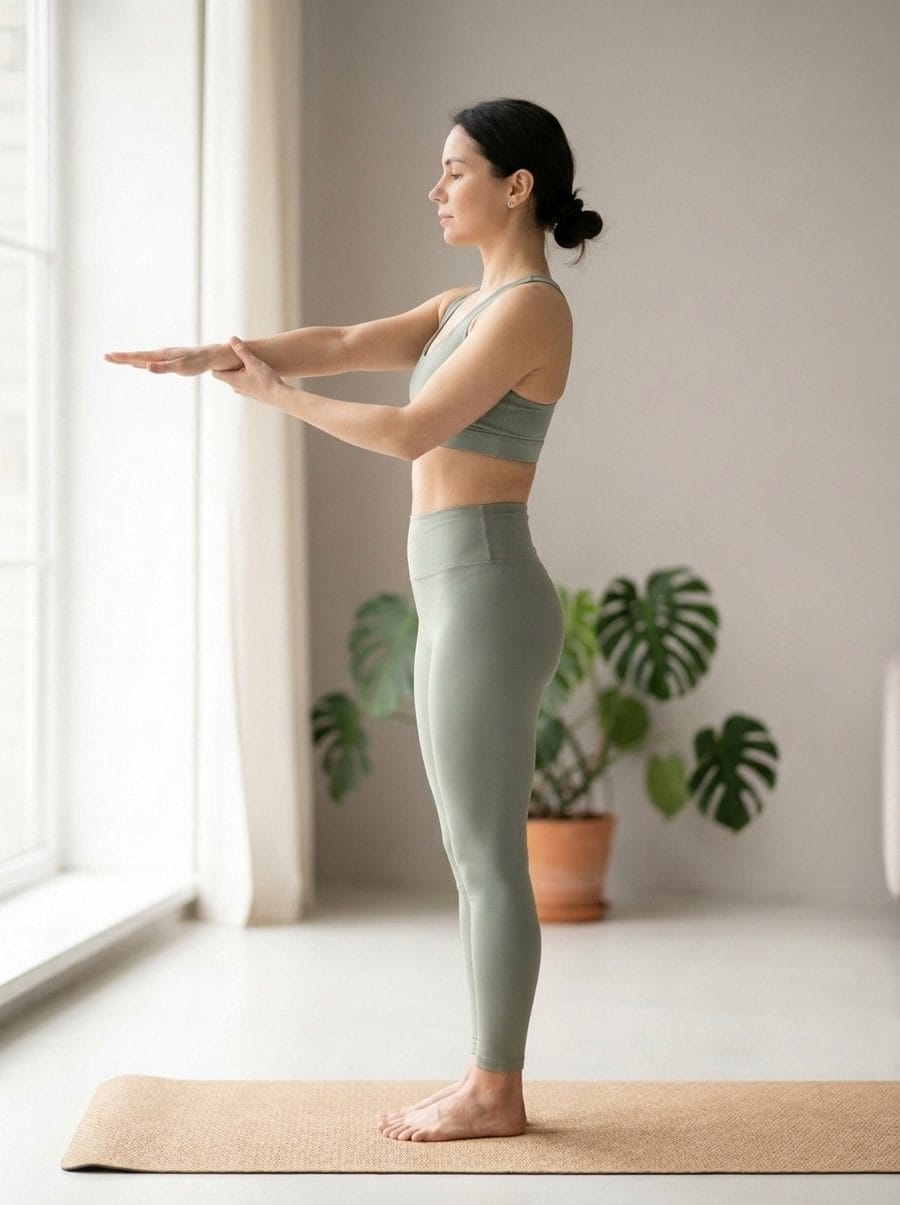
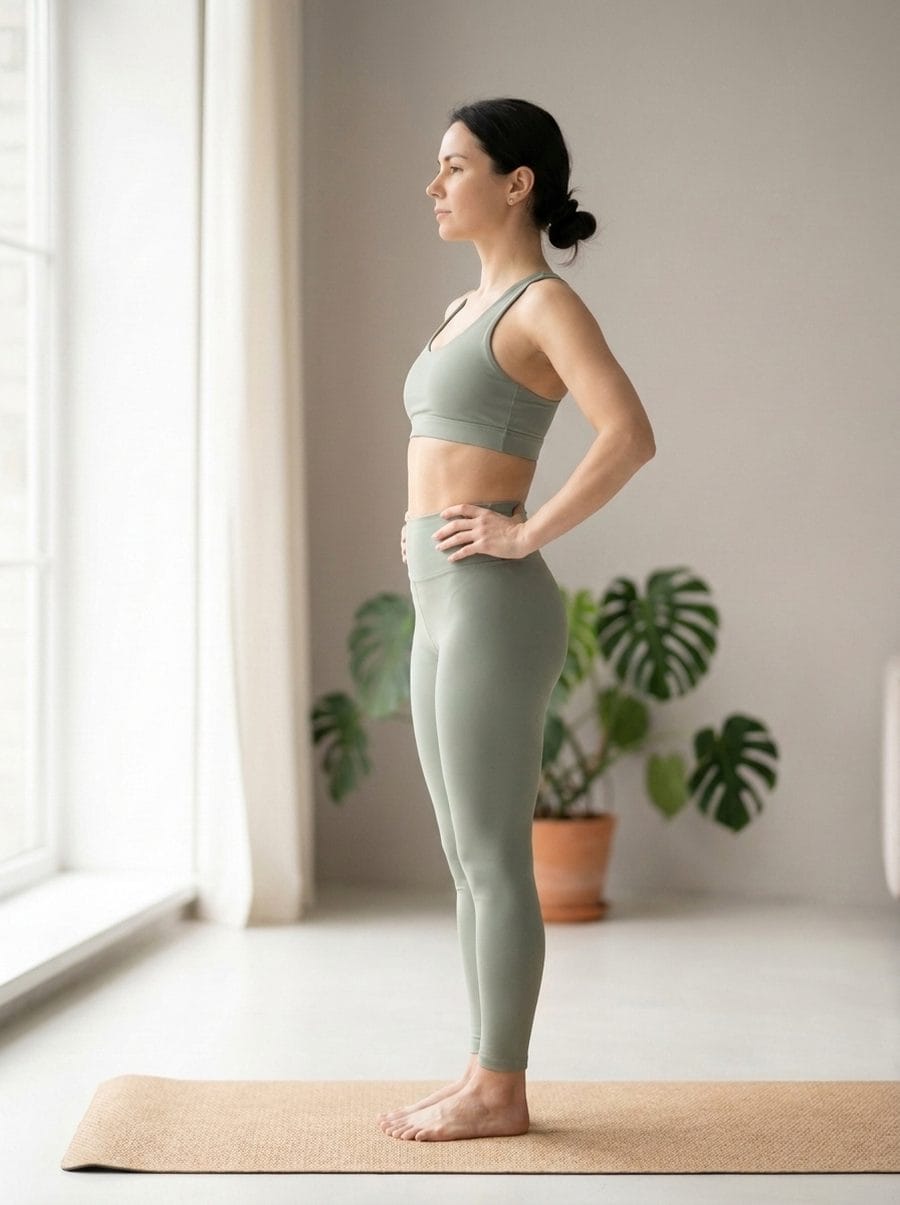
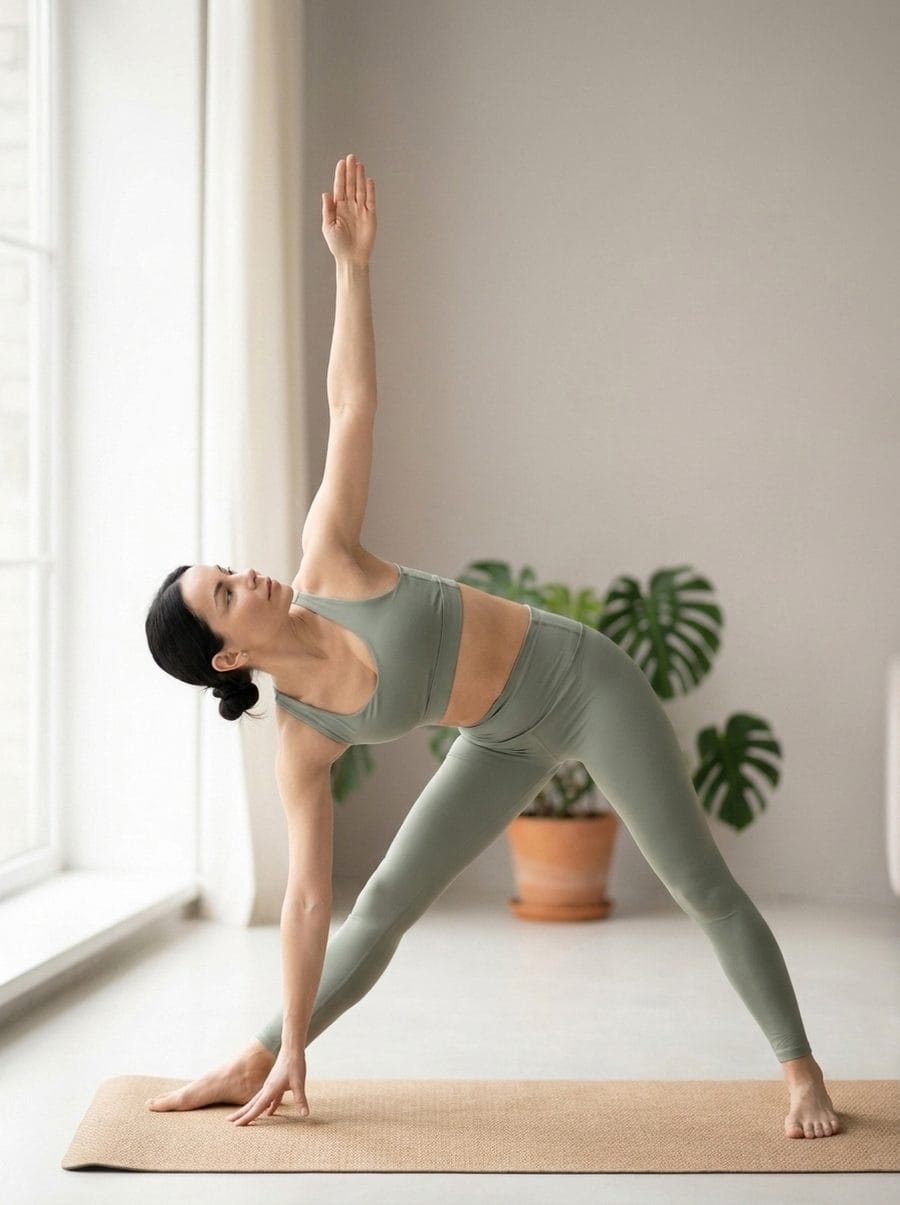
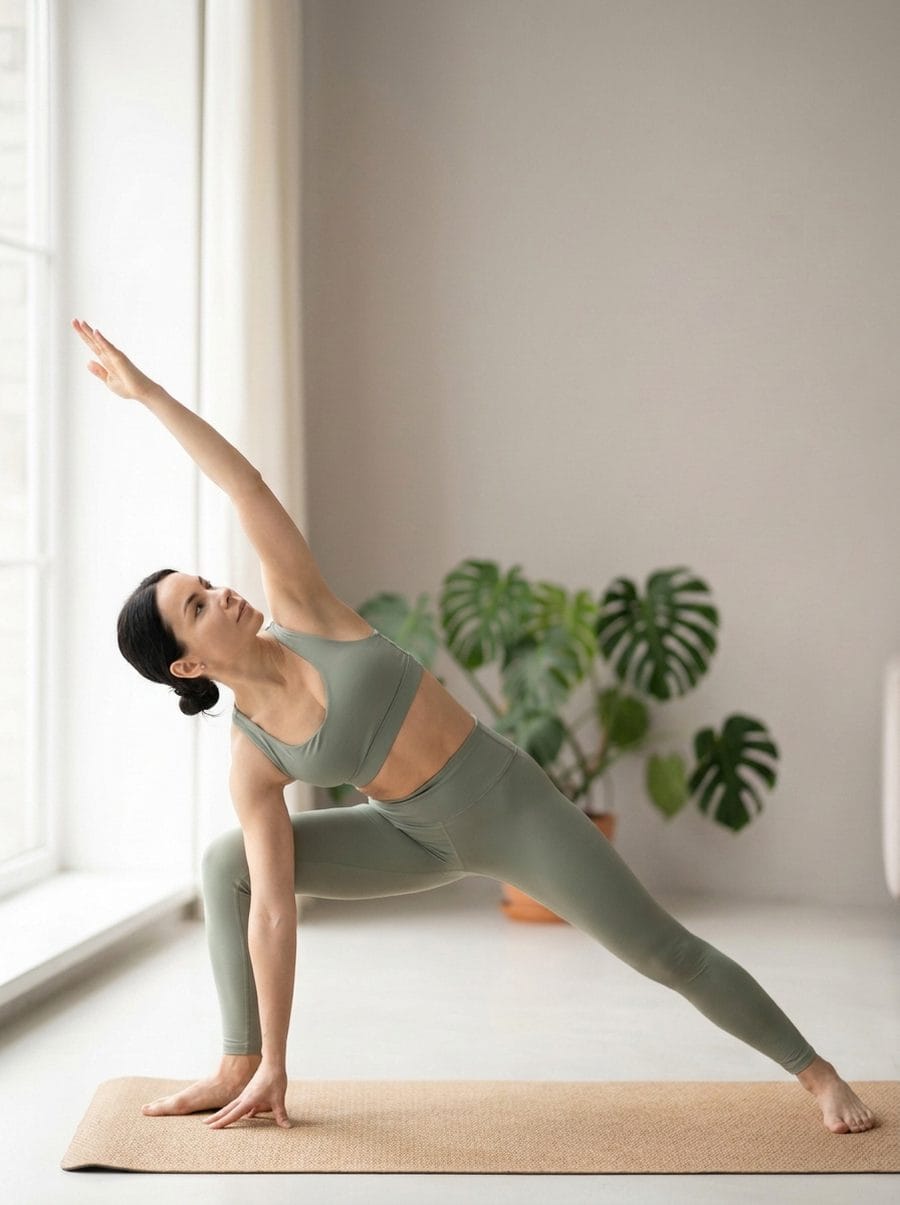
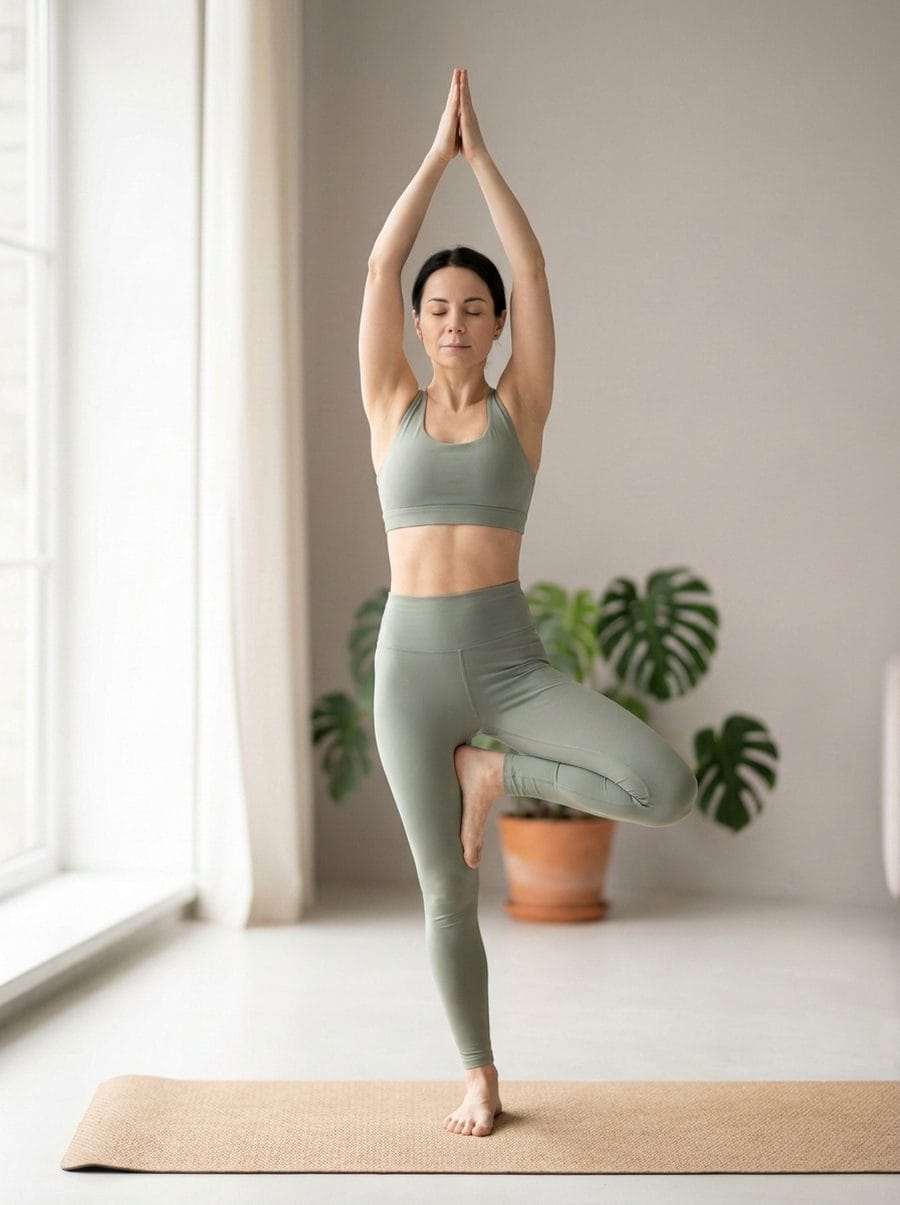
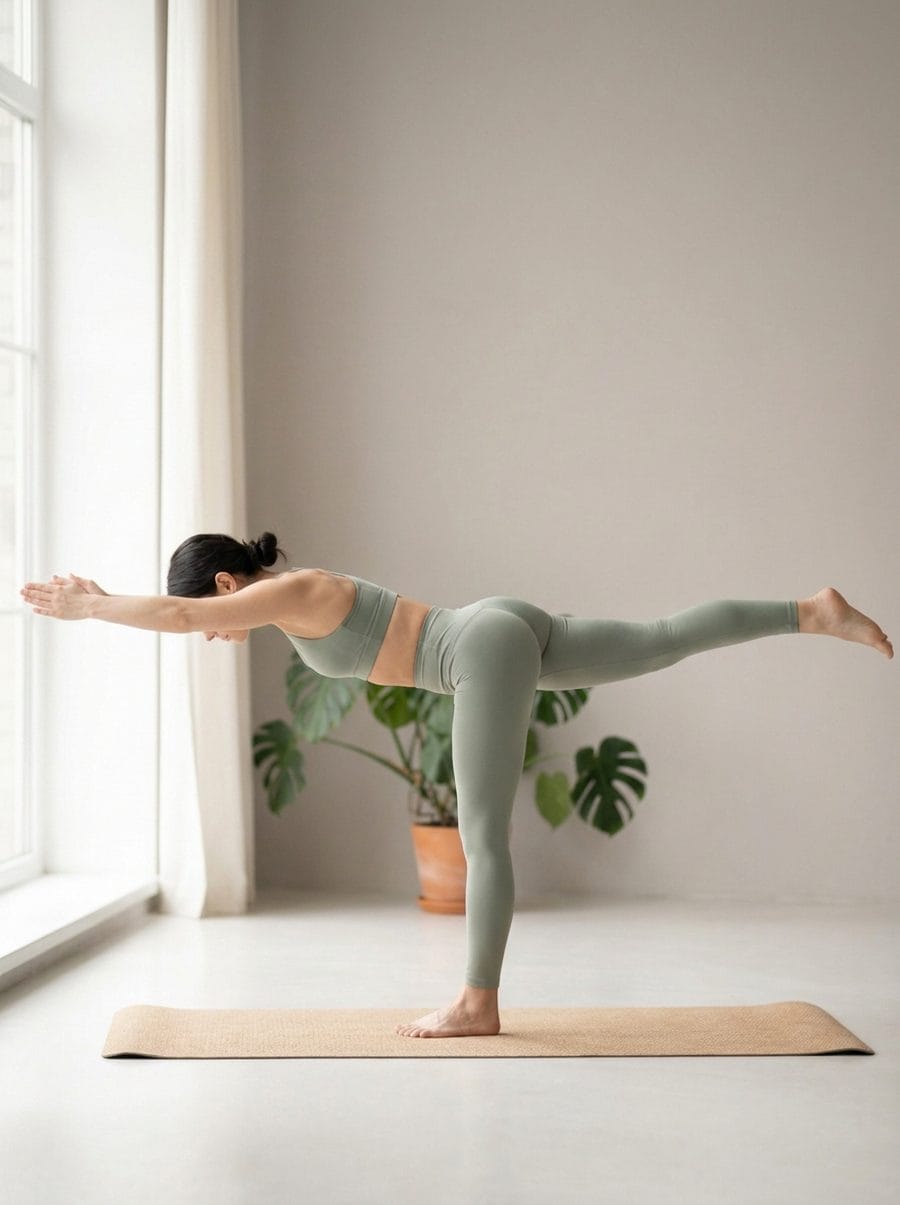
The sequence mirrors a classic class. Six rounds of Sun Salutation warm up the whole body, and then neck, shoulder, wrist and hip rotations work each joint on its own. Standing poses progress from Chair and the Warriors to Triangle and Side Angle, followed by one-legged balances.
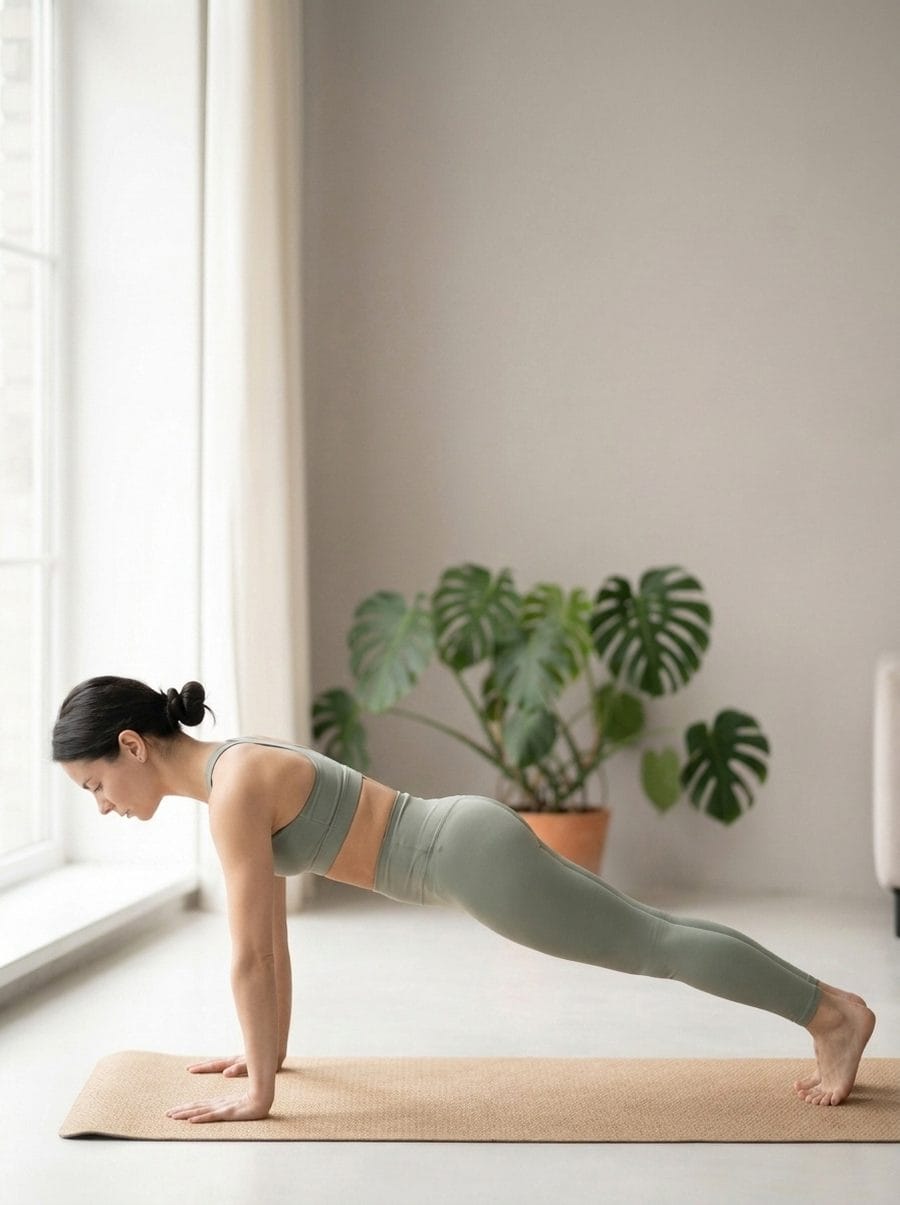
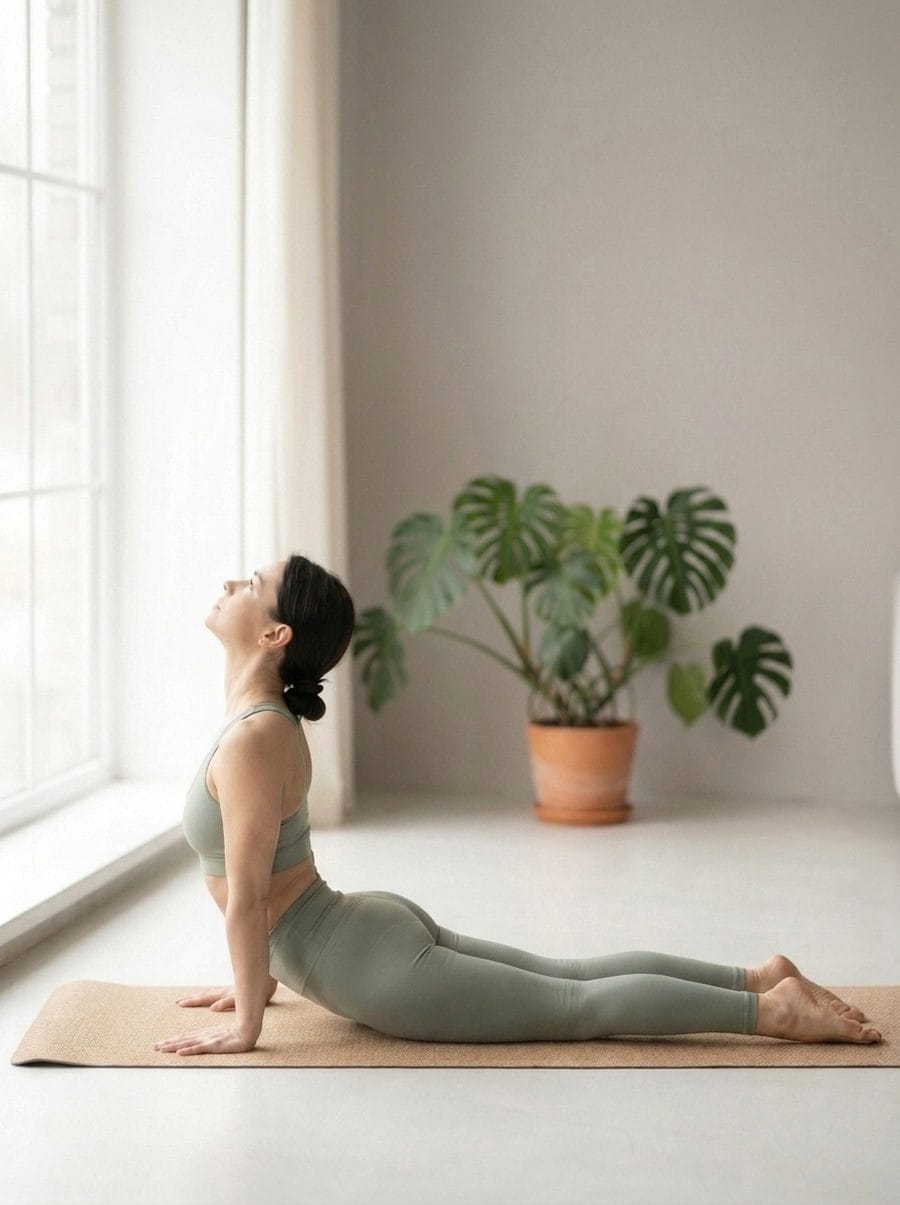
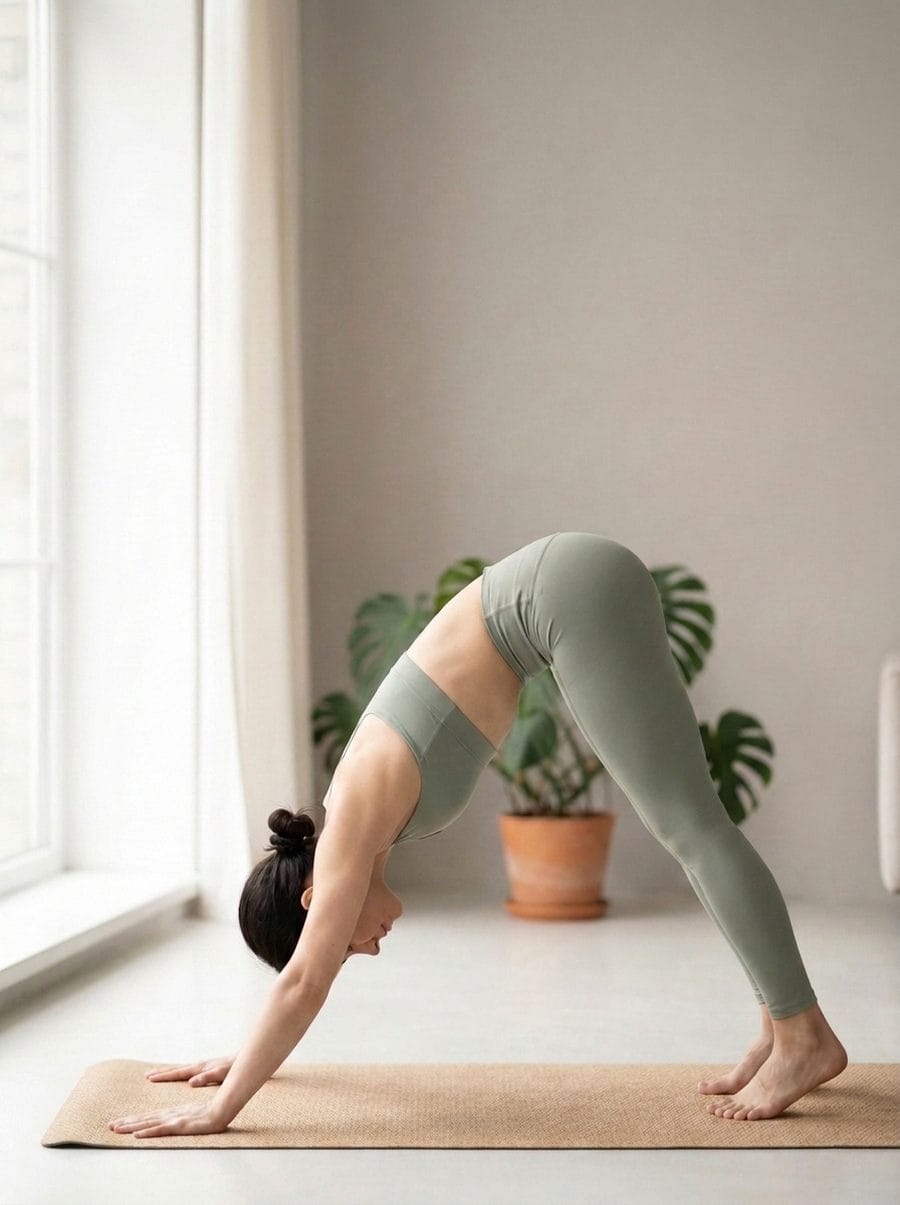
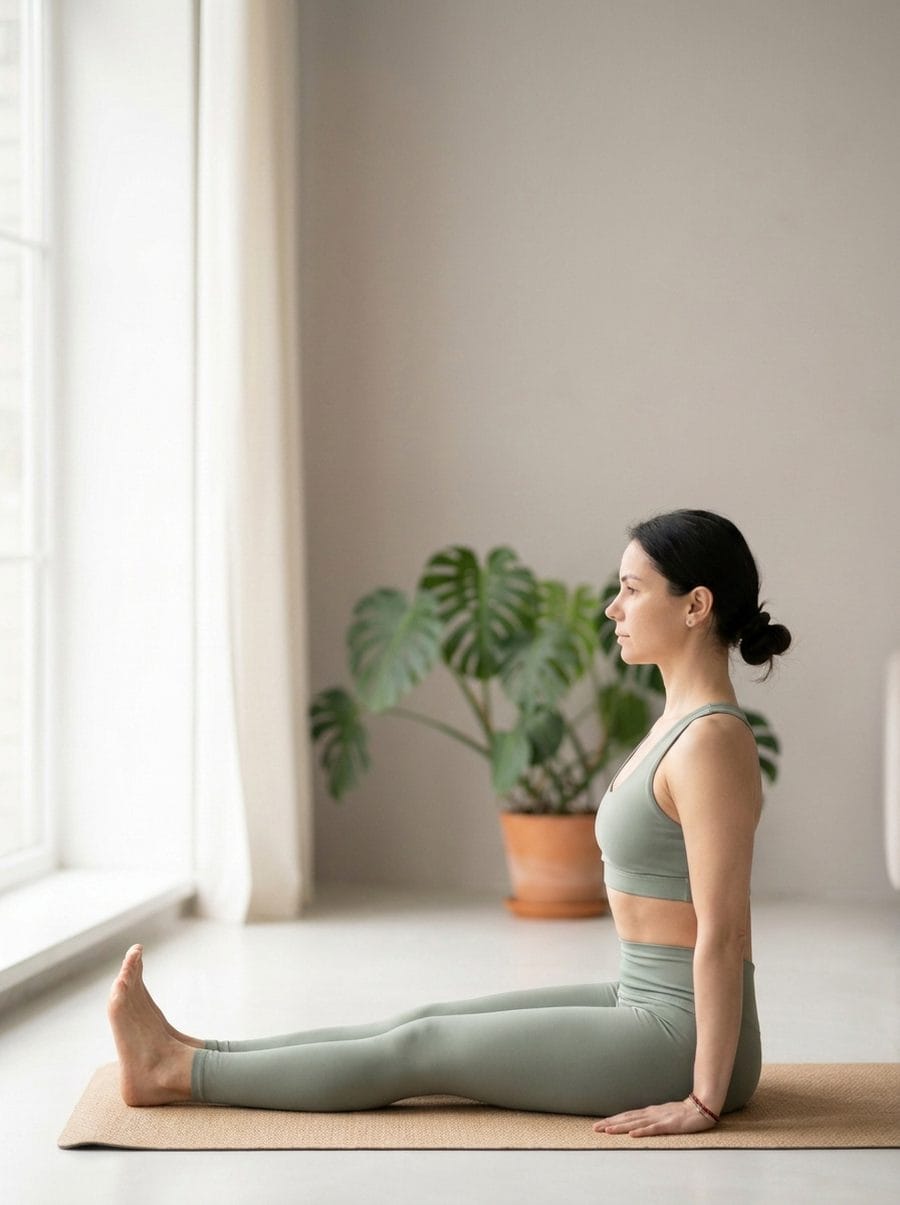
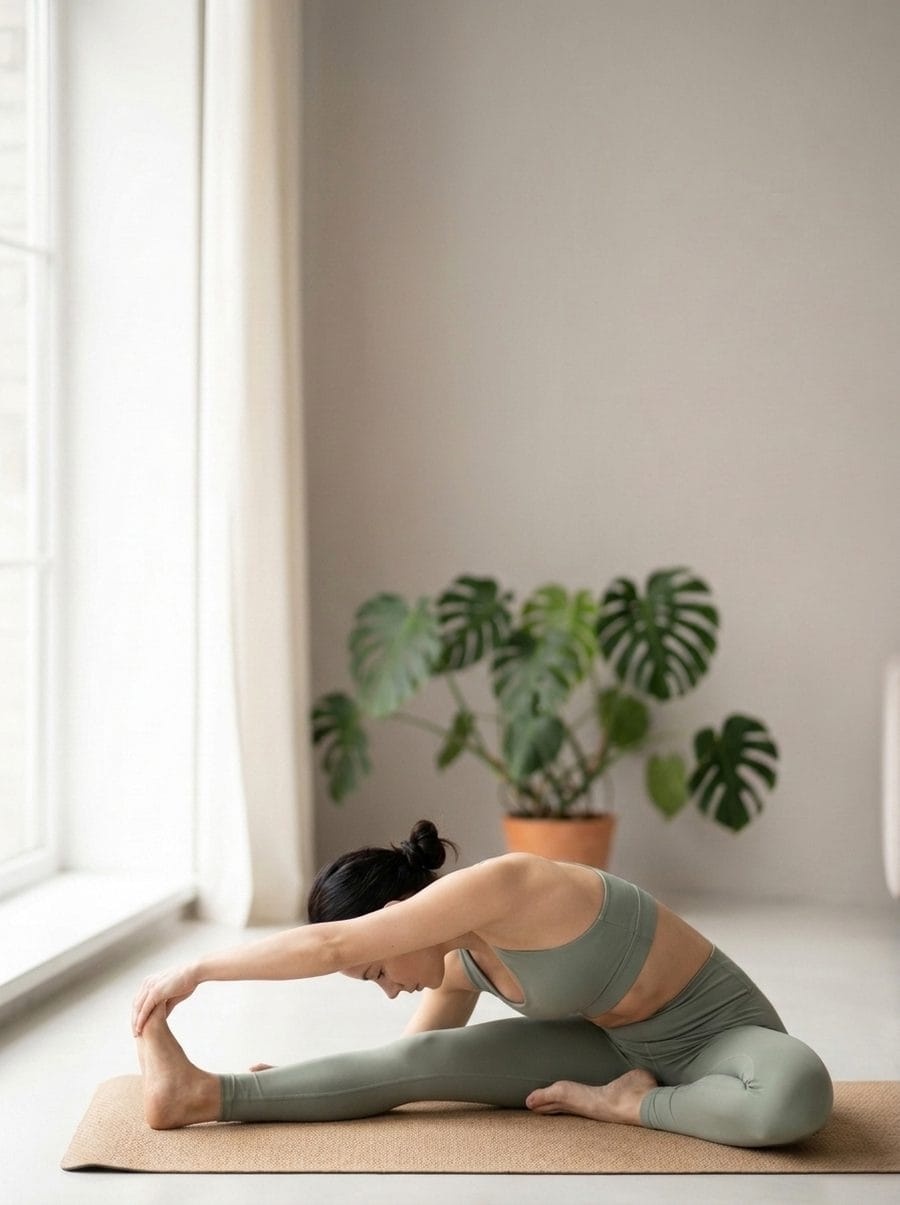
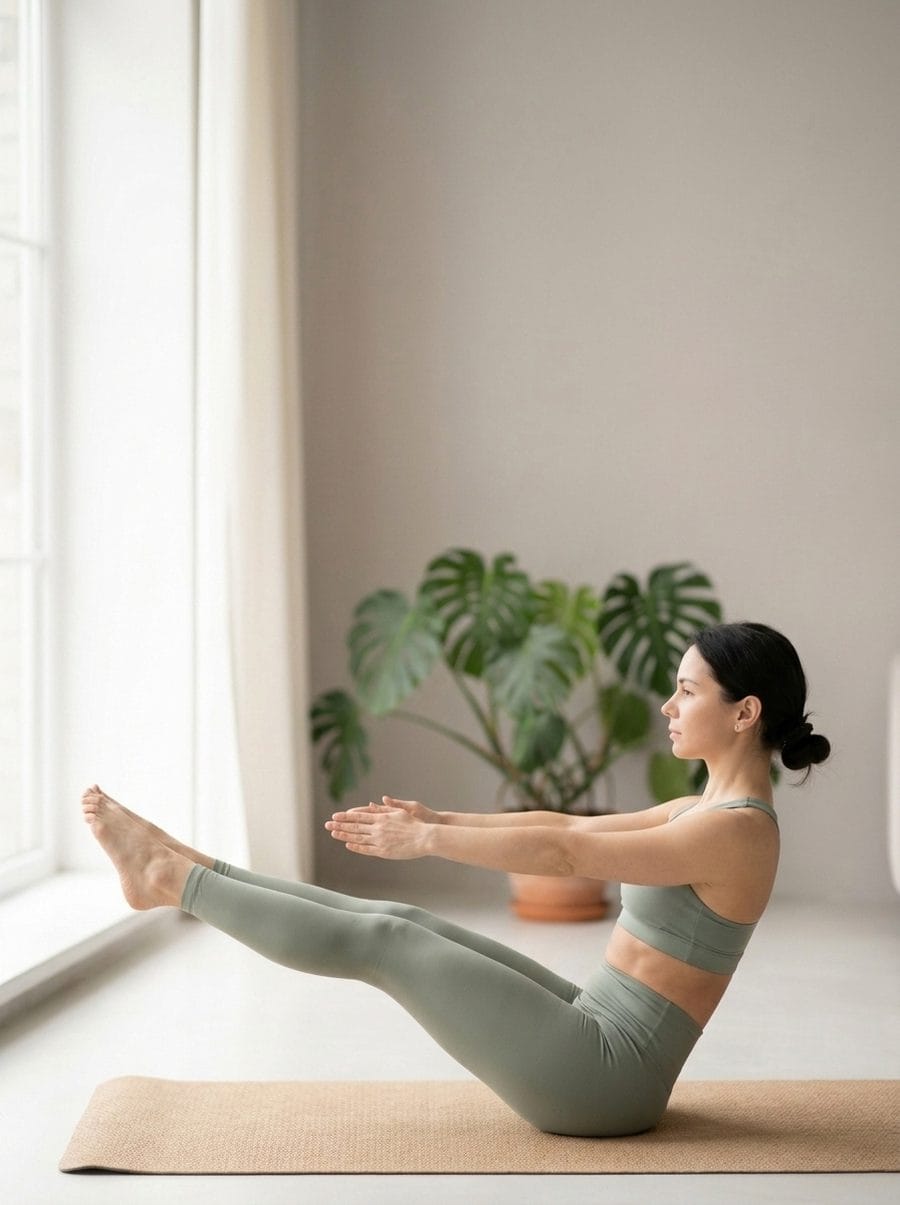
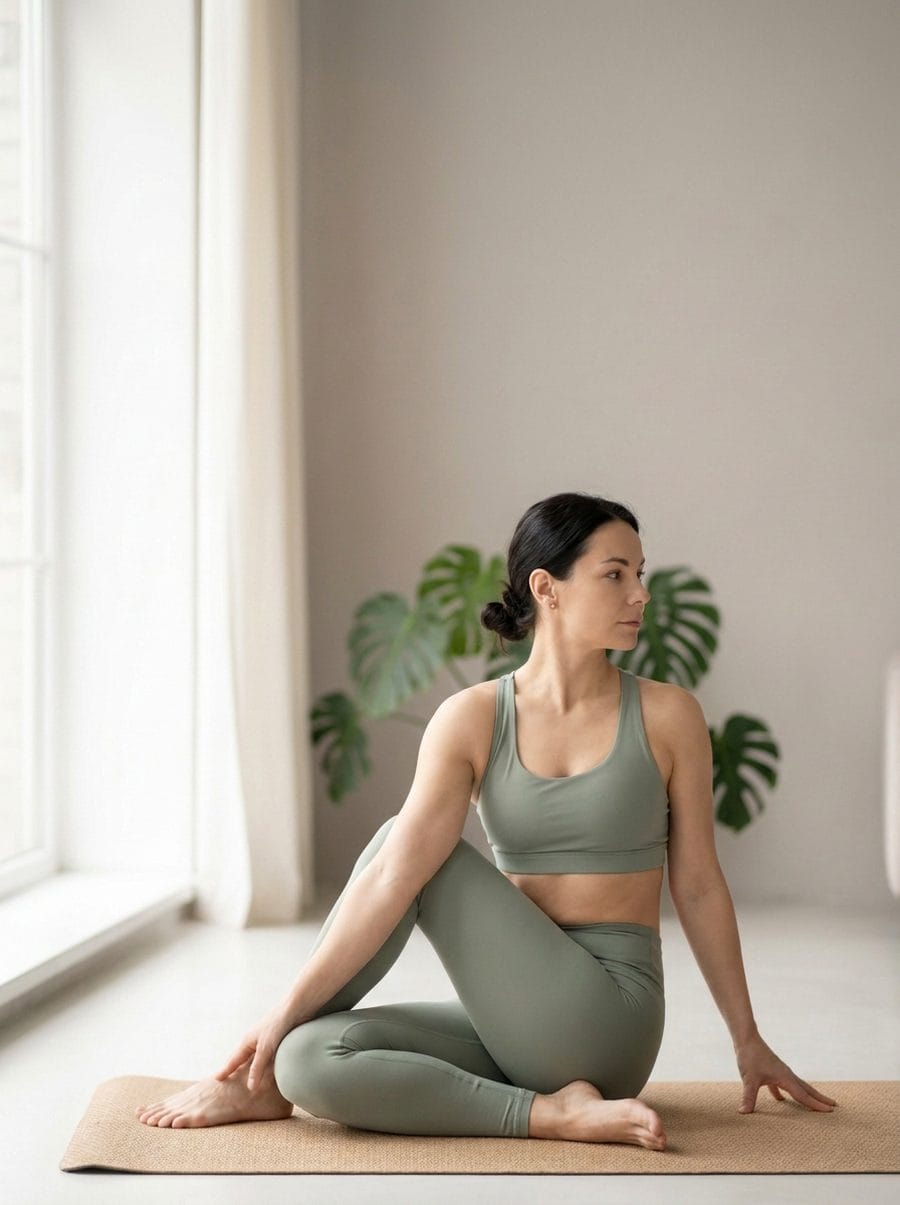
Plank, Cobra and Downward Dog bring you to the floor, and Child's Pose gives you a pause. Seated, you fold forward, hold Boat Pose and twist. Ustrasana opens the chest, and a second Child's Pose returns your back to neutral.
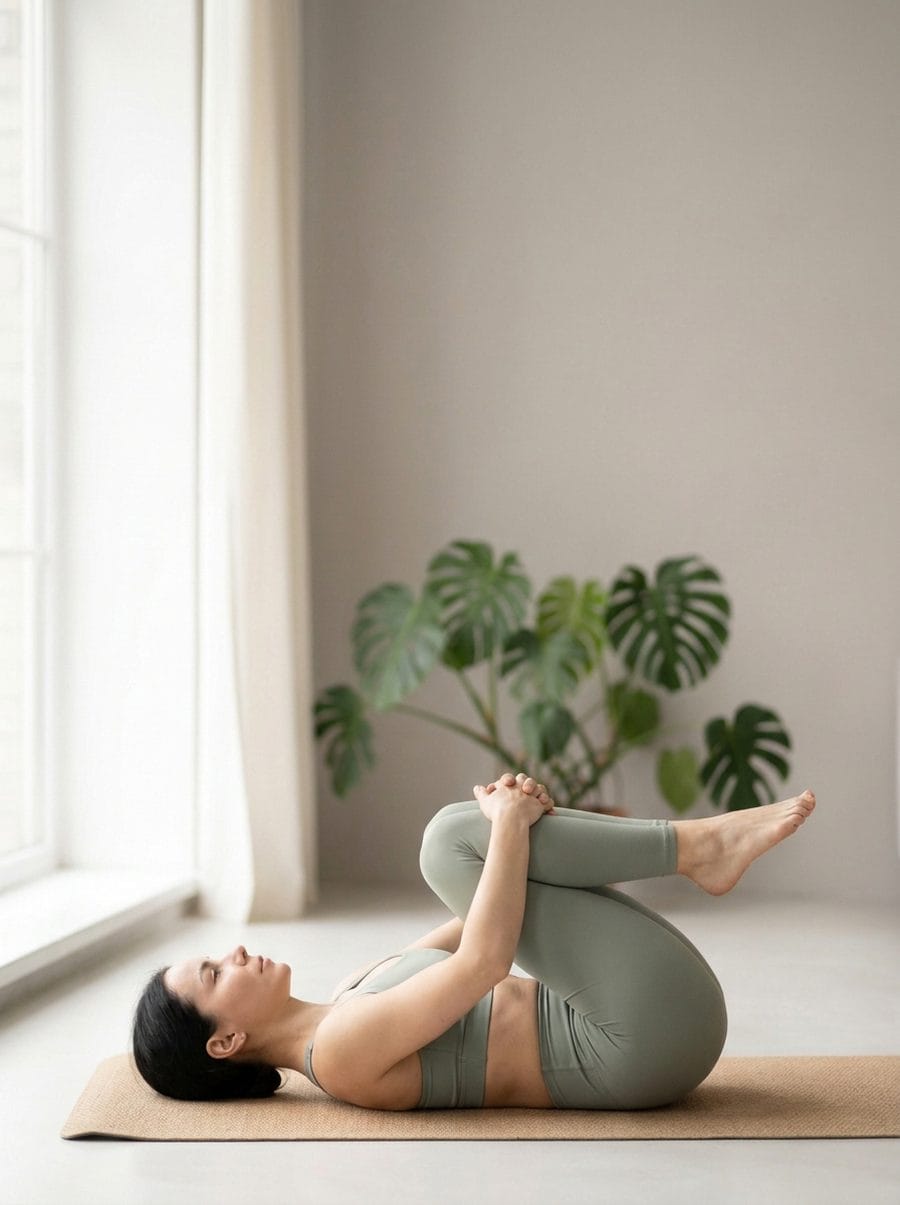
Fish Pose counters the inversions, Supine Twist and Knees-to-Chest release the lower back, and five minutes of Savasana close the practice.
Cautions
- Acute neck pain (Neck Warm-Up)
- Dizziness (Neck Warm-Up)
- Acute wrist injuries (Wrist Warm-Up)
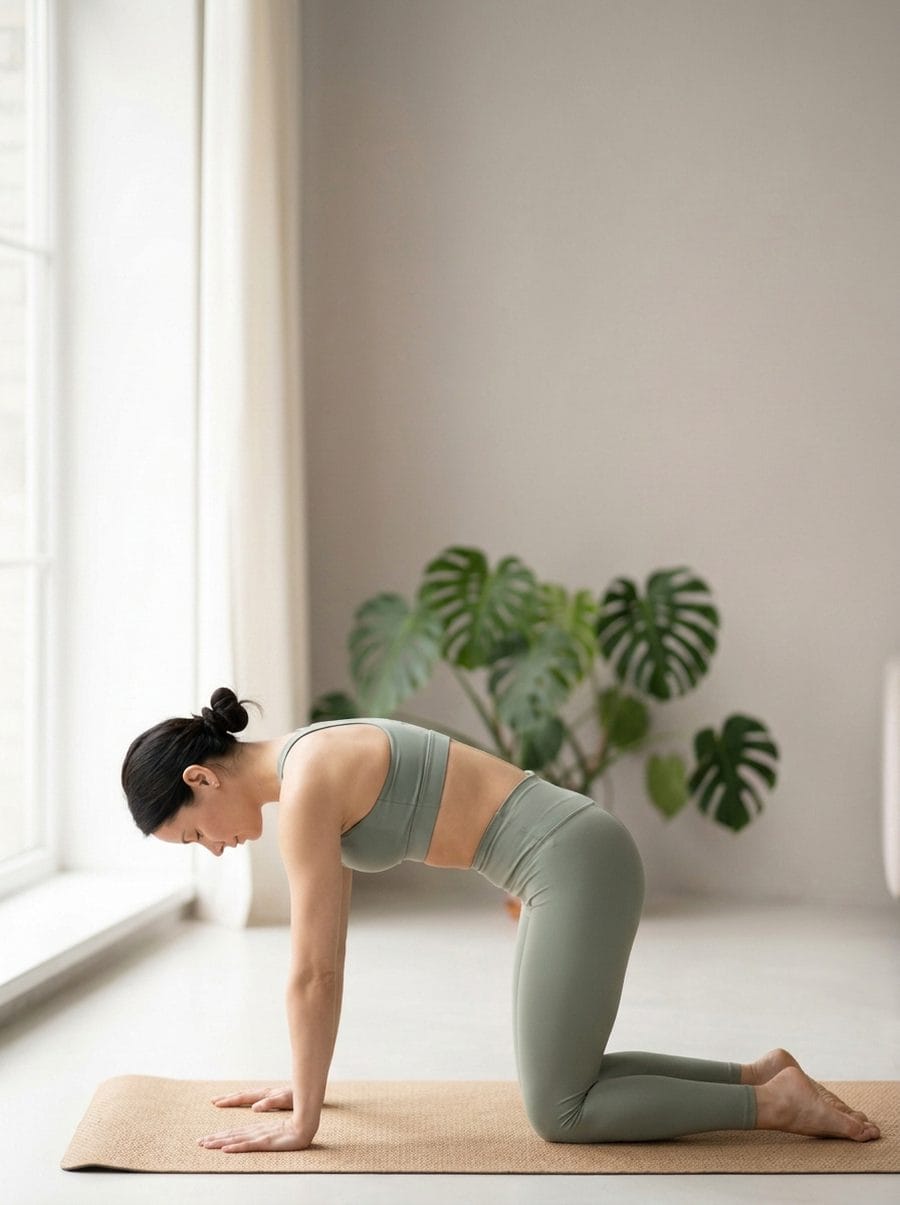
- Acute back pain (Cat-Cow)
- Wrist injuries — practice on your fists (Cat-Cow)
- Knee injuries (Chair Pose, Warrior I, Warrior II, Side Angle Pose, Child's Pose)
- Flare-up of lower back problems (Chair Pose)
- High blood pressure — you can keep your hands on your hips (Warrior I)
- Flare-up of lower back pain (Triangle Pose)
- Low blood pressure — come out slowly (Triangle Pose)
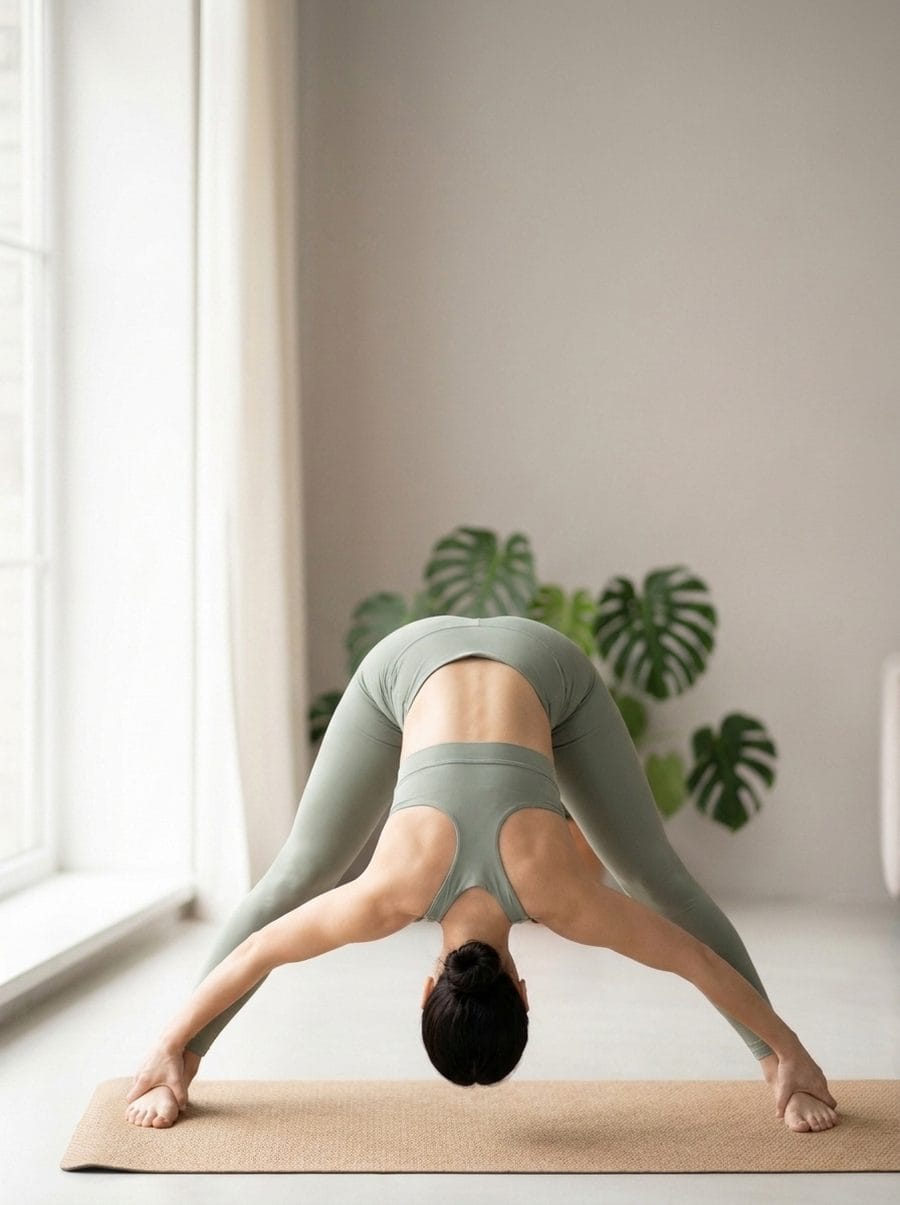
- High blood pressure — don't lower your head too far (Wide-Legged Forward Fold)
- Hamstring injuries (Wide-Legged Forward Fold)
- Dizziness — practice near a wall (Tree Pose)
- High blood pressure (Warrior III)
- Balance problems — use a support (Warrior III)
- Wrist injuries — practice on your forearms (Plank Pose)
- Diastasis recti (Plank Pose, Boat Pose)
- Lumbar disc herniation (Cobra Pose, Seated Forward Fold, Boat Pose)
- Pregnancy (Cobra Pose, Boat Pose, Seated Twist, Shoulder Stand, Plow Pose)
- Flare-up of peptic ulcer disease (Cobra Pose)
- Wrist and shoulder injuries (Downward-Facing Dog)
- High blood pressure — don't stay in the pose long (Downward-Facing Dog)
- Glaucoma (Downward-Facing Dog, Shoulder Stand, Plow Pose)
- Pregnancy — widen your knees (Child's Pose)
- Flare-up of back pain — bend your knees (Seated Forward Fold)
- Knee injuries — place a support under your bent knee (Head-to-Knee Pose)
- Spinal disc herniation (Seated Twist, Camel Pose)
- Flare-ups of digestive disorders (Seated Twist)
- Hypertension (Camel Pose, Shoulder Stand, Plow Pose, Fish Pose)
- Migraines (Camel Pose, Fish Pose)
- Neck injuries (Shoulder Stand, Plow Pose, Fish Pose)
- Menstruation (Shoulder Stand, Plow Pose)
- Disc herniation in the acute phase (Supine Twist)
- Pregnancy from the second trimester onward — take your knees wider than your belly or skip the pose (Knees-to-Chest Pose)
This site is for general information and is not medical advice. If you have pain, an injury, a chronic condition, or are pregnant, check with a qualified professional before practicing.