 Hatha Yoga
Cobra Pose
Bhujaṅgāsana
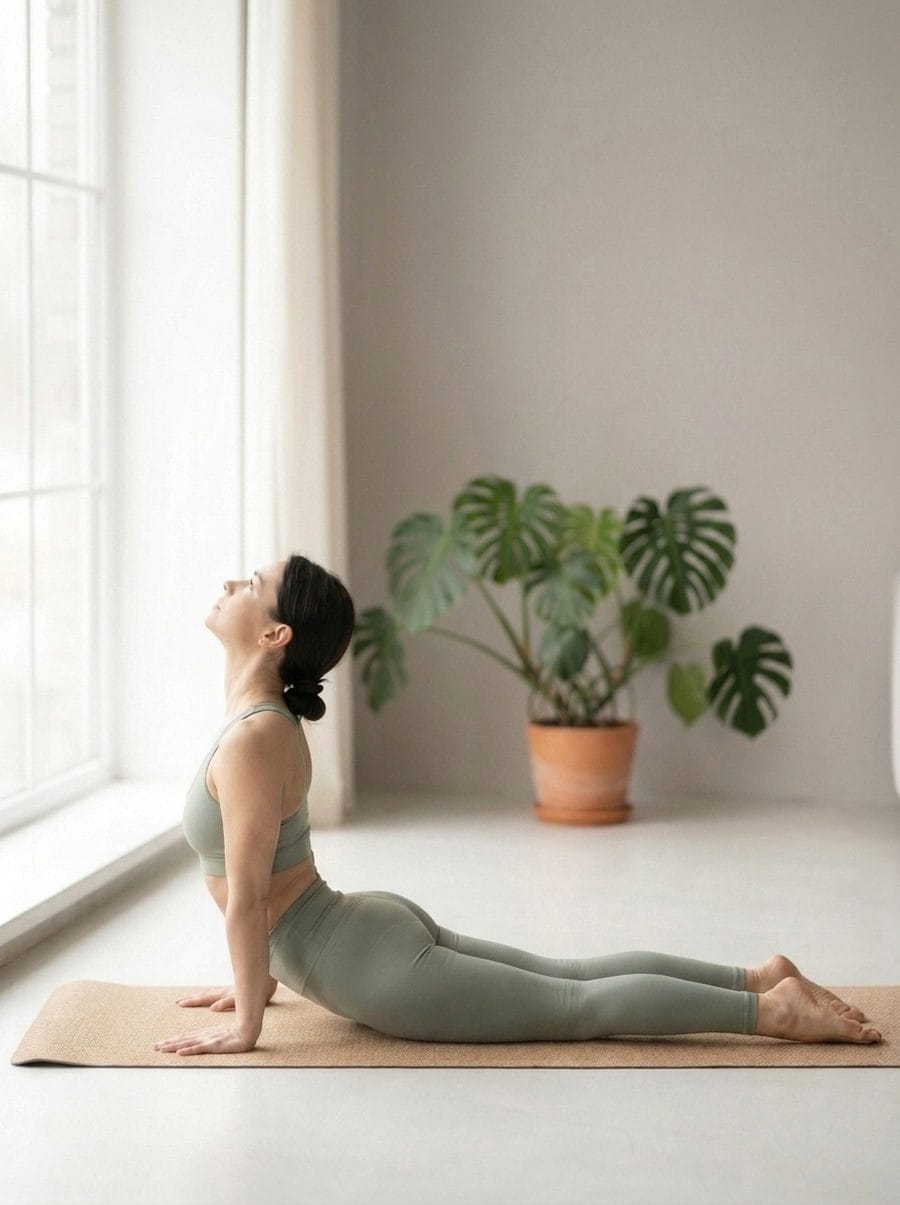
Cobra Pose, or Bhujangasana (from the Sanskrit "bhujanga," snake), is a backbend on your belly: your chest rises off the floor the way a cobra raises its head. It's among the first backbends a beginner meets, and the app rates it beginner level.
Cobra is part of 8 sequences, among them both morning sessions, 10-Minute Morning and Full Morning, and Healthy Back, plus a couple of breath-linked flows.
How to do it
- EnterLie on your belly, palms under your shoulders, elbows hugging your body. Inhale, lift your chest using the strength of your back muscles, arms gently assisting.
- HoldPubic bone pressed to the floor, glutes relaxed. Open your chest forward, shoulders down away from your ears. Spread the backbend along your whole spine instead of crunching into your lower back.
- ExitExhale, slowly lower onto your belly and turn your head to one side.
More detail
Here's a quick test of what's doing the lifting: at the top, take your palms off the floor for a second. If your chest stays up, your back is holding it; if it drops, you were hanging on your arms.
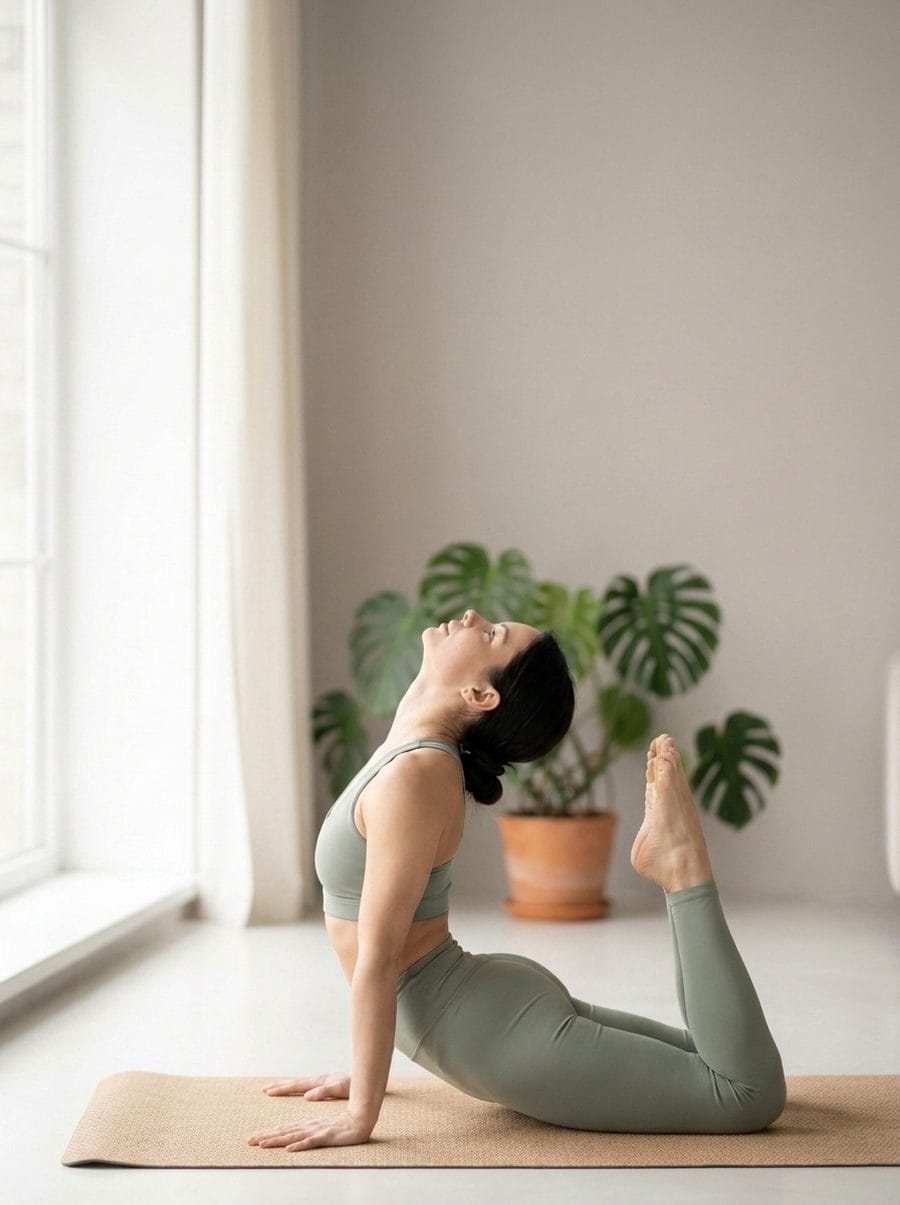
Keep your elbows bent, since fully straight arms turn this into a different, deeper pose. Your thighs and insteps stay on the floor, legs together or hip-width apart. Don't jut your chin; the back of your head continues the line of your spine.
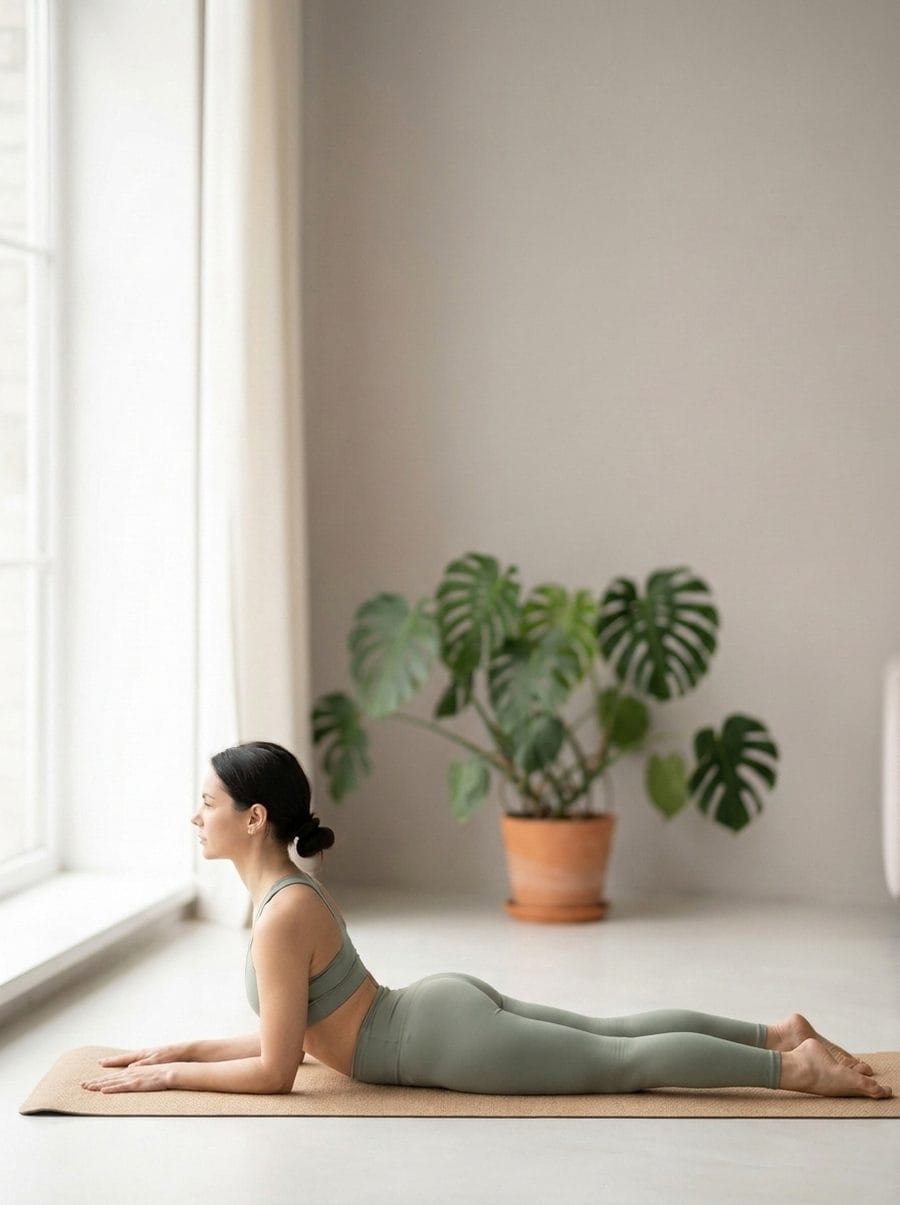
If your lower back feels pinched, switch to Sphinx Pose on your forearms.
Benefits
Strengthens the back muscles and opens the chest.
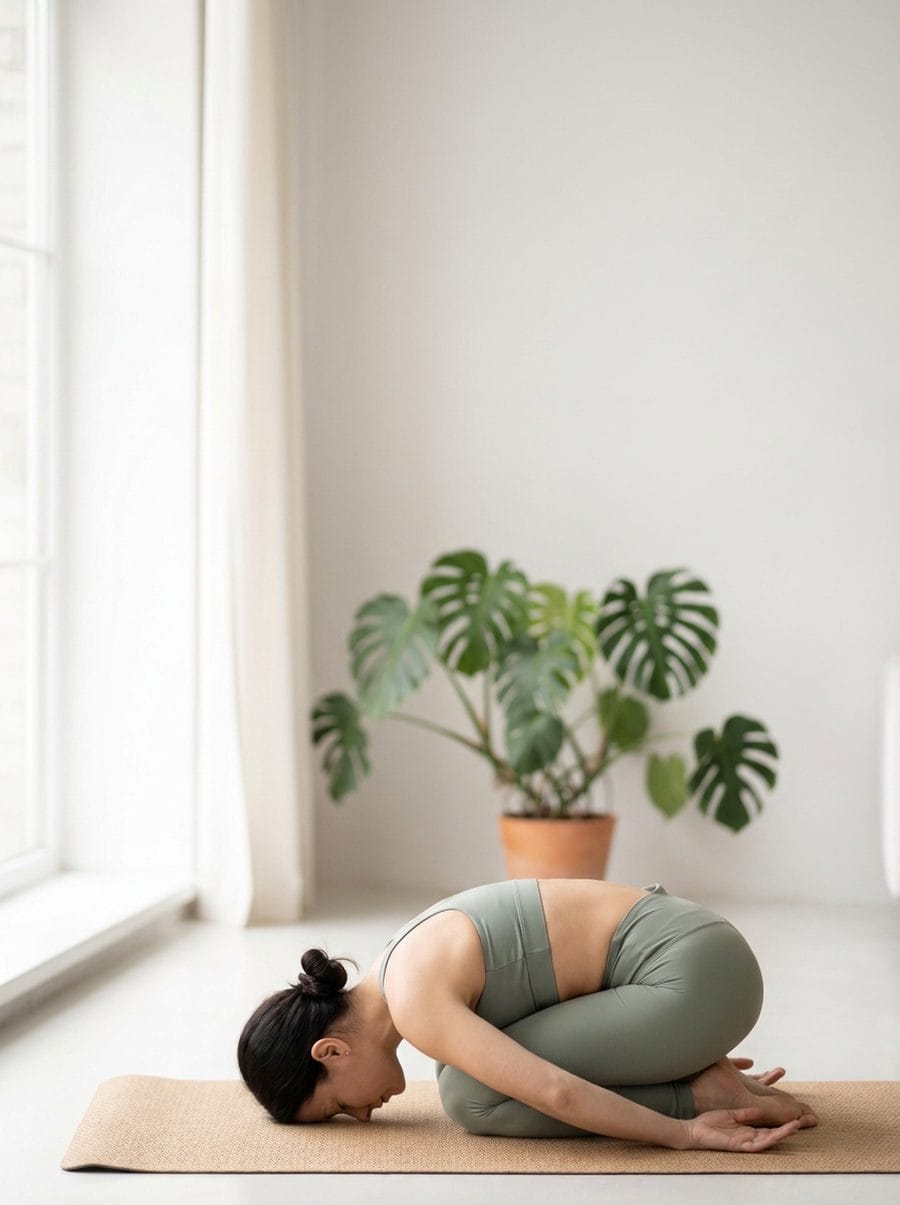
Cobra strengthens the muscles along your spine and opens up your rib cage and the front of your shoulder girdle. If you spend long hours sitting hunched over, it gives your body simple work in the opposite direction. Sequences place Cobra after the back is warm and balance it with Child's Pose.
Cautions
- Lumbar disc herniation
- Pregnancy
- Flare-up of peptic ulcer disease
This site is for general information and is not medical advice. If you have pain, an injury, a chronic condition, or are pregnant, check with a qualified professional before practicing.
Common mistakes
- Pushing yourself up onto straight arms. Rise only as high as your back allows.
- Elbows flaring out. Hug them to your ribs so your shoulders don't creep up.
- Throwing your head back. Look ahead and keep your neck long.
- Lifting your pelvis. Your hips and legs are the foundation of the backbend.
Modifications & variations
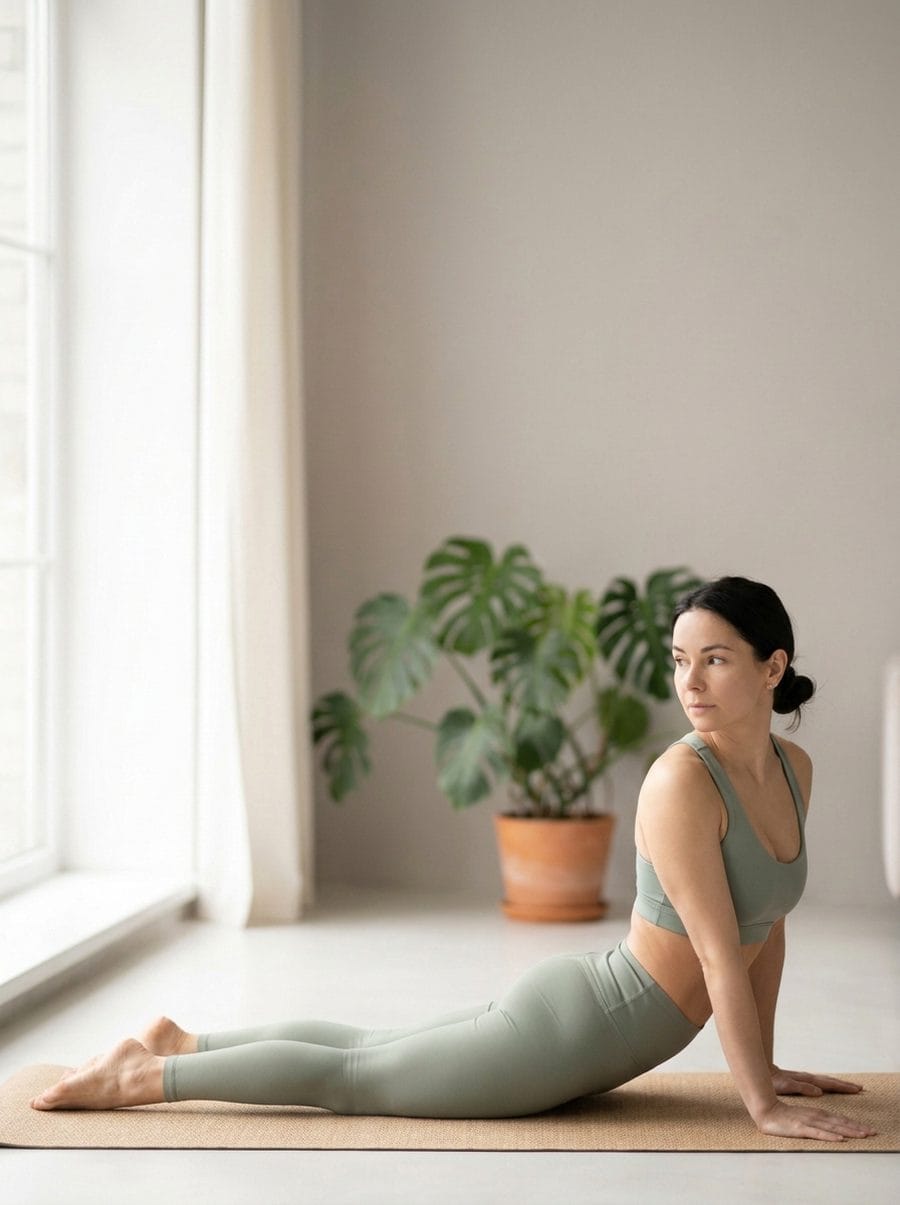
Counterpose
Where it appears
- 10-Minute Morning 10 min · Beginner
- Full Morning 20 min · Intermediate
- Healthy Back 15 min · Beginner
- Classic Full Practice 50 min · Intermediate
- Shoulders & Posture 20 min · Intermediate
- Backbends & Opening 20 min · Intermediate
- Spine Wave 13 min · Intermediate · voice-guided in the app subscription
- Deep Backbend 35 min · Advanced · voice-guided in the app subscription
- Warm-up: Gentle Wave No strength peaks — a beginner-friendly start
- Warm-up: Twist Round Squat, strength, backbend, rotation, and fold
Similar poses
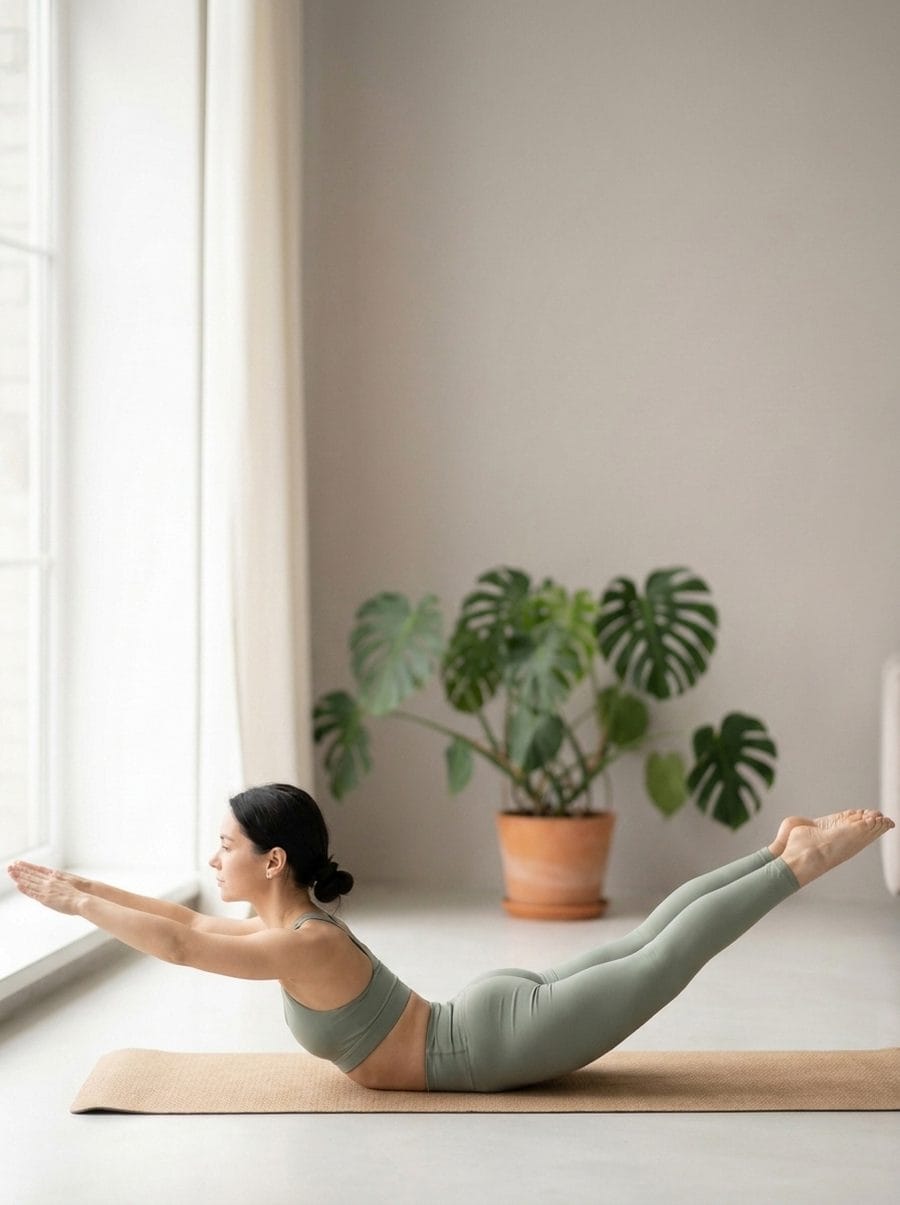
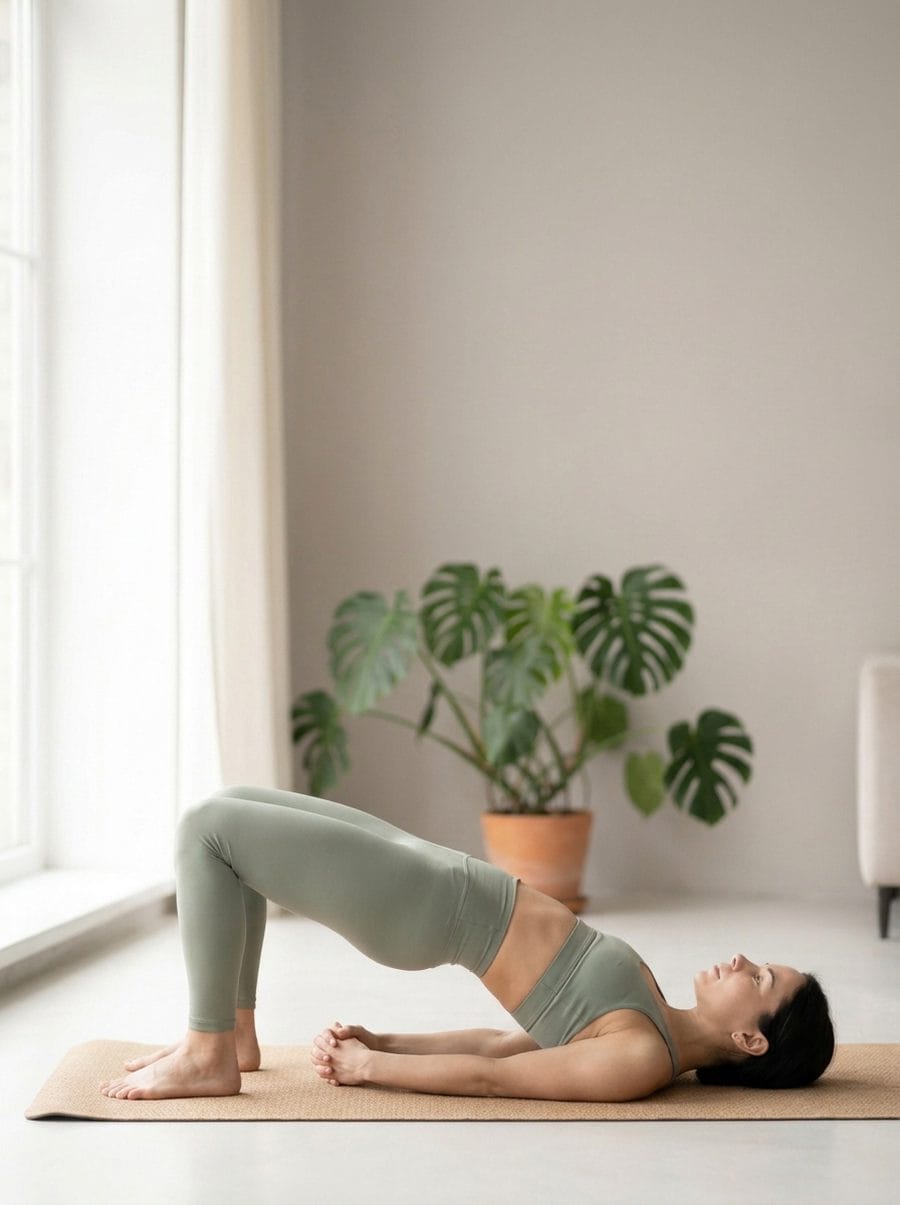
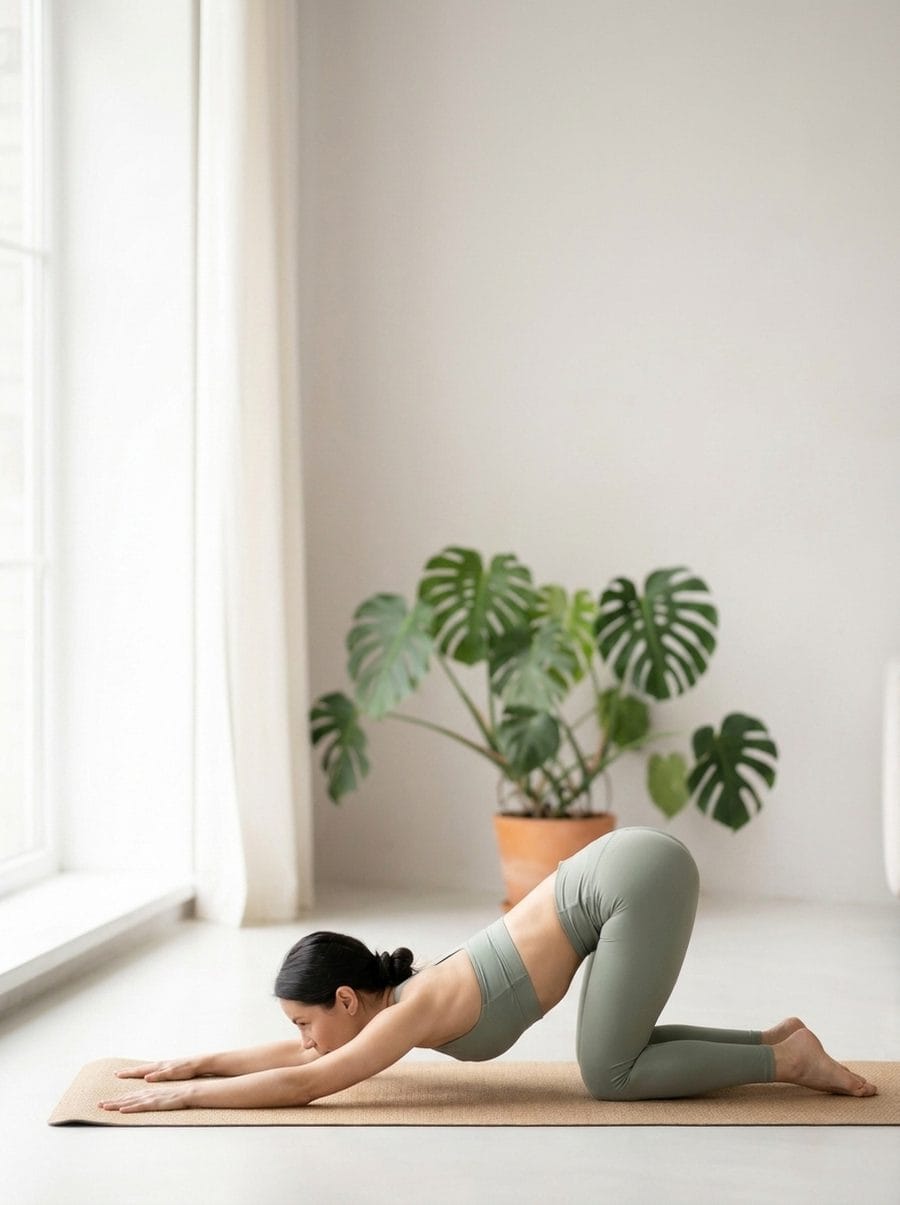
Questions
How is Cobra different from Upward-Facing Dog? In Cobra your pelvis and legs rest on the floor, your elbows are bent, and your back muscles raise your chest. In Upward-Facing Dog (Urdhva Mukha Svanasana) your arms are straight and your thighs hover off the floor, with only your hands and insteps holding you up.
Can I do Cobra with lower back pain? With a lumbar disc herniation the pose is contraindicated, as it is during pregnancy. Otherwise, pain in the lower back means the backbend is too deep: come down lower or swap Cobra for Sphinx, and if the pain keeps returning, see a doctor.
How long should I hold Cobra? From 30 to 75 seconds in the sequences. You can also practice it as a flow, rising with each inhale and lowering with each exhale.
Updated: