 Hatha Yoga
Yoga for your back: the Healthy Back sequence
Mobilizing and strengthening the spine
A gentle 15-minute sequence to keep your back mobile and strong. It's suitable for beginners: every pose is beginner level, with no inversions and no deep backbends. First your spine warms up through movement, then your back muscles work in easy backbends lying on your belly, and at the end your back relaxes lying down.
If you have acute back pain or a flare-up of a herniated disc, talk to your doctor first; the cautions for each pose are listed below.
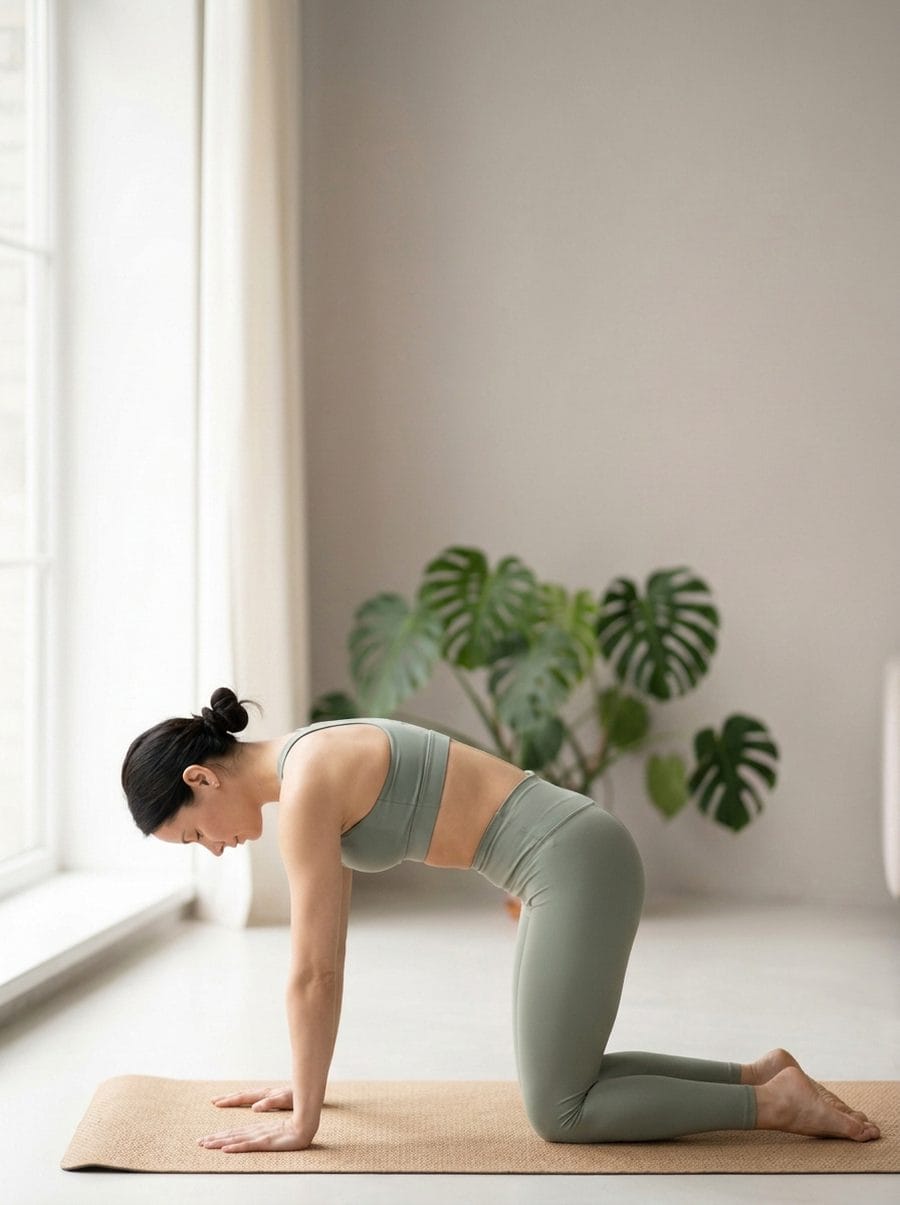

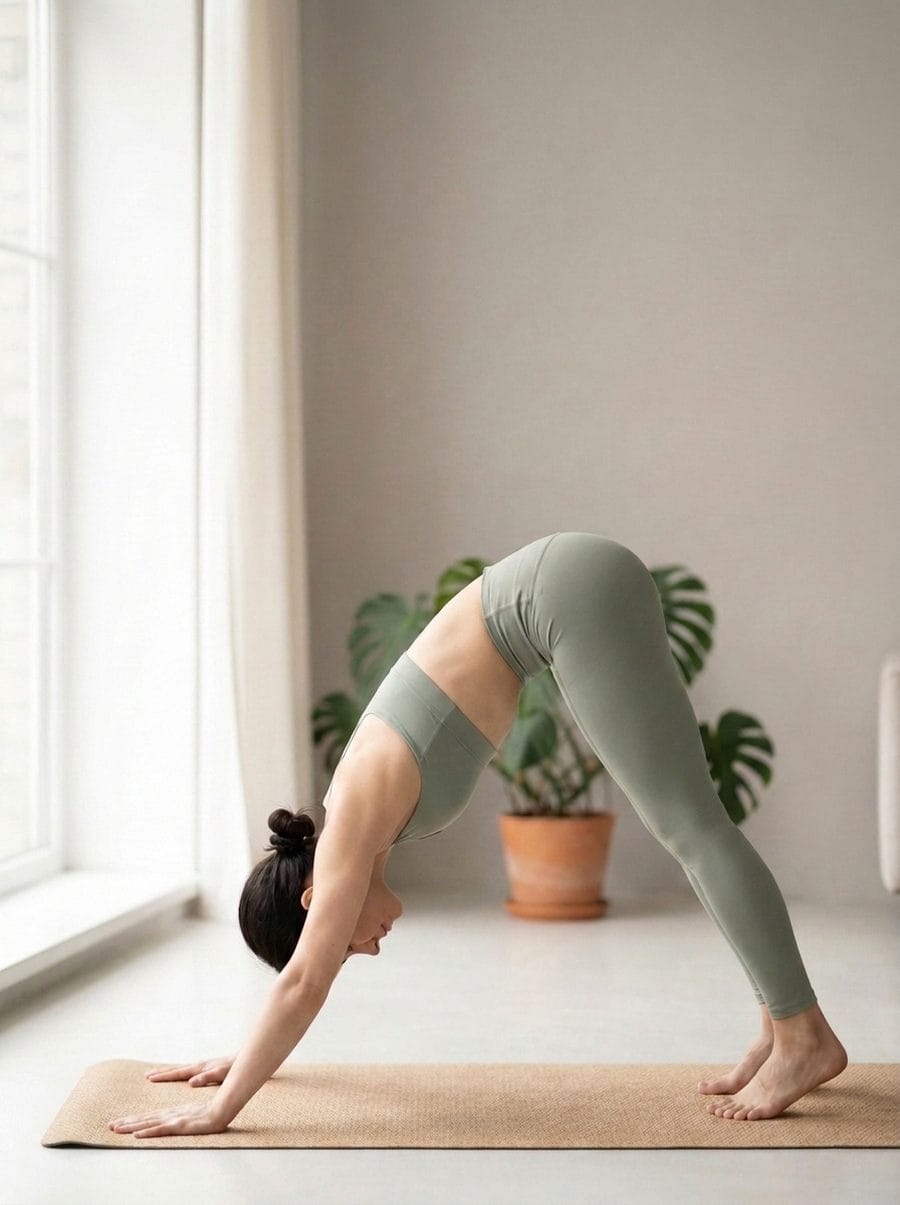

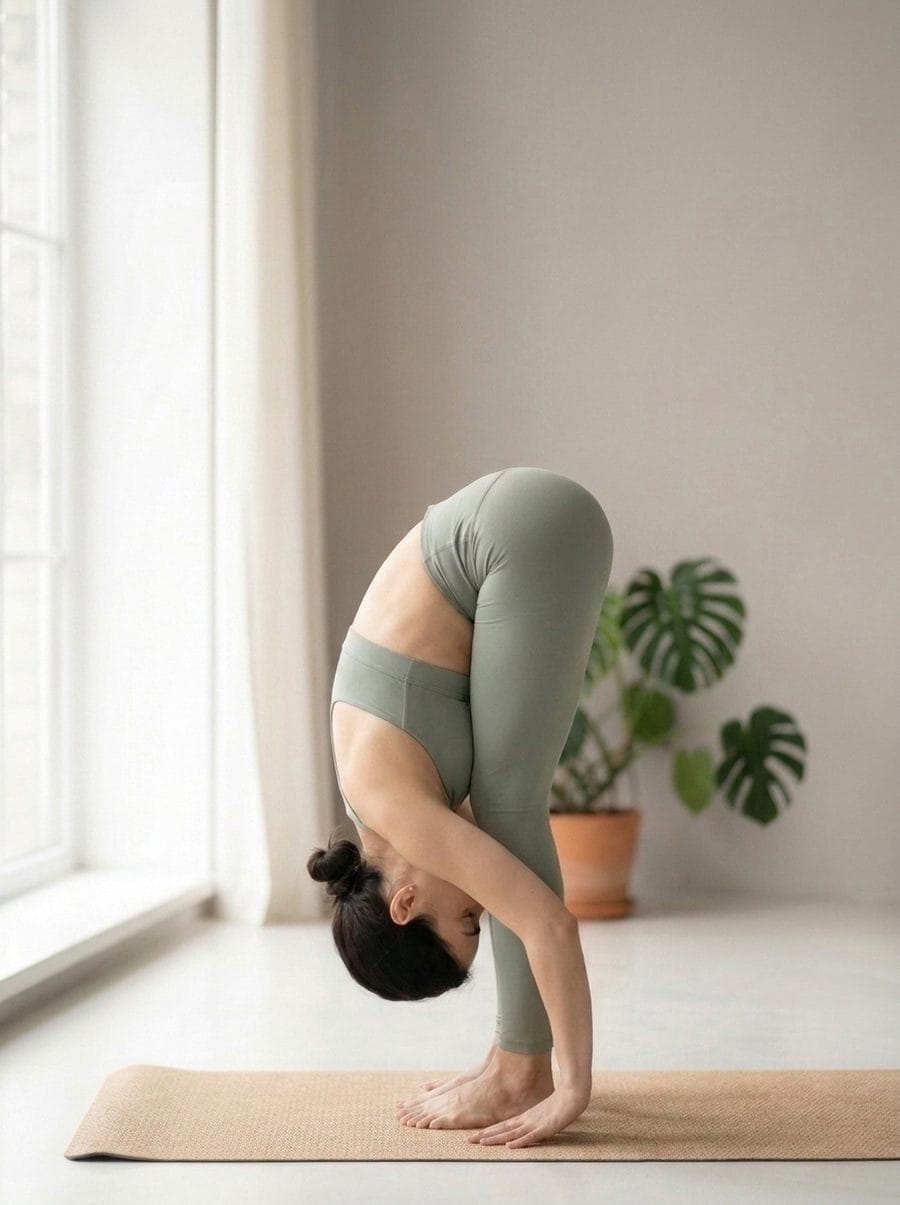
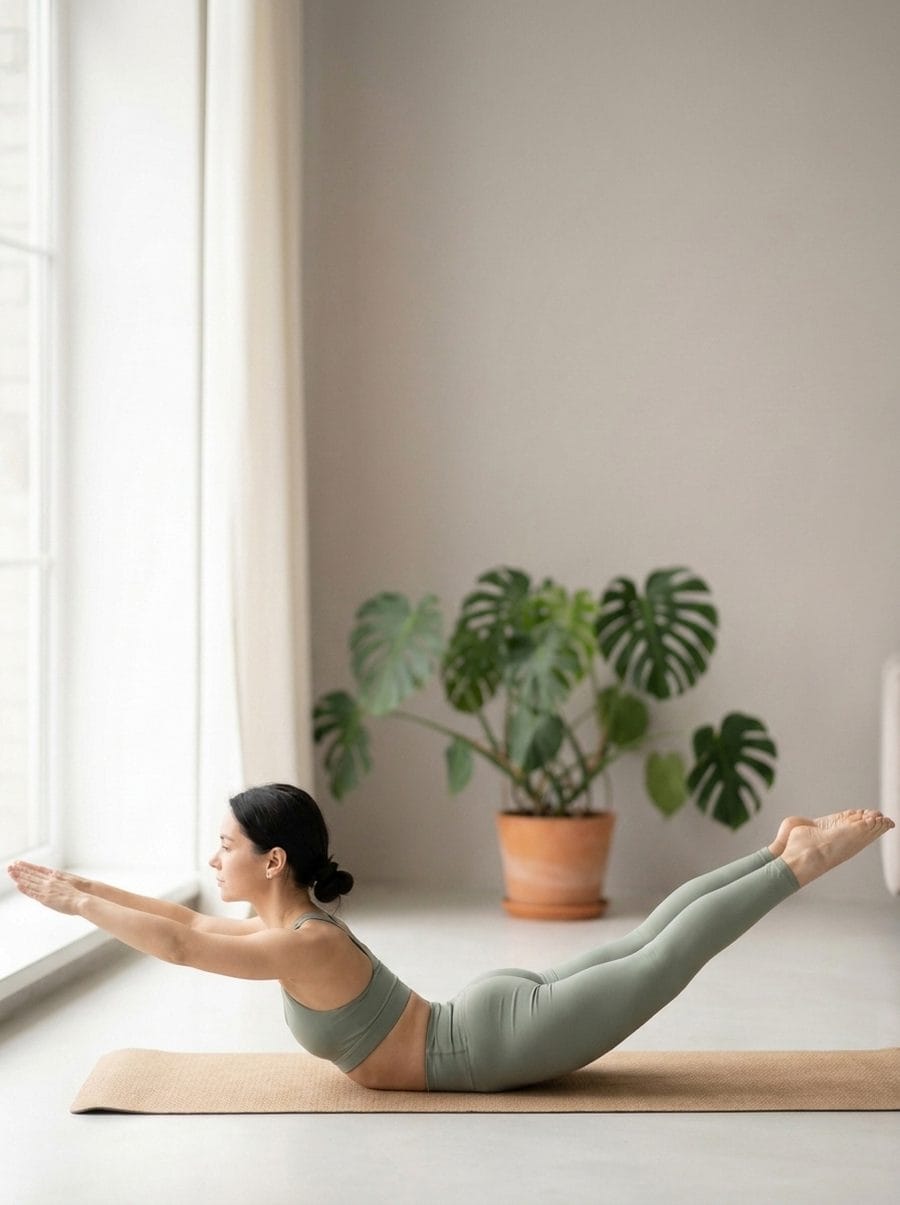
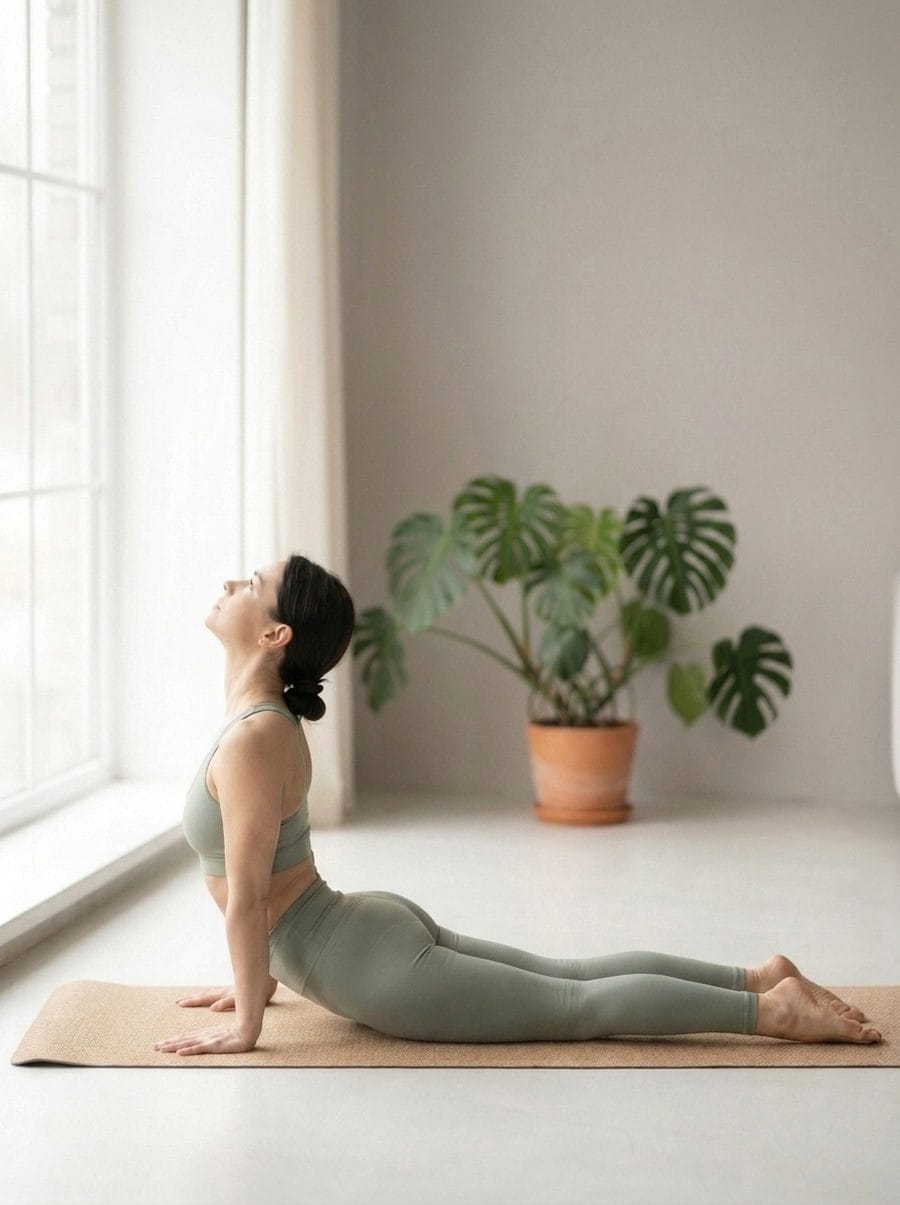
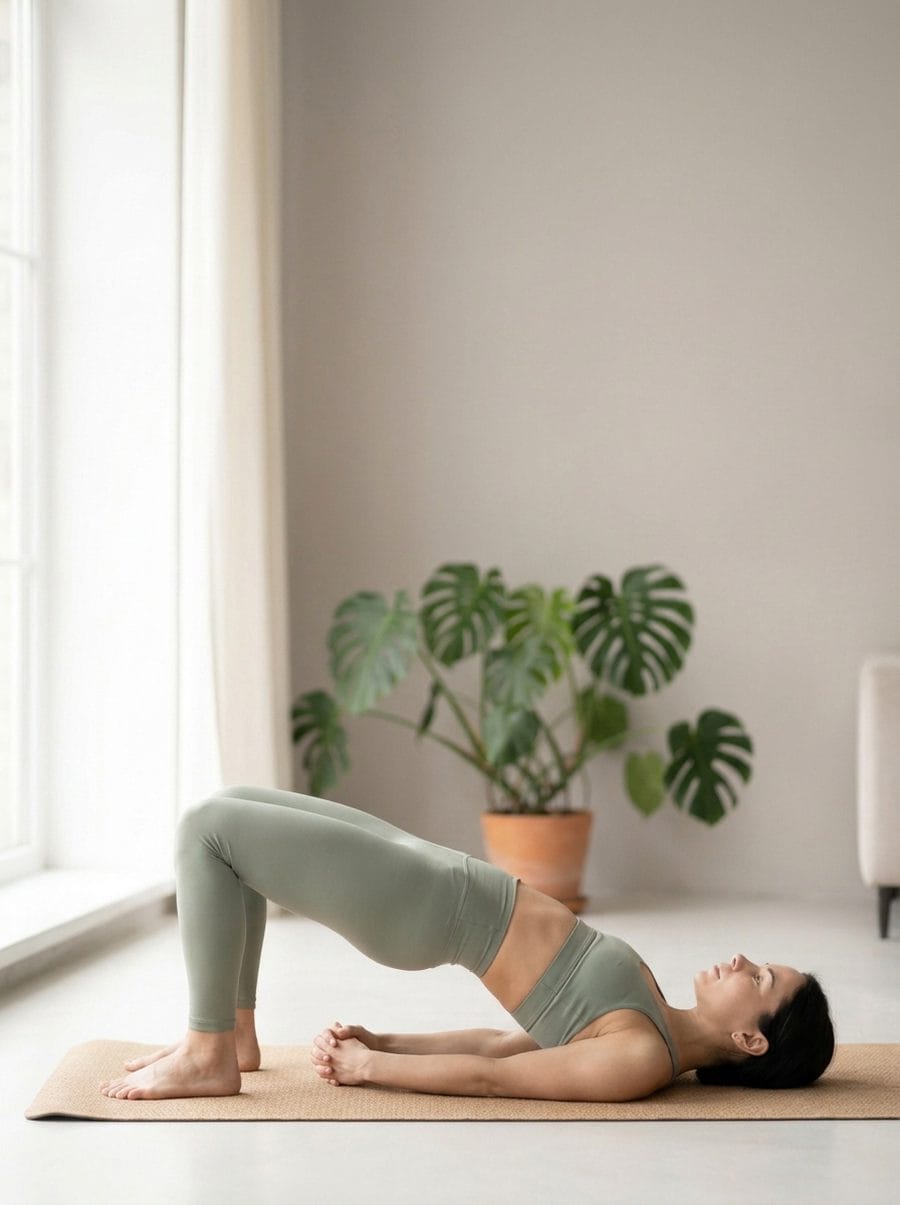
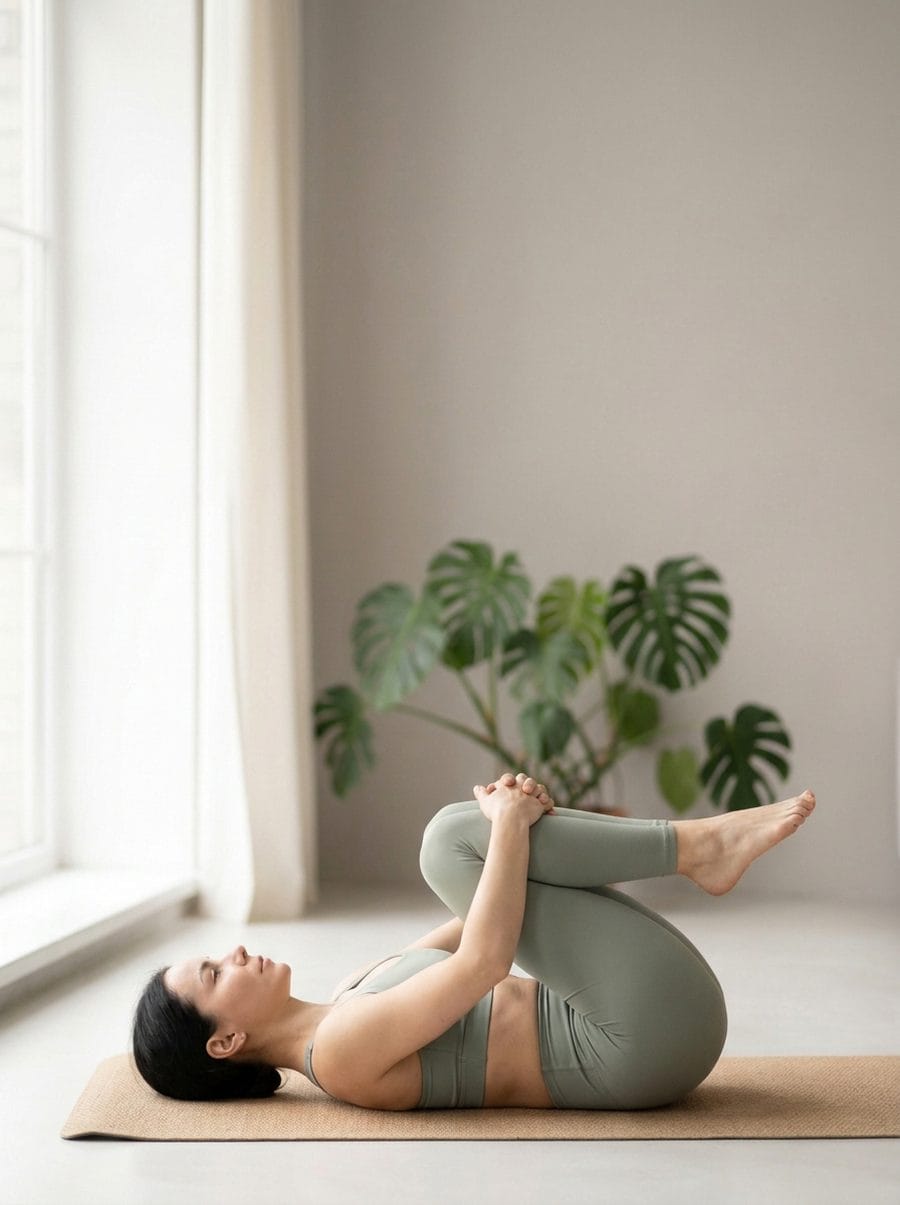


Why this order
The order moves from easy to harder and back again. Cat-Cow and Child's Pose wake up the spine, while Downward-Facing Dog and Standing Forward Fold lengthen the back line of the body. Locust and Cobra strengthen the muscles along the spine, and Child's Pose right after them takes tension out of the lower back.
Bridge brings in the glutes, then Knees-to-Chest Pose and Supine Twist gently unwind the spine before the final relaxation.
Cautions
- Acute back pain (Cat-Cow)
- Wrist injuries — practice on your fists (Cat-Cow)
- Pregnancy — widen your knees (Child's Pose)
- Knee injuries (Child's Pose)
- Wrist and shoulder injuries (Downward-Facing Dog)
- High blood pressure — don't stay in the pose long (Downward-Facing Dog)
- Glaucoma (Downward-Facing Dog)
- High blood pressure (Standing Forward Fold, Locust Pose)
- Lumbar disc herniation — bend your knees (Standing Forward Fold)
- Lumbar disc herniation (Locust Pose, Cobra Pose)
- Pregnancy (Locust Pose, Cobra Pose)
- Flare-up of peptic ulcer disease (Cobra Pose)
- Neck injuries (Bridge Pose)
- Flare-up of lower back pain (Bridge Pose)
- Pregnancy from the second trimester onward — take your knees wider than your belly or skip the pose (Knees-to-Chest Pose)
- Disc herniation in the acute phase (Supine Twist)
This site is for general information and is not medical advice. If you have pain, an injury, a chronic condition, or are pregnant, check with a qualified professional before practicing.