 Hatha Yoga
Upward-Facing Dog
Ūrdhva Mukha Śvānāsana
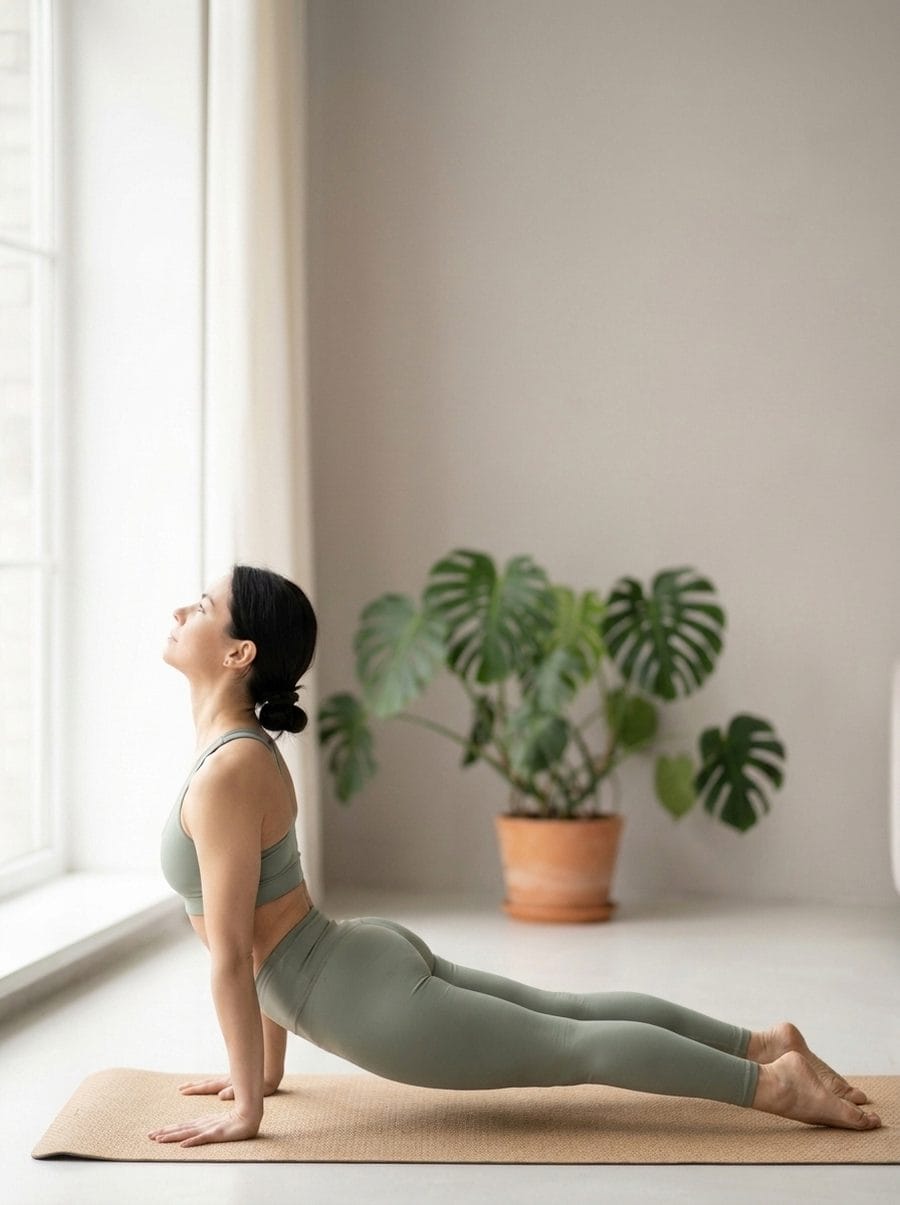
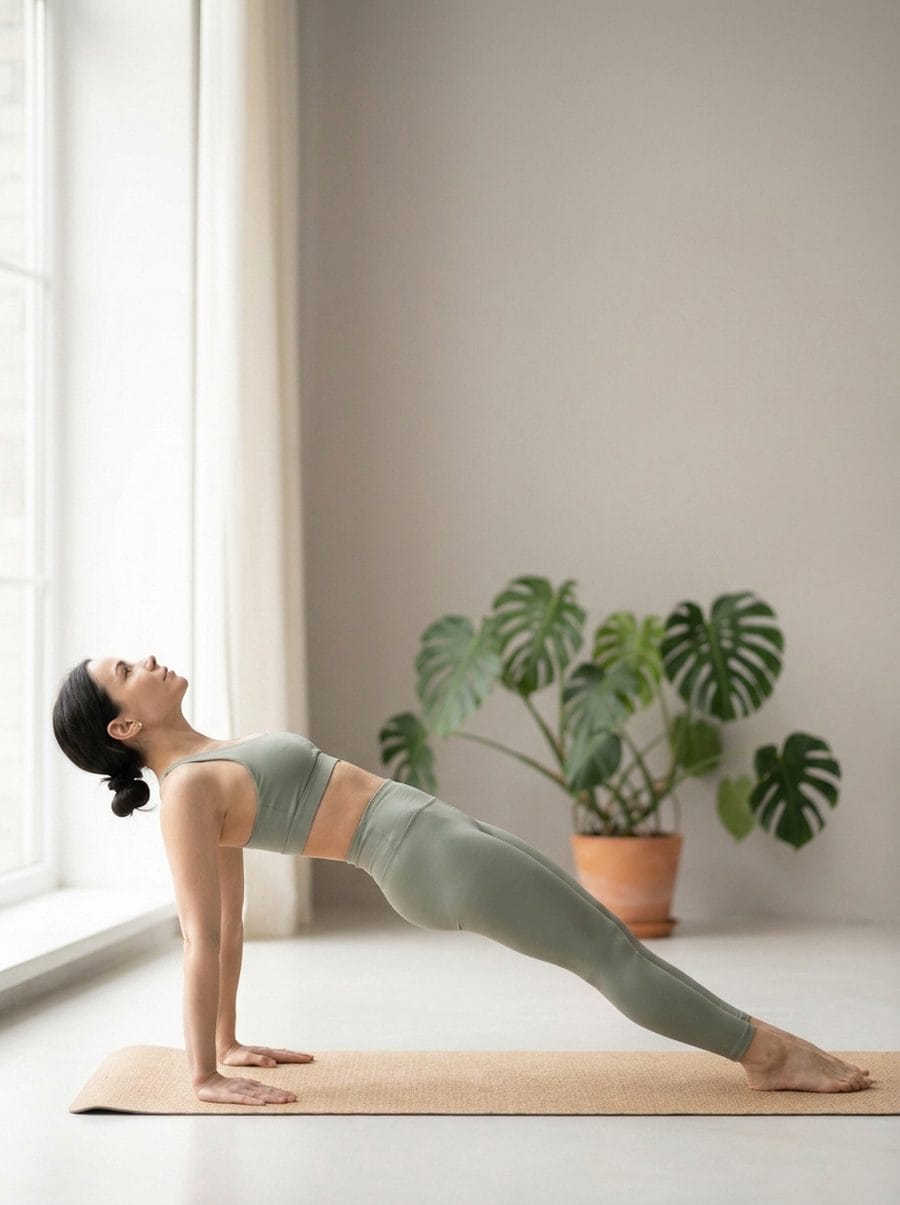
Upward-Facing Dog, or Urdhva Mukha Svanasana (literally "dog looking up"), is a backbend on straight arms: your body rests only on your palms and on the tops of your feet; your thighs and knees hover. It's often alternated with Downward-Facing Dog.
It's rated intermediate, and the app uses it in the Advanced Intensive sequence and in two flows.
How to do it
- EnterLying on your belly, place your palms beside your lower ribs. Inhale, straighten your arms, lift your thighs off the floor, and support yourself only on your palms and the tops of your feet.
- HoldShoulders down and back, away from your ears, chest opening forward and up. Legs active, not touching the floor. Don't pinch your lower back. Reach with your chest instead of cranking into the bend.
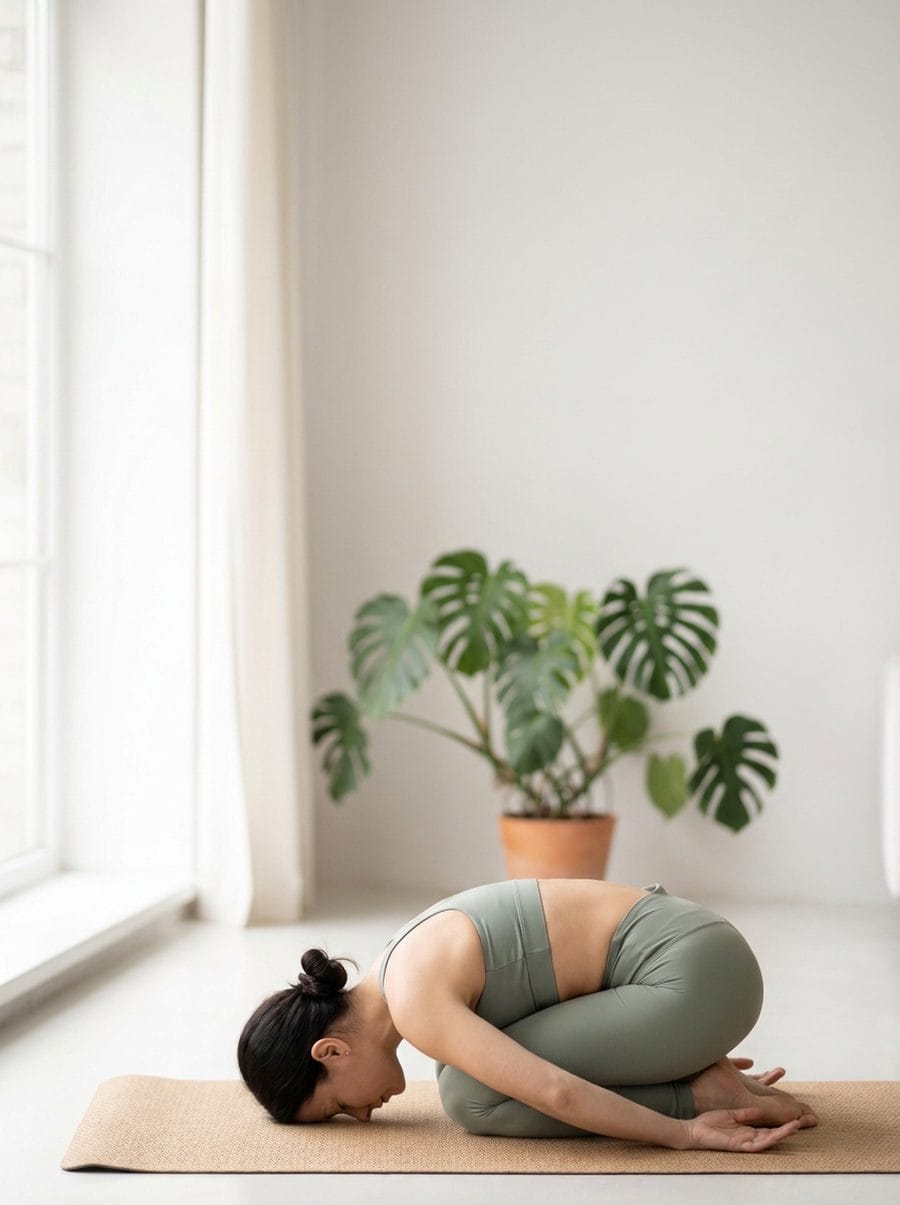
- ExitExhale, lower your thighs and come back onto your belly, then move into Child's Pose.
More detail
In the finished pose your shoulders sit directly over your wrists. If they end up ahead of or behind your wrists, adjust your hand position on the next round. Your legs stay switched on: the tops of your feet press down and your kneecaps lift, or else your pelvis sags and the whole backbend piles into your lower back.
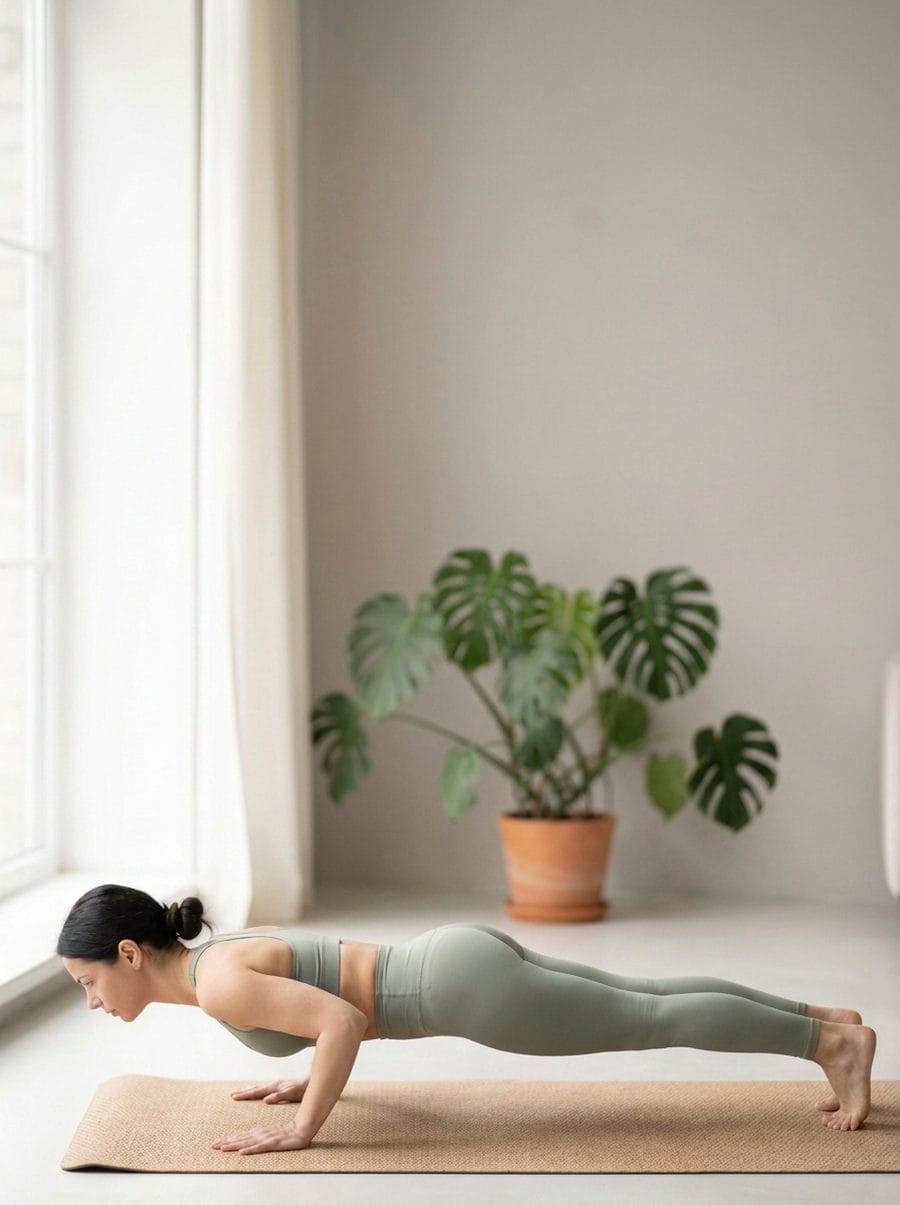
You usually arrive in Up Dog from the low push-up position, Four-Limbed Staff Pose, by rolling over your toes; if the roll isn't there yet, flip your feet one at a time. If your legs won't stay off the floor, start with Cobra.
Benefits
Opens the chest, strengthens the arms and back.
The pose opens the whole front of your body, from chest and shoulders down to the hip flexors, and it builds strength in your arms, shoulder girdle and back. In the app's flows you move into it on an inhale, so it's natural to practice it in motion and not only as a static hold.
Cautions
- Lumbar disc herniation
- Wrist injuries
- Pregnancy
This site is for general information and is not medical advice. If you have pain, an injury, a chronic condition, or are pregnant, check with a qualified professional before practicing.
Common mistakes
- Leaving your thighs on the floor. That turns it into a straight-arm Cobra, which loads your lower back.
- Hanging in your shoulders with your head pulled in. Push the floor away to make room between your shoulders and ears.
- Tipping your head back. Look forward or slightly up, neck long.
- Letting your legs go slack. Without active thighs, your lower back collapses.
Counterpose
Where it appears
- Advanced Intensive 35 min · Advanced
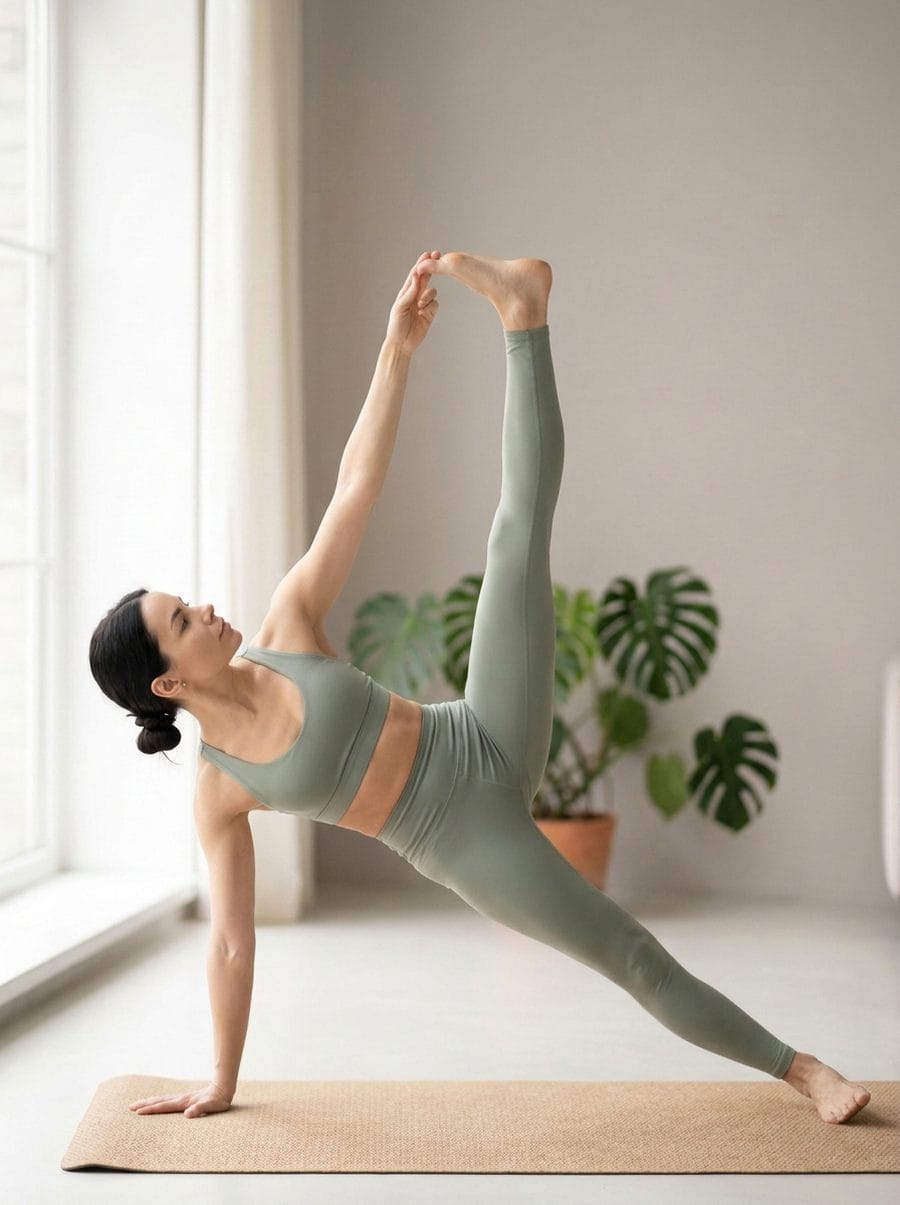
- Warm-up: Advanced Round Strength vinyasa: Crow Pose, an arm-supported backbend, and Standing Splits
- Warm-up: Heart Opener Two backbends with different mechanics — Camel Pose from the knees and Upward-Facing Dog from the floor — with active counterposes: a stretch and a forward fold
Similar poses
Questions
How is Upward-Facing Dog different from Cobra? Cobra Pose keeps your pelvis down and your elbows bent, so the lift of your chest comes from your back. In Up Dog your arms are straight, and only your hands and feet are in contact with the floor.
How do Upward Dog and Downward Dog relate? They're a pair of opposite shapes: one opens the front of your body, the other lengthens the back. In the Heart Opener flow, Upward Dog comes straight after Downward Dog, and classic sequences often alternate them: up on the inhale, down on the exhale.
How long is Up Dog held? 20 seconds on its card, 50 in Advanced Intensive. Wrist injuries, lumbar disc herniations and pregnancy all mean skipping it.
Updated: