 Hatha Yoga
Advanced yoga: the Advanced Intensive sequence
Standing poses, balances, backbends, and inversions
A full-body practice packed with work: four rounds of Sun Salutation and 21 poses in 35 minutes. Every pose family is here: standing poses, balances on one leg and on the hands, inversions and backbends. The level is advanced, and the program is meant for people who can already do each pose confidently on its own.
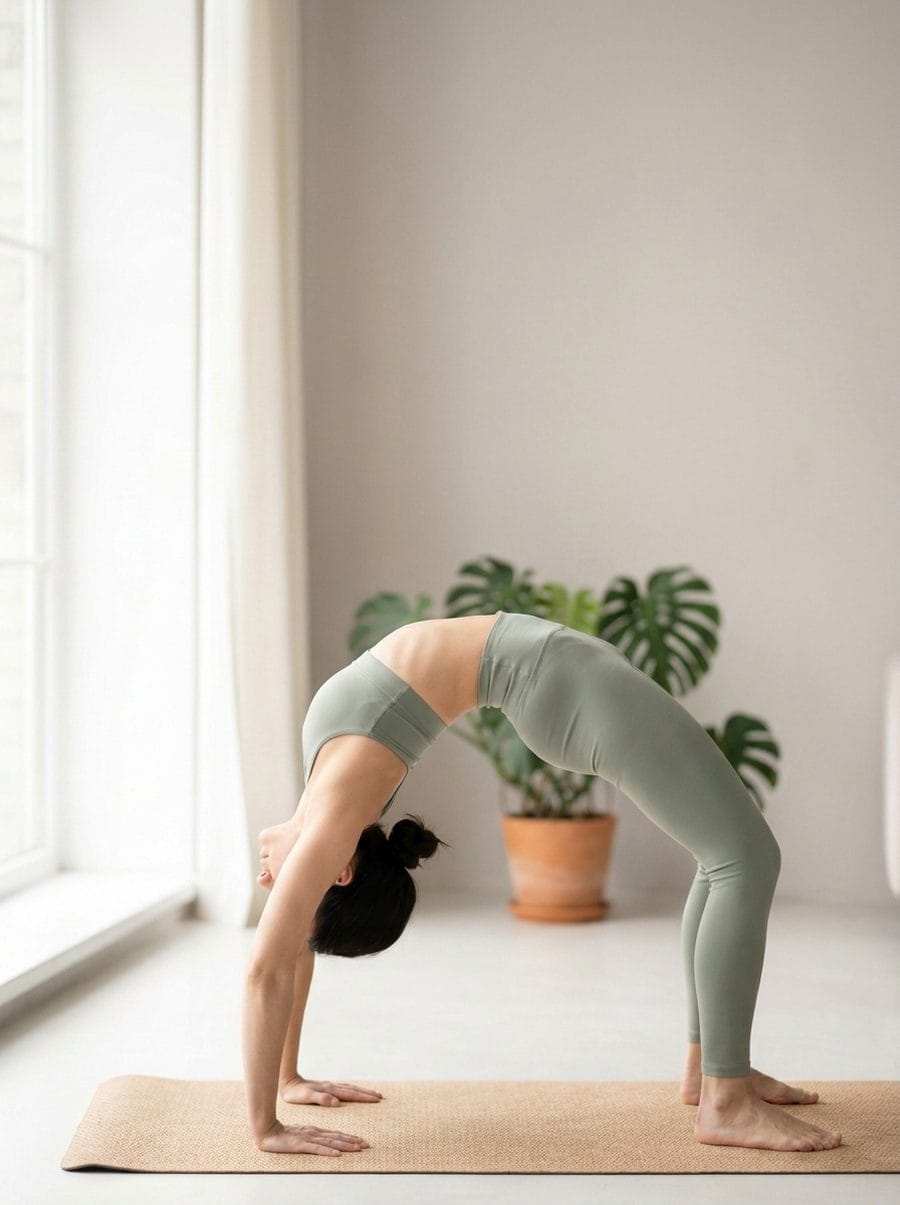
If you haven't practiced Headstand with a teacher, better to skip it. Neck injuries, hypertension and glaucoma, as well as pregnancy and menstruation, rule out Headstand, Shoulder Stand and Plow. Wheel isn't done with back, shoulder or wrist injuries.
Sun Salutation × 4
-
-
-
-
-
-
-
-
-
-
-
-
-
-
-
-
-
-
-
-

-

Why this order
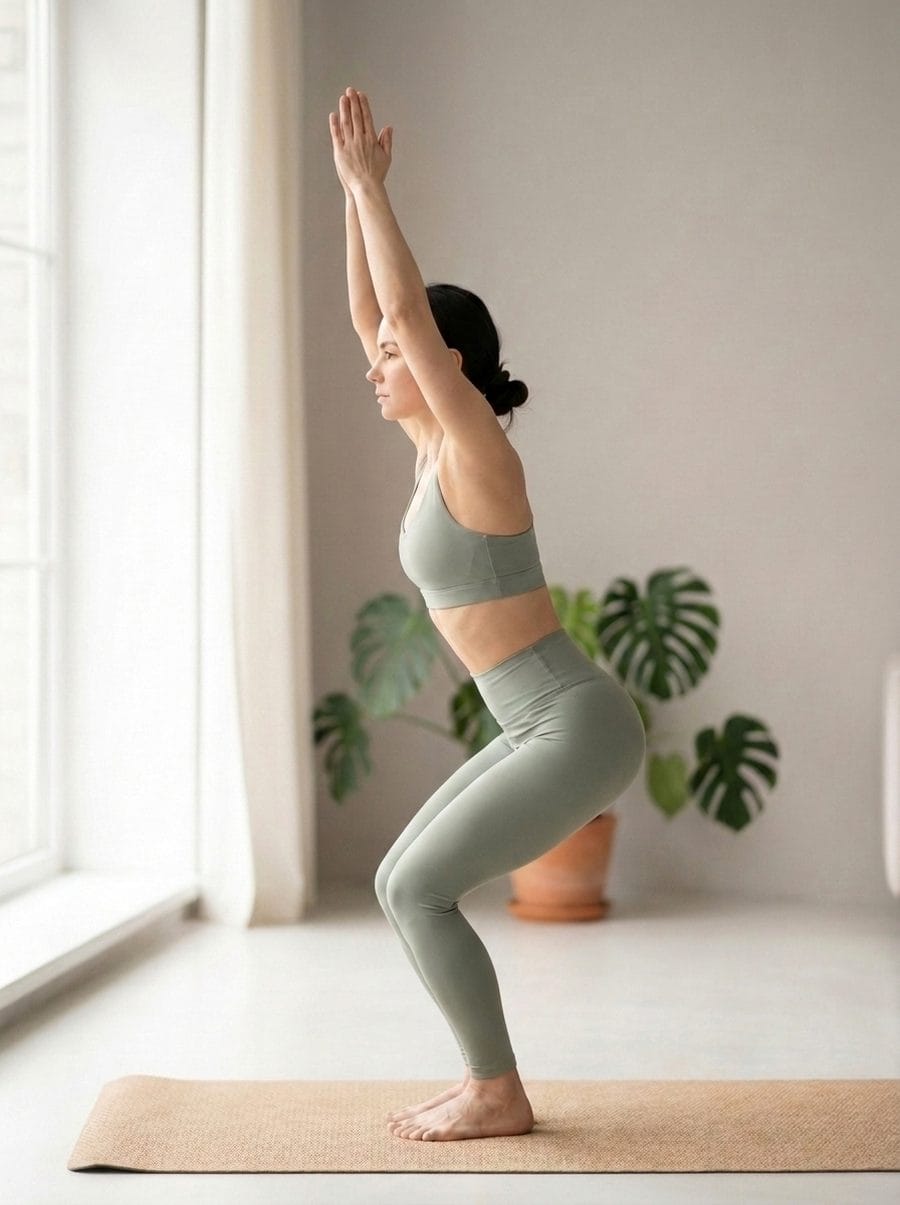
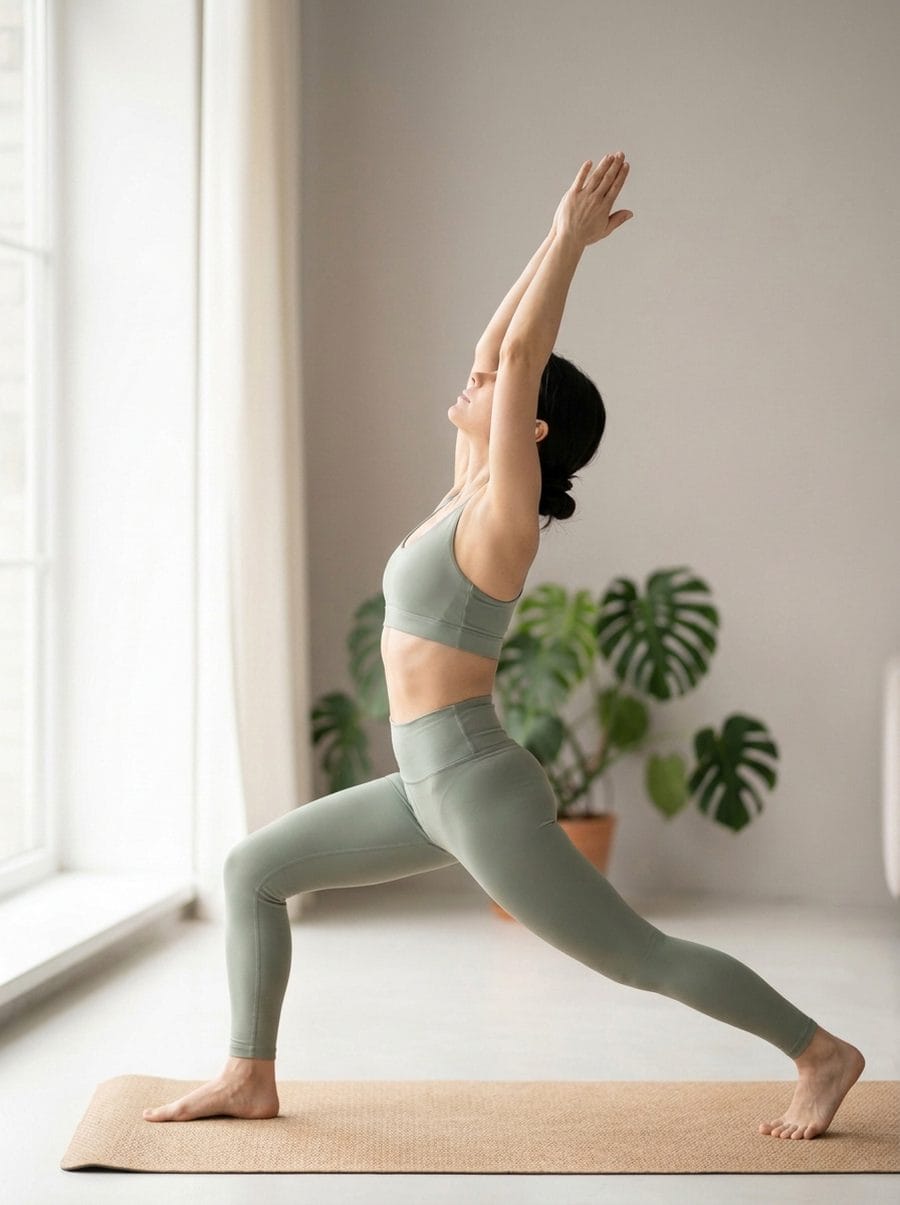
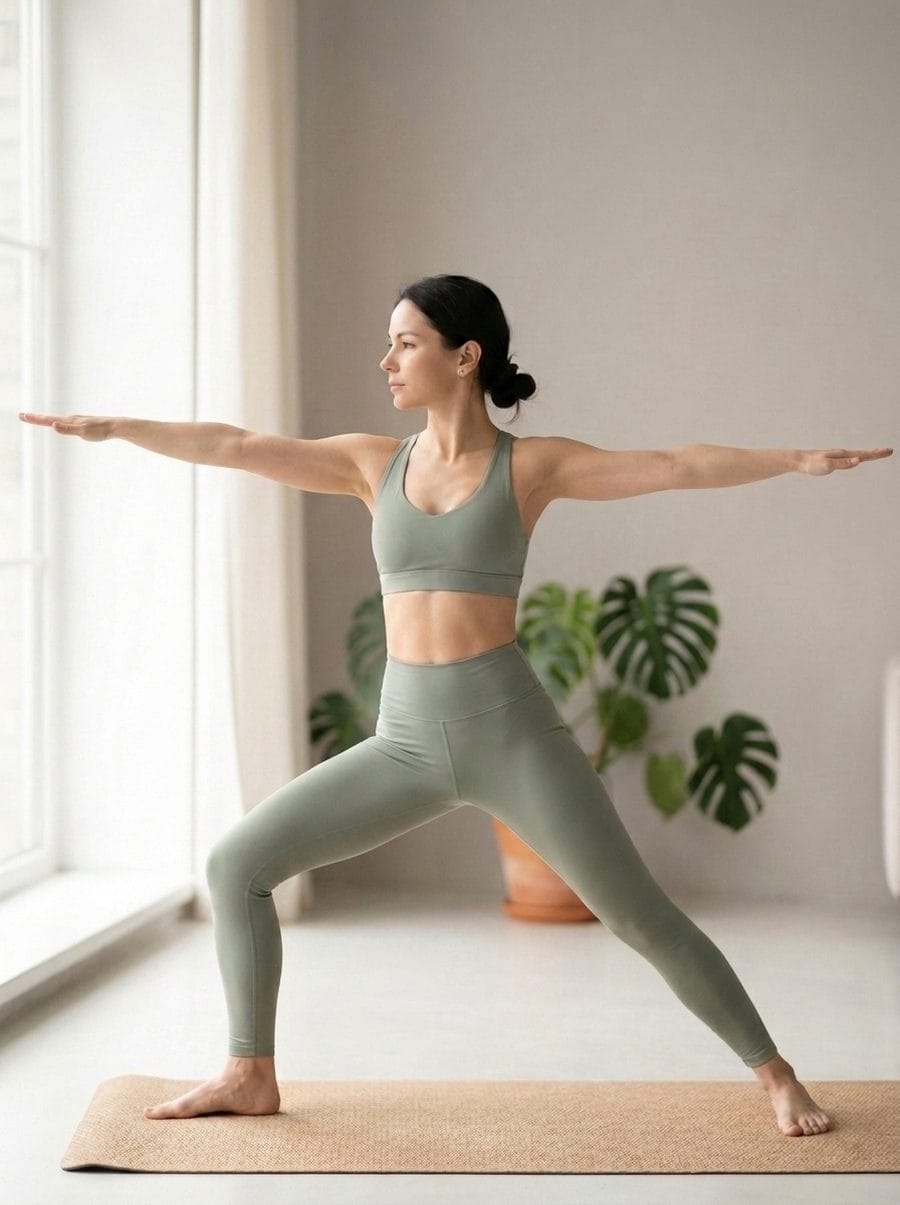
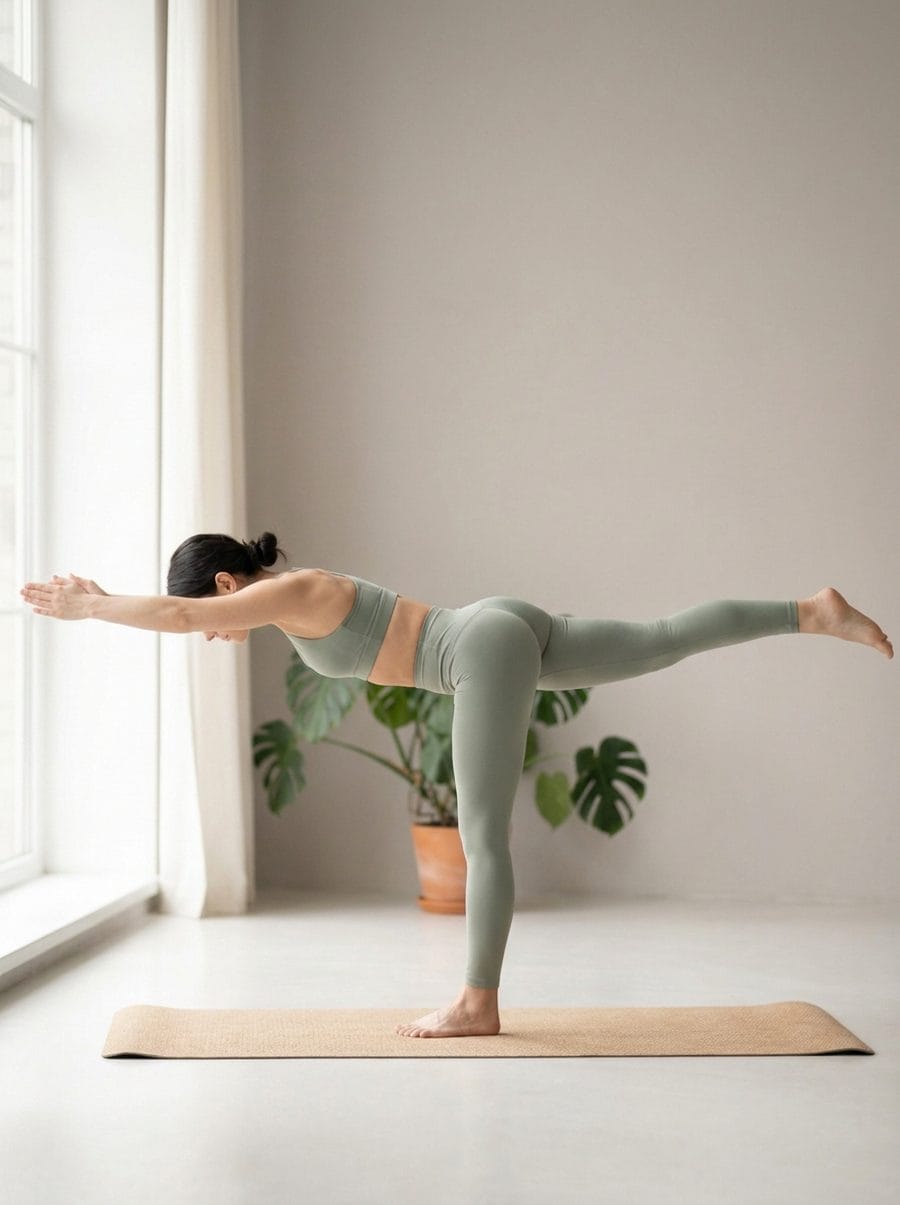
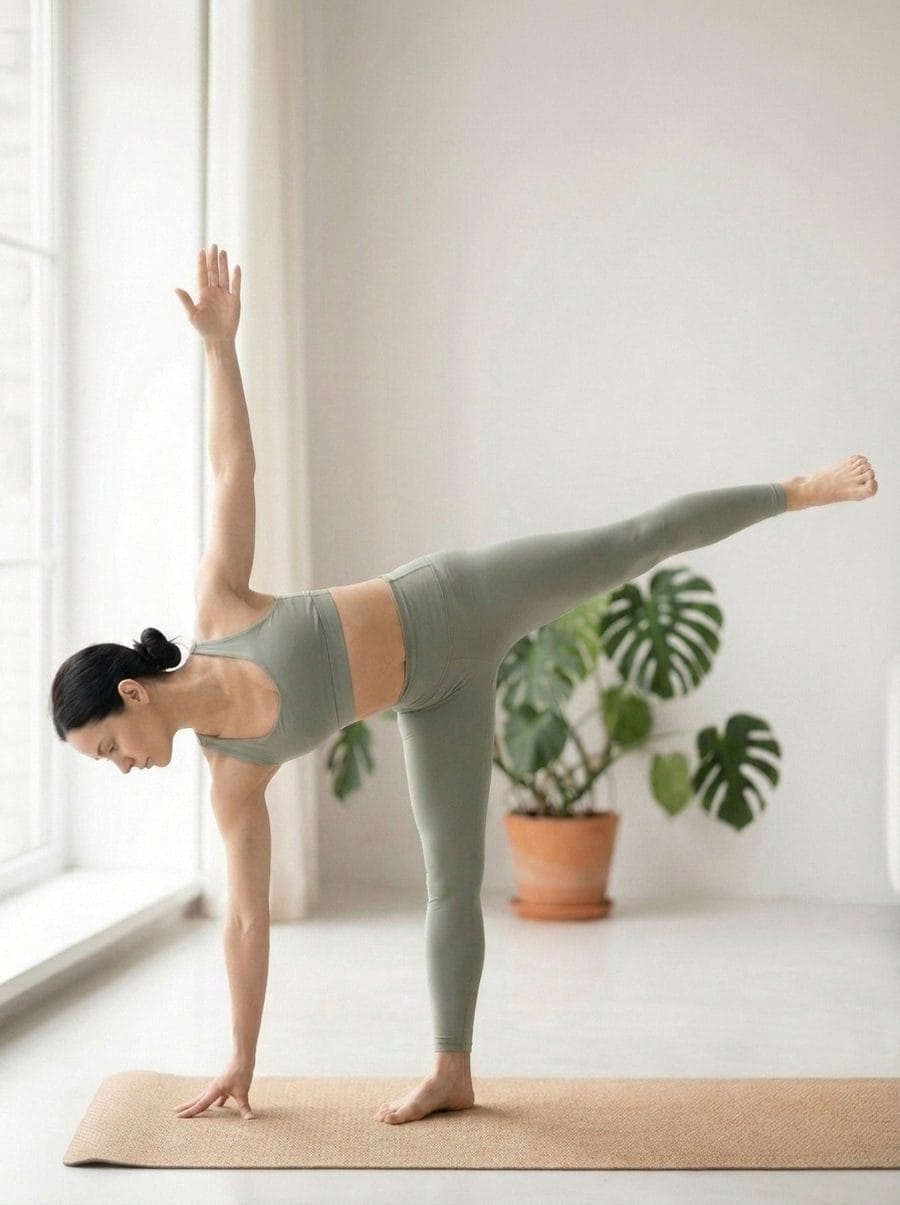
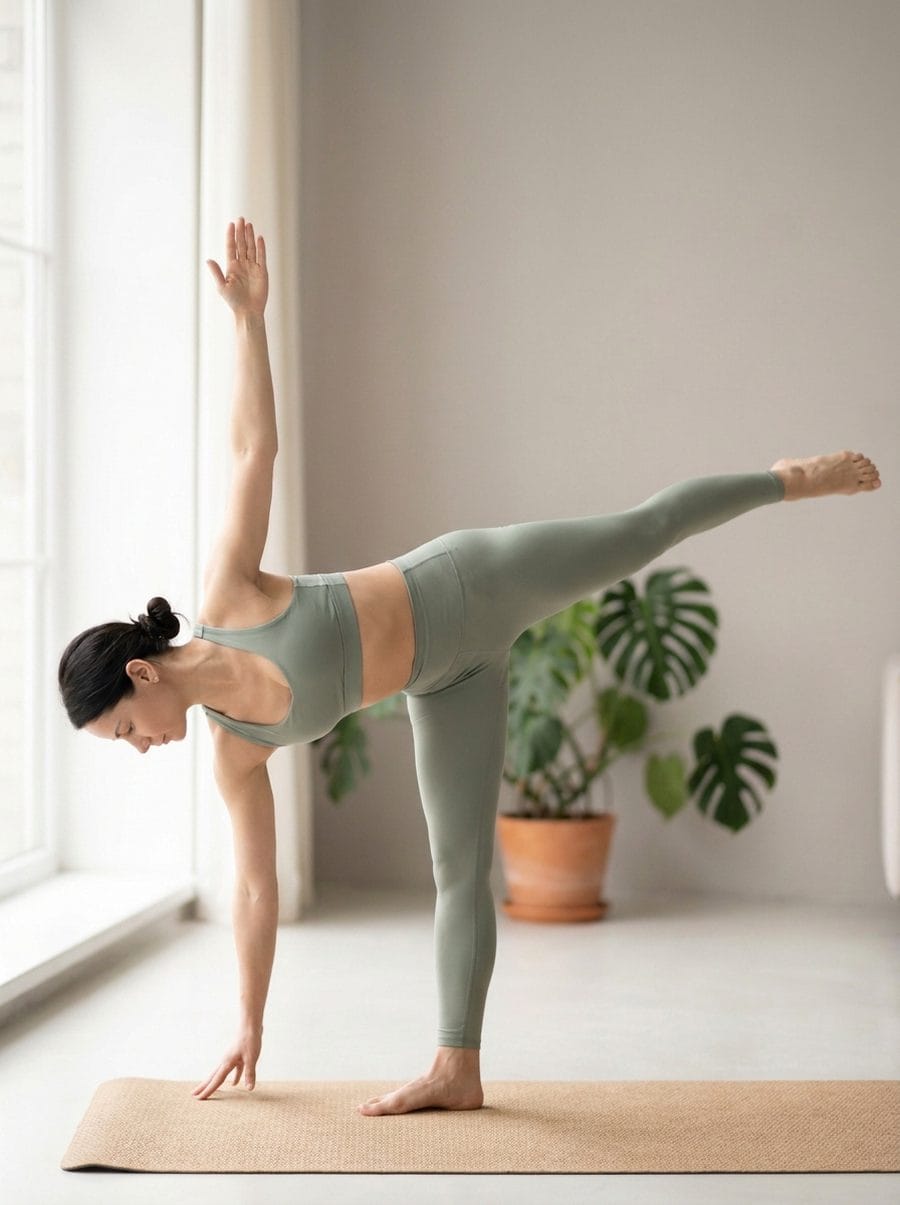
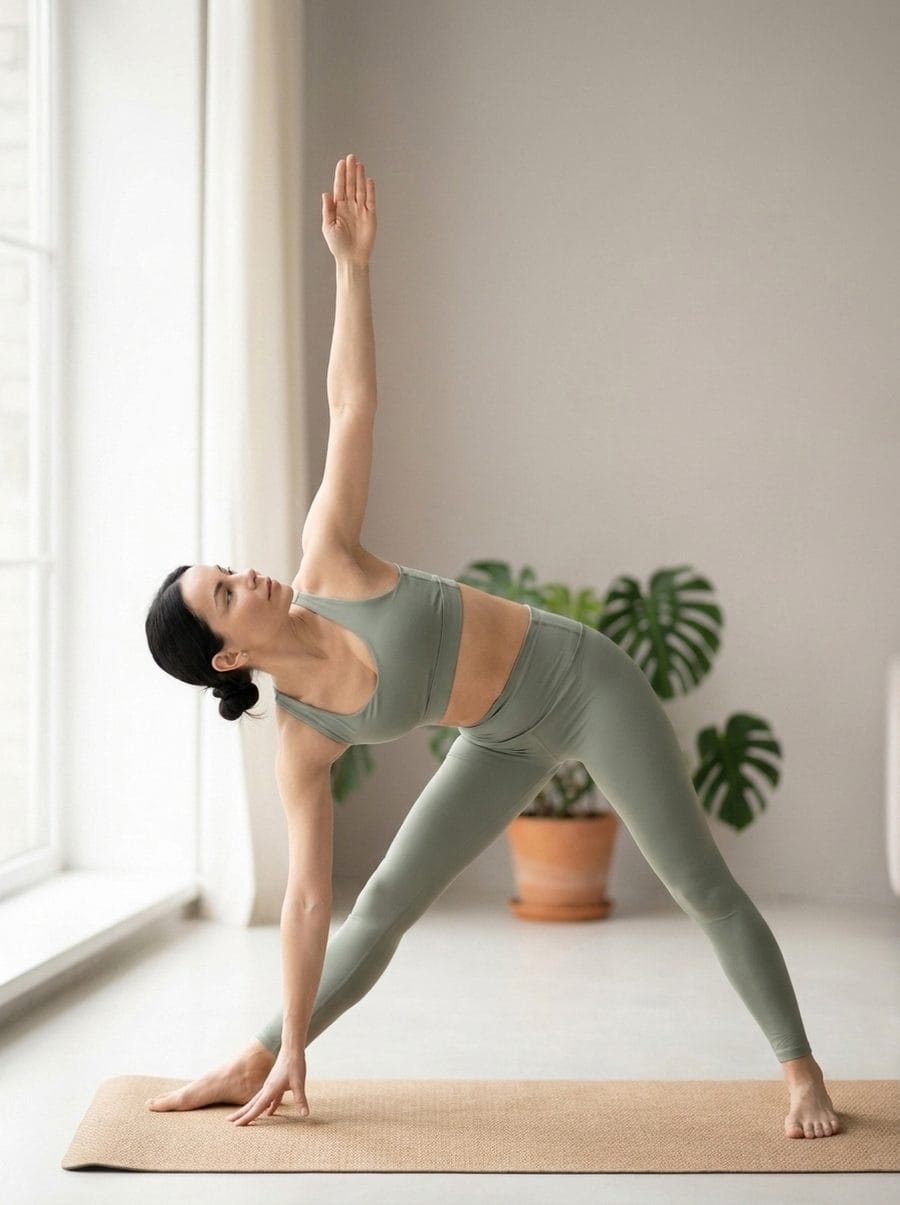
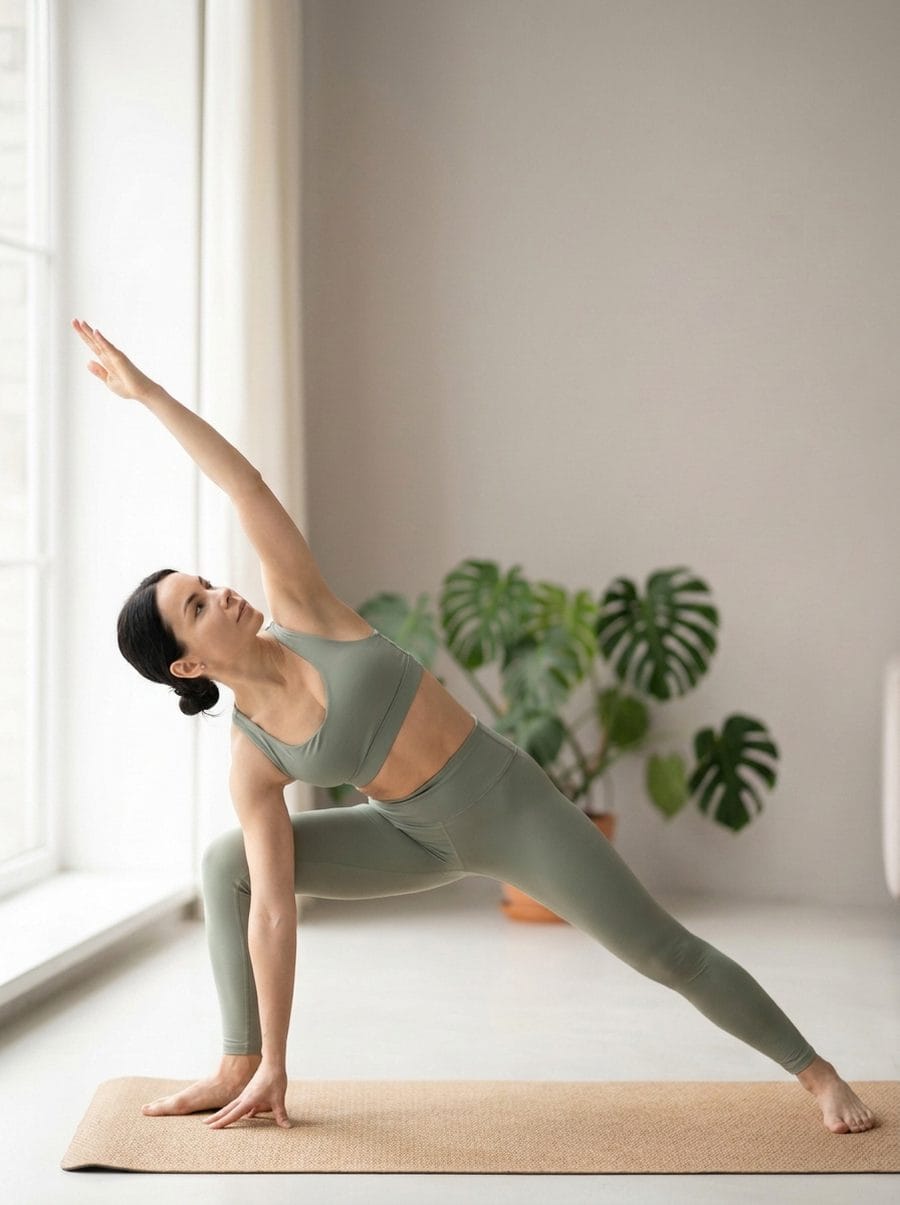
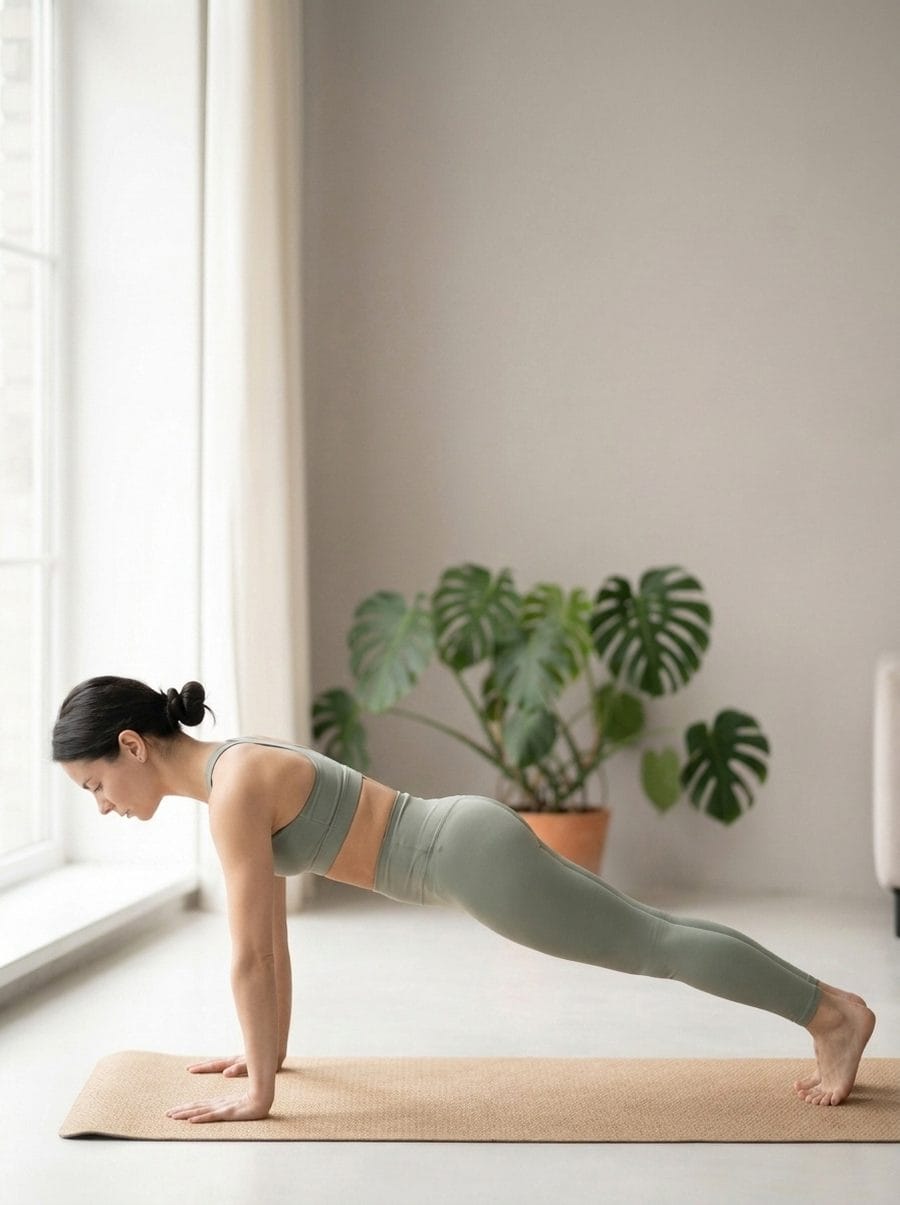
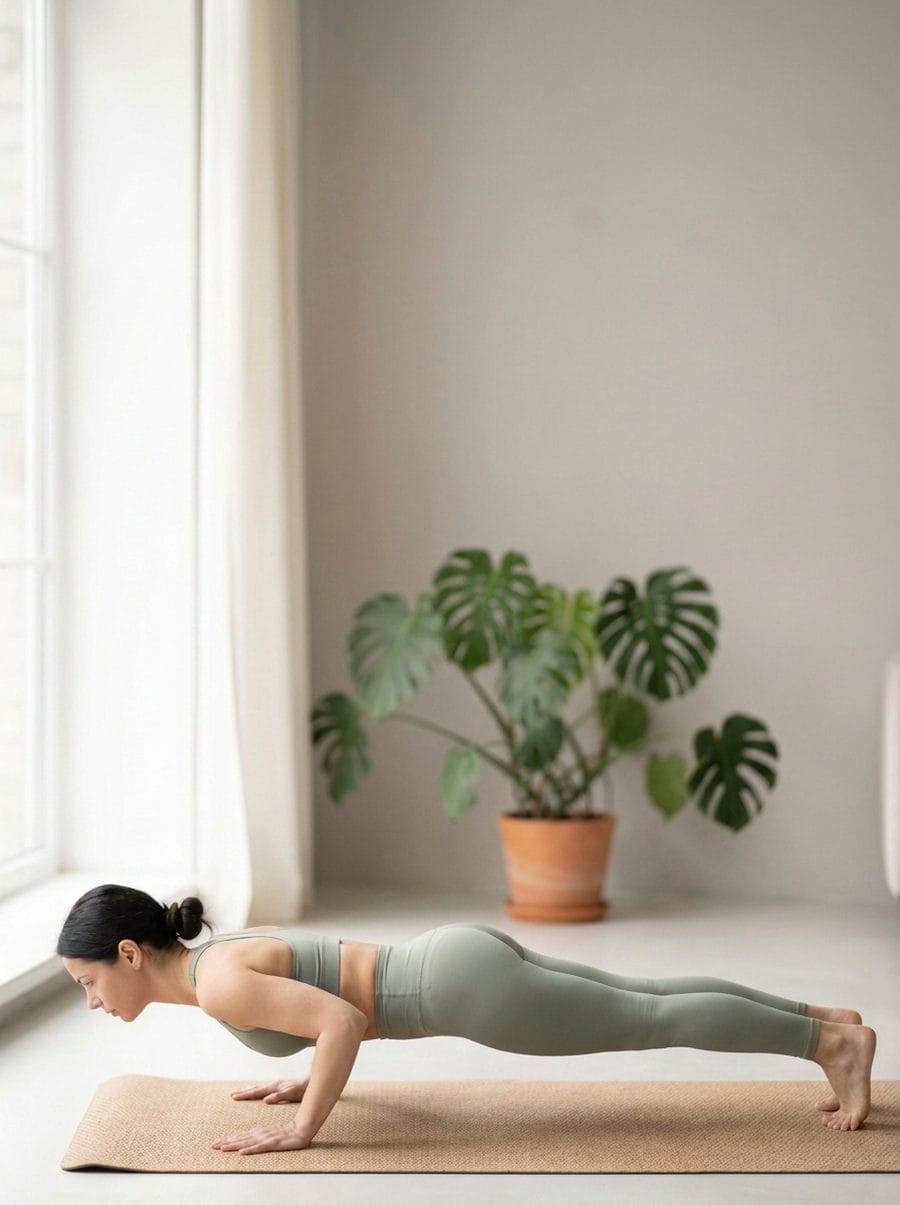
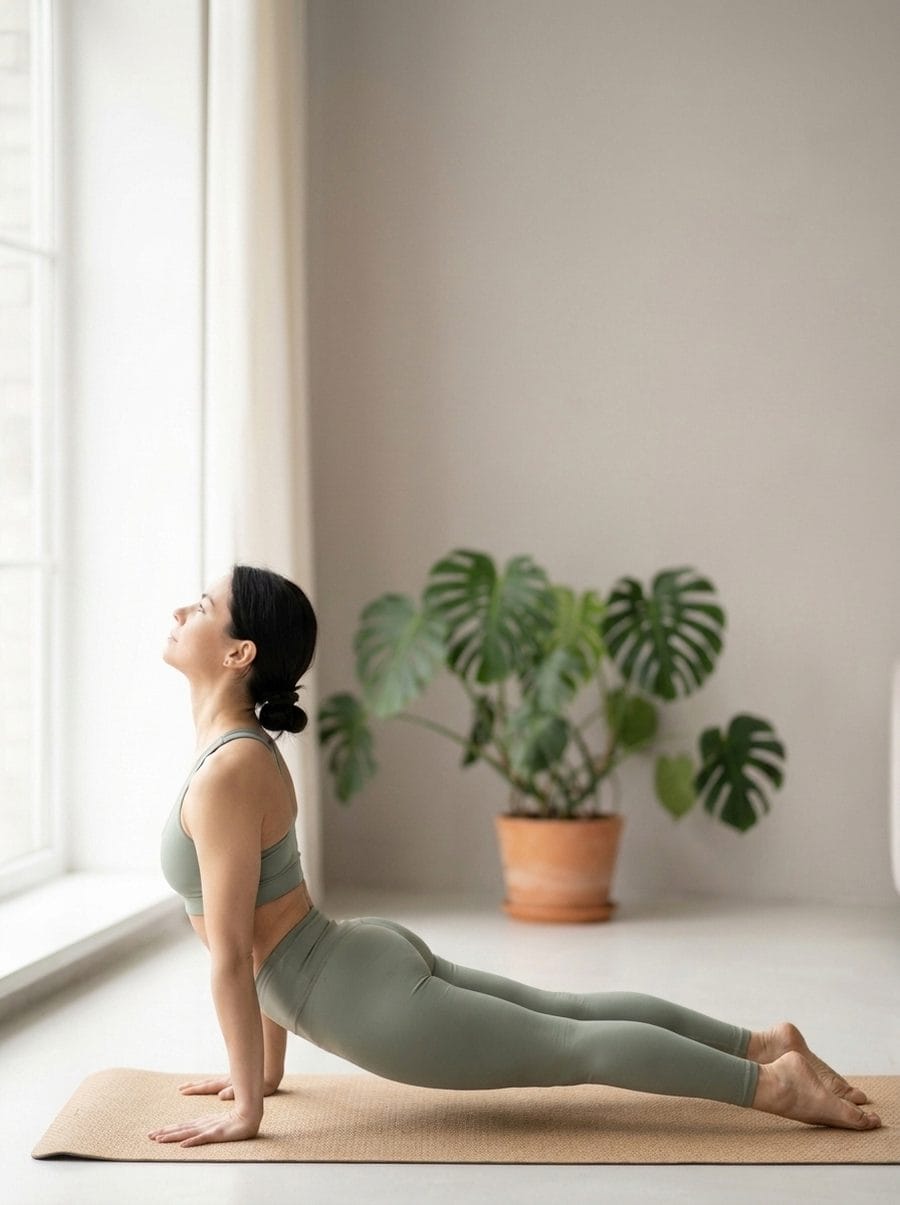
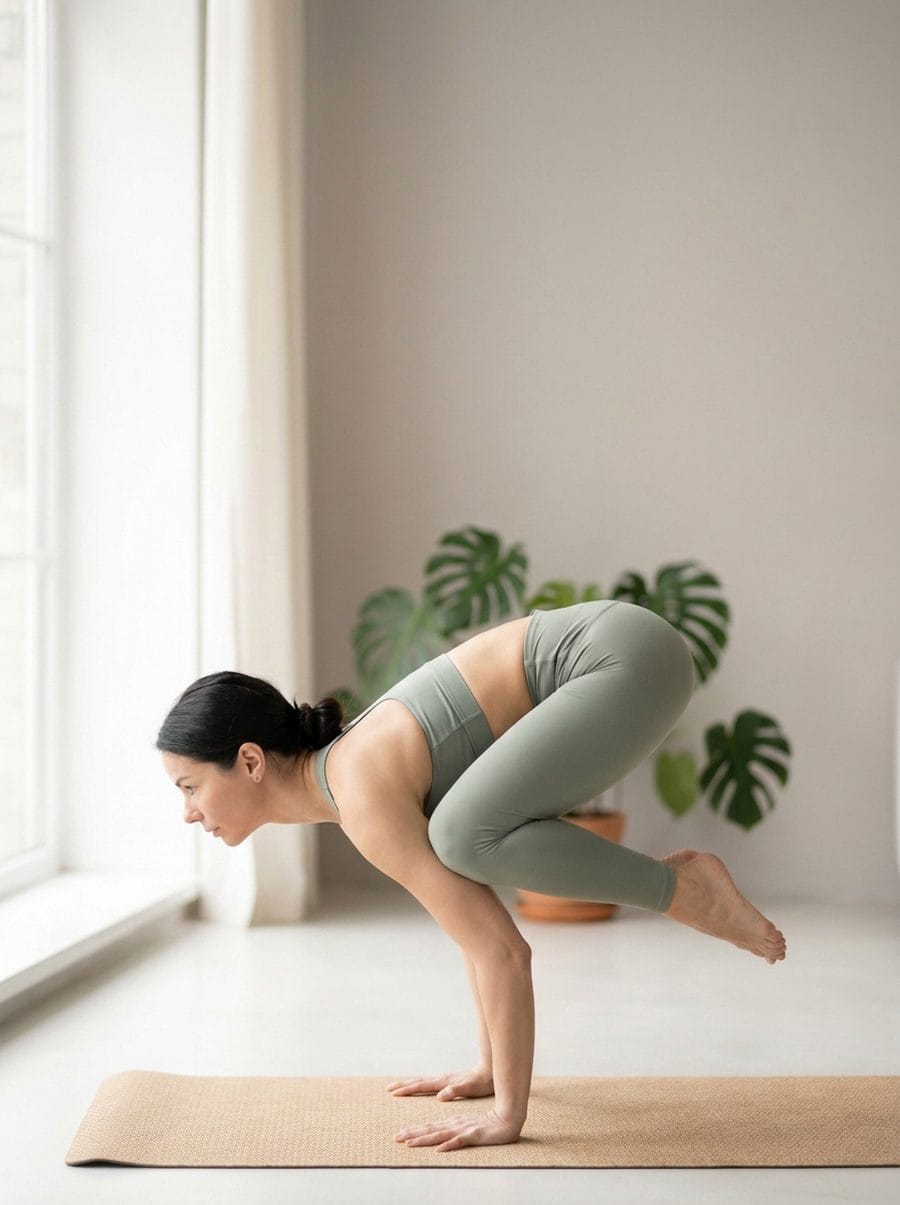
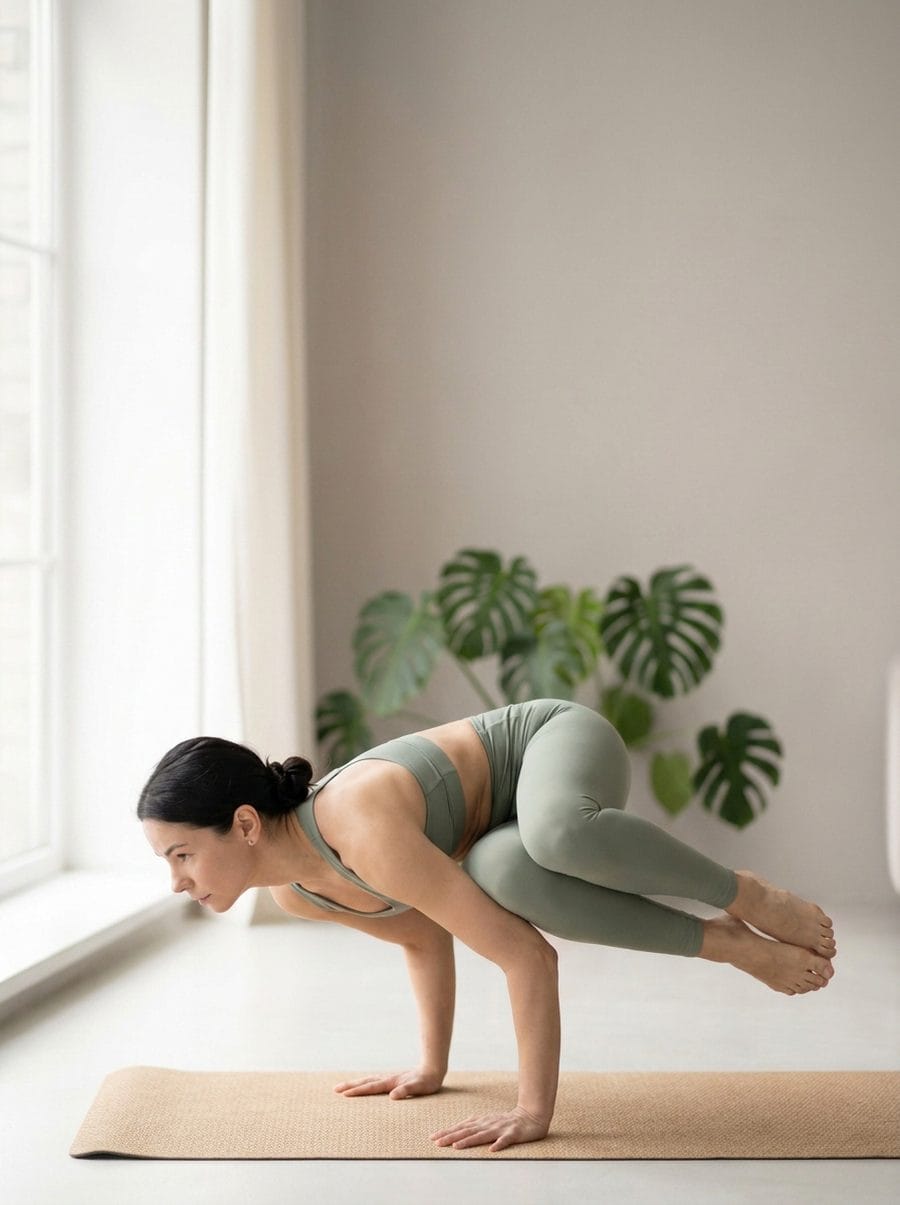
After Sun Salutation, standing poses build leg strength: Chair, Warrior I and II. Warrior III, Half Moon and Revolved Half Moon shift your weight onto one leg, while Triangle and Side Angle lengthen your sides. Plank, Chaturanga and Upward-Facing Dog bring your arms in ahead of Crow Pose and Side Crow.
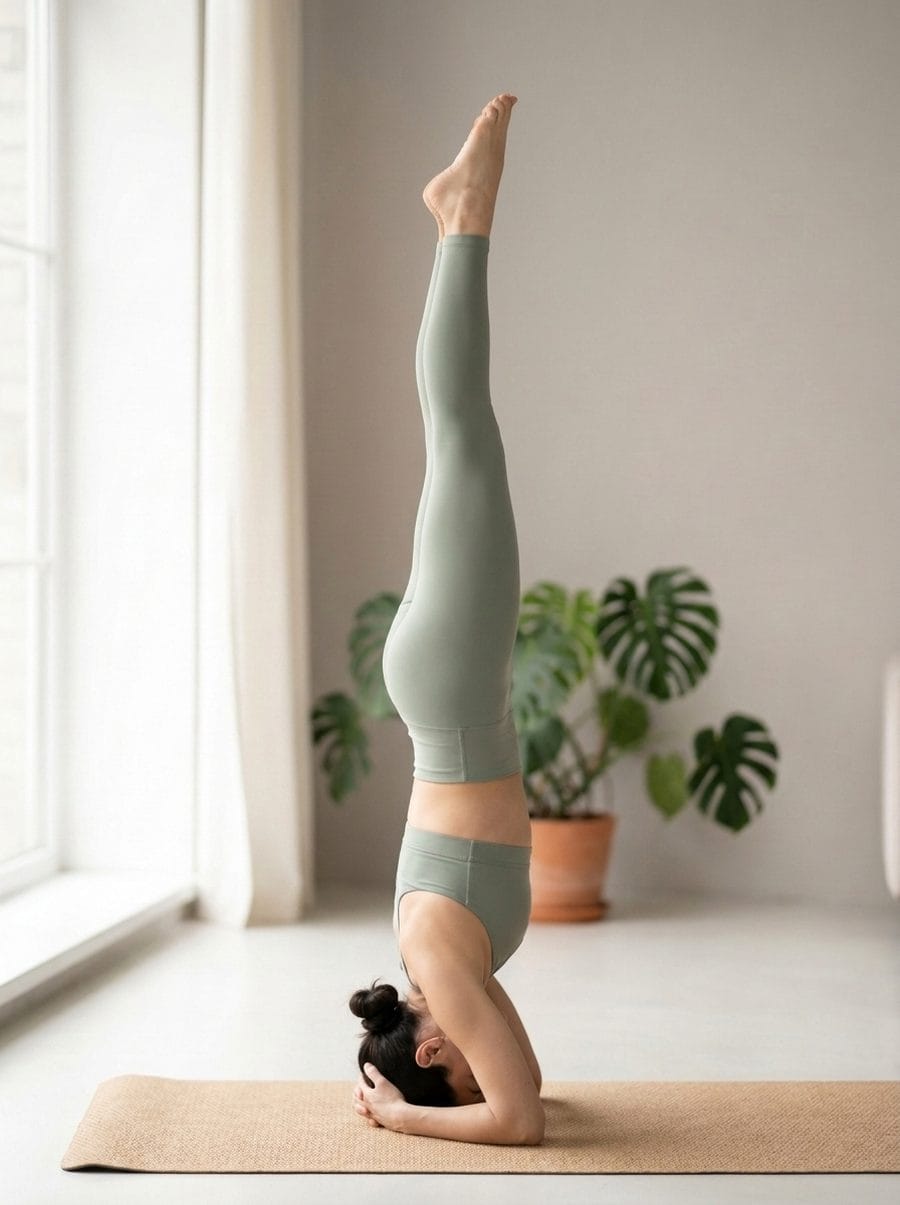
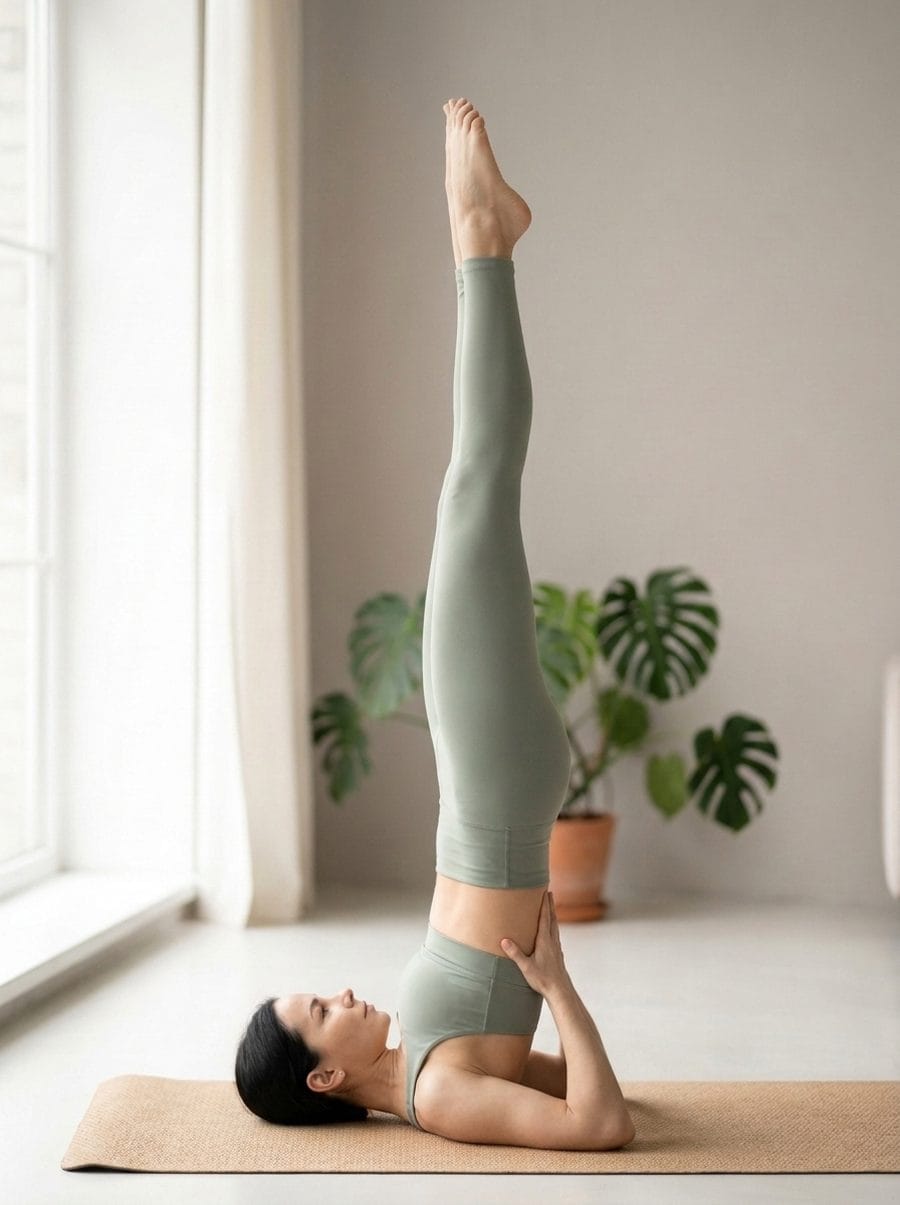
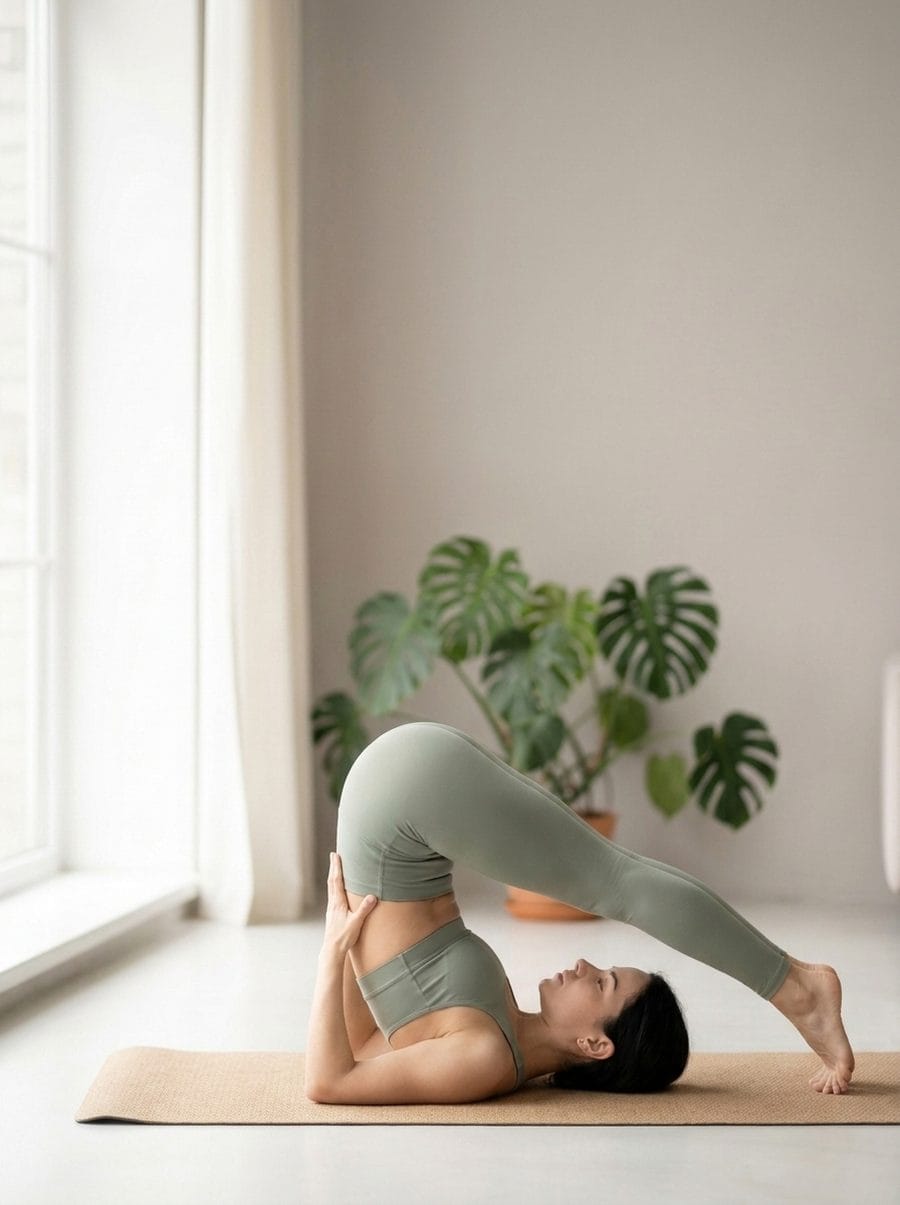
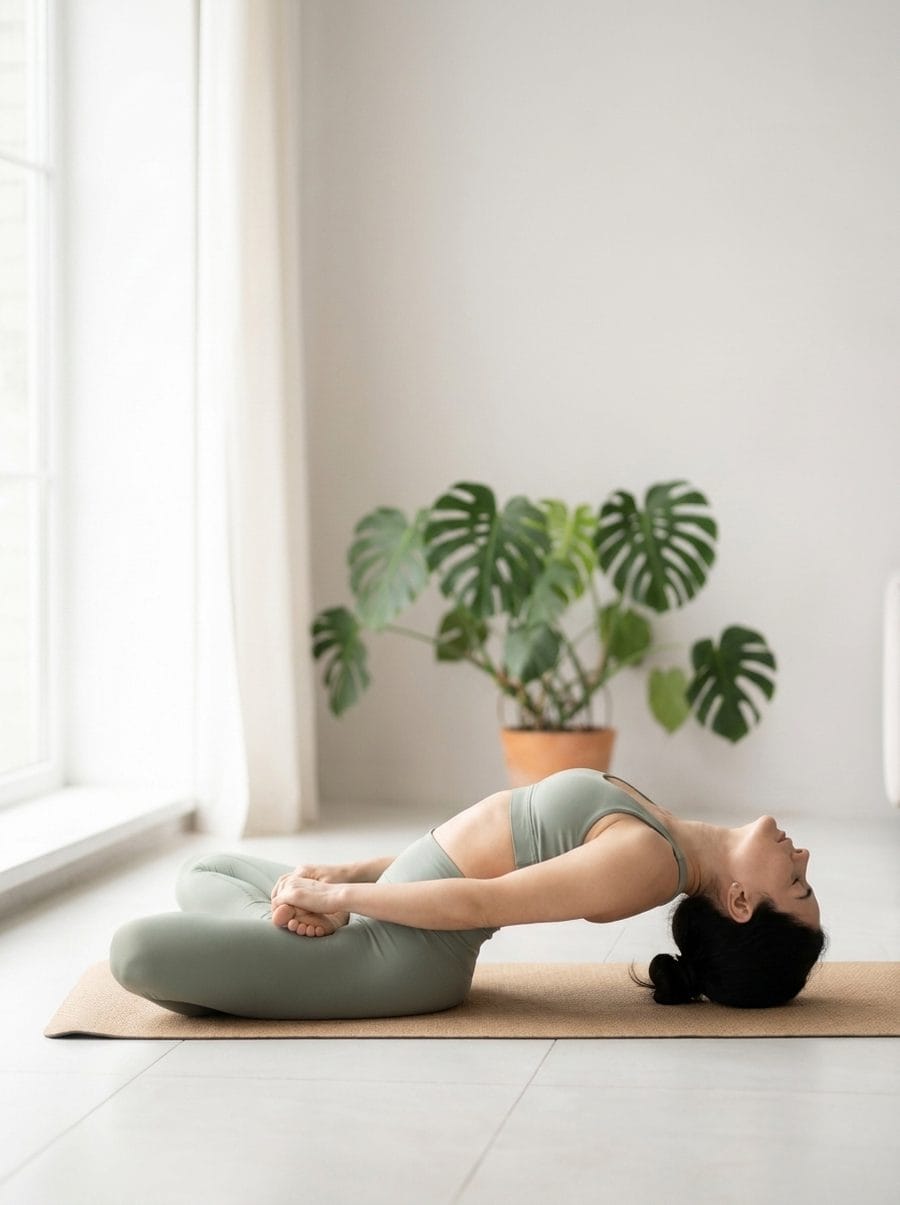
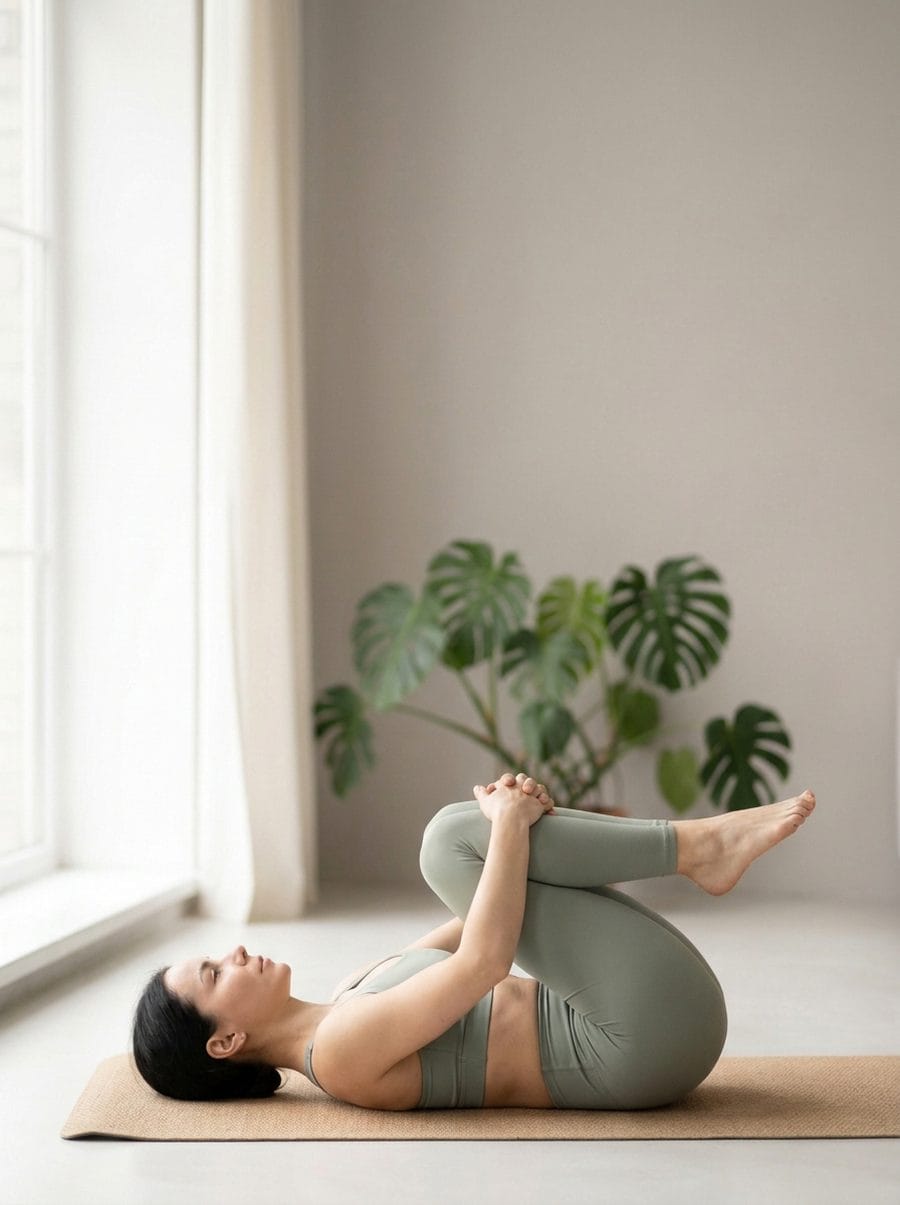
Inversions follow the balances: Headstand, Shoulder Stand, Plow, and Fish, which takes the load off your neck. The backbend in Wheel Pose is saved for near the end, when your back is at its warmest, and after it come Knees-to-Chest, Supine Twist and Savasana.
Cautions
- Knee injuries (Chair Pose, Warrior I, Warrior II, Side Angle Pose)
- Flare-up of lower back problems (Chair Pose)
- High blood pressure — you can keep your hands on your hips (Warrior I)
- High blood pressure (Warrior III)
- Balance problems — use a support (Warrior III)
- Dizziness (Half Moon Pose)
- Low blood pressure (Half Moon Pose)
- Balance disorders (Revolved Half Moon Pose)
- Lumbar disc herniation (Revolved Half Moon Pose, Upward-Facing Dog)
- Flare-up of lower back pain (Triangle Pose)
- Low blood pressure — come out slowly (Triangle Pose)
- Wrist injuries — practice on your forearms (Plank Pose)
- Diastasis recti (Plank Pose)
- Wrist and shoulder injuries (Four-Limbed Staff Pose)
- Beginners — keep your knees on the floor (Four-Limbed Staff Pose)
- Wrist injuries (Upward-Facing Dog, Crow Pose, Side Crow Pose)
- Pregnancy (Upward-Facing Dog, Headstand, Shoulder Stand, Plow Pose, Wheel Pose)
- Fear of falling — a cushion in front of you helps (Crow Pose)
- Spinal disc herniation (Side Crow Pose)
- Neck injuries (Headstand, Shoulder Stand, Plow Pose, Fish Pose)
- Hypertension (Headstand, Shoulder Stand, Plow Pose, Fish Pose, Wheel Pose)
- Glaucoma (Headstand, Shoulder Stand, Plow Pose)
- Menstruation (Headstand, Shoulder Stand, Plow Pose)
- Only after learning it with a teacher (Headstand)
- Migraines (Fish Pose)
- Back, shoulder, or wrist injuries (Wheel Pose)
- Don't practice without warming up (Wheel Pose)
- Pregnancy from the second trimester onward — take your knees wider than your belly or skip the pose (Knees-to-Chest Pose)
- Disc herniation in the acute phase (Supine Twist)
This site is for general information and is not medical advice. If you have pain, an injury, a chronic condition, or are pregnant, check with a qualified professional before practicing.