 Hatha Yoga
Types of Yoga: How the Styles Differ and Which One to Choose
Hatha Yoga editorial team · Updated · 6 min read
Hatha, vinyasa, ashtanga, yin, kundalini: the list of names alone can put you off before you unroll a mat. Most types of yoga share a similar pool of poses. What sets them apart is pace, hold length, props, and how much of the class goes to breathing and meditation.
Below you'll find the main styles in brief, a way to match a style to your goal, and an honest tip on where to begin at home.
Why are there so many types of yoga?
Yoga covers far more than exercise on a mat. Indian tradition describes several paths: karma yoga is built on action and service, bhakti on devotion, jnana on knowledge, and raja yoga on training the mind. Poses and breathing techniques belong to hatha yoga. The classical framework is covered in The Eight Limbs of Yoga.
Nearly every style you'll find on a studio schedule today grew out of hatha yoga during the 20th century. Teachers shifted the emphasis in their own direction. One linked the poses into a continuous flow, another focused on precision and props, a third turned up the heat.
So the question "which type of yoga is best" usually breaks down into three smaller ones. What pace do you enjoy? How much effort do you want to put in? Do you want meditation and breathwork as part of it?
Types of yoga and what each one offers
Hatha yoga
The classic foundation. You hold each pose for a few calm breaths, there are pauses between poses, and every class ends with relaxation. The pace is moderate, which is why hatha is the style most often recommended to beginners. Learn more in What Is Hatha Yoga. There are 35 hatha sequences in the app: see them all.
Vinyasa
Poses flow into one another without stopping, and each movement rides a breath in or a breath out. A class feels a bit like a dance and warms you up well. The differences are laid out in Hatha vs. Vinyasa.
Ashtanga
A dynamic style built on set series: the poses come in the same order every time you practice. It asks for stamina and a regular routine. More in our guide to ashtanga yoga.
Iyengar yoga
Careful alignment, blocks, straps and blankets, and long holds. It suits people who like to understand the details. More in our guide to Iyengar yoga.
Yin yoga
Seated and reclining poses held passively for several minutes while the muscles stay soft. It's slow and quiet, though not always easy. More in our guide to yin yoga. There are 20 yin sequences in the app: see them all.
Restorative yoga
Your body rests completely on pillows and bolsters, with almost no stretch at all. The only goal is deep rest. More in our guide to restorative yoga.
Kundalini yoga
Sets of repeated movements, fast breathing, chanted mantras and meditation. The spiritual side is more prominent here than in other styles. More in our guide to kundalini yoga. There are 22 kundalini sequences in the app: see them all.
Hot yoga
Classes in a room heated well above normal room temperature. The best-known version, Bikram yoga, follows a fixed series of poses. The heat adds strain on the heart and a risk of overheating. More in our guide to hot yoga.
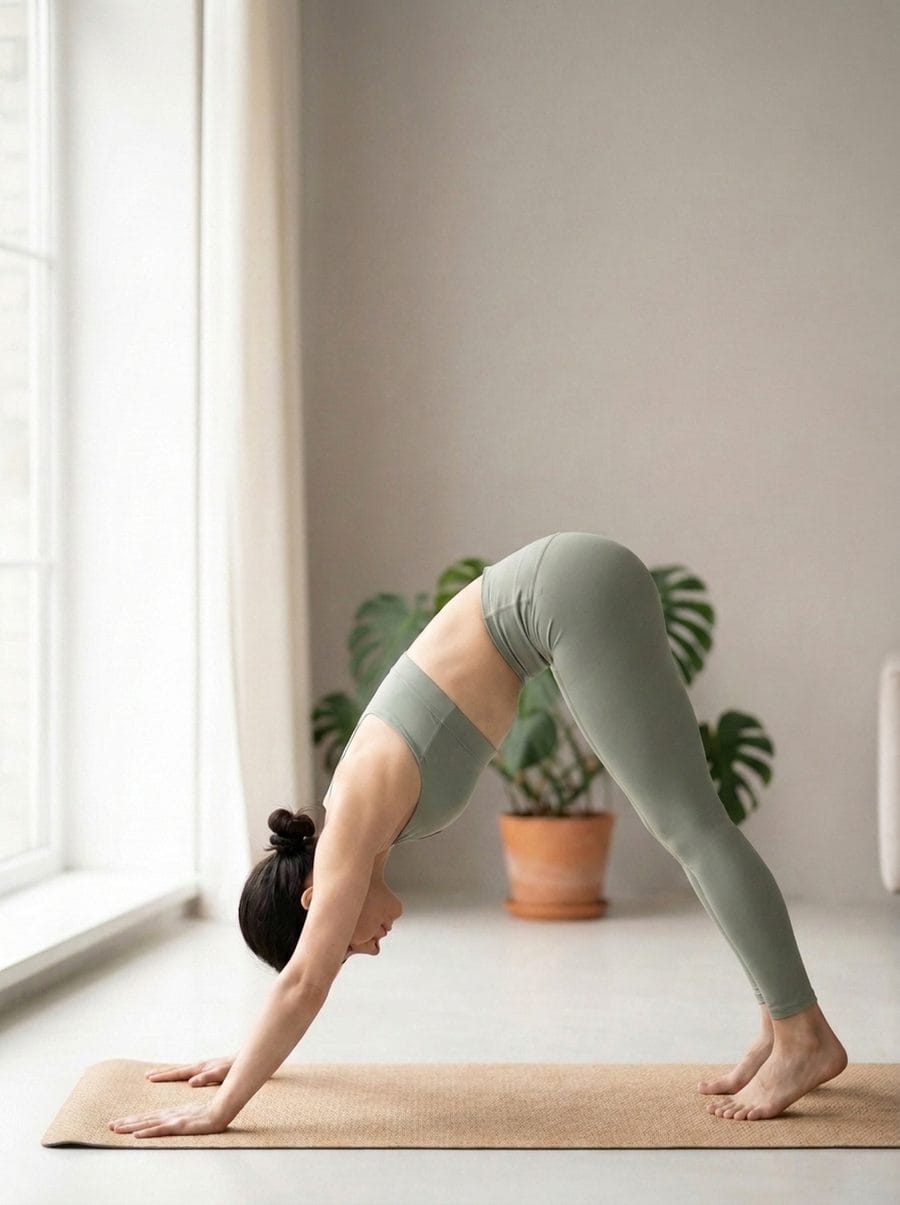
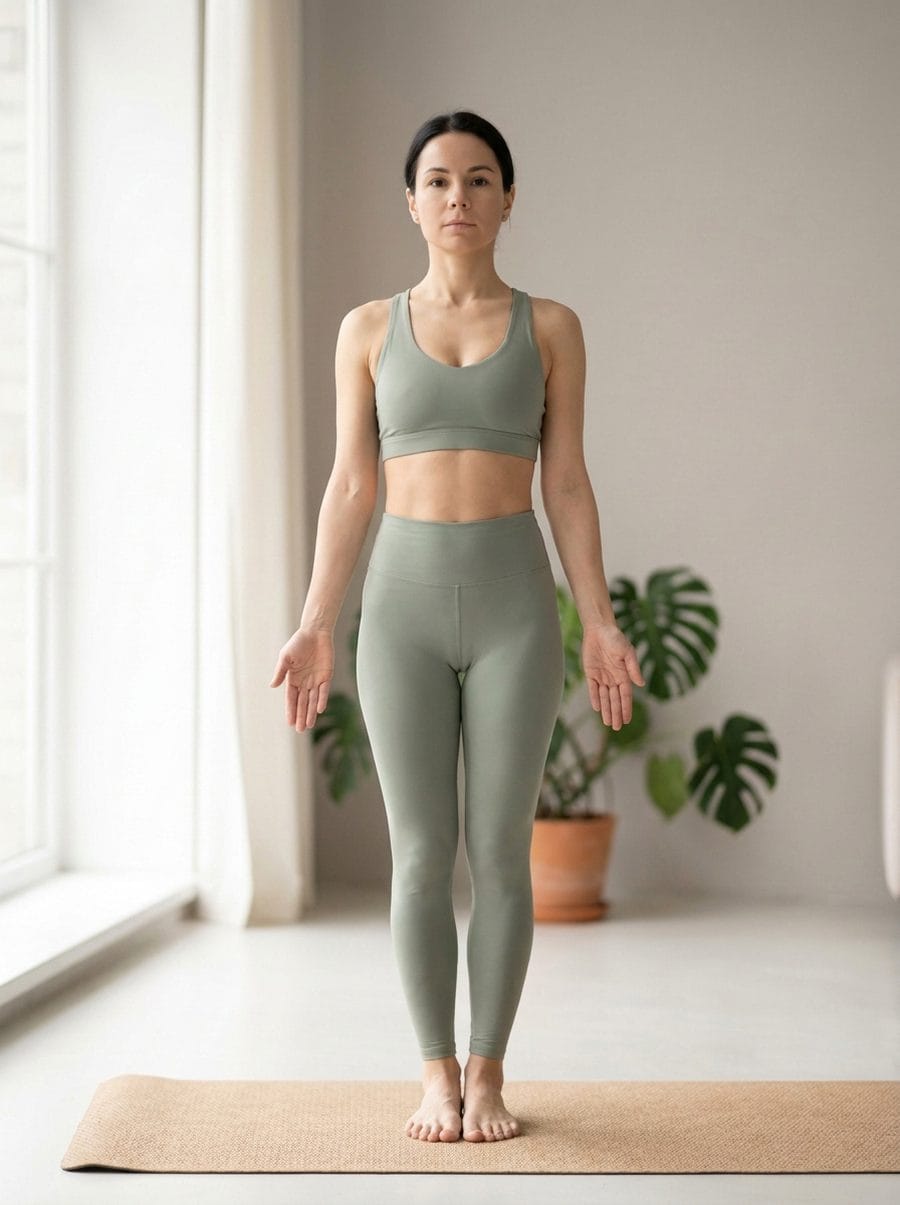
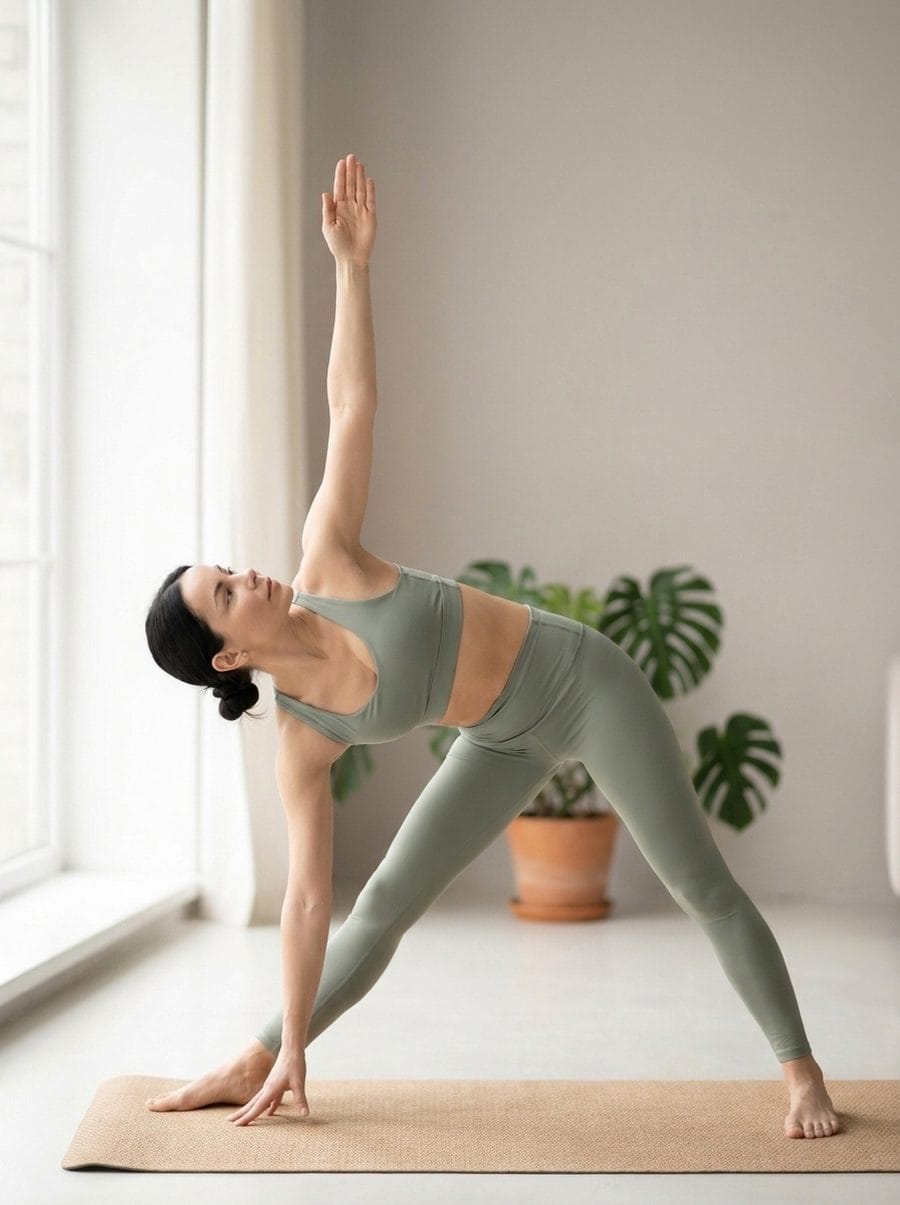
Many poses show up across styles. Mountain Pose, Downward-Facing Dog and Triangle Pose appear in hatha, vinyasa and ashtanga alike. The difference lies in how long you stay and how you get there.
Which type of yoga is best for you?
- To relax and sleep better. Yin yoga, restorative yoga, a calm evening hatha class.
- For strength and stamina, and a good sweat. Vinyasa, ashtanga, strength-focused hatha routines.
- For precise technique and careful bodywork. Iyengar yoga or slow hatha.
- For breathing and meditation. Kundalini yoga or hatha with pranayama.
- If you've never done yoga. Beginner-level hatha, with no heat and no fast transitions.
Gender and age matter less than people think. Men are often steered toward power styles, yet flexibility tends to improve faster in a calm practice with long holds. Women looking to unwind may still love a lively vinyasa class. Try a few and notice how you feel afterward: if you leave calm and alert at the same time, that style is a good fit.
The best type of yoga for beginners
Start with hatha. The slow pace gives you time to learn how each pose is built, where your support comes from and how to breathe. Those skills carry over to every other style.
First Practice in the app is a 15-minute, 13-step program: neck and shoulder warm-ups, Cat-Cow, a few standing poses, seated forward folds, a supine twist and close to three and a half minutes of relaxation. There are no Sun Salutation rounds and no quick transitions.
After two or three weeks of regular practice, you can start sampling other styles. By then you'll know the basic poses and can compare how a style feels instead of just figuring out the technique. A step-by-step plan for the first weeks is in Yoga for Beginners.
Try different paces at home
The app has three styles: hatha with 35 sequences, yin with 20 and kundalini with 22. It doesn't include ashtanga or hot yoga, and we won't pretend otherwise. It does include programs at different paces, which make it easy to tell what you prefer: movement or stillness.
Flow with the Breath lasts 12 minutes: 14 movements for your joints and spine, timed to each inhale and exhale. In feel, it's the closest thing to a gentle vinyasa.
Yin Practice runs 35 minutes: 7 seated and reclining poses, each held for two to four minutes, with five minutes of savasana at the end. It's a simple way to find out whether long, passive holds are for you.

Safety
Start any new style with beginner classes and don't measure yourself against whoever is practicing beside you. If you live with a chronic condition or have had a recent injury or surgery, talk to your doctor first. Skip hot yoga during pregnancy, since the heat can lead to overheating.
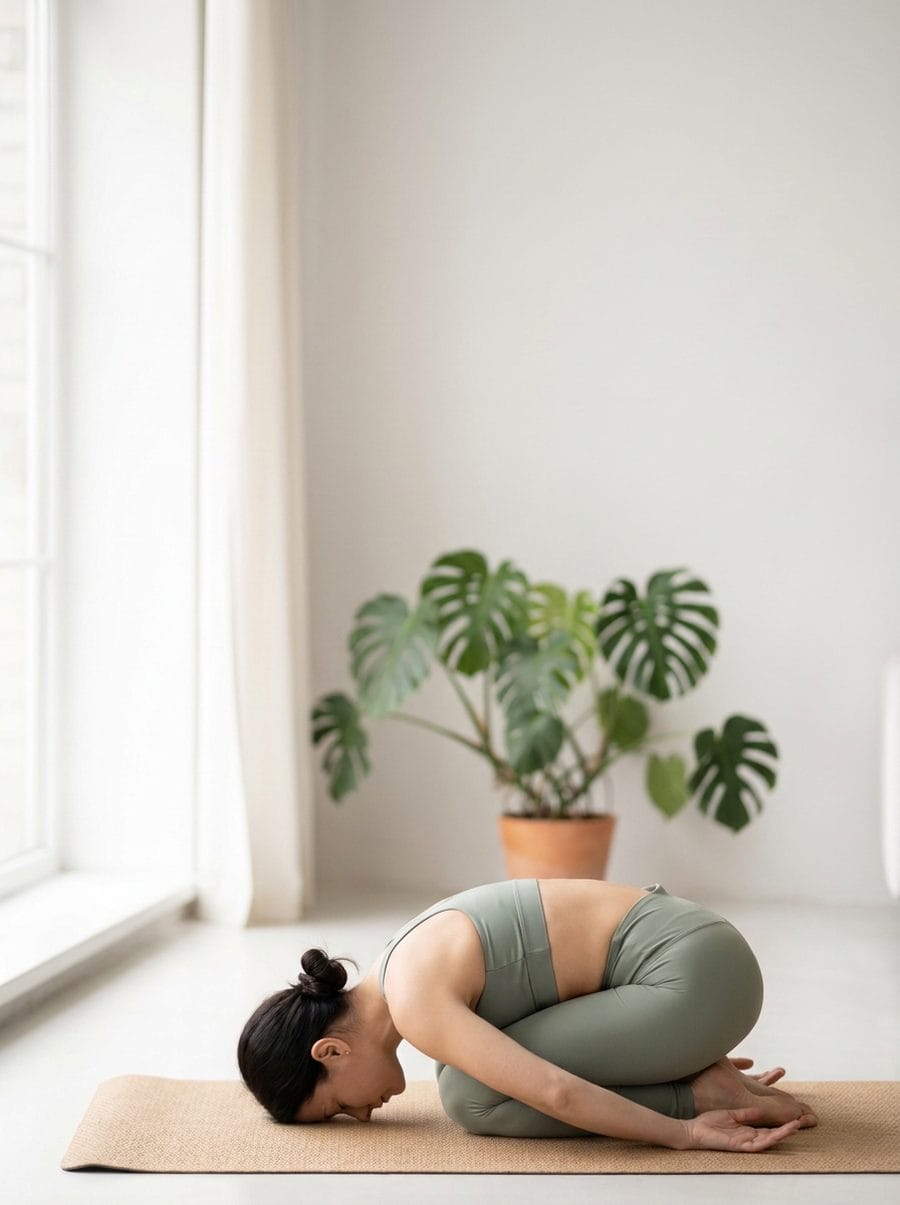
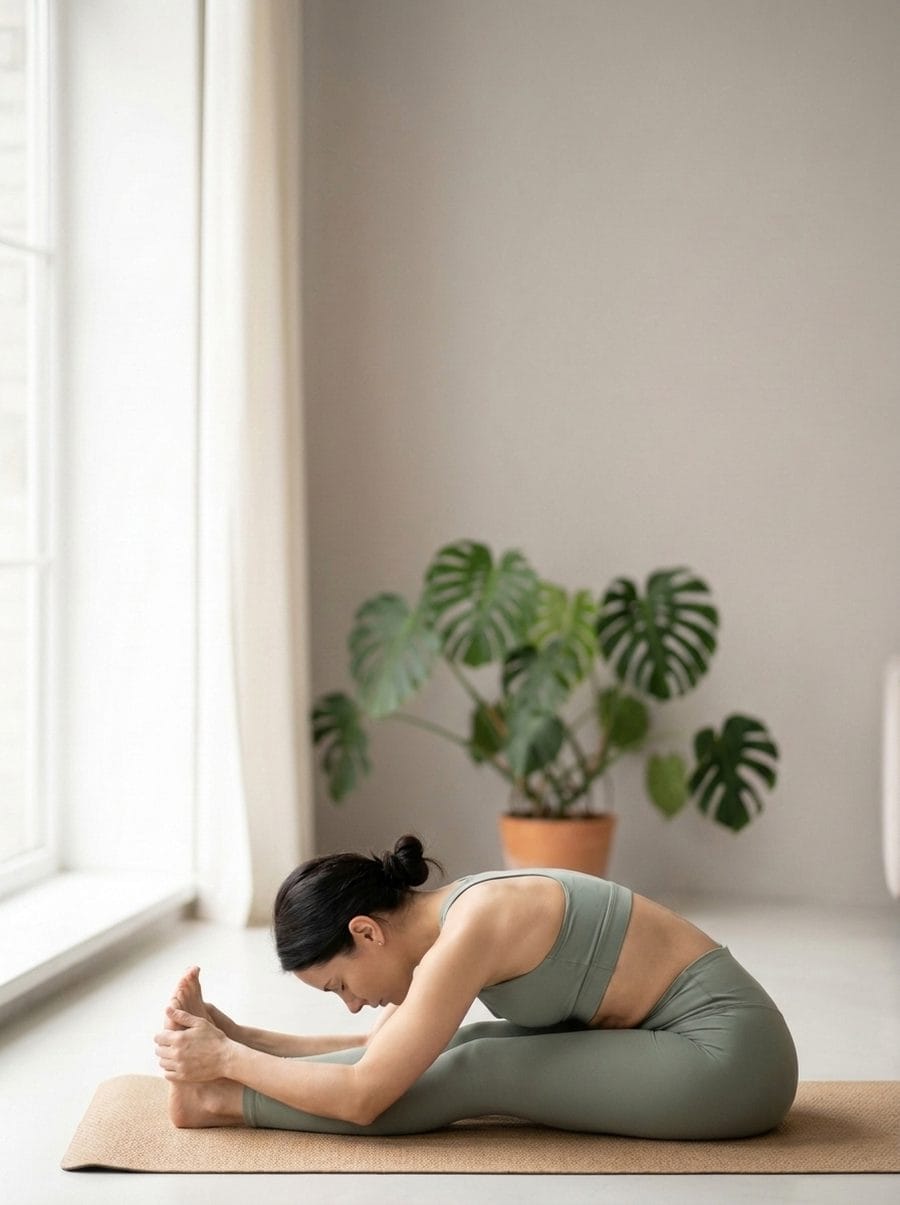
As for the poses in this guide: glaucoma or a hurt wrist or shoulder means no Downward-Facing Dog, a herniated lumbar disc means no Seated Forward Fold, and injured knees mean no Child's Pose. The full list of cautions appears further down this page, and the general rules are in Safety and Contraindications.
Pose cautions in this article
- Wrist and shoulder injuries (Downward-Facing Dog)
- High blood pressure — don't stay in the pose long (Downward-Facing Dog)
- Glaucoma (Downward-Facing Dog)
- Flare-up of lower back pain (Triangle Pose)
- Low blood pressure — come out slowly (Triangle Pose)
- Pregnancy — widen your knees (Child's Pose)
- Knee injuries (Child's Pose)
- Lumbar disc herniation (Seated Forward Fold)
- Flare-up of back pain — bend your knees (Seated Forward Fold)
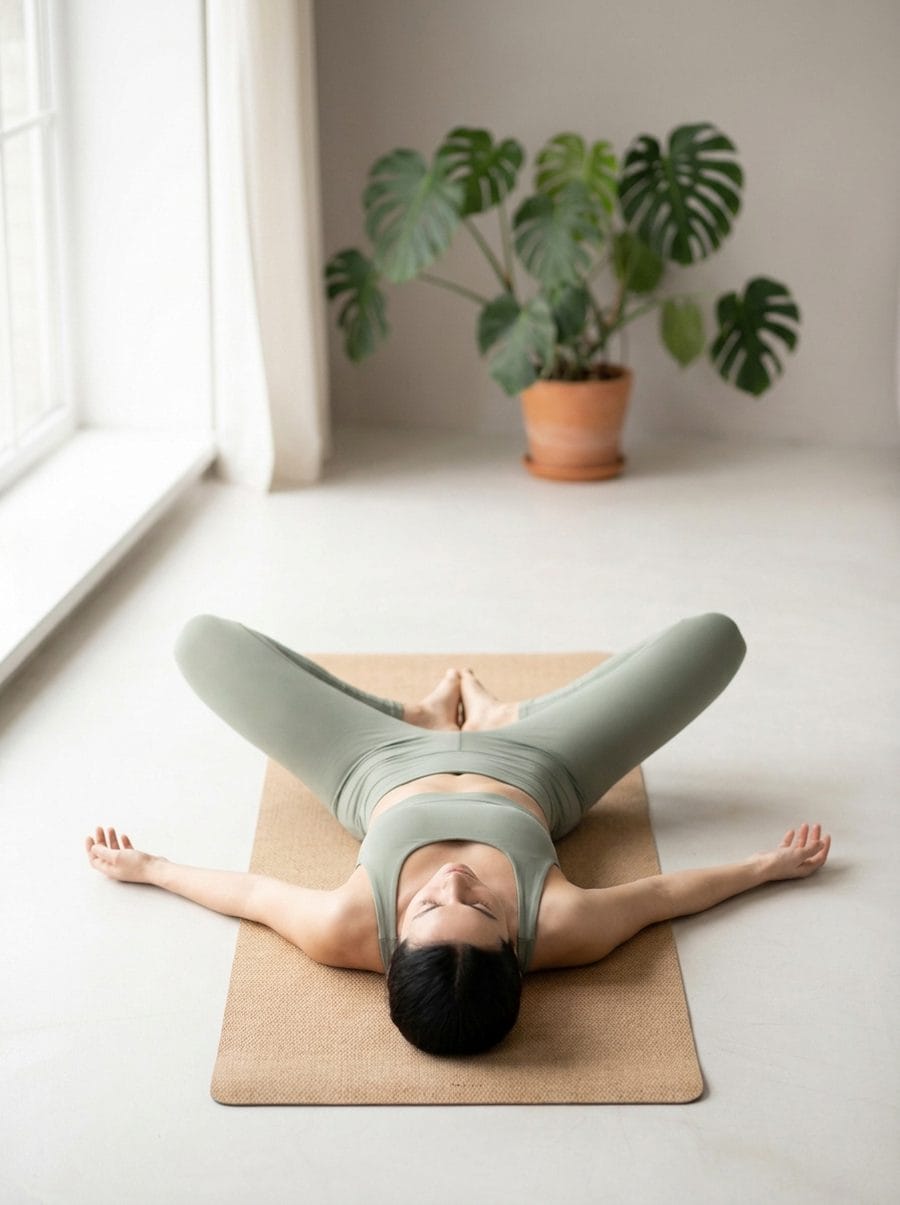
- Groin discomfort — place supports under your knees (Reclining Butterfly Pose)
This site is for general information and is not medical advice. If you have pain, an injury, a chronic condition, or are pregnant, check with a qualified professional before practicing.
Questions
What type of yoga is best for beginners? Beginner-level hatha yoga. The pace is calm, you hold each pose for a few breaths, and there's time to learn the technique. From there, moving on to vinyasa, ashtanga or Iyengar is much easier.
How many types of yoga are there? There's no official list. Tradition names several paths of yoga, modern styles number in the dozens, and new ones keep appearing. For your own practice, knowing eight to ten main styles is plenty.
Which yoga is best for stress and sleep? Yin yoga, restorative yoga and calm evening hatha routines. They include lots of reclining poses, slow breathing and a long final relaxation.
Can you mix different types of yoga? Yes. Plenty of people do a dynamic practice in the morning and a quiet one at night. Just give your body time to recover, and start every new style at the beginner level.
Sources
- National Center for Complementary and Integrative Health. Yoga: Effectiveness and Safety. NCCIH.
- Pose technique and cautions, and program contents: the Hatha Yoga app. More on the How We Prepare Our Content page.
Read next
- Yoga for Arthritis and Osteoporosis: How to Protect Your Joints and Bones7 min read
- Ashtanga Yoga Explained: The Series, the Breath and the Difference from Hatha6 min read
- Ayurveda Explained Simply: The Basics and a Daily Routine (Dinacharya)5 min read
- Balance Exercises: 10 Yoga Poses for Balance and Stability7 min read