 Hatha Yoga
Yin Yoga for Hips and Lower Back: Poses, Holds and Cautions
Hatha Yoga editorial team · Updated · 7 min read
If your back or hip hurts, see a doctor first: yin yoga doesn't replace an exam. If nothing hurts and your hips and lower back simply feel stiff from sitting, long gentle holds can make a calm evening practice. Below: which poses suit the hips and lower back, how to hold them, two programs from the app, and a separate section on acute pain and herniated discs.
What we know about the benefits, and what we don't
The honest answer: we found no studies of yin yoga for lower back or hip pain. As of November 2026, the yin yoga papers on PubMed deal with stress, anxiety and well-being. So the only guide we have is research on yoga in general.
The largest review came from Cochrane in 2022: 21 trials and 2,223 people with long-term low back pain and no clear cause. Most trials used Iyengar, hatha or viniyoga. Compared with no exercise, back function and pain at three months improved so little that the authors consider it clinically unimportant.
Against other back exercise, function came out about the same. Adverse events, mostly increased back pain, were more common with yoga than with no exercise and about as common as with other exercise.
So don't expect the pain to vanish. A fair expectation is more modest: a calm stretch, some rest and time to notice tension. The NHS lists yoga among activities that may help with back pain, and asks you to stop exercising and see a GP if your pain gets worse.
When to see a doctor first
Call emergency services if back pain comes with:
- pain, tingling, numbness or weakness in both legs;
- loss of feeling around your genitals or anus;
- changes in your bladder or bowels, or in sensation during sex;
- chest pain;
- or if it began after a serious accident like a car crash.
The same goes for severe hip pain after a fall, if your leg won't bear weight, or if your hip or leg lost feeling after an injury. Get urgent help if severe pain came on suddenly, the joint is hot and swollen, or you have a fever or chills.
Book an appointment if things haven't improved after a couple of weeks of home care, the pain gets worse at night or it gets in the way of daily life.
Acute pain and herniated discs
Acute lower back pain
While the pain is acute, don't start a yin practice; see a doctor first. The app rules out Sphinx Pose and Cross-Legged Side Bend with acute lower back pain, and Seated Forward Fold is done with bent knees when back pain flares.
Lying flat for days isn't the answer either: the NHS advises against long periods in bed and suggests carrying on with daily activities if you can.
Lumbar disc herniation
Clear your pose list with your doctor. According to the app:
- Skip: Seated Forward Fold and Wide-Angle Seated Forward Fold.
- In the acute phase, also skip: Supine Twist.
- Only more gently: Supine Twist with Eagle Legs.
- Only with bent knees: Standing Forward Fold.
The NHS says gentle exercise, yoga included, can speed recovery from a slipped disc provided it doesn't cause pain or make it worse. We found no data on long holds with a herniated disc. There's more in Yoga for a Herniated Disc and Yoga for Sciatica.
Yin yoga poses for hips
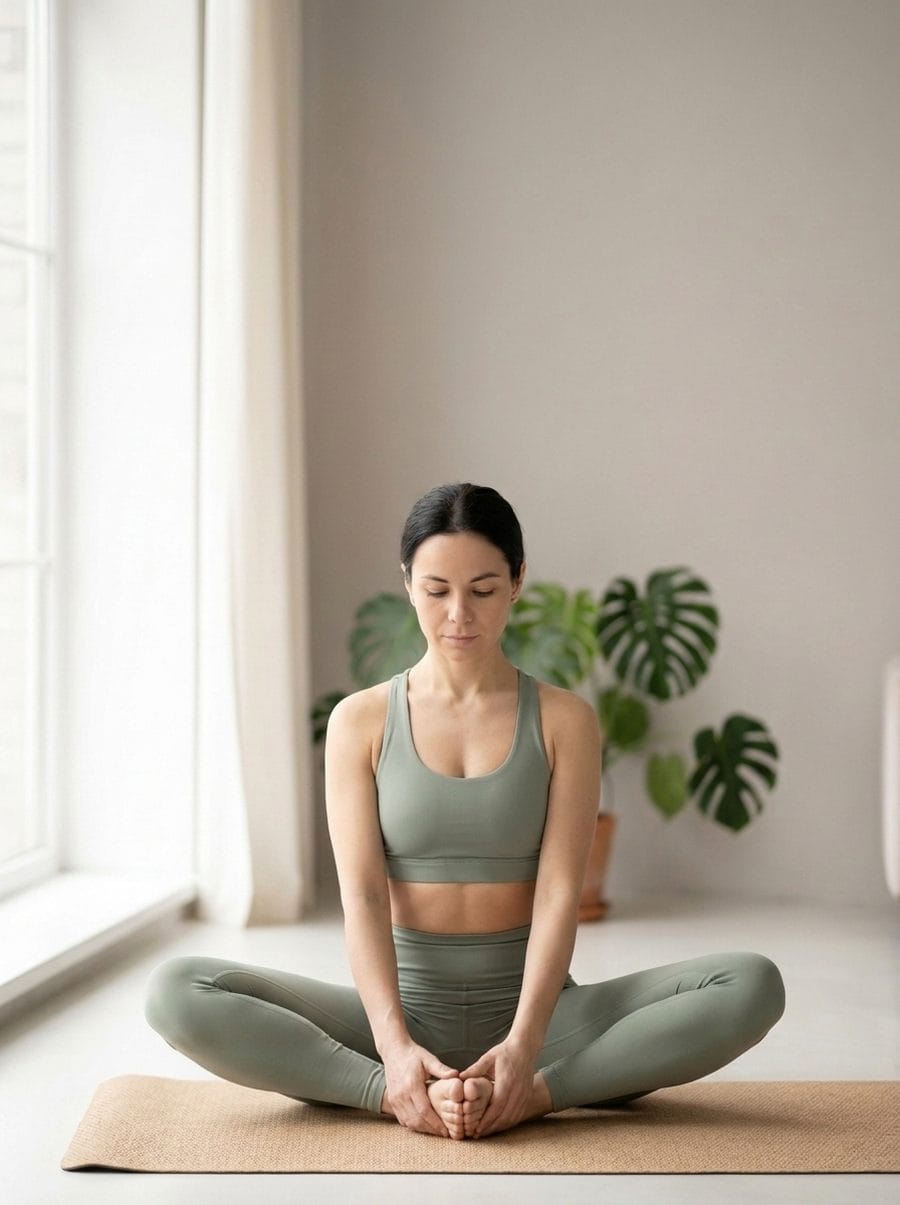
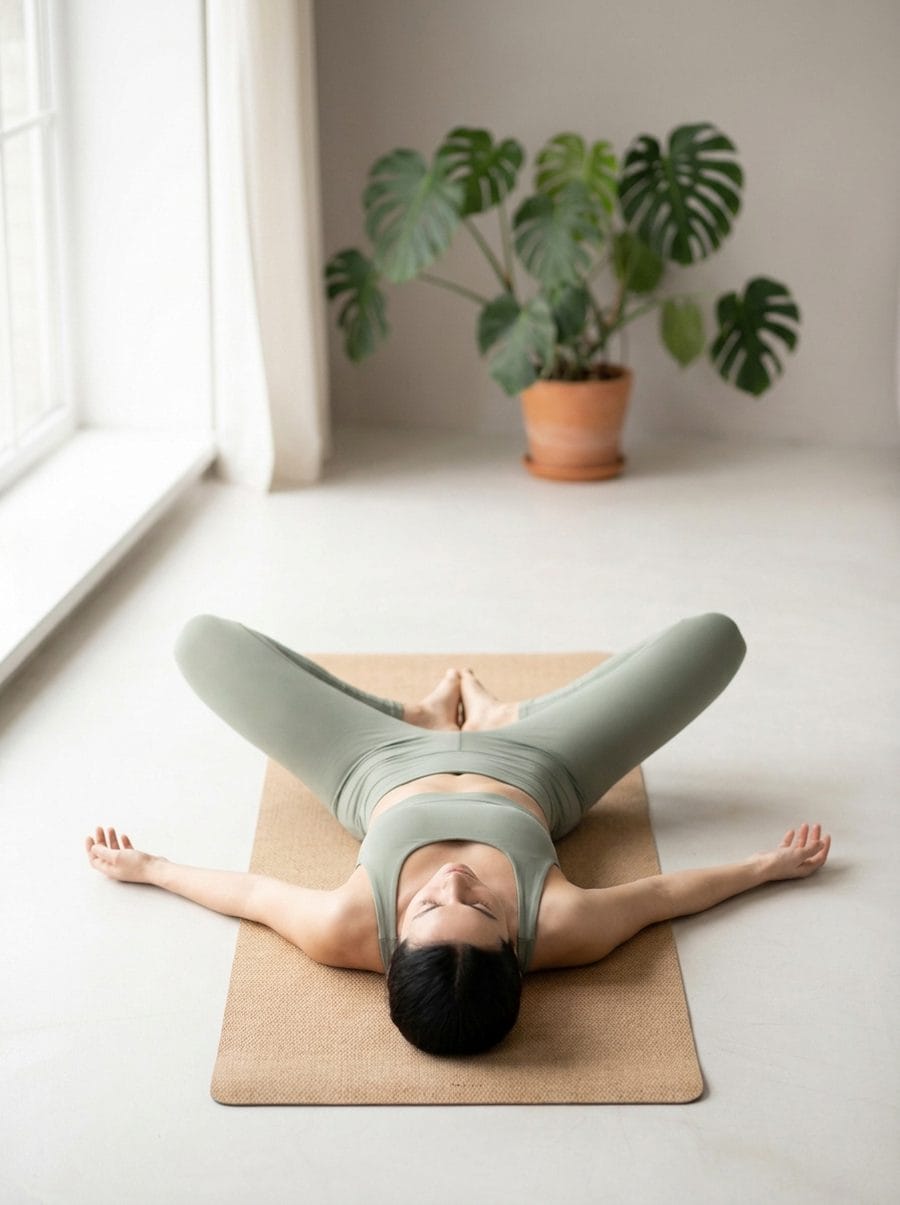
- Butterfly Pose. You'll feel it along your inner thighs. Lift your hips with a folded blanket and let gravity lower your knees. With groin or knee injuries, place supports under your thighs.
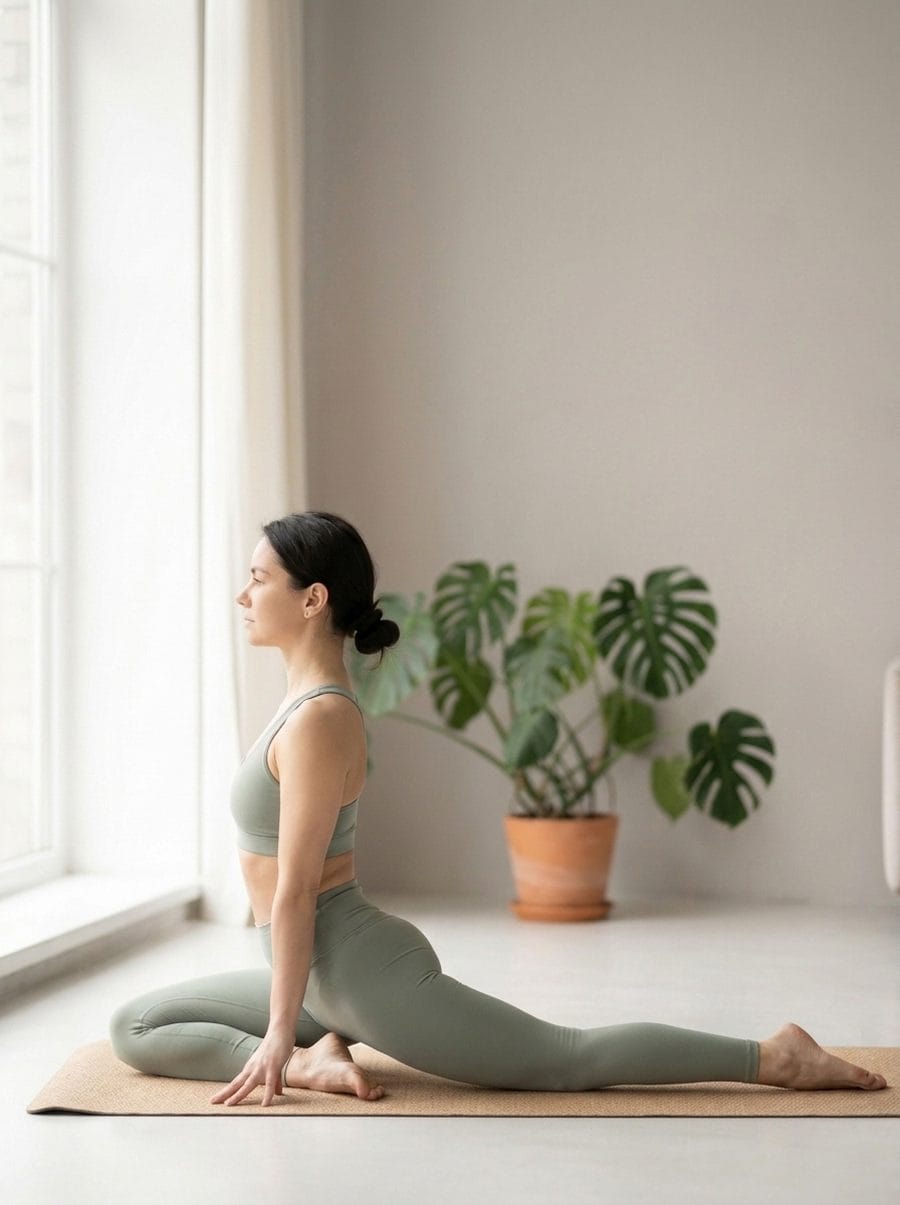
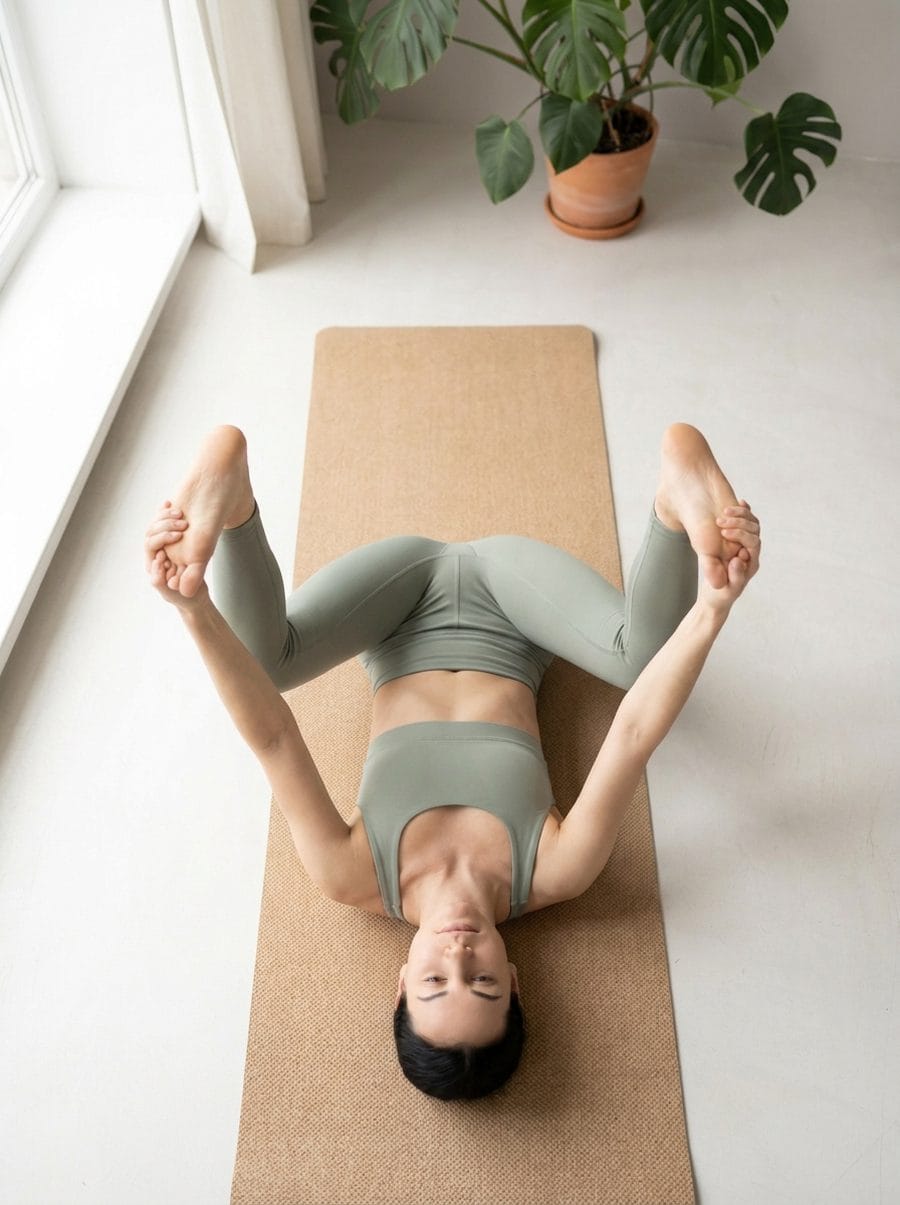
- Pigeon Pose (Prep). One of the deepest hip openers. Keep your pelvis level; a pillow under your hip helps. If a knee is injured, swap this pose for a Supine Twist, knee to chest.
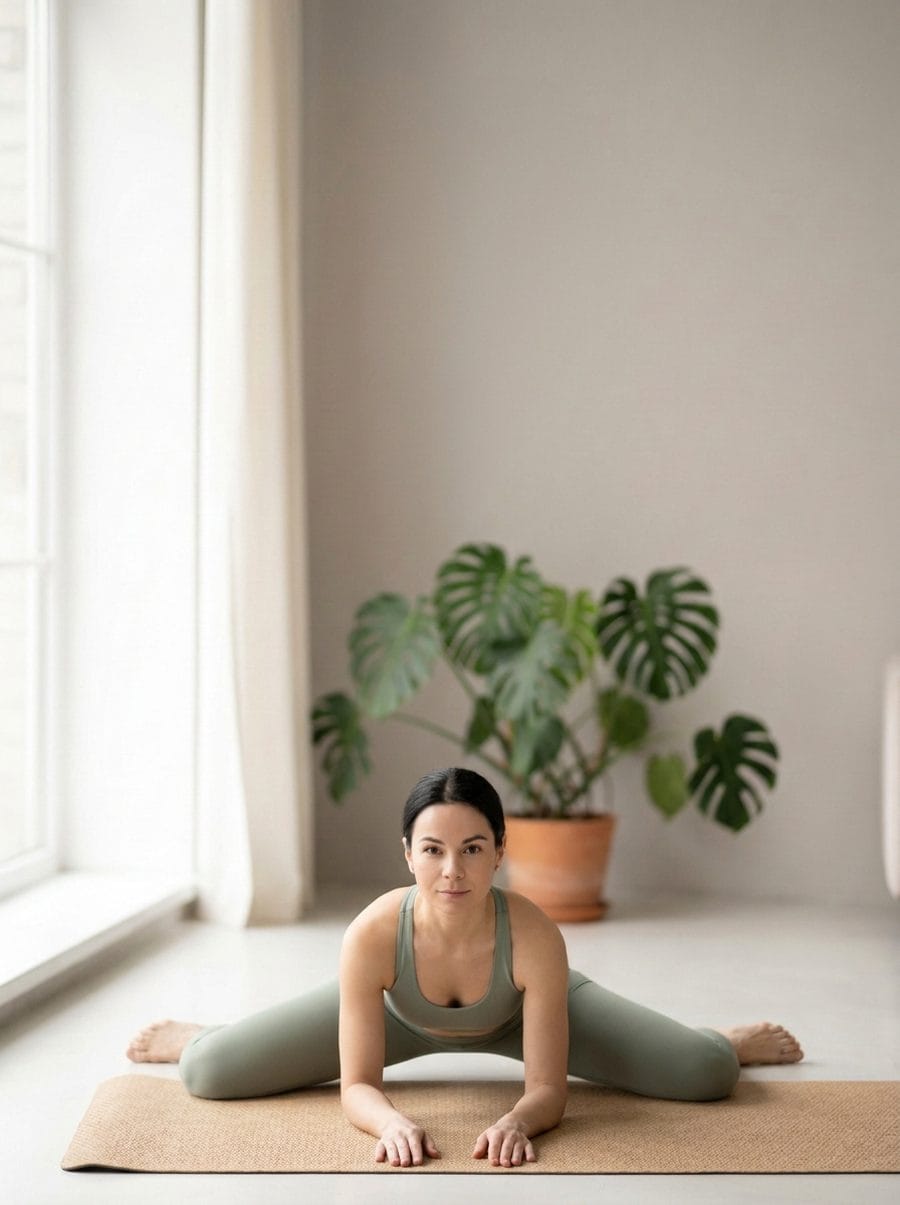
- Frog Pose (Stretch). Targets the groin and inner thighs. It's an Intermediate pose, so leave it out of your first session. Rest your knees on blankets, which you must do with knee or groin injuries.
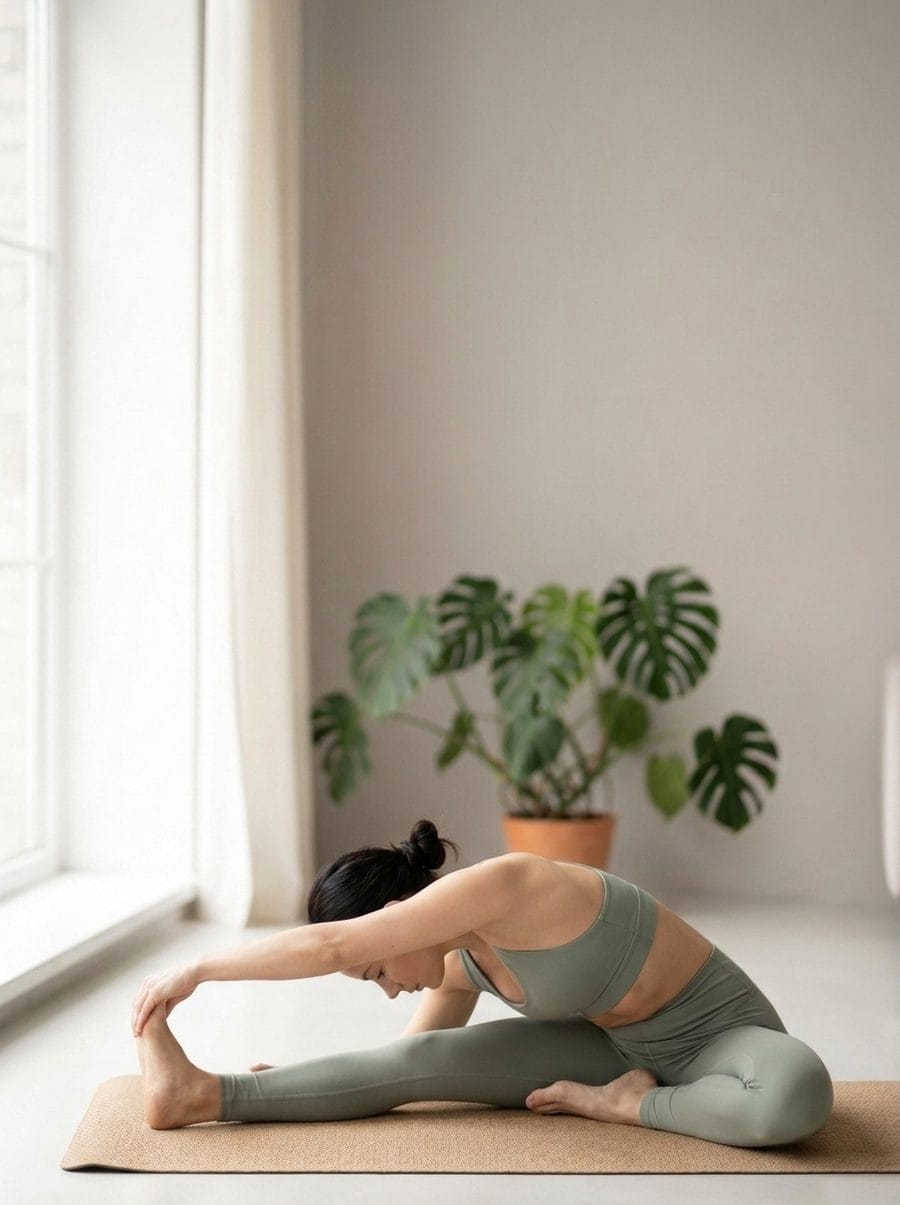
- Head-to-Knee Pose. Stretches the back of the thigh and one side of your back. Prop the bent knee on a pillow to take away extra strain.
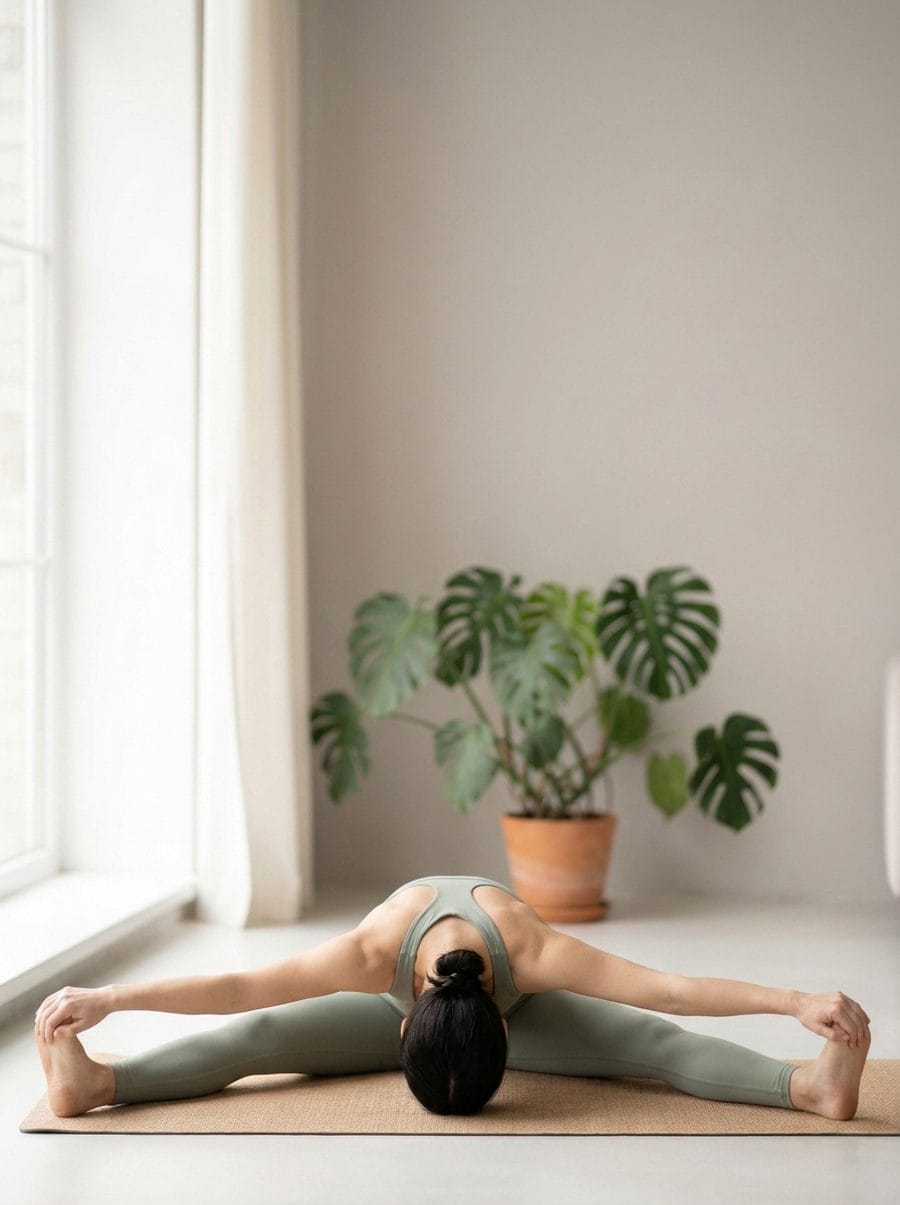
- Wide-Angle Seated Forward Fold. Legs wide, torso resting on your forearms. Not for inner thigh injuries or a lumbar herniated disc.
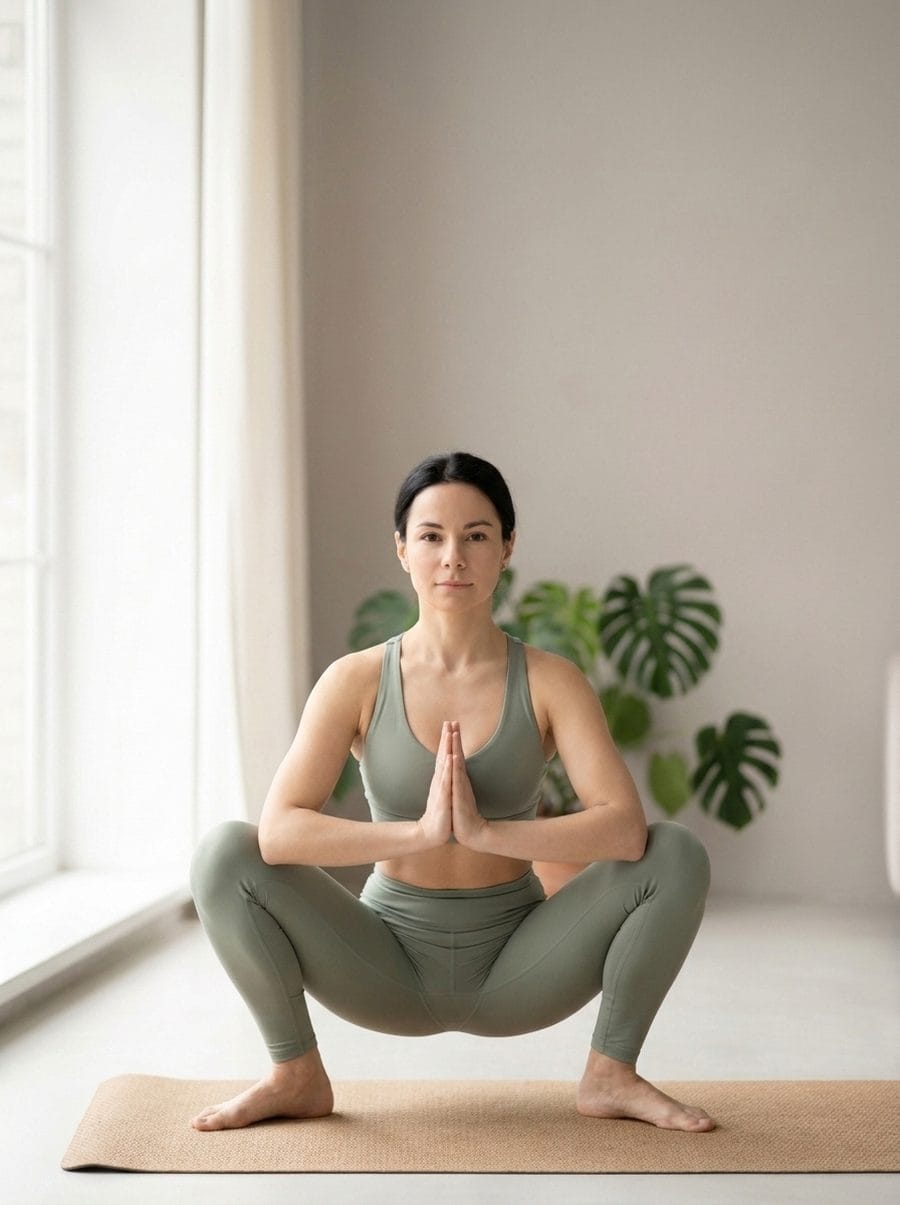
- Garland Pose. A deep squat with heavy hips. Put a blanket under your heels if they don't reach the floor. Not for injured knees.
Yin yoga poses for lower back
The aim here is simple: give your lower back a rest.
- Child's Pose. Your back rounds by itself and your breath widens it. Place a pillow under your chest. Not for injured knees.
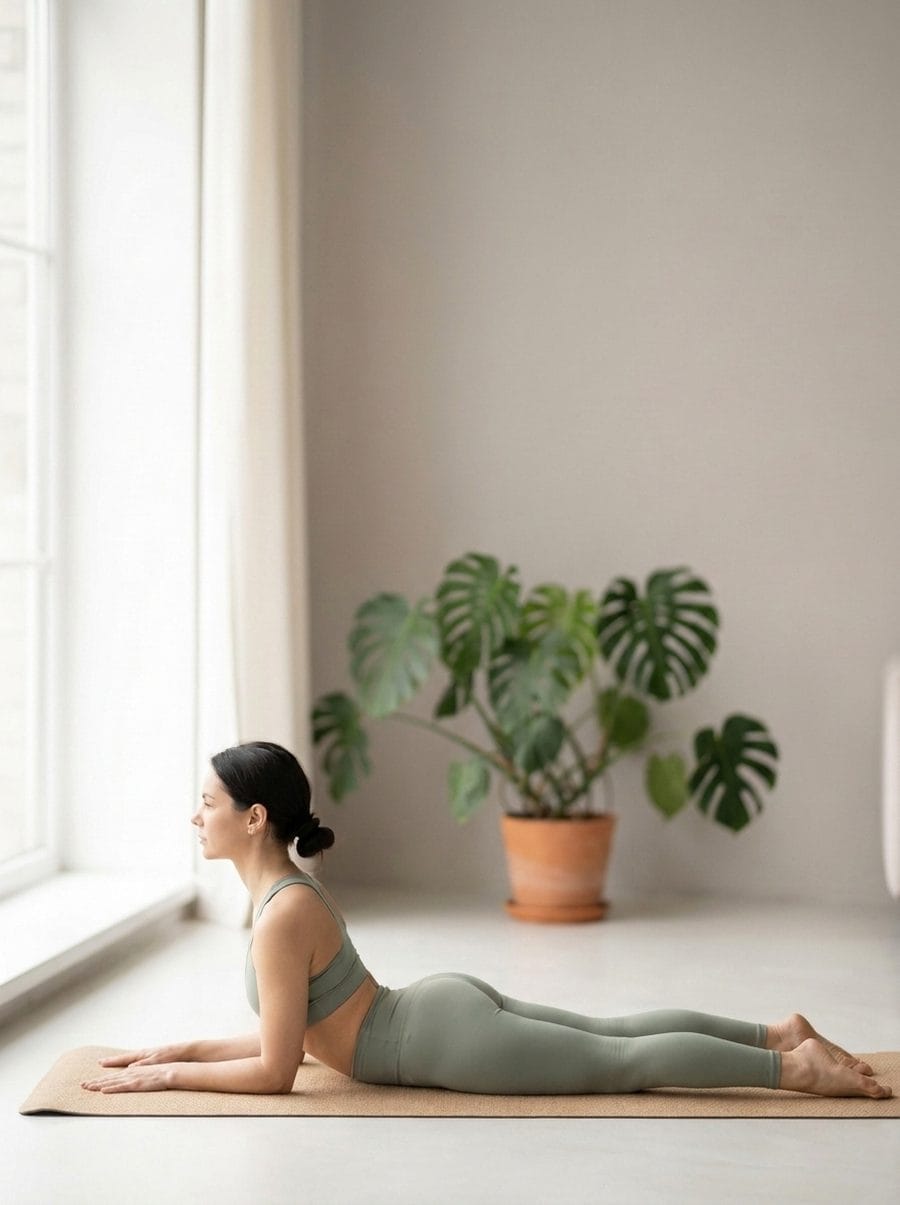
- Sphinx Pose. A shallow backbend on your forearms, glutes soft. If your lower back feels compressed, walk your elbows forward. Acute lower back pain rules it out.
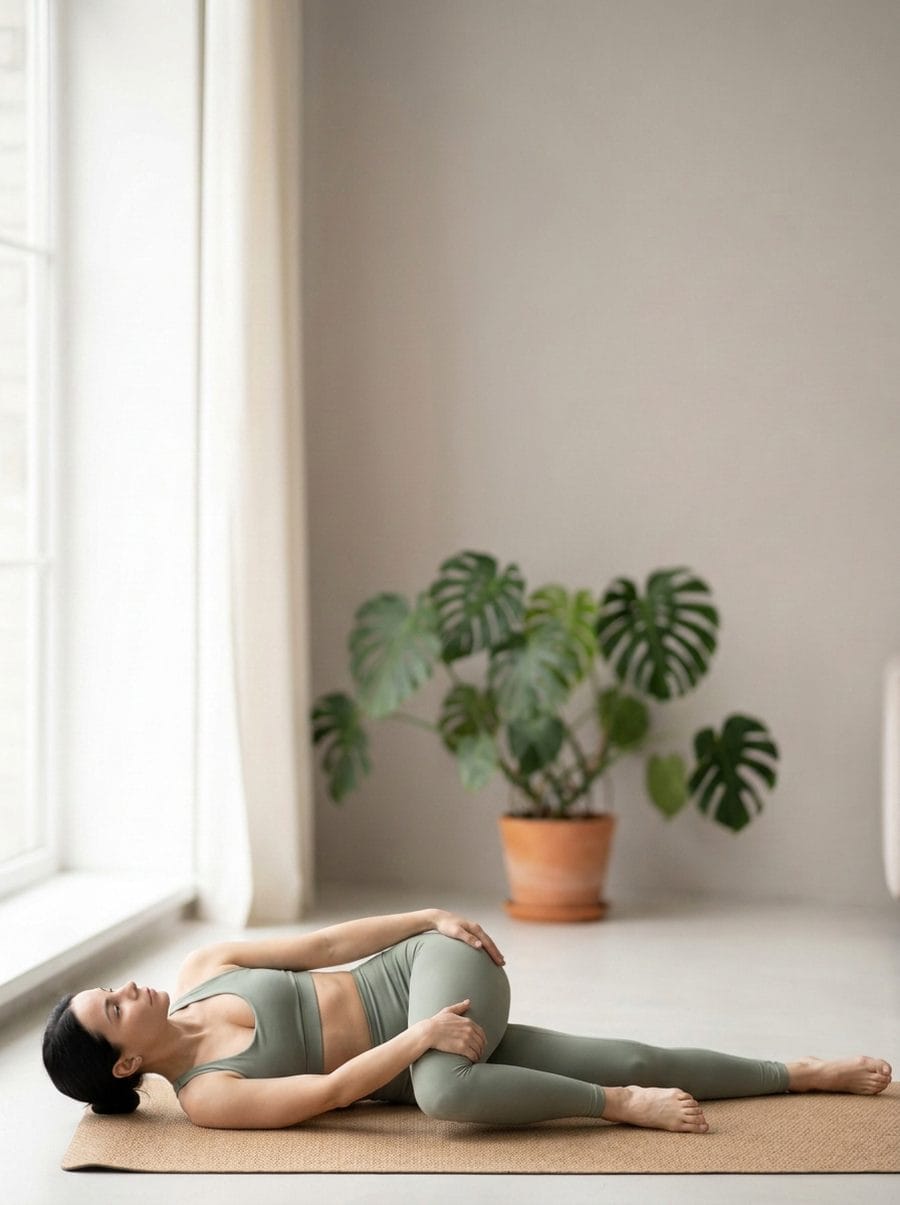
- Supine Twist. Your knee drifts over under its own weight while your shoulders settle toward the floor. Put a pillow under your knee. Not with an acute herniated disc.
- Happy Baby Pose. Your knees sink without help from your hands, and your lower back rests on the floor. Skip it in late pregnancy.
- Reclining Butterfly Pose. A good last stop before rest. With groin discomfort, rest your knees on pillows.

How to hold the poses without overdoing it
- Watch your knee. You should feel it in your thigh or hip, not inside the knee. If not, come out and add a prop. In a review of observational studies, yoga's overall risks were comparable to not practicing, but meniscus injuries were more common. NCCIH also names the knee and lower leg as the most often injured areas.
- Both sides. Pigeon, Head-to-Knee Pose and twists are done on each side. The two sides may feel different, and there's nothing to catch up on.
- Build time gradually. A couple of minutes is plenty at first.
- Come out slowly. Use your hands to leave Butterfly and Pigeon, then lie flat for about half a minute.
Two programs from the app
Yin: Lower Back: 20 minutes for beginners, six steps on the floor. Child's Pose, Sphinx Pose, Supine Twist, Happy Baby Pose, Reclining Butterfly Pose and rest. Holds run up to three minutes. Sphinx Pose has no place here with acute lower back pain, and an acute disc herniation means removing Supine Twist.
Yin: Hips: 45 Intermediate minutes, nine steps, and holds that reach five minutes. If you have a herniated lumbar disc, drop Wide-Angle Seated Forward Fold, and Supine Twist too while it's acute. With knee injuries, remove Child's Pose and Garland Pose, and swap Pigeon for the twist.
New to yin? Begin with your first yin routine. Experienced practitioners can try the one-hour Deep Yin: Hips, and props for every pose are in Yin Yoga Poses. Other programs are on the yin yoga page, and What Is Yin Yoga? covers the style as a whole. Without long holds, try hip-opening yoga and yoga for back pain.
Pose cautions in this article
- Groin and knee injuries — place supports under your thighs (Butterfly Pose)
- Knee injuries — do a Supine Twist with your knee to your chest instead (Pigeon Pose (Prep))
- Knee and groin injuries — put blankets under your knees (Frog Pose (Stretch))
- Knee injuries — place a support under your bent knee (Head-to-Knee Pose)
- Inner thigh injuries (Wide-Angle Seated Forward Fold)
- Herniated discs in the lower back (Wide-Angle Seated Forward Fold)
- Knee injuries (Garland Pose, Child's Pose)
- If your heels don't reach the floor, place a blanket under them (Garland Pose)
- Pregnancy — widen your knees (Child's Pose)
- Acute lower back pain (Sphinx Pose, Cross-Legged Side Bend)
- Disc herniation in the acute phase (Supine Twist)
- Late pregnancy (Happy Baby Pose)
- Groin discomfort — place supports under your knees (Reclining Butterfly Pose)
- Lumbar disc herniation (Seated Forward Fold)
- Flare-up of back pain — bend your knees (Seated Forward Fold)
- Lumbar disc herniation — go more gently (Supine Twist with Eagle Legs)
- High blood pressure (Standing Forward Fold)
- Lumbar disc herniation — bend your knees (Standing Forward Fold)
This site is for general information and is not medical advice. If you have pain, an injury, a chronic condition, or are pregnant, check with a qualified professional before practicing.
Questions
Does yin yoga help lower back pain? We found no direct studies. For yoga in general, the effect on chronic pain is small. If the pain is new, severe or runs down your leg, see a doctor first.
Can you do yin yoga with a herniated disc? Ask your doctor first, and leave out what the app excludes: Seated Forward Fold, Wide-Angle Seated Forward Fold and, in the acute phase, Supine Twist.
My knee hurts in Pigeon. What now? Leave the pose immediately. With an injured knee, do a Supine Twist, knee to chest, in place of Pigeon, unless a disc herniation is acute.
How long to hold yin poses for the hips? Up to five minutes in the hip program and up to three in the lower back one. Start with less, and come out earlier if the feeling turns sharp.
Sources
- Wieland LS et al. Yoga for chronic non-specific low back pain. Cochrane Database of Systematic Reviews, 2022.
- Cramer H et al. Injuries and other adverse events associated with yoga practice: A systematic review of epidemiological studies. Journal of Science and Medicine in Sport, 2018.
- NHS. Back pain. National Health Service.
- NHS. Slipped disc. National Health Service.
- NHS. Hip pain in adults. National Health Service.
- National Center for Complementary and Integrative Health. Yoga: Effectiveness and Safety. NCCIH.
- Pose technique and cautions, contents of the yin programs: the Hatha Yoga app. More on the How We Prepare Our Content page.
Read next
- Yoga for Arthritis and Osteoporosis: How to Protect Your Joints and Bones7 min read
- Ashtanga Yoga Explained: The Series, the Breath and the Difference from Hatha6 min read
- Ayurveda Explained Simply: The Basics and a Daily Routine (Dinacharya)5 min read
- Balance Exercises: 10 Yoga Poses for Balance and Stability7 min read