 Hatha Yoga
Yoga for Back Pain: 10 Poses for Your Lower Back and a Beginner Routine
Hatha Yoga editorial team · Updated · 6 min read
Most of us feel our backs at the end of a long day at a desk: the lower back turns stiff as a board, something pulls between the shoulder blades, and bending down for a dropped pen is no fun. Yoga for back pain works on three fronts.
It brings mobility back to the spine, strengthens the muscles that keep it upright, and releases tension you don't need. Below you'll find 10 yoga poses for the back and lower back, a 15-minute routine, and a few rules for practicing without risk.
Is yoga good for back pain? What the research says
The strongest evidence concerns chronic non-specific low back pain, which means pain with no clear cause such as an injury or inflammation. A 2017 Cochrane review combined 12 trials with 1,080 participants. Compared with no exercise, yoga brought small to moderate improvements in back-related function, the ability to move through everyday tasks, at three and six months.
Pain went down slightly, but by less than the threshold the authors considered clinically meaningful. Compared with other exercise, there was little or no difference.
The American College of Physicians, in its 2017 guideline, lists yoga as one of the options for chronic low back pain, next to exercise, tai chi and other approaches that don't involve medication. So the bottom line is simple: yoga for the lower back does about as much good as regular exercise, with the bonus that it's easy to do at home.
Yoga is no substitute for a doctor. Get checked by a professional right away if the pain began after an injury, shoots down your leg (what people often call sciatica), or comes with numbness, weakness in a leg, fever or problems urinating.
Healthy Back: a 15-minute yoga routine for your back
This routine from the app is beginner-friendly and has a clear logic behind it: mobility first, strength second, then counterposes and rest.
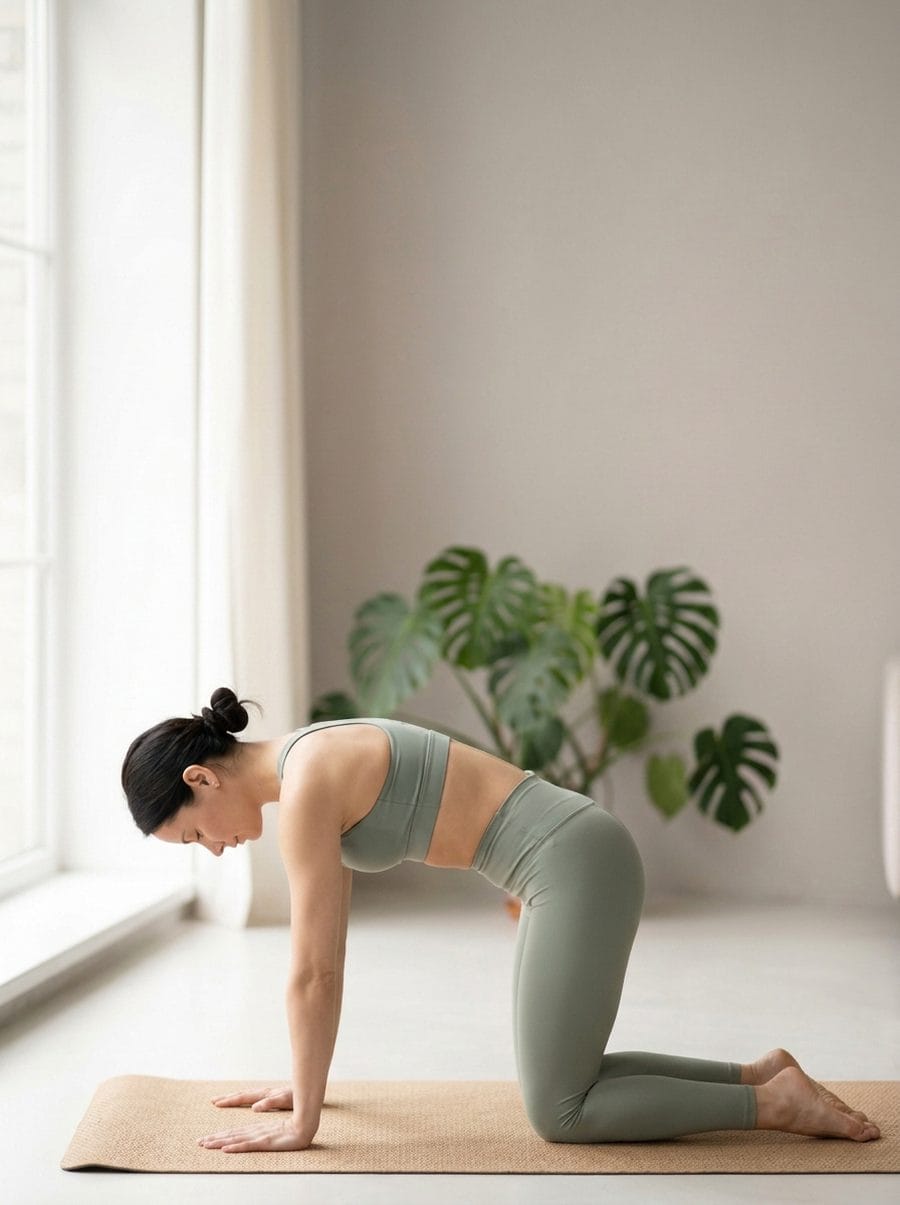
- Warm-up. Cat-Cow and Child's Pose gently move each part of the spine.
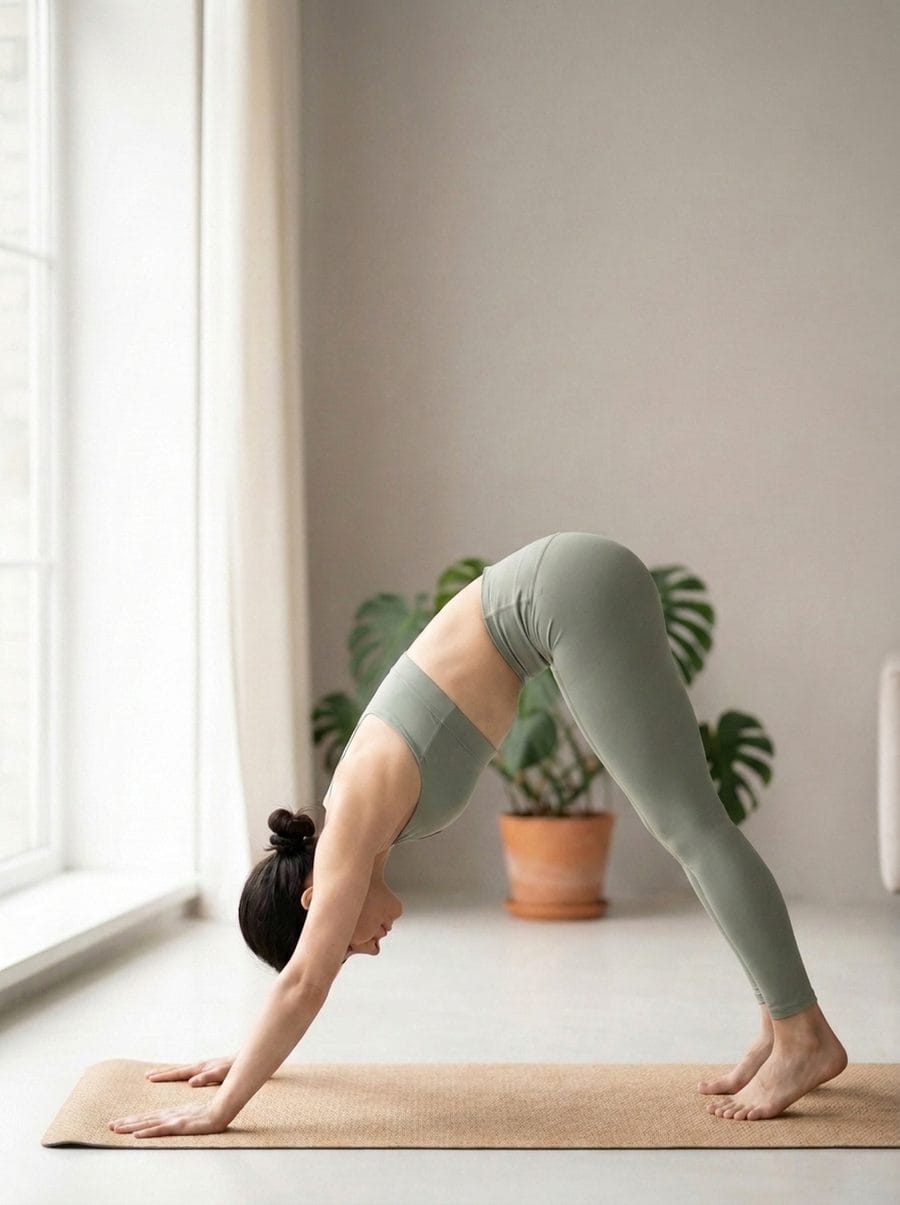
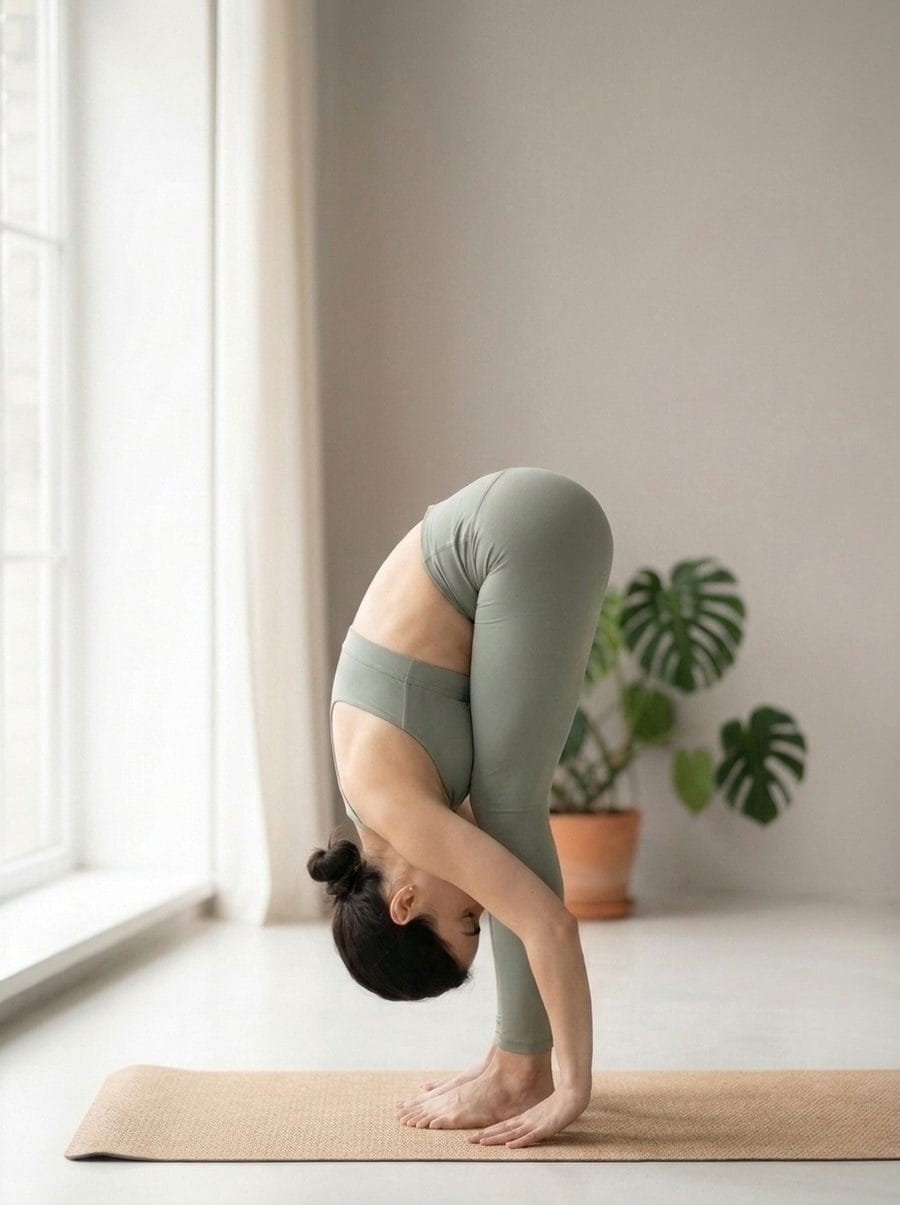
- Lengthening. Downward-Facing Dog, Mountain Pose and Standing Forward Fold stretch your back along with your hamstrings.
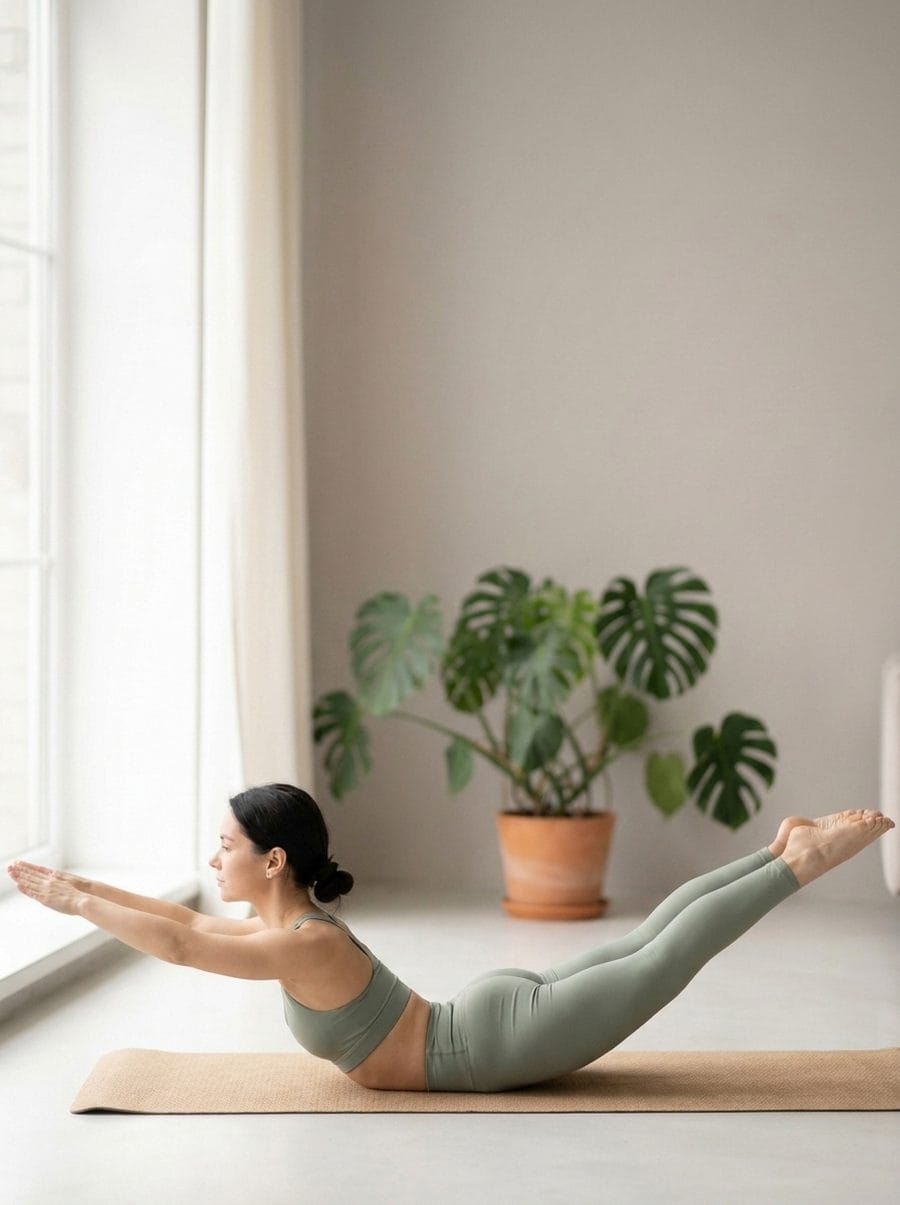
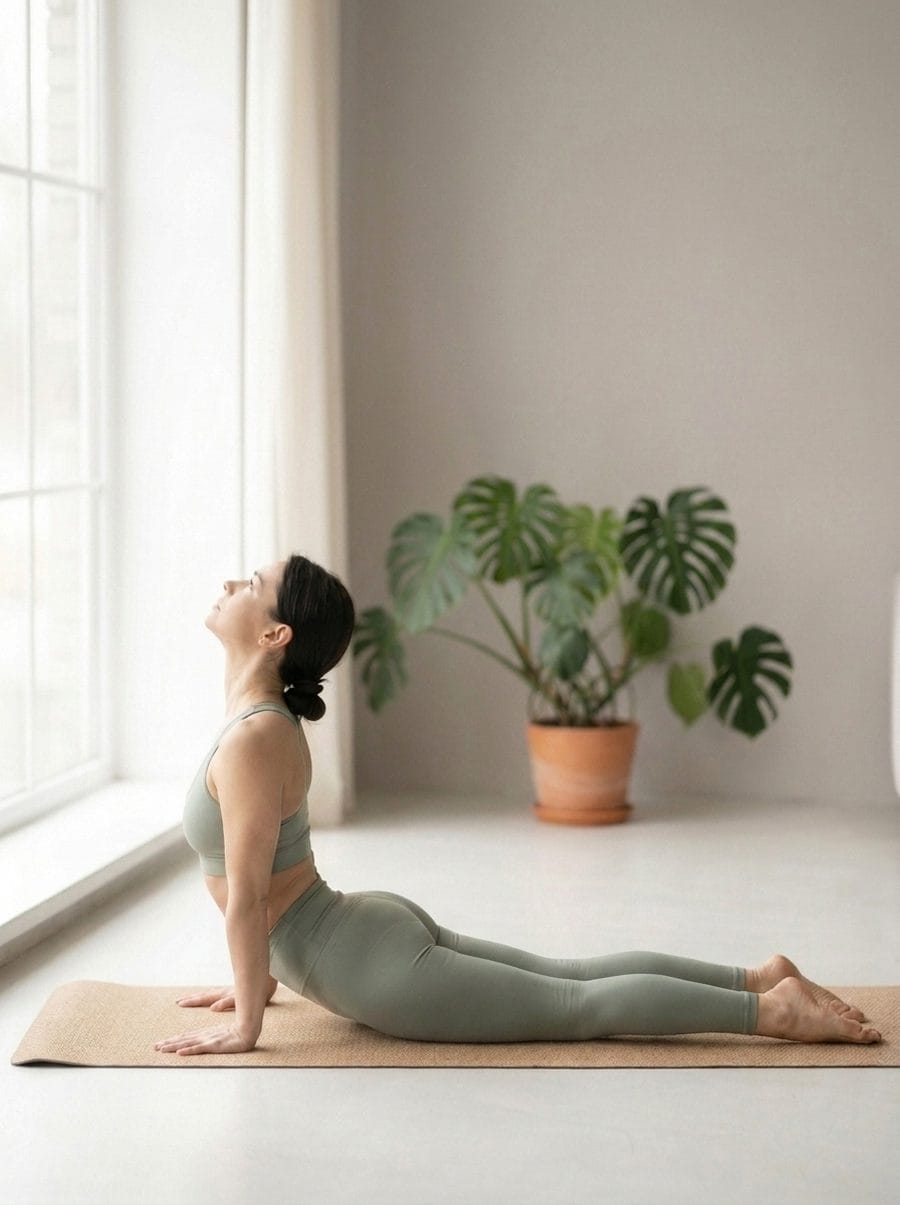
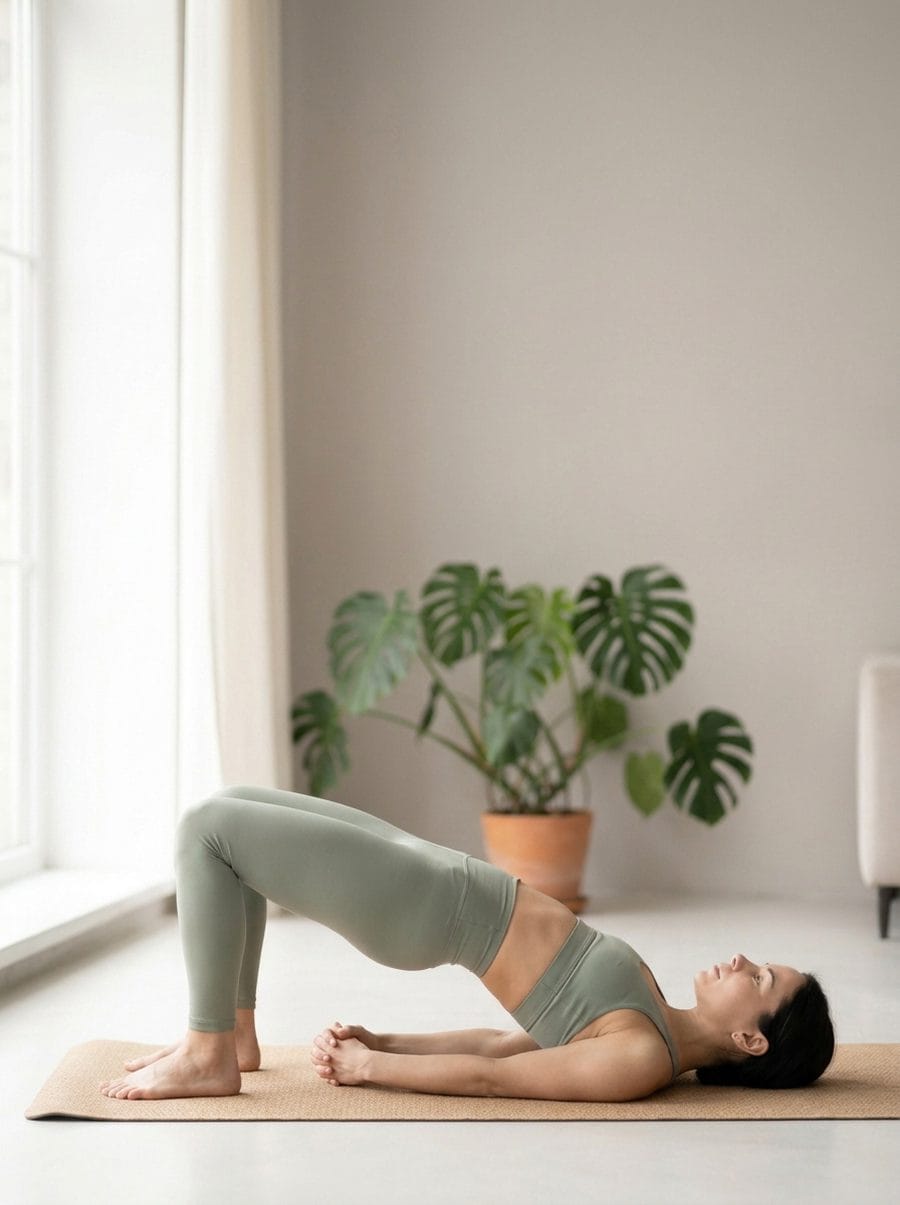
- Strengthening. Locust Pose and Cobra Pose switch on the muscles that run along the spine. These are the muscles that hold your posture while you sit.
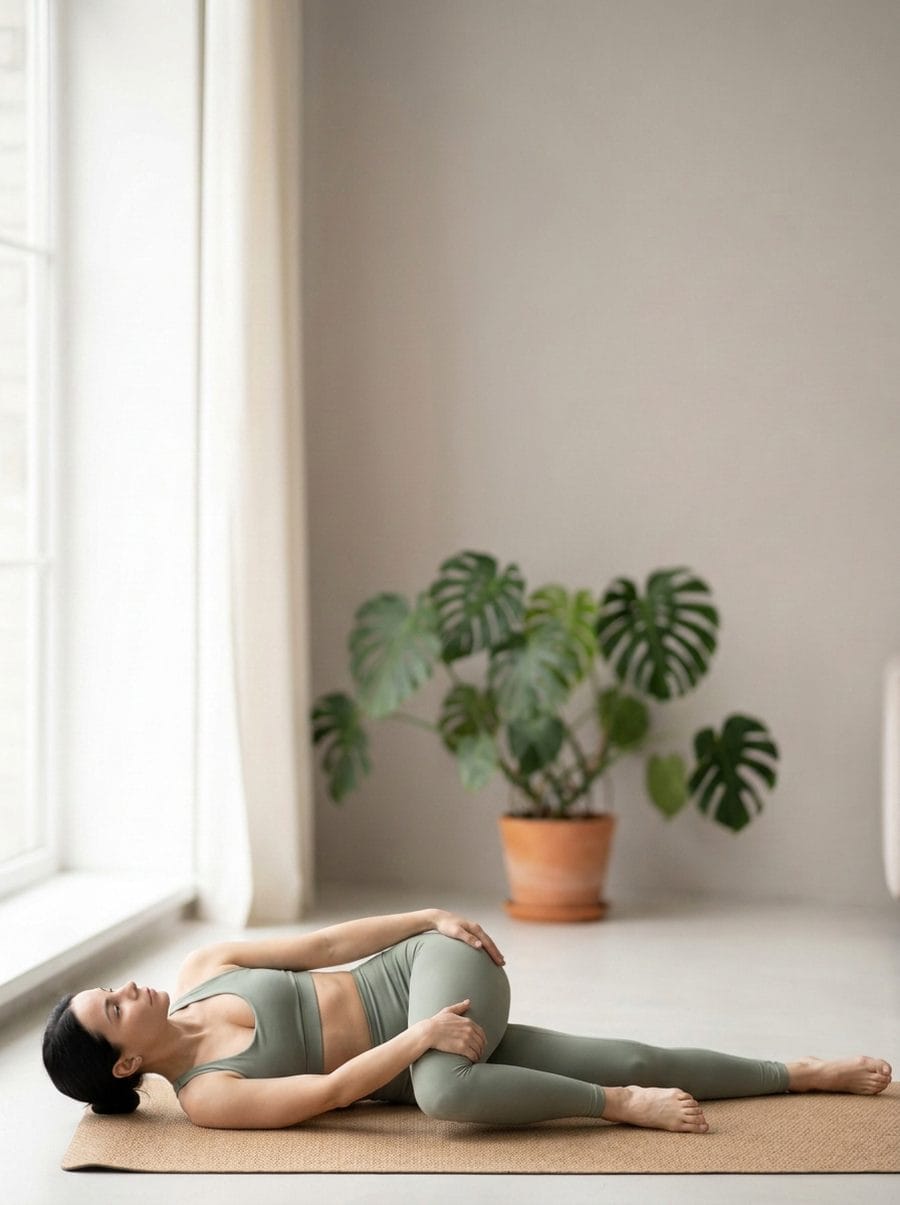
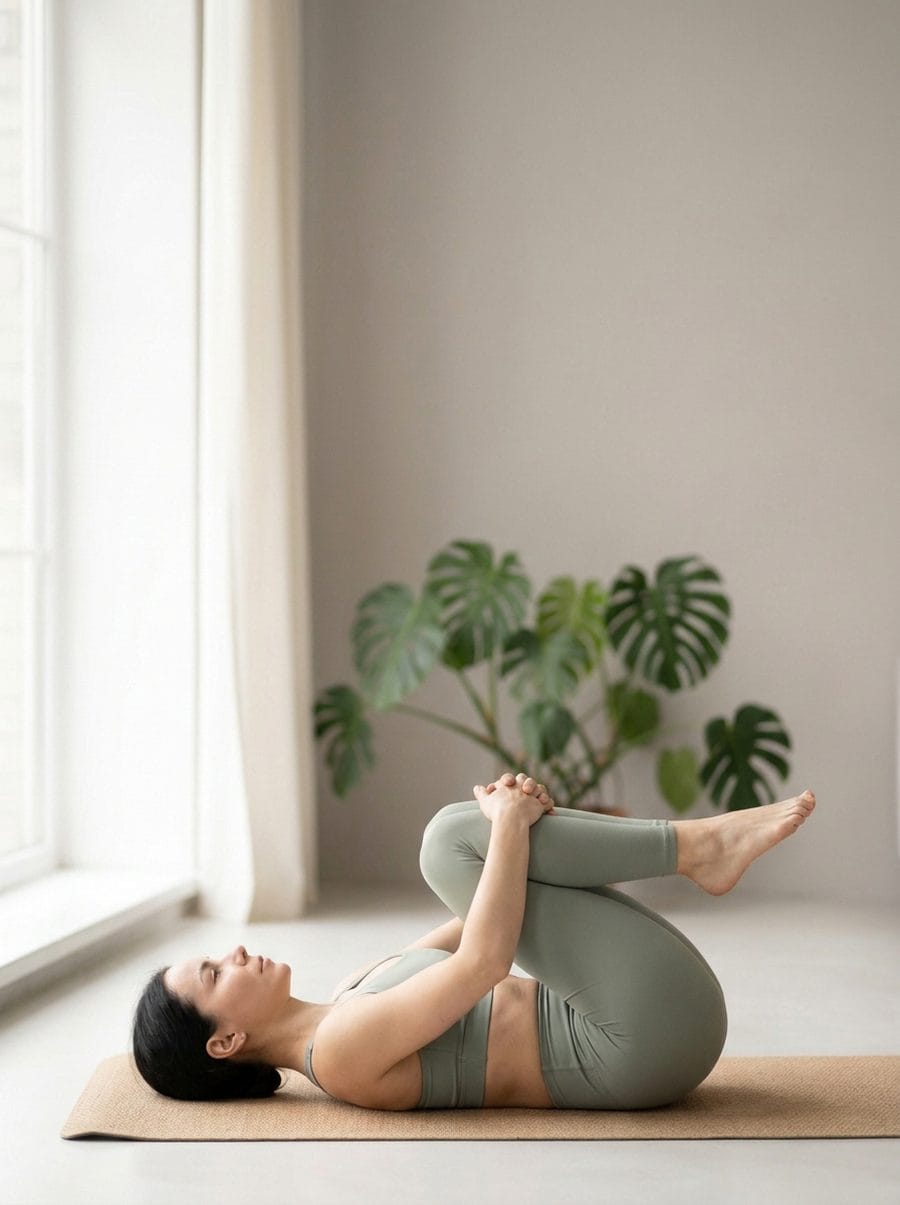
- Counterposes. After the backbends comes Child's Pose again, then Bridge Pose, Knees-to-Chest Pose and Supine Twist.
- Relaxation. Five minutes of Savasana, so your back muscles can let go of the tension they've collected all day.
10 yoga poses for back pain and your lower back
You can practice any of these poses on its own, but they do more as a set: mobility work prepares you for strengthening, and counterposes keep the lower back from taking too much load.
Spinal mobility
Begin here if your back feels stiff in the morning or after sitting. Move in rhythm with your breath and don't push toward extreme positions.

Strengthening your back muscles
Backbends done lying on your stomach load the back muscles gently. Keep the lift low: the muscle work is what counts, not how high you rise. Bridge Pose strengthens the glutes, and strong glutes take pressure off the lower back when you walk and bend.
Lower back stretches and relaxation
After backbends, Knees-to-Chest Pose gives the lower back its freedom again. In Standing Forward Fold, keep your knees bent so the stretch spreads through your whole back instead of pulling on the lower back alone.

Yoga for your lower back after sitting all day
If you sit for most of the day, begin with the Lower Back After Sitting program. You do every pose in it on the floor, so your lower back never carries standing load: pelvic circles, knees to chest, soft backbends and twists. It slots easily into your evening once work is done.
During the day, one simple habit helps: stand up every 40 to 60 minutes and move around for a couple of minutes. The short Office Reset routine takes 10 minutes and you can do it in your work clothes.
How to do yoga without hurting your back
- Go slowly and stay out of pain. A pulling sensation in the muscles is acceptable. Sharp pain, a shooting pain or numbness means you should leave the pose at once.
- Forward folds with bent knees only. With a herniated lumbar disc, soften the knees whenever you fold from standing, and drop the seated fold altogether.
- Cobra Pose is off the table for a herniated lumbar disc. That limit comes from the pose description in the app. The app lists the same limit for Locust Pose, so with a herniation leave the backbends out.
- Skip Bridge Pose after a neck injury or when your lower back pain is acting up.
- Keep twists gentle. During the acute phase of a disc herniation, it's better to skip Supine Twist.
If you've been diagnosed with a herniated or bulging disc, go over the routine with your doctor first. What's safe with a disc herniation is covered in Yoga for a Herniated Disc. The general safety rules are gathered in Safety and Contraindications.
How often to do yoga for your back
Your back benefits more from short, regular sessions: 10 to 15 minutes, three to five times a week. In the morning, Cat-Cow and Child's Pose help shake off stiffness, and in the evening the lower back program fits well. If your back hurts more after practice and the pain lasts longer than a day, make your movements smaller and talk to your doctor.
If you're new to all this, begin with Yoga for Beginners, which walks through the basic poses and a first 15-minute routine.
Pose cautions in this article
- Acute back pain (Cat-Cow)
- Wrist injuries — practice on your fists (Cat-Cow)
- Pregnancy — widen your knees (Child's Pose)
- Knee injuries (Child's Pose)
- Disc herniation in the acute phase (Supine Twist)
- Lumbar disc herniation (Locust Pose, Cobra Pose)
- Pregnancy (Locust Pose, Cobra Pose)
- High blood pressure (Locust Pose, Standing Forward Fold)
- Flare-up of peptic ulcer disease (Cobra Pose)
- Neck injuries (Bridge Pose)
- Flare-up of lower back pain (Bridge Pose)
- Wrist and shoulder injuries (Downward-Facing Dog)
- High blood pressure — don't stay in the pose long (Downward-Facing Dog)
- Glaucoma (Downward-Facing Dog)
- Pregnancy from the second trimester onward — take your knees wider than your belly or skip the pose (Knees-to-Chest Pose)
- Lumbar disc herniation — bend your knees (Standing Forward Fold)
This site is for general information and is not medical advice. If you have pain, an injury, a chronic condition, or are pregnant, check with a qualified professional before practicing.
Questions
Is yoga good for lower back pain? For chronic low back pain without a clear cause, studies point to small to moderate gains in mobility and a slight reduction in pain. Sudden, severe pain, pain after an injury, or pain with numbness calls for an exam by a doctor.
Is yoga safe with a herniated disc? Only once you've talked it over with your doctor. Deep forward folds with straight legs, Cobra Pose and sudden twists are usually left out, and the remaining poses are done with a smaller range of motion.
Is yoga or stretching better for back pain? Stretching mostly lengthens muscles. Yoga for the back pairs lengthening with strengthening and calm breathing, so the spine gets both mobility and support.
What yoga poses can you do when your back hurts right now? For mild stiffness, Knees-to-Chest Pose, Child's Pose and a gentle Cat-Cow are good choices. If the pain is strong or feels unusual, put exercise on hold until you've been examined.
Sources
- Wieland LS, et al. Cochrane systematic review of yoga for chronic non-specific low back pain. Cochrane Database of Systematic Reviews, 2017.
- Qaseem A, et al. Noninvasive Treatments for Acute, Subacute, and Chronic Low Back Pain: A Clinical Practice Guideline From the American College of Physicians. Annals of Internal Medicine, 2017.
- Pose technique and cautions, and sequence contents: the Hatha Yoga app. More on the How We Prepare Our Content page.
Read next
- Yoga for Arthritis and Osteoporosis: How to Protect Your Joints and Bones7 min read
- Ashtanga Yoga Explained: The Series, the Breath and the Difference from Hatha6 min read
- Ayurveda Explained Simply: The Basics and a Daily Routine (Dinacharya)5 min read
- Balance Exercises: 10 Yoga Poses for Balance and Stability7 min read