 Hatha Yoga
Garland Pose
Mālāsana
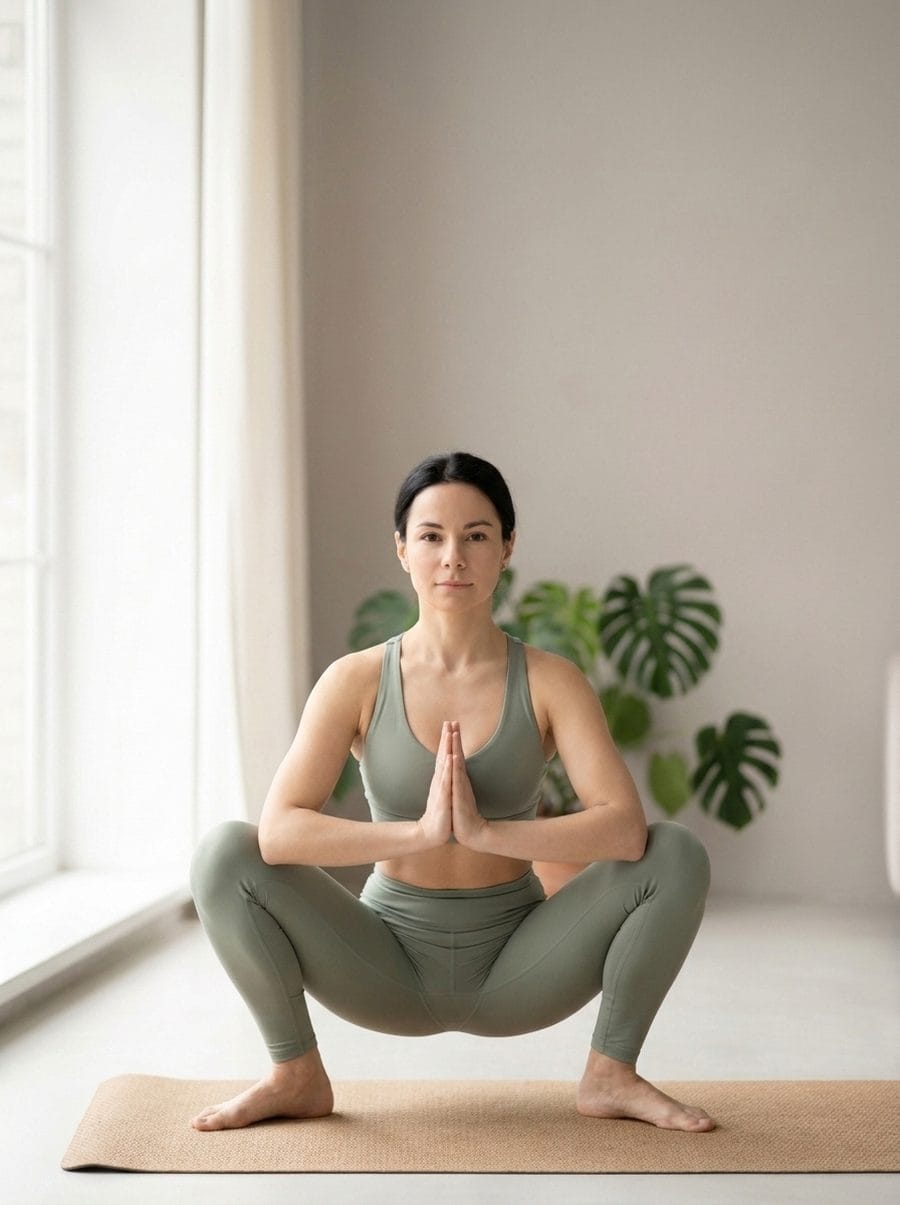
Garland Pose, or Malasana, is a deep squat: a stance just past hip width, knees apart, palms together at your chest, with your elbows gently nudging your knees open from the inside. Beginners can do it. Malasana shows up in six sequences in the app, three of them hatha, from Hip Opening to Arm Balances: Path to Crow, and in four flows, including Morning Boost and Side Line.
How to do it
- EnterPlace your feet slightly wider than your hips, turn your toes out, and lower into a deep squat. Bring your palms together in front of your chest, elbows pressing against the insides of your knees.
- HoldUse your elbows to gently widen your knees as your chest lifts. Weight in your heels, spine long. Breathe deeply into your belly.
- ExitLower your palms to the floor and gently rise, or sit back.
More detail
Find your own foot width. The narrower your stance, the harder it is to keep your heels down, so start wider with your toes turned out. Heels popping up? Slide a folded blanket under them, which is exactly what the app recommends.
Track your knees over your second toes so the joint doesn't twist. If your hips just won't drop, perch on a block or thick book and lengthen your spine up from that support. Lower down slowly, without bouncing, and come out by setting your palms down ahead of your feet.
Benefits
Opens the hips and lengthens the lower back; great for a sedentary lifestyle.
Garland opens your hips and lengthens your lower back while your ankles and feet get some work too. If you spend your day in a chair, it gives your hips back a range that sitting rarely asks for. In the sequence that builds toward Crow Pose, Malasana teaches the key pieces: wide knees and weight shifted forward.
Cautions
- Knee injuries
- If your heels don't reach the floor, place a blanket under them
This site is for general information and is not medical advice. If you have pain, an injury, a chronic condition, or are pregnant, check with a qualified professional before practicing.
Common mistakes
- Knees caving in. Keep each knee tracking its foot.
- Heels hanging, weight pitched onto your toes. Bring your heels down to the floor or onto a blanket.
- Rounded back, chest dropping. Raise your seat on a prop and lengthen upward.
- Forcing your knees apart with your elbows. Keep the pressure light and pain-free.
Where it appears
- Hip Opening 20 min · Intermediate
- Post-Workout Legs 20 min · Intermediate
- Arm Balances: Path to Crow 20 min · Advanced
- Yin: Hips 45 min · Intermediate
- Deep Yin: Hips 60 min · Advanced
- Kundalini: Hips 20 min · Intermediate
- Warm-up: Hip Opening Flexion, extension, abduction, and rotation of the hips
- Warm-up: Equilibrium Tree Pose and Boat Pose: two balances, each with a prep and a counterpose
- Warm-up: Side Line Side stretches on three levels: standing, arm support, seated
- Warm-up: Morning Boost Upright, squat, and backbend — an energizing wake-up with no weight on the hands
Similar poses
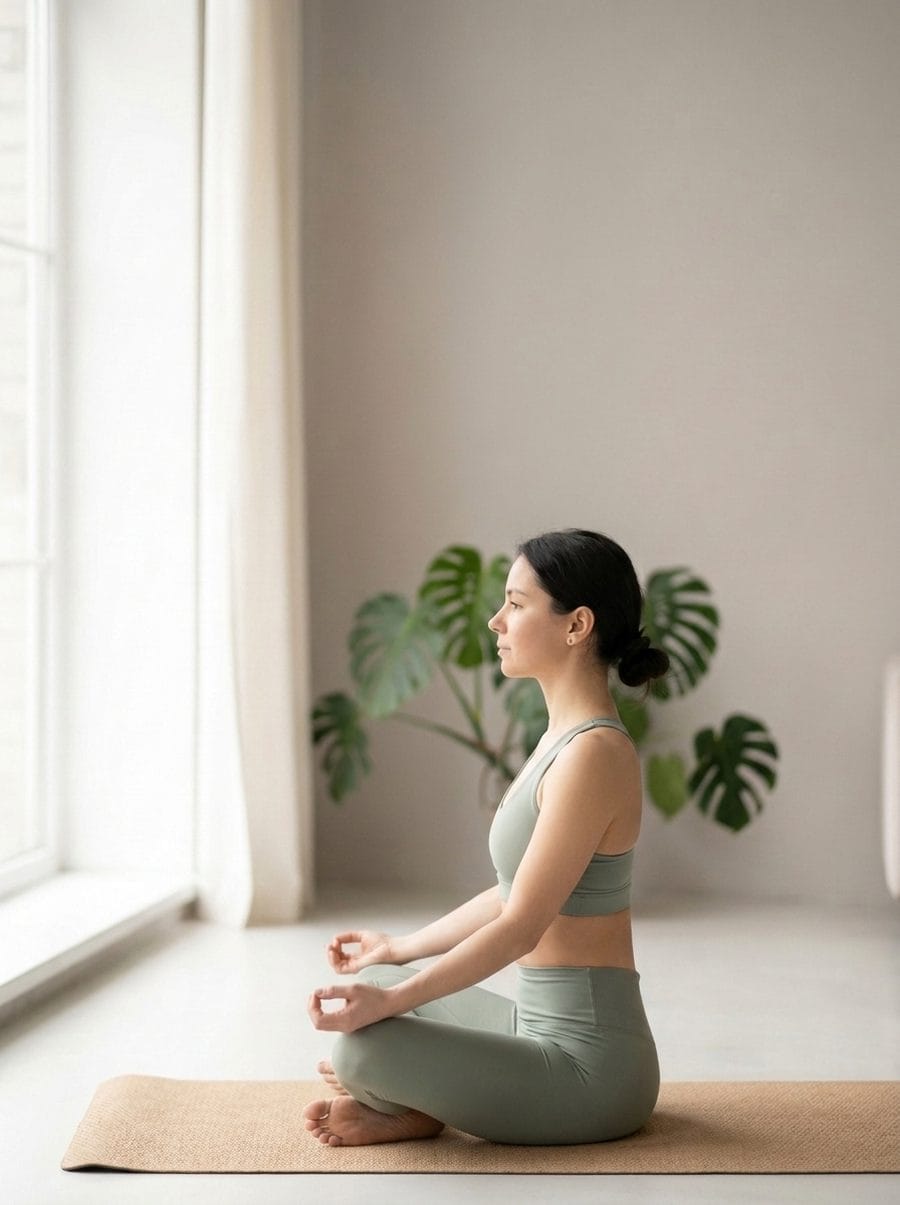
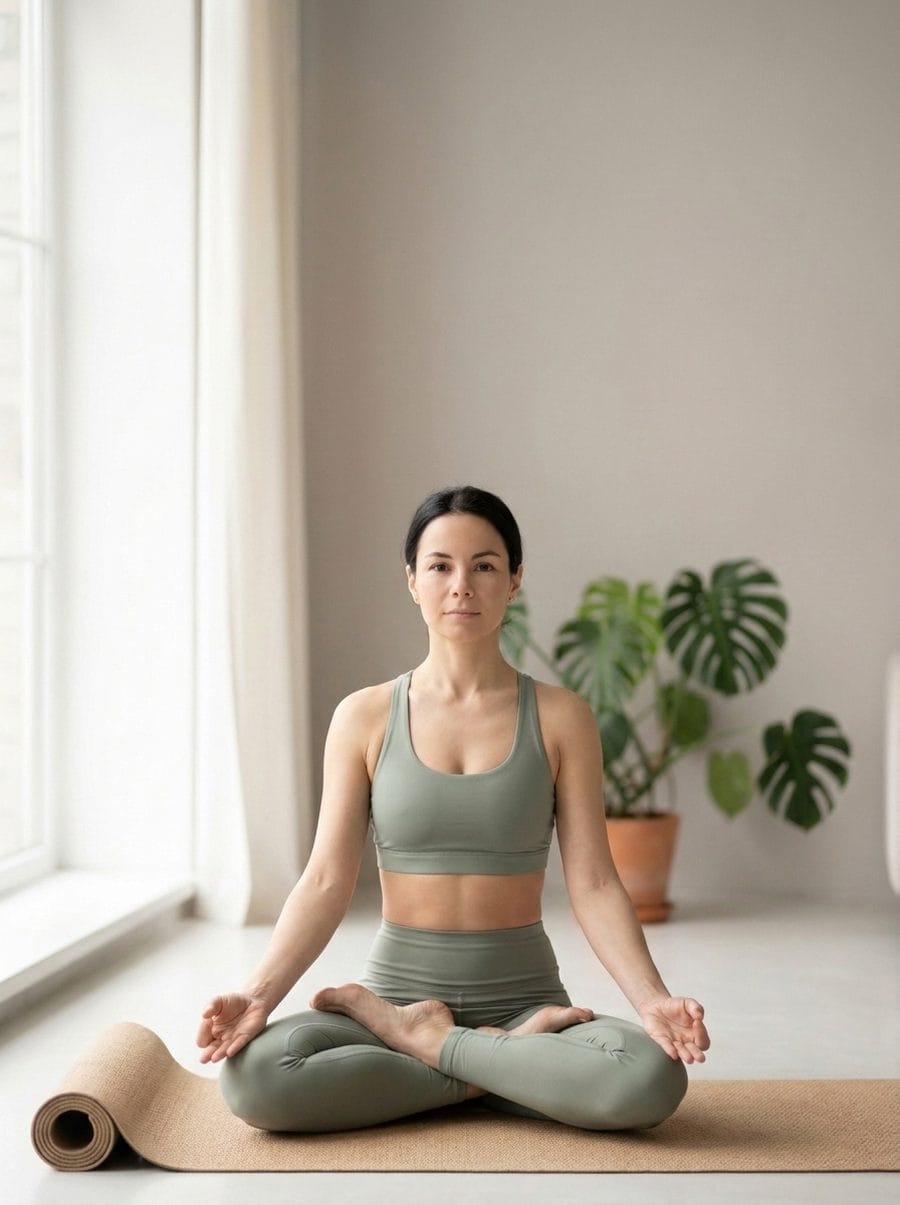
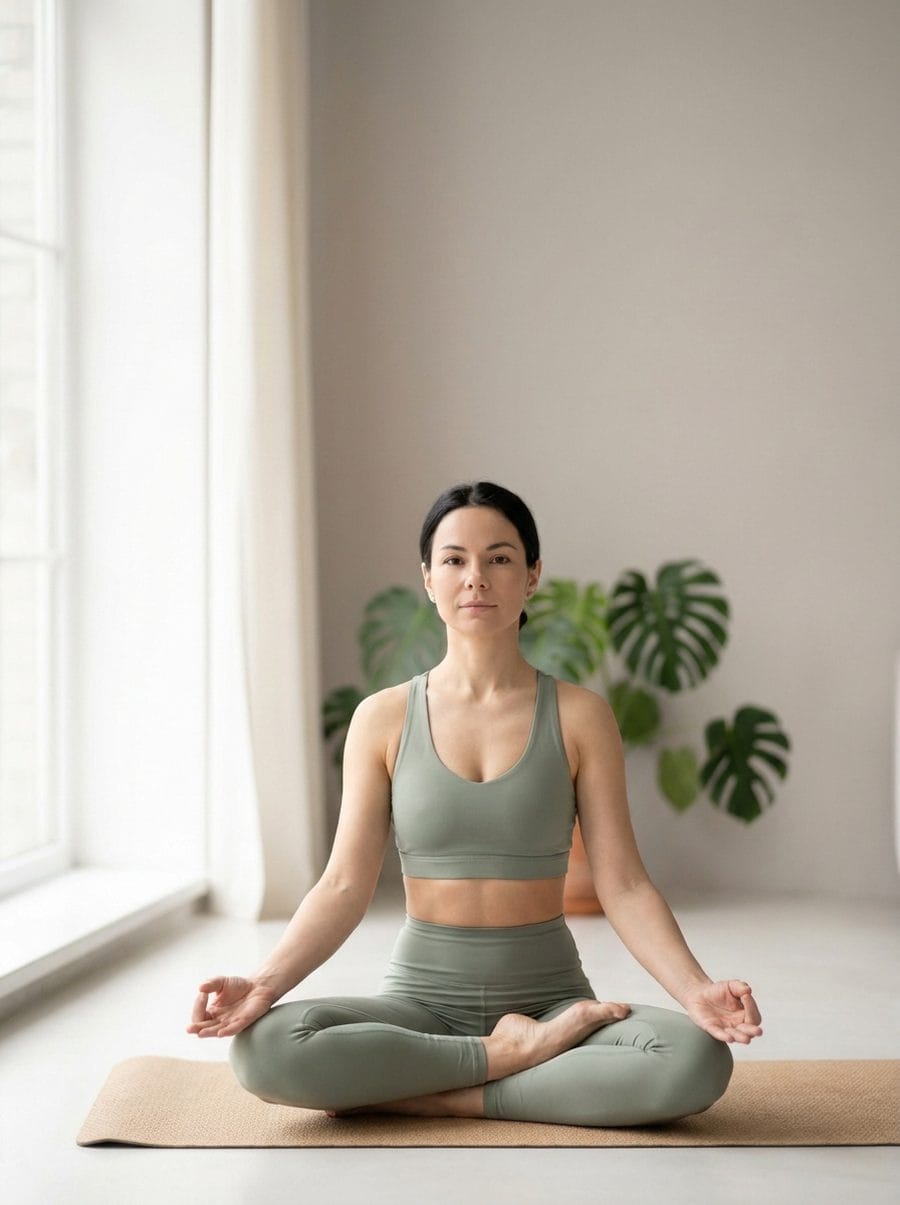
Questions
Is the yogi squat good or bad for you? On the plus side, it frees your hips, lengthens your lower back and keeps your ankles mobile. The joint at risk is the knee: with an injured knee, skip Malasana, since the app lists that as a contraindication.
Why can't I get my heels down in a squat? Tight calves and ankles are the usual reason. Widen your stance and put a rolled blanket under your heels; over time you'll need a thinner one.
How long should you hold Malasana? The pose card gives 45 seconds. Hatha sequences keep you in the squat for 65 to 85 seconds, with the longest hold in Post-Workout Legs; the kundalini sequence holds it for 60 and yin sequences for two to three minutes.
Featured in
- Yoga for Men: How to Get Started When Your Body Won't Bend6 min read
- Kegel Exercises and Yoga for the Pelvic Floor: Technique, Poses and Safety8 min read
- Yoga for Women: Benefits and What to Watch For at Every Stage7 min read
- Yin Yoga for Hips and Lower Back: Poses, Holds and Cautions7 min read
- Hip Opening Yoga: 10 Poses for Tight Hips5 min read
Updated: