 Hatha Yoga
Yoga for Women: Benefits and What to Watch For at Every Stage
Hatha Yoga editorial team · Updated · 7 min read
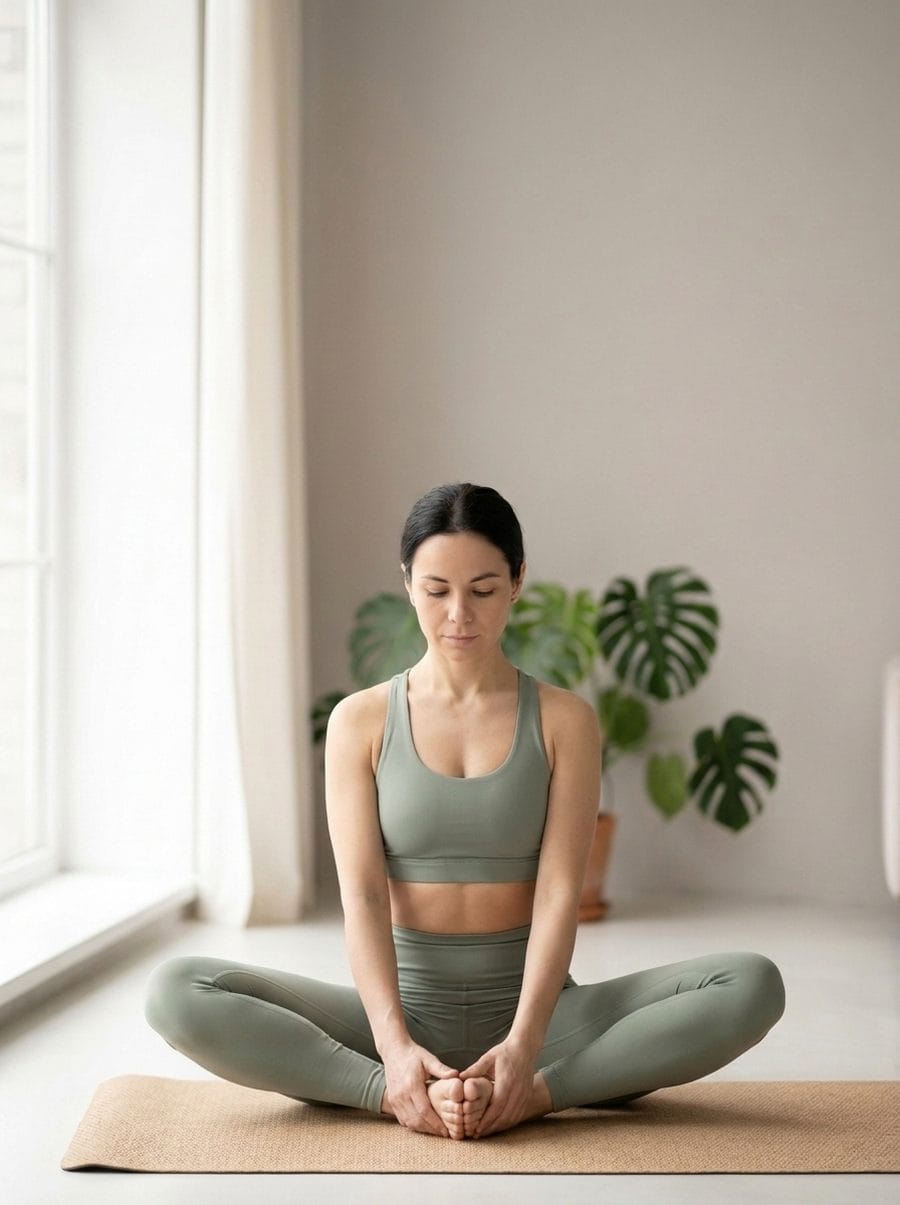
Classical hatha yoga has no separate style for women: the poses and the rules are the same for everyone. Still, there are stretches of a woman's life when it makes sense to adjust your practice: certain days of your cycle, pregnancy, the first months after giving birth, and menopause.
Below we go through each one using the app's data and published research. You'll also find a section on the pelvic floor and mula bandha, strength after 40, and two routines that make an easy start.
Benefits of yoga for women: promises vs. evidence
"Women's yoga" is often marketed as a fix for hormones or "feminine energy." We haven't found solid research backing claims like these, so we don't make them.
What yoga actually offers sounds more modest and is more useful. It builds strength, keeps your joints moving, trains balance and teaches you to relax. According to the NCCIH, a US federal research center, yoga improved sleep in studies of women with sleep problems and of women going through menopause.
Yoga and your menstrual cycle
Hatha yoga traditionally sets inversions aside during menstruation, and the app follows that tradition. On those days, Legs-Up-the-Wall Pose, Shoulder Stand, Plow Pose and Headstand are contraindicated, and so are two breathing and cleansing practices: Skull Shining Breath and Agnisara Kriya.
During the opening days of your period, also skip Side Splits and Two-Legged Arm Balance.
Beyond that, go by how you feel. Many women prefer a calm floor practice on these days, such as Evening Unwind, where the single change is skipping Legs-Up-the-Wall Pose. Poses for a dull ache in the lower belly are covered in Yoga During Your Period.
The pelvic floor and mula bandha
Hatha yoga has a concept called mula bandha, the root lock. Picture lifting the pelvic floor muscles softly, with about 30 percent effort. Try it in Mountain Pose: softly draw the pelvic floor up while you keep breathing easily, and notice your torso lining up along a vertical axis.
As a beginner, you only need a gentle hold down there plus a slightly firm lower abdomen while you work through strength poses. Read more in Bandhas: Energy Locks. Skip full bandhas with breath retention if you're pregnant, have hypertension, or an abdominal condition is acting up.
What does the research say? In a 2024 randomized trial, 240 women aged 45 and older with daily urinary incontinence spent three months doing either pelvic floor yoga or a general stretching and strengthening program. Incontinence episodes dropped noticeably in both groups, but yoga did not outperform the regular exercise program. The trial had no group that skipped exercise altogether.
Poses where you can feel your pelvic floor
Garland Pose takes your pelvis down into a deep squat, Goddess Pose works your glutes and inner thighs, and in Bridge Pose your glutes lift your pelvis off the floor. In all three you can add a soft mula bandha as you exhale.
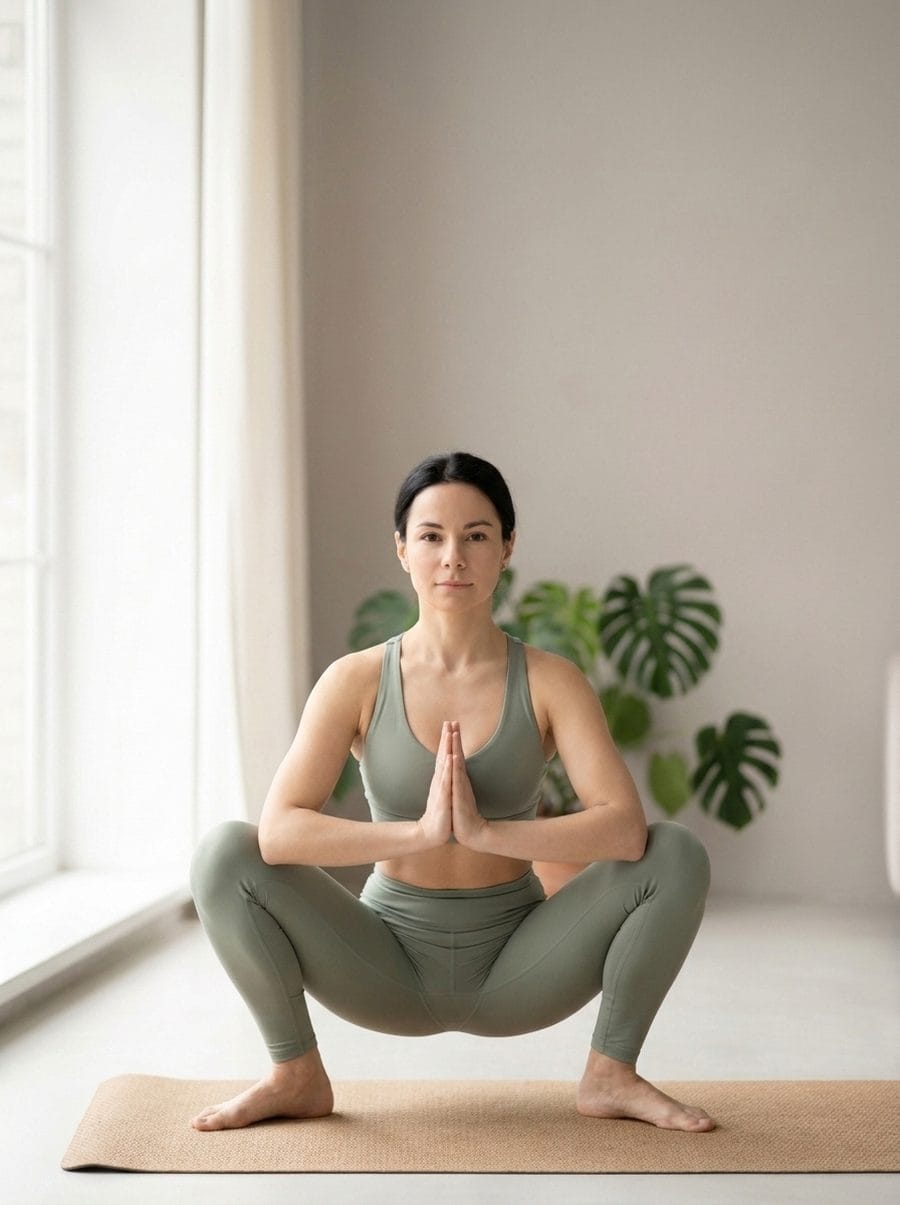
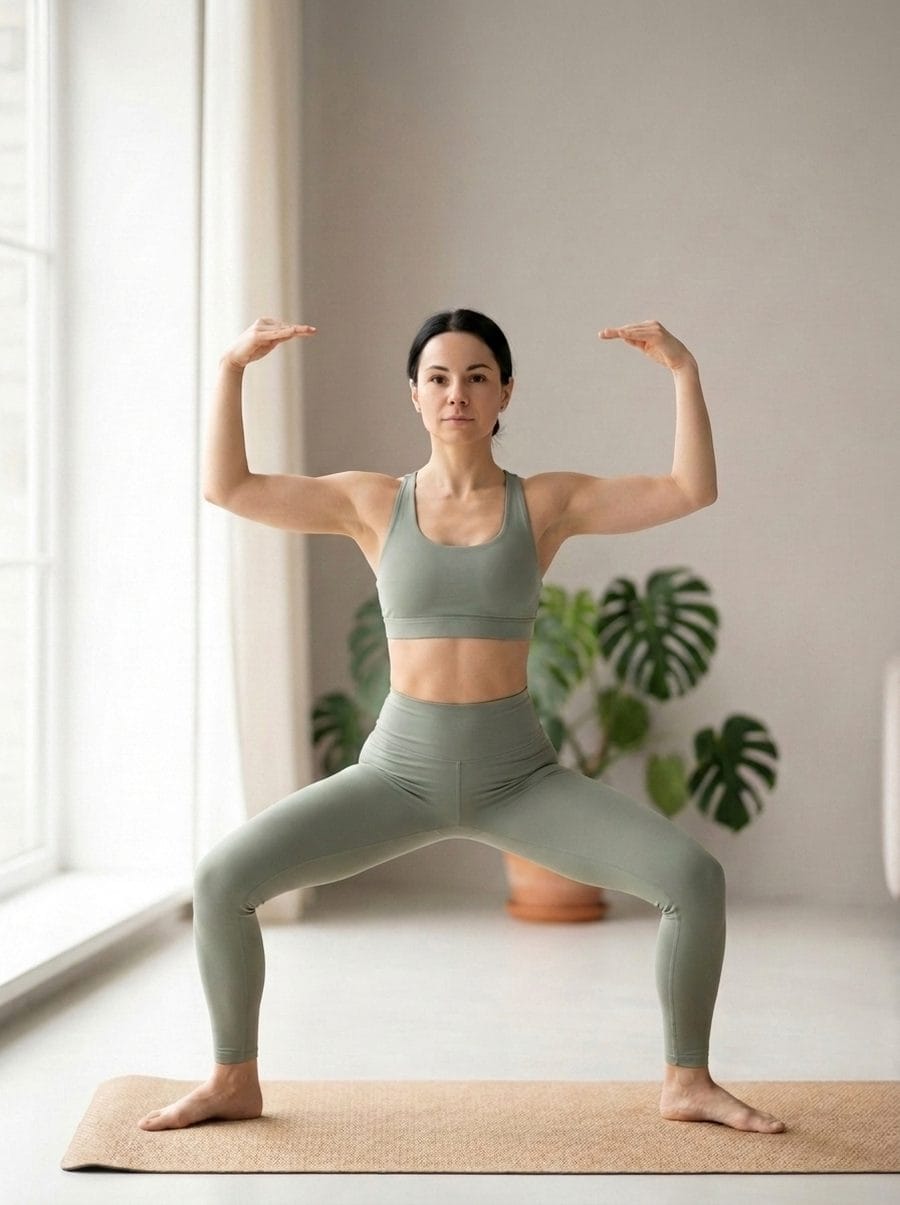
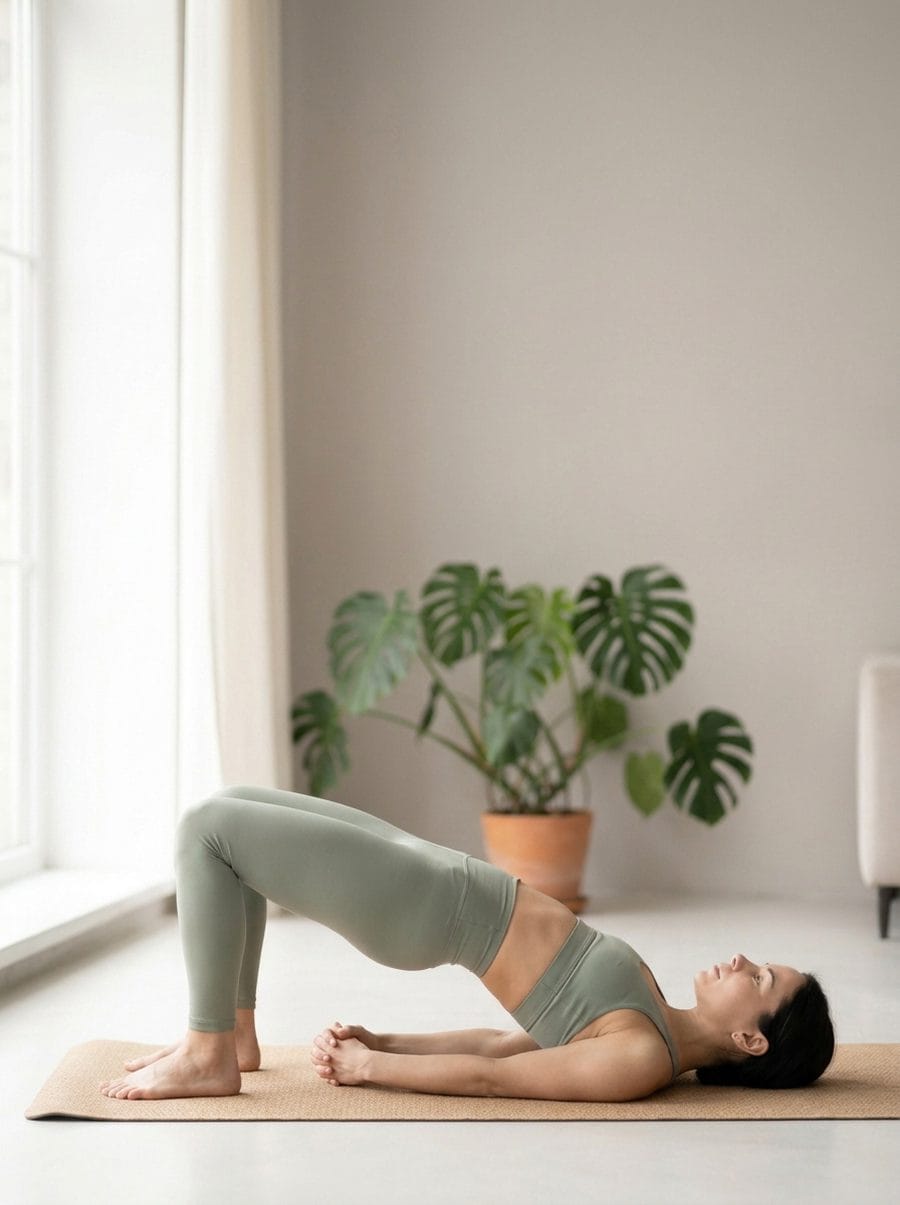
For hip mobility, try Hip Opening, a 20-minute intermediate routine with Garland Pose, Butterfly Pose, pigeon prep and other poses for the hip joints.
If you deal with leaking urine or a feeling of heaviness low in your belly, see a gynecologist first. Exercises for this area are collected in Pelvic Floor Exercises.
Yoga during pregnancy: talk to your doctor first
The NCCIH says physical activity, yoga included, is safe for most pregnant women as long as they take appropriate precautions. But first you need a checkup to make sure there's no medical reason to avoid exercise. The NCCIH also advises skipping hot yoga, as well as poses that keep you still for a long time or lying on your back.
In the app, pregnancy rules out prone backbends such as Cobra Pose, Locust Pose and Bow Pose, along with Boat Pose, Seated Twist and inversions such as Shoulder Stand. In Child's Pose, widen your knees. After the first trimester ends, widen your knees beyond your bump in Knees-to-Chest Pose or drop that pose entirely, and stop doing Crocodile Pose, since it has you lying on your stomach.
Practice Box Breathing without breath holds. What you need is a dedicated practice; see Prenatal Yoga.
After giving birth: get checked, then build strength
The UK's NHS advises returning to more intense activity after your 6 to 8 week postnatal check, if you feel ready, and including strength training. Before you try Plank Pose or Boat Pose, ask your doctor to check for diastasis recti: if you have it, both poses are contraindicated. Start with gentle poses; there's an example in Postpartum Yoga.
Yoga for women over 40: strength, balance, menopause
With age, strength and balance need more attention. The NHS recommends that adults load every major muscle group on two or more days each week, and it counts yoga as a strengthening activity. According to the NCCIH, in a 2014 review 11 of 15 studies in healthy people found better balance after yoga.
On menopause, the NCCIH notes that yoga seems at least as effective as other types of exercise for easing symptoms. A 2018 review covering 13 studies and over 1,300 women found that yoga reduced both hot flashes and anxiety. Read more in Yoga for Menopause.
For strength days, Strength & Tone takes 25 minutes and works legs, arms, core and back: Chair Pose and the warriors first, then planks, Boat Pose and prone backbends. It's an intermediate routine, so it isn't suitable during pregnancy or with diastasis recti.
Gentle poses for low-energy days
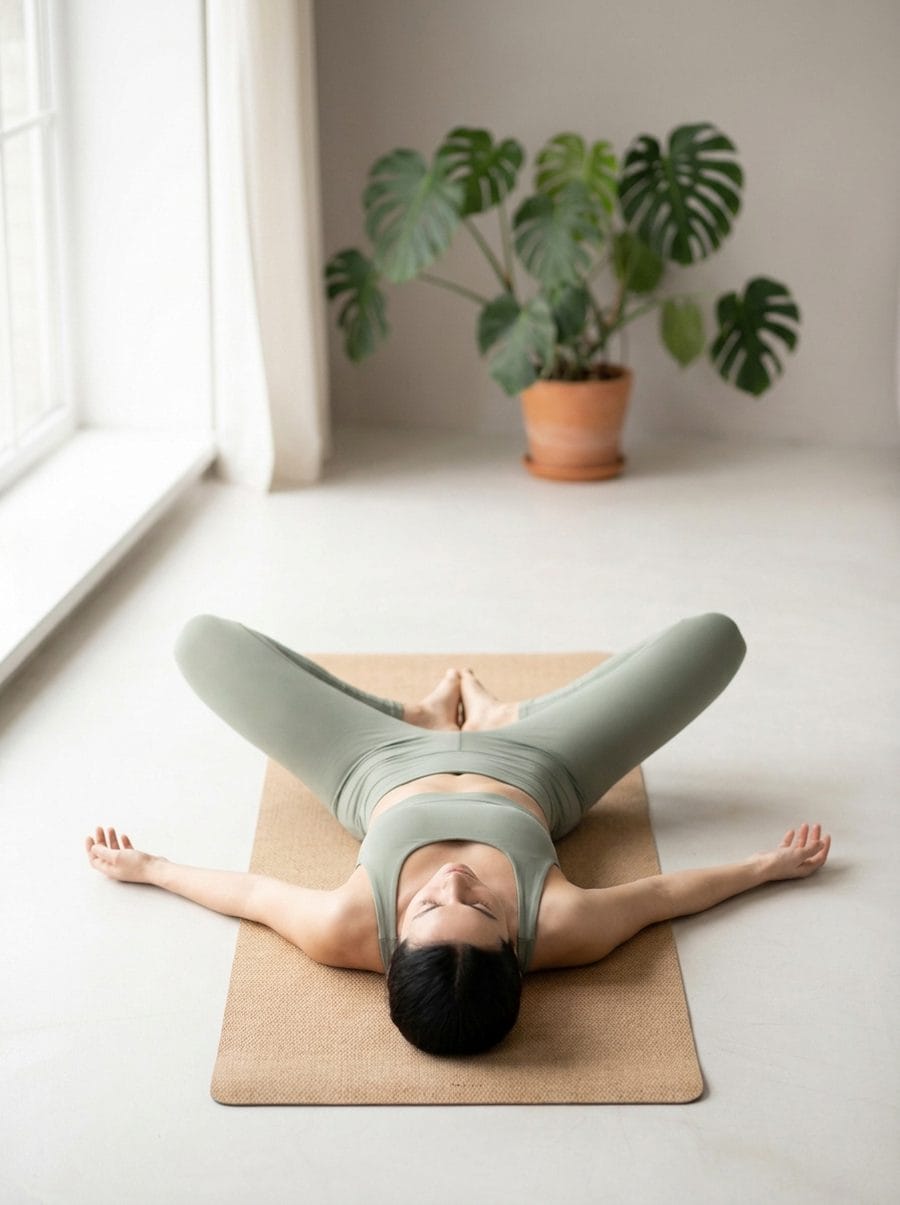
When your energy is low, reclining and seated poses come to the rescue. Child's Pose relaxes your back, Reclining Butterfly Pose gently opens the hips, and Butterfly Pose keeps the hip joints mobile. You can tuck pillows under your knees and thighs.

Safety
- Menstruation. Skip inversions, Legs-Up-the-Wall Pose included, and Skull Shining Breath.
- Pregnancy. See your doctor first, then stick to a dedicated prenatal practice.
- Diastasis recti. Plank Pose, Boat Pose and Half Boat Pose are off the list.
- Knees. An injured knee rules out Garland Pose, Goddess Pose and Child's Pose. In Butterfly Pose, if your groin or knees are injured, put props under your thighs.
- Bridge Pose. Not for an injured neck, and not during an acute bout of lower back pain.
See a doctor right away if you have severe pain in your lower belly, or bleeding outside your period or during pregnancy. If pain or leaking urine doesn't go away after giving birth, get checked as well.
Pose cautions in this article
- Knee injuries (Garland Pose, Goddess Pose, Child's Pose)
- If your heels don't reach the floor, place a blanket under them (Garland Pose)
- Neck injuries (Bridge Pose)
- Flare-up of lower back pain (Bridge Pose)
- Pregnancy — widen your knees (Child's Pose)
- Groin discomfort — place supports under your knees (Reclining Butterfly Pose)
- Groin and knee injuries — place supports under your thighs (Butterfly Pose)
This site is for general information and is not medical advice. If you have pain, an injury, a chronic condition, or are pregnant, check with a qualified professional before practicing.
Questions
Is yoga for women a different kind of yoga? No, the poses stay the same. The difference lies in how you adapt the practice to your cycle, pregnancy, postpartum recovery and age.
Can I do yoga on my period? Yes, if you feel well enough. Following the hatha yoga tradition, which the app observes, you skip inversions and Skull Shining Breath on those days.
Can I start yoga while pregnant? Only after a medical checkup, and only as a dedicated prenatal practice. Many standard poses, like prone backbends and Boat Pose, are contraindicated during pregnancy.
Does yoga strengthen the pelvic floor? Mula bandha teaches you to feel these muscles and engage them gently. In a study of women aged 45 and up, pelvic floor yoga worked no better than ordinary stretching and strengthening, so incontinence calls for a checkup and a plan from a specialist.
Sources
- Huang AJ, et al. Efficacy of a Therapeutic Pelvic Yoga Program Versus a Physical Conditioning Program on Urinary Incontinence in Women: A Randomized Trial. Annals of Internal Medicine, 2024.
- National Center for Complementary and Integrative Health (NIH). Yoga: Effectiveness and Safety.
- NHS. Physical activity guidelines for adults aged 19 to 64.
- Pose technique and cautions, routine contents and bandhas: the Hatha Yoga app. More on how we review our texts on the How We Prepare Our Content page.
Read next
- Yoga for Arthritis and Osteoporosis: How to Protect Your Joints and Bones7 min read
- Ashtanga Yoga Explained: The Series, the Breath and the Difference from Hatha6 min read
- Ayurveda Explained Simply: The Basics and a Daily Routine (Dinacharya)5 min read
- Balance Exercises: 10 Yoga Poses for Balance and Stability7 min read