 Hatha Yoga
Yoga for strength: the Strength & Tone sequence
Strength poses for the whole body
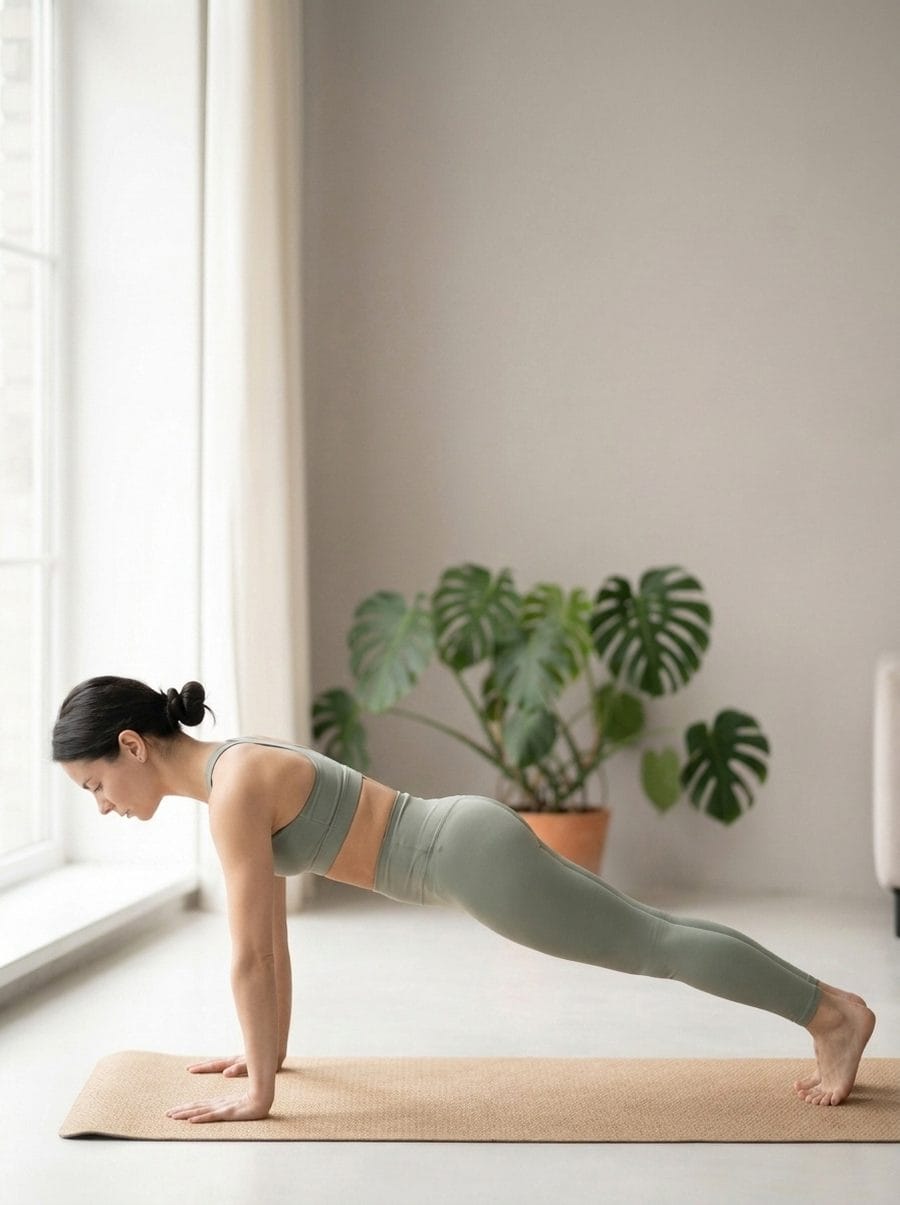
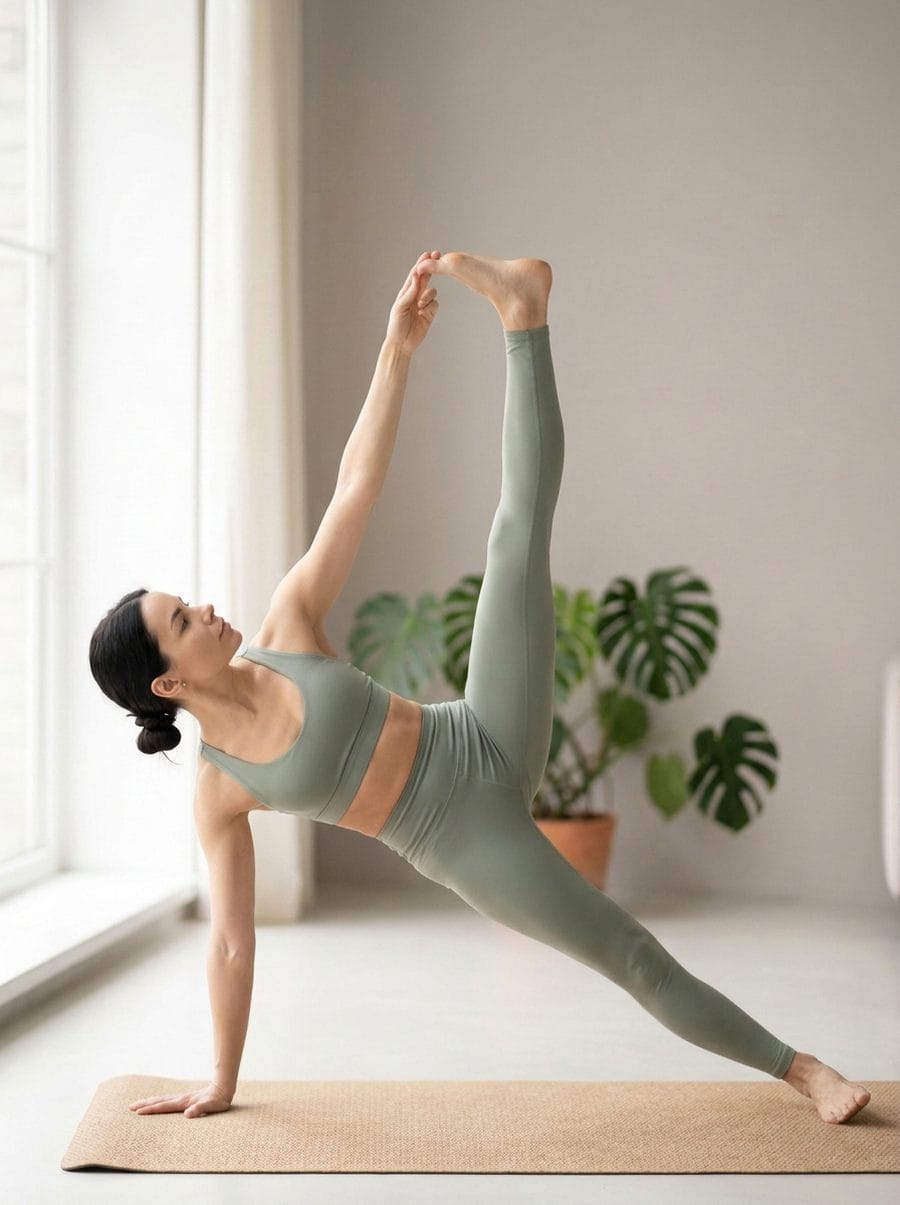
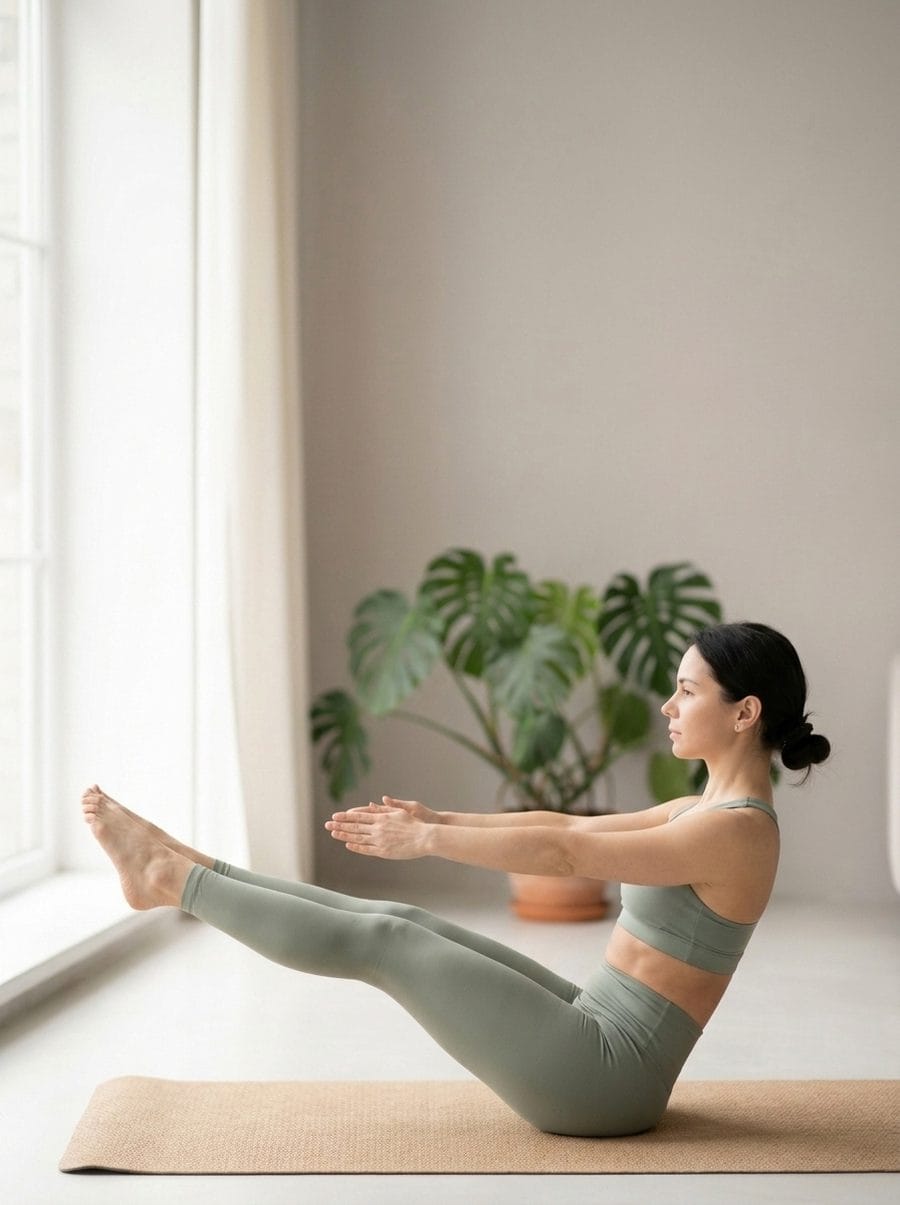
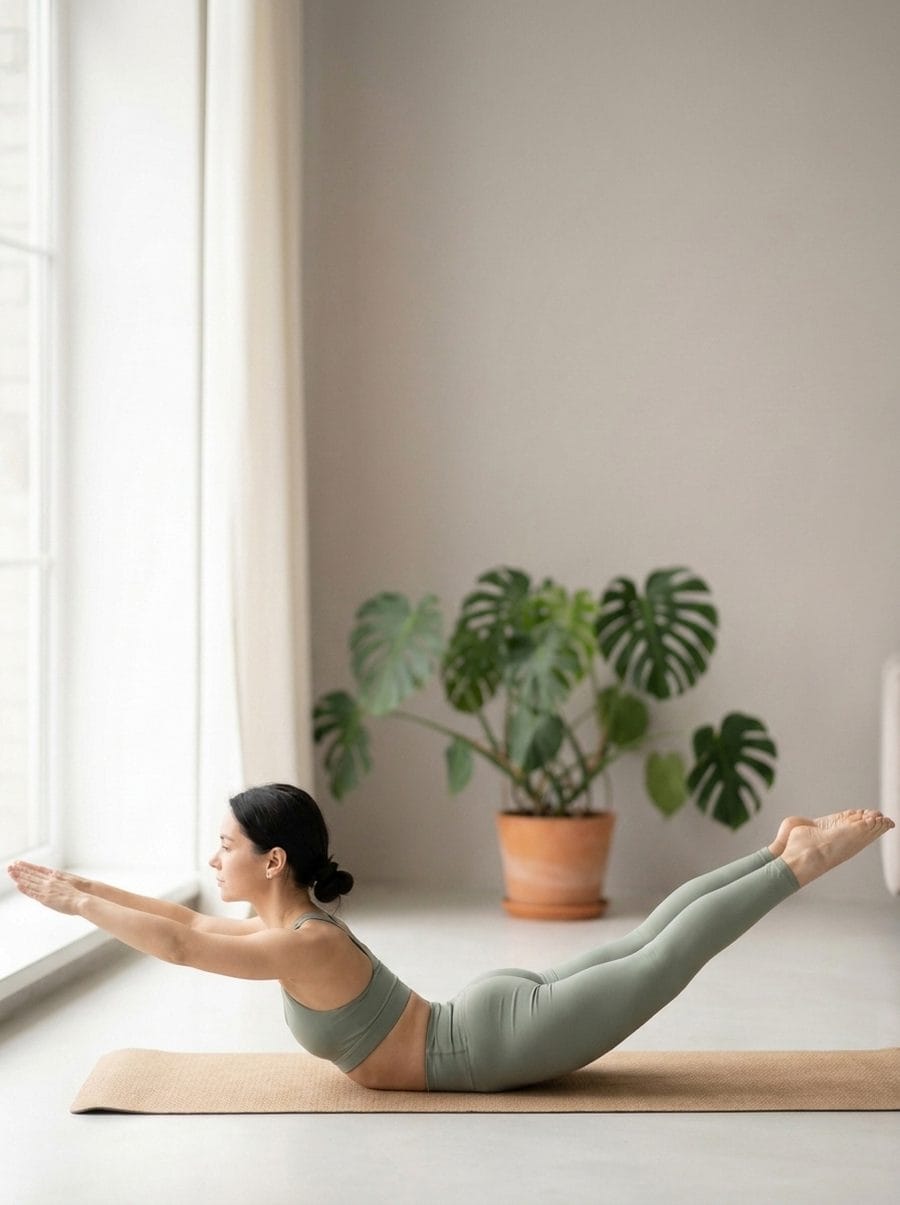
A sequence for anyone who expects yoga to give the muscles real work. Legs, arms, abs and back take turns carrying the load, and the session begins with four rounds of Sun Salutation. It's intermediate: Warrior III, Side Plank, Boat Pose and Bow Pose call for strength and experience, and holds last up to 75 seconds.
New to yoga? Try the introductory First Practice sequence before this one. Some of these poses are off-limits with knee or wrist injuries, a lumbar disc herniation, diastasis recti or high blood pressure; you'll find the list further down.
Sun Salutation × 4
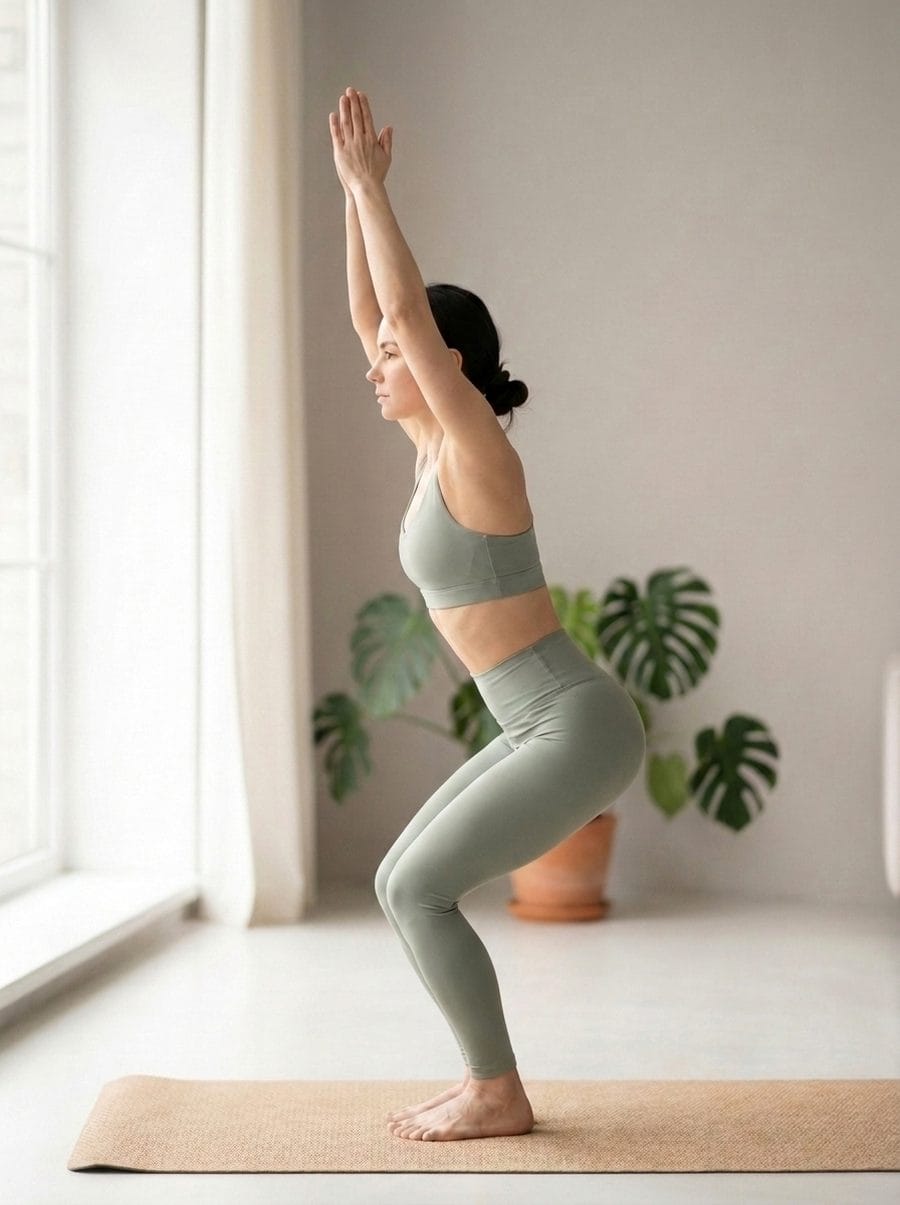
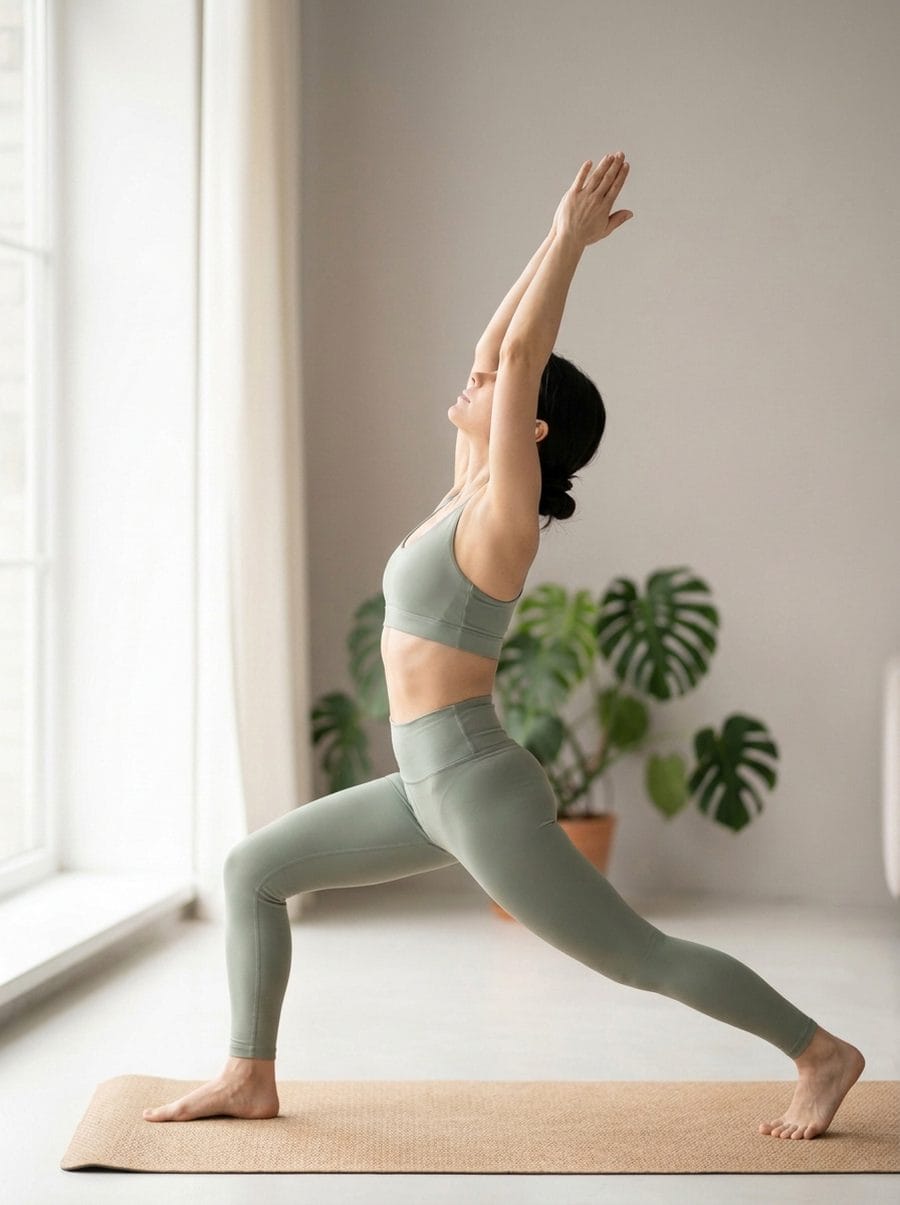
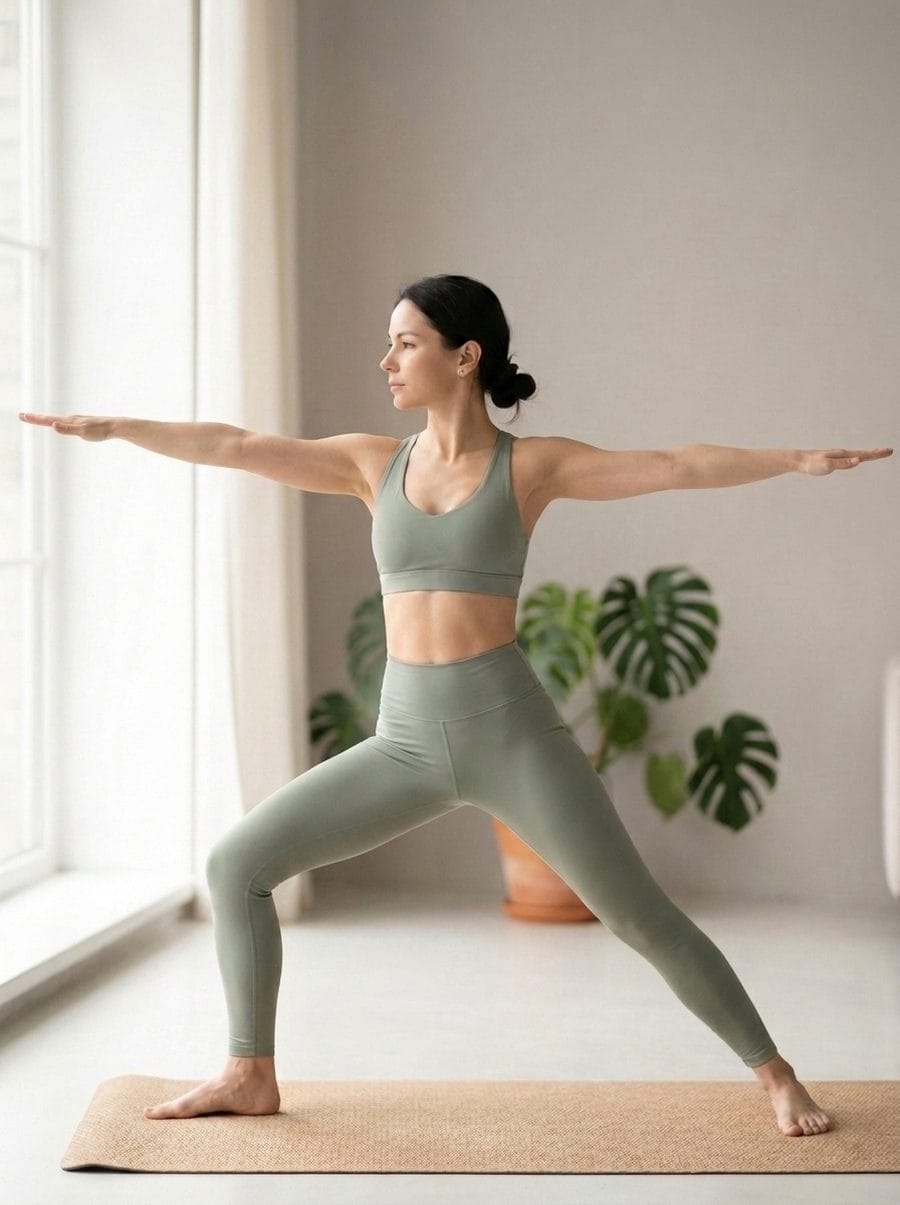
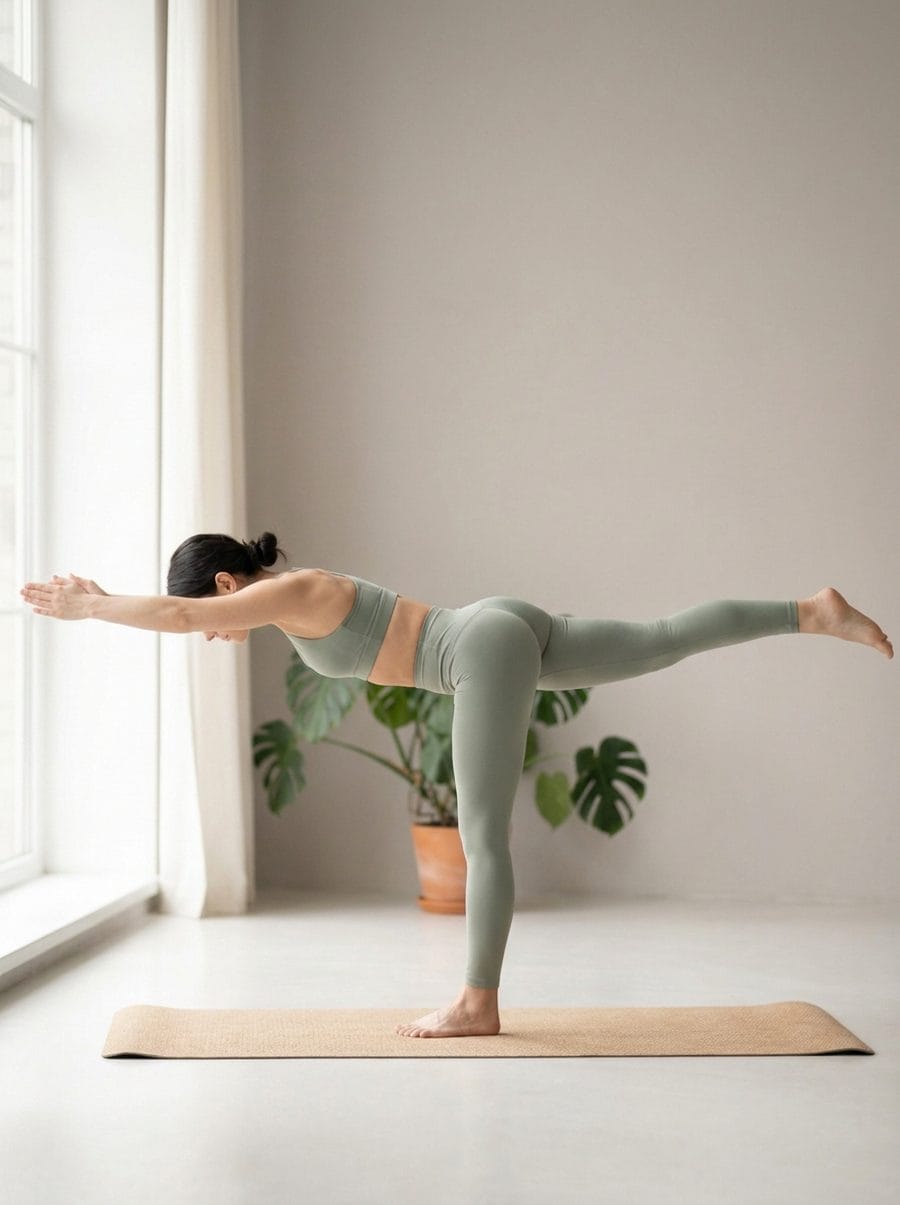
Why this order
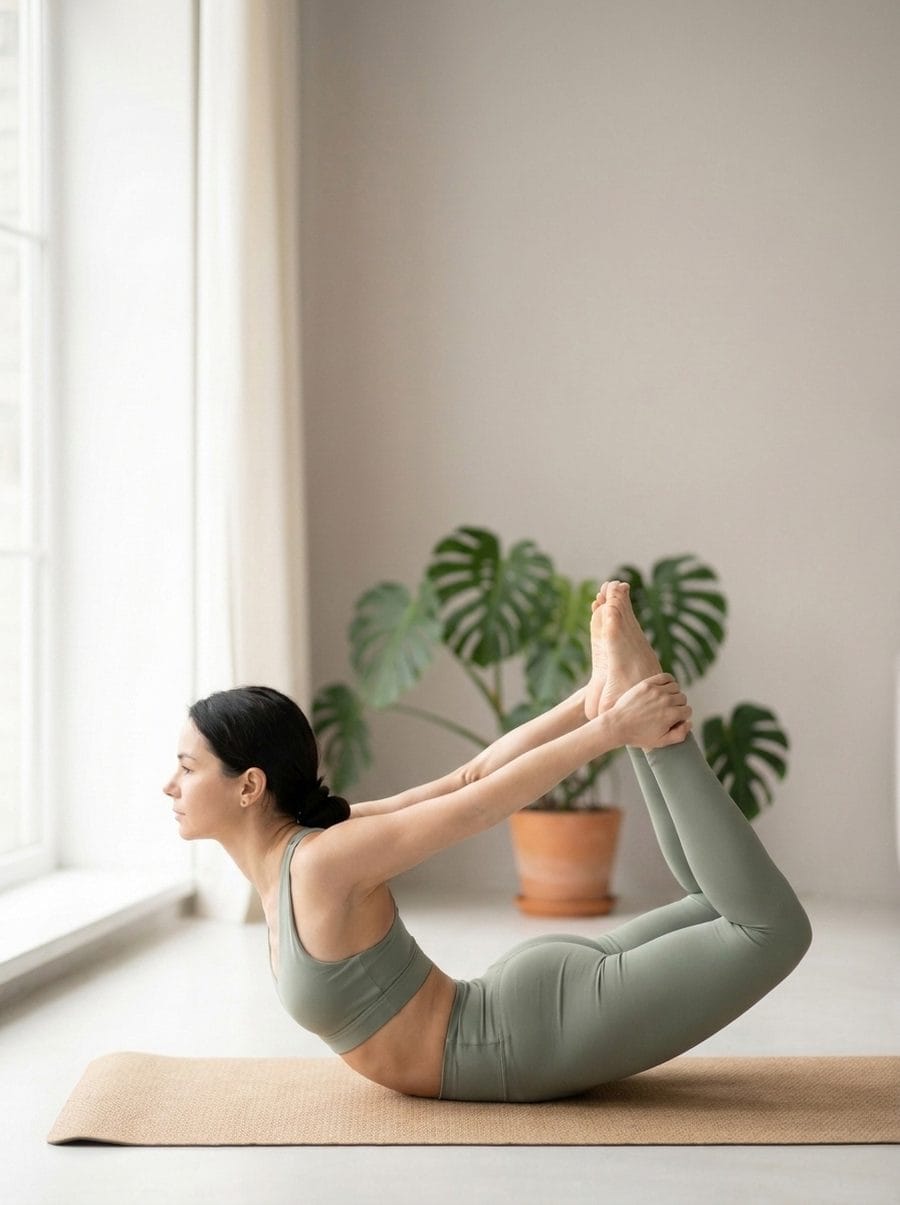
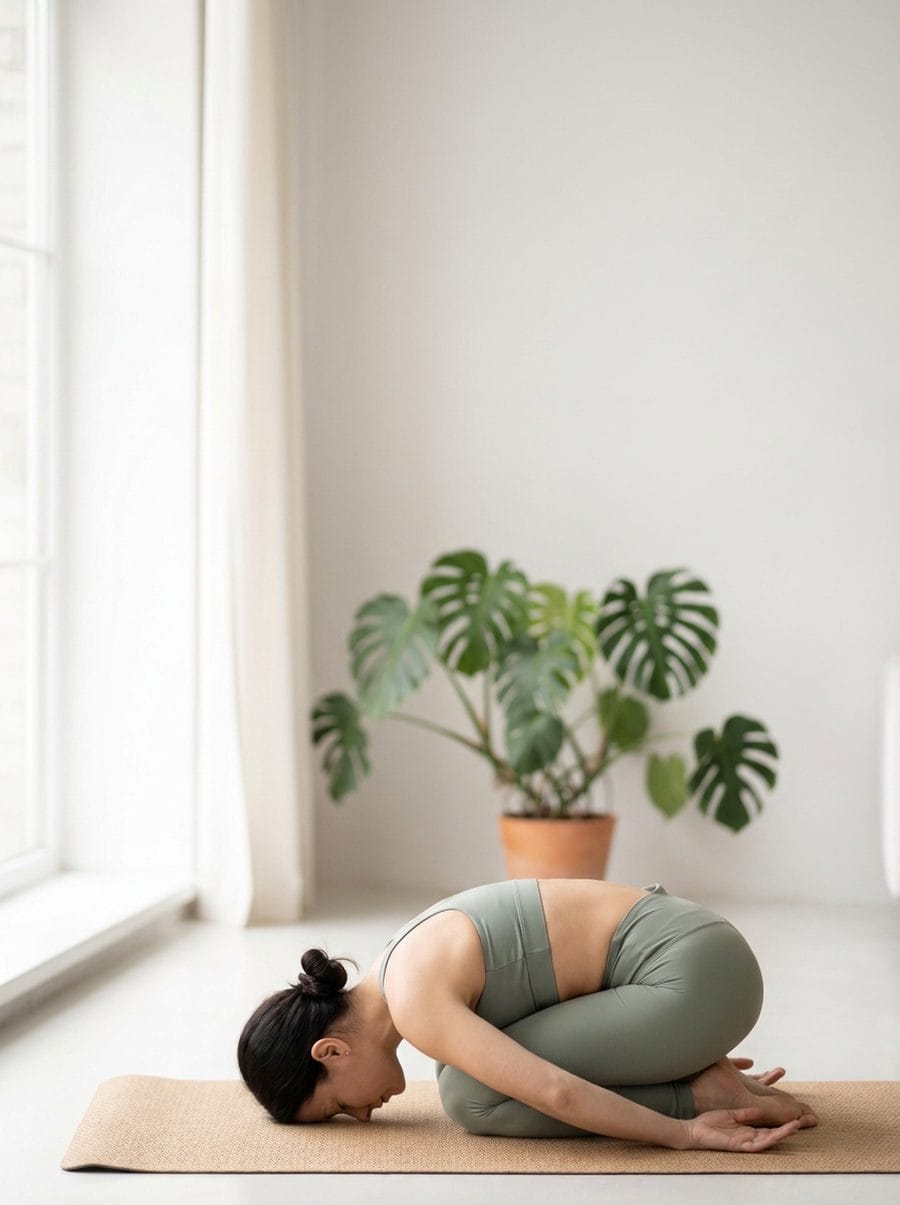
Right after Sun Salutation the big muscles switch on: Chair Pose and three Warriors, the last of which adds balancing on one leg. Then the effort shifts into the shoulder girdle and torso with Plank, Side Plank and Boat. Locust and Bow strengthen the back of the body, after which Child's Pose takes the pressure off your lower back.
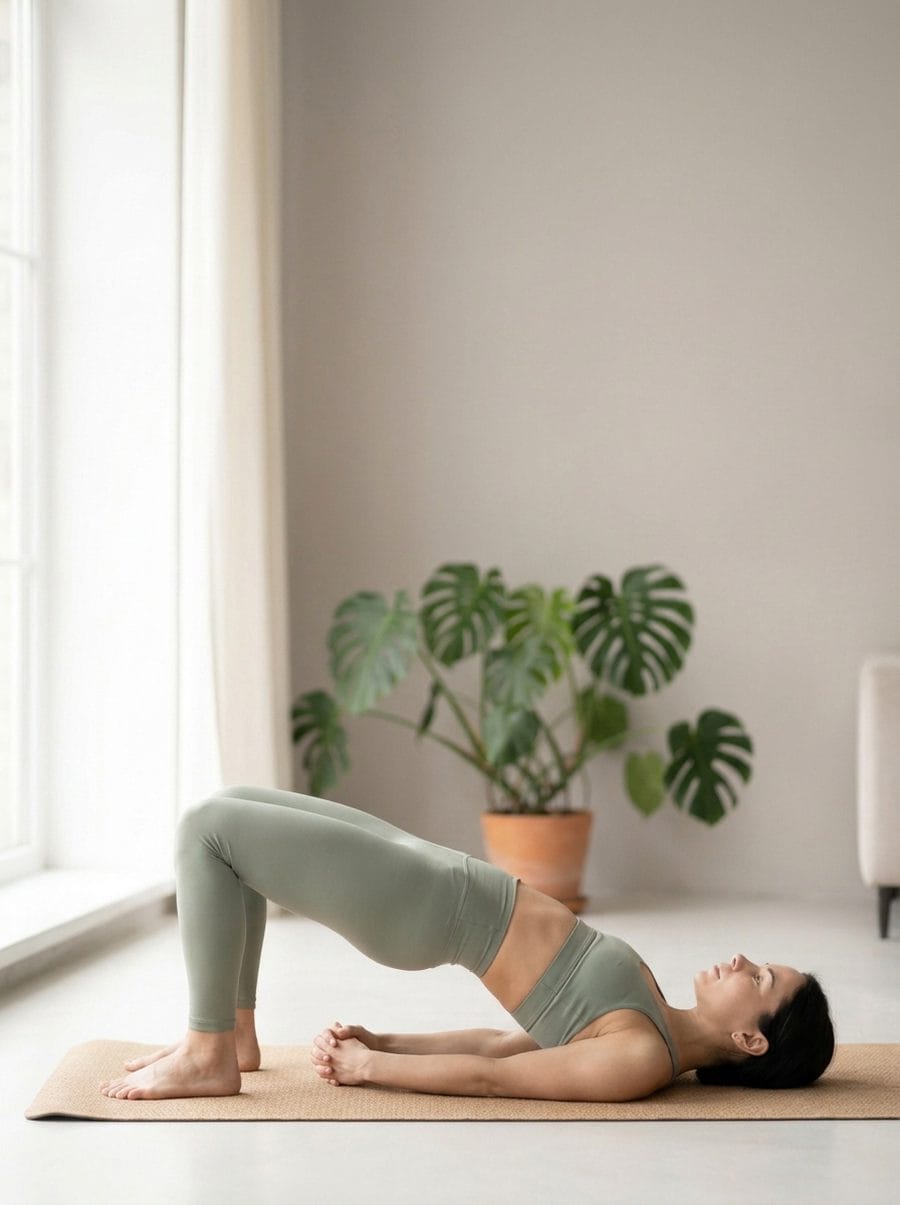
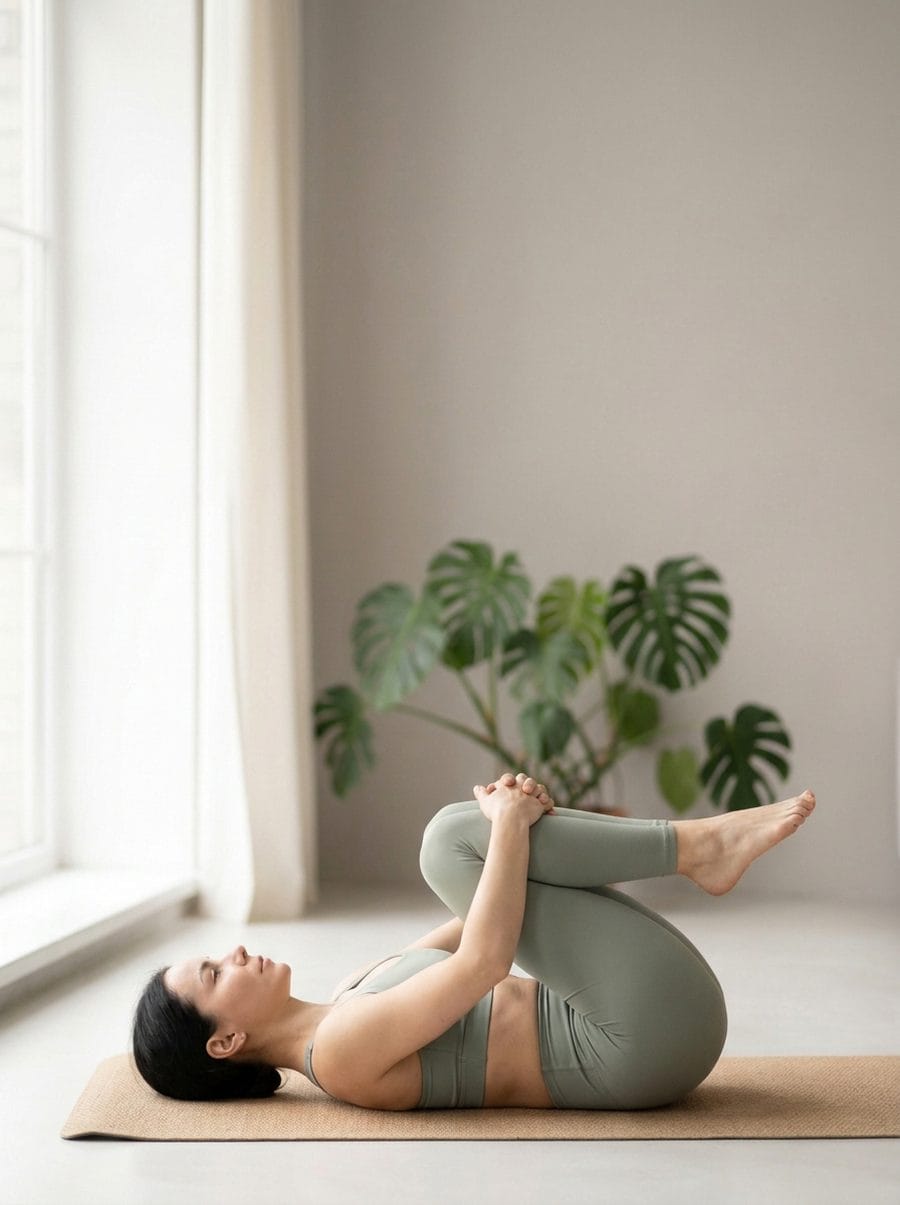
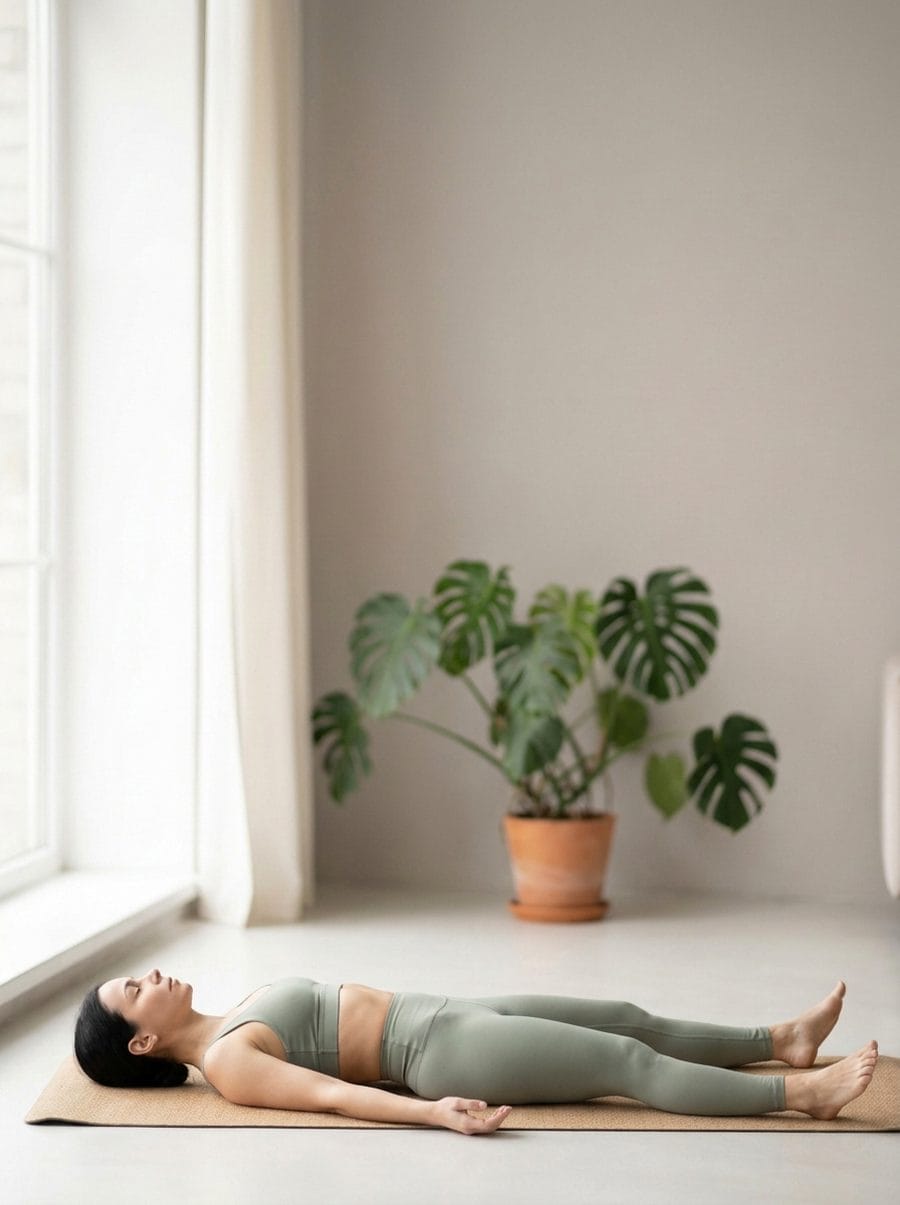
Bridge closes the strength part, Knees-to-Chest Pose gently rounds the spine, and five minutes of Savasana give your muscles time to recover.
Cautions
- Knee injuries (Chair Pose, Warrior I, Warrior II, Child's Pose)
- Flare-up of lower back problems (Chair Pose)
- High blood pressure — you can keep your hands on your hips (Warrior I)
- High blood pressure (Warrior III, Locust Pose)
- Balance problems — use a support (Warrior III)
- Wrist injuries — practice on your forearms (Plank Pose)
- Diastasis recti (Plank Pose, Boat Pose)
- Wrist and shoulder injuries (Side Plank)
- Lumbar disc herniation (Boat Pose, Locust Pose)
- Pregnancy (Boat Pose, Locust Pose, Bow Pose)
- Spinal disc herniation (Bow Pose)
- Hypertension (Bow Pose)
- Flare-ups of digestive disorders (Bow Pose)
- Pregnancy — widen your knees (Child's Pose)
- Neck injuries (Bridge Pose)
- Flare-up of lower back pain (Bridge Pose)
- Pregnancy from the second trimester onward — take your knees wider than your belly or skip the pose (Knees-to-Chest Pose)
This site is for general information and is not medical advice. If you have pain, an injury, a chronic condition, or are pregnant, check with a qualified professional before practicing.