 Hatha Yoga
Arm balances step by step: Path to Crow
From Plank to the Crows and Scale Pose
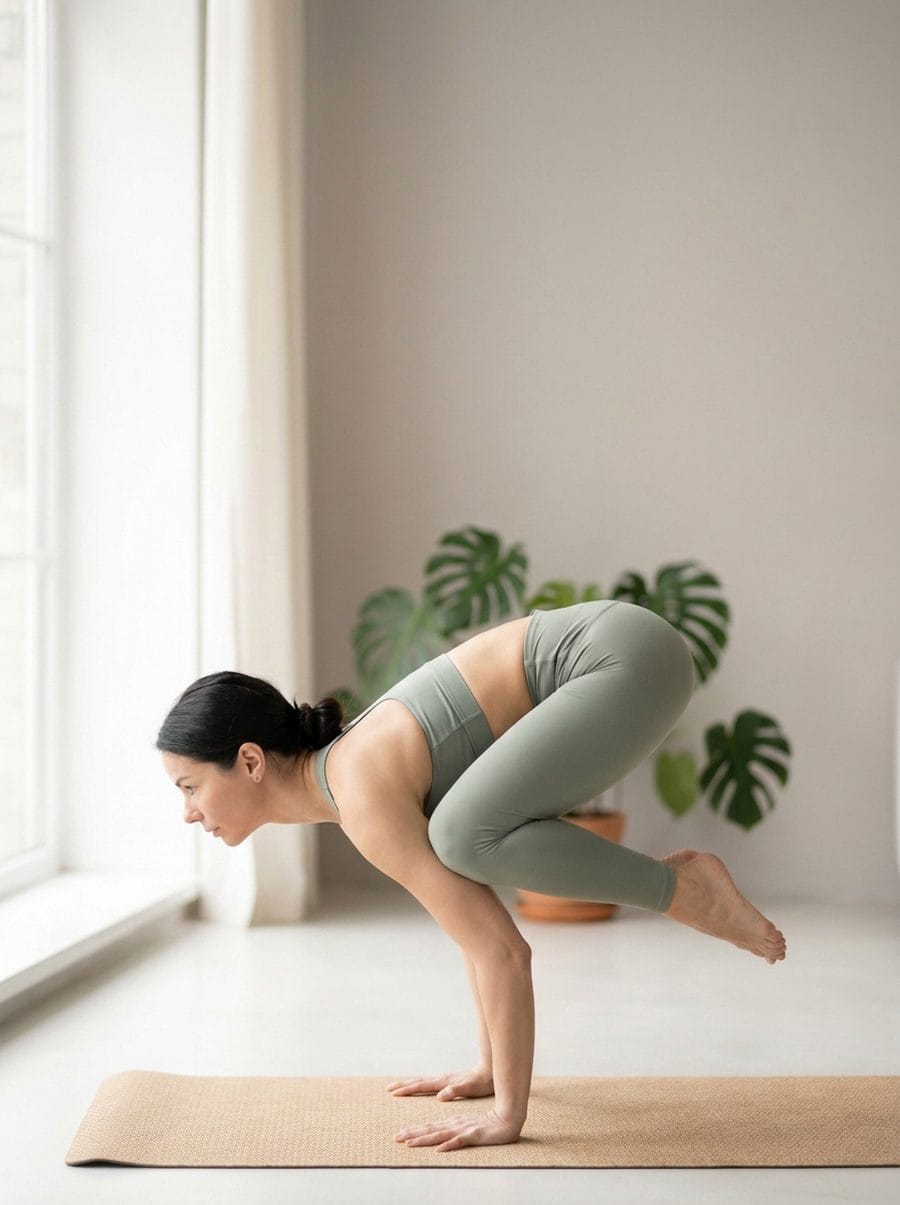
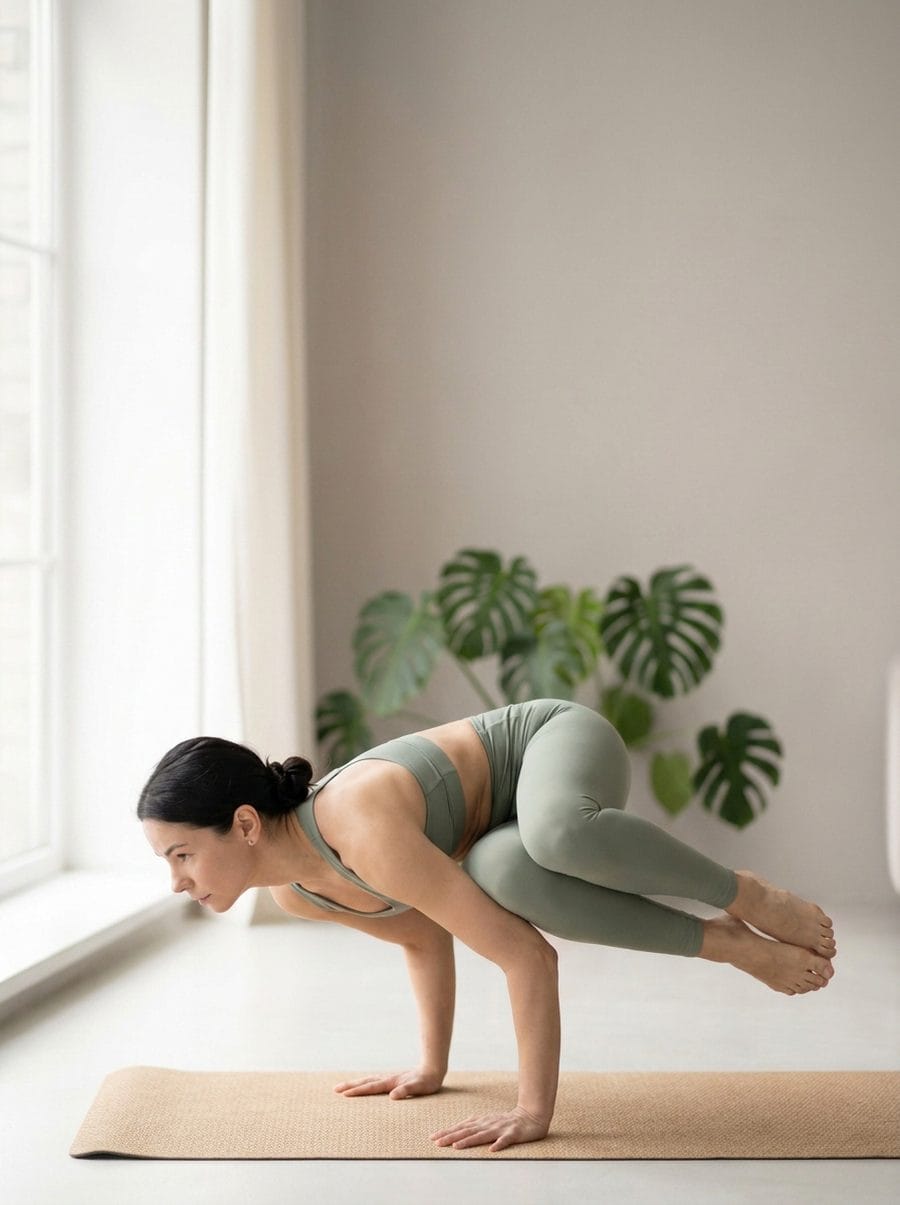
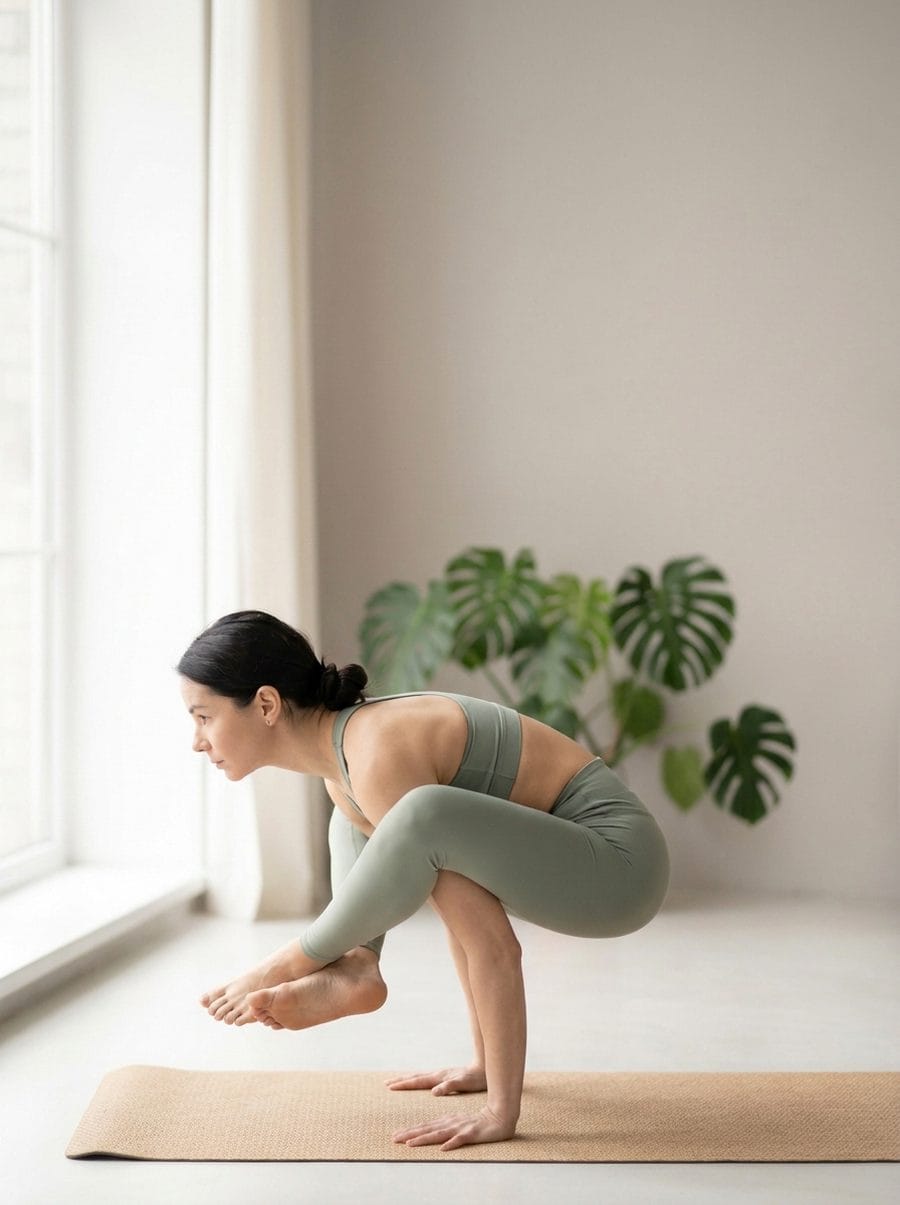
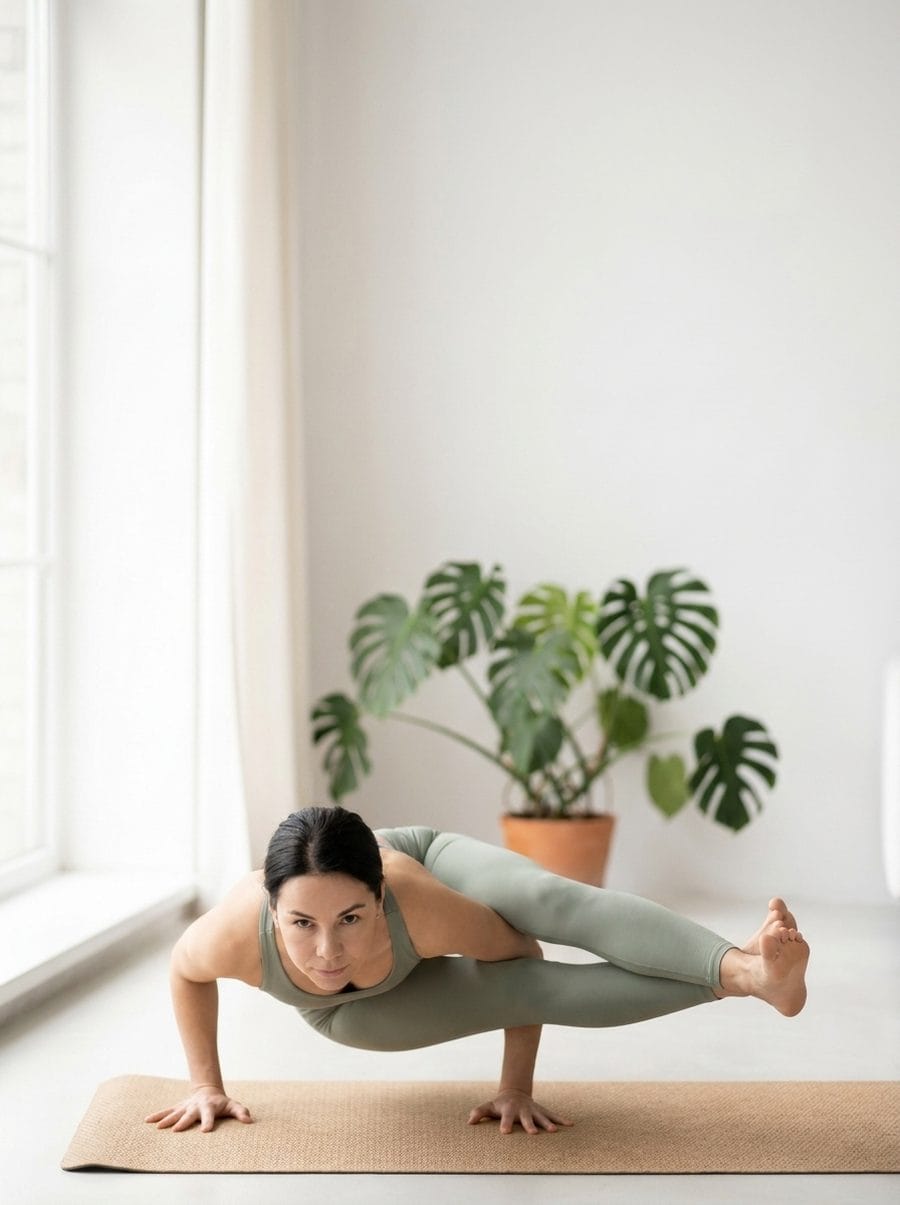
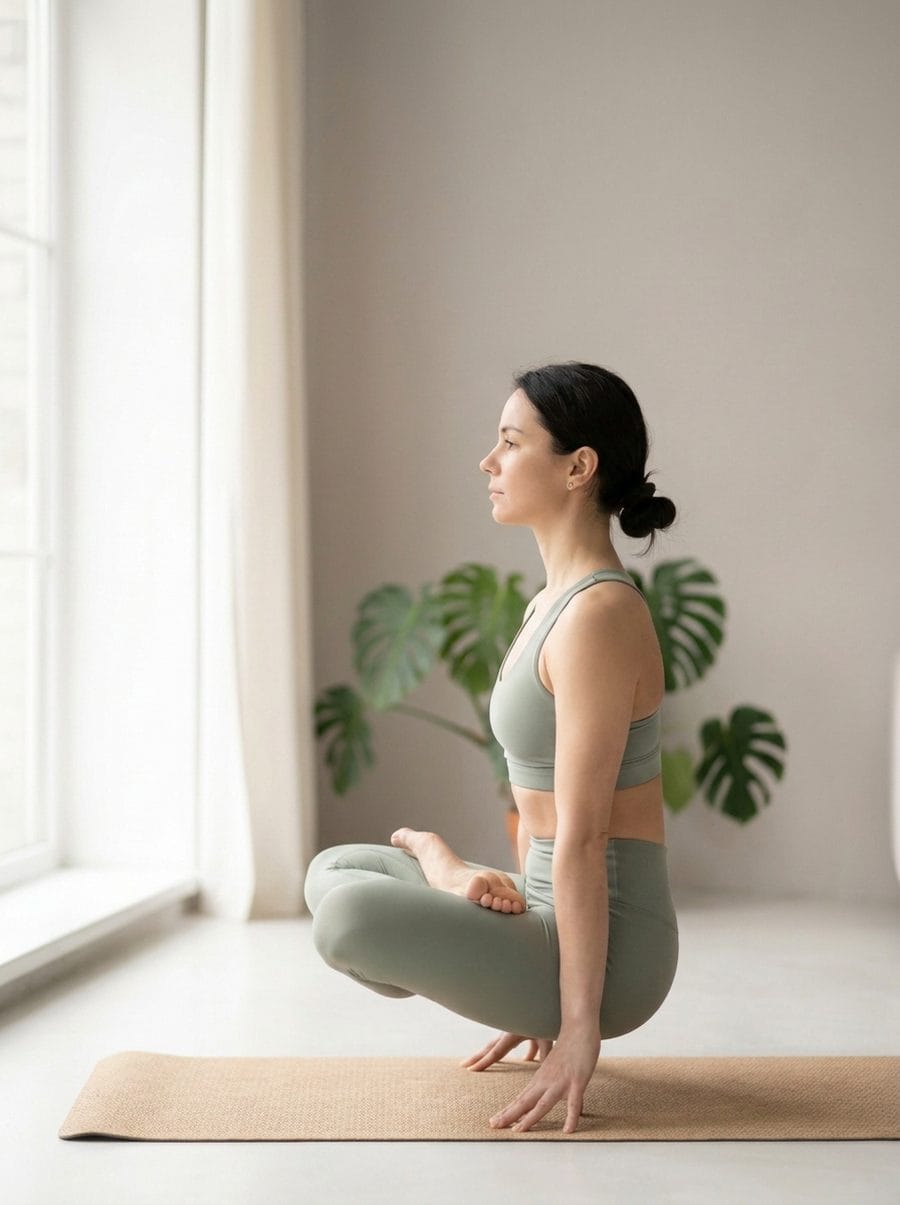
An advanced program: three rounds of Sun Salutation and 12 poses in 20 minutes, with arm balances at its center. These are Crow Pose, which some teachers call Crane, Side Crow, Shoulder-Pressing Pose, Eight-Angle Pose and Scale Pose. All of them hold your body up on your hands, so the sequence isn't suitable with wrist injuries, and with shoulder or elbow injuries drop some of the poses.
Side Crow is also contraindicated with spinal disc herniations. Falling on your first attempts is normal: practice on a soft floor and take your time.
Sun Salutation × 3
Why this order
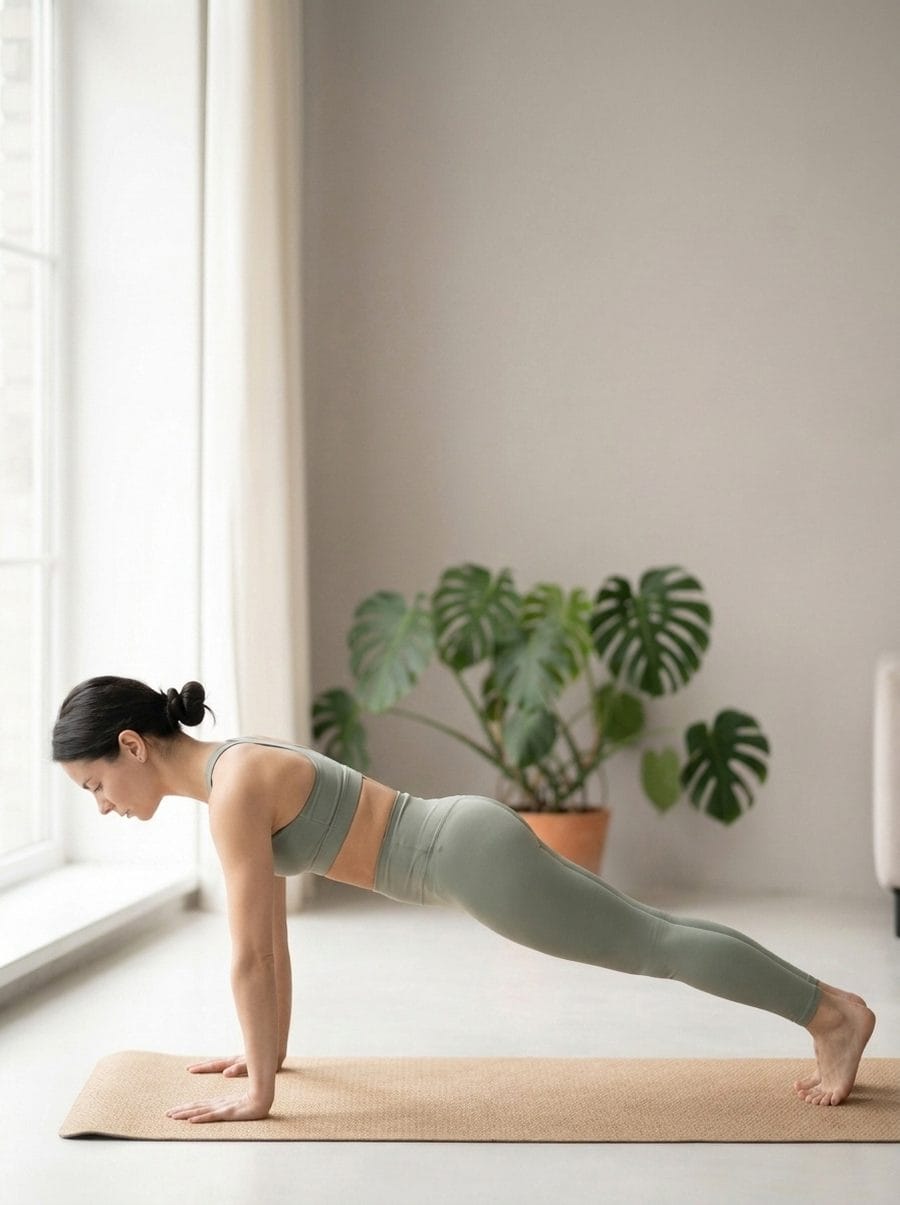
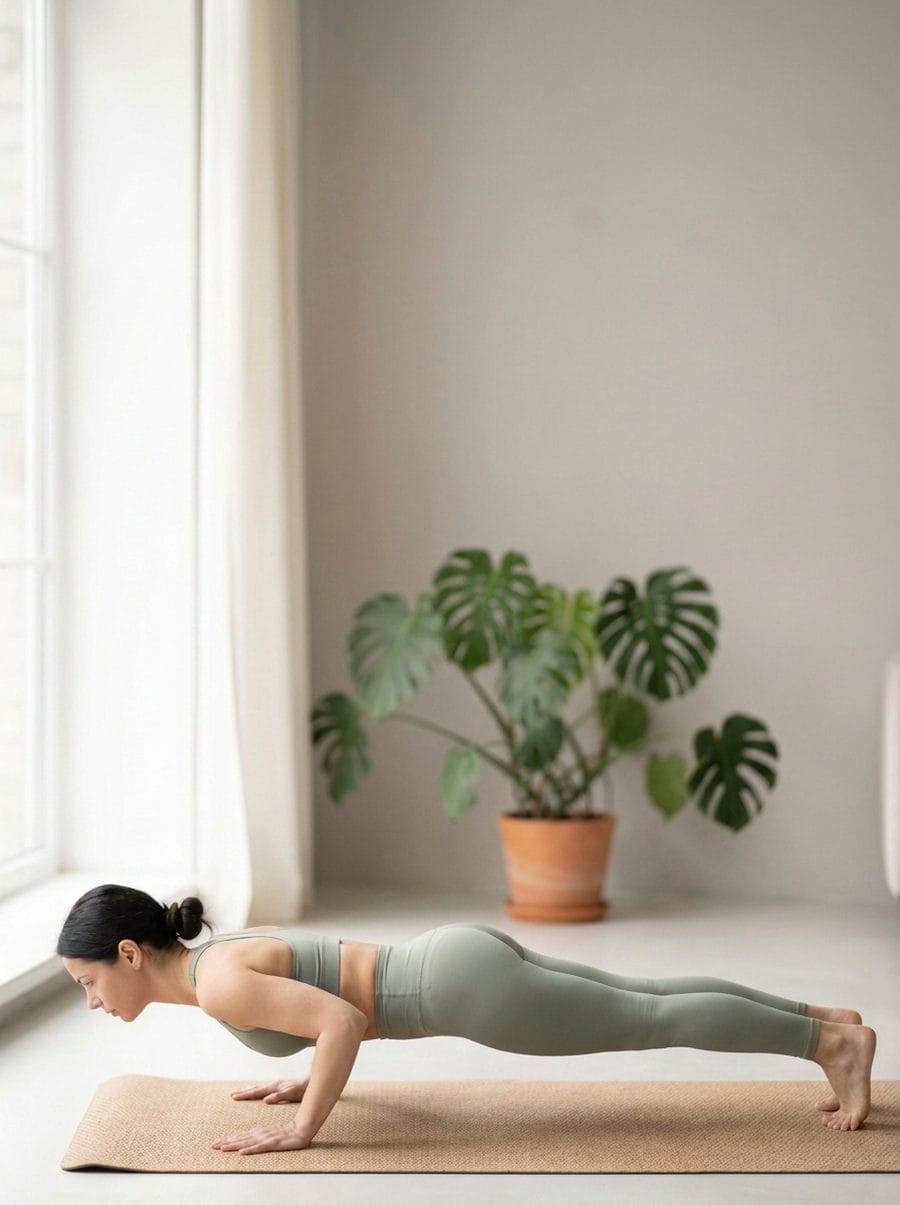
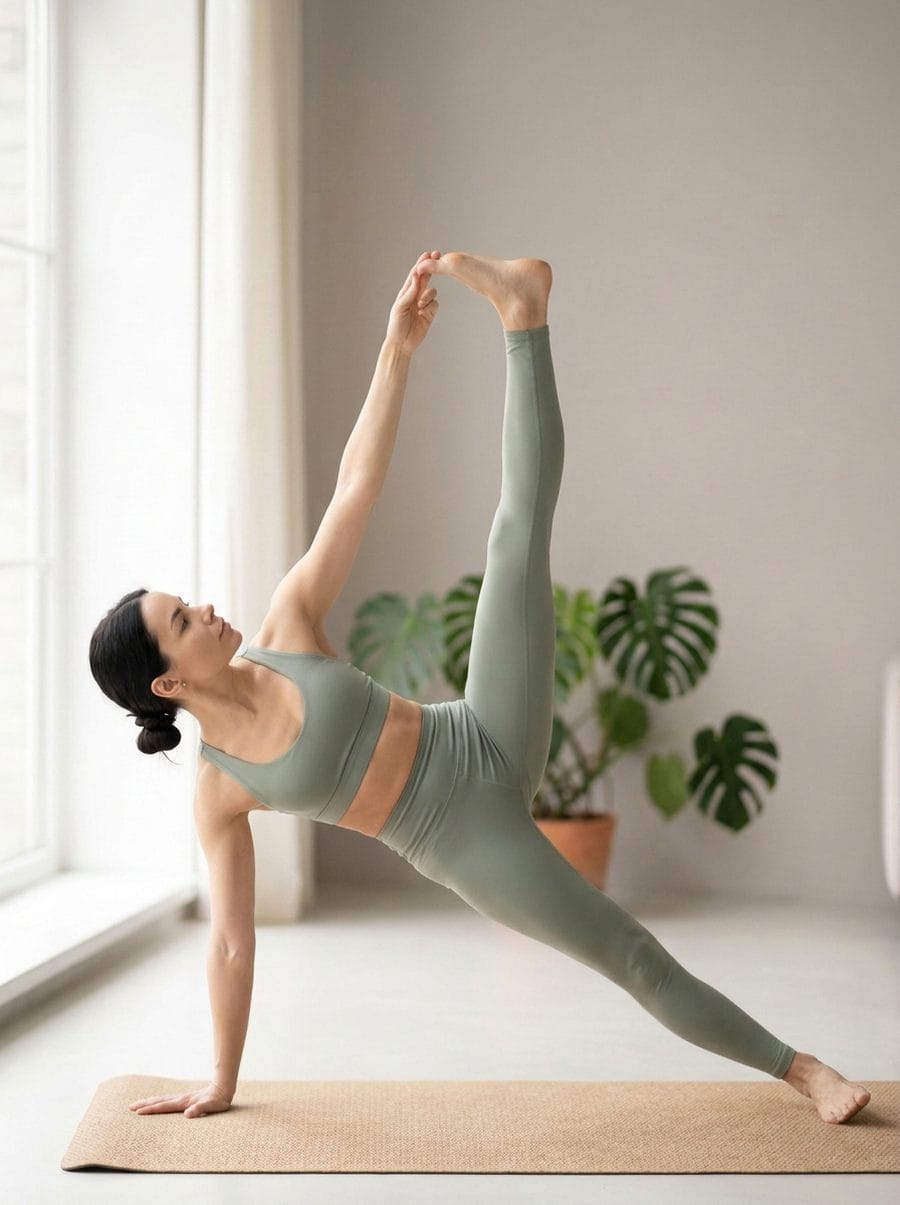
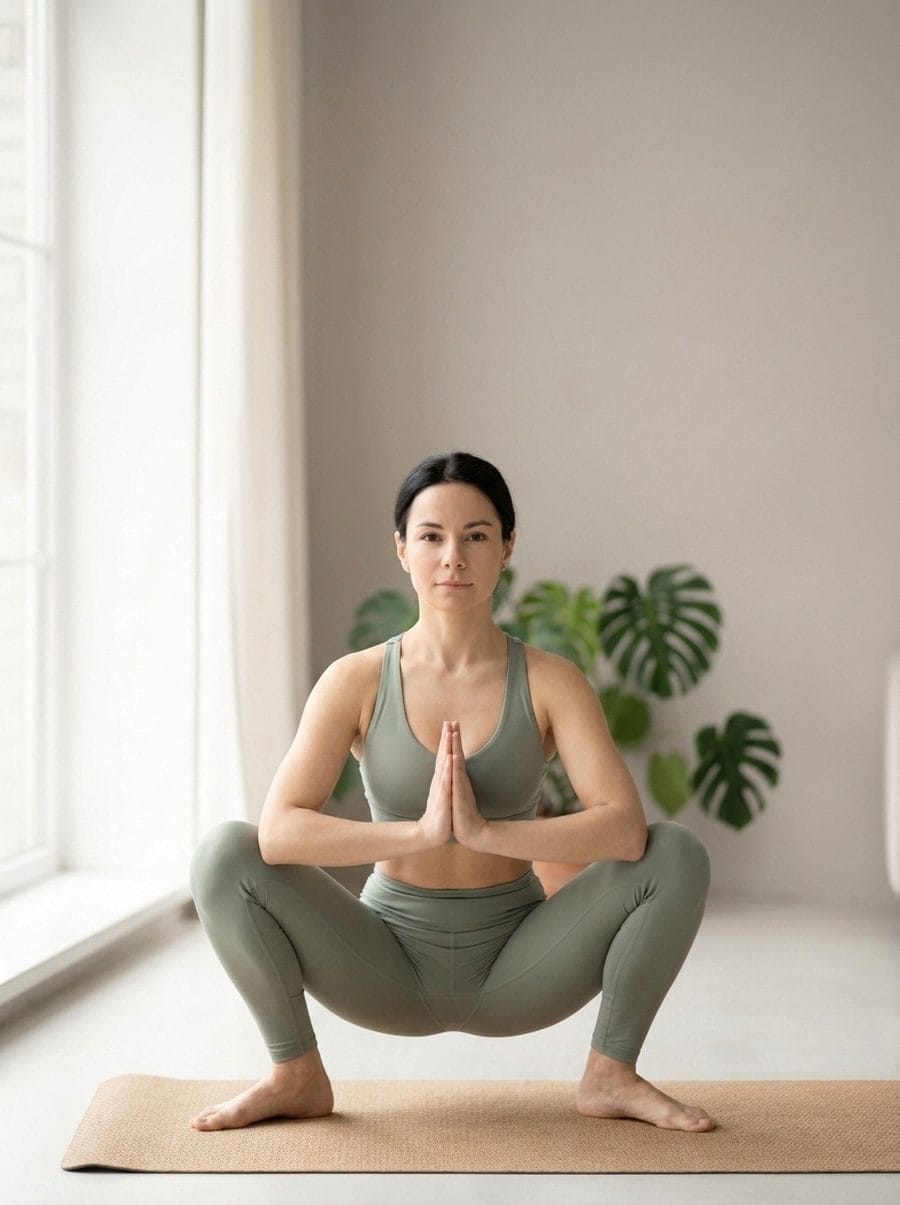
Sun Salutation and three arm-support poses warm your wrists and shoulder girdle. Plank holds your torso in one line, Chaturanga loads your bent arms the way the balances will later, and Side Plank shifts your weight onto one arm. The deep squat of Garland Pose sets the shape from which you enter Crow.
From there the challenge grows: Side Crow adds a twist, in Shoulder-Pressing Pose your thighs rest on your shoulders, and in Eight-Angle Pose your legs hook around one arm and extend to the side. Scale lifts your crossed legs and hips off the floor.
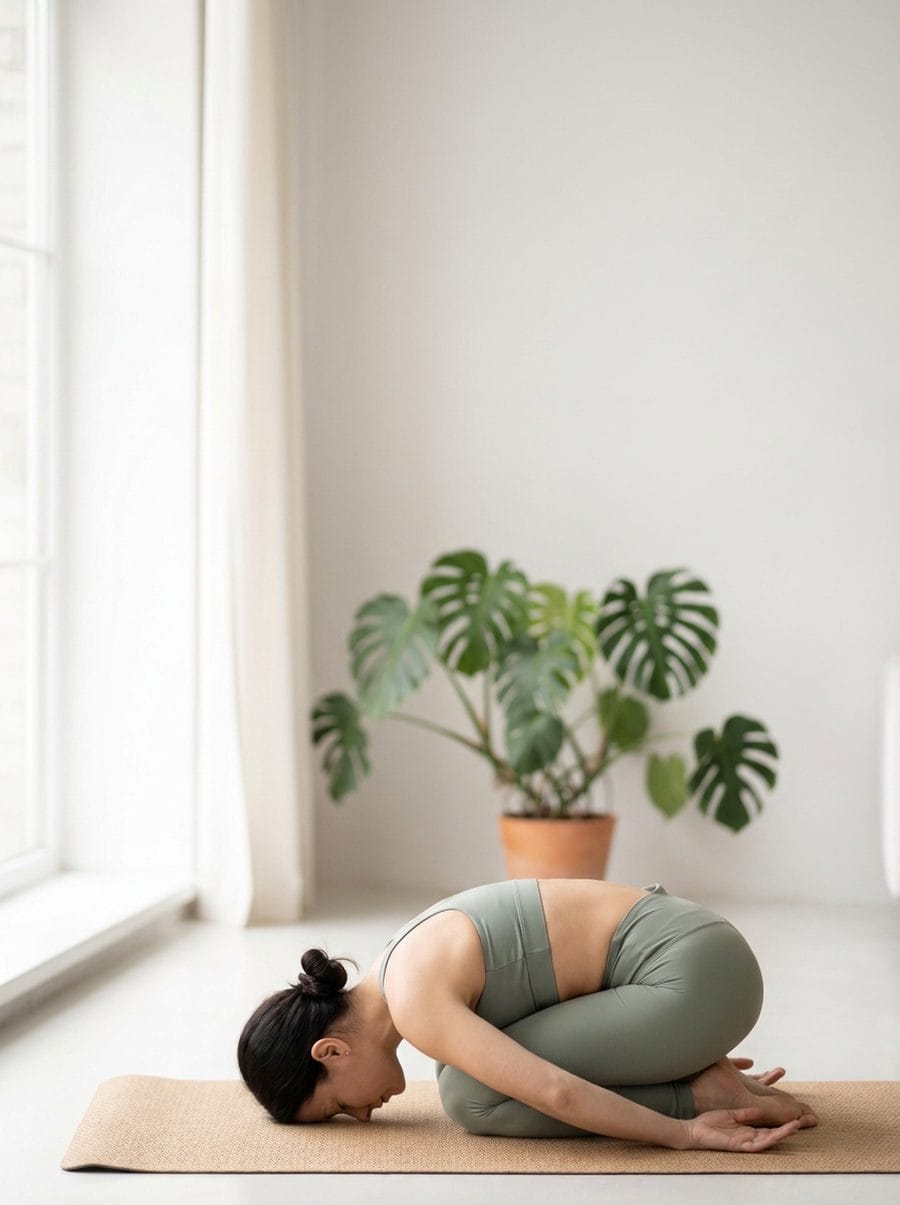
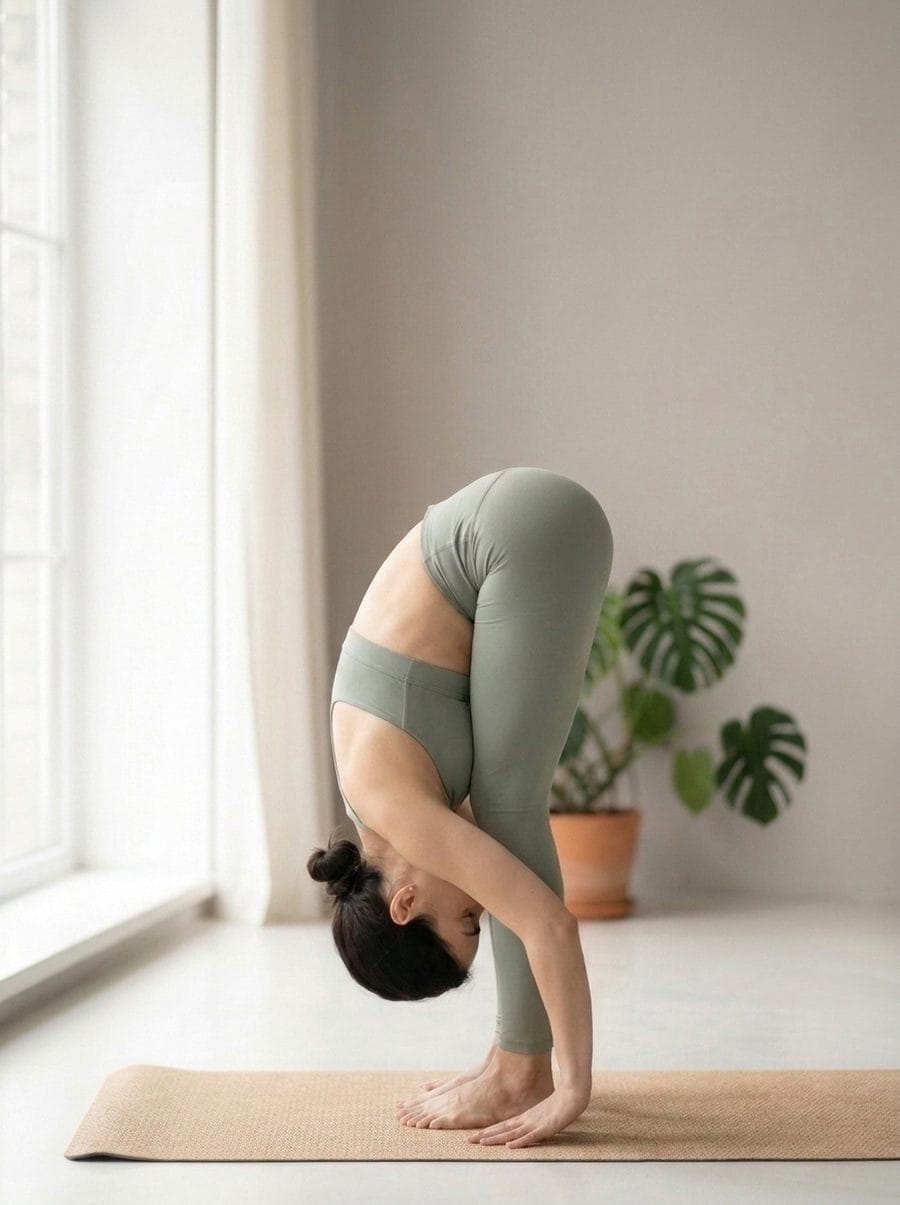
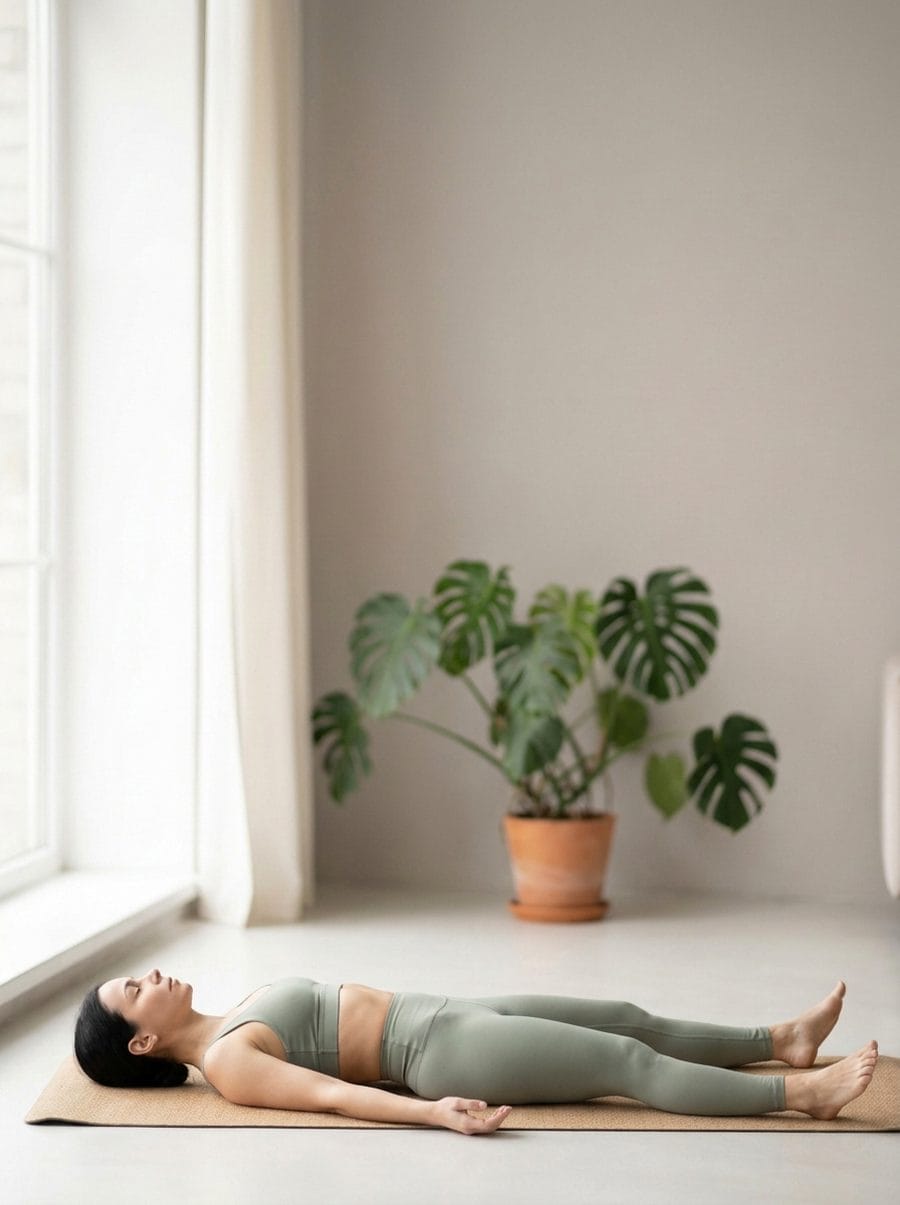
Child's Pose and Standing Forward Fold unload your wrists and back before Savasana.
Cautions
- Wrist injuries — practice on your forearms (Plank Pose)
- Diastasis recti (Plank Pose)
- Wrist and shoulder injuries (Four-Limbed Staff Pose, Side Plank, Eight-Angle Pose)
- Beginners — keep your knees on the floor (Four-Limbed Staff Pose)
- Knee injuries (Garland Pose, Child's Pose)
- If your heels don't reach the floor, place a blanket under them (Garland Pose)
- Wrist injuries (Crow Pose, Side Crow Pose, Scale Pose)
- Fear of falling — a cushion in front of you helps (Crow Pose)
- Spinal disc herniation (Side Crow Pose)
- Wrist, shoulder, and elbow injuries (Shoulder-Pressing Pose)
- No Lotus yet — simply cross your legs (Scale Pose)
- Pregnancy — widen your knees (Child's Pose)
- High blood pressure (Standing Forward Fold)
- Lumbar disc herniation — bend your knees (Standing Forward Fold)
This site is for general information and is not medical advice. If you have pain, an injury, a chronic condition, or are pregnant, check with a qualified professional before practicing.