 Hatha Yoga
The History of Yoga: From Ancient Texts to Modern Studios
Hatha Yoga editorial team · Updated · 6 min read
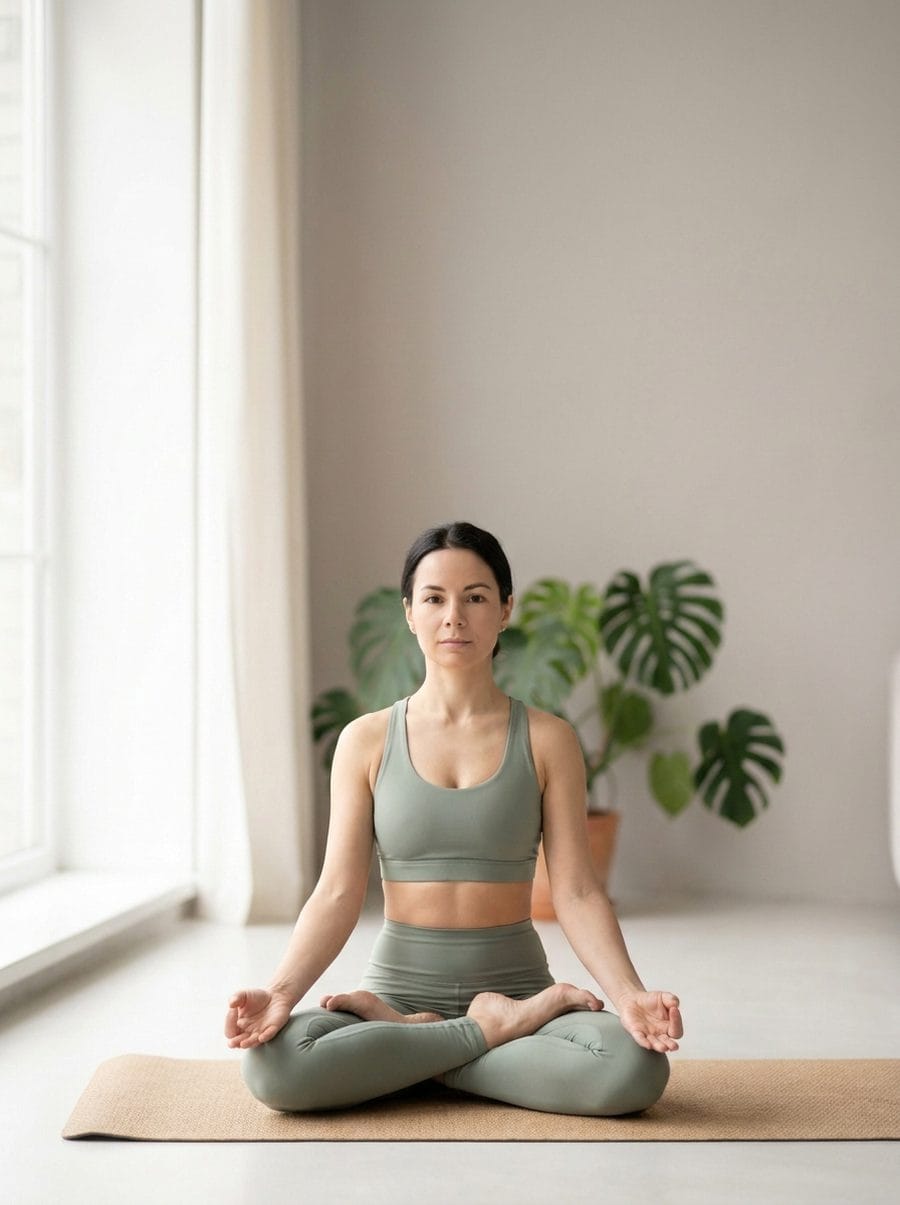
The history of yoga has no single starting date and no single founder. It's a chain of texts and teachers stretching across millennia, from Vedic hymns to a morning session on your phone. This short timeline walks through the key stages: what the ancient sources say, when postures entered the picture, how yoga reached the West, and why modern practice looks so different from the one described in old manuscripts.
Origins: the Vedas, the Upanishads and the word "yoga"
The word "yoga" comes from the Sanskrit root yuj, meaning to yoke or to join. In early Vedic hymns it has more to do with harnessing animals than with exercise. The Rigveda, the oldest of the four Vedas, took shape in the second millennium BCE.
Vedic texts already speak of tapas, ascetic effort, and of focused prayer, but they contain no system of postures.
Some people date the start of yoga to a seal from Mohenjo-daro showing a figure seated with crossed legs. Historians disagree: the Indus Valley script has never been deciphered, so any link between that image and yoga remains a hypothesis.
Clear descriptions arrive with the Upanishads, philosophical texts from a later period. The Katha Upanishad defines yoga as the firm holding of the senses. The Shvetashvatara Upanishad advises sitting with the chest, neck and head held upright and restraining the breath. That already sounds a lot like meditation and pranayama.
The Bhagavad Gita: yoga in everyday life
The Bhagavad Gita is part of the epic Mahabharata and is usually dated to the last centuries BCE or the first centuries CE. Across 18 chapters and roughly 700 verses, Krishna explains to the warrior Arjuna how to act rightly.
Here yoga is no longer only solitary meditation; it becomes an attitude toward your work: karma yoga, the path of action without attachment to results, bhakti yoga, the path of devotion, and jnana yoga, the path of knowledge. More in The Bhagavad Gita and Yoga.
Patanjali's Yoga Sutras: the classical system
The Yoga Sutras turned yoga into a coherent system. The text consists of about 195 short aphorisms in four chapters. Its date is debated, with scholars proposing anything from the last centuries BCE to the 4th or 5th century CE.
Right in the second aphorism, yoga is defined as the stilling of the fluctuations of the mind.
Patanjali laid out the eight limbs of yoga, from ethical guidelines to complete absorption. Posture gets very little space, and the only requirement is that it be steady and comfortable. The sutras themselves don't name a single specific pose. For a closer look at the book, read The Yoga Sutras of Patanjali.
Hatha yoga: the body as a tool
The next big step came with hatha yoga, which is linked to the Nath tradition and to the names of Matsyendranath and Gorakshanath. Its main texts appeared in the second millennium CE: Svatmarama's Hatha Yoga Pradipika (15th century), the Gheranda Samhita and the Shiva Samhita.
They describe postures, breath control, bandhas, mudras and the cleansing practices now called shatkarmas in detail.
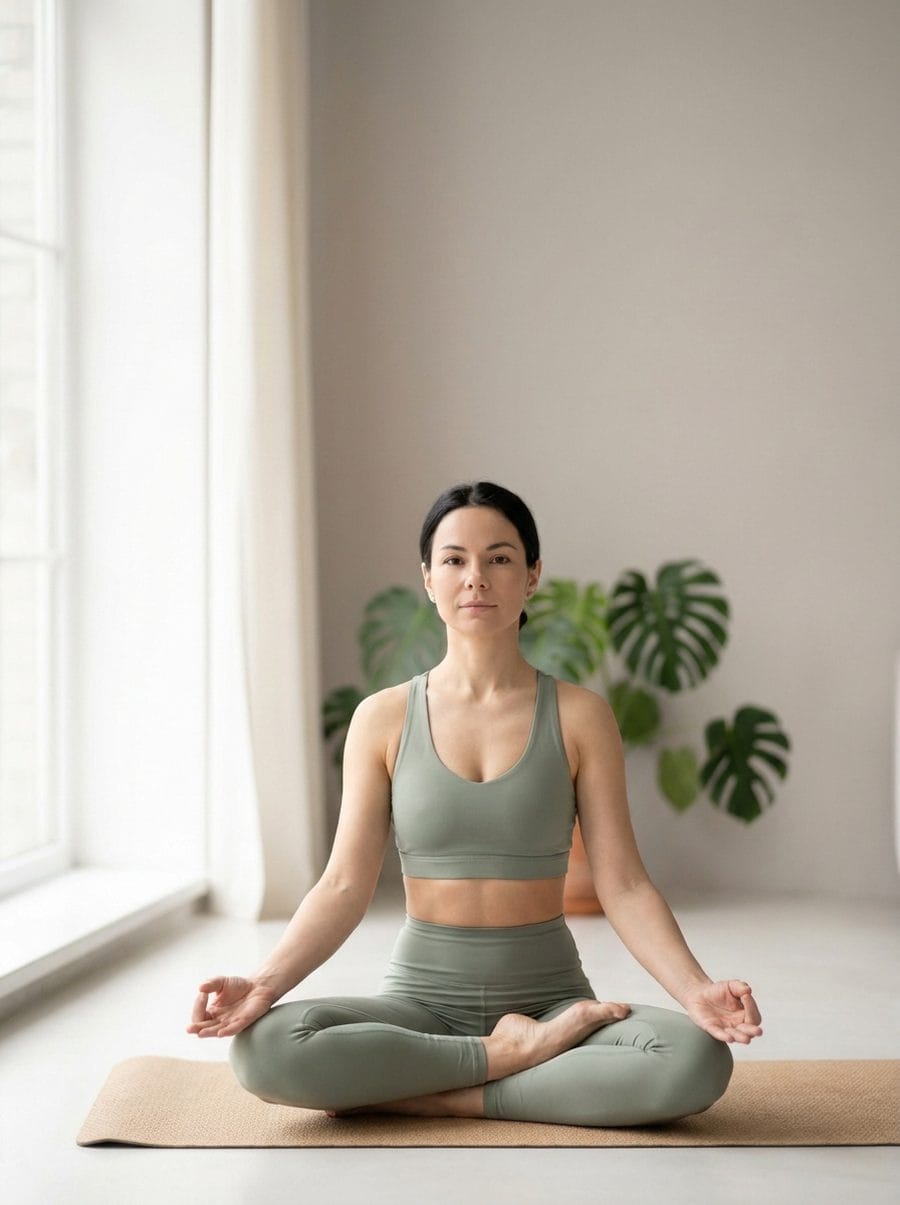
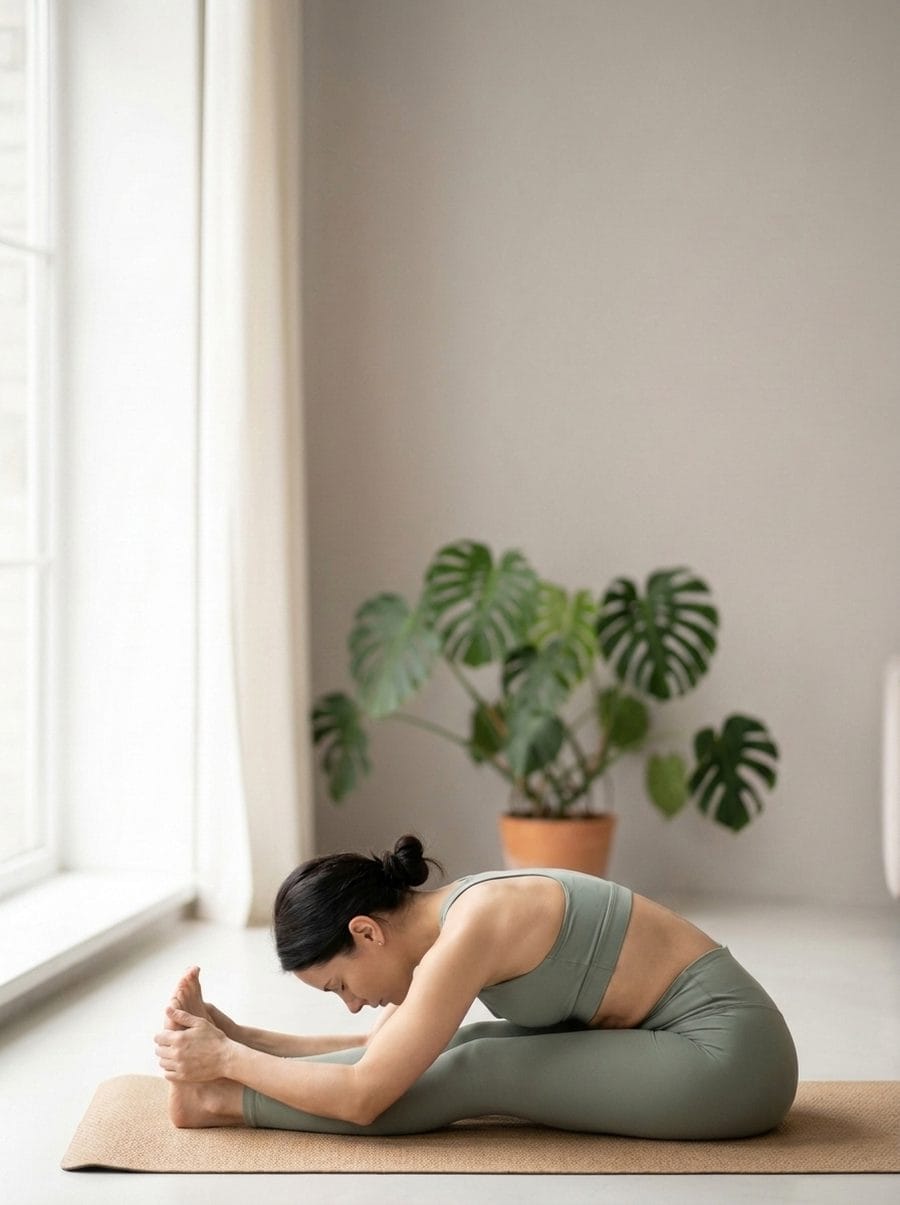
The Pradipika lists about fifteen asanas, most of them seated. It ranks Accomplished Pose above all others, with Lotus Pose close behind, and it also includes a seated forward fold and Savasana. The Gheranda Samhita names 32 poses. The goal hadn't changed: preparing the body for long, still meditation. More on the practice itself in What Is Hatha Yoga.

The 20th century: yoga travels West
In 1893 Swami Vivekananda spoke at the World's Parliament of Religions in Chicago, and in 1896 he published Raja Yoga, a book on the Yoga Sutras. Western interest at the time was philosophical; postures barely came up.
The turn toward the body is tied to Tirumalai Krishnamacharya, who taught in Mysore in the 1930s. His students carried the practice around the world. B.K.S. Iyengar focused on precise alignment and published Light on Yoga in 1966 (see Iyengar Yoga).
K. Pattabhi Jois developed the dynamic style known as Ashtanga Yoga. Indra Devi, born Eugenie Peterson in Riga, opened a studio in Hollywood in the late 1940s.
Historians such as Mark Singleton, in Yoga Body (2010), show that modern posture practice largely took shape in the 20th century, when Indian teachers blended the hatha heritage with the gymnastics and physical culture of their day. That's how posture sequences, breath-linked flows and the Sun Salutation as a warm-up came about.
Yoga today: studios, apps and International Yoga Day
In 2014 the UN General Assembly declared June 21 the International Day of Yoga, first celebrated in 2015. In 2016 UNESCO added yoga to its list of the Intangible Cultural Heritage of Humanity. According to the U.S. agency NCCIH, the share of American adults who practice yoga grew from 5% in 2002 to 15.8% in 2022. Dozens of styles have emerged; see Types of Yoga.
The classical logic of hatha yoga still shapes modern sessions. In the app, the Classic Full Practice routine is built on it: it opens with joint warm-ups and six Sun Salutations, moves through standing work and balances, seated folds plus a twist, then backbends, upside-down poses and five minutes of Savasana. It runs 50 minutes at an intermediate level.
For a first session, the 15-minute First Practice routine is a better fit. To see what research says yoga can do for you, read Benefits of Yoga.
Safety
Classic seated poses call for mobile knees and hips. With injured knees, Lotus Pose is off the table, and even with healthy ones never force it: knees don't forgive haste. In Accomplished Pose with injured knees, raise your pelvis on a cushion or block.
A herniated disc in the low back means no Seated Forward Fold; if your back is hurting more than usual, keep your knees bent in it. Classic Full Practice includes Shoulder Stand and Plow Pose, and these are not done with neck injuries, high blood pressure or glaucoma, during your period, or in pregnancy. See Safety and Contraindications for the general rules.
Pose cautions in this article
- Knee injuries — use a prop under your hips (Accomplished Pose)
- Knee injuries (Lotus Pose)
- Don't force it — knees don't forgive rushing into Lotus (Lotus Pose)
- Lumbar disc herniation (Seated Forward Fold)
- Flare-up of back pain — bend your knees (Seated Forward Fold)
This site is for general information and is not medical advice. If you have pain, an injury, a chronic condition, or are pregnant, check with a qualified professional before practicing.
Questions
Who invented yoga? Yoga has no single inventor. Its ideas developed over centuries in Vedic texts and the Upanishads. Patanjali didn't create yoga but systematized it, and hatha yoga was shaped by teachers of the Nath tradition.
How old is yoga? There's no exact date. Vedic texts are more than three thousand years old, clear descriptions of practice appear in the Upanishads, and the Yoga Sutras are dated anywhere up to the 4th or 5th century CE.
How is modern yoga different from ancient yoga? Ancient texts emphasize meditation and breathing, with postures serving as preparation for sitting. Long sequences of poses and dynamic flows mostly took shape in the 20th century.
When is International Day of Yoga? June 21. The UN General Assembly proclaimed it in 2014, and it was first celebrated in 2015.
Sources
- Primary texts: the Katha and Shvetashvatara Upanishads, the Bhagavad Gita, Patanjali's Yoga Sutras, Svatmarama's Hatha Yoga Pradipika, the Gheranda Samhita.
- NCCIH. Yoga: Effectiveness and Safety. Data on how many U.S. adults practice yoga.
- Pose technique and cautions, and routine contents: the Hatha Yoga app. How we check our texts is explained on the How We Prepare Our Content page.
Read next
- Yoga for Arthritis and Osteoporosis: How to Protect Your Joints and Bones7 min read
- Ashtanga Yoga Explained: The Series, the Breath and the Difference from Hatha6 min read
- Ayurveda Explained Simply: The Basics and a Daily Routine (Dinacharya)5 min read
- Balance Exercises: 10 Yoga Poses for Balance and Stability7 min read