 Hatha Yoga
Lotus Pose
Padmāsana

Lotus Pose, or Padmasana, is the classic seat for meditation and breathing practice: each foot rests on the opposite thigh, soles facing up. Lotus asks for free outward rotation at the hip, so the app rates it intermediate and gives it a dedicated sequence, Path to Lotus.
You get there step by step, through Half Lotus and hip opening.
How to do it
- EnterFrom Half Lotus, carefully place your other foot on the opposite thigh. Both soles face up, knees on the floor.
- HoldSpine long, hands on your knees palms up or in a mudra. Weight evenly on your sit bones. At the slightest knee pain, return to Half Lotus.
- ExitCarefully lift off the top foot with your hands, then the other one. Extend your legs and shake them out.
More detail
The mobility for Lotus has to come from the hip joint, not the knee. Before you try it, warm up your hips, for example with Butterfly Pose and Pigeon Pose prep. Sit in Half Lotus with your foot as close to your groin as possible, and move into full Lotus only if the second foot settles onto your thigh without effort.
Switch which leg goes on top from one session to the next.
Benefits
The classic yoga seat: steady and still for long periods.
Lotus gives you a stable base for sitting: knees on the floor, weight on your sit bones, and a spine that stays upright with little effort. That makes it a comfortable position for pranayama and meditation, as long as your joints are ready for it.
Cautions
- Knee injuries
- Don't force it — knees don't forgive rushing into Lotus
This site is for general information and is not medical advice. If you have pain, an injury, a chronic condition, or are pregnant, check with a qualified professional before practicing.
Common mistakes
- Pulling your foot into place with your hands while your knee hurts. Your knee should stay pain-free.
- Sitting in Lotus without warming up your hips.
- Slumping backward. Put a cushion under your pelvis so your knees drop lower than your hips.
- Always putting the same leg on top.
Modifications & variations

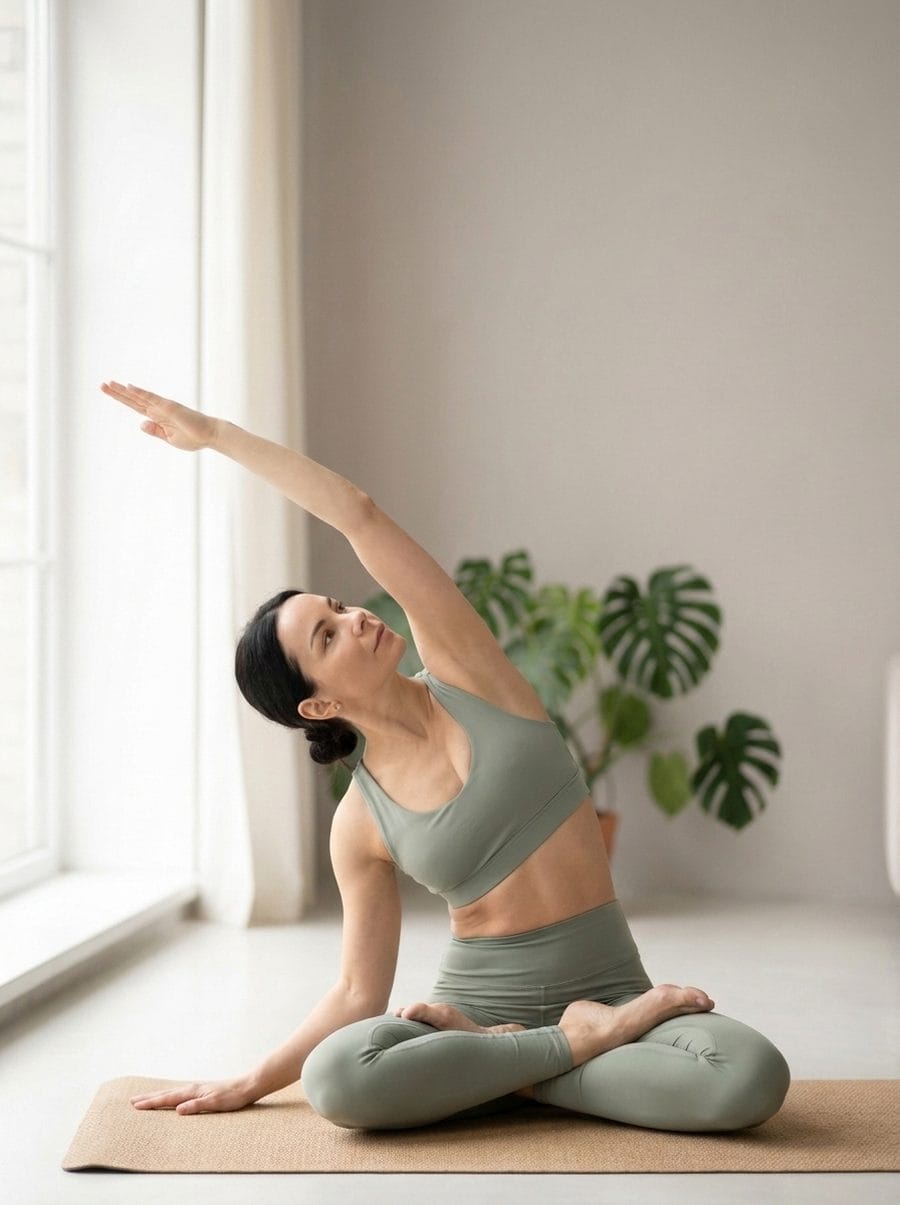
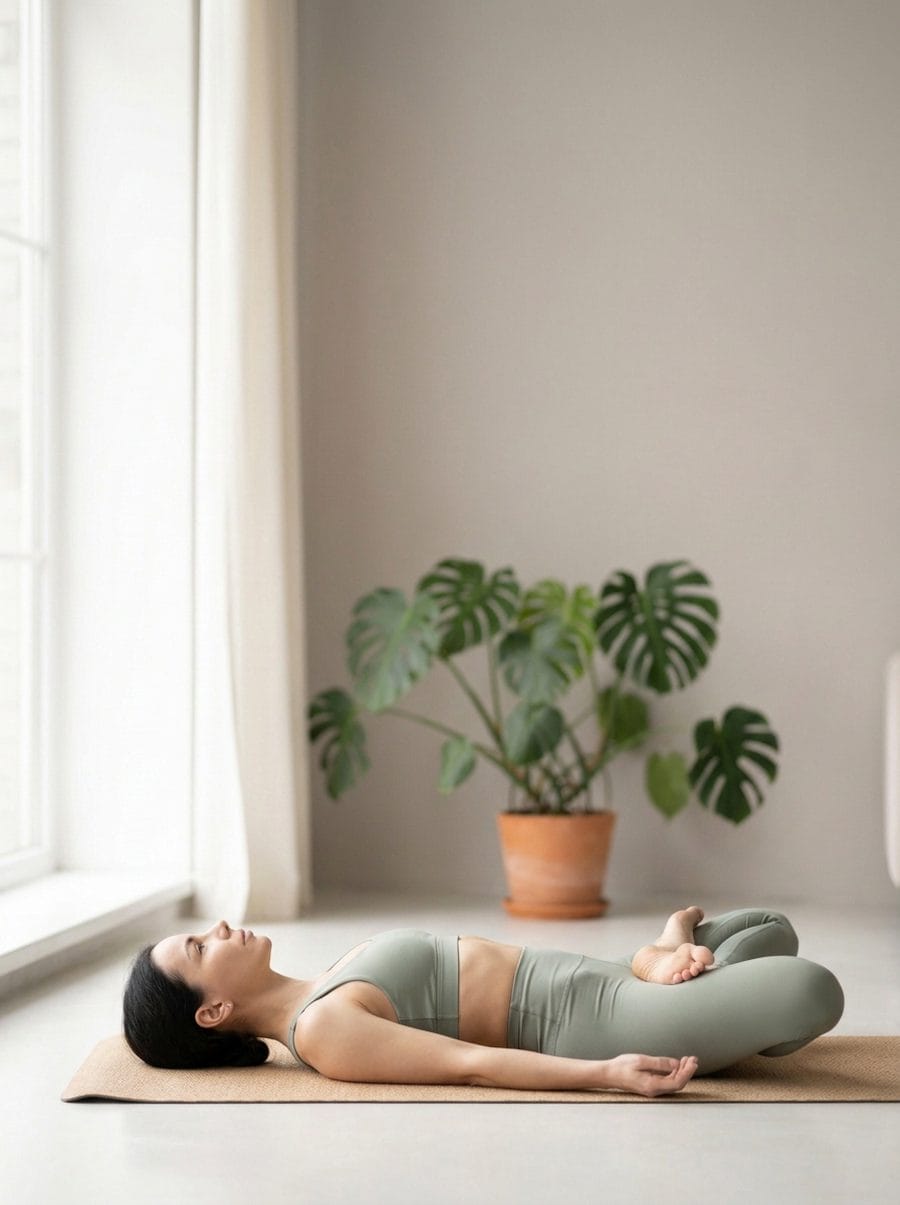
Where it appears
- Path to Lotus 30 min · Advanced · voice-guided in the app subscription
Similar poses
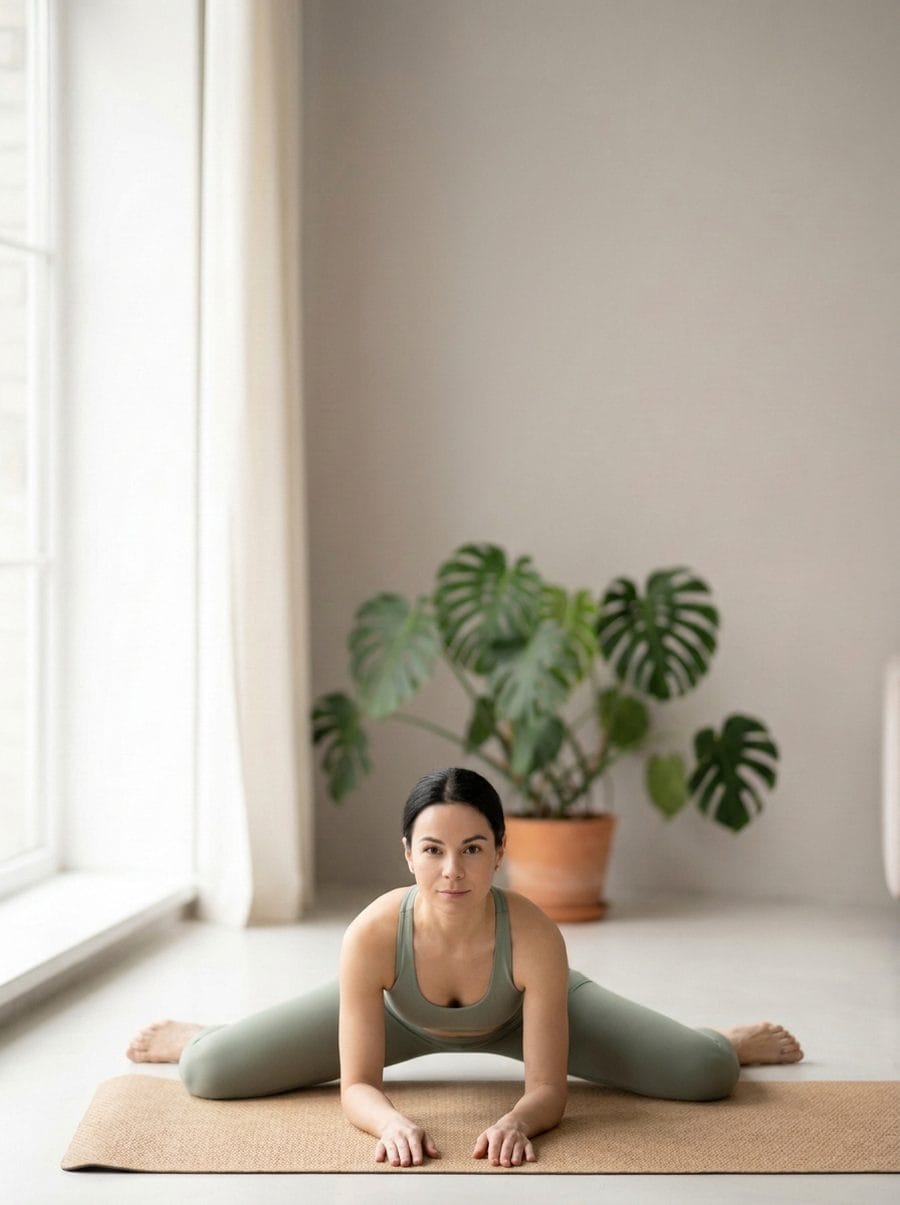
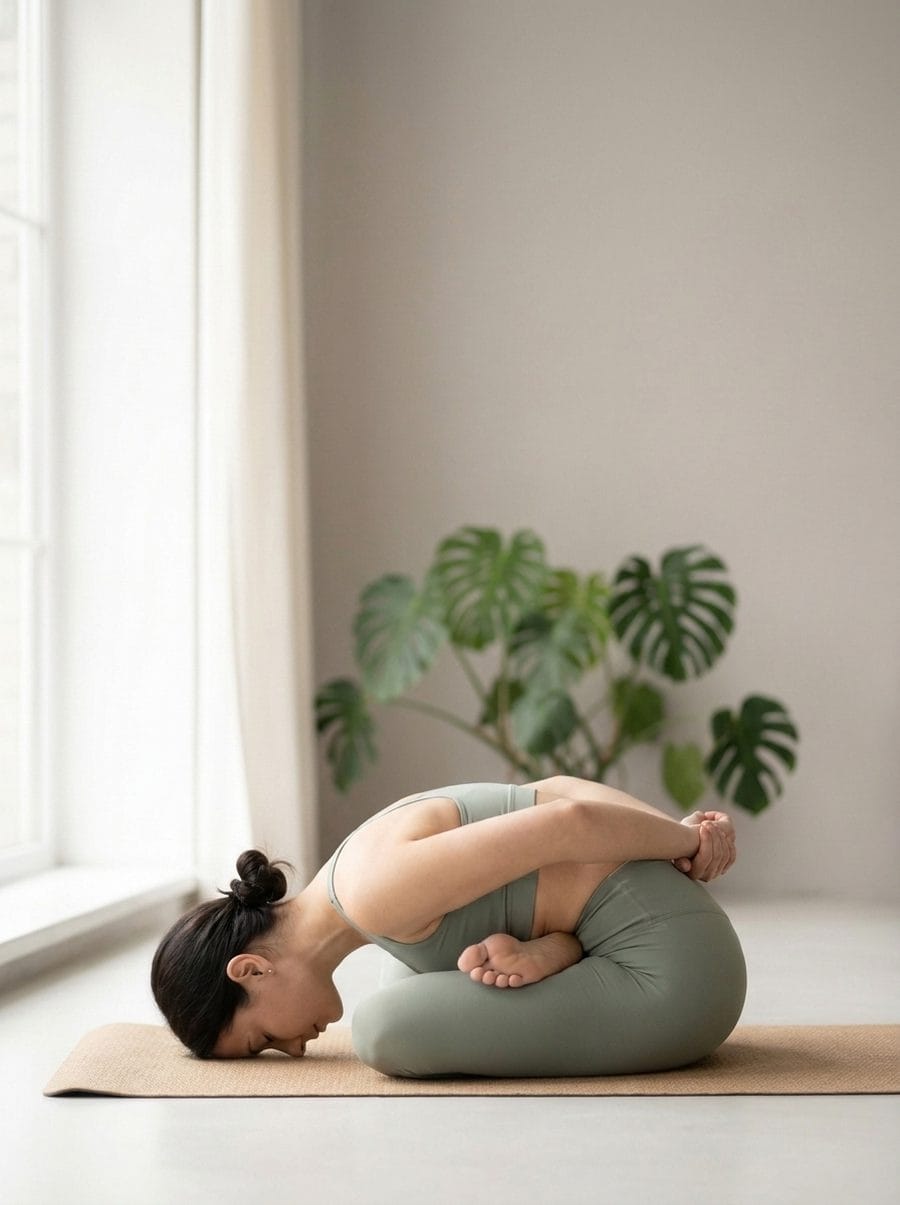
Questions
Is Lotus Pose bad for your knees? With a knee injury, Lotus is contraindicated. Without one, the risk comes from forcing your foot into place: when the hip doesn't have enough range, the knee takes the load. That's why any knee pain means coming out of the pose.
What if my knees don't come down to the floor? Sit on a cushion or folded blanket and stay with Half Lotus for as long as your knees ride high.
How long should I sit in Lotus? The app suggests about a minute. Start with short holds and come out at the first sign of discomfort.
Updated: