 Hatha Yoga
Buteyko Breathing: What It Is and How It Compares with Pranayama
Hatha Yoga editorial team · Updated · 5 min read
The Buteyko method is one of the best-known breathing approaches to come out of the former Soviet Union, and it often gets lumped together with pranayama. In fact, the two are built differently and in some ways point in opposite directions.
Here's a calm, promise-free look at how Buteyko breathing works, what scientific publications say about it, how it compares with what the Hatha Yoga app offers, and a brief note on Strelnikova breathing, another Russian method. If you're considering a breathing method because of asthma or another condition, discuss it with your doctor before starting and keep any prescribed therapy exactly as it is.
What is Buteyko breathing?
The method was developed by Soviet physician Konstantin Buteyko. It rests on the idea that many people simply breathe "too much," and that quieter, shallower breathing helps the body hold on to more carbon dioxide. The practice includes breathing only through the nose, deliberately reducing how deeply you breathe in, and holding the breath after a relaxed exhale.
One of these holds, the control pause, serves as the method's measure of progress.
British researchers stressed in a 2005 review that the method isn't standardized. The Buteyko "package" also includes advice on medication, diet, physical activity and relaxation, so it's hard to isolate what the breathing itself does. They called the carbon dioxide theory attractive and partly supported by experiments, but noted that nobody knows whether changing your breathing pattern actually raises carbon dioxide levels in a meaningful way.
Does Buteyko breathing work? What the research says
- Who it's been studied in. Mostly people with asthma, as an add-on to their usual care.
- A 2020 Cochrane review. It pooled 22 studies of various breathing exercises for adults with asthma, including yoga and the Buteyko method. Certainty of the evidence ranged from moderate to very low, according to the authors.
- A 2026 meta-analysis. Looking at 7 randomized trials of the Buteyko method specifically, it also describes the evidence as limited and calls for larger new studies.
In other words, the method can't be considered proven yet, and it doesn't replace anything your doctor has prescribed.
Buteyko vs. pranayama
- How much air. Buteyko teaches you to breathe less. Full Yogic Breath uses the belly, ribs and chest, but without effort and never to the limit.
- Where the pause goes. In Buteyko, holds come after the exhale. In the app, there's a pause after the exhale in Box Breathing, while Alternate Nostril Breathing and Cooling Breath place it after the inhale.
- Pace. Every paced pranayama in the app moves slowly: between three-to-four and six breaths per minute.
- Goal. Buteyko is built on restraining the breath, while the app's pranayama is mostly about slowing down: it calms and evens out your rhythm. The one exception is the energizing Skull Shining Breath, or Kapalabhati, with a forceful exhale and a passive, automatic inhale.
- What they share. Nasal breathing, an unhurried pace and work with pauses.
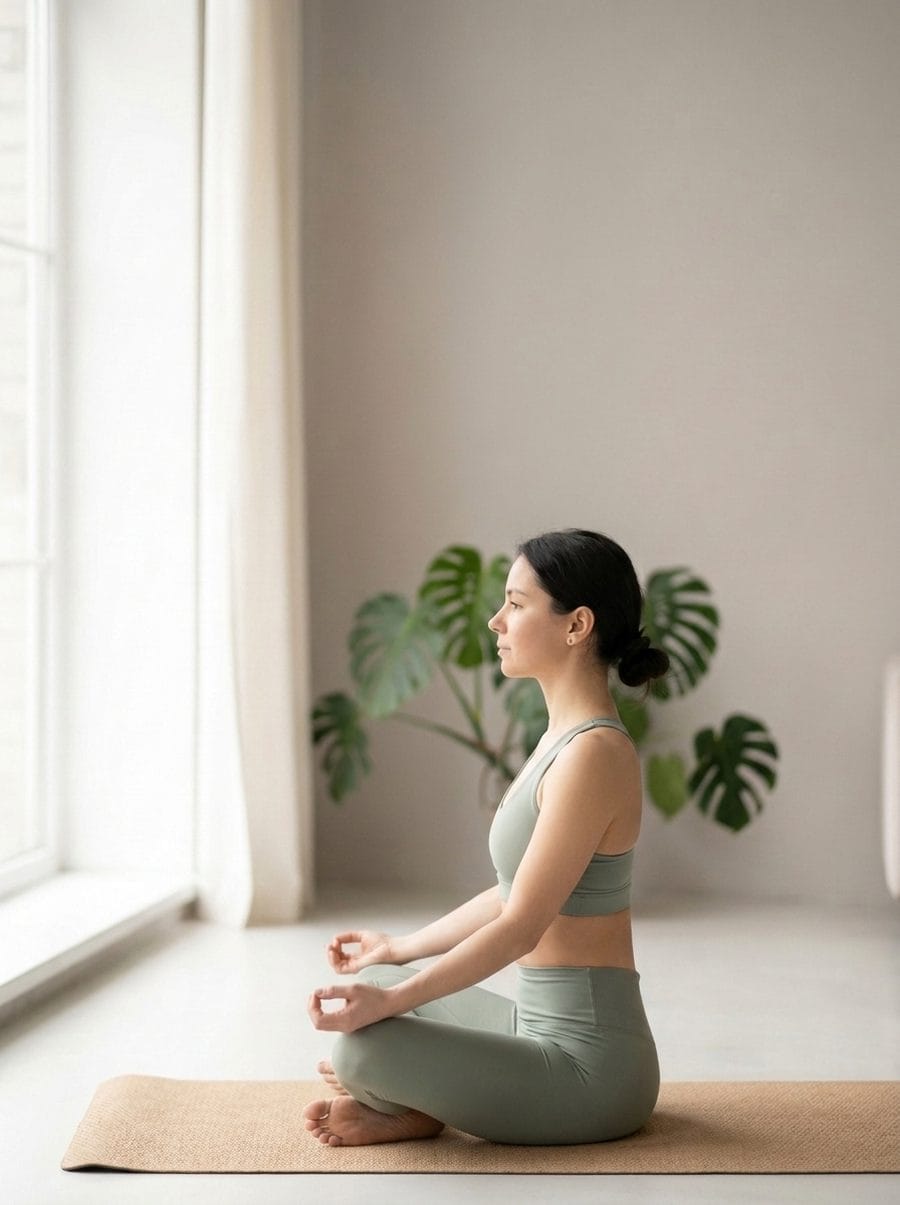
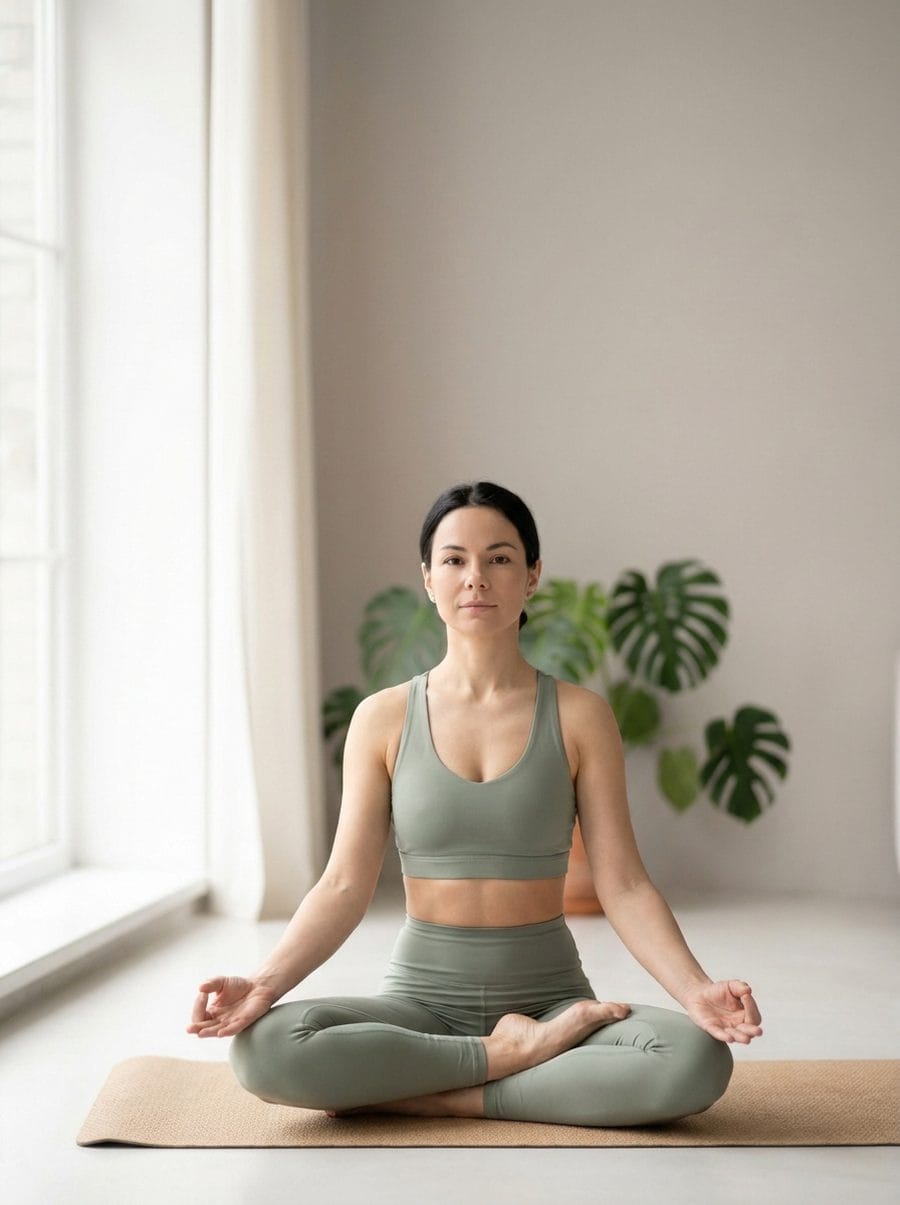
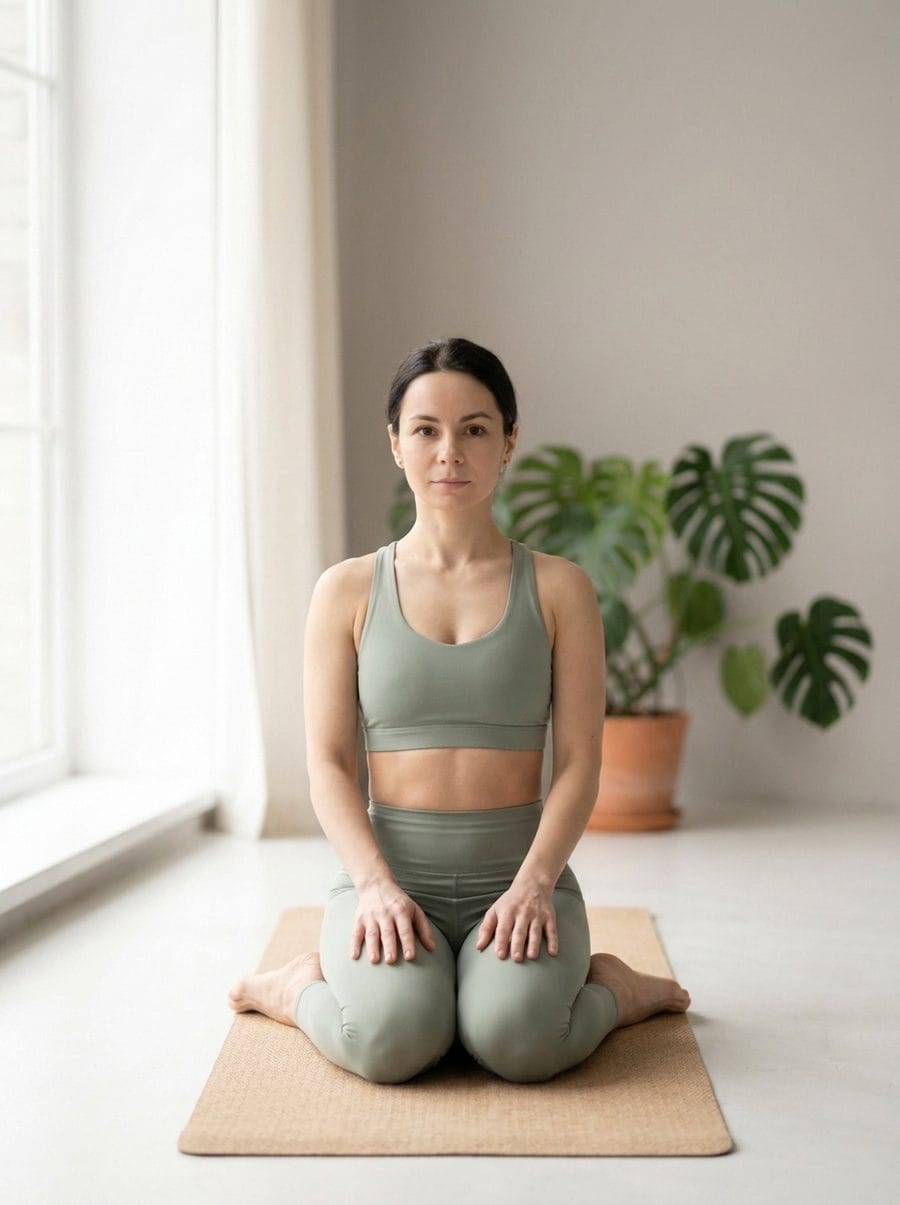
For breathing practice, yoga keeps you still and seated: in Easy Pose, Accomplished Pose or Hero Pose. Hurt knees or ankles? Slide a yoga block beneath your seat in Hero Pose, or sit some other way.
Strelnikova breathing at a glance
Strelnikova breathing exercises are named after Alexandra Strelnikova, a voice teacher, so the method was first linked to singing. It's sometimes called paradoxical breathing. Its key element is a short, sharp, noisy inhale through the nose, timed with a movement that compresses the chest, such as a bend, a squat or hugging your shoulders.
The exhale is passive, through the mouth. It's an active, almost athletic routine where breathing follows movement. We found no standalone controlled trials of it in PubMed; one 2020 Russian study used it only as part of a wider student prevention program that also included nasal rinsing.
Breath and movement in yoga
If what appeals to you is linking breath with movement, yoga has its own, gentler version. In the Flow with the Breath program, every movement is paired with either an in-breath or an out-breath: joint circles, forward folds, Cat-Cow, a flowing Bridge and a twist.
The session lasts 12 minutes at beginner level, with 14 steps, and finishes in Relaxation Pose.

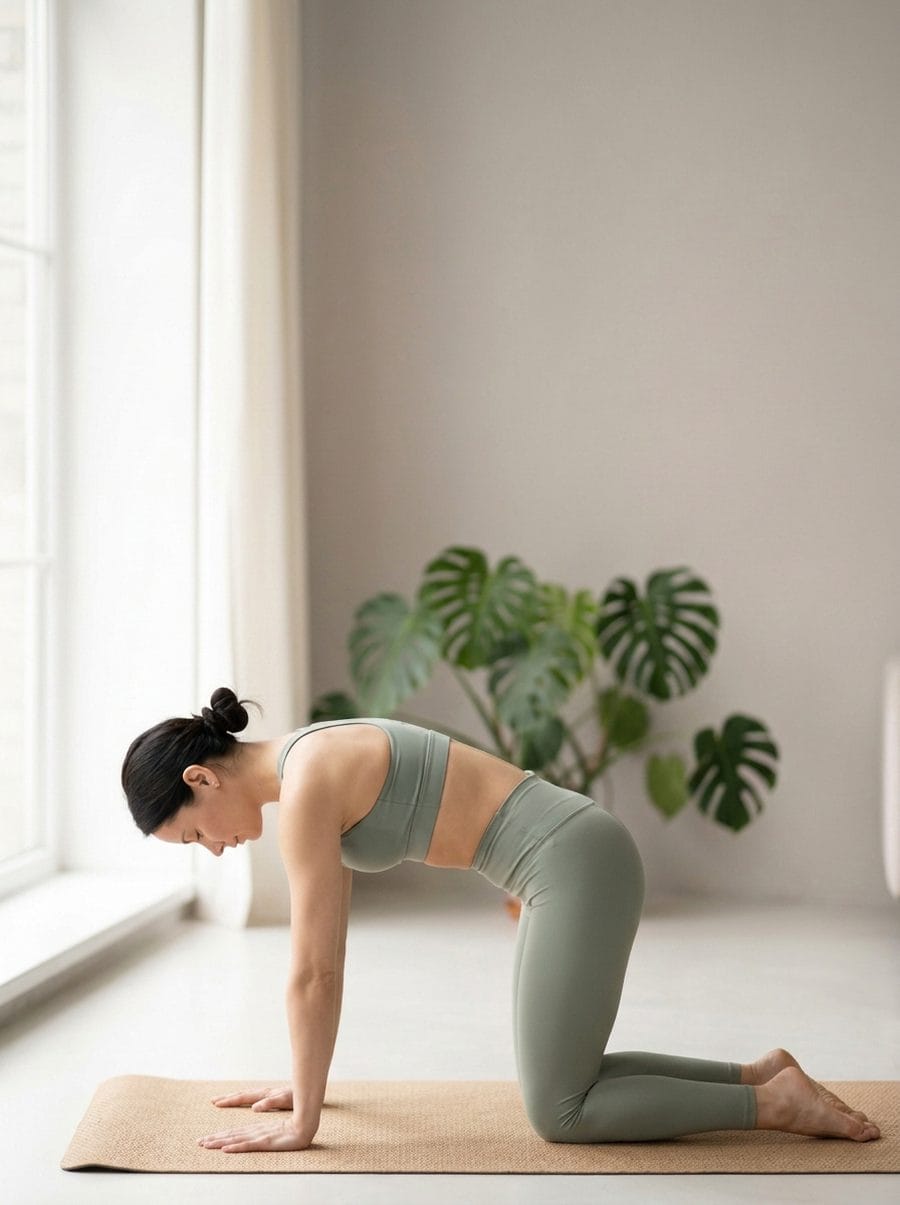
In Cat-Cow, the inhale arches your back and the exhale rounds it, and your breathing dictates the rhythm while the body tags along.
Safety
- In pregnancy or with hypertension, the app has you breathe without holds; for people with heart conditions, the same goes for the nostril-switching technique. By the same logic, skip Buteyko holds in those cases unless your doctor approves them.
- Kapalabhati is ruled out by pregnancy, heart conditions, hypertension, menstruation, abdominal hernias and abdominal surgery in the recent past.
- Skip Cat-Cow during a flare of sharp back pain; with sore wrists, rest on your fists.
- With asthma, never stop or cut back on inhalers or other medicines without your doctor, however much you enjoy a breathing method.
- If your vision dims, your head spins or you can't get enough air, stop and sit down.
Pose cautions in this article
- Acute back pain (Cat-Cow)
- Wrist injuries — practice on your fists (Cat-Cow)
- Knee discomfort — sit on a prop (Easy Pose)
- Knee injuries — use a prop under your hips (Accomplished Pose)
- Knee and ankle injuries — sit on a block or skip the pose (Hero Pose)
This site is for general information and is not medical advice. If you have pain, an injury, a chronic condition, or are pregnant, check with a qualified professional before practicing.
Questions
Is Buteyko breathing scientifically proven? Not yet. Reviews call the evidence limited, the studies are mostly in people with asthma, and the method itself isn't standardized.
Is Buteyko breathing safe? The 2026 meta-analysis reported no adverse events, but there are few studies. The main risk is using it in place of prescribed therapy.
How is Buteyko breathing similar to pranayama? Both use nasal breathing, a calm pace and pauses. The difference is the aim: Buteyko deliberately reduces how much you breathe.
Buteyko or Strelnikova: which is better? They're opposite approaches, and we found no direct comparisons in the scientific literature. Discuss the choice with your doctor, especially if a health condition is involved.
Sources
- Bruton A, Lewith GT. The Buteyko breathing technique for asthma: a review. Complementary Therapies in Medicine, 2005.
- Santino TA, et al. Breathing exercises for adults with asthma. Cochrane Database of Systematic Reviews, 2020.
- Wu S, et al. The effect of the Buteyko breathing technique on asthma control and quality of life: a systematic review and meta-analysis of Randomized Controlled Trials. Explore, 2026.
- Tsartsidis EA, et al. The organizational features of three-stage program of prevention of rhinosinusitis in student youth. Problemy Sotsialnoi Gigieny, Zdravookhraneniia i Istorii Meditsiny, 2020.
- Pranayama rhythms and cautions, poses and program contents: the Hatha Yoga app. How we verify our texts is explained on the How We Prepare Our Content page.
Read next
- Yoga for Arthritis and Osteoporosis: How to Protect Your Joints and Bones7 min read
- Ashtanga Yoga Explained: The Series, the Breath and the Difference from Hatha6 min read
- Ayurveda Explained Simply: The Basics and a Daily Routine (Dinacharya)5 min read
- Balance Exercises: 10 Yoga Poses for Balance and Stability7 min read