 Hatha Yoga
Wim Hof Breathing vs. Pranayama: How They Differ and How to Stay Safe
Hatha Yoga editorial team · Updated · 6 min read
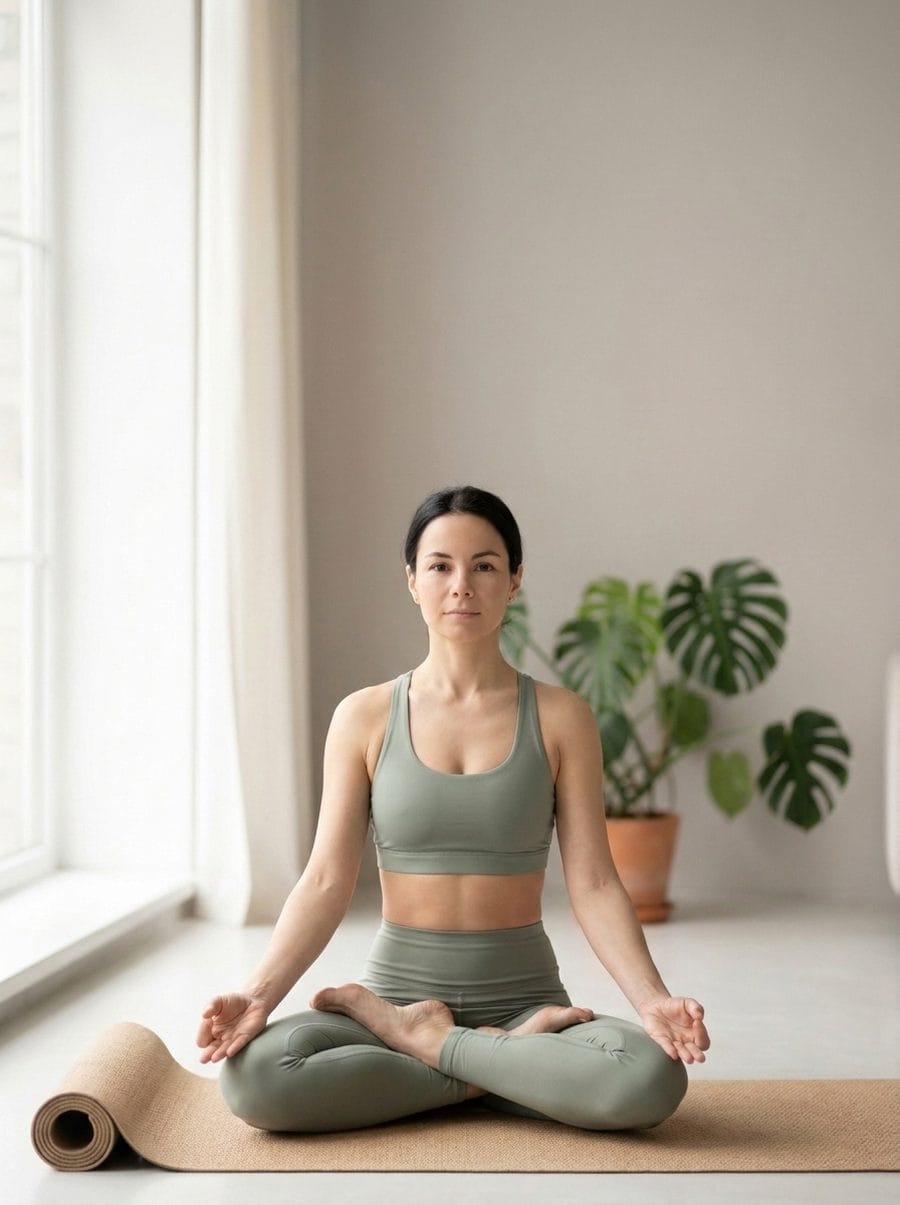
Wim Hof breathing promises energy, cold resilience and steady nerves, and it often gets mixed up with pranayama. In reality, it's the opposite approach: pranayama slows the breath down, while this method deliberately speeds it up. Below you'll see how the technique is built, what research has found, how it differs from the breathing practices in the Hatha Yoga app, and which safety rules you must never break. The most important one: never in water, never behind the wheel.
What is Wim Hof breathing?
The method created by Dutchman Wim Hof rests on three pillars: breathing, cold exposure and commitment. The breathing part runs in rounds. First comes a series of several dozen deep, fast breaths, in other words cyclic hyperventilation. Then you exhale and stay without air for as long as possible.
After that you take a deep breath in, hold it briefly, and start the next round.
Dutch researchers described what happens in the body in 2014. Fast, deep breathing washes carbon dioxide out of the blood, leading to respiratory alkalosis. During the long holds, oxygen levels drop. In response, adrenaline rises sharply. That explains the sensations people practice it for: a rush of energy, tingling, a light head. It also explains the main risks.
Wim Hof vs. pranayama: the key differences
- Pace. All the paced techniques in the app are slow, from six breaths a minute in Full Yogic Breath down to three or four in Box Breathing. The Wim Hof method does the reverse, with rapid deep breaths back to back.
- Holds. Pauses in the app's techniques last 10 seconds at most, 2 to 4 seconds in the beginner versions, and they're done gently, without clamping the throat. In the Wim Hof method, the hold on empty lungs lasts as long as you can manage.
- Goal. Slow pranayama calms you down. The Wim Hof method intentionally triggers a stress response with an adrenaline surge.
- Gradual progress. The app quotes the Hatha Yoga Pradipika, a classic text that warns against hurrying: you build the breath step by step without forcing it. The Wim Hof method relies on noticeable effort.
The app technique closest to Wim Hof is Skull Shining Breath, or Kapalabhati. It's also fast breathing, but it works differently: only the short exhale from the belly is active, the inhale is passive, roughly one exhale each second, 3 rounds of 30 exhales, and between rounds you breathe calmly with no long holds. It's an intermediate technique with a strict list of cautions.
What the research says
- A 2014 experiment (Kox et al.). Twelve healthy volunteers spent 10 days learning meditation, cyclic hyperventilation with breath holds and cold exposure, while another 12 served as controls. Then everyone received a bacterial endotoxin that triggers a brief inflammatory response. The trained group had more of the anti-inflammatory interleukin-10, fewer inflammatory markers and milder flu-like symptoms.
- A 2024 systematic review (Almahayni, Hammond). It covered 9 papers from 8 trials. The authors write that the method may reduce inflammation, while findings on athletic performance are mixed.
- A 2023 randomized trial (Ketelhut et al.). Forty-two participants were split into two groups, and one practiced the method every day for 15 days. Their blood pressure, heart rate, heart rate variability, stress and mood didn't differ from the control group.
The bottom line: the method does affect physiology, but there are few studies, they're small, and some found no effect at all.
The main risks: water, driving and blackouts
Hyperventilating before a breath hold delays the urge to breathe, even as oxygen in your blood keeps falling. You can lose consciousness without warning. Dizziness and tingling fingers during the rounds aren't "energy" either; they're signs that carbon dioxide in your blood has dropped too low.
Underwater, that kind of blackout is often fatal. A 2015 report in MMWR, the CDC's weekly journal, gathered 16 fatal and nonfatal drownings in New York State in which swimmers breathed fast on purpose before diving and then held their breath.
Among them were two healthy young men who died in 2011 at a city-regulated pool.
- Never practice this technique in a pool, a bathtub, a shower or anywhere near water.
- Never while driving, cycling or in any situation where passing out is dangerous.
- Only sitting or lying on the floor, never standing.
- Don't combine the breathing rounds with ice water.
- If you feel strong dizziness, numbness or confusion, return to a calm rhythm right away.
Want more energy? A yoga alternative
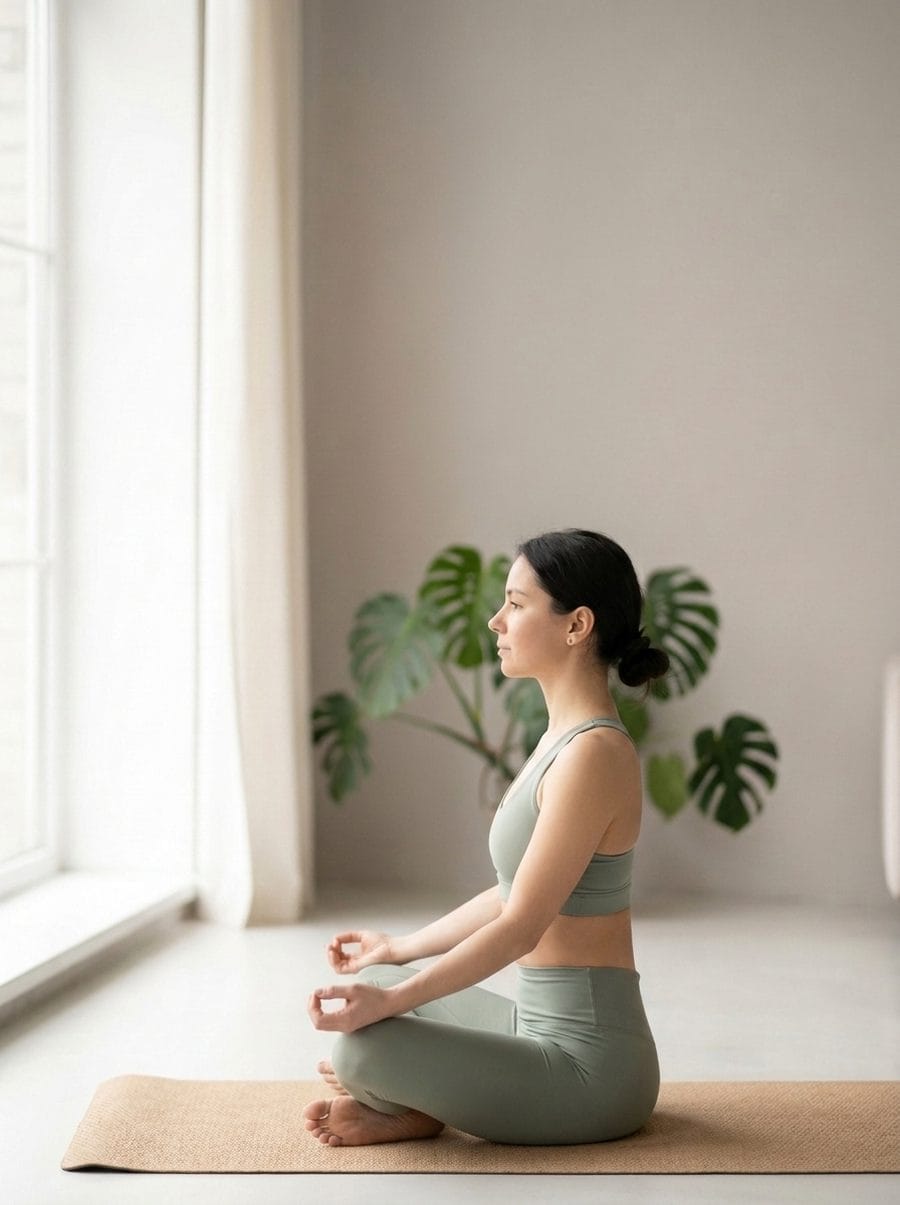
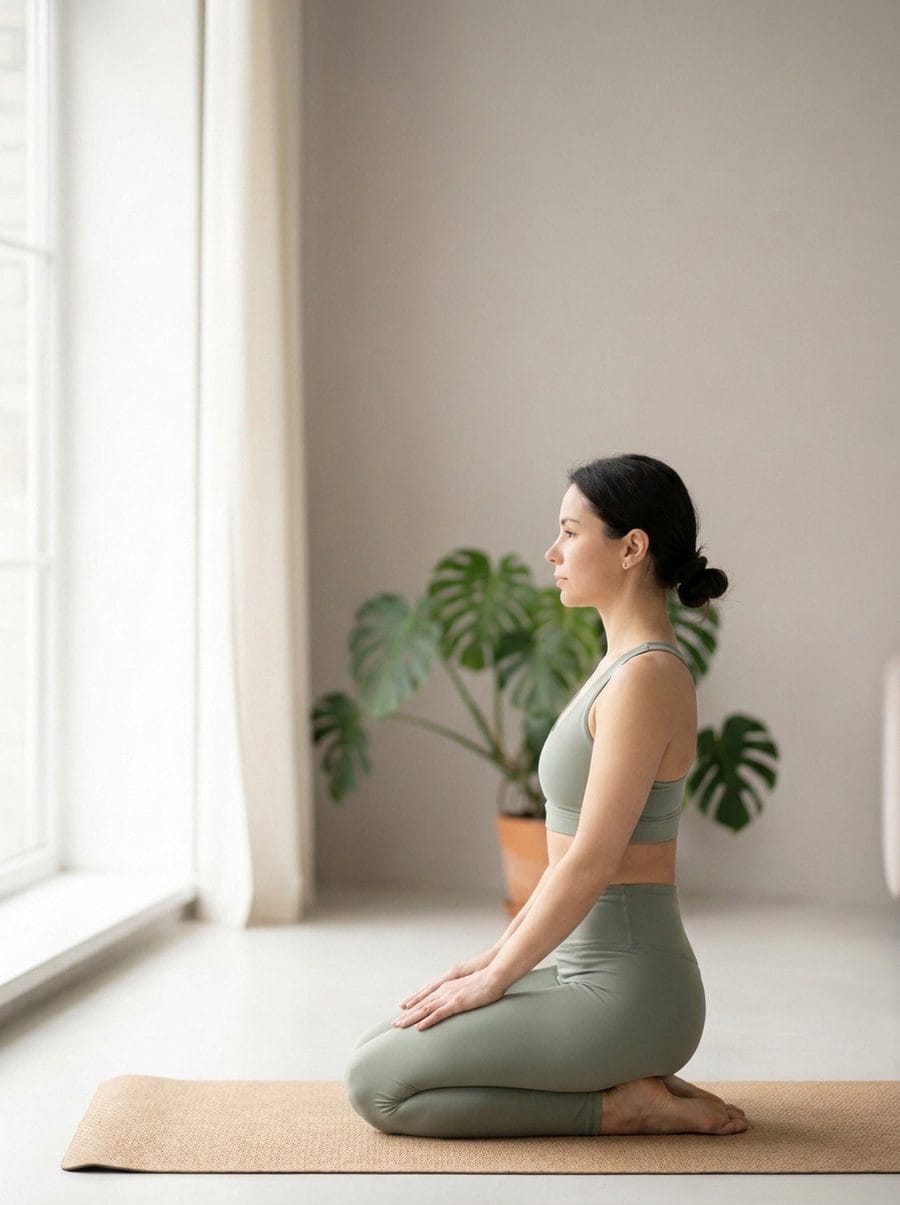
You don't have to hyperventilate to wake up in the morning. Sit in Easy Pose, Half Lotus Pose or Thunderbolt Pose and begin with a few minutes of even Ujjayi Breath, with its quiet, ocean-like hiss in the throat. If you have no contraindications and the basics feel solid, add Kapalabhati.
Half Lotus and Thunderbolt Pose are not options when knees or ankles have been hurt; then sit in Easy Pose with your hips raised on a cushion.

Movement wakes you up just as well as breathing. The app has the 10-Minute Morning program for exactly that: beginner level, 7 poses and 3 rounds of Sun Salutation, with almost three minutes in Relaxation Pose at the end.
Who should avoid it
The app's list of cautions for Kapalabhati is long: pregnancy, heart disease, hypertension, abdominal hernias, menstruation and recent abdominal surgery. The app strips breath holds out of the practice in pregnancy and hypertension, and for heart conditions in the nostril-switching technique too.
The Wim Hof method combines rapid breathing with long holds. So if any of these apply to you, or if you've ever fainted, talk to your doctor first.
Pose cautions in this article
- Knee discomfort — sit on a prop (Easy Pose)
- Knee and ankle injuries (Half Lotus Pose, Thunderbolt Pose)
This site is for general information and is not medical advice. If you have pain, an injury, a chronic condition, or are pregnant, check with a qualified professional before practicing.
Questions
Can you do Wim Hof breathing before bed? It's not a good idea. The method raises adrenaline and wakes you up. In the evening, choose slow breathing without holds, such as Bee Breath.
How often should you do Wim Hof breathing? There's no solid data on the "right" dose. Studies used daily practice for 10 to 15 days. Less is safer: one set, sitting or lying down, on dry land only.
Should you breathe through your nose or mouth? In yoga, the default is the nose, which keeps the breath softer and slower. The more air you push through your mouth, the stronger the hyperventilation and the dizziness.
Is Wim Hof breathing dangerous? Its main risk is passing out. Sitting or lying on the floor, that mostly means an unpleasant tumble, but underwater or while driving, it can cost a life.
Sources
- Kox M, et al. Voluntary activation of the sympathetic nervous system and attenuation of the innate immune response in humans. PNAS, 2014.
- Almahayni O, Hammond L. Does the Wim Hof Method have a beneficial impact on physiological and psychological outcomes in healthy and non-healthy participants? A systematic review. PLoS One, 2024.
- Ketelhut S, et al. The effectiveness of the Wim Hof method on cardiac autonomic function, blood pressure, arterial compliance, and different psychological parameters. Scientific Reports, 2023.
- Boyd C, et al. Fatal and nonfatal drowning outcomes related to dangerous underwater breath-holding behaviors: New York State, 1988-2011. MMWR, 2015.
- Pranayama rhythms and cautions, poses and program contents: the Hatha Yoga app. How we verify our texts is explained on the How We Prepare Our Content page.
Read next
- Yoga for Arthritis and Osteoporosis: How to Protect Your Joints and Bones7 min read
- Ashtanga Yoga Explained: The Series, the Breath and the Difference from Hatha6 min read
- Ayurveda Explained Simply: The Basics and a Daily Routine (Dinacharya)5 min read
- Balance Exercises: 10 Yoga Poses for Balance and Stability7 min read