 Hatha Yoga
Balance yoga: the Balance & Focus sequence
A steady body and a focused mind
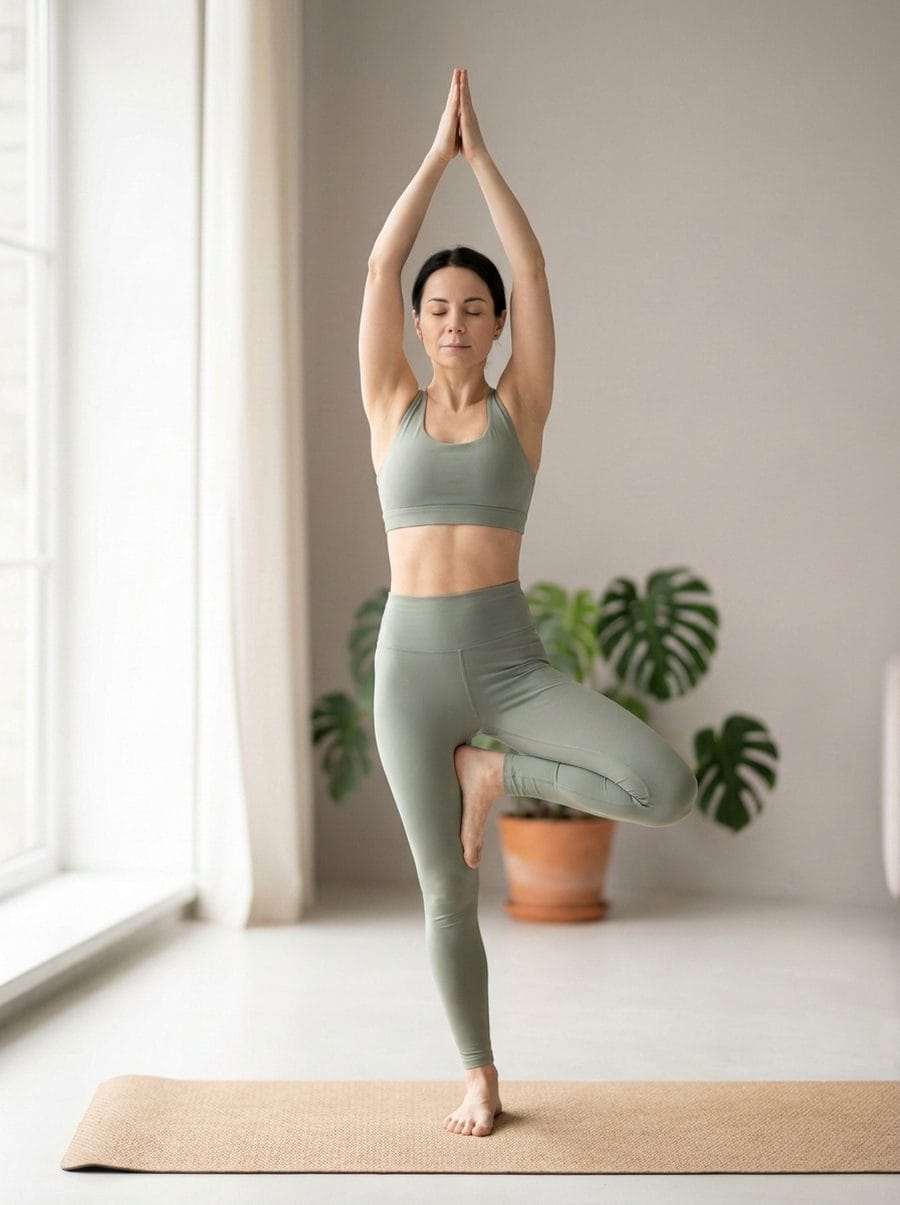
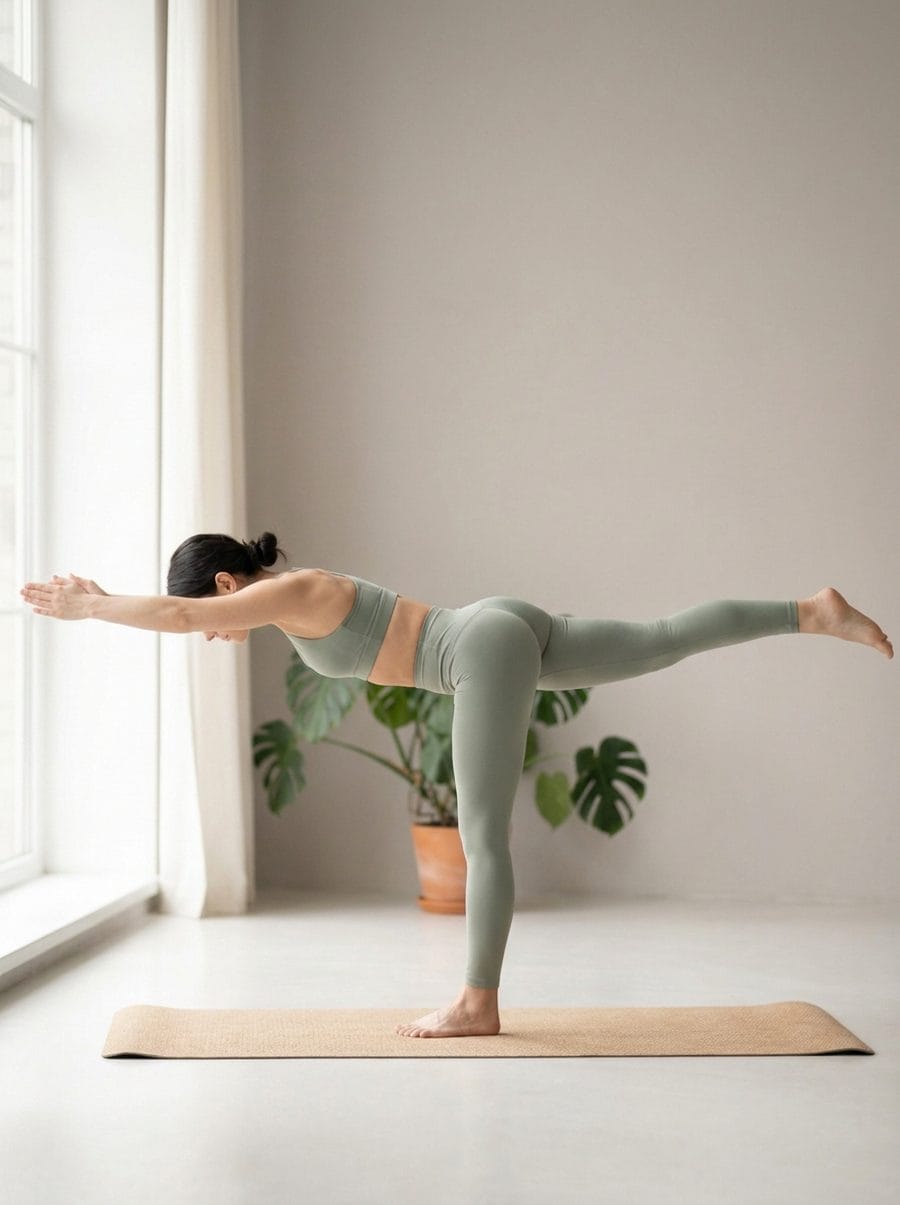
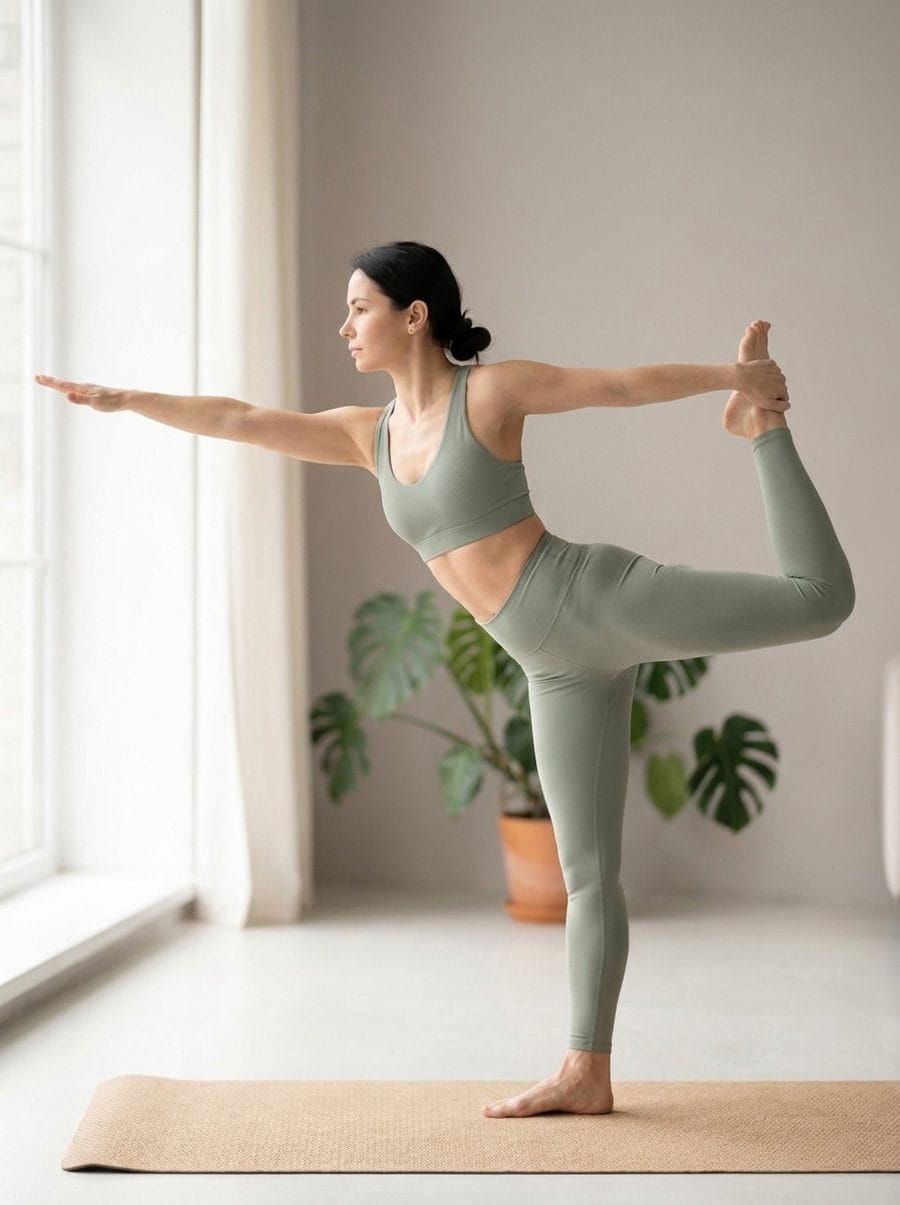
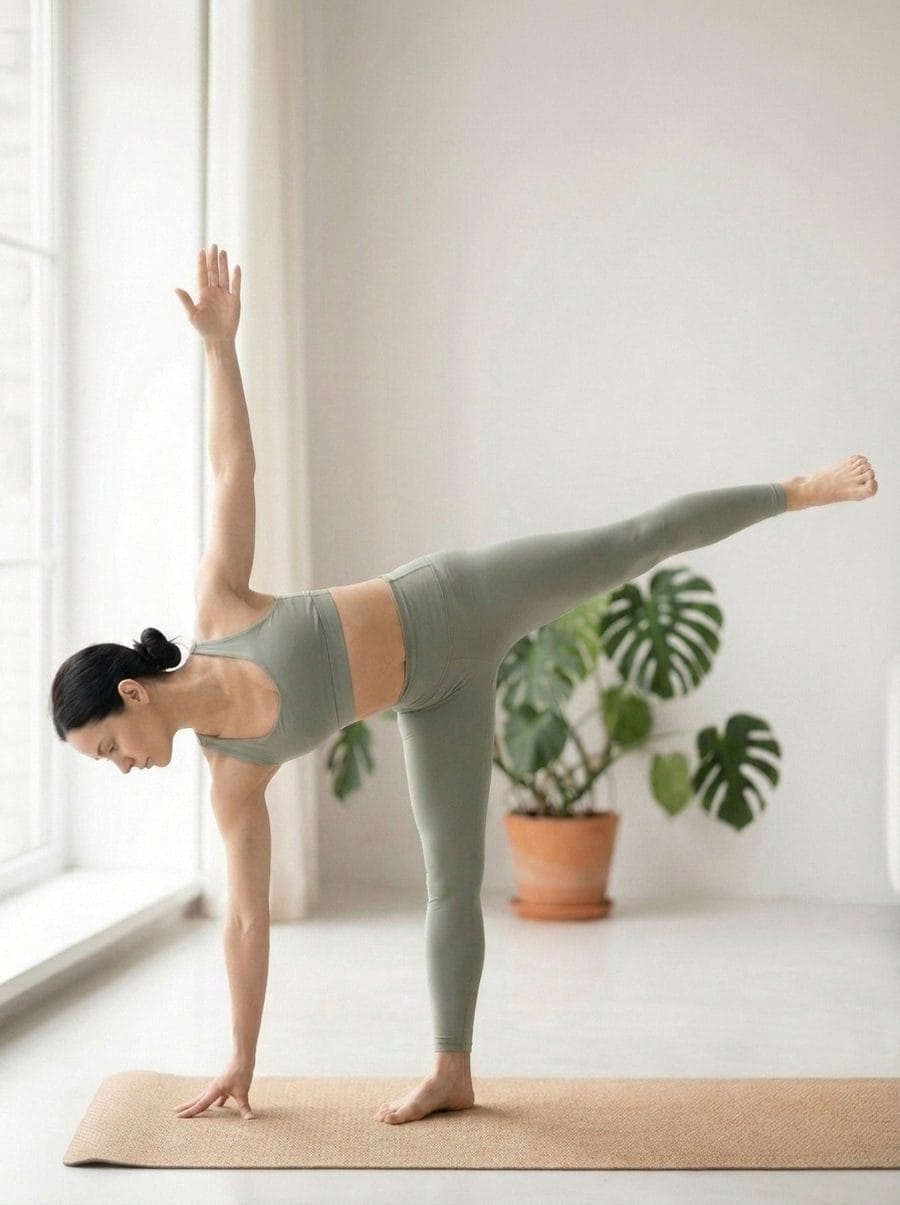
A program of one-legged standing balances for people who already hold Tree Pose with confidence. After two rounds of Sun Salutation, six balances follow back to back and get harder from pose to pose; five of them are level two.
Beyond leg strength, this trains your attention, because it's hard to think about anything else while you're balancing. If you wobble, keep a wall or chair nearby; the support doesn't stop your muscles from doing their job. If you get dizzy or have low blood pressure, ease out of each pose slowly, and if your pressure tends to run high, skip Warrior III.
Sun Salutation × 2
Why this order
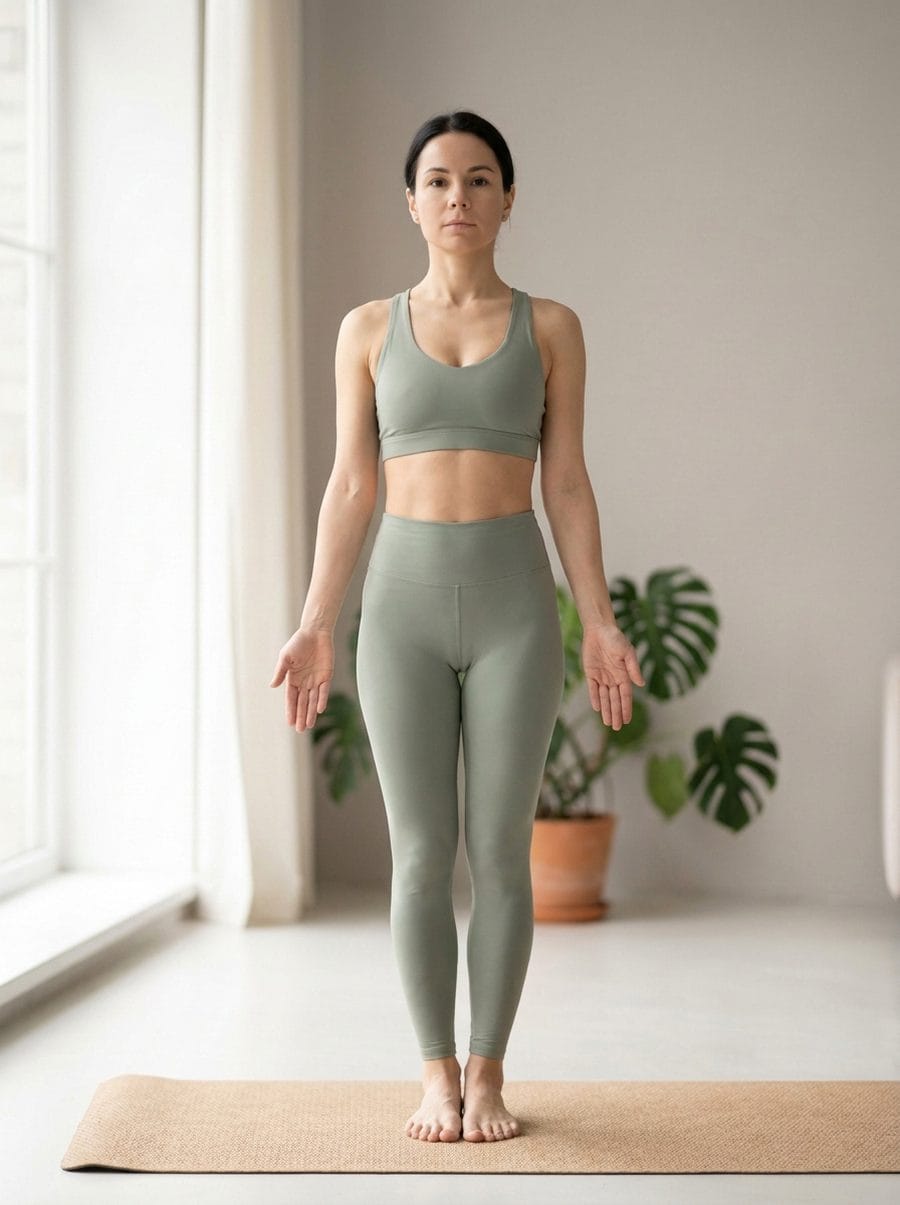
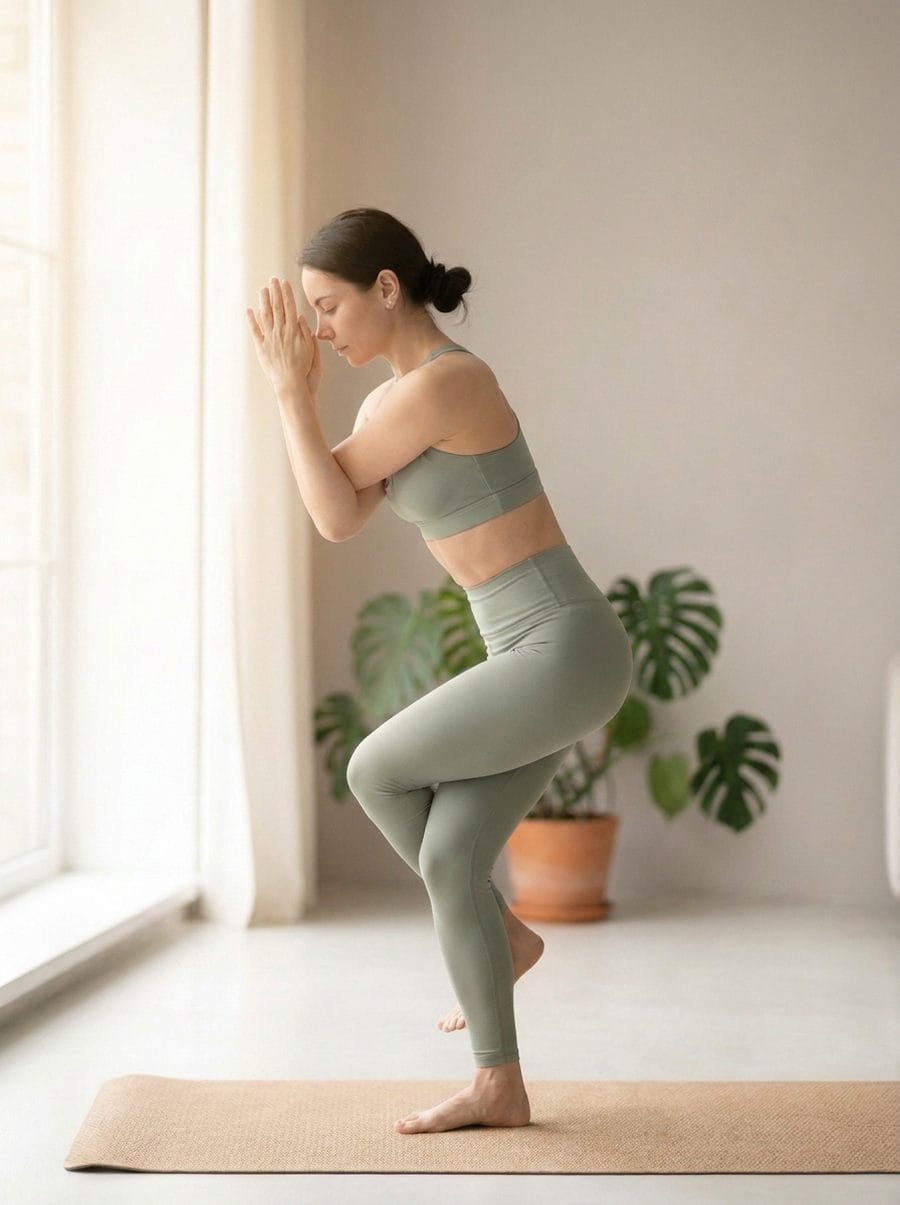
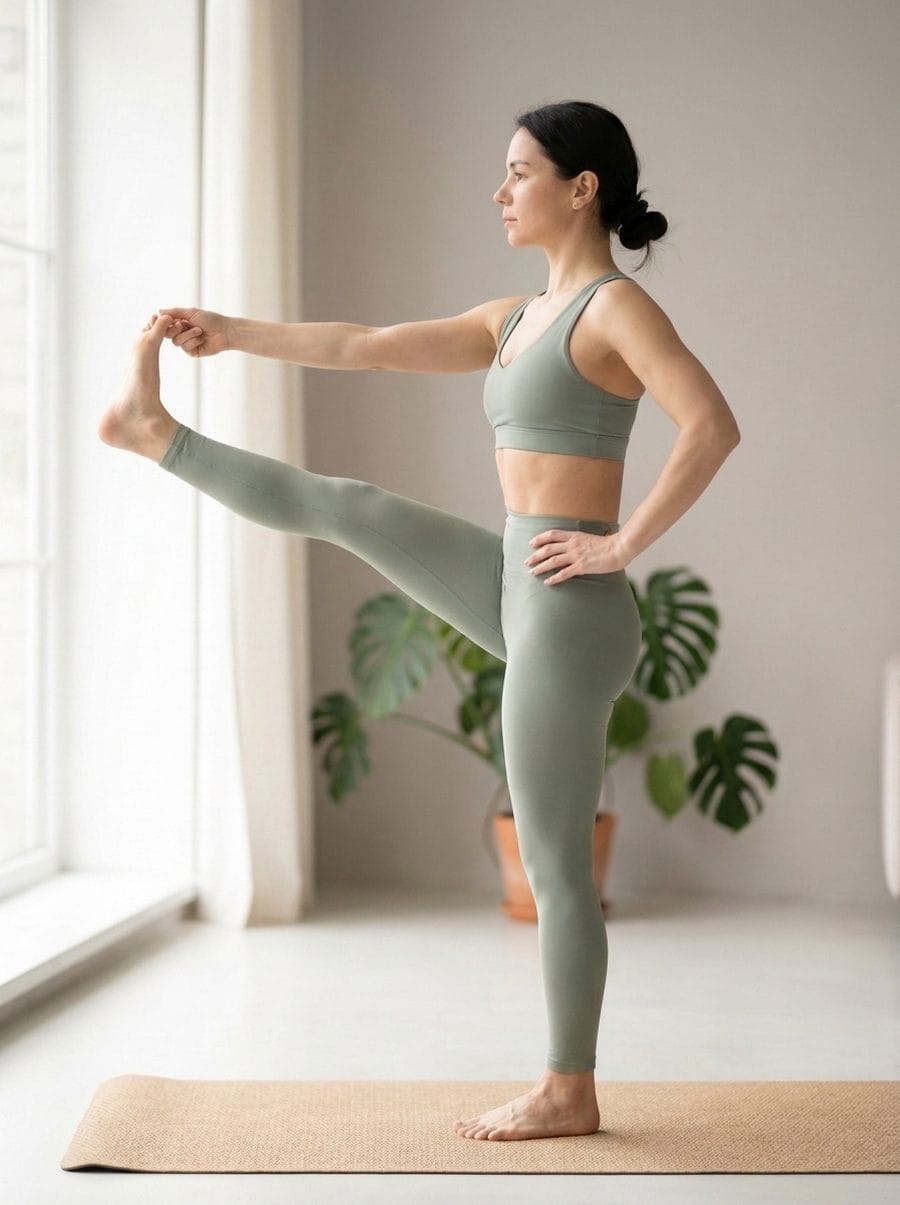
Mountain Pose at the very start sets you evenly on both feet, and every balance builds on that. Vrikshasana is the most stable, Eagle Pose narrows the base and wraps your arms and legs, and Extended Hand-to-Big-Toe Pose adds a hamstring stretch.
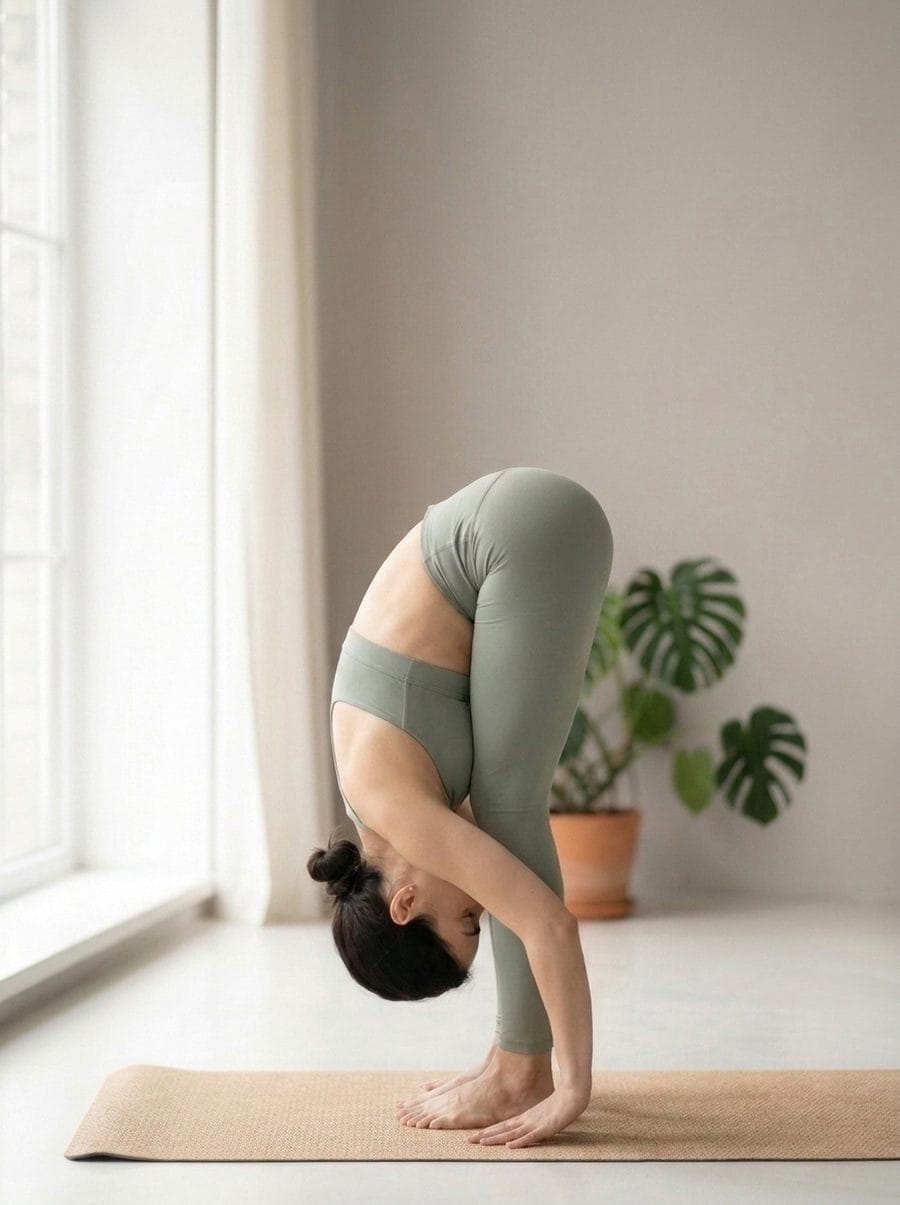
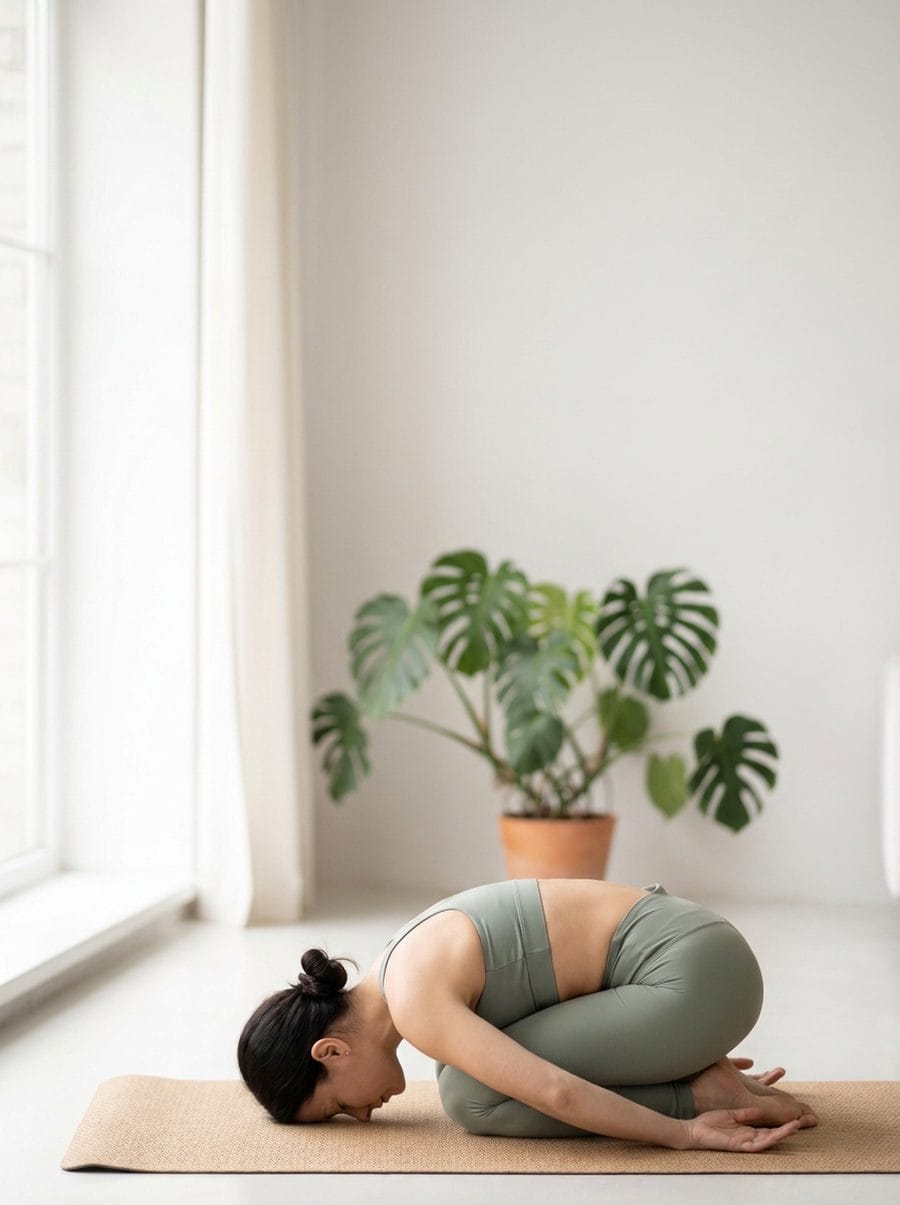
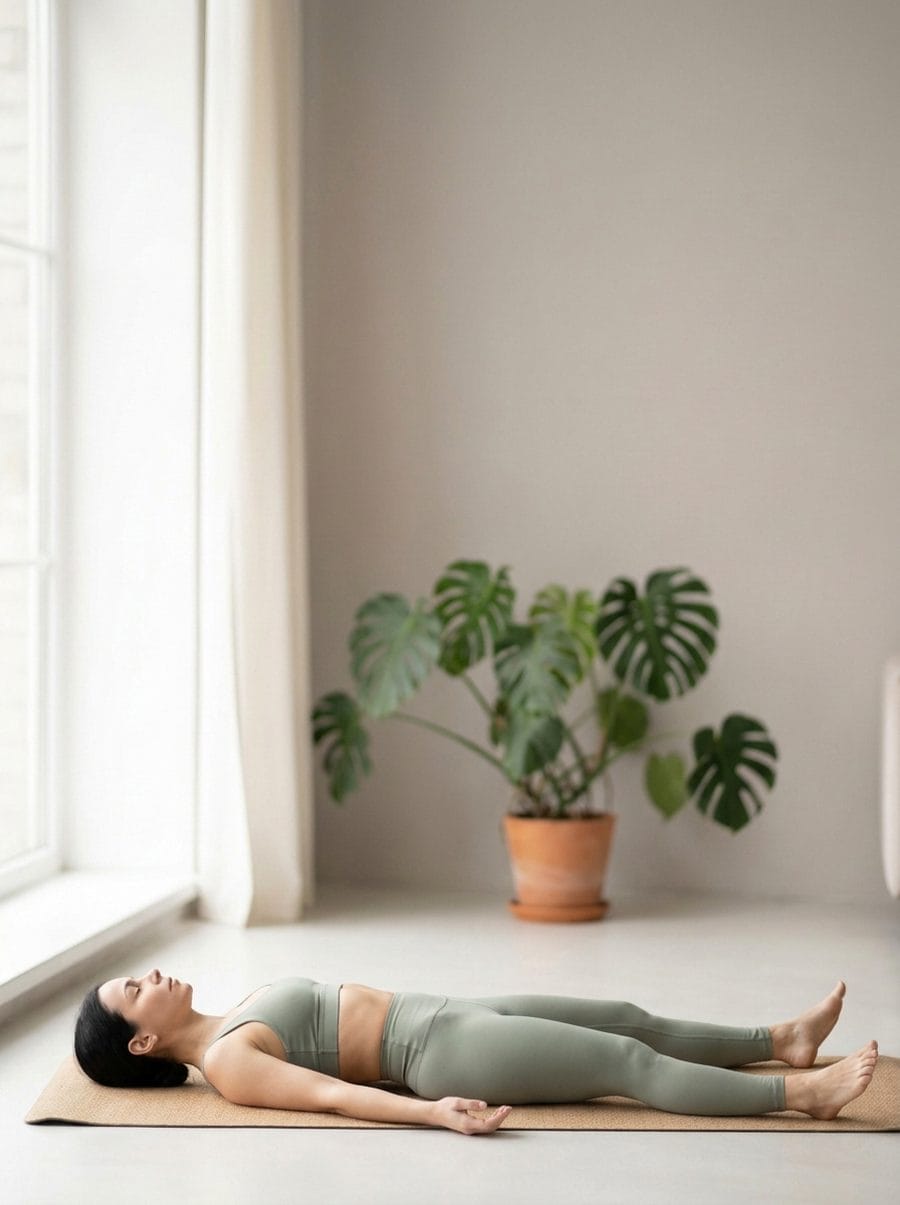
In Warrior III and Dancer Pose your torso tips away from vertical, and Half Moon turns the pelvis to the side. Standing Forward Fold and Child's Pose unload the standing leg and back, and nearly five minutes of Savasana help that calm, collected feeling settle in.
Cautions
- Dizziness — practice near a wall (Tree Pose)
- Knee injuries — don't hook your foot behind your shin (Eagle Pose)
- Hamstring injuries — keep your knee bent (Extended Hand-to-Big-Toe Pose)
- High blood pressure (Warrior III, Standing Forward Fold)
- Balance problems — use a support (Warrior III)
- Shoulder and lower back injuries (Dancer Pose)
- Dizziness (Half Moon Pose)
- Low blood pressure (Half Moon Pose)
- Lumbar disc herniation — bend your knees (Standing Forward Fold)
- Pregnancy — widen your knees (Child's Pose)
- Knee injuries (Child's Pose)
This site is for general information and is not medical advice. If you have pain, an injury, a chronic condition, or are pregnant, check with a qualified professional before practicing.