 Hatha Yoga
Raised Legs Pose
Uttāna Pādāsana
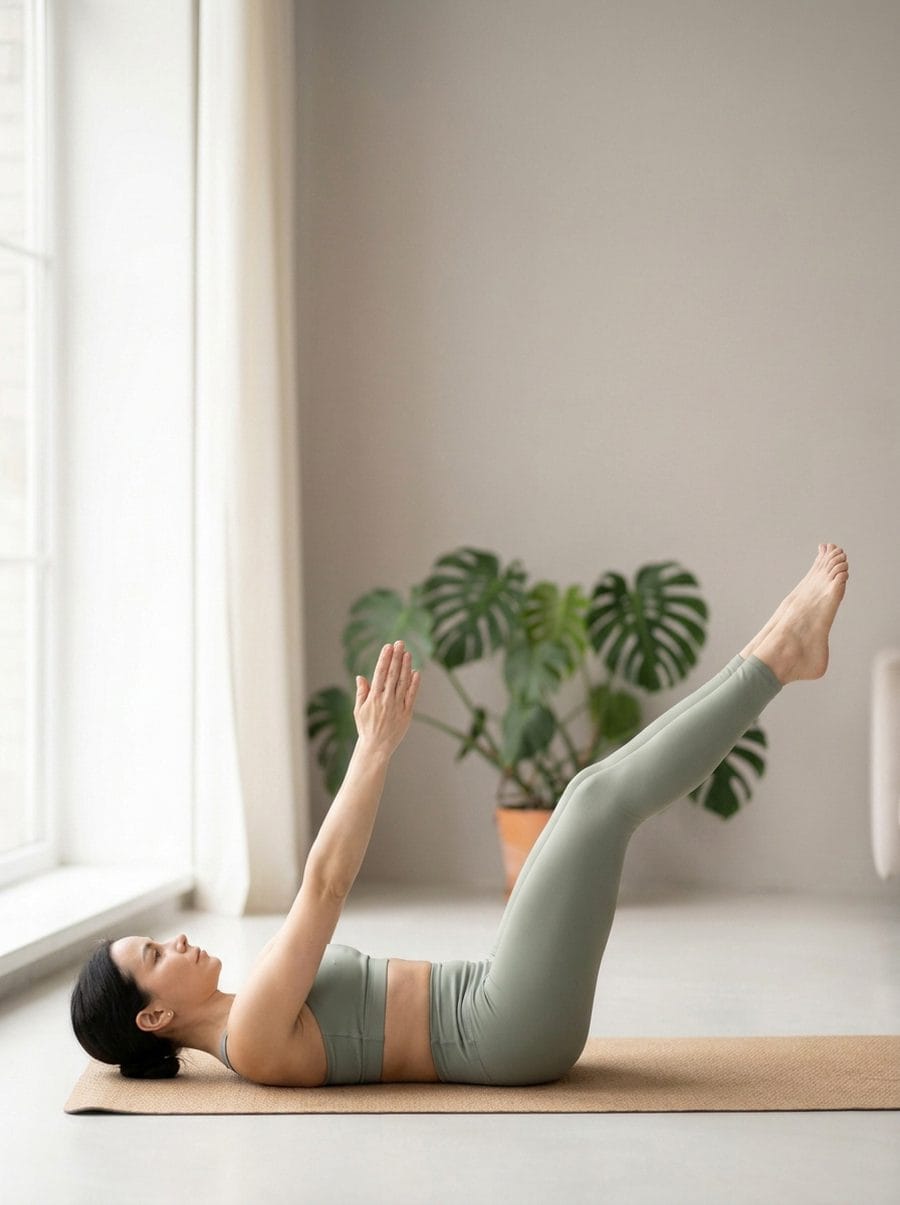
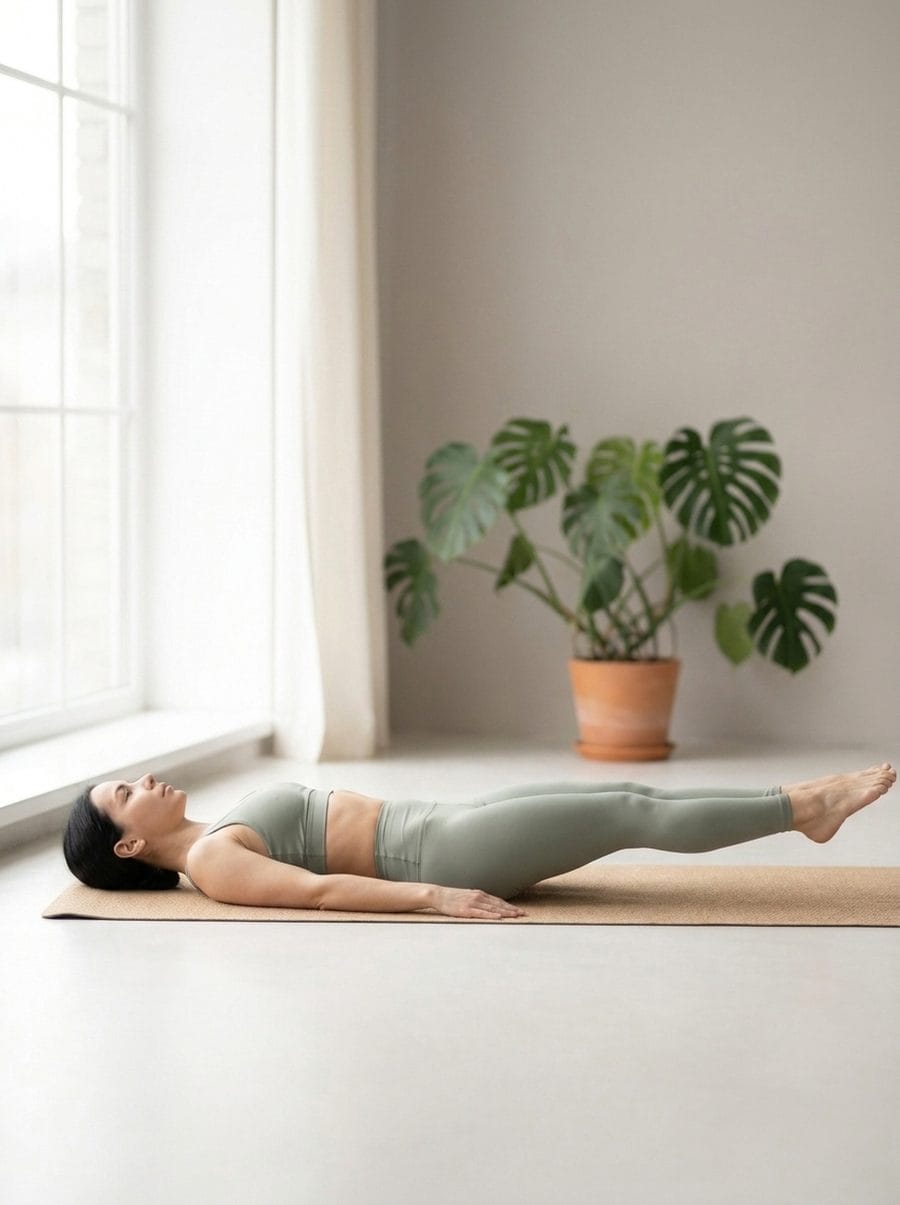
Uttana Padasana, or Raised Legs Pose, is done lying on your back: you lift your straight legs and arms to roughly 45 degrees, palms reaching along your thighs. There's also a harder backbend version, with your chest lifted and the top of the head resting on the mat.
Intermediate in level, it keeps the hold brief: 20 seconds on the pose card and 25 in Inversion Prep, while one kundalini sequence also uses it, for 60 seconds.
How to do it
- EnterLying on your back, lift your straight legs and arms to forty-five degrees, palms parallel to your thighs. For the backbend version, lift your chest and rest the crown of your head on the floor.
- HoldLegs and arms are like arrows, lower back stable, belly working. Breathe evenly. This pose is short but demanding.
- ExitExhale and gently lower your legs and arms.
More detail
Begin with the flat version: head down, shoulders soft. Before lifting, flatten your lower back against the mat and draw in your belly, and only then raise your legs. Lower legs mean more work for the abs, so beginners can start at a steeper angle or with bent knees and straighten them gradually.
Your arms act as a counterweight, reaching toward your knees without hiking your shoulders up. For the backbend version, prop yourself on your elbows first, lift your chest and gently set the crown of your head down, keeping the weight in your elbows rather than your neck. Only then lift your legs and arms.
Benefits
Core and the front of the body in one move.
In one move, the pose works your abdominal muscles and engages the whole front line of the body, from thighs to chest. Your legs, arms and torso are held up by strength alone, which makes it good core preparation for inversions.
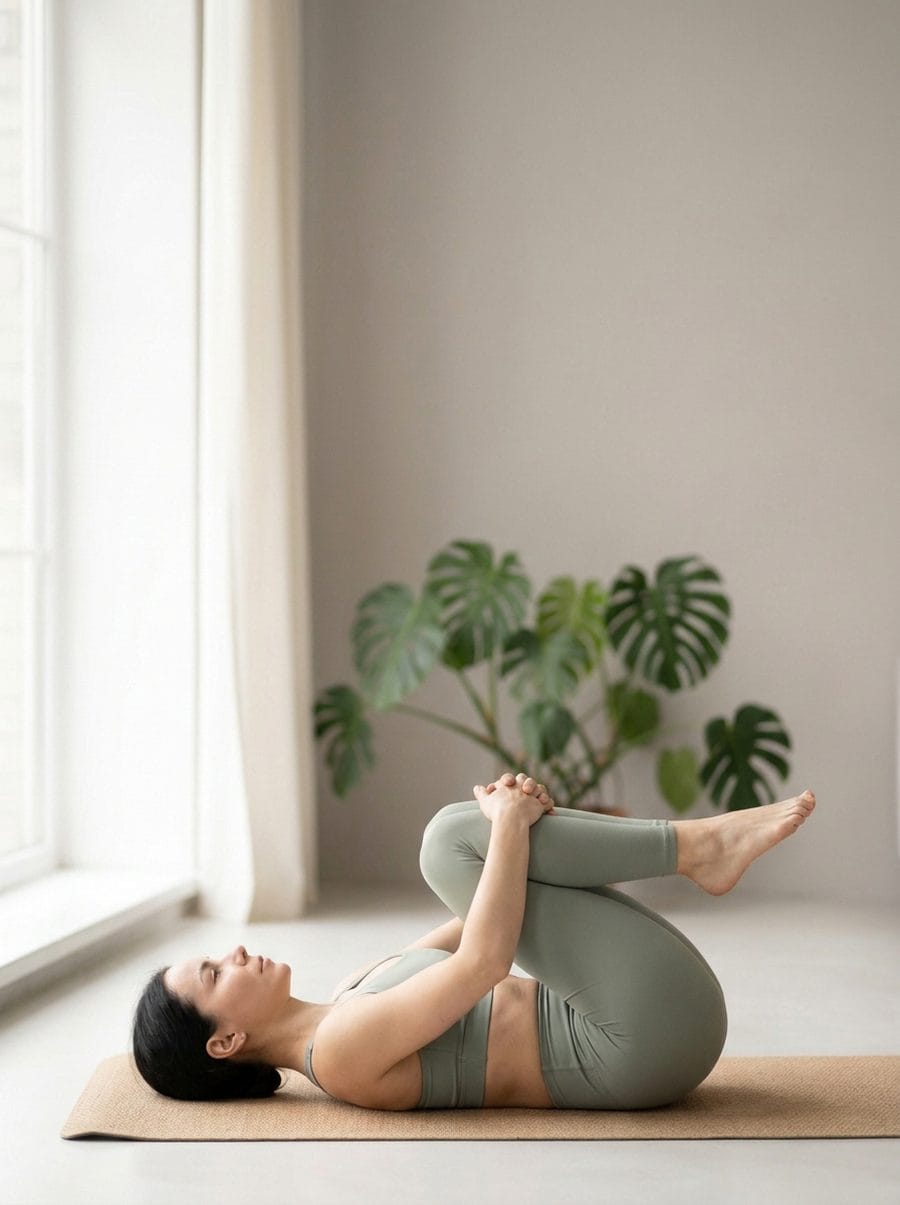
In the sequence it follows Low-Angle Leg Raise and leads into Knees-to-Chest Pose, which gives the lower back a break.
Cautions
- Neck injuries — skip the backbend, keep your head on the floor
- Lumbar disc herniation
This site is for general information and is not medical advice. If you have pain, an injury, a chronic condition, or are pregnant, check with a qualified professional before practicing.
Common mistakes
- Letting your lower back peel off the floor. If it arches, raise your legs higher.
- Breath-holding. Even in a short pose, keep the breath flowing evenly.
- Pulling your chin to your chest. In the basic version, rest your skull on the mat.
- Dropping your legs on the way out. Lower them as smoothly as you lifted them.
Counterpose
Where it appears
- Inversion Prep 25 min · Advanced
- Kundalini: Fire at the Center 30 min · Intermediate
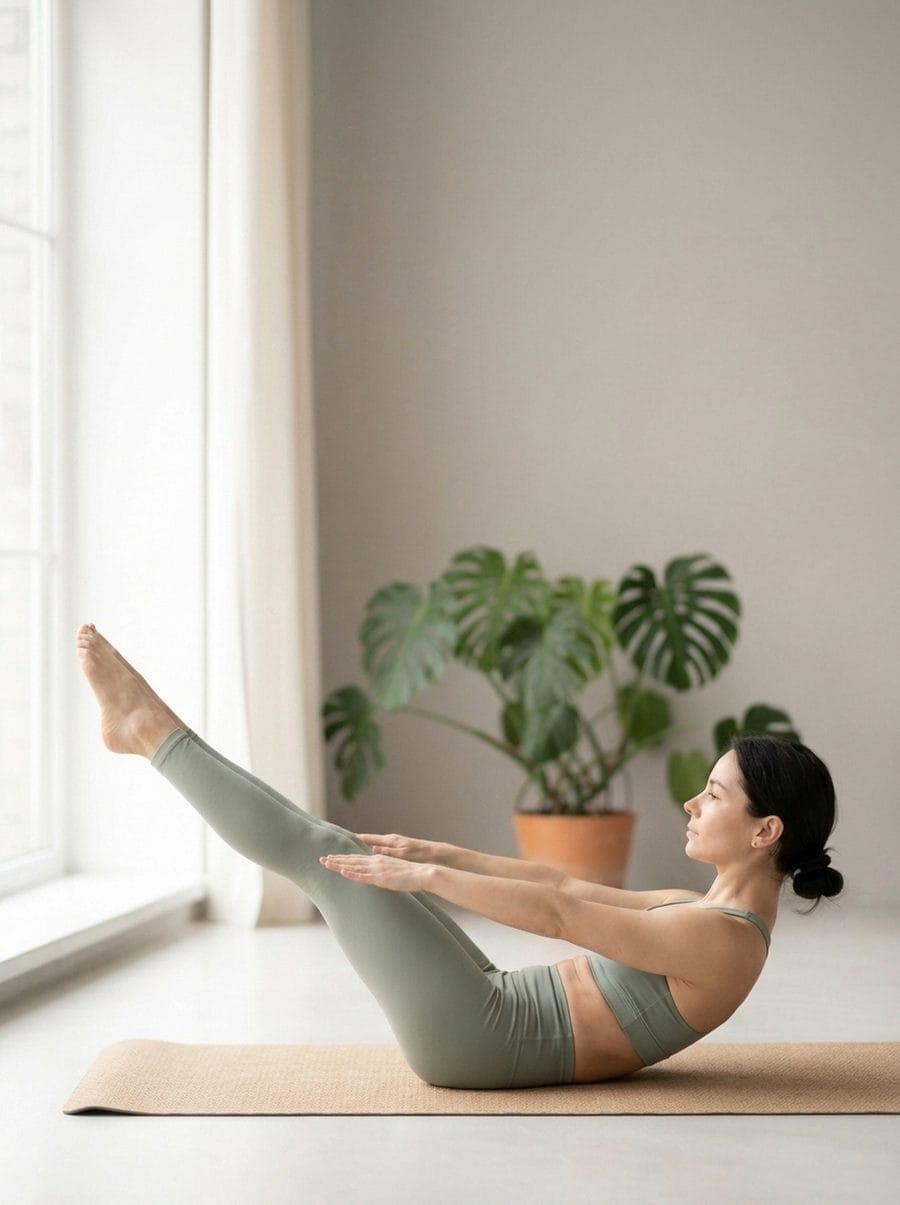
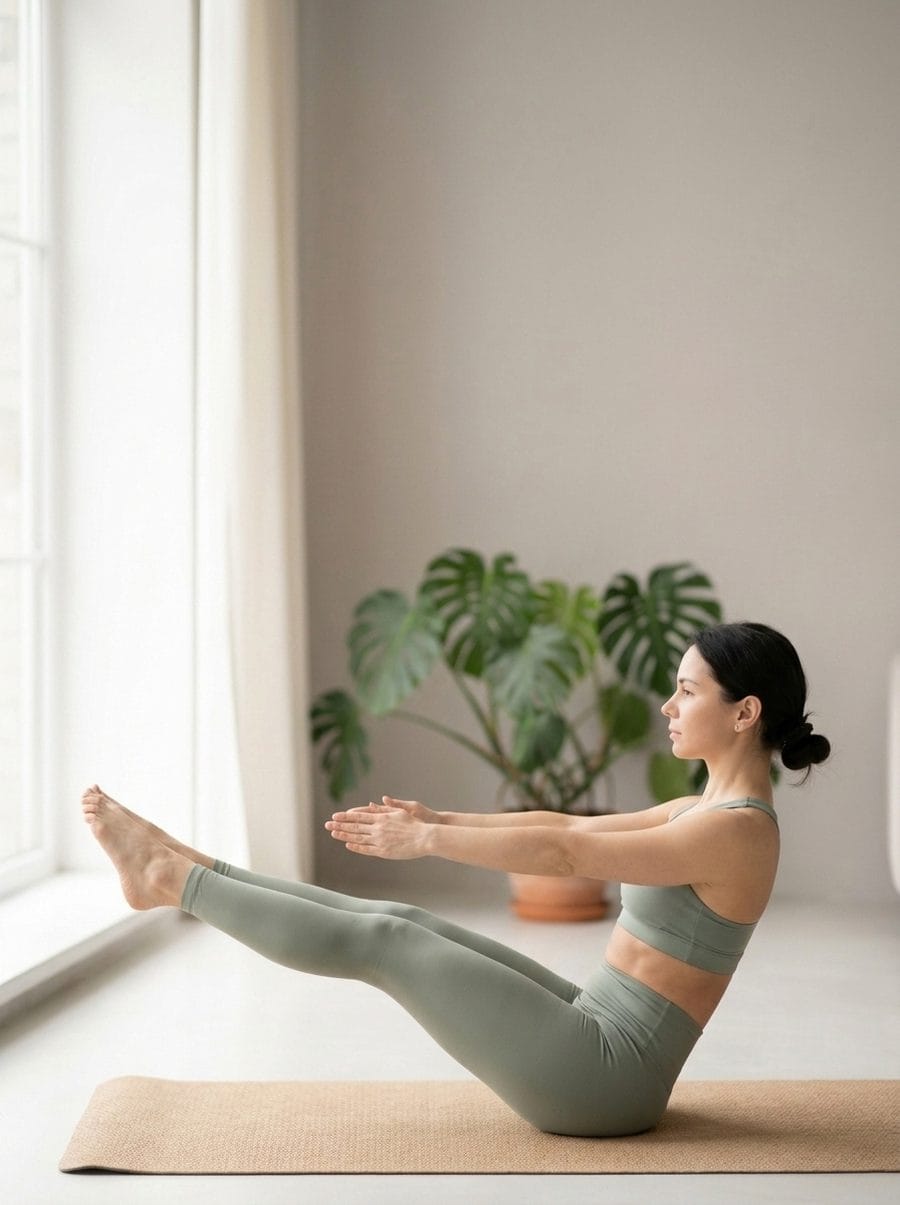
Similar poses
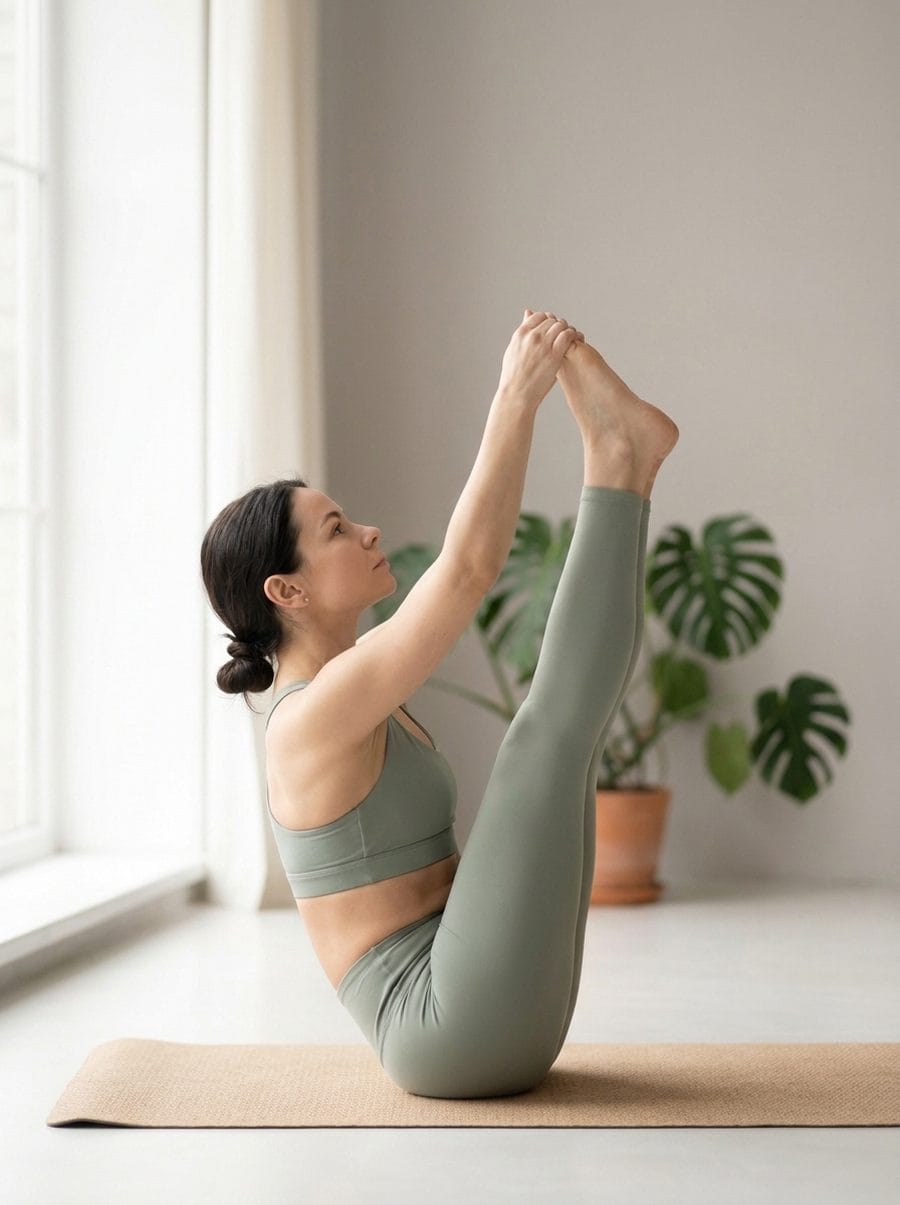
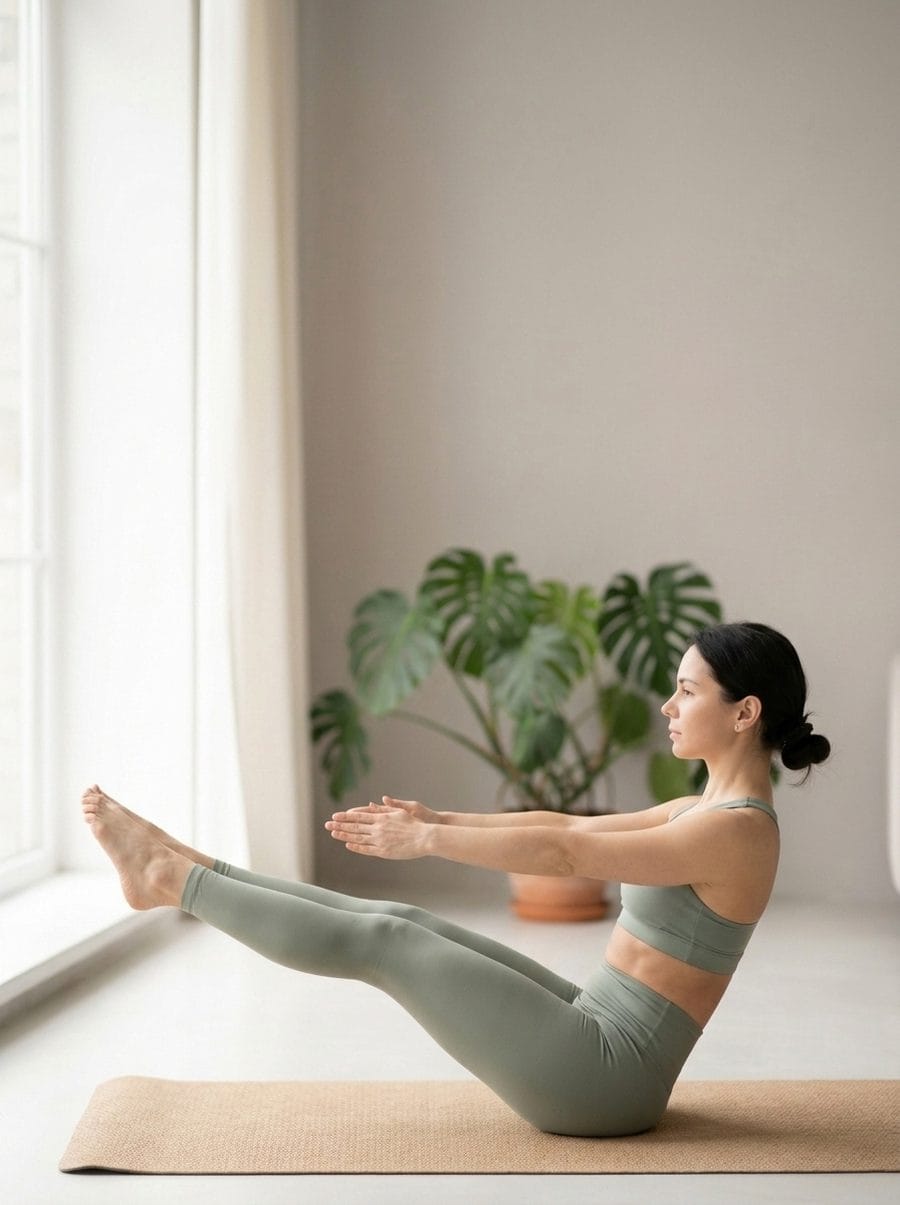
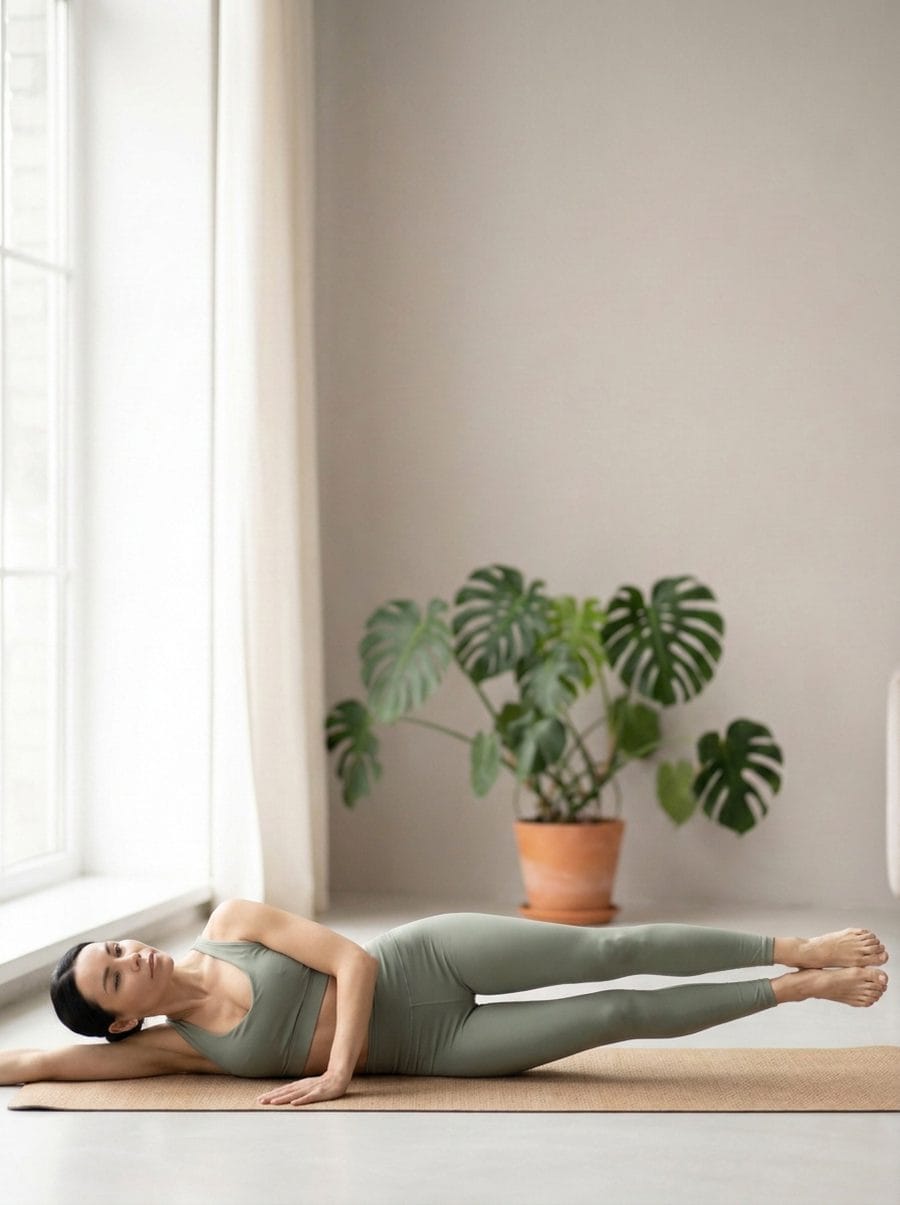
Questions
What does Uttana Padasana mean? "Uttana" means extended and "pada" means leg. The name describes the pose itself: your legs are stretched out and lifted off the floor.
Is Uttana Padasana OK with a neck injury? The app allows it in that case only without the backbend, with your head resting down. Lumbar disc herniation, on the other hand, rules it out completely.
Why does Raised Legs Pose feel so hard? Straight legs act like a long lever, and your abs hold their weight almost on their own. That's why the hold is short and the angle is chosen to match your strength: the higher the legs, the easier it gets.
Updated: