 Hatha Yoga
Inversion Prep: getting ready for Handstand and Headstand
Shoulders, wrists, and core ready for inversions
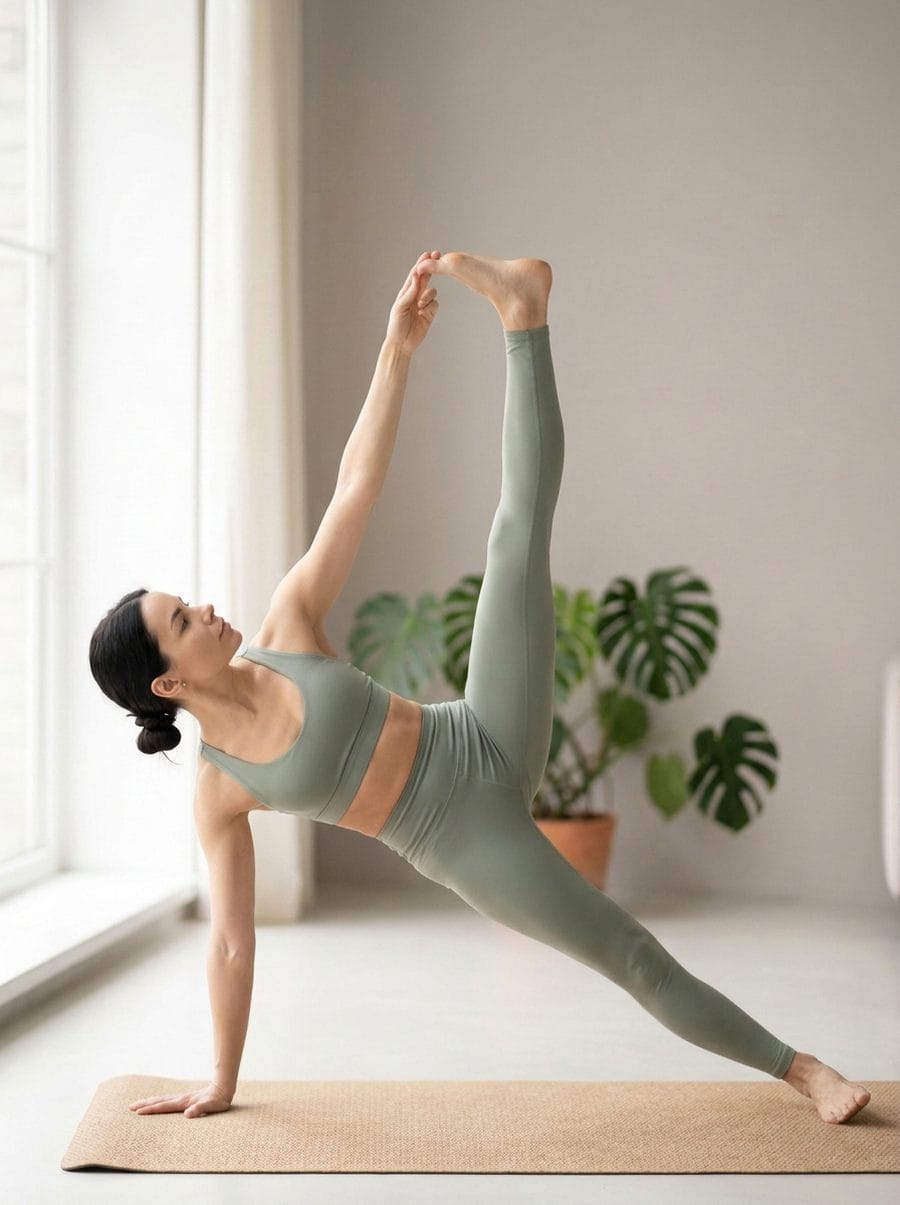
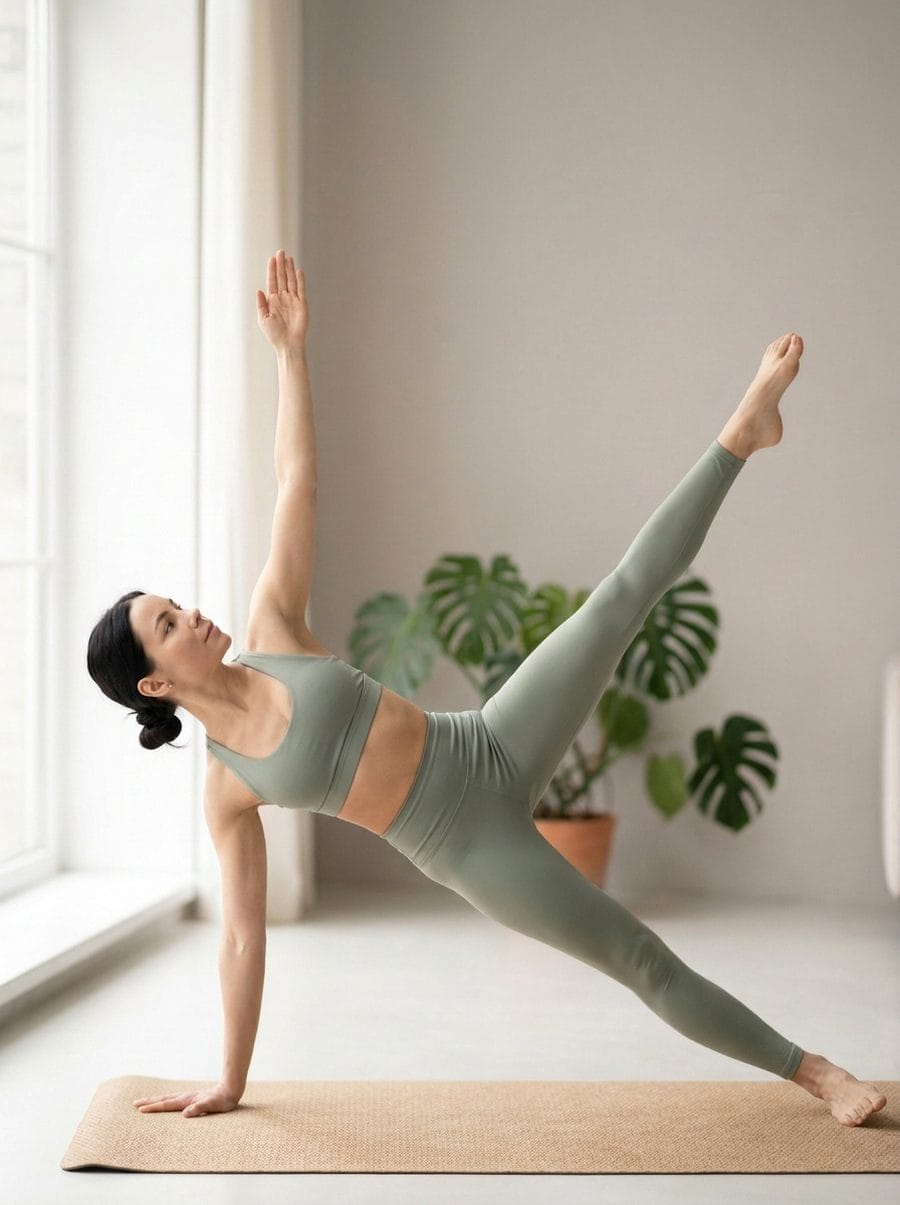
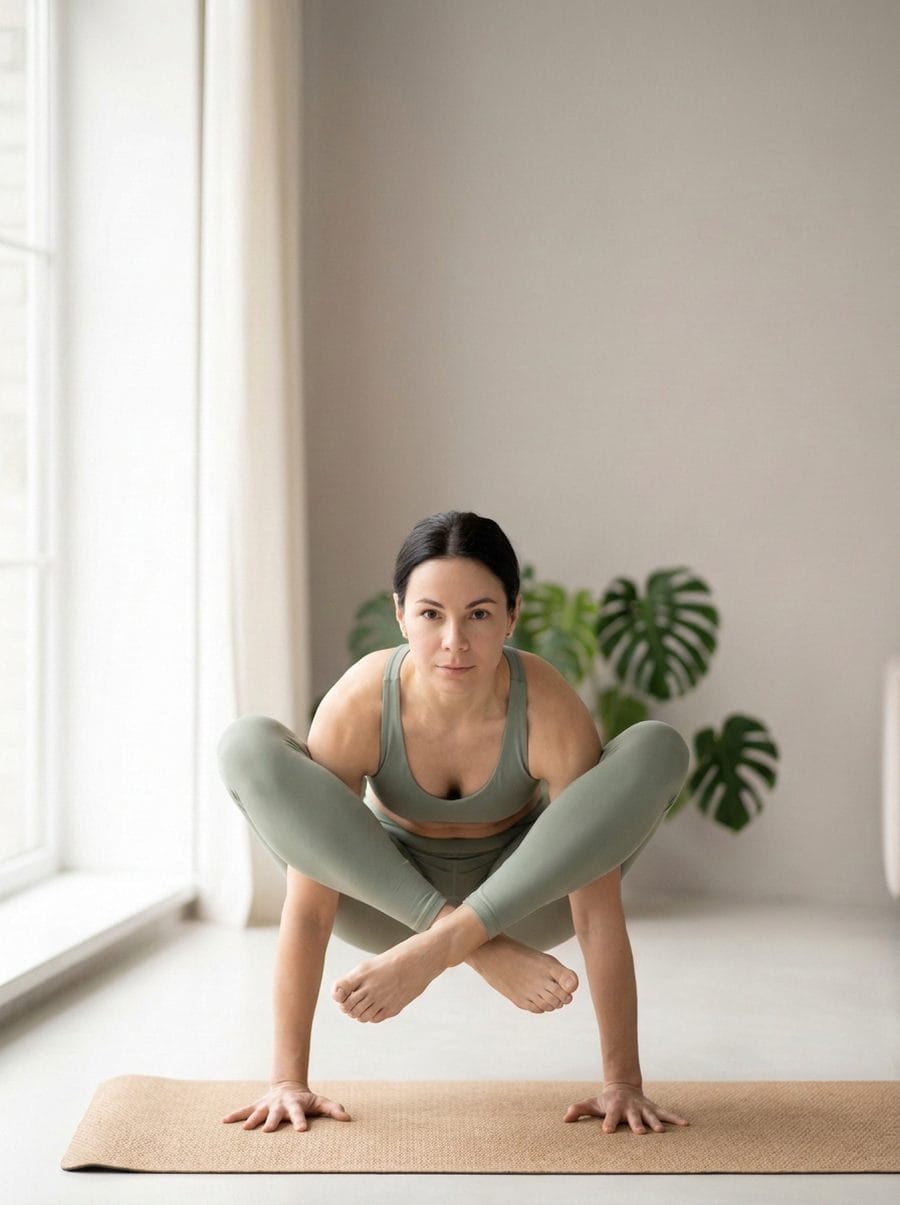
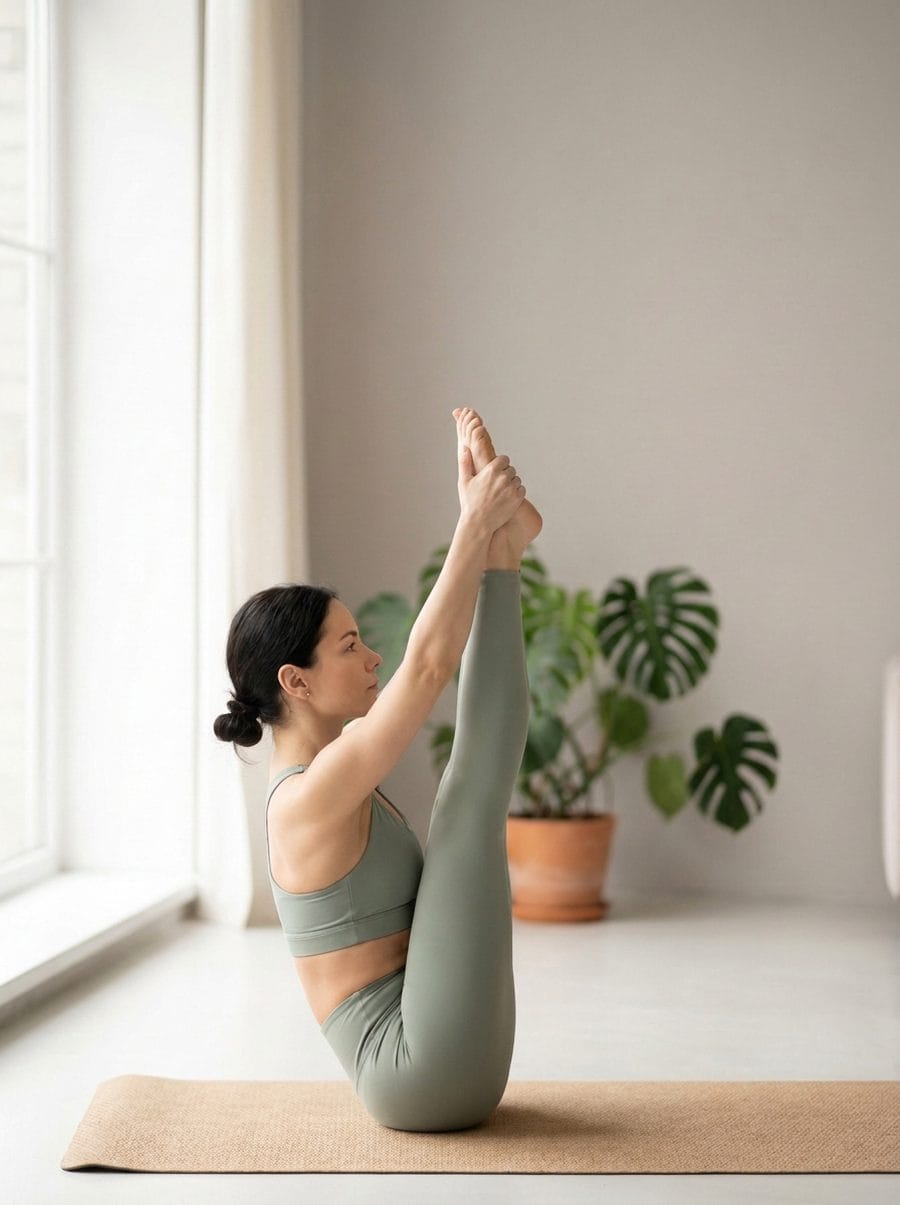
A program for people still working toward Handstand or Headstand. The inversions themselves aren't here: 23 poses in 25 minutes strengthen your shoulders, wrists and core, and Legs-Up-the-Wall is the only upside-down shape you'll meet. It's rated advanced because of Star Side Plank, Two-Legged Arm Balance and Upward-Facing Forward Fold.
Wrist, elbow and shoulder injuries, a lumbar disc herniation, pregnancy and the first days of your period rule out some of the poses, and the wall pose is skipped with glaucoma or hypertension that isn't under control. In the app, this program comes with voice guidance and a timer in the subscription.
-
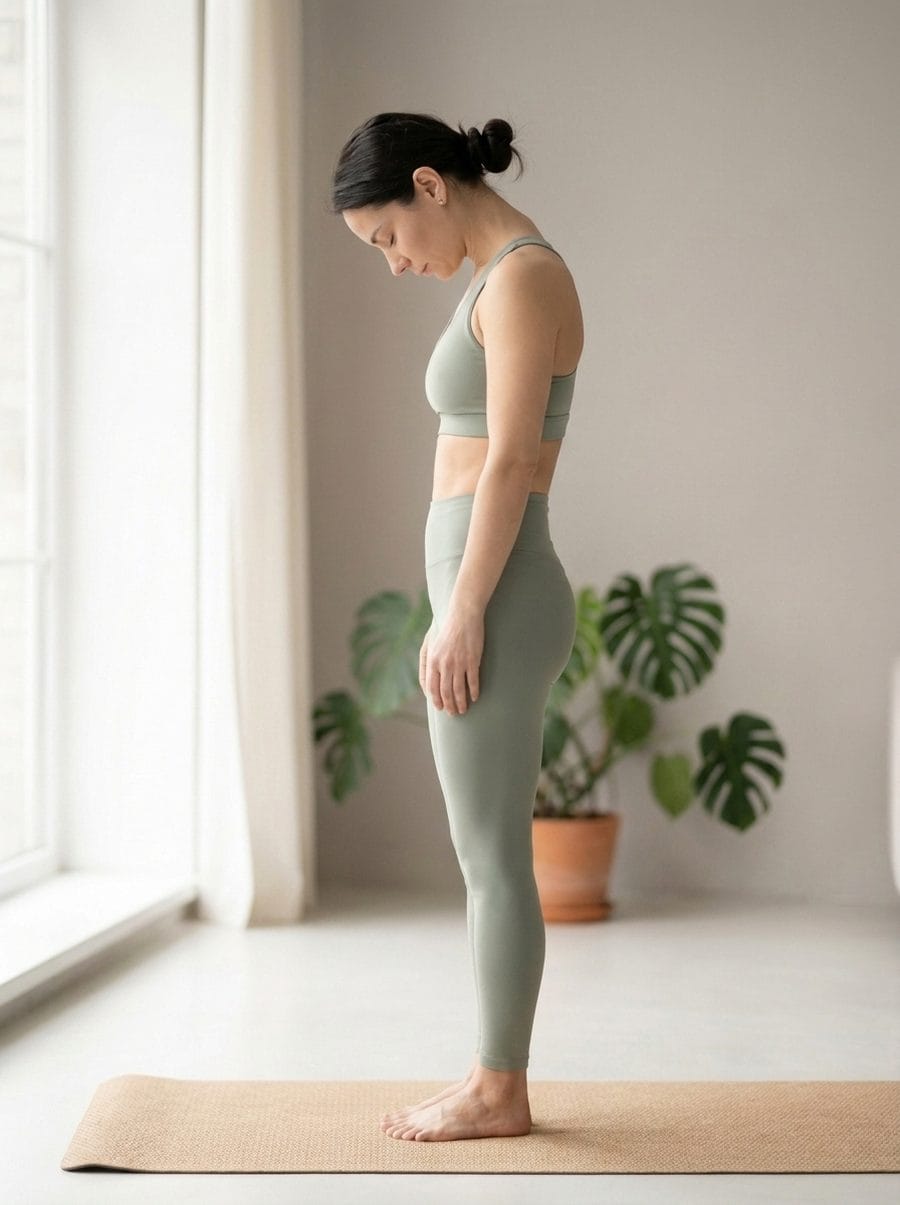
-
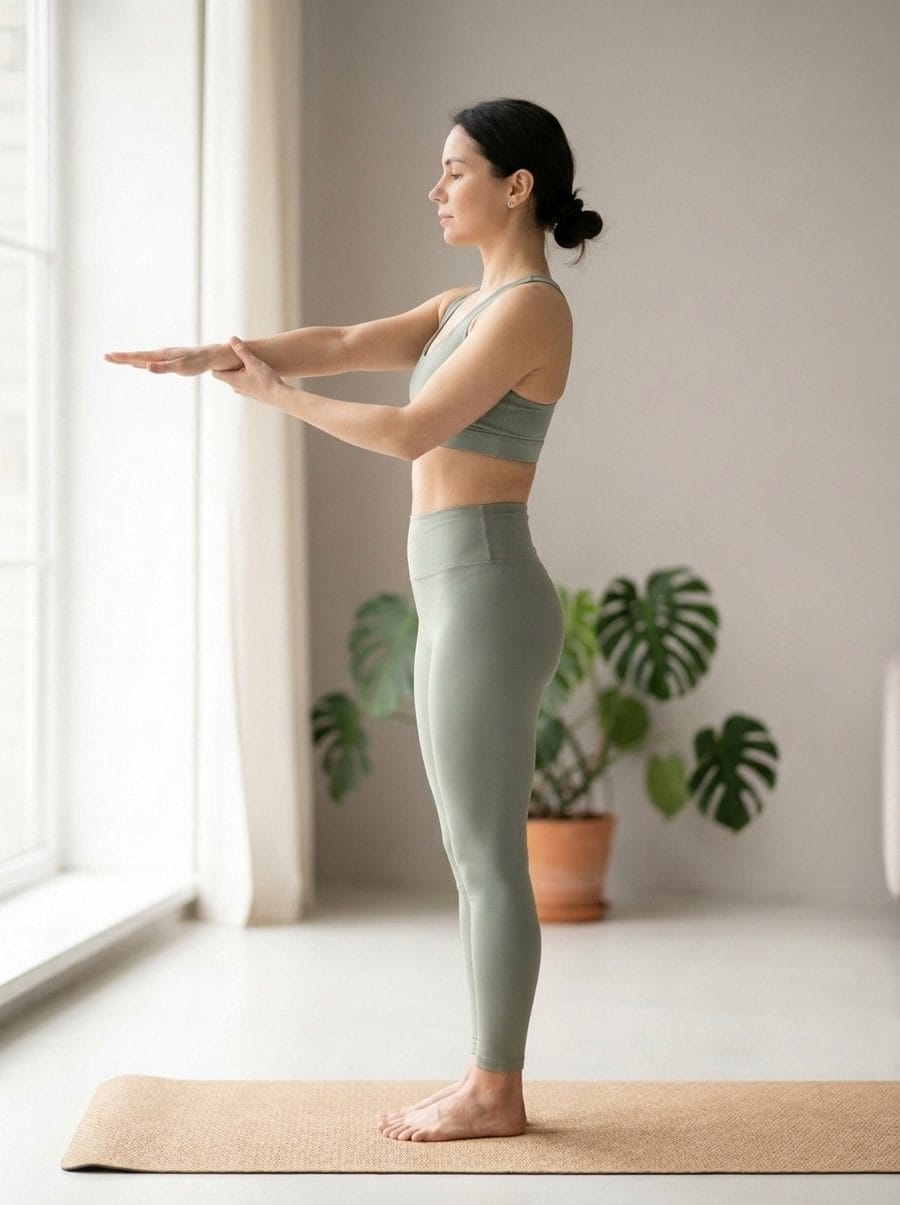
-
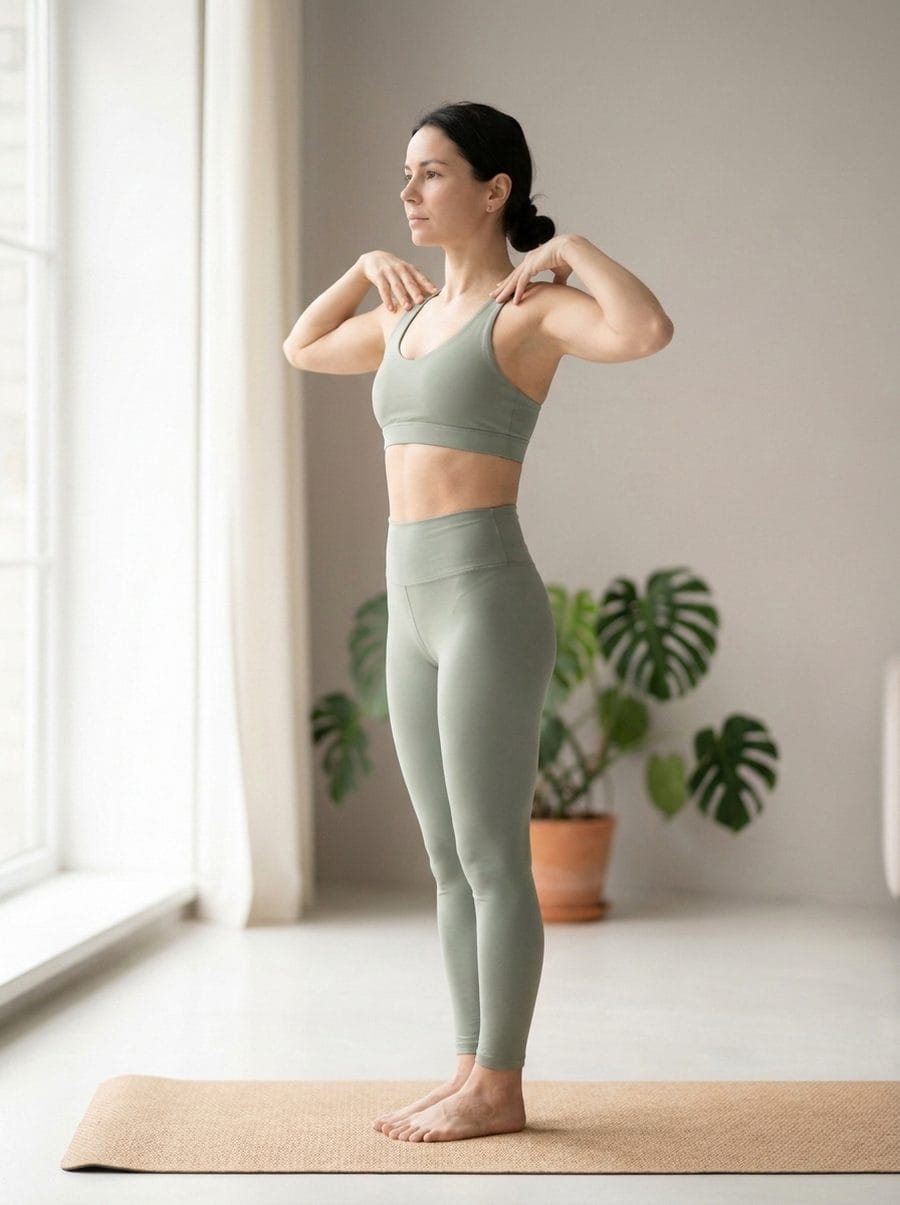
-
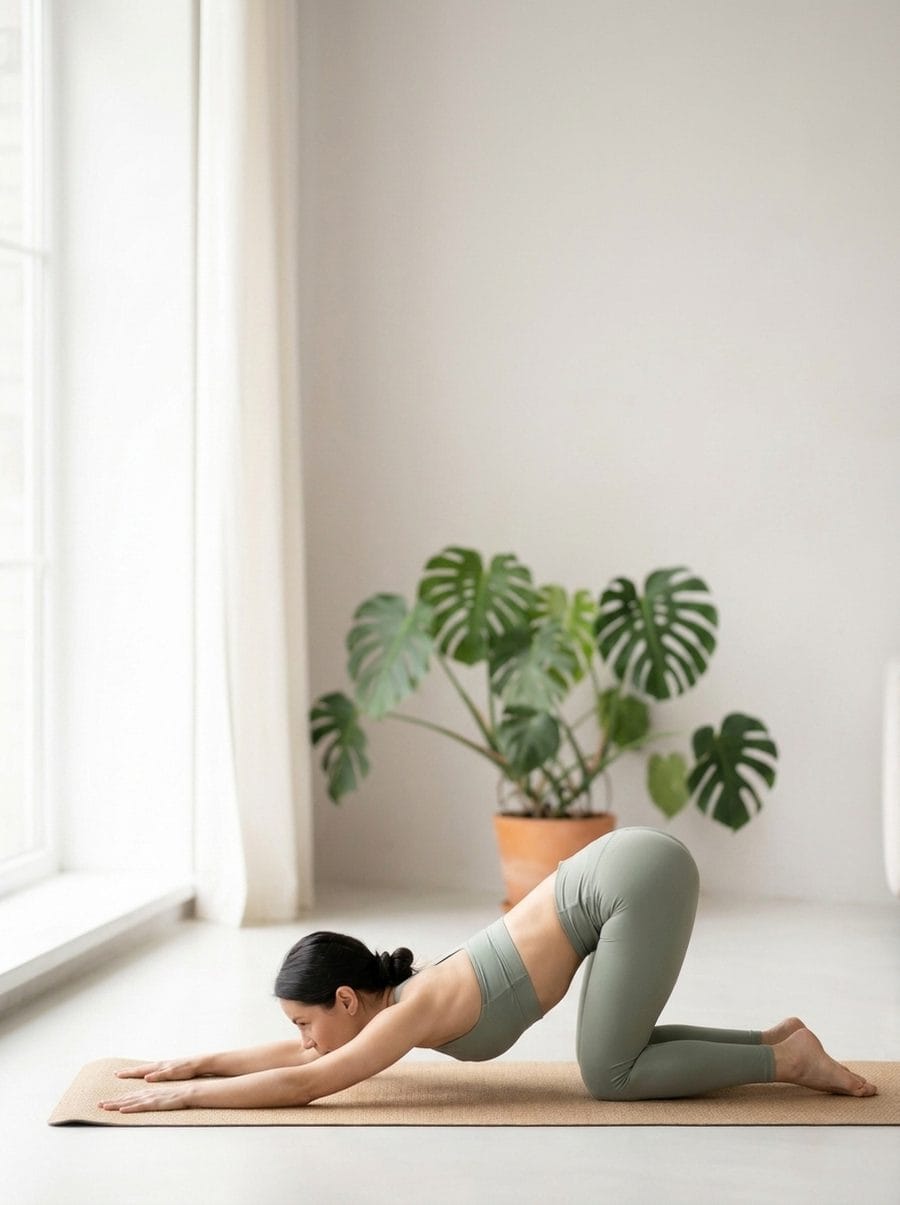
-
-
-
-
-
-
-
-
-
-
-
-
-
-
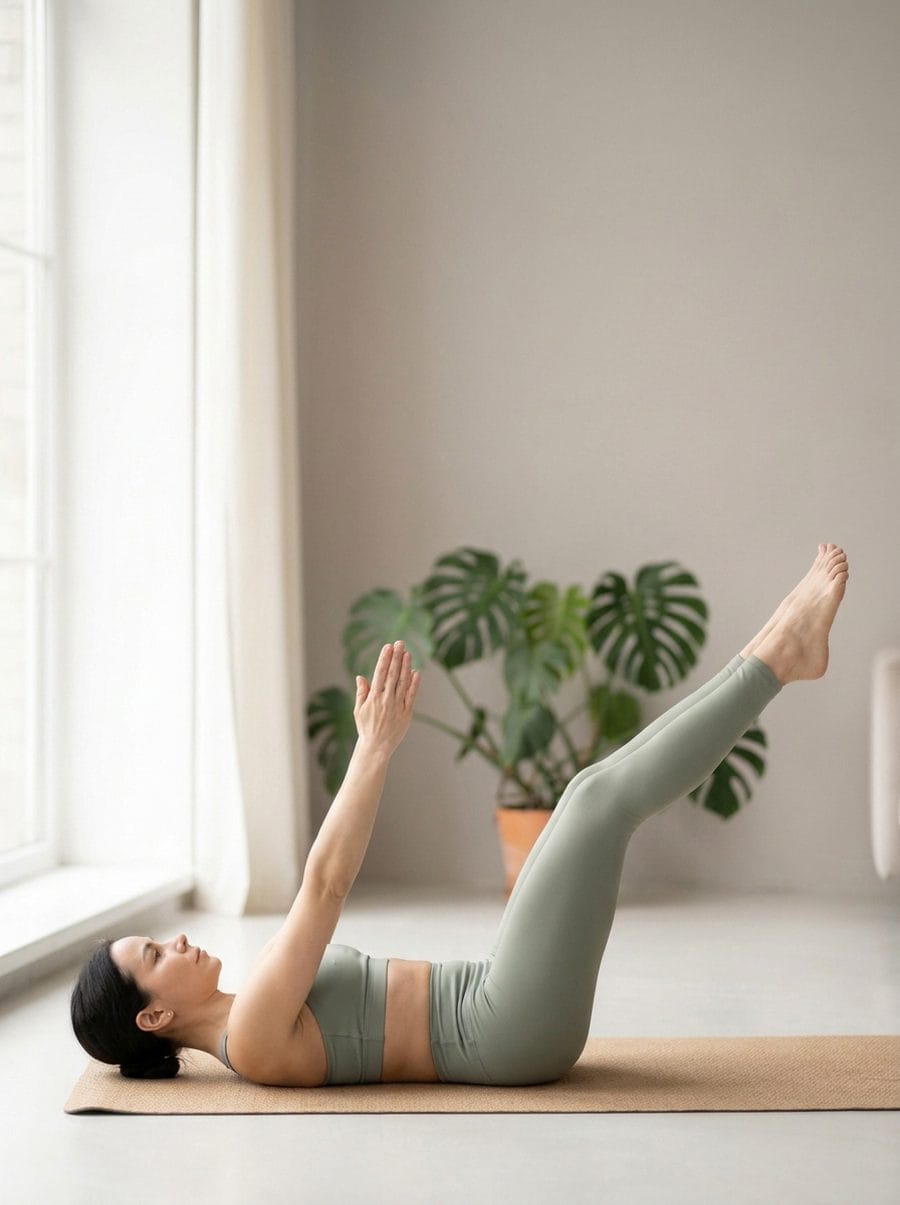
-
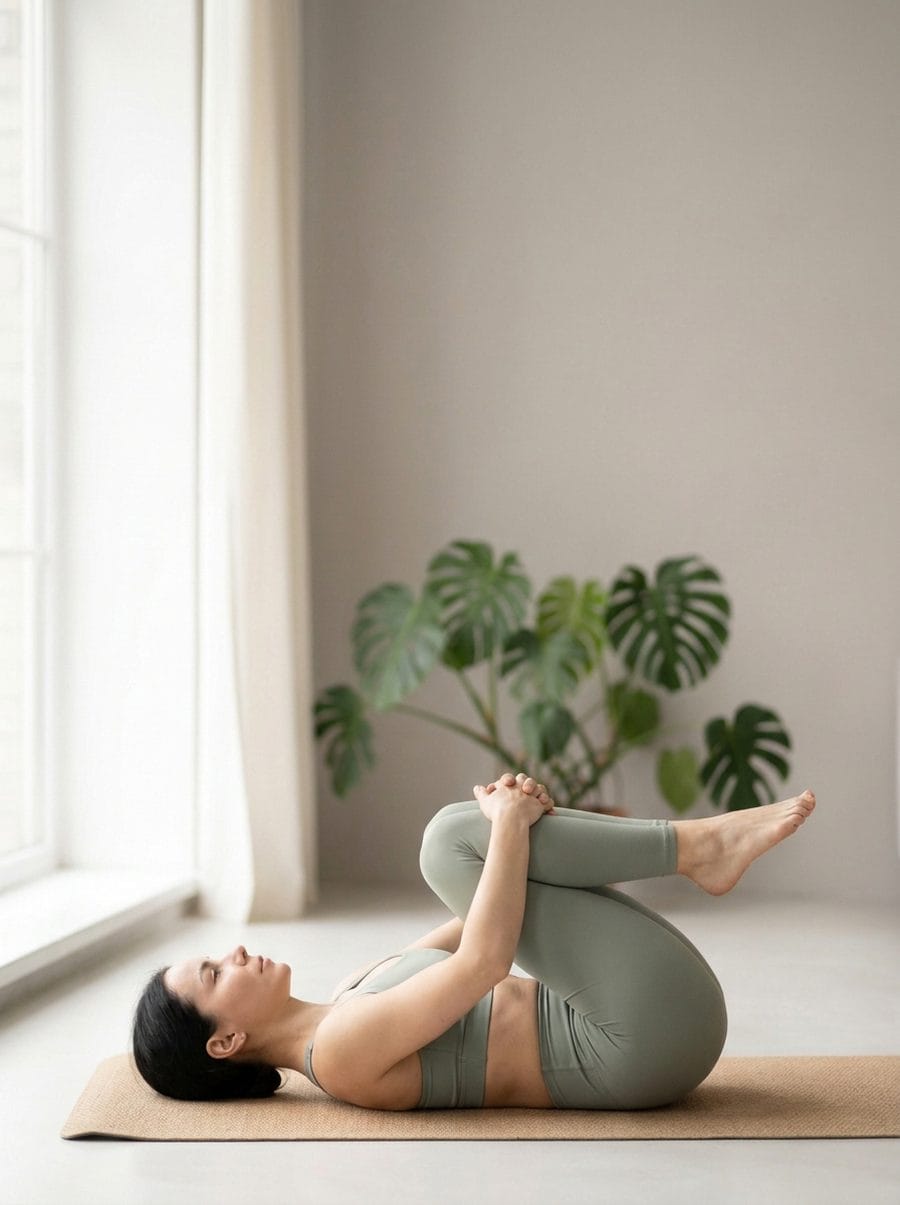
-
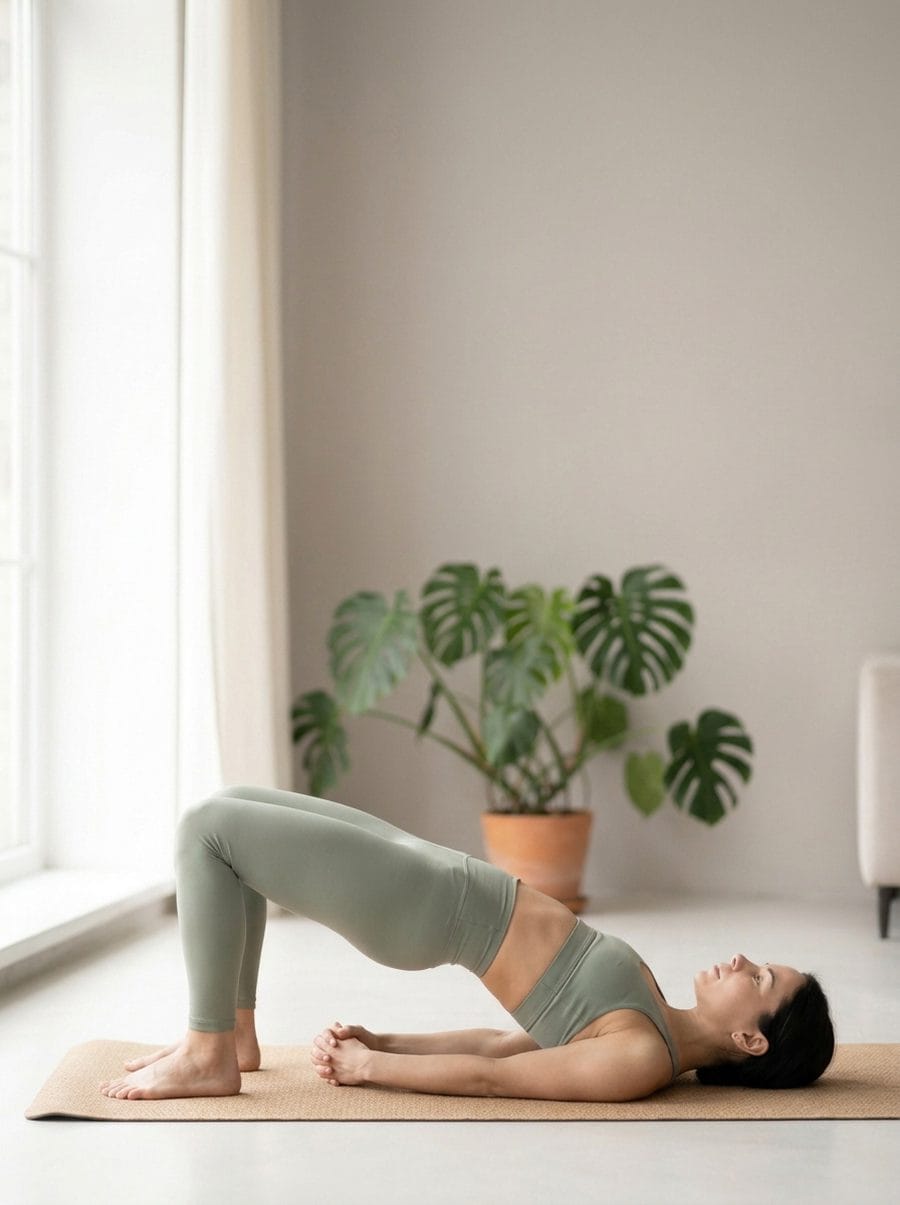
-
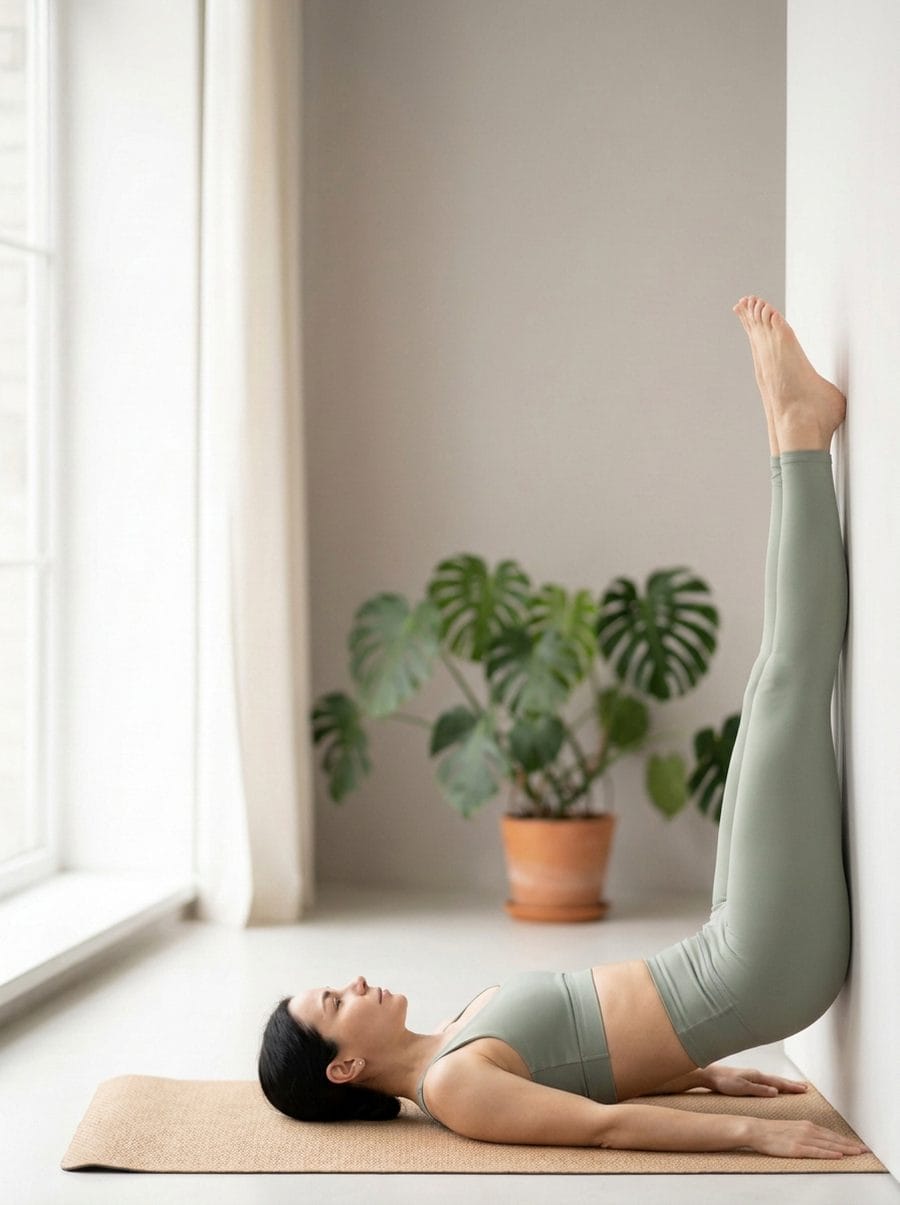
-
-
-
Why this order
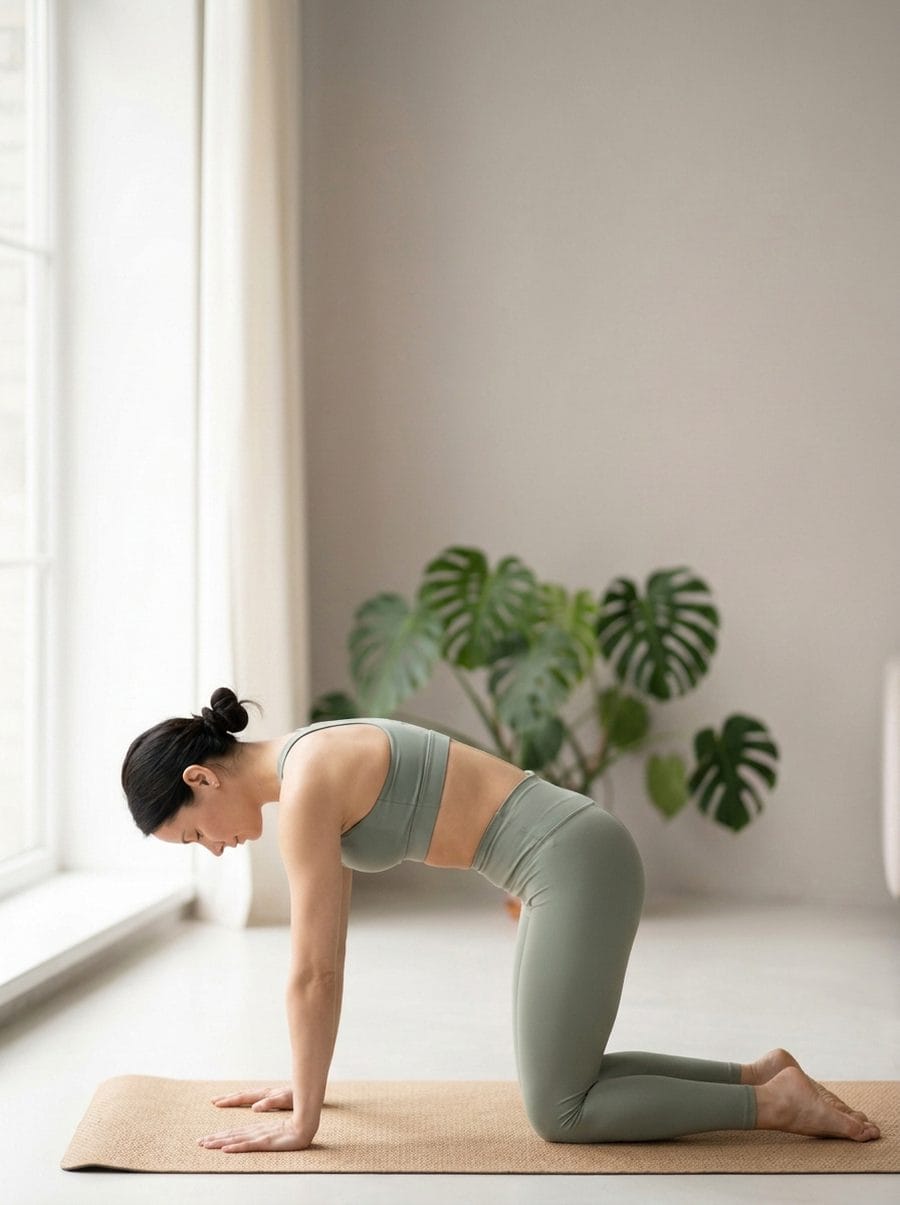
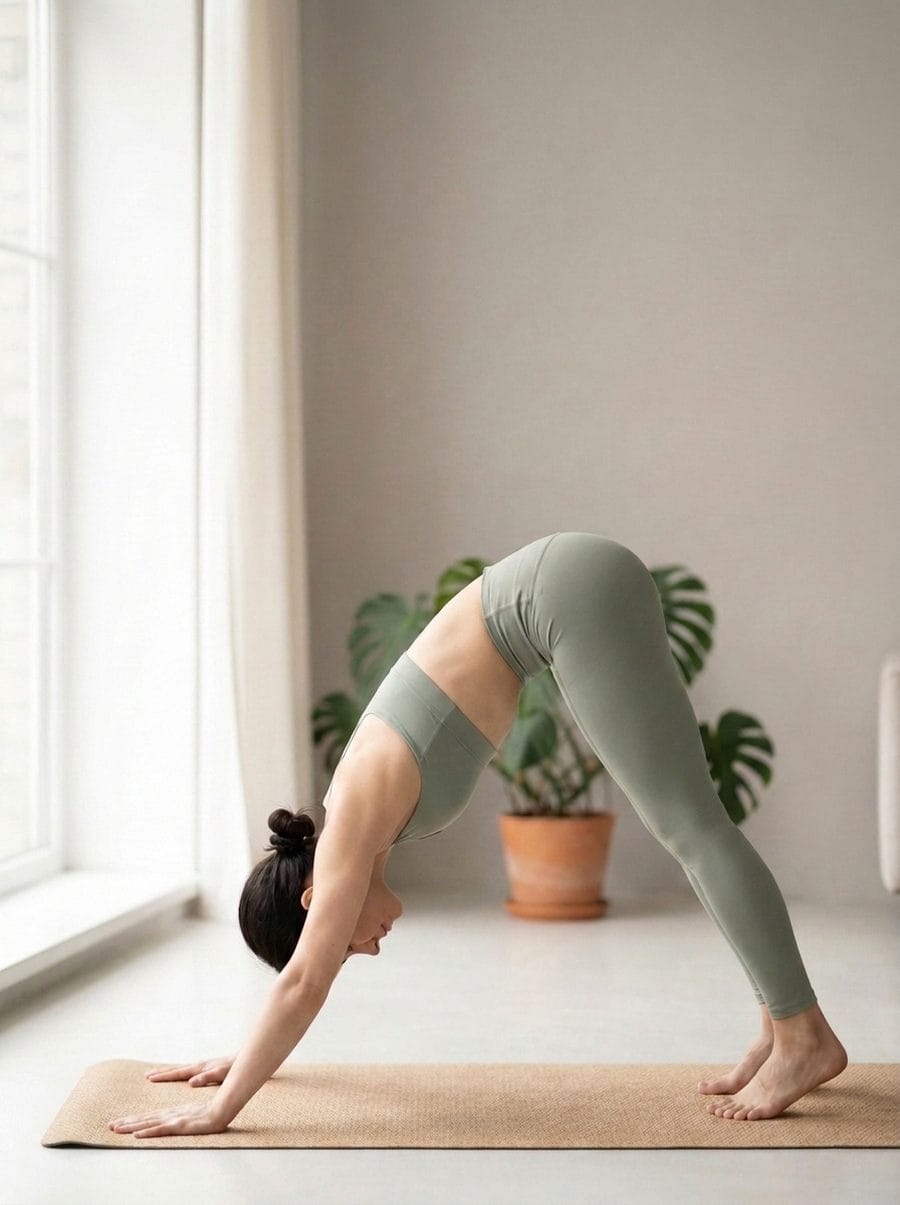
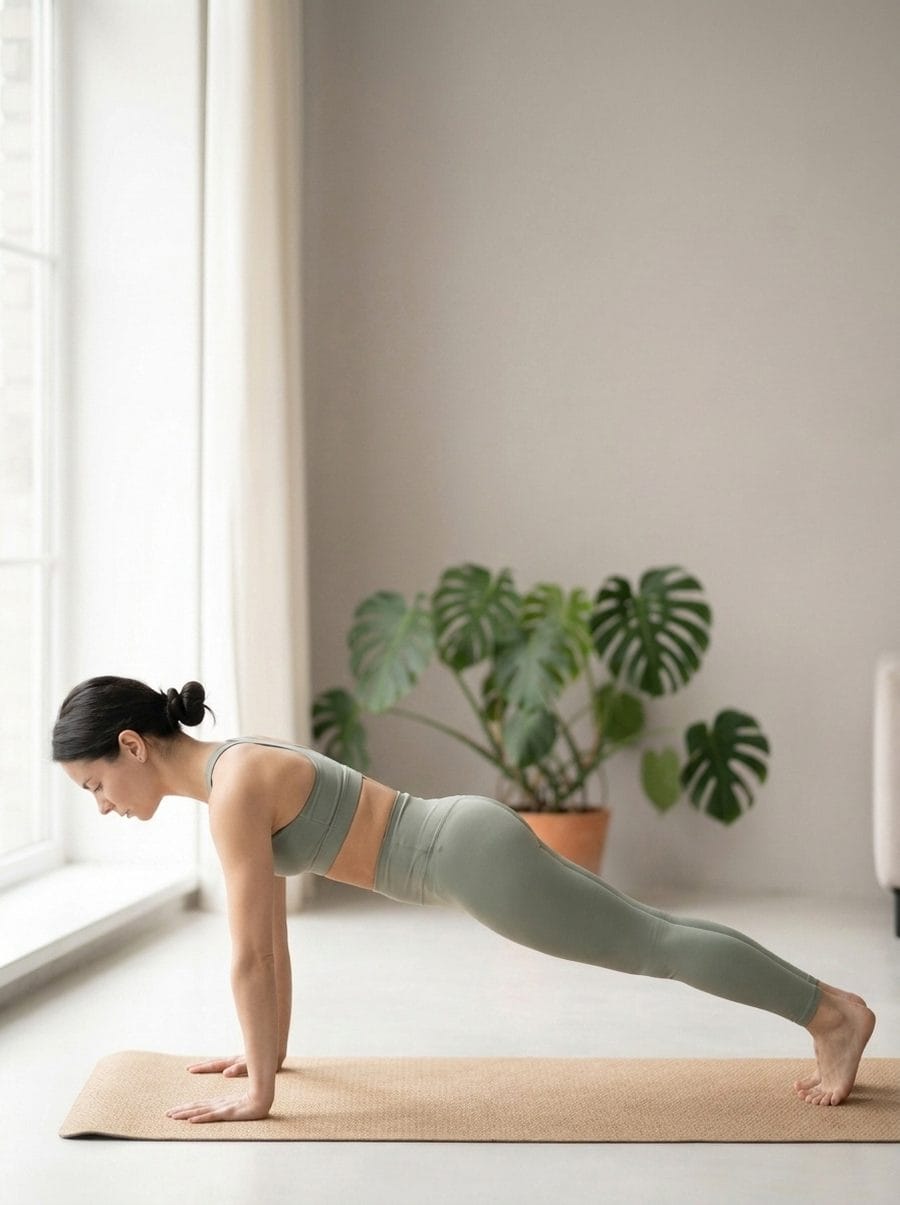
Your neck, wrists and shoulders warm up first, then Puppy Pose and Cat-Cow open the shoulder girdle and back. Downward-Facing Dog loads your arms overhead, the way a handstand does. Plank, Side Plank and Star Side Plank teach you to keep your torso and shoulders stable.
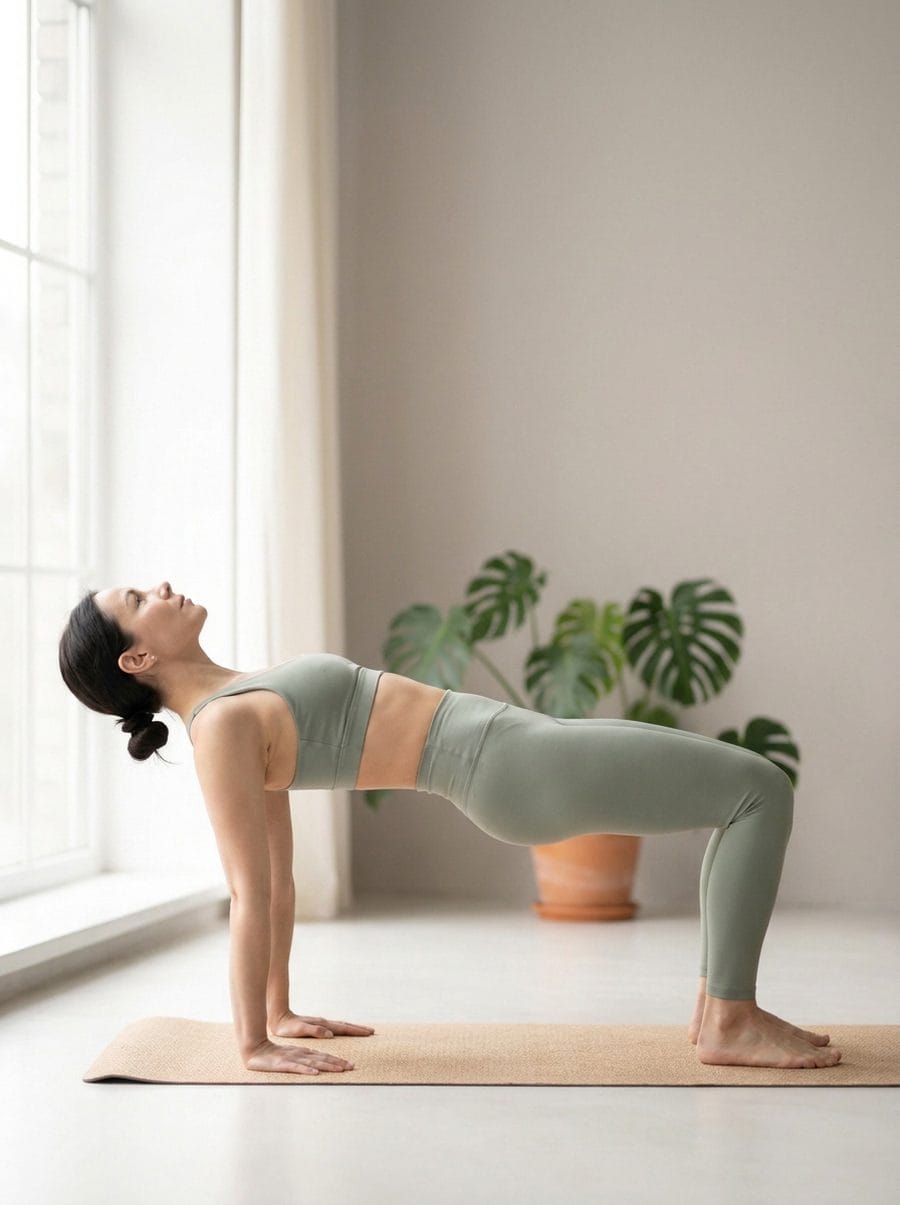
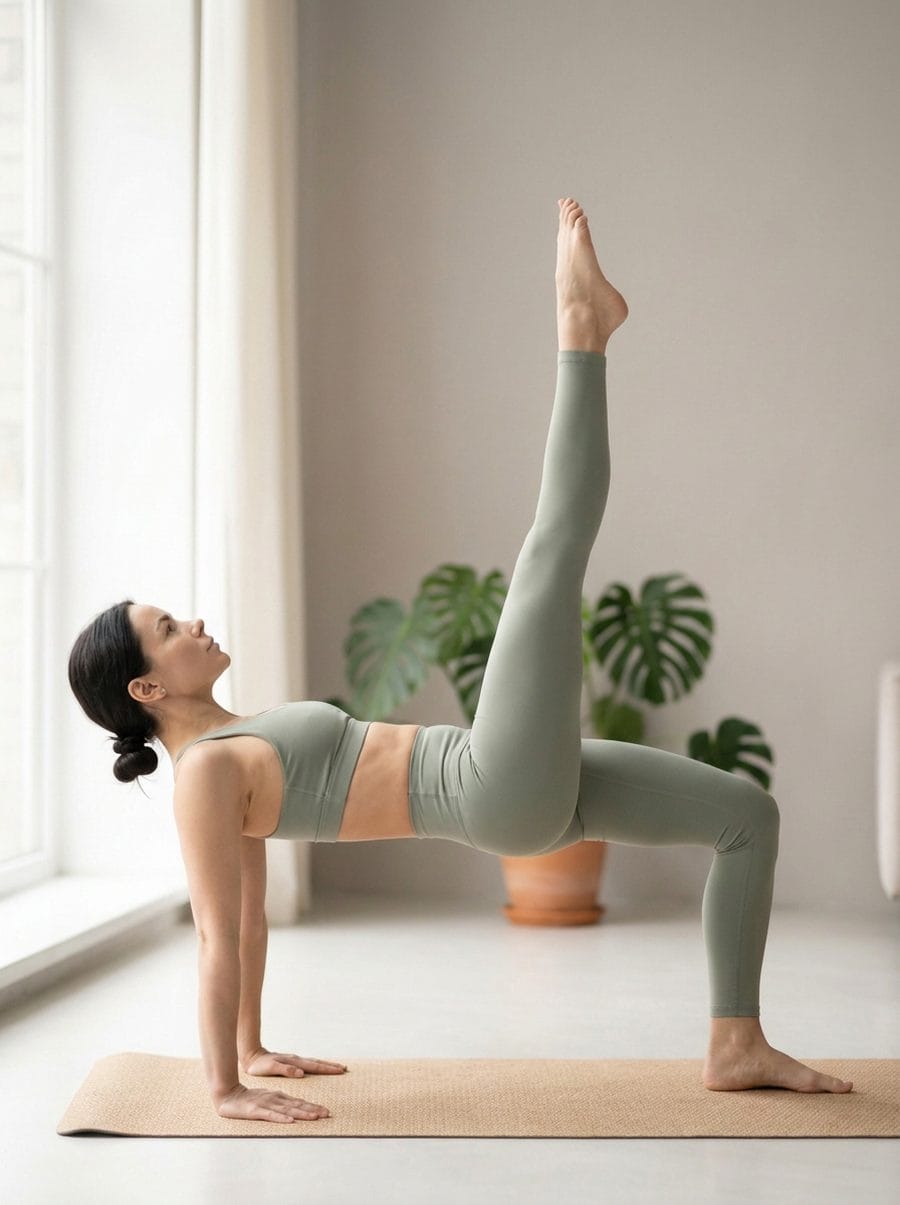
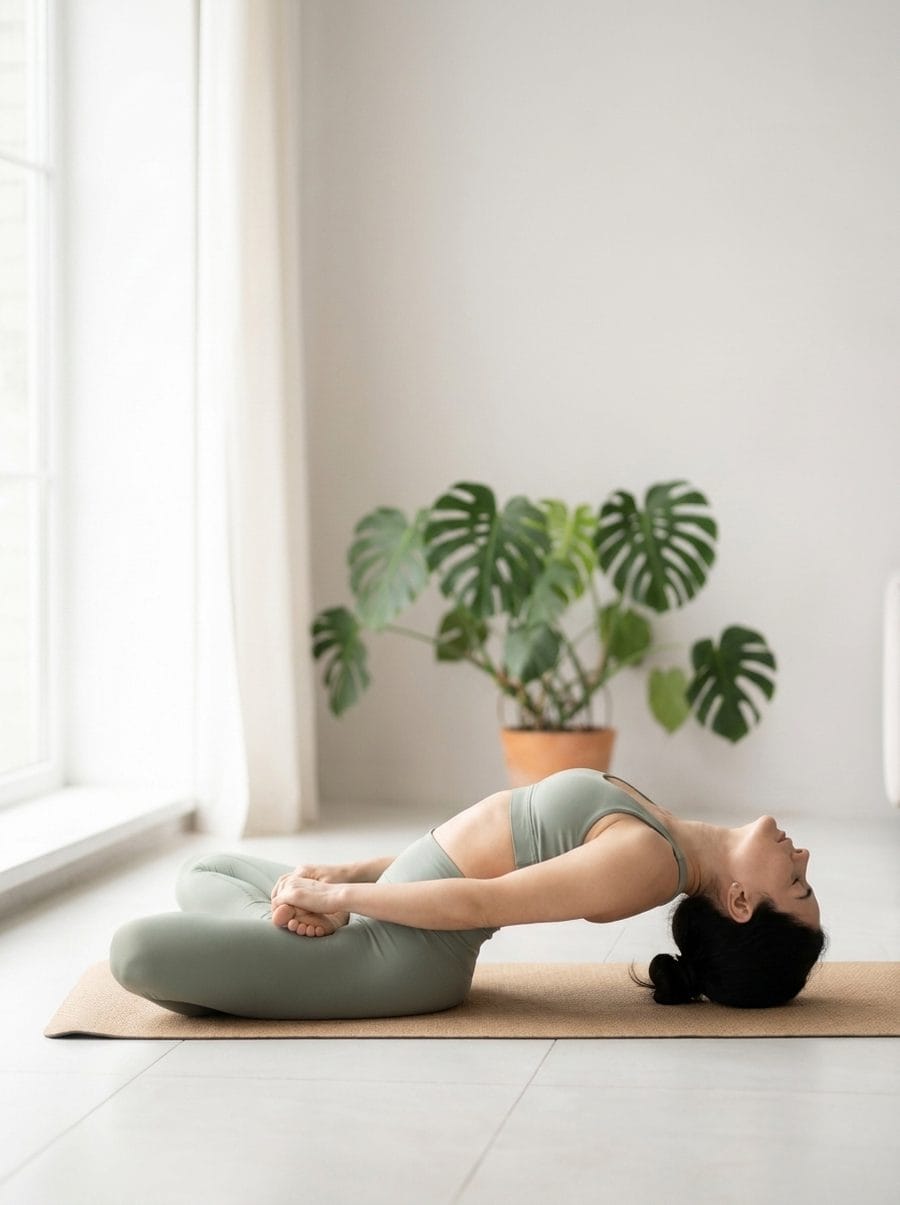
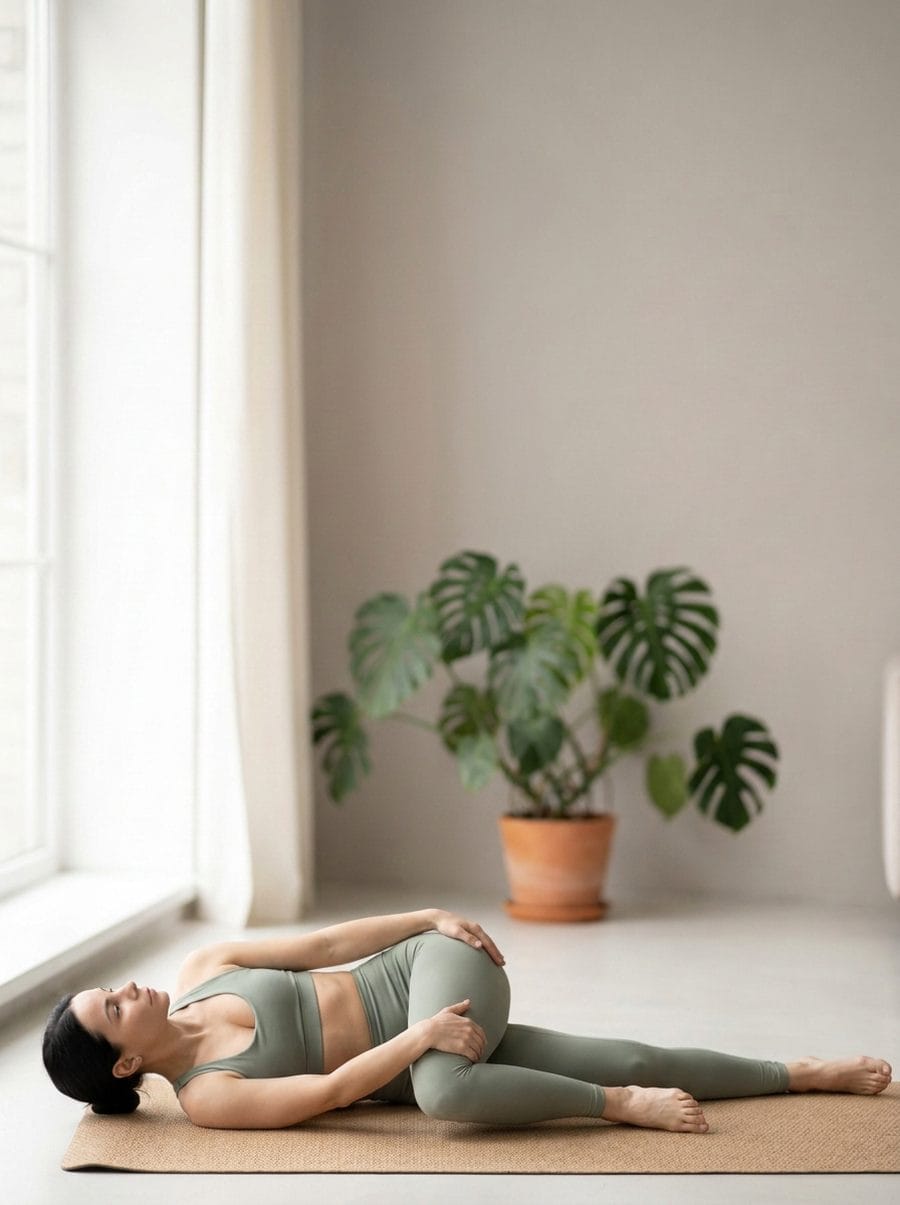
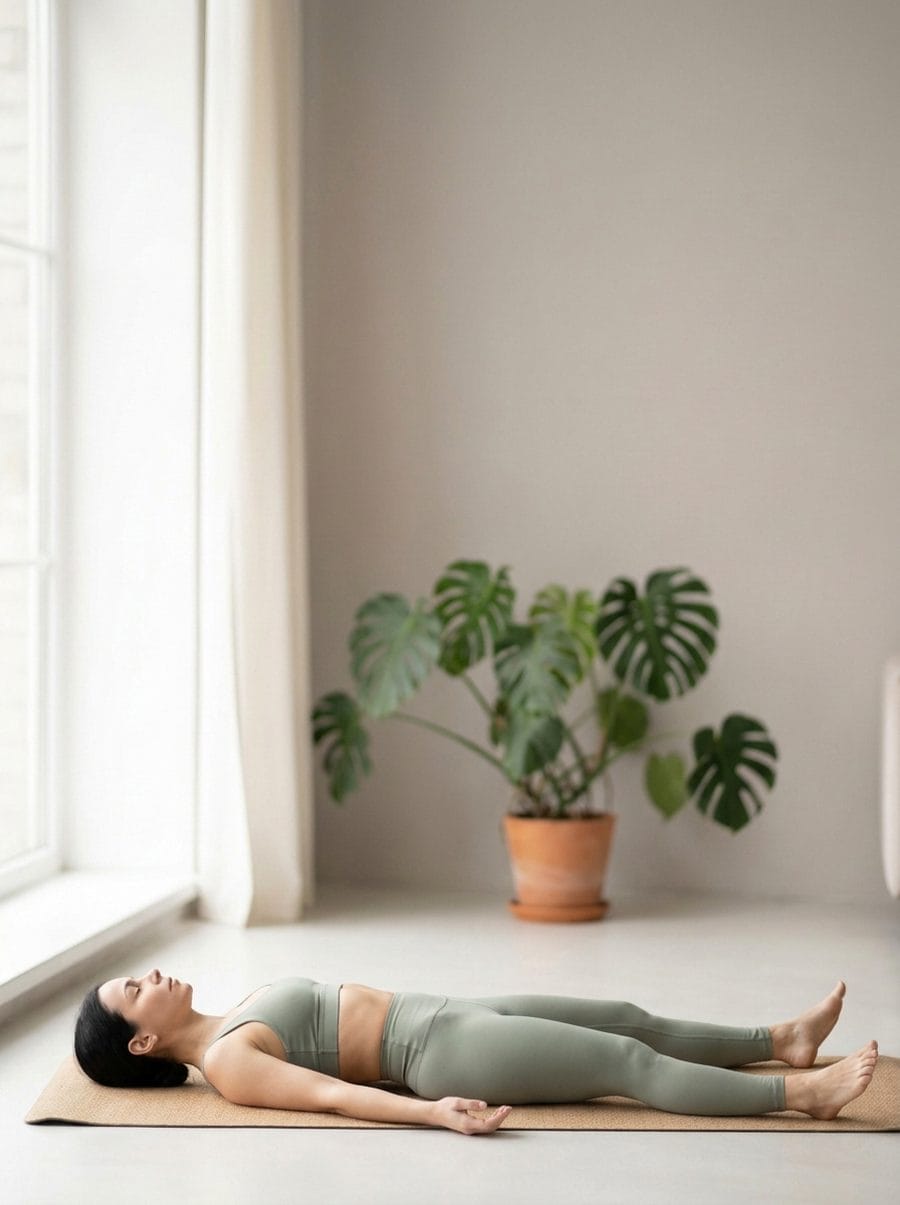
Reverse Tabletop and its one-legged version work in the opposite direction, after which Two-Legged Arm Balance lifts your body onto your hands. Four core poses build the center that no inversion can be held without. Bridge Flow and over two minutes in Legs-Up-the-Wall introduce the upside-down position, and Fish and Supine Twist balance out the work for your neck and back.
Cautions
- Acute neck pain (Neck Warm-Up)
- Dizziness (Neck Warm-Up)
- Acute wrist injuries (Wrist Warm-Up)
- Shoulder injuries (Puppy Pose)
- Acute back pain (Cat-Cow)
- Wrist injuries — practice on your fists (Cat-Cow)
- Wrist and shoulder injuries (Downward-Facing Dog, Side Plank, Star Side Plank)
- High blood pressure — don't stay in the pose long (Downward-Facing Dog)
- Glaucoma (Downward-Facing Dog, Legs-Up-the-Wall Pose)
- Wrist injuries — practice on your forearms (Plank Pose)
- Diastasis recti (Plank Pose)
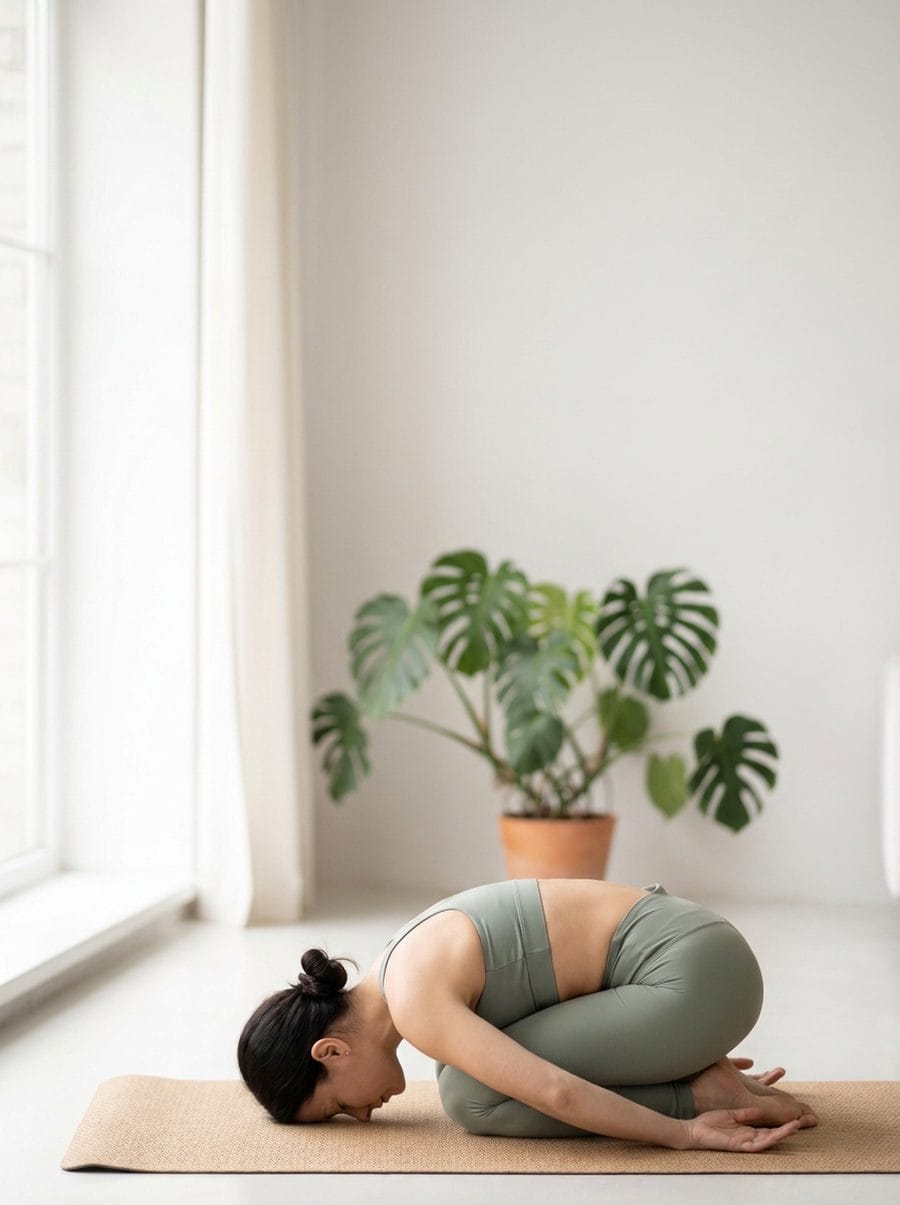
- Pregnancy — widen your knees (Child's Pose)
- Knee injuries (Child's Pose)
- Wrist injuries (Reverse Tabletop Pose, One-Legged Reverse Tabletop)
- Wrist, elbow, and shoulder injuries (Two-Legged Arm Balance)
- Pregnancy (Two-Legged Arm Balance)
- First days of your period (Two-Legged Arm Balance)
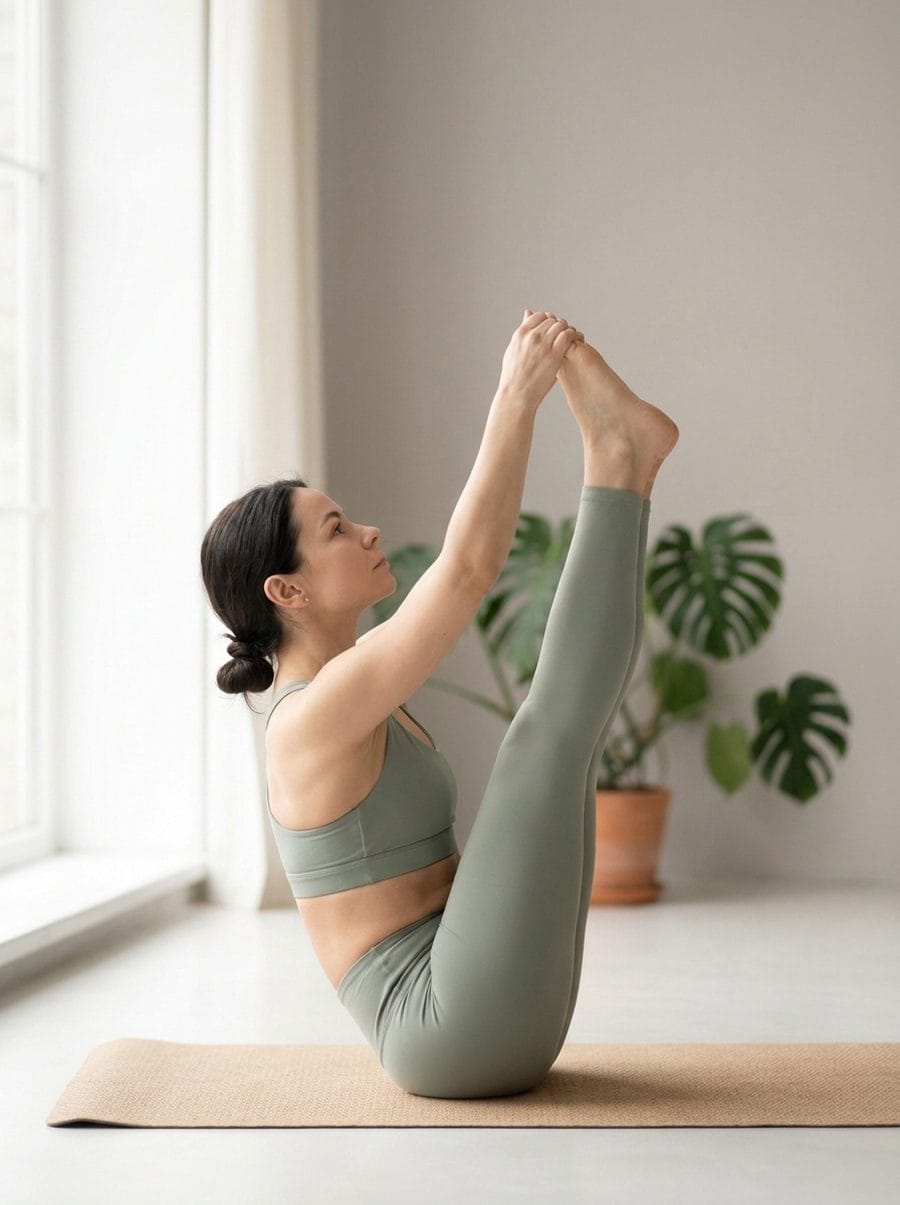
- Lumbar disc herniation (Both Big Toes Pose, Upward-Facing Forward Fold, Raised Legs Pose)
- Hamstring injuries — you can bend your knees (Both Big Toes Pose)
- Only with a warmed-up body (Upward-Facing Forward Fold)
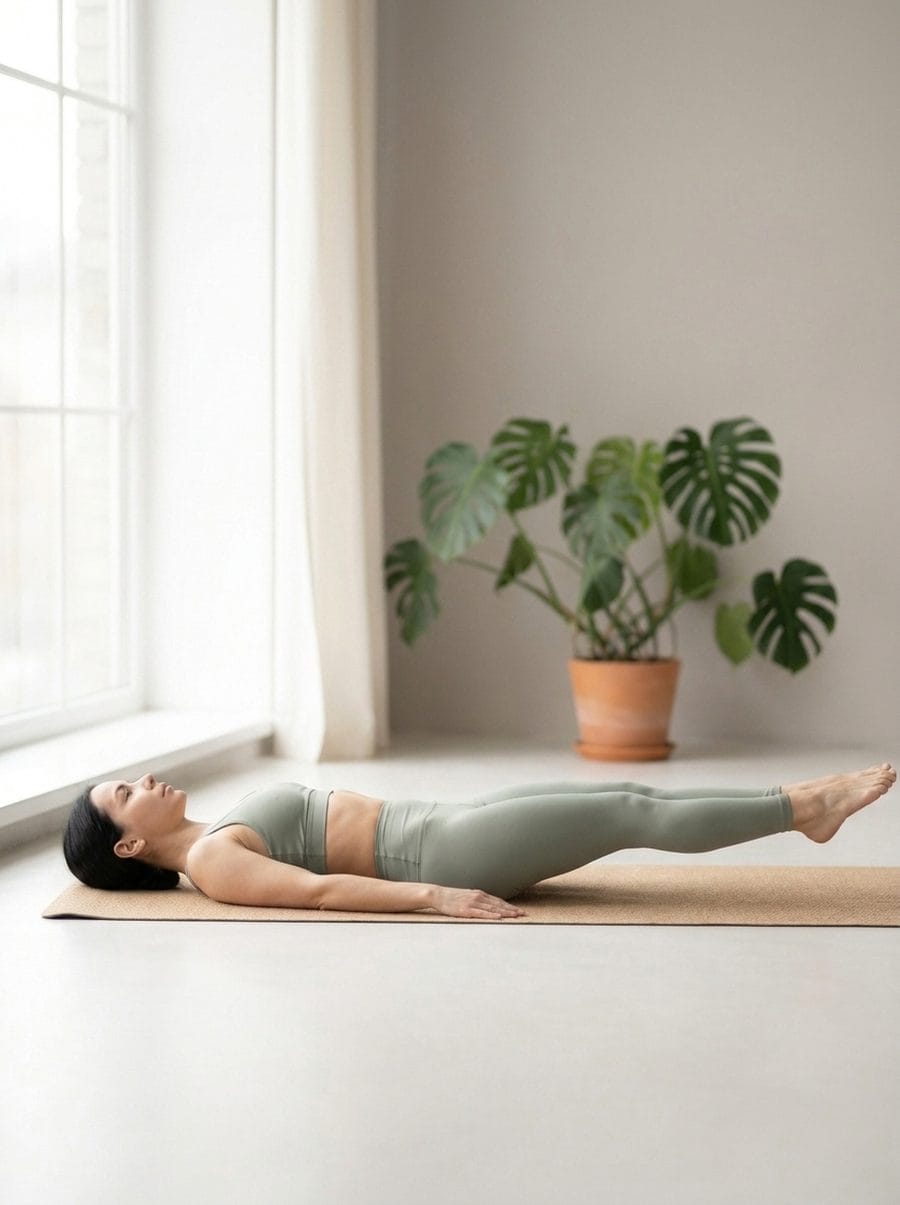
- Lower back problems — keep your legs higher (Low-Angle Leg Raise)
- Neck injuries — skip the backbend, keep your head on the floor (Raised Legs Pose)
- Pregnancy from the second trimester onward — take your knees wider than your belly or skip the pose (Knees-to-Chest Pose)
- Neck injuries (Bridge Flow, Fish Pose)
- Flare-up of lower back pain (Bridge Flow)
- Menstruation (Legs-Up-the-Wall Pose)
- Uncontrolled hypertension (Legs-Up-the-Wall Pose)
- Hypertension (Fish Pose)
- Migraines (Fish Pose)
- Disc herniation in the acute phase (Supine Twist)
This site is for general information and is not medical advice. If you have pain, an injury, a chronic condition, or are pregnant, check with a qualified professional before practicing.