 Hatha Yoga
Is Kundalini Yoga Safe? What We Know About the Risks and Who Should Be Careful
Hatha Yoga editorial team · Updated · 8 min read
The short answer: serious complications are rarely reported in healthy people, but good data are scarce, and fast breathing and long repetitions aren't for everyone. Pregnant, or living with heart disease, high blood pressure, epilepsy or a psychiatric diagnosis? See your doctor before you start.
Below is an honest look at what's known, what isn't, which limits the app lists, and what to do if you feel unwell during practice.
What the research shows
- Kundalini yoga. A 2026 review pulled together 15 randomized trials with about 1,370 participants. They report no serious adverse events, and the authors consider the style safe. Still, trials like these are small and aren't designed to catch rare complications.
- Yoga overall. A 2015 meta-analysis found 301 randomized trials, yet only 94 reported adverse events at all. By those data, yoga is no riskier than usual care or exercise. Minor adverse events were more common than in psychological or educational programs.
- The official view. The US center NCCIH considers yoga safe for healthy people when done properly with a qualified instructor. It notes that learning on your own has been linked to greater risk and lists forceful breathing among the practices beginners should avoid.
Evidence on the benefits is limited too, as our overview of the style explains.
What we don't know
- How often things go wrong in kundalini yoga specifically. The studies are too small for rare events, and people practice differently at home than in a group with an instructor.
- How safe breath of fire itself is. We found no papers on it in kundalini yoga in PubMed.
- What happens in pregnancy. A PubMed search for kundalini yoga and pregnancy returned nothing as of November 2026.
What individual case reports describe
Case reports can't show how common a problem is or what caused it. They only suggest what to watch for.
- Forceful breathing. A 2013 review of 76 cases lists it among the most often cited techniques. In a 2026 review it accounts for 8 of 84 adverse events. More than half of all patients in that review had an existing vulnerability, and the authors call such events uncommon.
- Lungs. A 2004 report describes a pneumothorax (collapsed lung) in a healthy 29-year-old woman after kapalabhati. The authors stressed that it was the only such report at the time.
- Mental health. Psychiatrists have described people whose practice and belief in an "awakening" coincided with severe mental states. In one case, a 19-year-old had been practicing alone for three months with no guide. Even specialists can find it hard to tell these states from spiritual experience.
Fast breathing: where the risk lies
- Dizziness. The most expected effect, and the first item in the app's caution.
- Heart rate and blood pressure. In a small 1991 study of 17 experienced practitioners doing kapalabhati, heart rate rose by 9 beats per minute, systolic pressure by 15 mmHg and diastolic by 6. The data are old and don't cover breath of fire, but they help explain the caution around hypertension.
- Panic. The UK's NHS lists dizziness, tingling fingers and feeling disconnected from your body among panic attack symptoms. If you're prone to attacks, those sensations can be frightening.
- Epilepsy. Deliberate hyperventilation triggers seizures in the vast majority of people with absence epilepsy. Other forms are also a reason to ask your doctor in advance.
Long repetitions and long stillness
The effort in this style is simple, but there's a lot of it: arms held up for a long time, knees folded beneath you, belly and lower back working through leg lifts. Hence the app's rule: your own pace, and no pushing through pain.
The full versions of the classic sets aren't for starting out: "Nabhi Kriya: Full" and "Sat Kriya: 11 Minutes" are both rated advanced.
Quiet sitting isn't always neutral either. A 2020 review covered 83 studies of meditation without yoga postures. About 8% of participants reported adverse effects (3.7% in experimental studies and 33% in observational ones), most often anxiety and depression. Some of them had no history of mental health problems.
Contraindications listed in the app
If an item comes with no advice, you skip that movement.
- Breath of fire. Dizziness, pregnancy, high blood pressure and heart disease all call for calm, even breathing. For kapalabhati, a close relative, the app adds hernias of the abdomen, menstruation and belly surgery not long ago. Those aren't listed separately for breath of fire, but the belly works in a similar way, so we suggest breathing calmly in those cases too. The technique itself is covered in Breath of Fire.
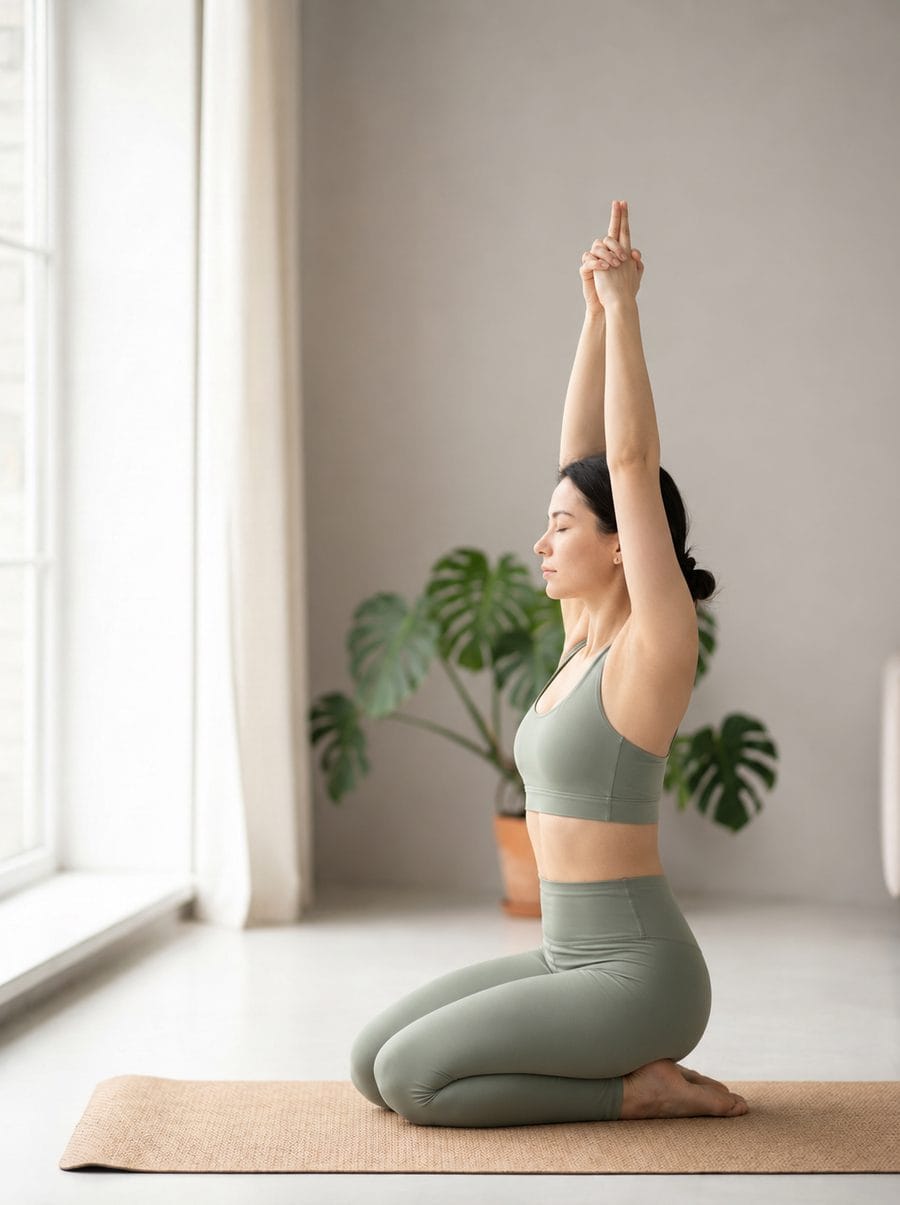
- Arms in a V. Shoulder injuries. With high blood pressure or pregnancy, no breath of fire.
- Sat Kriya. Don't practice it during pregnancy. With knee injuries sit on a block, and with high blood pressure contract your belly more gently.
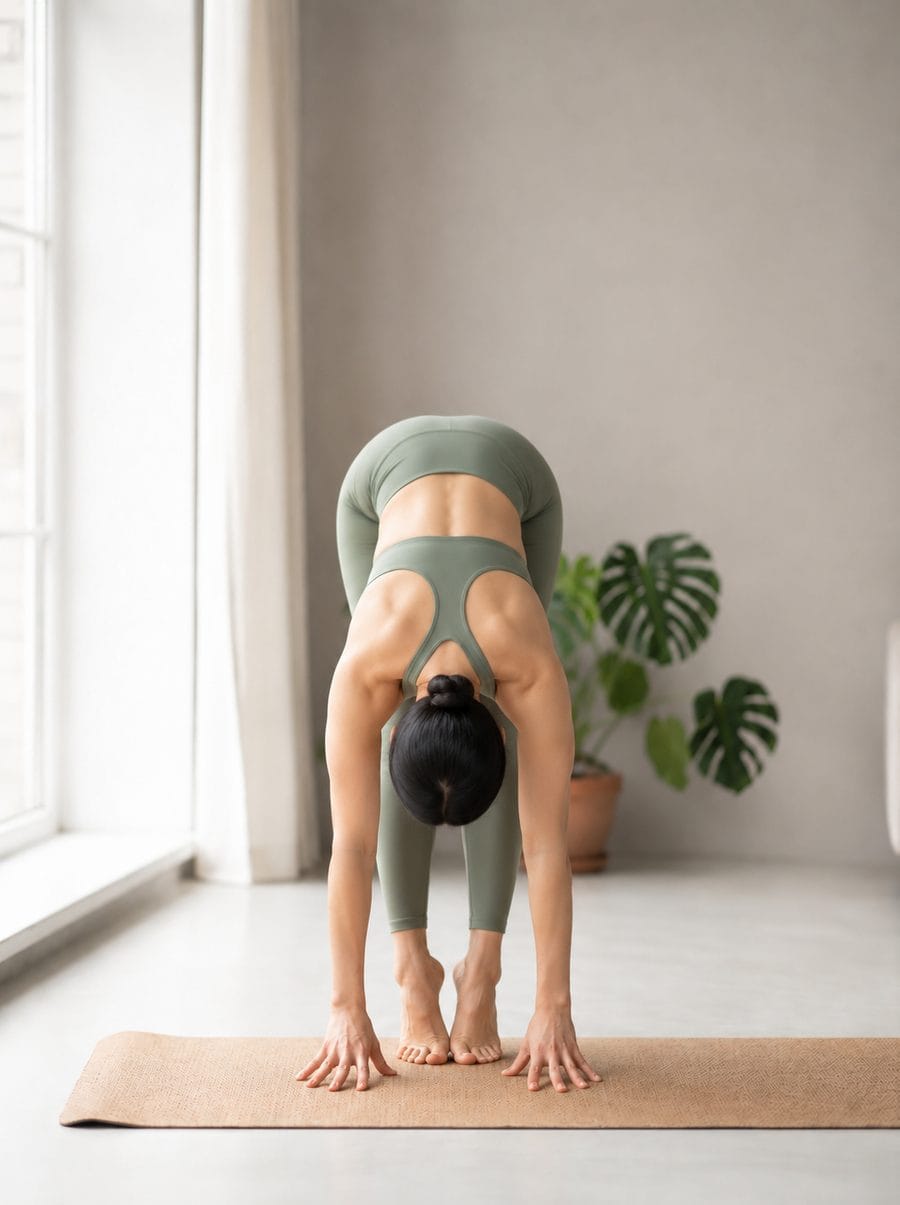
- Frog Flow. Knee and ankle injuries. With hypertension, hold your head up rather than low.
- Opening with Angled Legs. Lower back pain, lumbar hernias, pregnancy.
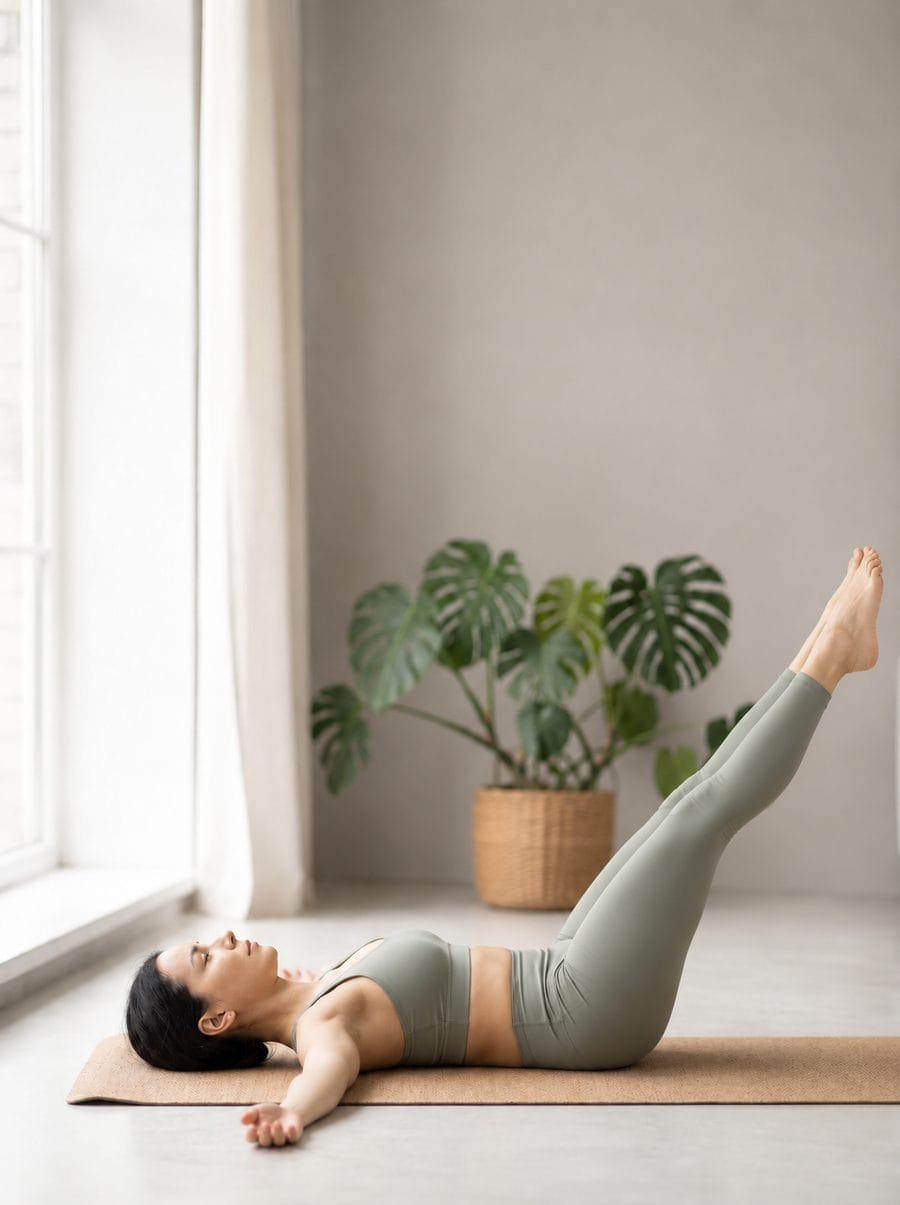
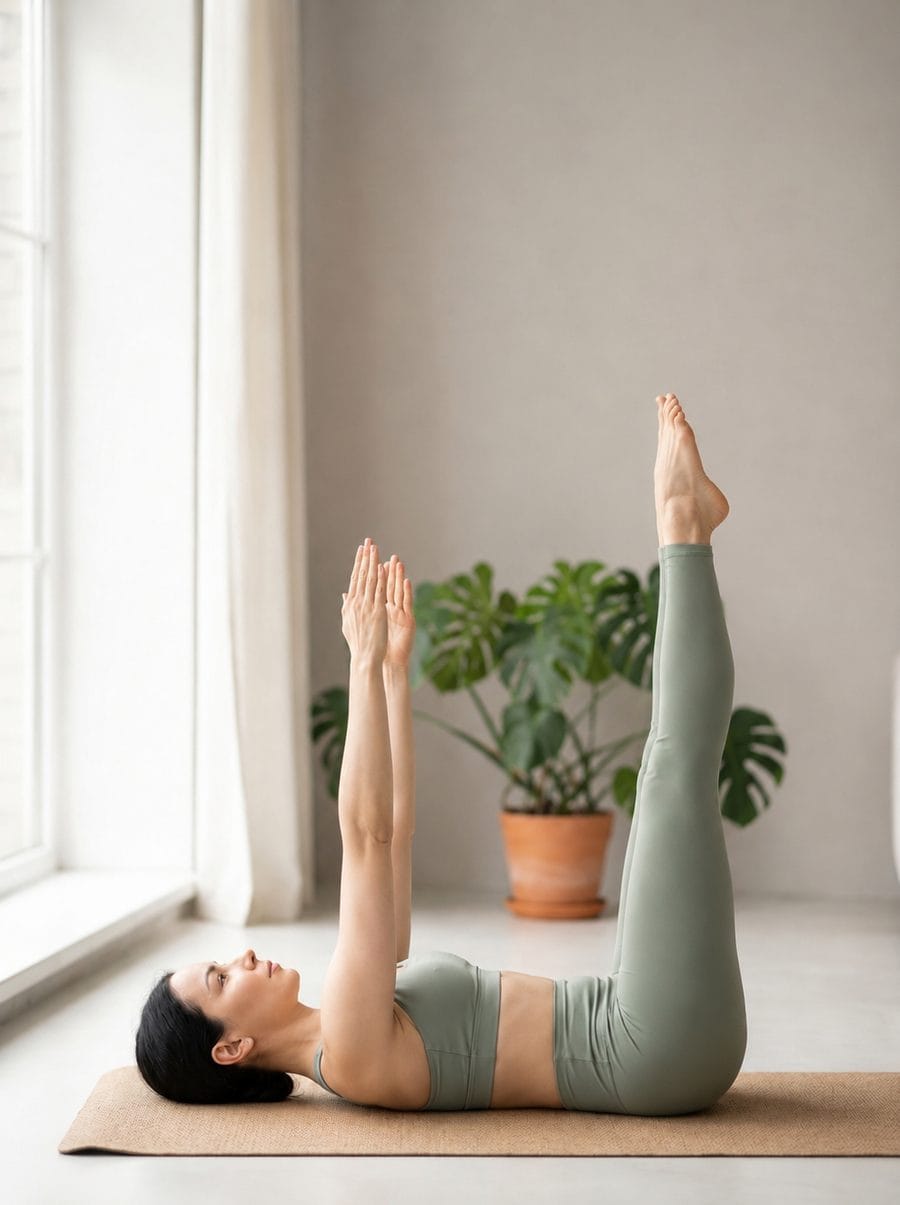
- Double Leg Lifts with Arms Up. Pregnancy. With lower back pain, tuck your hands under your sacrum.
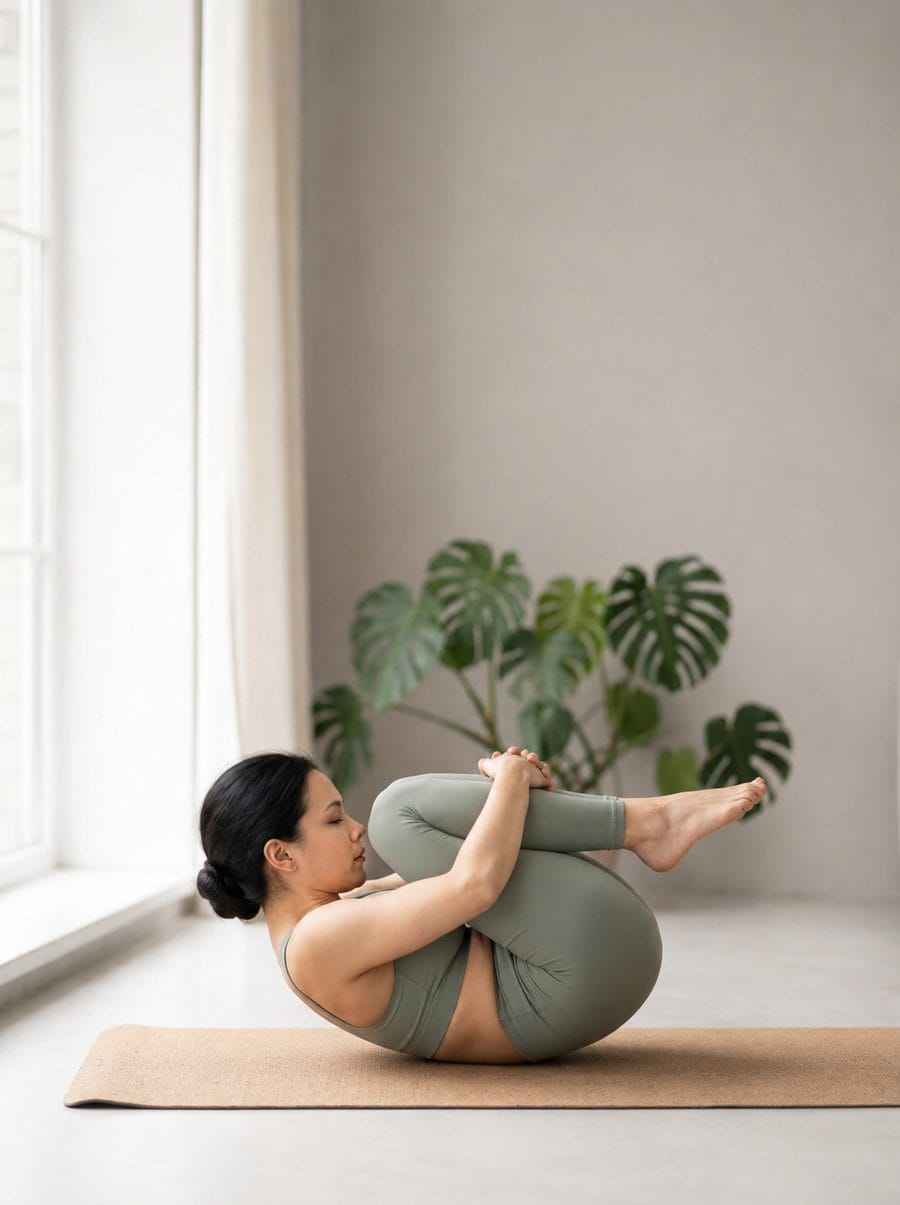
- Rocking on the Back. Acute back pain. With neck injuries, don't tuck your head.
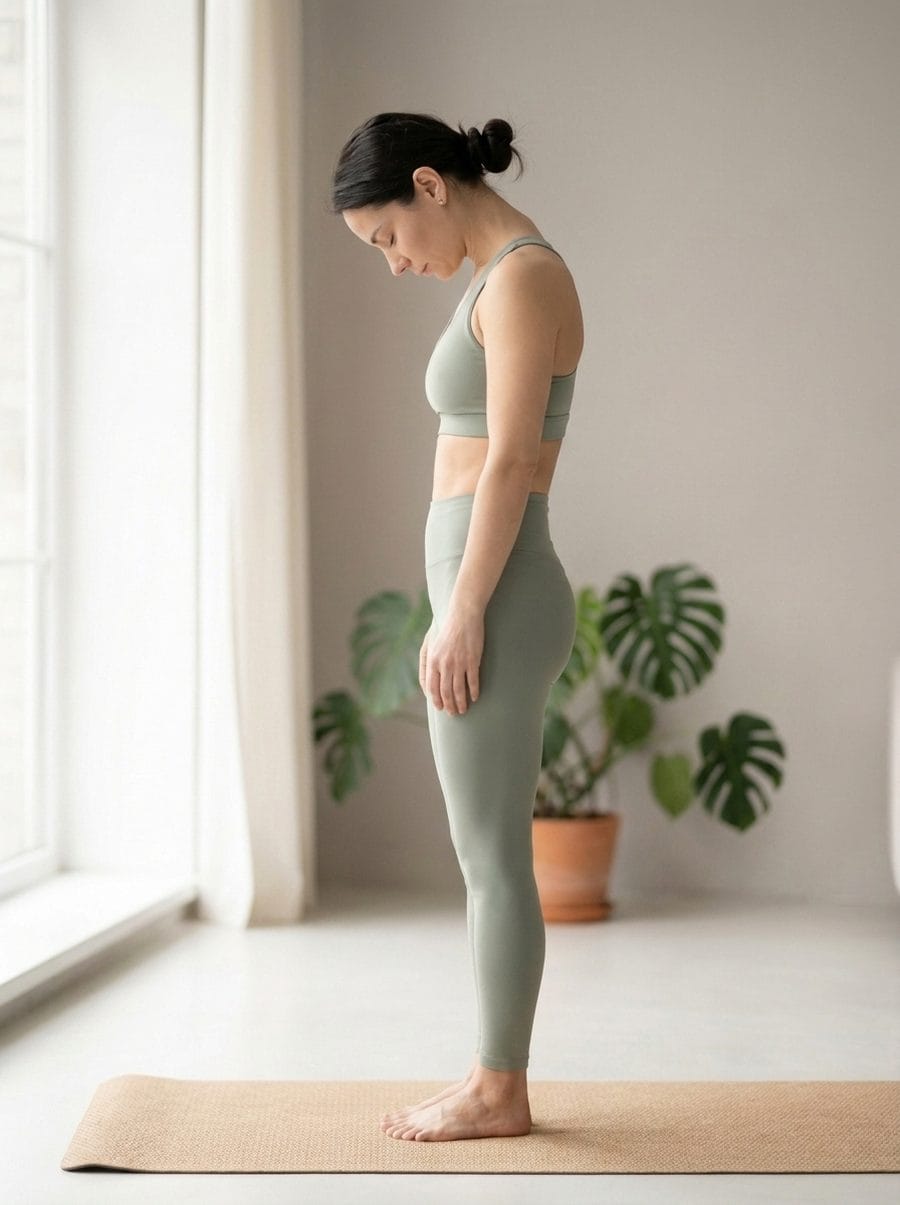
- Neck Warm-Up. Acute neck pain, dizziness.
The full list covering every pose here appears further down the page. For the other movements, check the catalog.

Who should talk to a doctor first
This list goes beyond the contraindications. The point isn't to forbid anything, only to get the question answered ahead of time.
- Pregnancy, including early pregnancy.
- High blood pressure, heart disease, past fainting.
- Epilepsy, panic attacks, psychosis, bipolar disorder or severe depression.
- Abdominal or lumbar hernias, recent surgery, or injuries to the knees, shoulders or neck.
- Lung disease or a past pneumothorax.
- Age 65 or older: NCCIH reports higher rates of yoga injuries seen in emergency rooms in this group.
What to do if you get dizzy or anxious during practice
1. Stop the fast breathing: one deep inhale, one long exhale, then breathe calmly. 2. Lower your arms and open your eyes. 3. If you're dizzy, lie down until it passes and get up slowly. The NHS also advises against bending or standing up suddenly. 4.
If anxiety washes over you, stay where you are and breathe slowly and deeply. Remind yourself it will pass: most panic attacks last 5 to 20 minutes and aren't life threatening. 5. Finish for the day. Next time, choose a shorter sequence without breath of fire. 6. If it keeps happening, see a doctor.
Call emergency services if chest pain or pressure doesn't go away or spreads to your arm, neck, jaw or back; if chest pain comes with shortness of breath, sweating or nausea; if you faint during practice; or if you have a seizure or trouble speaking or moving.
See a doctor urgently if you hear or see things that aren't there, develop unusual beliefs or your thoughts become confused. Don't put it down to "awakening," and don't try to work through it with more practice.
Want to try the style without fast breathing? Kundalini: Living Spine takes 20 minutes at beginner level, with spine waves and gentle backbends. More sequences are on the kundalini yoga page, and simple movements are in our guide to poses and exercises.
Pose cautions in this article
- High blood pressure and pregnancy — breathe calmly, without breath of fire (Arms in a V)
- Shoulder injuries (Arms in a V)
- Pregnancy — skip this pose (Sat Kriya)
- Knee injuries — sit on a block (Sat Kriya)
- High blood pressure — contract your belly more gently (Sat Kriya)
- Knee and ankle injuries (Frog Flow)
- High blood pressure — don't lower your head too far (Frog Flow)
- Lower back pain (Opening with Angled Legs)
- Lumbar disc herniation (Opening with Angled Legs)
- Pregnancy (Opening with Angled Legs, Double Leg Lifts with Arms Up)
- Lower back pain — slide your palms under your sacrum (Double Leg Lifts with Arms Up)
- Neck injuries — don't tuck your head under (Rocking on the Back)
- Acute back pain (Rocking on the Back)
- Acute neck pain (Neck Warm-Up)
- Dizziness (Neck Warm-Up)
- Knee discomfort — sit on a prop (Easy Pose)
This site is for general information and is not medical advice. If you have pain, an injury, a chronic condition, or are pregnant, check with a qualified professional before practicing.
Questions
Why is kundalini yoga considered dangerous? Mostly because of fast breathing and stories about "awakening." A few severe cases have been described, but no one knows how often they happen.
Is kundalini awakening dangerous? That's a traditional idea rather than a medical diagnosis. The real danger lies in mistaking symptoms that need a doctor for an awakening.
Is kundalini yoga safe during pregnancy? There are no data, so ask your own doctor first. Within the app, breath of fire and Sat Kriya are dropped in pregnancy, and several movements get skipped.
Is kundalini yoga okay if I have anxiety? In a 2021 trial, yoga brought improvement more often than a stress education class but didn't prove equal to cognitive behavioral therapy. Those classes had an instructor. At home, choose sequences without fast breathing and keep seeing your specialist.
Sources
- Roy S, et al. Evidence-Based Clinical Effectiveness of Kundalini Yoga: Systematic Review of RCTs Across Multiple Health Conditions. Alternative Therapies in Health and Medicine, 2026.
- Cramer H, et al. The Safety of Yoga: A Systematic Review and Meta-Analysis of Randomized Controlled Trials. American Journal of Epidemiology, 2015.
- Cramer H, et al. Adverse events associated with yoga: a systematic review of published case reports and case series. PLoS One, 2013.
- Sharma S, et al. Yoga and its risks: A systematic review of adverse events reported in case reports and case series. Journal of Integrative Medicine, 2026.
- Johnson DB, et al. Kapalabhati pranayama: breath of fire or cause of pneumothorax? A case report. Chest, 2004.
- Suchandra HH, et al. Kundalini-like experience as psychopathology: A case series and brief review. Complementary Therapies in Clinical Practice, 2021.
- Sharma M, et al. Awakening of Kundalini Chakras Presenting as Psychosis-A Case Report. Indian Journal of Psychological Medicine, 2022.
- Stancák A, et al. Kapalabhati--yogic cleansing exercise. I. Cardiovascular and respiratory changes. Homeostasis in Health and Disease, 1991.
- Salvati KA, Beenhakker MP. Out of thin air: Hyperventilation-triggered seizures. Brain Research, 2019.
- Farias M, et al. Adverse events in meditation practices and meditation-based therapies: a systematic review. Acta Psychiatrica Scandinavica, 2020.
- Simon NM, et al. Efficacy of Yoga vs Cognitive Behavioral Therapy vs Stress Education for the Treatment of Generalized Anxiety Disorder: A Randomized Clinical Trial. JAMA Psychiatry, 2021.
- NCCIH. Yoga: Effectiveness and Safety.
- NHS. Dizziness, Panic disorder, Fainting, Chest pain, Psychosis: symptoms.
- Cautions for movements and pranayamas, breath of fire warnings, sequence contents: the Hatha Yoga app. More on the How We Prepare Our Content page.
Read next
- Yoga for Arthritis and Osteoporosis: How to Protect Your Joints and Bones7 min read
- Ashtanga Yoga Explained: The Series, the Breath and the Difference from Hatha6 min read
- Ayurveda Explained Simply: The Basics and a Daily Routine (Dinacharya)5 min read
- Balance Exercises: 10 Yoga Poses for Balance and Stability7 min read