 Hatha Yoga
Prana in Yoga: What It Is and What the Breath Has to Do With It
Hatha Yoga editorial team · Updated · 6 min read
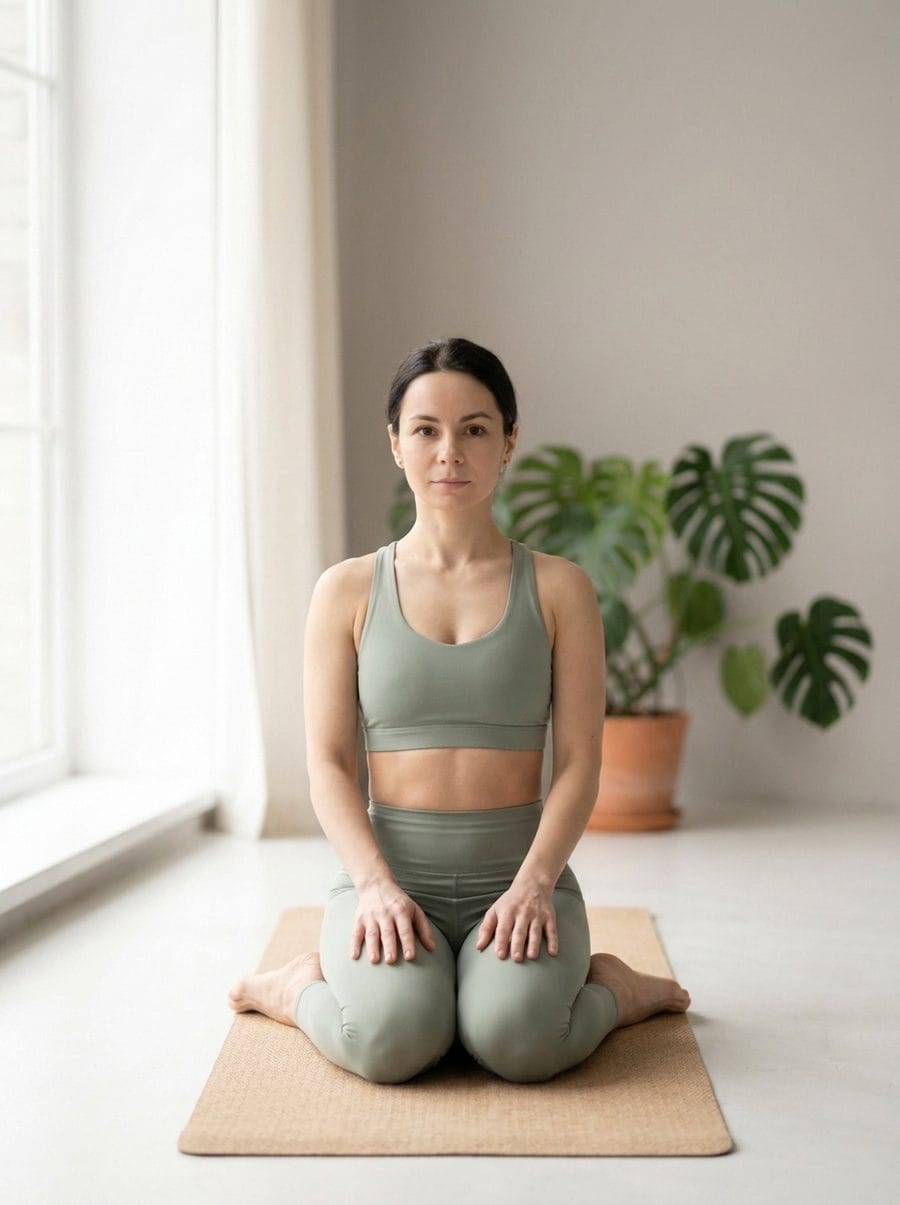
In yoga, prana is described as life force, which sounds rather vague. Strip away the mystique and a clear idea remains: the most visible sign of life in the body is the breath, and through it you can shape how you feel.
Here's a plain-language guide to what prana means in Indian tradition, what prana and apana are, why the five vayus matter, how pranayama works with prana and which beliefs about it belong with the myths.
What is prana?
The word prana comes from the Sanskrit root "an," to breathe, with the prefix "pra," forward. In early texts, the Upanishads, prana means both breath and life itself: as long as a person breathes, prana is present. Later, yoga and Ayurveda began to describe prana as a life force that moves through the body along special channels called nadis.
It helps to be clear about what kind of description this is. Prana can't be measured with instruments, and it isn't the same as oxygen or energy in the physical sense. It's a concept from tradition, a way of talking about vitality, alertness and state of mind. Other cultures have similar ideas, such as qi in Chinese medicine.
Prana and breath: why they go together
Breathing is the only vital function that runs on its own yet still responds to your will. That's why tradition made it the main way to work with prana. The word pranayama itself is formed from prana and ayama, "extension" or "restraint."
Patanjali's Yoga Sutras (II.49) define pranayama as regulating the inhale and the exhale, and place it after asana: first a steady body, then the breath. The Hatha Yoga Pradipika (II.2) explains why: while the breath is restless, so is the mind, and when the breath grows calm, the mind quiets too.
You can test this yourself. A few minutes of slow exhaling shifts your state more noticeably than telling yourself to relax.
For the ground rules of breathing during poses, see Breath in Practice.
The five vayus: prana, apana and the rest
Tradition divides prana into five currents, the vayus ("winds"), each with its own place and direction:
- Prana in the narrow sense. The chest area, moving inward: the inhale, everything we take in.
- Apana. The lower belly and pelvis, moving down and out: the exhale and elimination.
- Samana. The navel area, moving toward the center: absorbing food.
- Udana. The throat, moving upward: speech and voice.
- Vyana. The whole body, spreading throughout it.
The pairing of prana and apana comes up most often: inhale and exhale, upward and downward movement. Many hatha yoga practices are described as ways to balance the two. The model doesn't claim to be anatomy, but it's a handy guide to where you place your attention.
Nadis: the channels of prana
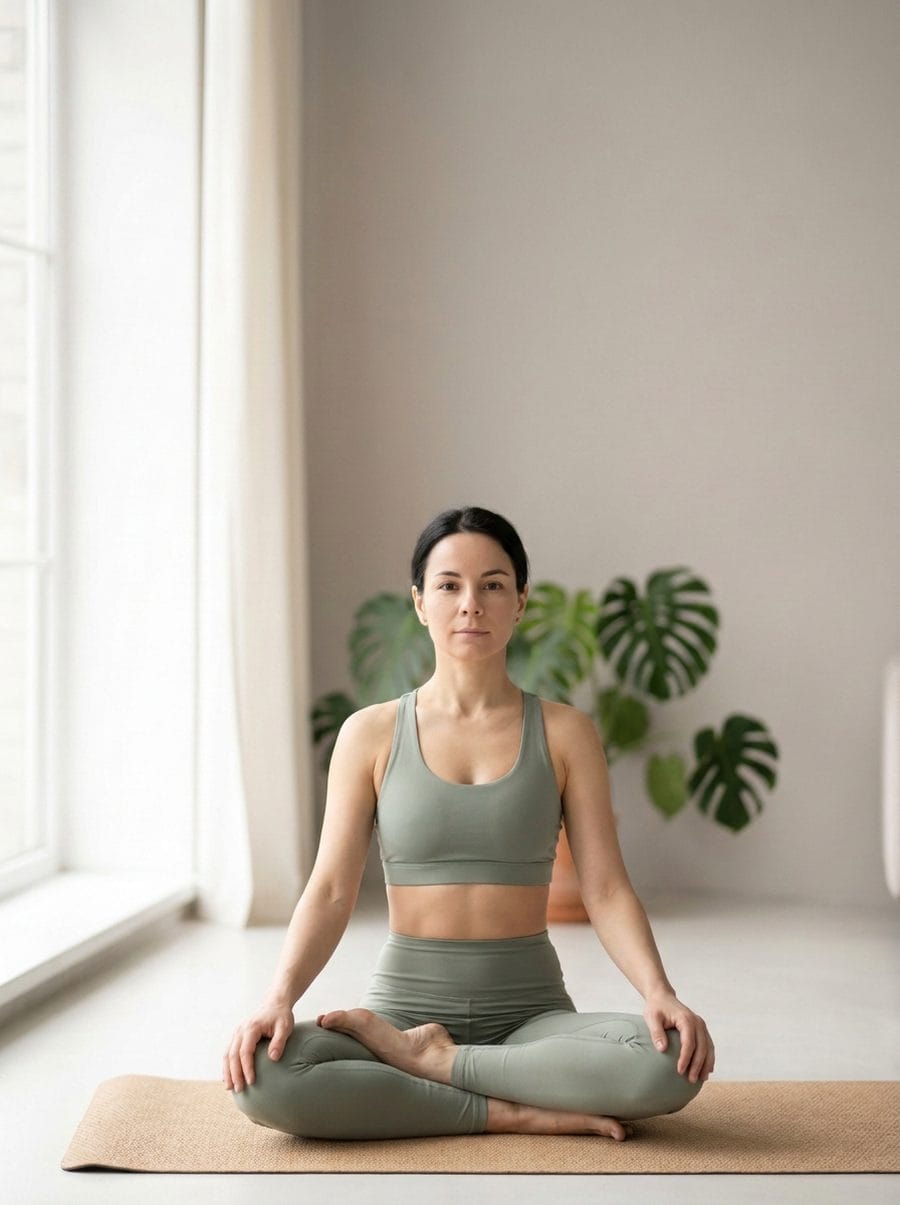
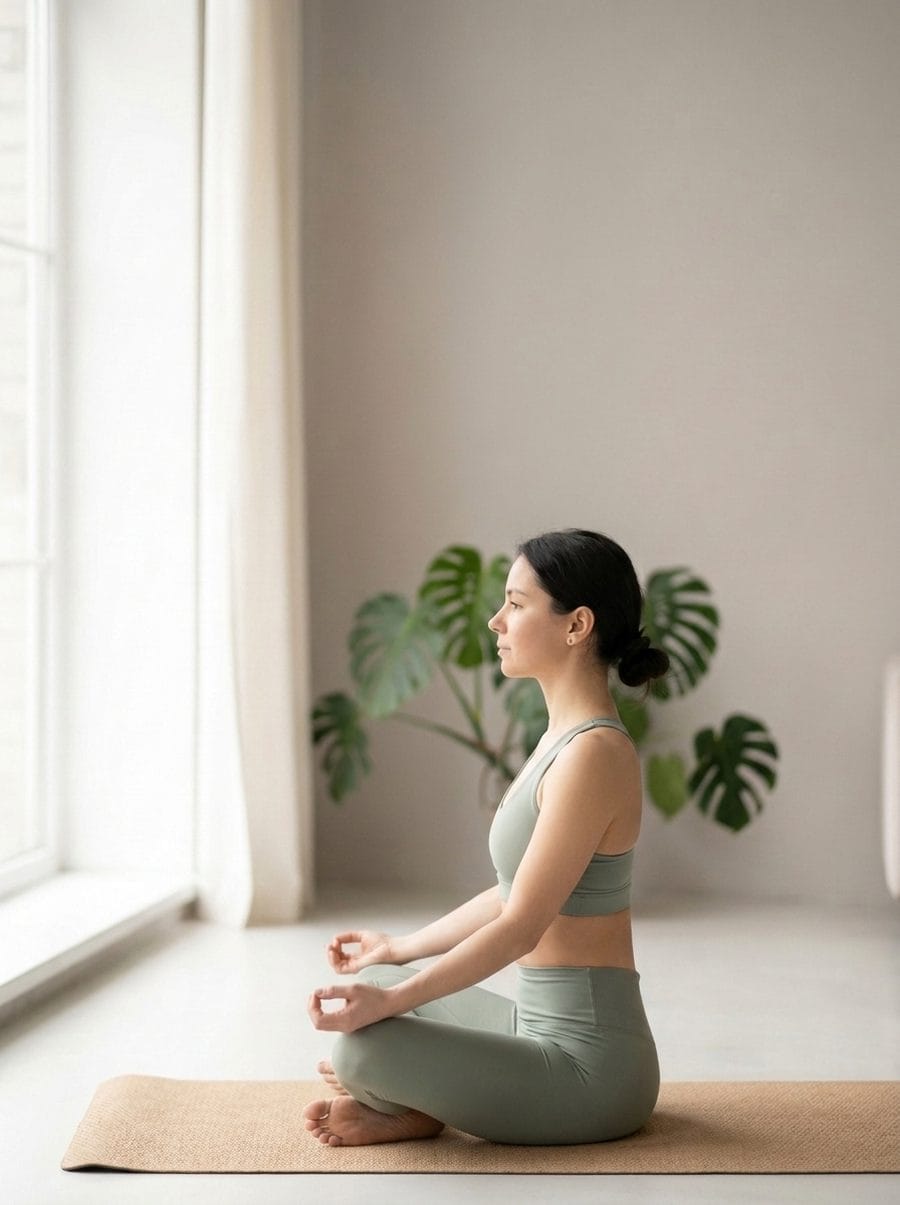
According to hatha yoga teaching, prana flows through the nadis. The three main ones are sushumna, along the spine, and ida and pingala on either side of it. Tradition places the chakras on sushumna (see Chakras Explained). The name of Alternate Nostril Breathing, nadi shodhana, translates as "cleansing of the channels." The app sets it to a 4-2-6 rhythm: inhale for four seconds, hold for two, exhale for six.
The Hatha Yoga Pradipika (II.7–10) advises building it up gradually, starting with 5 to 9 rounds.
How to work with prana in practice
In real terms, working with prana means working with your breath. A few steps to start with:
- Breathe through your nose at rest and in the poses, unless a technique calls for something else.
- Learn to feel your breath in your belly. Lie in Crocodile Pose, face down, forehead resting on folded arms: on the inhale, your belly and lower back rise gently, and on the exhale they settle.
- Lengthen your exhale. Full Yogic Breath, with an inhale of 4 and an exhale of 6, is a good fit for the first few weeks.
- Link breath and movement. Open up and raise your arms as you inhale; fold and twist as you exhale.
That last point is exactly what Flow with the Breath in the app trains: 12 minutes at beginner level, 14 exercises, starting with Neck Warm-Up and ending in Relaxation Pose. Every movement in it rides on either an inhale or an exhale. You'll find more techniques in Breathing Exercises.
Myths about prana
- "You can live on prana alone." Giving up food and water to "live on prana" is life-threatening. The classical texts point the other way: chapter one of the Hatha Yoga Pradipika praises mitahara, a moderate diet.
- "You can see prana." The bright dots that dart across a blue sky are sometimes passed off as prana. In fact, it's an entoptic phenomenon: your eye is seeing blood cells moving through the tiny vessels of the retina.
- "More prana is always better." Fast, deep breathing doesn't "charge you up"; more often it makes you dizzy. In pranayama, smoothness and calm count for more than volume.
Safety
- Breath holds. In Box Breathing, leave out the holds during pregnancy and with hypertension. Do Alternate Nostril Breathing without holds as well if you have hypertension or heart disease, and set it aside while your nose is badly congested.
- Skull Shining Breath (Kapalabhati) is ruled out with heart disease, hypertension or abdominal hernias, during pregnancy or your period, and after recent abdominal surgery.
- Poses. Injured knees or ankles call for a block beneath you in Hero Pose; otherwise drop that pose. Skip Crocodile Pose once you're past the first trimester of pregnancy, since it's done lying on your belly.
- In the program, skip Forward Fold Flow with high blood pressure or a lumbar disc herniation, and Bridge Flow with a neck injury.
If you feel dizzy, stop and let your breath find its own pace again. More in Safety and Contraindications.
Pose cautions in this article
- Knee and ankle injuries — sit on a block or skip the pose (Hero Pose)
- Knee discomfort — place a prop under your hips (Auspicious Pose)
- Knee discomfort — sit on a prop (Easy Pose)
- Pregnancy from the second trimester onward — the pose is done lying on the belly (Crocodile Pose)
This site is for general information and is not medical advice. If you have pain, an injury, a chronic condition, or are pregnant, check with a qualified professional before practicing.
Questions
What does prana mean, simply put? Indian tradition uses the word for a life force whose most visible sign is the breath. No instrument can measure it, because it's a way of describing experience, not a physical quantity.
What's the difference between prana and apana? Prana is linked to the inhale and to movement inward and upward; apana to the exhale and to movement downward and outward. Together they describe the breathing cycle.
How can you increase prana? In tradition, that's what pranayama is for: steady nasal breathing, a longer exhale and, later on, breath holds. Start with five minutes of Full Yogic Breath a day.
Can you live on prana instead of food? No. Going without food and water is life-threatening, and classical hatha yoga recommends moderate eating.
Sources
- Patanjali's Yoga Sutras (II.49) and the Hatha Yoga Pradipika (I, II.2, II.7–10) as historical texts, summarized in our own words. Pranayama rhythms, poses, cautions and the program contents: the Hatha Yoga app. How we verify our texts is explained on the How We Prepare Our Content page.
Read next
- Yoga for Arthritis and Osteoporosis: How to Protect Your Joints and Bones7 min read
- Ashtanga Yoga Explained: The Series, the Breath and the Difference from Hatha6 min read
- Ayurveda Explained Simply: The Basics and a Daily Routine (Dinacharya)5 min read
- Balance Exercises: 10 Yoga Poses for Balance and Stability7 min read