 Hatha Yoga
Chakras in Yoga: The Traditional Model Without the Mysticism
Hatha Yoga editorial team · Updated · 6 min read
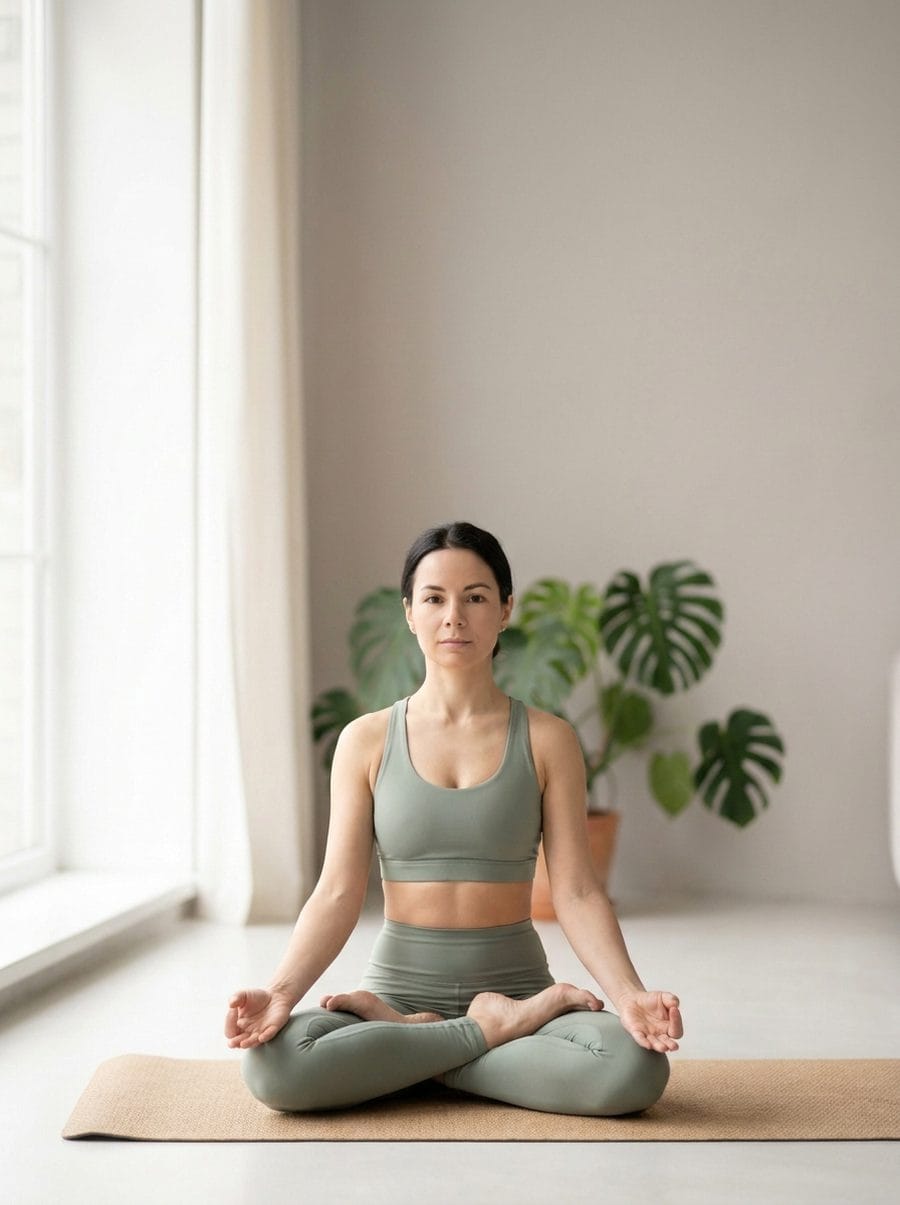
There's no shortage of writing on chakras, much of it along the lines of "open your heart chakra in 7 days." We'll take a calmer approach: where the idea comes from, what the seven chakras are called and where tradition places them, why they're drawn in rainbow colors and how they relate to hatha yoga. The key point up front: chakras are a model from meditation texts, not organs and not anatomy.
What are chakras?
Chakra is a Sanskrit word meaning "wheel" or "circle." Tantric schools of Hinduism and Buddhism used it for centers of the "subtle body," pictured along a central channel that runs beside the spine. That channel is called sushumna. Two more run alongside it, ida and pingala, and in total the texts count tens of thousands of nadis, the channels through which, according to tradition, prana moves.
The number of chakras varies from school to school. Tibetan Buddhism usually speaks of four or five centers. The familiar seven-chakra system grew out of the Shat-chakra-nirupana, "Description of the Six Centers," written by Purnananda in 1577. In it, six chakras lie along the spine and the seventh, sahasrara, sits above the crown of the head.
In the West, the system became widely known through Arthur Avalon's book The Serpent Power (1919).
If you're wondering which religion chakras belong to, the short answer is this: the idea comes from tantric currents within Hinduism and Buddhism, and it entered yoga as a map for meditation.
The 7 chakras in order: names and locations
In the texts, each chakra is pictured as a lotus with a set number of petals. The first five are linked to the five elements, and each has its own syllable, a bija mantra.
- Muladhara, "root support." Base of the spine, the perineum area. A lotus with 4 petals, element earth, syllable LAM.
- Svadhisthana, "one's own abode." Lower belly, sacrum area. 6 petals, water, VAM.
- Manipura, "city of jewels." Navel area. 10 petals, fire, RAM.
- Anahata, "unstruck sound." Center of the chest. 12 petals, air, YAM.
- Vishuddha, "purification." Throat. 16 petals, space, HAM.
- Ajna, "command." Between the eyebrows. 2 petals, linked to the mind, syllable OM.
- Sahasrara, "thousand-petaled." The crown of the head and the space above it. A thousand petals.
For how to chant syllables such as OM, see Mantras and Om.
Where do chakra colors come from?
The rainbow sequence, from a red root chakra to a violet crown chakra, appeared in Western books of the 20th century. The Shat-chakra-nirupana uses different colors: its manipura petals, for example, are dark like a storm cloud, and ajna is white.
So "chakra colors" are a later tradition, not the original description. The same goes for working out your chakras from your birth date, chakra "diagnostics" and tying each chakra to a particular organ: none of this is in the classical texts.
Lists of "yoga poses for each chakra" are recent too, a product of modern studios.
Chakras and anatomy
Chakras don't show up in dissection or on a scan. They're sometimes compared to nerve plexuses, but that's a modern interpretation, not proof. It's more honest to see chakras as the language of a meditative tradition: they name the places where a practitioner directs attention and set the order of that movement from bottom to top. That's how the model worked in the old schools.
Hence a simple rule: promises to "open," "cleanse" or "unblock" chakras for the sake of your health rest on neither science nor the classical texts.
Chakras in hatha yoga
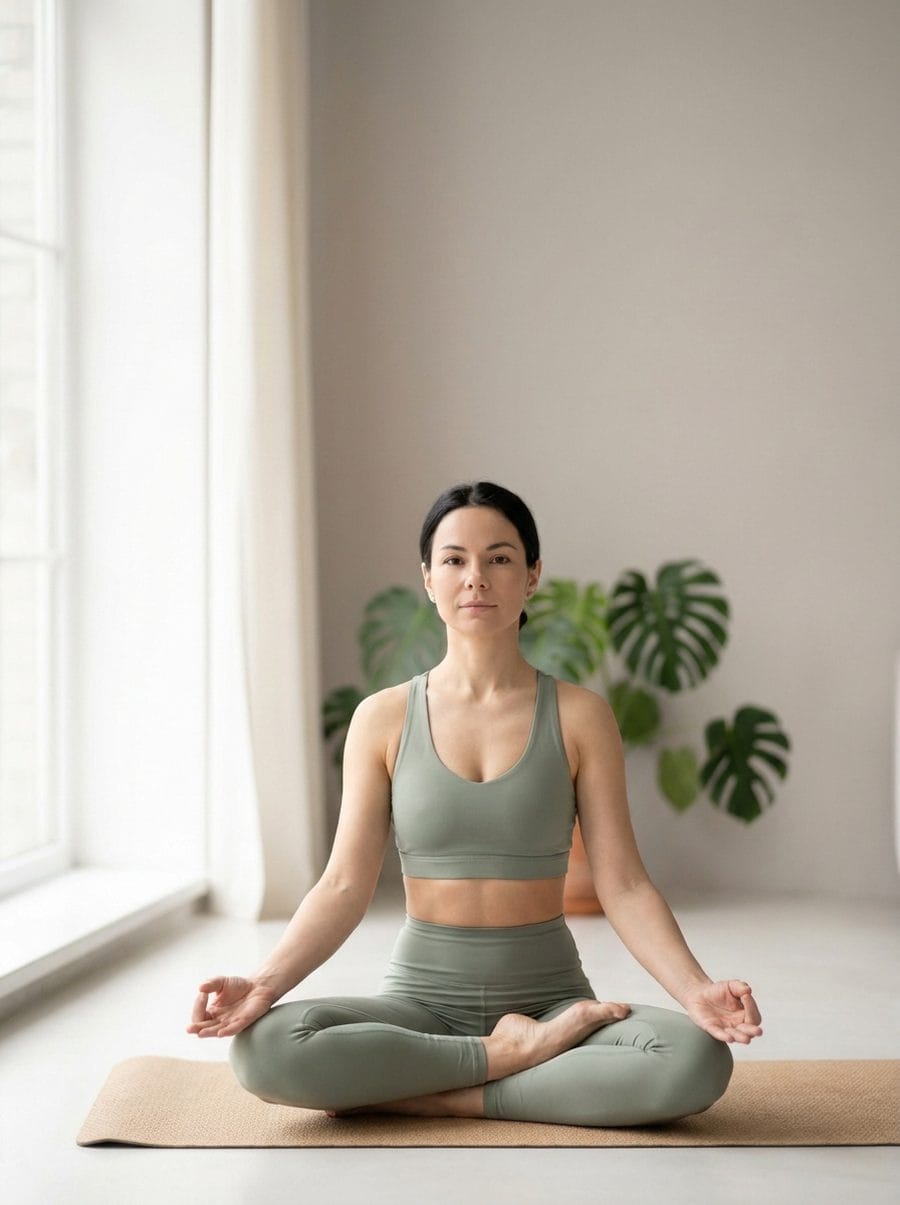
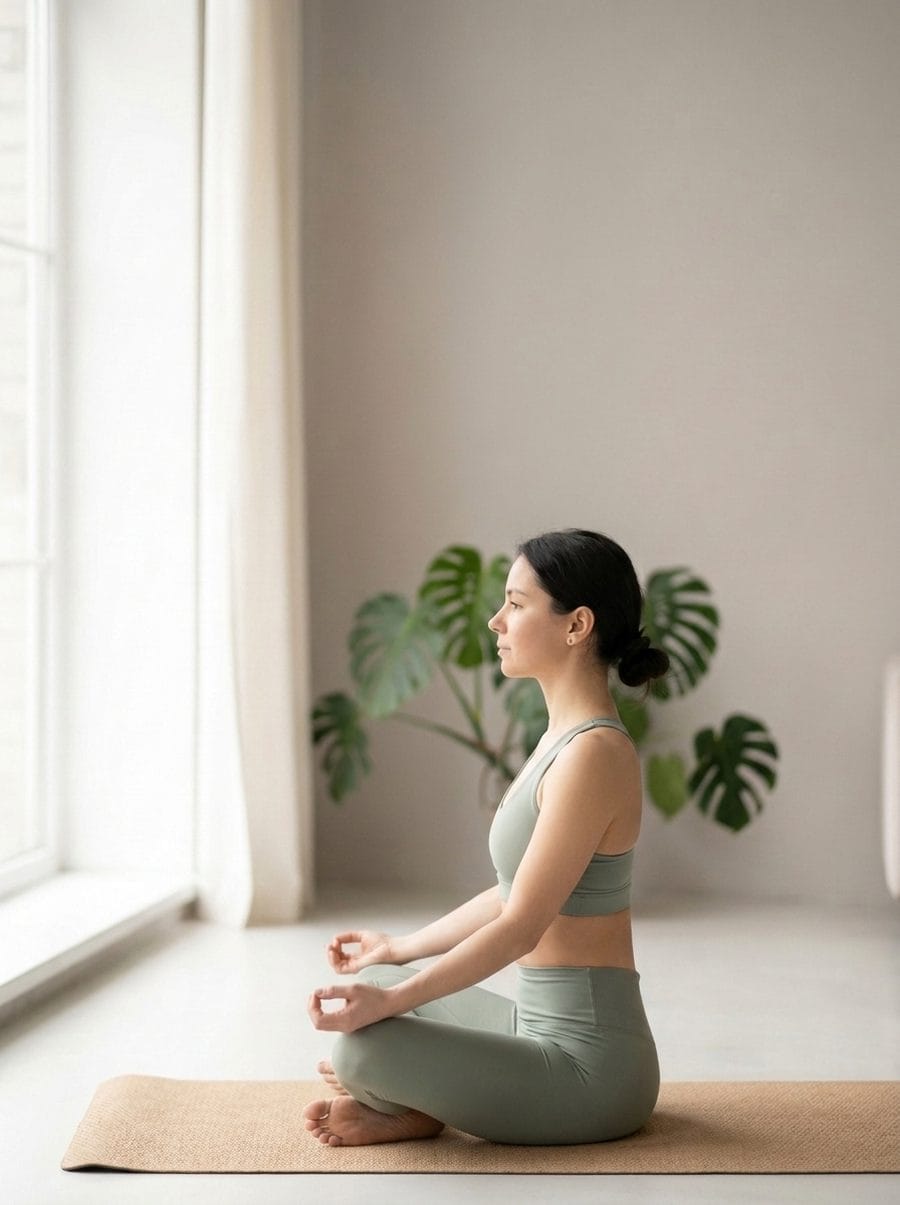
The Hatha Yoga Pradipika describes the aim of practice as awakening kundalini, a power said to lie coiled where the spine begins, and raising it through sushumna and the chakras. The tools for this will sound familiar: poses, pranayama, bandhas and mudras.
The text itself calls hatha a stairway to raja yoga, that is, to meditation, and the poses there serve mainly to give steadiness.
In the app, these elements appear in practical form:
- Alternate Nostril Breathing, nadi shodhana, literally "cleansing of the channels." Tradition links it to ida and pingala.
- Bandhas, the muscular locks. You'll find the basics in Bandhas: Energy Locks.
- Trataka, a steady gaze at a candle flame, after which you keep its image in mind between the eyebrows, right where tradition places ajna.
Within the app, Classic Full Practice gathers the complete classical hatha sequence into one session: 50 minutes, intermediate level. Expect six Sun Salutation rounds, then standing poses, balances, forward folds, twists, backbends, inversions and five minutes of Relaxation Pose at the end.
A simple bottom-to-top attention practice
If the chakra model interests you, use it as a map for your attention, without expecting special effects.
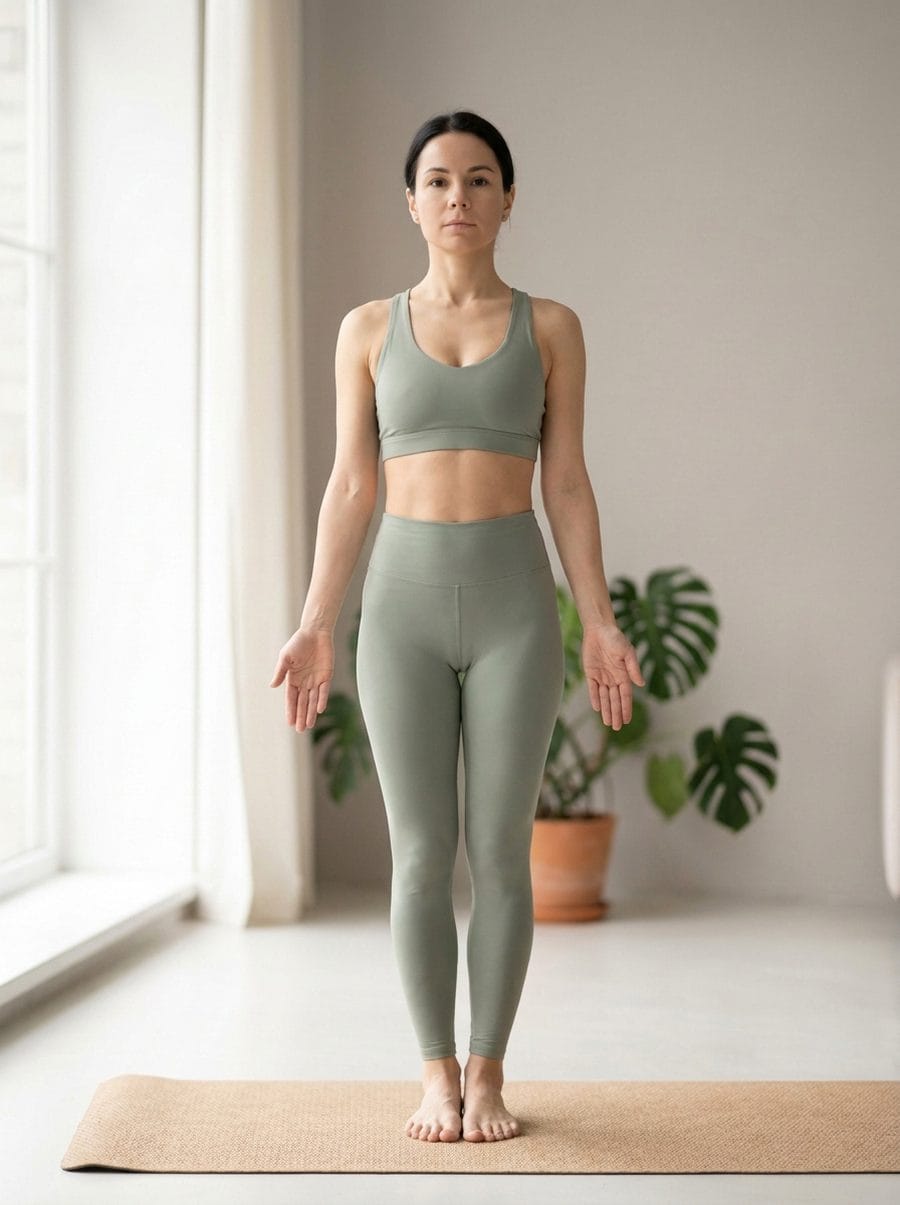
1. Sit in a steady pose. If sitting is uncomfortable, stand in Mountain Pose instead. 2. Take a few calm breaths through your nose. 3. Bring your attention to the base of your spine and stay there for three breaths.
Then move, one by one, to the lower belly, navel, center of the chest, throat, the point between the eyebrows and the crown, three breaths at each spot. 4. Don't try to picture anything on purpose, neither colors nor light.
Simply notice what you feel. 5. Finish with a few minutes in Relaxation Pose.
The whole practice takes 5 to 7 minutes. It's essentially the same body scan you do in Relaxation Pose, only moving from bottom to top.

Safety
- Calm attention practices are usually considered low risk. Still, in a review cited by NCCIH, about 8% of participants in meditation programs reported unwanted effects, mostly anxiety or a depressed mood. When a practice heightens your anxiety, pause and discuss it with a professional.
- Intense kundalini techniques with breath holds and full bandhas are best learned with a teacher. According to the app, full bandhas aren't for pregnancy, high blood pressure or an active flare of an abdominal organ condition.
- Poses. Knee injuries rule out Lotus Pose. If a knee is injured, Accomplished Pose needs a cushion or block lifting your pelvis; in Easy Pose, sit higher whenever your knees complain.
- The program. Leave out Shoulder Stand and Plow Pose with neck injuries, hypertension, glaucoma, pregnancy or during your period. Camel Pose is out with a spinal disc herniation, hypertension or migraines; Fish Pose is out with migraines, hypertension or a neck injury.
Pose cautions in this article
- Knee injuries (Lotus Pose)
- Don't force it — knees don't forgive rushing into Lotus (Lotus Pose)
- Knee injuries — use a prop under your hips (Accomplished Pose)
- Knee discomfort — sit on a prop (Easy Pose)
This site is for general information and is not medical advice. If you have pain, an injury, a chronic condition, or are pregnant, check with a qualified professional before practicing.
Questions
What are chakras in simple terms? They're centers of the "subtle body" in the tantric tradition, pictured along the spine. The model describes a path for attention in meditation, not organs.
How many chakras are there? The popular system has seven: six along the spine and sahasrara above the crown. Other traditions count four, five or more.
Why are chakras shown in rainbow colors? The rainbow scheme appeared in Western books of the 20th century. The old Shat-chakra-nirupana gives different colors.
Is chakra meditation dangerous? Calm attention to different parts of the body is usually well tolerated. Learn intense breathing techniques and long breath holds with a teacher, and stop practicing if you start to feel worse.
Sources
- The Shat-chakra-nirupana (1577) and the Hatha Yoga Pradipika as historical texts, summarized in our own words. Poses, pranayamas, bandhas, trataka and the program contents: the Hatha Yoga app. How we verify our texts is explained on the How We Prepare Our Content page.
- Meditation safety: NCCIH, Meditation and Mindfulness: What You Need To Know.
Read next
- Yoga for Arthritis and Osteoporosis: How to Protect Your Joints and Bones7 min read
- Ashtanga Yoga Explained: The Series, the Breath and the Difference from Hatha6 min read
- Ayurveda Explained Simply: The Basics and a Daily Routine (Dinacharya)5 min read
- Balance Exercises: 10 Yoga Poses for Balance and Stability7 min read