 Hatha Yoga
Wrist Stretches and Exercises: Loosen Up and Strengthen Your Wrists After Desk Work
Hatha Yoga editorial team · Updated · 7 min read
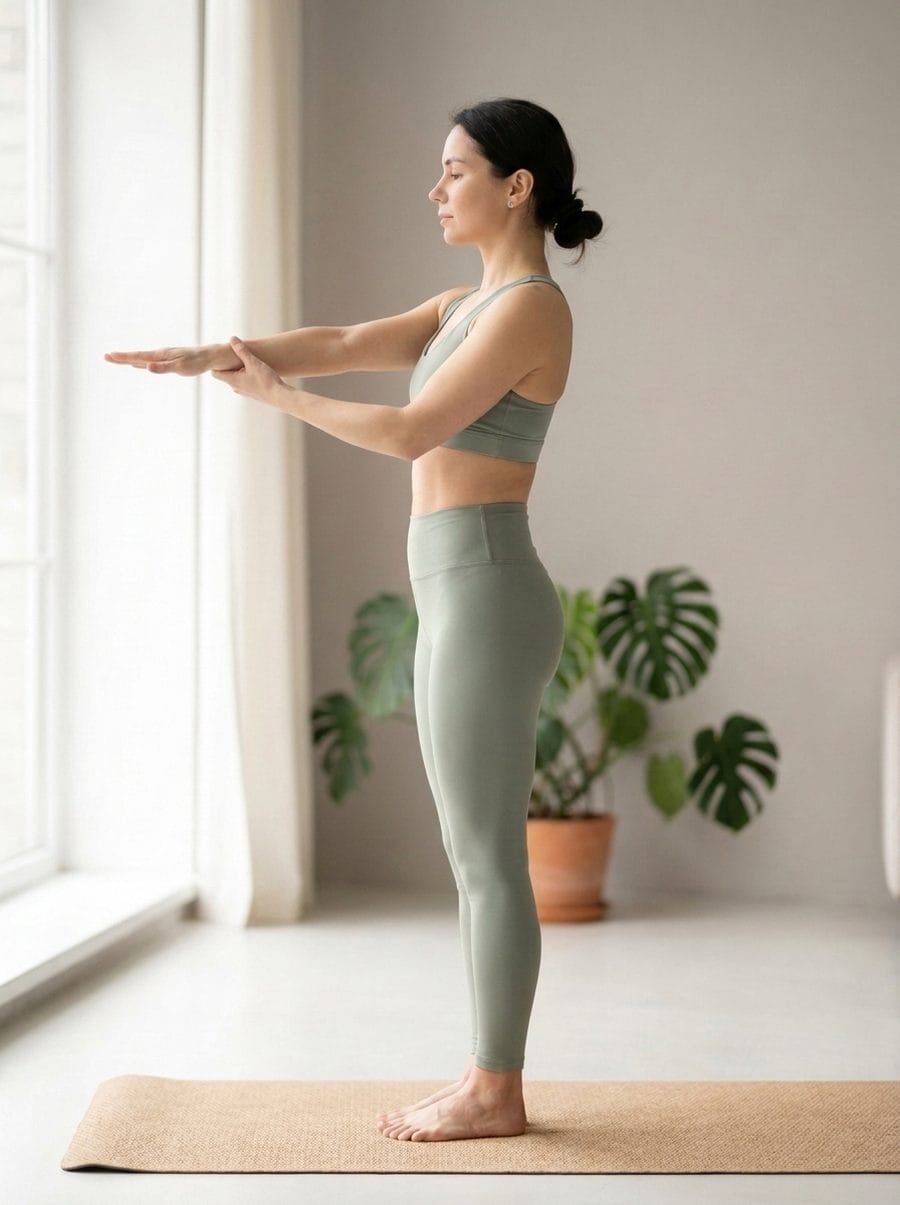
Your keyboard, mouse and phone keep your hands in one position for hours: wrists slightly lifted, fingers busy, forearms barely moving. Then on the mat your wrists suddenly carry body weight in Plank and Downward-Facing Dog. Below you'll find a two-minute warm-up for your wrists and fingers, poses that get your hands used to load step by step, the 12-minute Wrists After Typing routine, and the symptoms that mean a doctor should take a look first.
Why your wrists get tired
At a computer, your hand usually hovers above the keys while your fingers make small, precise movements all day. The forearm muscles that run your fingers work nonstop, but always in the same narrow range. By evening that turns into stiffness, sometimes a dull ache running from the hand up to the elbow.
Yoga asks for the opposite. The wrist bends back to almost a right angle and holds part of your body weight. Beginners often sink into the heel of the hand, and discomfort shows up within minutes. So your wrists need two things: movement in every direction, and gradual practice at bearing weight.
A two-minute wrist and finger warm-up
You can do this warm-up right at your desk. Eight routines in the app include it, usually as part of the warm-up before poses that load your hands.
1. Reach your arms out in front of you and make fists. 2. Slowly circle your fists 8 to 10 times in one direction, then the same number in the other. 3. Open your hands, spread your fingers wide, then close them into fists again.
Repeat a few times. 4. Turn one palm away from you and use the other hand to draw the fingers gently back toward you. Switch hands. 5. Shake out your hands and let your arms relax.
Do it every hour or two while you work, and before any practice where you lean on your palms. Skip it if you have an acute wrist injury.
Wrists After Typing: a 12-minute routine
The app designed this sequence for anyone who spends the day typing. It has 11 steps and an intermediate level. The Wrist Warm-Up appears twice: at the very start and again near the end, right before a shoulder stretch.
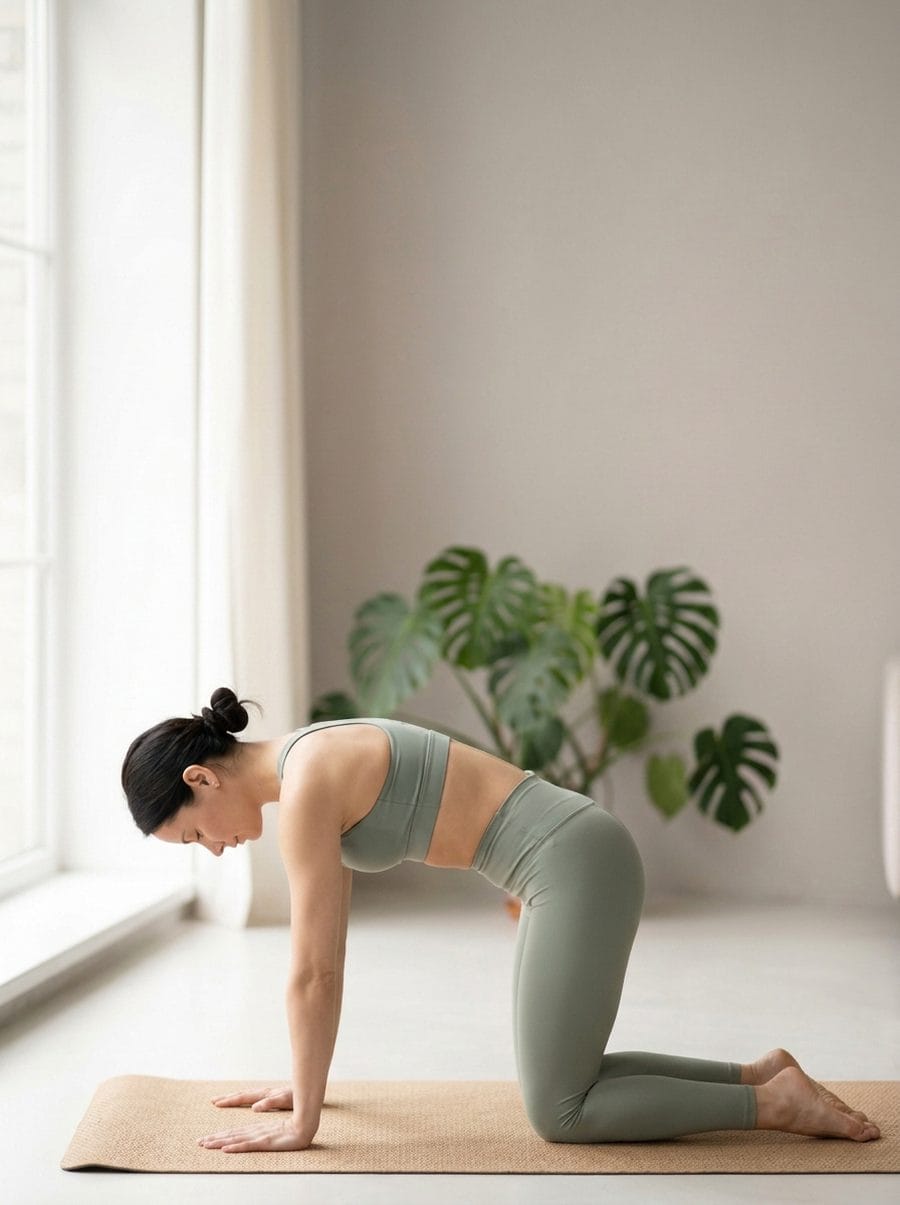
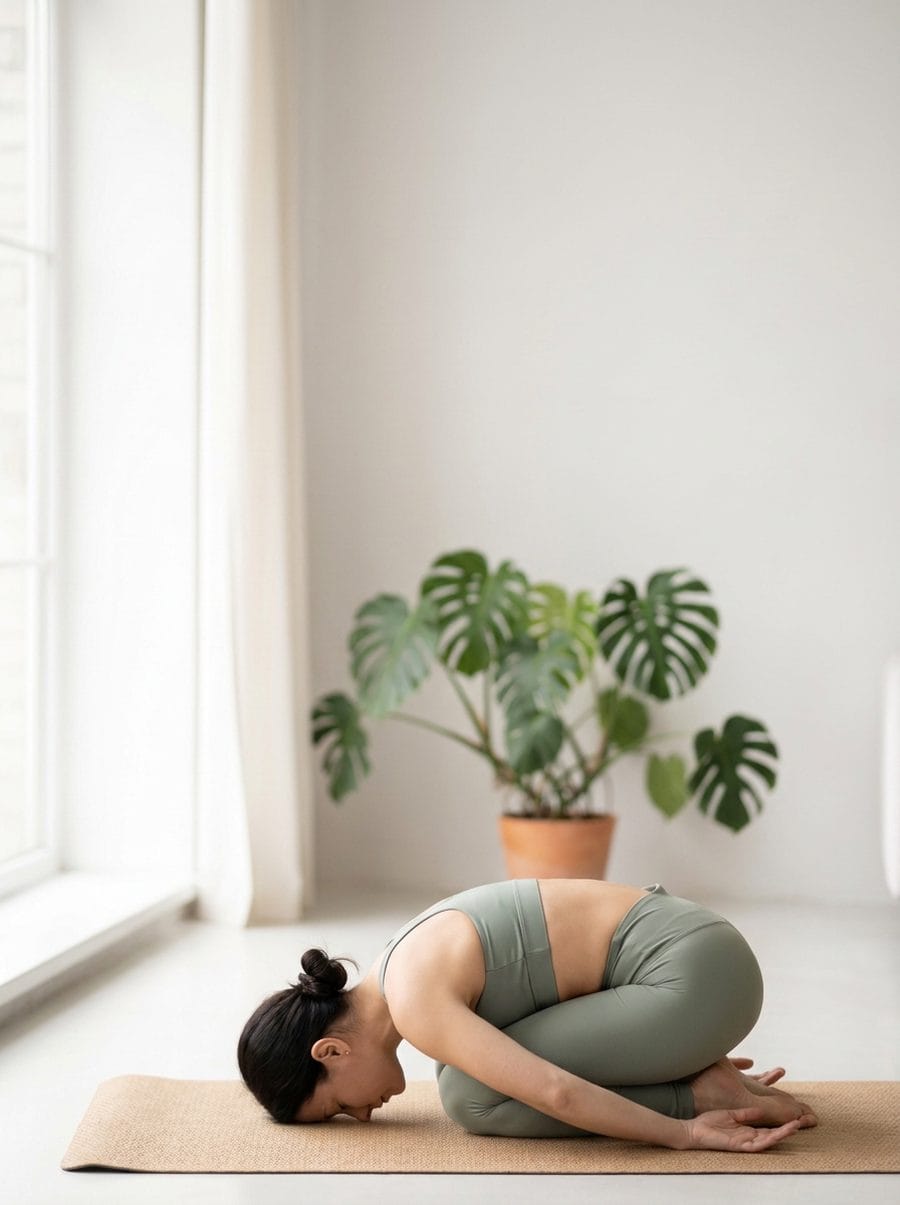
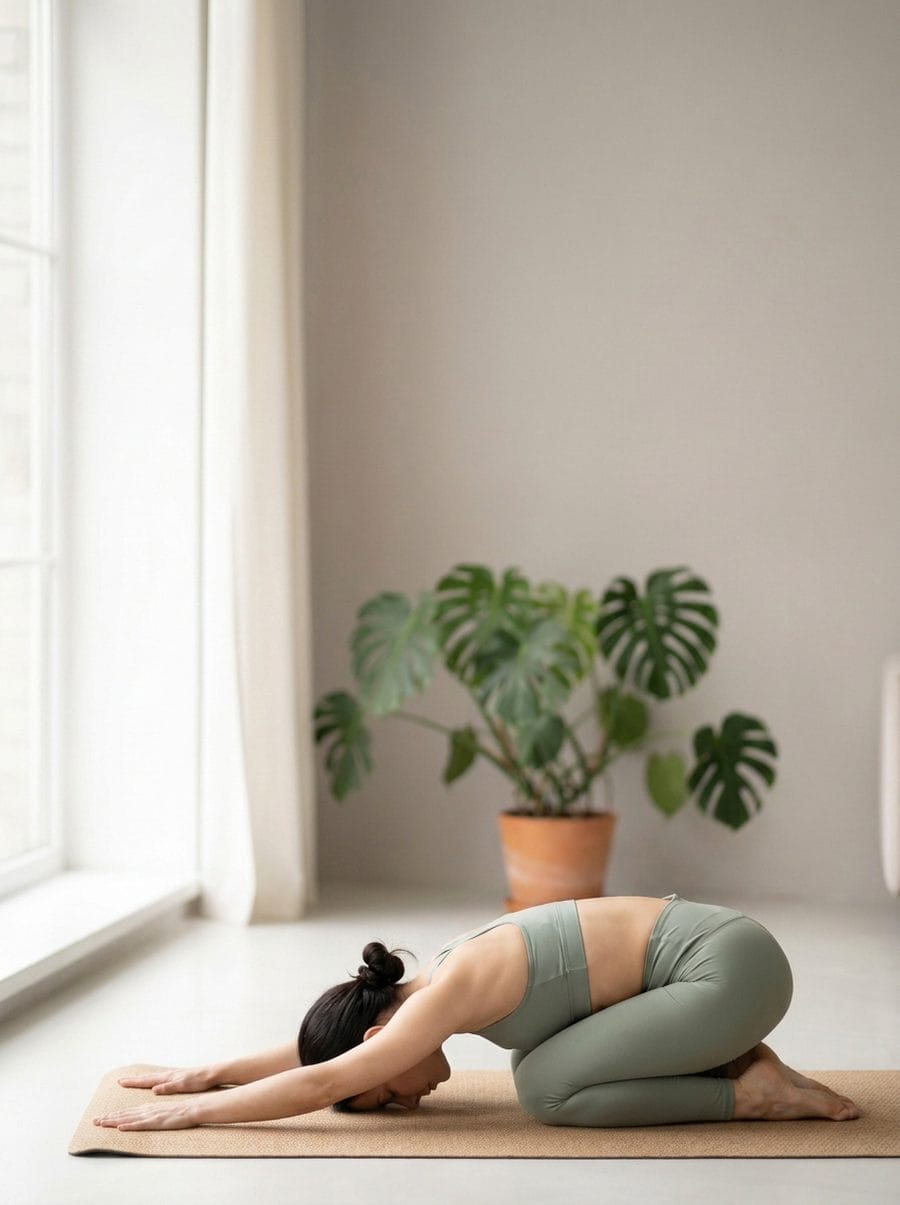
- Prep. A long Wrist Warm-Up, then rocking from Tabletop into Child's Pose: weight comes onto your palms as you inhale and leaves them as you exhale.
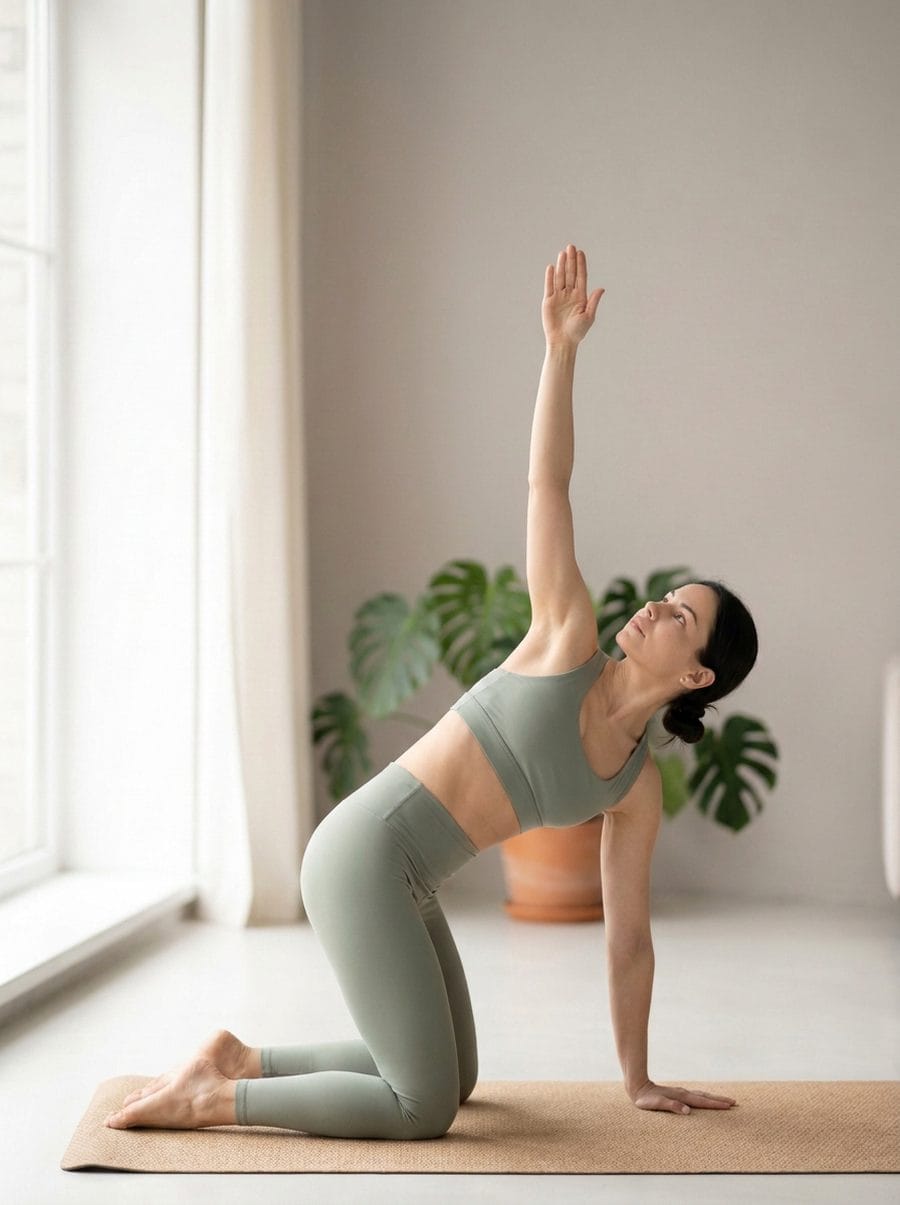
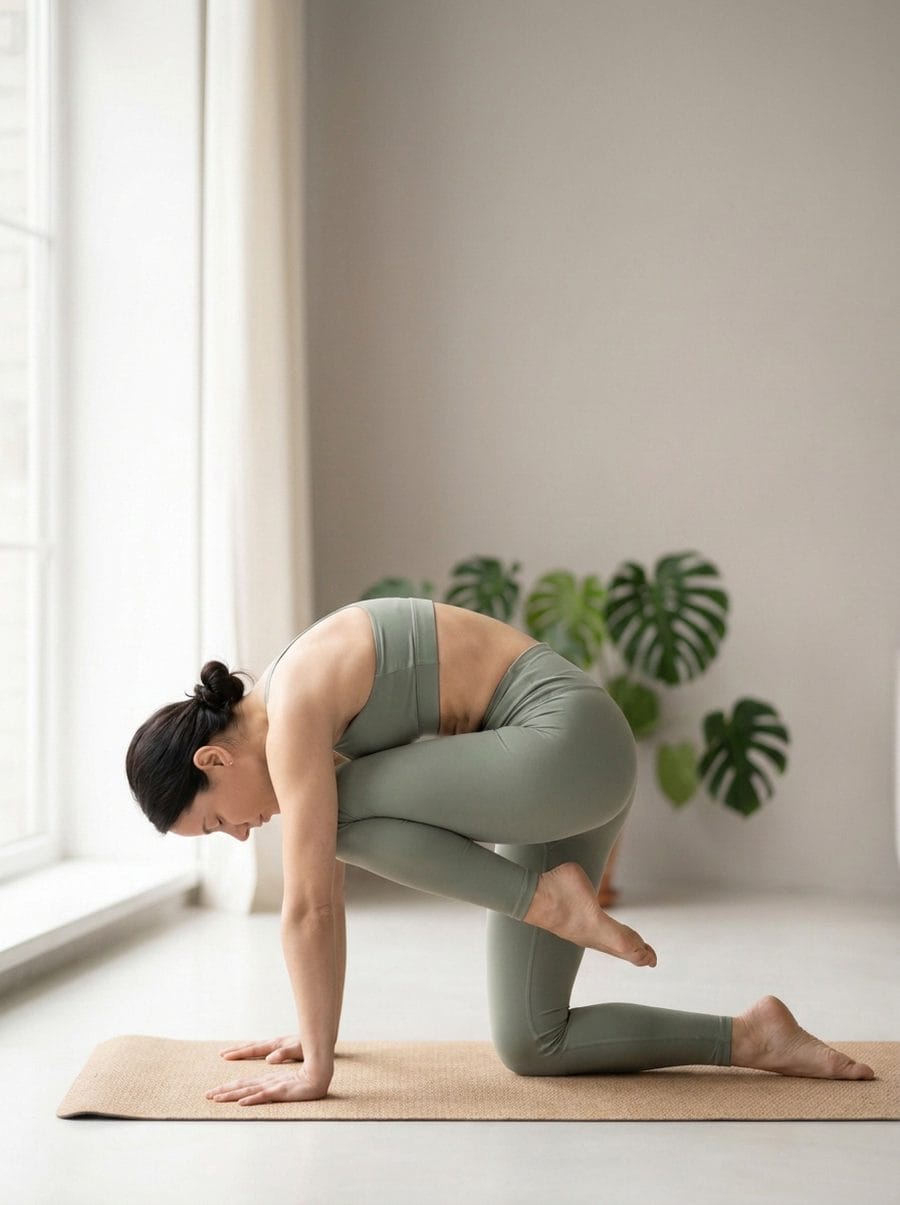
- Short weight-bearing. Two Cat variations, the Tabletop Twist and Knee-to-Forehead Cat, where your hands hold you for a few breaths at a time.
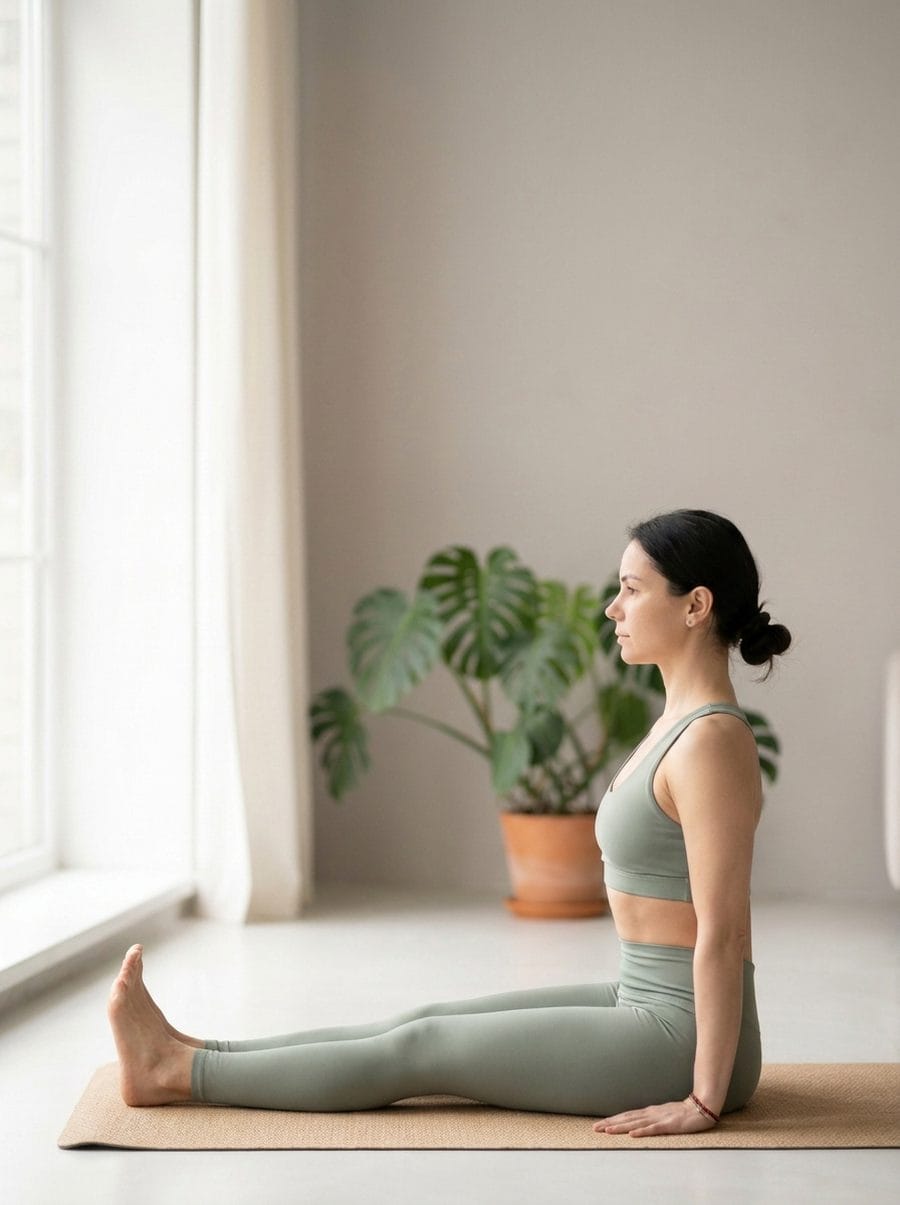
- Reverse support. Moving from Staff Pose into a reverse tabletop puts your palms behind your hips with the fingers forward, so the wrists work in the other direction.
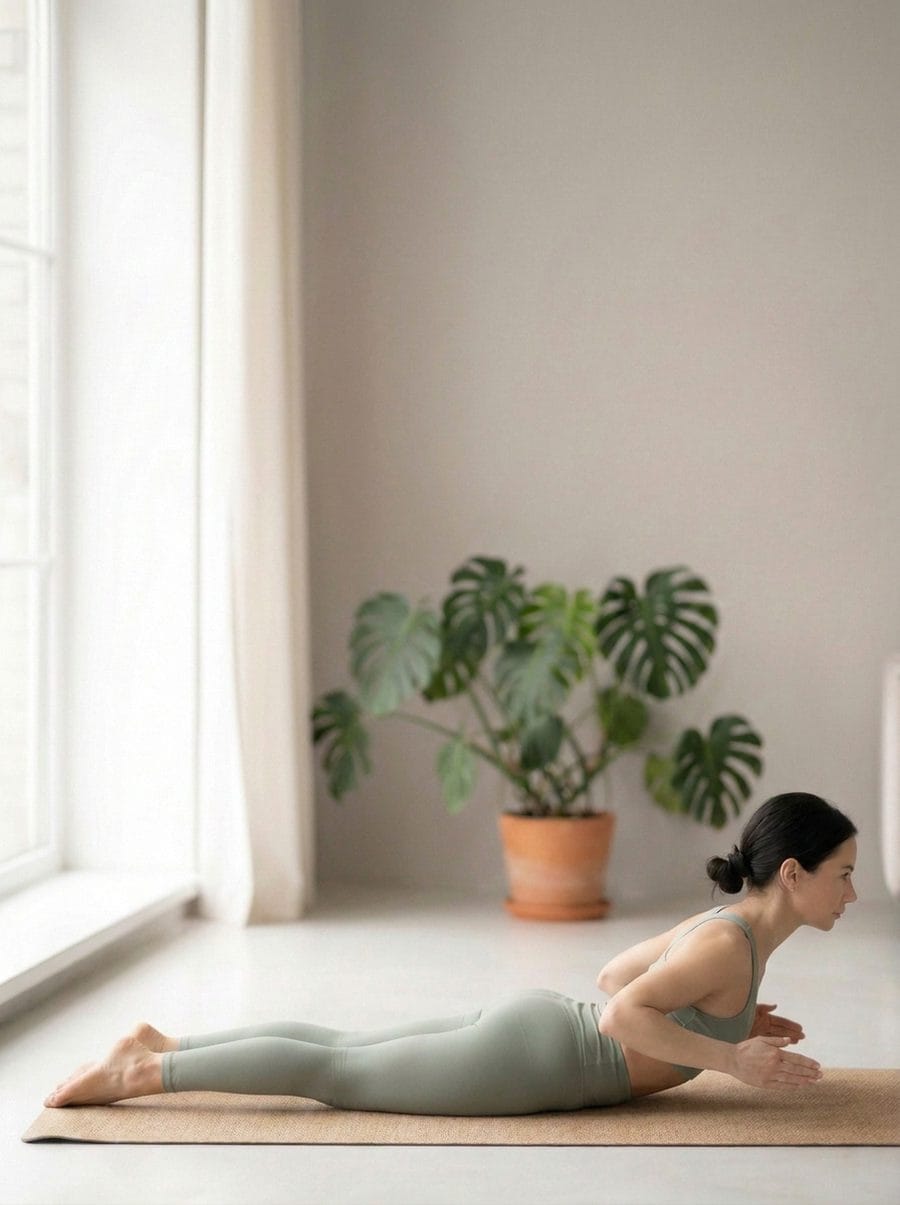
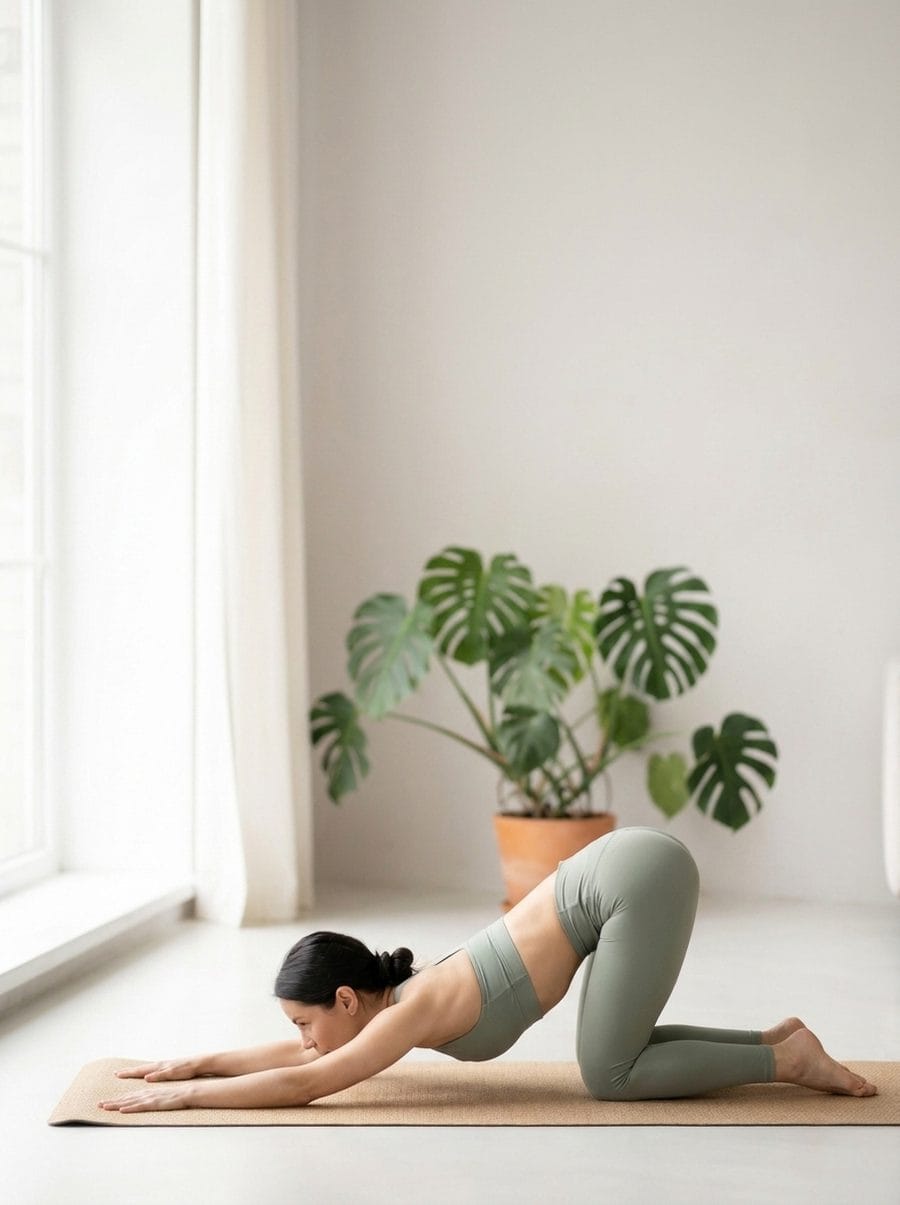
- Unloading. Wide-Knee Child's Pose, Snake Pose with no weight on the arms, and Puppy Pose for the shoulders.
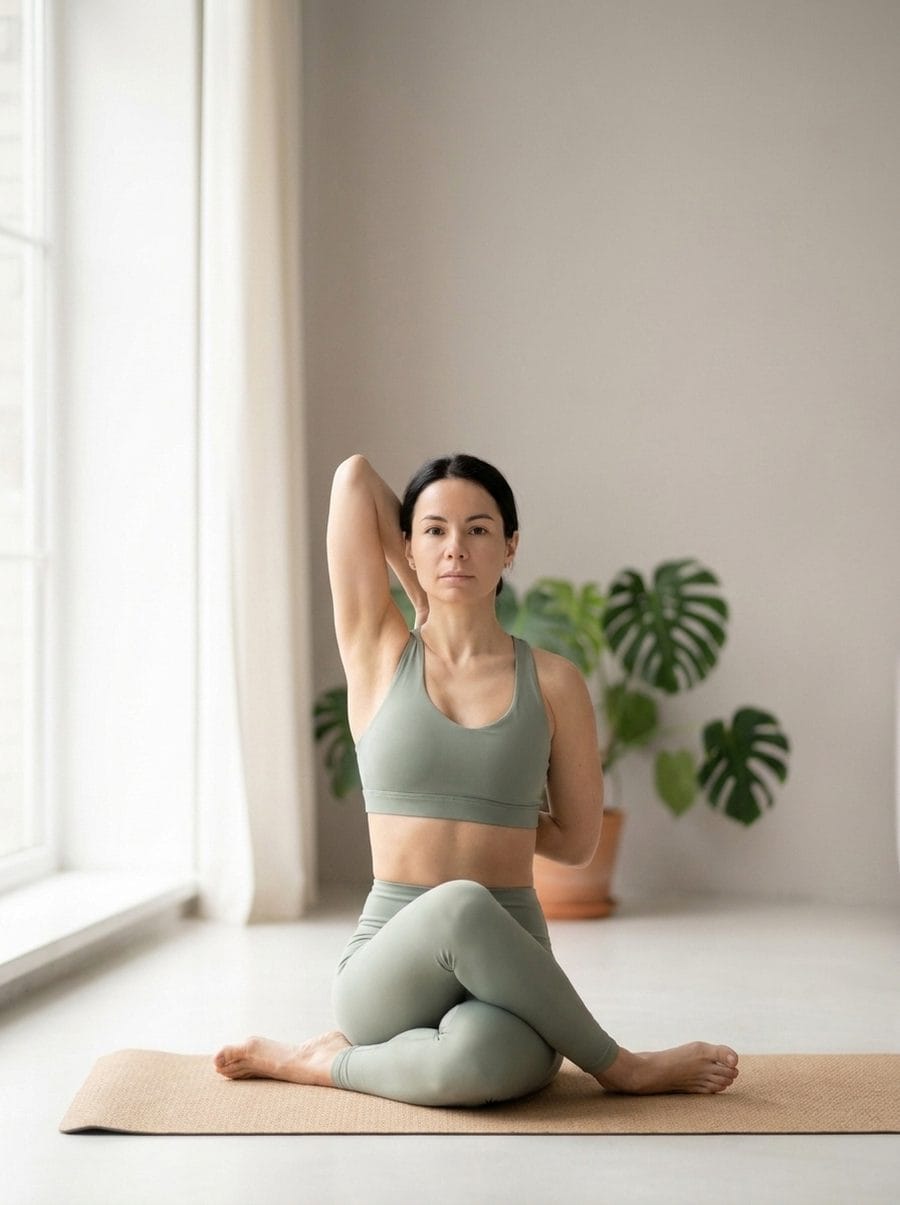
- Finish. A second round of the warm-up, Cow Face Pose, and Savasana for the last three minutes.
For a really short break during the workday, try Office Reset, which takes 10 minutes. It includes the Wrist Warm-Up, and you can do its seated backbend on your fists.
Wrist exercises: from warm-up to weight-bearing
Wrists, like any other joint, get used to load gradually. Short weight-bearing on all fours comes first, then longer holds, and arm balances only after that.
Short weight-bearing on your hands
In Cat-Cow and in Tabletop to Child's Pose Flow, the load on your hands switches on and off with your breath. Tabletop Twist teaches you to balance on one hand, and Knee-to-Forehead Cat adds core work.
Wrist and arm strength
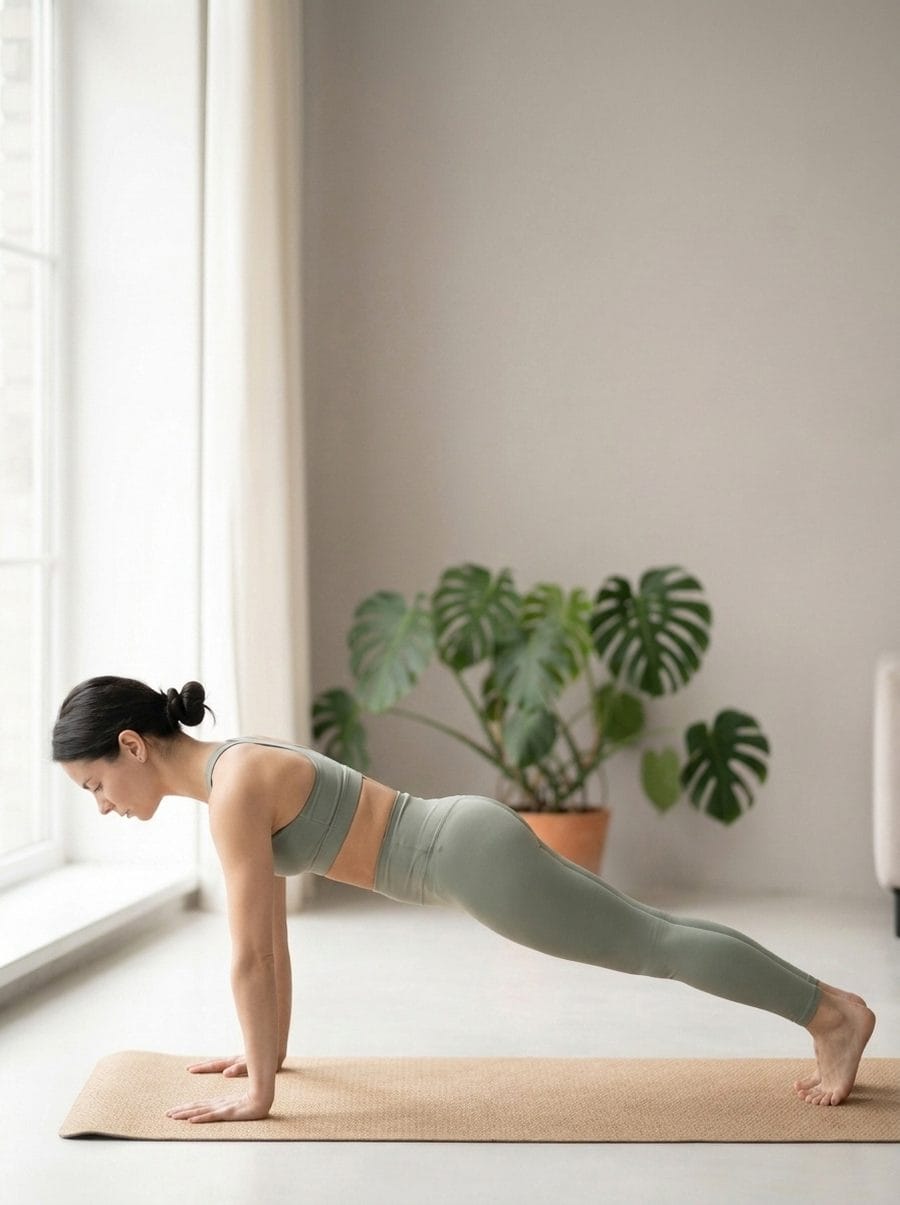
When you lift your hips from Staff Pose into a reverse tabletop, your palms press into the floor behind you and your wrists bend in an unfamiliar direction. Plank Pose loads your hands for longer and more evenly. If your wrist is injured, the app suggests doing it on your forearms.
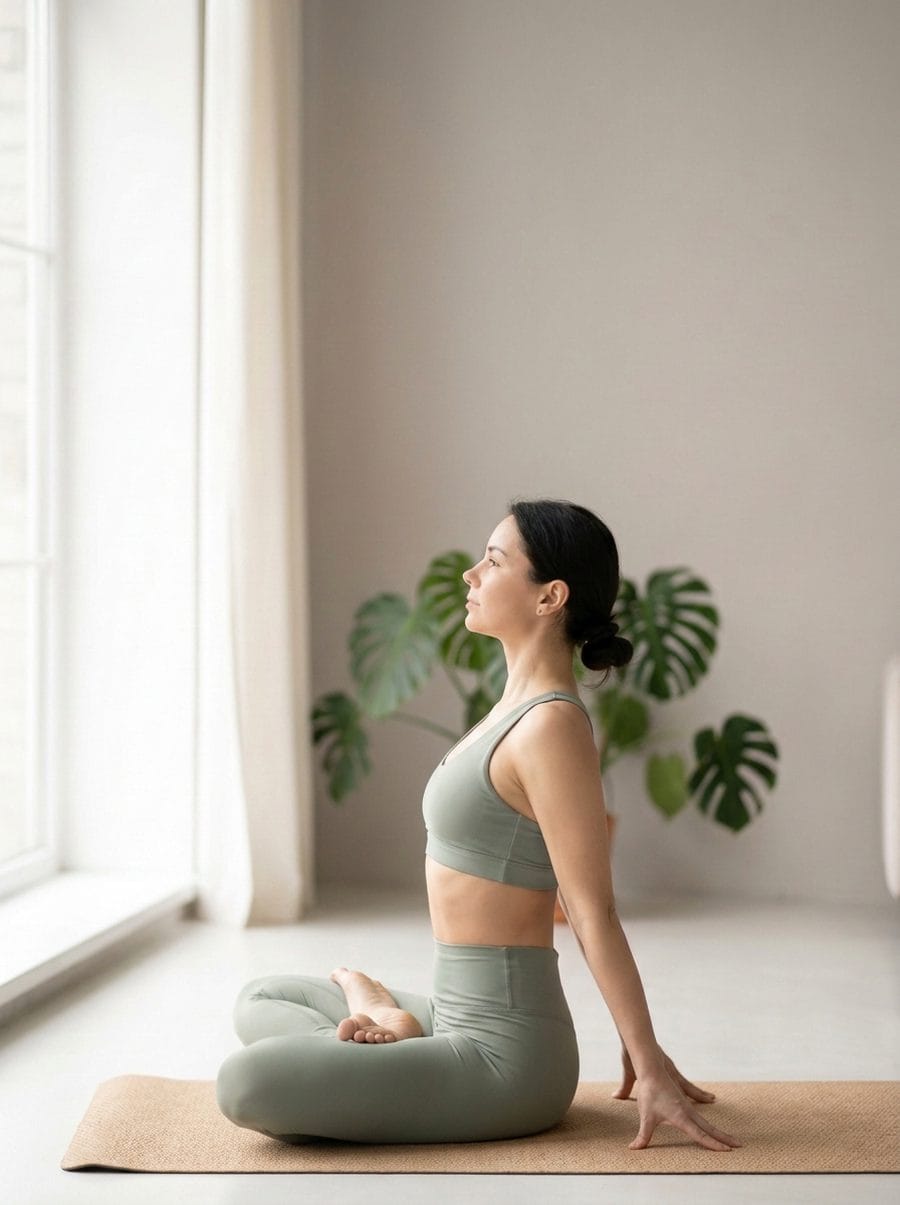
In Cross-Legged Backbend, your palms are also behind your hips, and with wrist problems you can press into your fists instead.
Rest for your hands and shoulders
Wide-Knee Child's Pose and Puppy Pose reach the arms forward with almost no weight on the palms. Snake Pose strengthens your back without using your hands at all. Cow Face Pose stretches the shoulders, and if your hands won't meet behind your back, use a strap to bridge the gap.
How to place your hands so your wrists don't hurt
- Hands under shoulders. When your hands sit in front of your shoulders, the angle at the wrist gets sharper and the load climbs.
- Fingers wide, pressure through the whole palm. Root down most firmly where the index finger and thumb meet the palm, so the weight doesn't collapse into the heel of the hand.
- Send some weight to your legs. In Downward-Facing Dog, reach your hips up and back instead of hanging on your arms.
- Fists instead of palms. When a wrist is injured, the app moves Cat-Cow onto your fists, and in Cross-Legged Backbend you can lean on your fists too.
- A little padding. A folded edge of the mat under the heel of your hand reduces how far the wrist has to bend.
If weight on your hands is still hard for now, pick practices without it. The Core Focus flow works your core with no load on the wrists, and Shoulders & Chest asks almost nothing of your hands.
Safety and when to see a doctor
An injured wrist rules out the Wrists After Typing routine in its full form. The app lists wrist injuries as a reason to skip Tabletop Twist, Knee-to-Forehead Cat and the Staff to Reverse Tabletop Flow, and it rules out the Wrist Warm-Up during the acute phase of an injury.
Leave out Downward-Facing Dog too while a wrist or shoulder is hurt.
The routine has other limits as well. Puppy Pose and Tabletop Twist don't suit shoulder injuries; Snake Pose is out during pregnancy, with lower back injuries and with acute abdominal conditions; Cat-Cow is out with acute back pain. The app also advises against Plank Pose if you have diastasis recti.
A warm-up is not a diagnosis. See a doctor if:
- your fingers go numb or tingle, especially at night, or your thumb feels weak and you drop things;
- the pain gets in the way of everyday tasks, gets worse or keeps coming back;
- two weeks of rest and taking it easy haven't helped;
- your wrist is swollen, warm and stiff and you're running a fever.
If you fall on your hand and feel sudden sharp pain, swelling or a snap, get it checked right away, since that can mean a broken wrist. Numb fingers at night can point to carpal tunnel syndrome. A 2012 Cochrane review described the evidence for exercises in carpal tunnel syndrome as limited and of very low quality, so talk your plan over with a doctor.
Desk habits that spare your wrists
- Keyboard at elbow height. Your forearms rest comfortably and your wrists don't tilt up.
- Don't rest your wrist on the desk edge. Pressure on the inside of the wrist adds tension.
- A break every hour. Shake out your hands, circle your fists a couple of times and stretch your fingers.
- Type on your phone with both hands. Alternate thumbs instead of doing everything with one.
Your neck and shoulders take as much of a beating from the computer as your hands do. They have their own article: Yoga for Neck and Shoulders.
Pose cautions in this article
- Acute wrist injuries (Wrist Warm-Up)
- Acute back pain (Cat-Cow)
- Wrist injuries — practice on your fists (Cat-Cow)
- Knee injuries — place a blanket under your knees (Tabletop to Child's Pose Flow, Tabletop Twist, Knee-to-Forehead Cat, Wide-Knee Child's Pose)
- Shoulder and wrist injuries (Tabletop Twist)
- Wrist injuries (Knee-to-Forehead Cat)
- Wrist and shoulder injuries (Staff to Reverse Tabletop Flow)
- Wrist injuries — practice on your forearms (Plank Pose)
- Diastasis recti (Plank Pose)
- Pregnancy (Snake Pose)
- Lower back injuries (Snake Pose)
- Acute abdominal conditions (Snake Pose)
- Shoulder injuries (Puppy Pose)
- Shoulder injuries — use a strap (Cow Face Pose)
- Knee injuries — sit on a prop (Cow Face Pose)
- Wrist problems — rest on your fists (Cross-Legged Backbend)
This site is for general information and is not medical advice. If you have pain, an injury, a chronic condition, or are pregnant, check with a qualified professional before practicing.
Questions
What are the best wrist stretches? Start with the warm-up: fist circles, spreading the fingers and gently drawing the palm back. Then add short weight-bearing on all fours and Plank Pose. The Wrists After Typing routine puts it all in order for you.
Is yoga good for carpal tunnel? There's no reliable evidence either way: a Cochrane review called the evidence for exercises limited and of very low quality. Numb or tingling fingers are a reason to get a medical opinion first.
Why do my wrists hurt in Plank and Downward Dog? Usually the weight collapses into the heel of the hand and the hands sit in front of the shoulders. Spread your fingers, press through the base of your index finger and shift some weight back into your legs.
How often should you do wrist exercises? A short warm-up can happen several times during the workday. For the 12-minute routine, two or three sessions weekly are plenty.
Sources
- Page MJ, et al. Exercise and mobilisation interventions for carpal tunnel syndrome. Cochrane Database of Systematic Reviews, 2012.
- NHS. Wrist pain. When wrist pain needs a doctor.
- Pose technique and cautions, and sequence contents: the Hatha Yoga app. More on the How We Prepare Our Content page.
Read next
- Yoga for Arthritis and Osteoporosis: How to Protect Your Joints and Bones7 min read
- Ashtanga Yoga Explained: The Series, the Breath and the Difference from Hatha6 min read
- Ayurveda Explained Simply: The Basics and a Daily Routine (Dinacharya)5 min read
- Balance Exercises: 10 Yoga Poses for Balance and Stability7 min read