 Hatha Yoga
Yoga for Seniors and Over 50: Gentle Exercises for Joints and Balance
Hatha Yoga editorial team · Updated · 6 min read
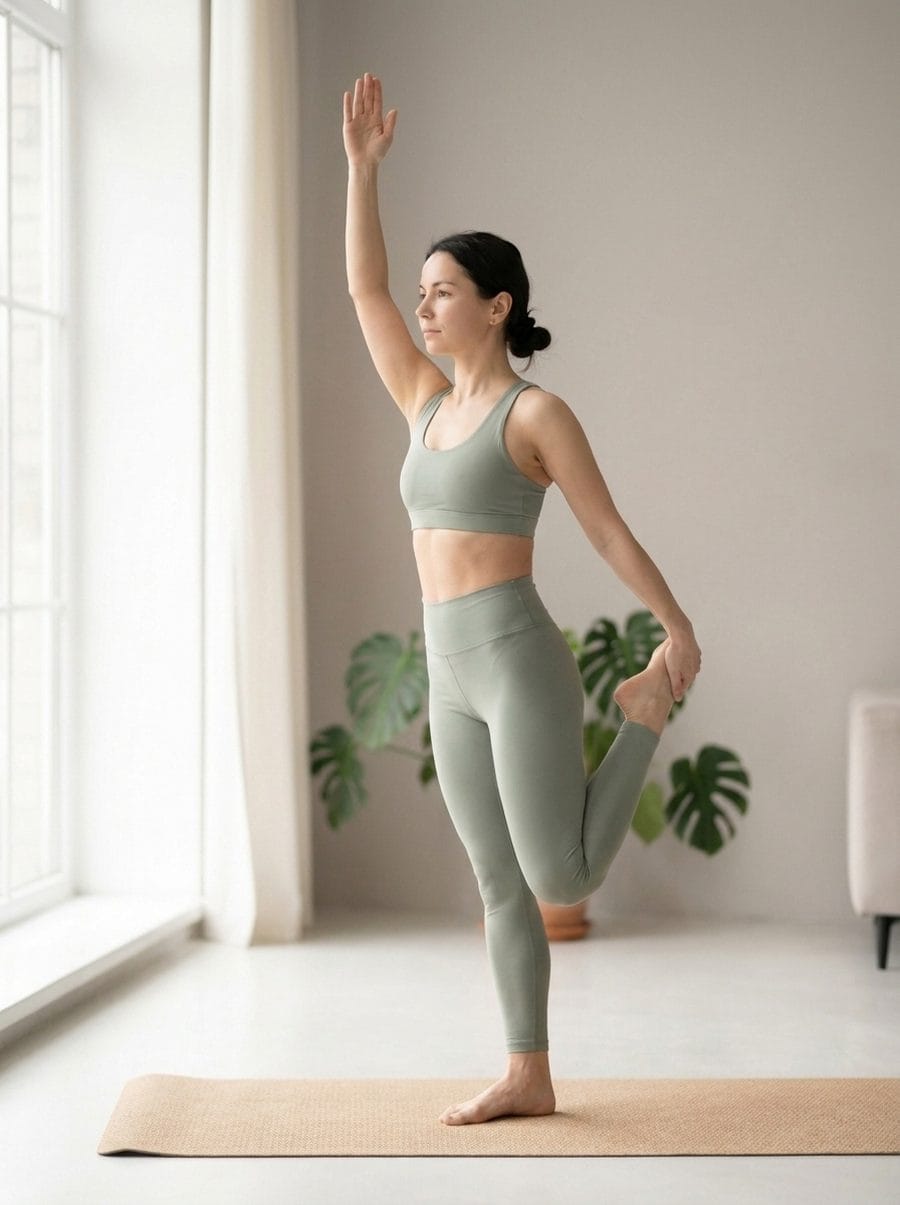
After 50, and even more after 60, the body changes: joints lose range, leg muscles weaken, and balance slips more often. Gentle yoga helps you keep your mobility, your strength and your confidence on your feet. Anyone with a chronic illness, or anyone returning after a long break, should get a doctor's go-ahead first.
Below you'll find 12 calm exercises, two routines from the app, rules for a safe practice and a short look at the research.
Is yoga good for seniors? What the research says
The largest review on the subject was published in the Cochrane Library in 2019. Its authors pooled 108 randomized trials involving 23,407 people with an average age of 76. Those who exercised regularly had 23% fewer falls on average, and with balance and functional training the drop was 24%.
A 2016 meta-analysis in the journal Age and Ageing looked specifically at yoga for people over 60. Across six trials with 307 participants, yoga brought a small gain in balance and a moderate gain in mobility. Whether that translates into fewer falls, the authors say, is still unknown.
The UK's NHS advises everyone over 65 to move every day and, twice a week or more, to work on balance, flexibility and muscle strength. It lists yoga among suitable options. The bottom line: yoga pairs well with walking and other activity, and standing poses are especially useful for balance.
Ground rules for a gentle practice
- Start small. For the first few weeks, a couple of 10 to 15 minute sessions per week will do; add time later.
- Joints first. Open every session by warming up your neck, shoulders and hips.
- Keep a chair and a wall close. They back you up in balance poses and help you get up.
- Get down to the floor through your side. Kneel, sit on one hip, lie on your side and only then roll onto your back. Reverse the order to come up.
- Rise slowly. Jumping up after lying down can leave you dizzy.
- Breathe evenly. No breath-holding; breathe through your nose at your own pace.
- Pain means stop. A pulling feeling in a muscle is normal; joint pain is your signal to back off.
12 gentle exercises for seniors from yoga
Joint warm-up
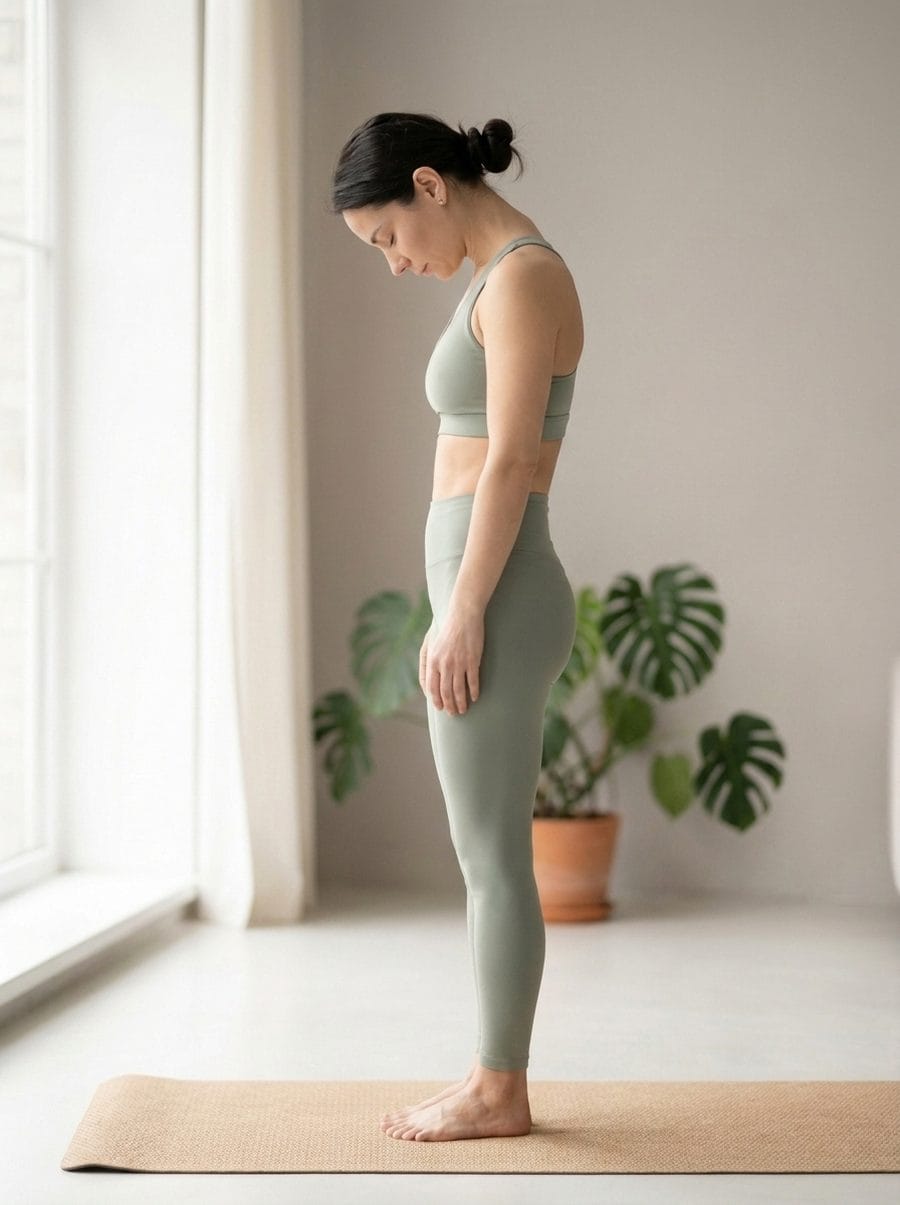
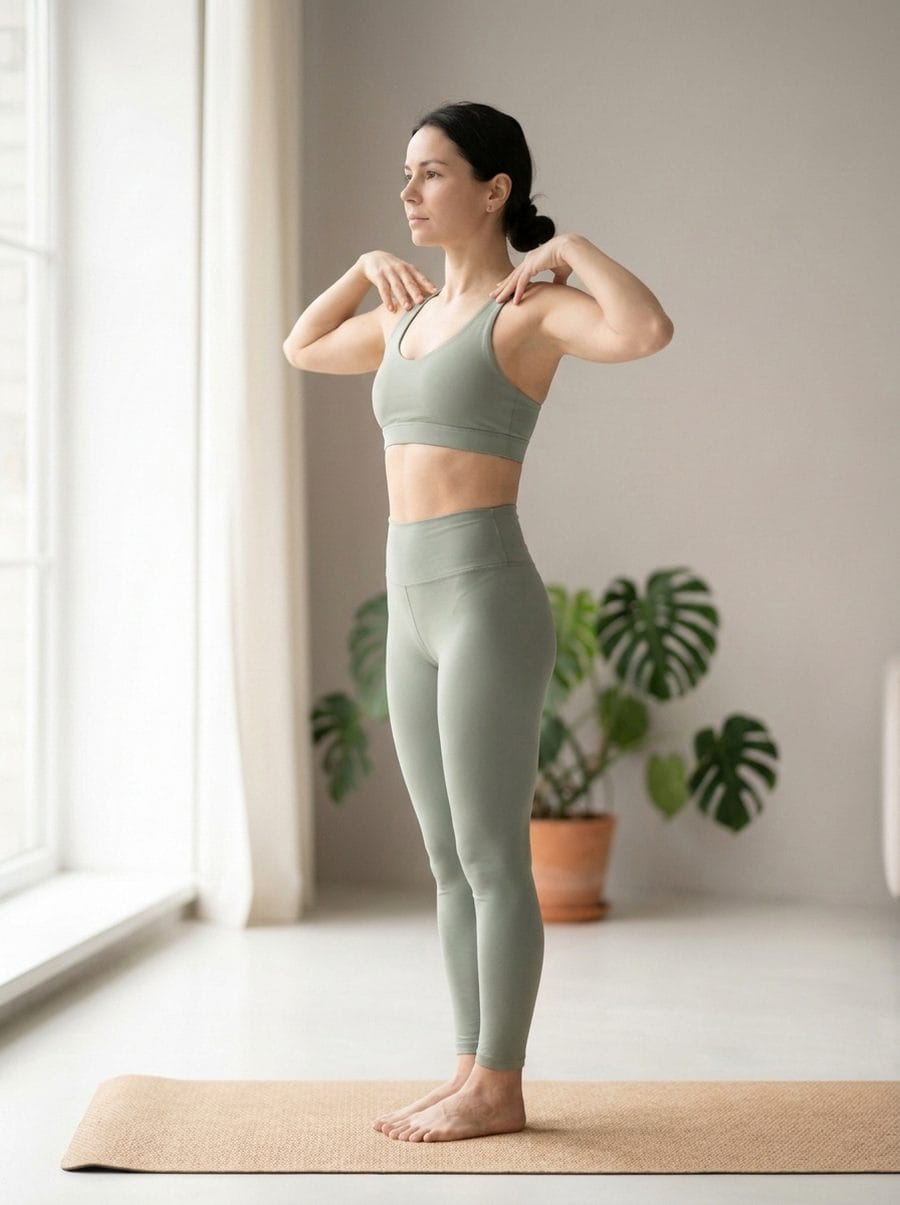
Unhurried half circles with your chin, never letting the head fall back, wide Shoulder Rolls in time with your breath, and Hip Circles as if you were tracing a hula hoop. Keep your knees soft and your movements smooth. This makes a good start to any session, and it works on its own as a morning routine.
Balance and leg strength
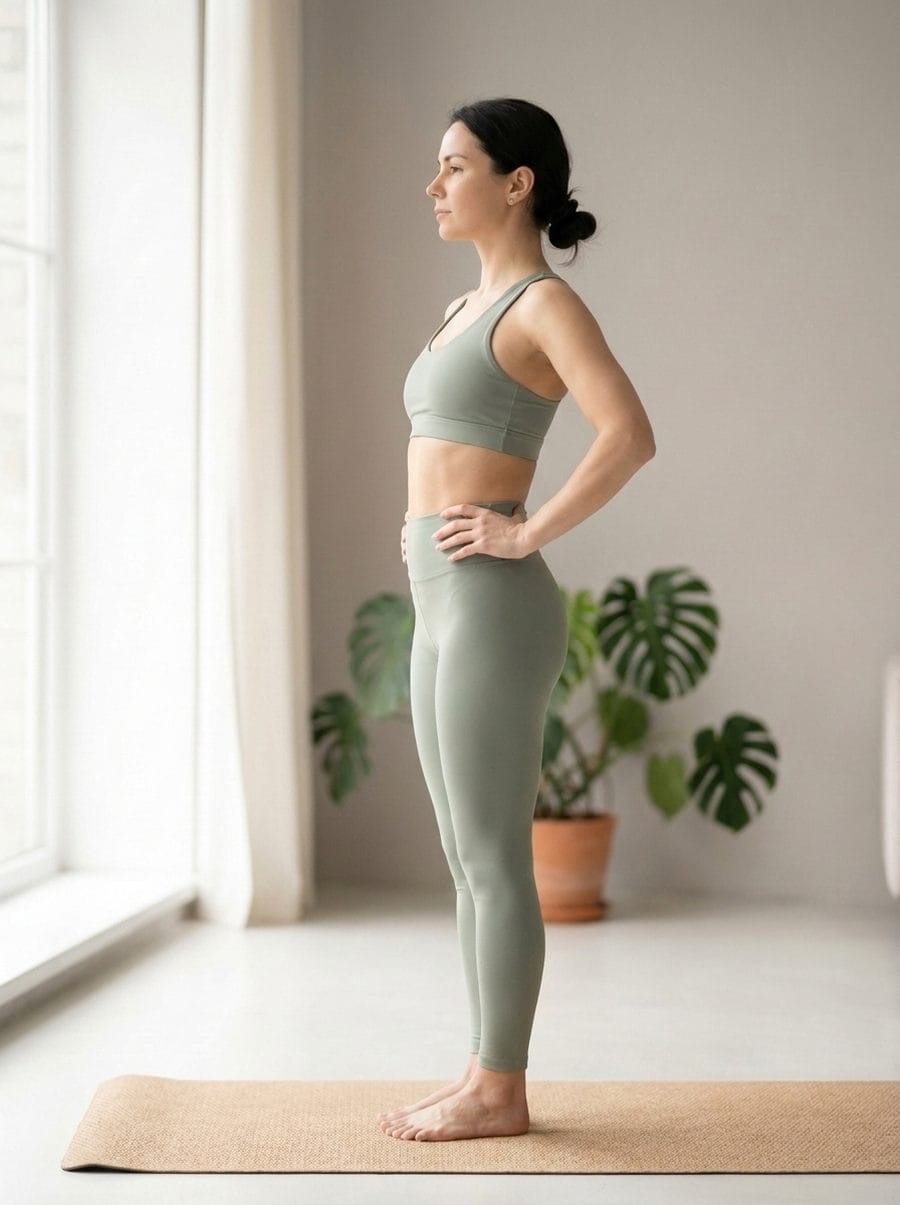
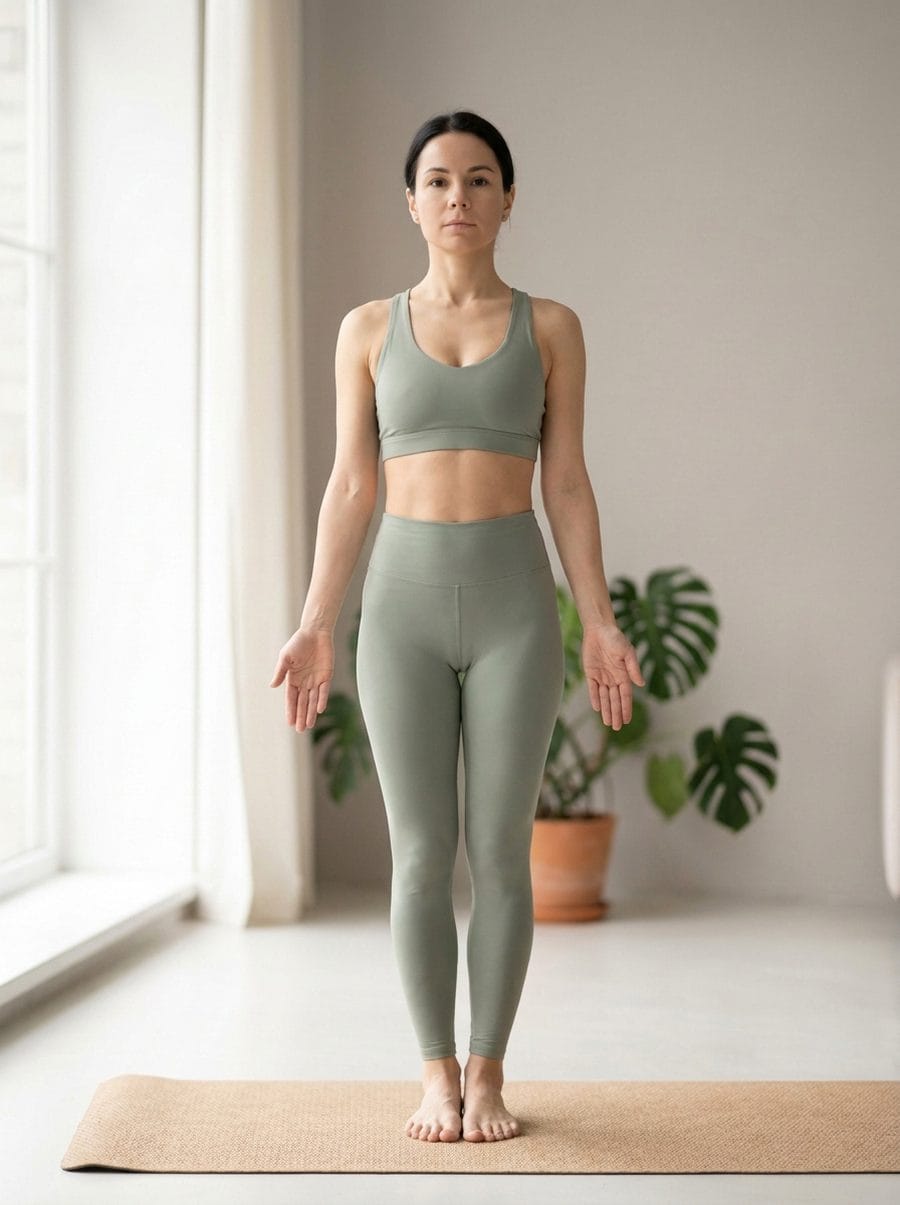
Mountain Pose is your base: stand steady and feel the floor beneath your whole foot, heel to toes. Do Half Tree Pose beside a wall or holding the back of a chair; your raised foot may keep its toes on the floor.
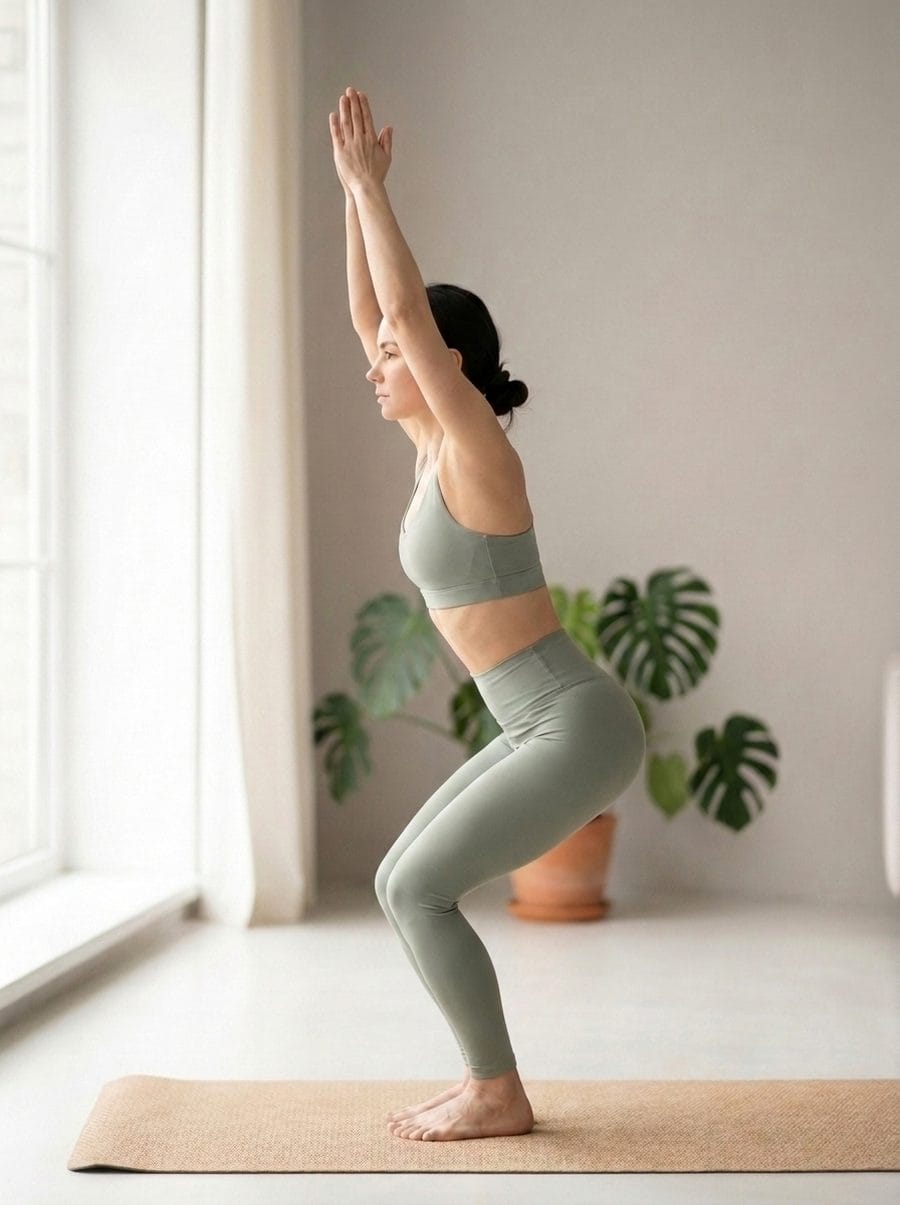
Chair Flow builds strength in the thighs: lower down as if sitting in a chair, then rise as you inhale. In the beginning, place a real chair behind you.
A mobile spine
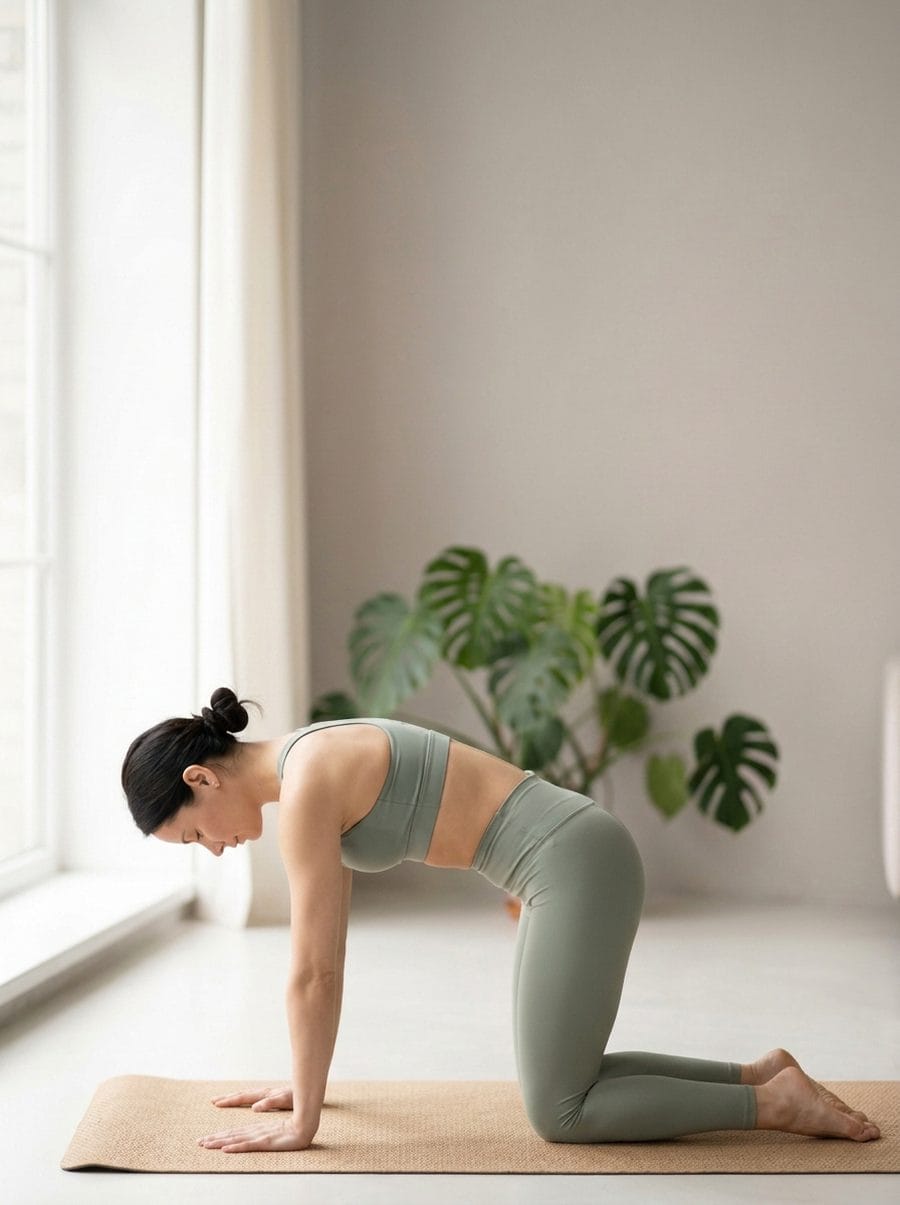
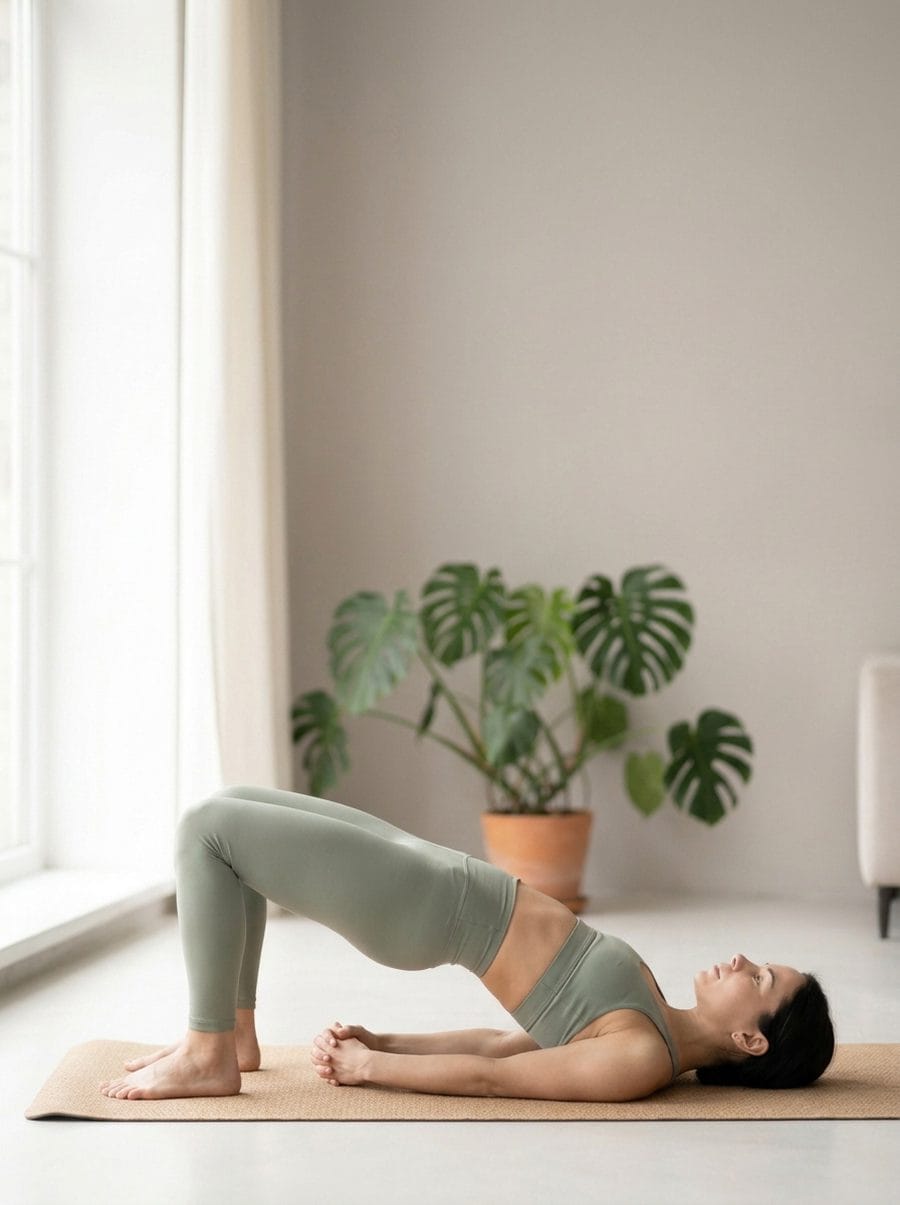
Cat-Cow on all fours moves your entire spine gently in rhythm with your breath. Bridge Flow on your back strengthens the glutes and back: your hips rise with each inhale and roll back down, vertebra by vertebra, with each exhale.
Stretching and rest on your back
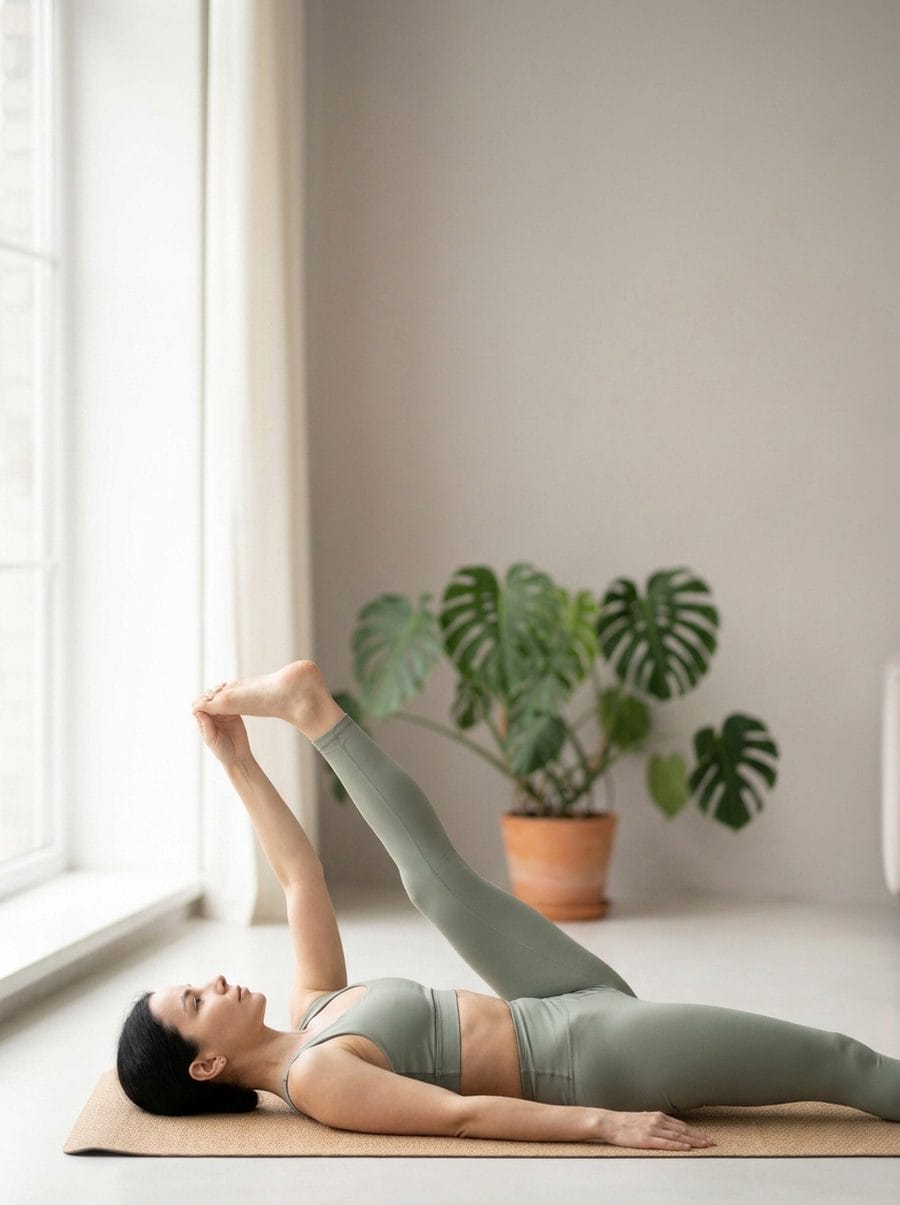
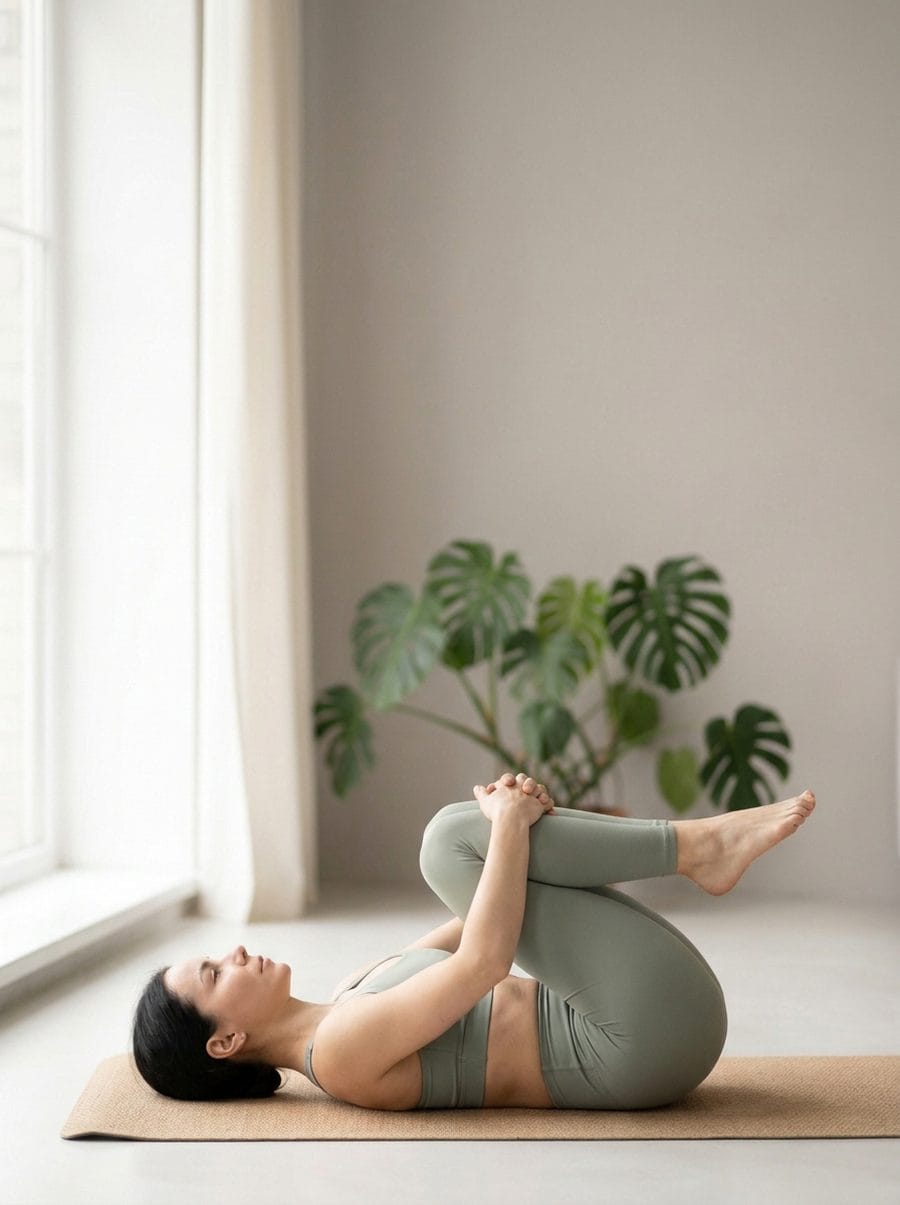
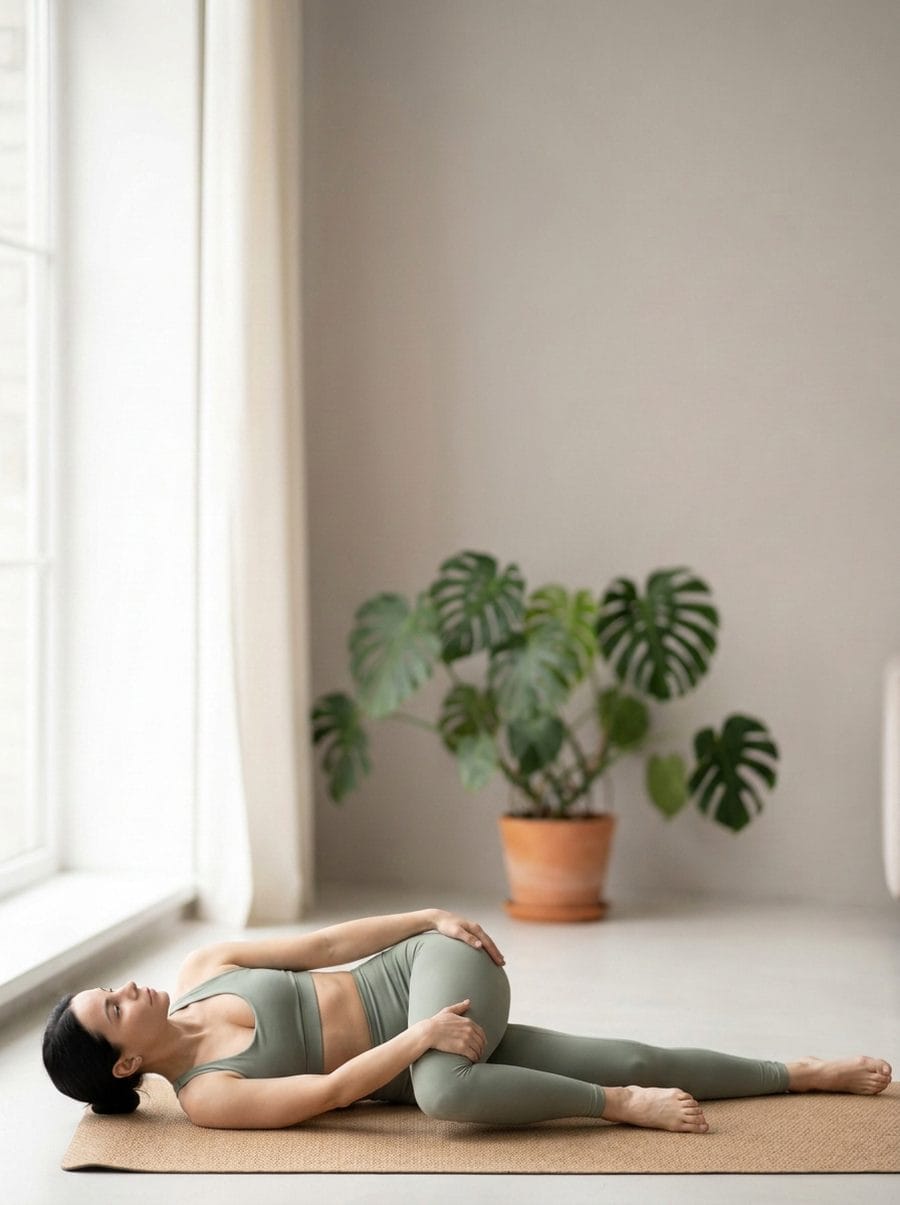
Of all hamstring stretches, the kindest happens lying down, with your back fully supported: that's Reclining Hand-to-Big-Toe Pose. A strap or towel around the sole makes up for any missing reach. After that, Knees-to-Chest Pose and Supine Twist ease tension out of your lower back, and Relaxation Pose closes the practice.

Two routines to get you started
The Flow with the Breath routine is designed for the joints and spine. It's a beginner program that takes 12 minutes: 14 exercises in order, from the neck and shoulders standing up to Bridge Flow and twists lying down. Each movement repeats with your inhale and exhale, with no long holds, so it's easy to get through even the first time.
Two moves here need a caveat: Forward Fold Flow is out for a lumbar herniation or raised blood pressure, and Supine Twist Flow is out for a lumbar herniation.
Once the warm-up feels familiar, try the 15-minute First Practice routine. It has 13 simple poses: a joint warm-up, Cat-Cow, standing poses with Tree Pose, seated forward folds, Butterfly Pose and Supine Twist, followed by a long Relaxation Pose. Practice Tree Pose by a wall, and leave the Standing Forward Fold out when blood pressure runs high.
From First Practice, take out Downward-Facing Dog in three cases (glaucoma, a wrist injury, a shoulder injury) and the Seated Forward Fold for a herniated lumbar disc.
Floor work feeling out of reach for now? Begin with the seated exercises in Chair Yoga.
Yoga over 50: what to keep in mind
At 50 many people still feel strong, and it's tempting to jump straight into an intense routine. But your body now takes longer to recover, so it pays to alternate active days with rest days and add difficulty gradually. If you have osteoporosis, ask your doctor which forward folds and twists are right for you.
Don't teach yourself inversions such as Headstand or Shoulder Stand. They come with a long list of contraindications, including neck injuries, hypertension and glaucoma, and the app recommends learning Headstand only with a teacher.
Safety and when to see a doctor
Stop right away and call for help if you feel pain or tightness in your chest, struggle to breathe, notice your heart racing, feel faint, or get a sudden sharp pain anywhere. After a joint replacement, ask your surgeon which movements are allowed.
Cautions for individual poses:
- Neck. An acutely sore neck or a spinning head means no Neck Warm-Up today. An injured neck also rules out Bridge Flow.
- Knees. Skip Chair Flow if your knees are injured.
- Back. When lower back trouble flares, drop Chair Flow and Bridge Flow. Set Cat-Cow aside when your back is acutely painful, and Supine Twist whenever a herniated disc is in its acute phase.
- Balance. If your balance is impaired, keep a wall at your side for Half Tree.
More in Safety and Contraindications.
Pose cautions in this article
- Acute neck pain (Neck Warm-Up)
- Dizziness (Neck Warm-Up)
- Balance disorders — stand near a wall (Half Tree Pose)
- Knee injuries (Chair Flow)
- Flare-up of lower back problems (Chair Flow)
- Acute back pain (Cat-Cow)
- Wrist injuries — practice on your fists (Cat-Cow)
- Neck injuries (Bridge Flow)
- Flare-up of lower back pain (Bridge Flow)
- Use a strap if your back lifts off the floor (Reclining Hand-to-Big-Toe Pose)
- Pregnancy from the second trimester onward — take your knees wider than your belly or skip the pose (Knees-to-Chest Pose)
- Disc herniation in the acute phase (Supine Twist)
This site is for general information and is not medical advice. If you have pain, an injury, a chronic condition, or are pregnant, check with a qualified professional before practicing.
Questions
Can I start yoga at 60 or 70? Yes. Begin with a gentle beginner practice, and run it by your physician when chronic conditions are part of the picture. Consistency matters more than fancy poses.
How is yoga different from regular exercises for seniors? The movements overlap a lot: joint warm-ups, balance work, stretching. Yoga adds attention to the breath and a calm relaxation at the end, and everything is done slowly and mindfully.
How often should seniors do yoga? To start, 10 to 20 minutes, two or three times weekly, is plenty. The brief joint warm-up can be a daily habit.
Which yoga poses should seniors avoid? Don't learn inversions, deep backbends or abrupt twists on your own. High blood pressure and glaucoma both rule out head-down poses.
Sources
- Sherrington C, et al. Exercise for preventing falls in older people living in the community. Cochrane Database of Systematic Reviews, 2019.
- Youkhana S, et al. Yoga-based exercise improves balance and mobility in people aged 60 and over: a systematic review and meta-analysis. Age and Ageing, 2016.
- NHS. Physical activity guidelines for older adults. National Health Service, UK.
- Pose technique and cautions, and the contents of the routines: the Hatha Yoga app. More about how we check our texts on the How We Prepare Our Content page.
Read next
- Yoga for Arthritis and Osteoporosis: How to Protect Your Joints and Bones7 min read
- Ashtanga Yoga Explained: The Series, the Breath and the Difference from Hatha6 min read
- Ayurveda Explained Simply: The Basics and a Daily Routine (Dinacharya)5 min read
- Balance Exercises: 10 Yoga Poses for Balance and Stability7 min read