 Hatha Yoga
Mobility Exercises: A Joint Warm-Up, a Cool-Down and a 12-Minute Routine
Hatha Yoga editorial team · Updated · 6 min read
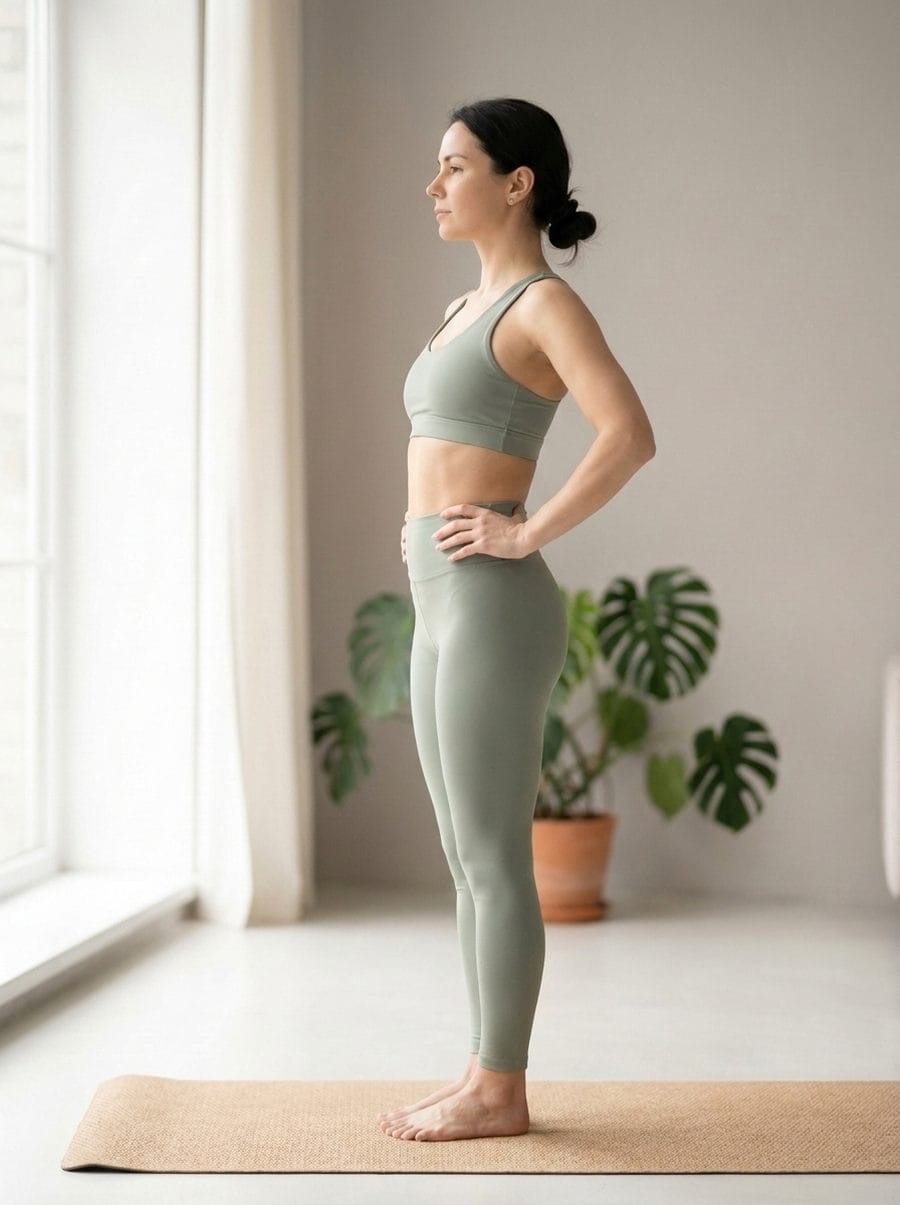
Mobility exercises are for everyone: people who sit a lot, people who train, and anyone who wants to keep moving easily as the years go by. They're smooth, breath-paced movements through each joint, with no jerking and no strength holds.
Below we explain how mobility differs from flexibility, lay out a head-to-toe order, share 13 exercises from yoga, and cover how to warm up before a workout, how to cool down after, and two ready-made routines of 5 and 12 minutes.
Mobility vs. flexibility: what's the difference?
Flexibility tells you how far a muscle can stretch, for example in a forward fold. Mobility describes how freely a joint moves through its full range while your muscles stay in control. You can be flexible and still control movement poorly, or the other way around.
With desk work, the range your joints use tends to shrink: what you don't use slowly fades. Regular joint work gets your body back in the habit of moving through its whole range.
Mobility training builds exactly that kind of controlled range. Each movement is slow, either circular or back and forth, and repeats 5 to 10 times in time with your breath. The range grows from one rep to the next, not on the very first try.
The order: head to toe
Working from the neck down to the feet makes it easy not to miss anything:
1. Neck: half circles of the head. 2. Shoulders: circles forward and back. 3. Wrists: fist circles and a gentle finger stretch. 4. Torso: side bends. 5. Hips: circles, as if tracing a hula hoop. 6. Spine: arching and twisting on all fours. 7. Legs: smooth squats. 8. Lower back: twists in motion while lying down.
The whole sequence takes 6 to 10 minutes.
13 mobility exercises from yoga
Neck, shoulders and wrists
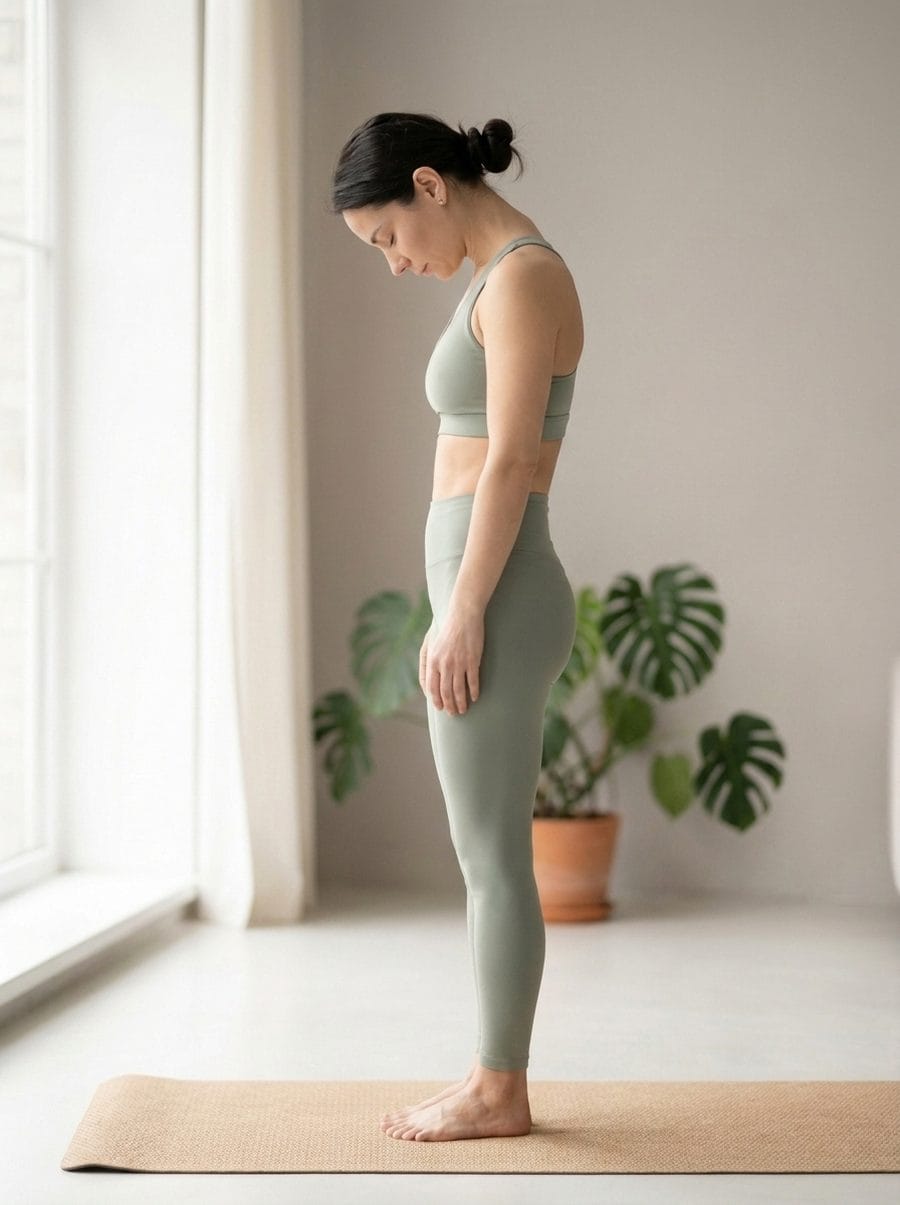
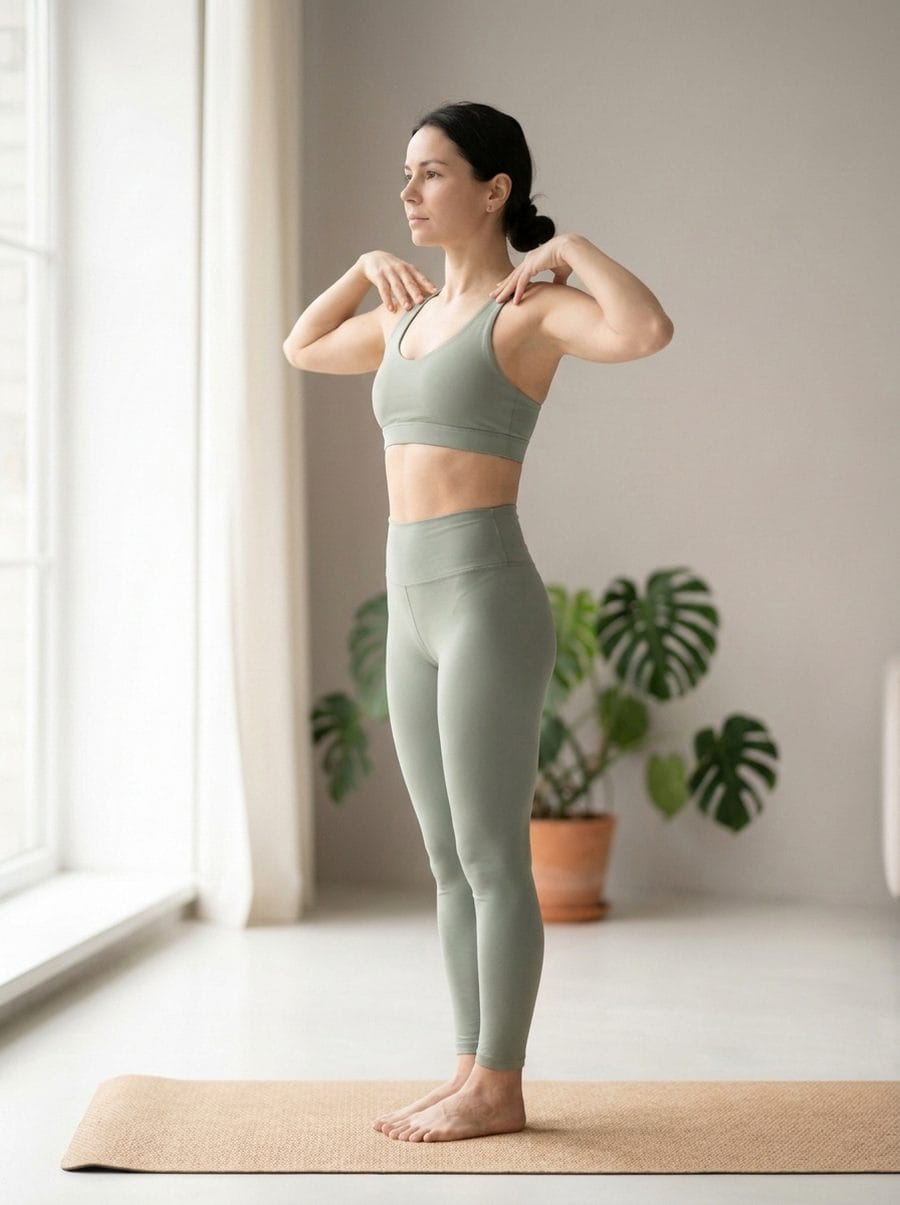
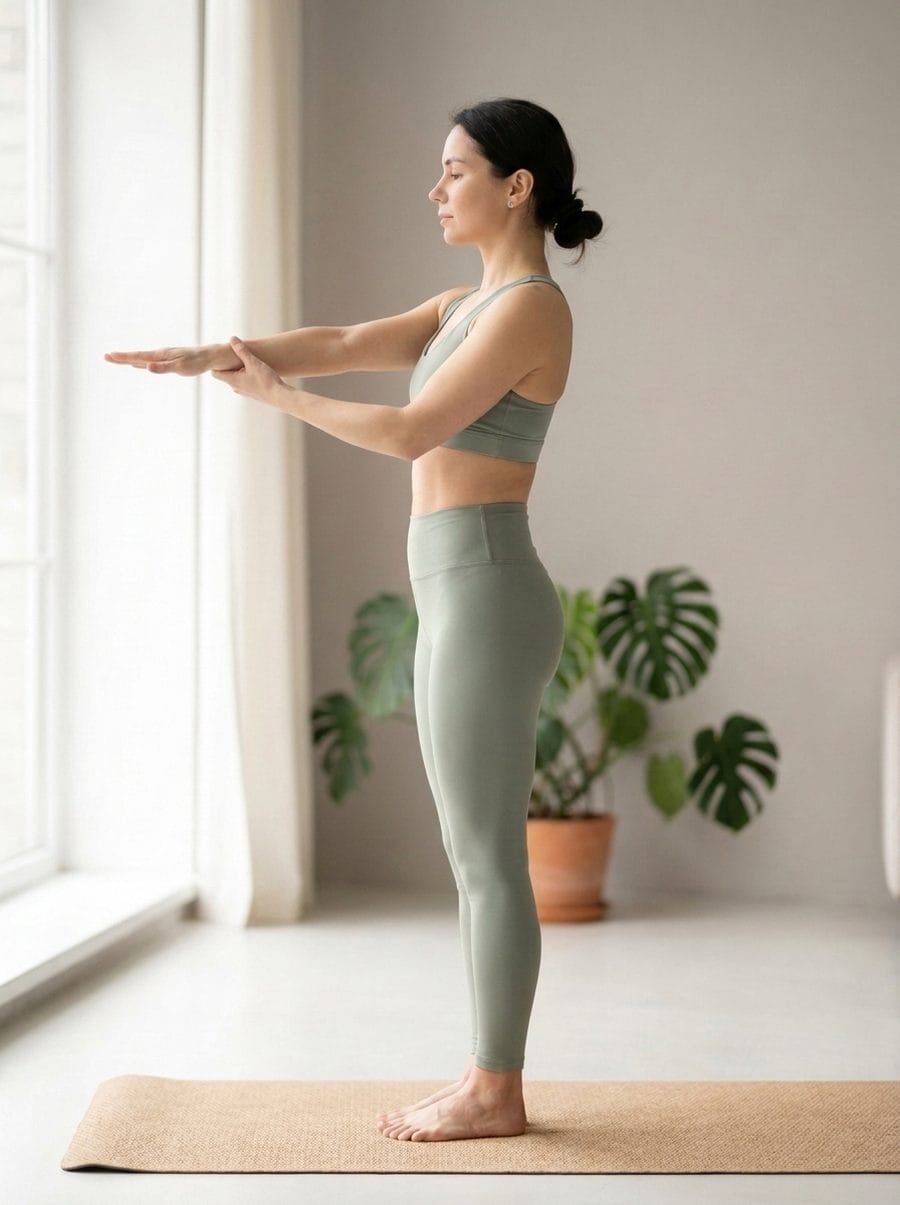
Your head sweeps a half circle in front of your chest from side to side; don't let it drop back. Your shoulders trace wide circles, rising and rolling back as you breathe in, lowering as you breathe out. For your wrists, reach your arms forward, turn your closed fists clockwise and counterclockwise, then open your hands and ease your fingers back with the other hand.
Torso and hips, standing
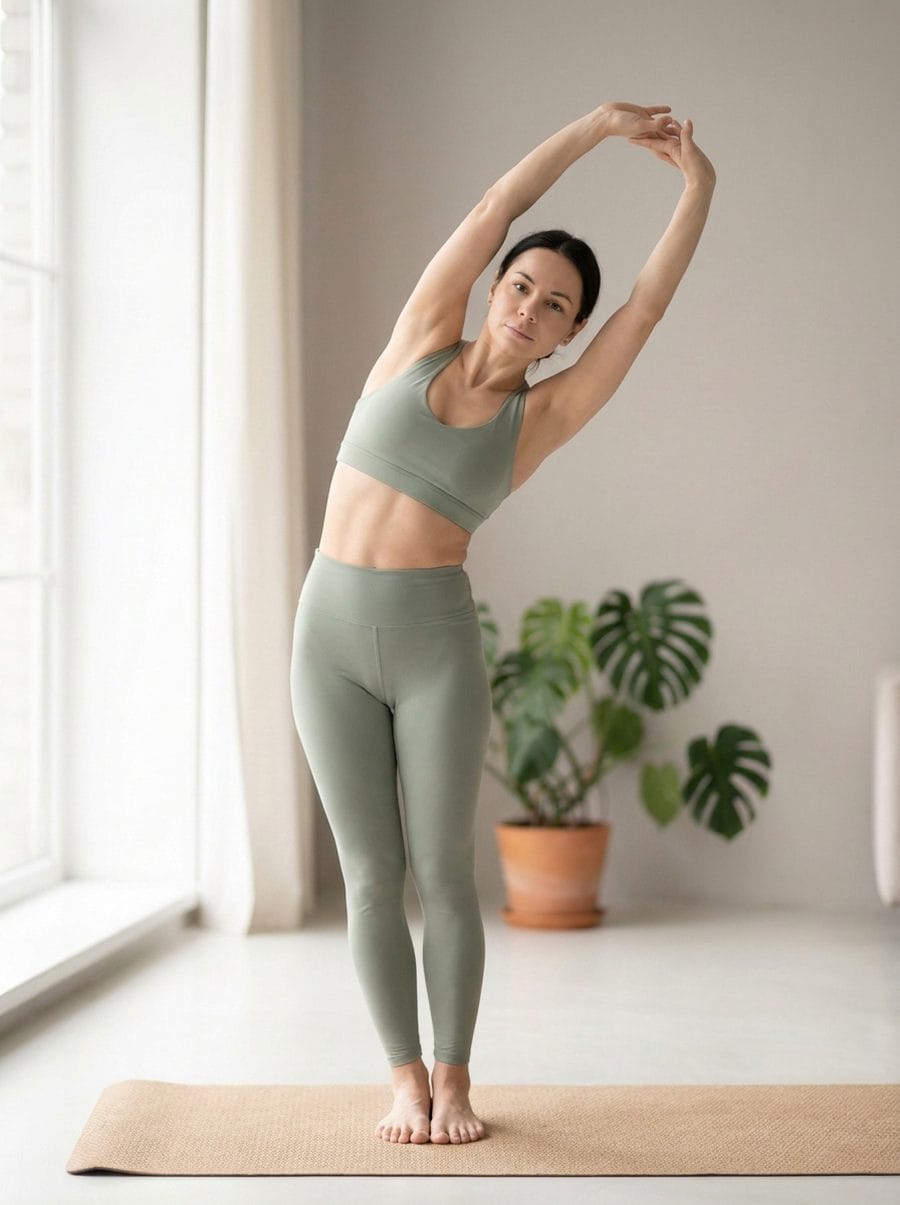
Side Bend Flow: arms overhead with fingers interlaced, lean to the side as you exhale, come back to center as you inhale. Your pelvis stays still. Then put your hands on your waist and slowly circle your hips with soft knees, switching direction halfway through.
Spine on all fours
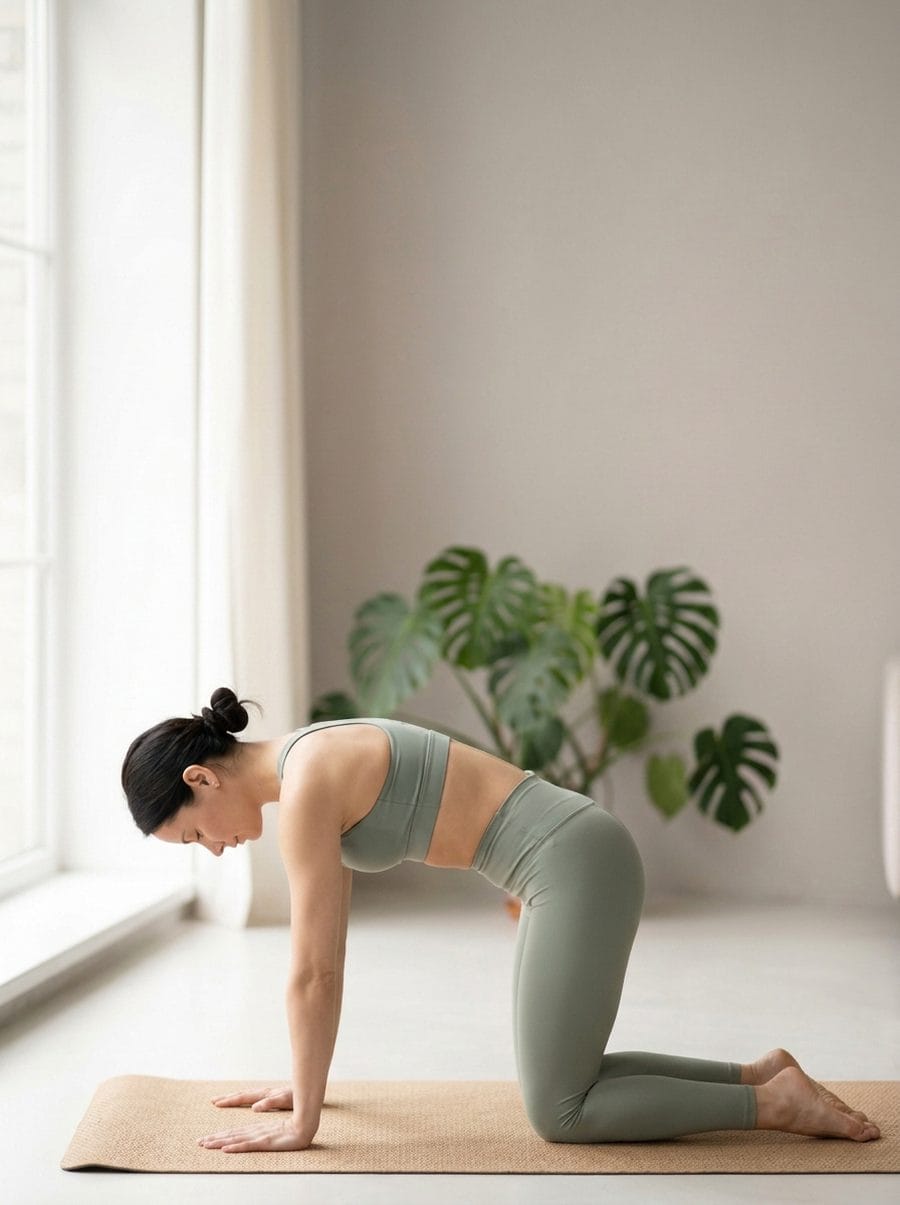
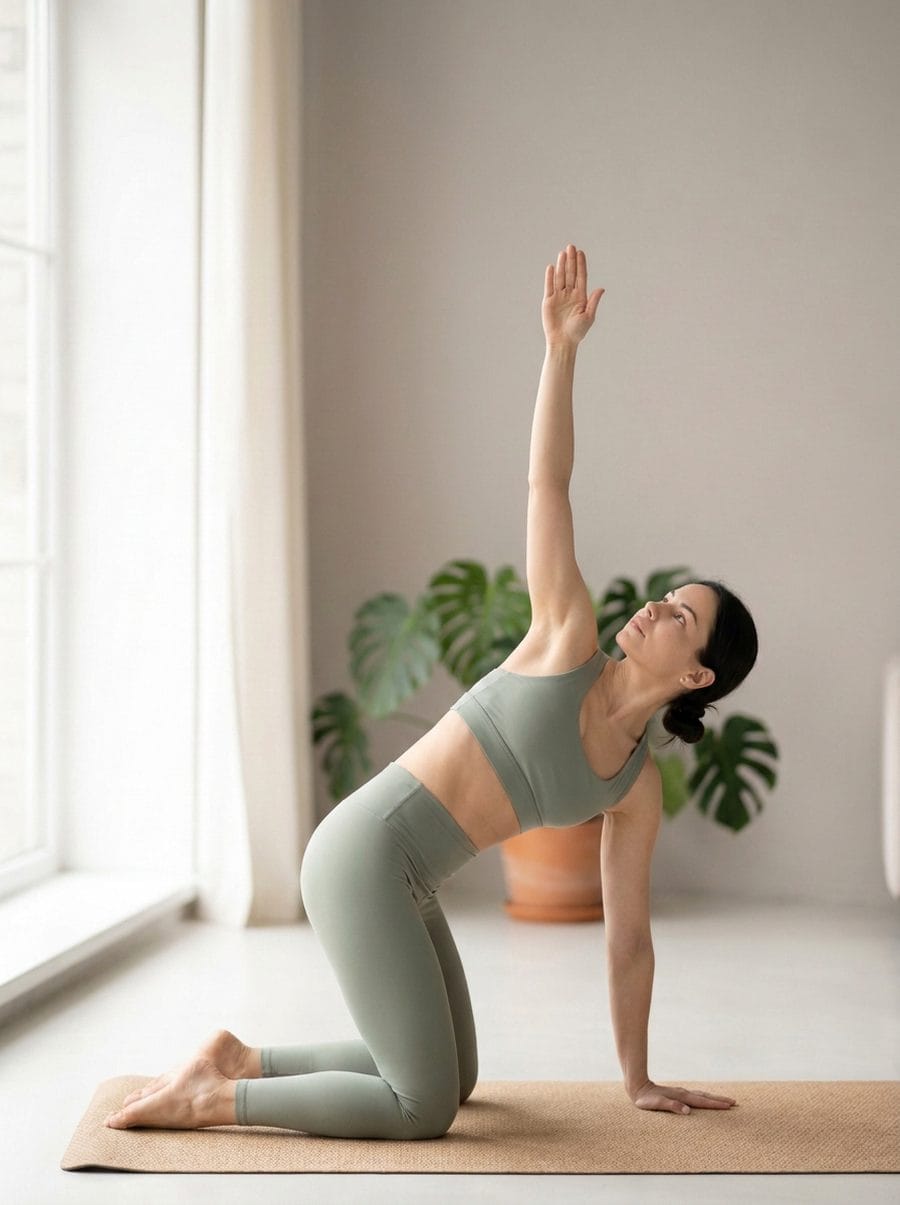
Cat-Cow moves your spine forward and back, Tabletop Twist rotates the upper back, and the Tabletop to Child's Pose Flow gently rocks your hip joints. A folded blanket under the knees makes all three kinder.

Legs and lower back
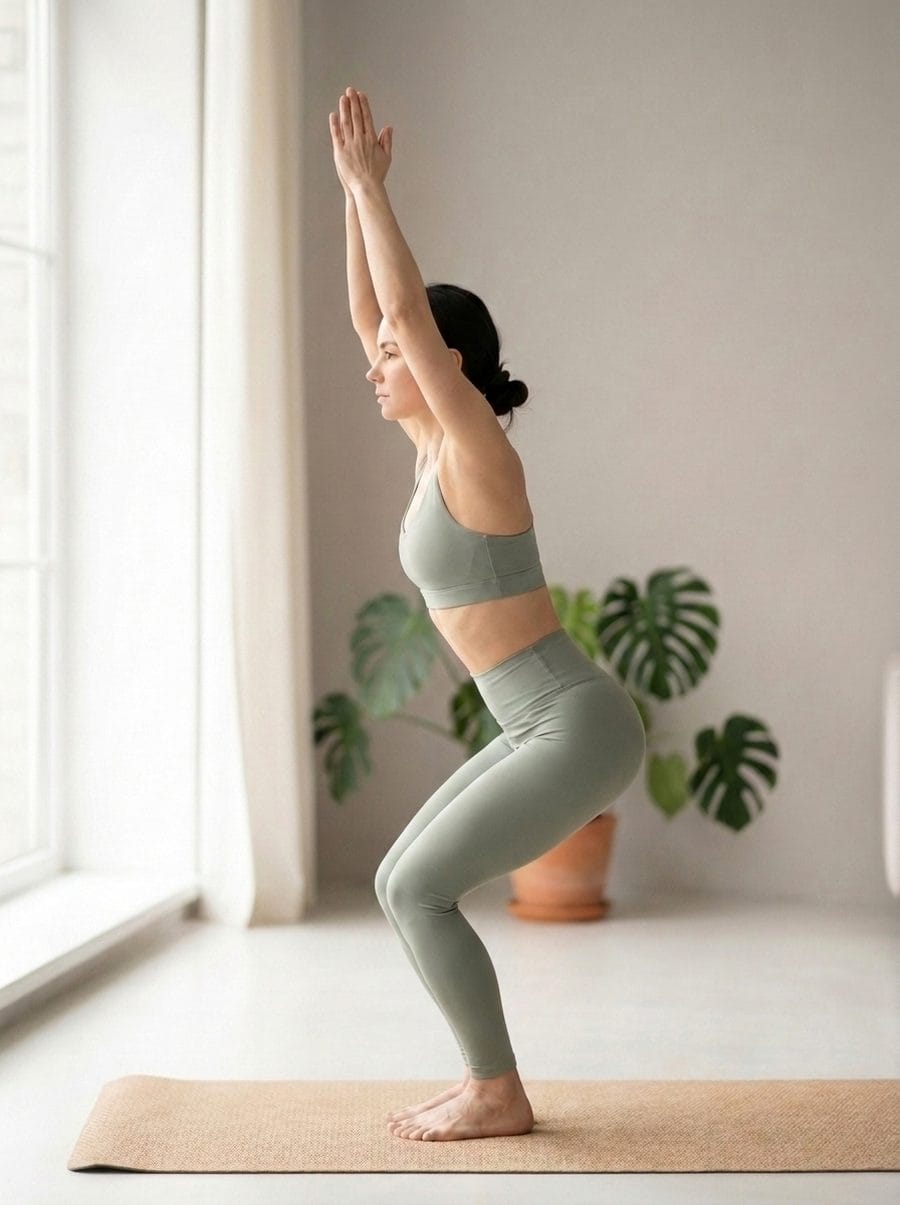
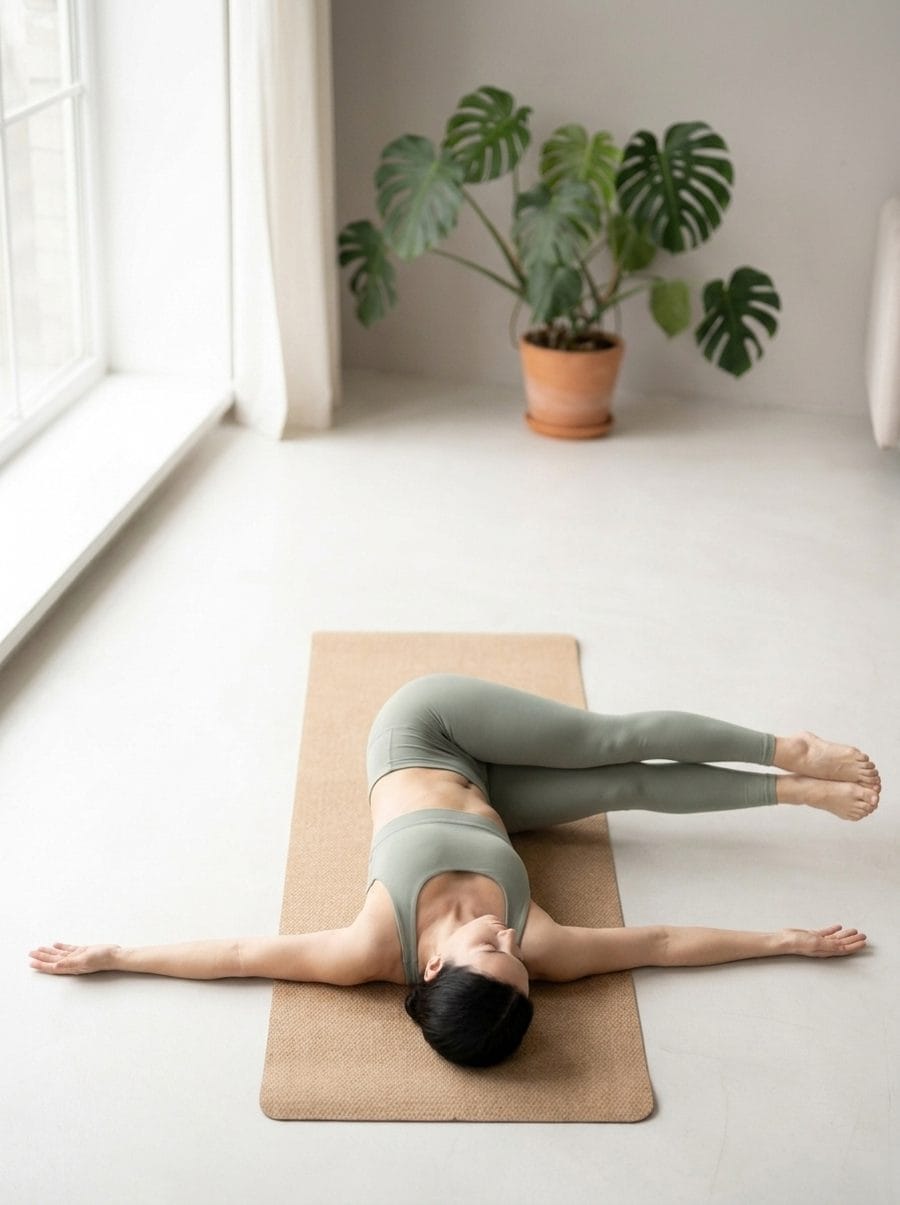
Chair Flow warms up the thighs and glutes: your hips travel back and down as you exhale, and you straighten up as you inhale. Supine Twist Flow mobilizes the lower and upper back: your bent knees drop to one side, then the other, while both shoulders stay on the floor.
Flow with the Breath: a 12-minute mobility routine
Flow with the Breath, a program in the app, is built around joint mobility. This beginner routine runs 12 minutes and strings together 14 exercises, almost all of them in motion. First come circles for the neck, shoulders and hips, followed by standing reaches, sideways bends, gentle squats and folds, then the wrists and a block on all fours.
The routine finishes on your back with Bridge Flow, Supine Twist Flow, Knees-to-Chest Pose and a short Relaxation Pose.
One caveat for this program: people with a herniated lumbar disc or elevated blood pressure should leave Forward Fold Flow out.
When you're truly short on time, there's the 5-minute Express Warm-Up: neck, shoulders, a side bend, Cat-Cow, Downward-Facing Dog and a standing forward fold. It works nicely first thing in the morning; for more on that, see Morning Stretches.
In the Express Warm-Up, elevated blood pressure means no standing fold, while glaucoma or injured wrists or shoulders mean no Downward-Facing Dog.
The rest of the joint movements are collected in the Joint Warm-Up section, and for your knees and ankles there's a dedicated Knees & Feet routine.
Warm-up exercises before a workout
A warm-up belongs before running, the gym, dancing and yoga itself. The UK's NHS suggests giving it at least 6 minutes. A good warm-up:
- keeps you moving instead of holding long static stretches;
- starts with a small range and gradually widens it;
- prepares the joints you're about to use: more time on hips and legs before a run, more on shoulders and wrists before strength training;
- warms you a little without tiring you out.
Before a yoga practice, the short breath-linked rounds in Yoga Warm-Up work beautifully.
Cool-down after a workout
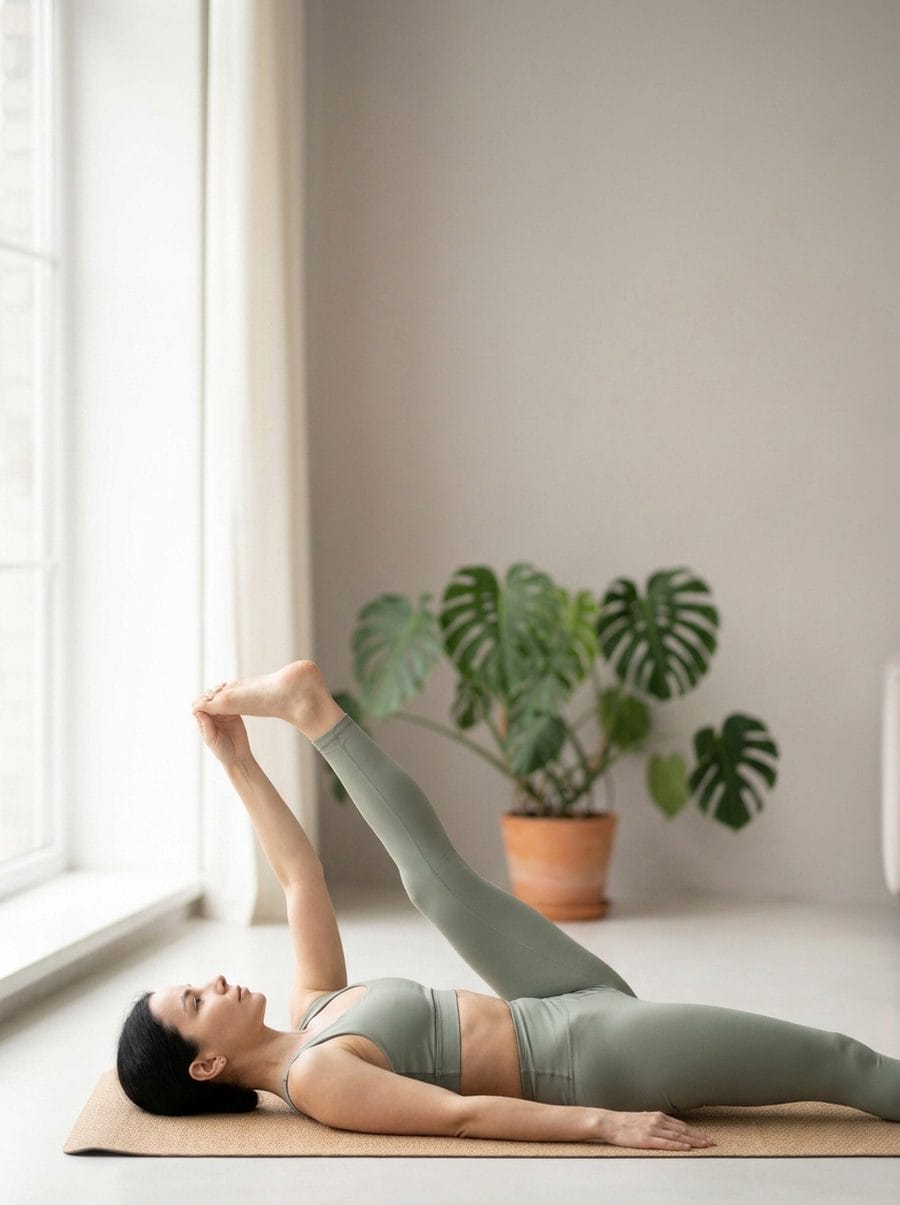
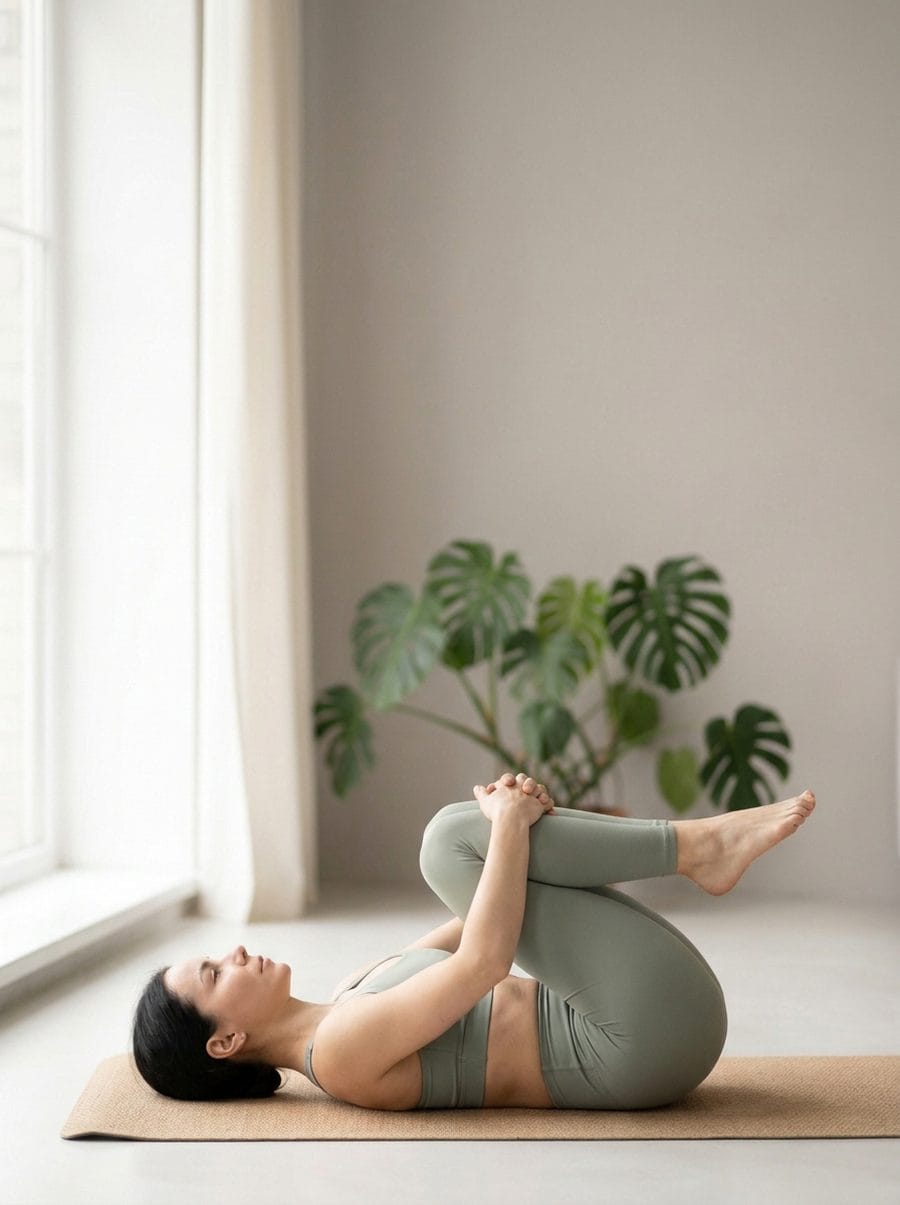
A cool-down helps your body shift from effort to rest: your breathing and heart rate settle and your muscles lengthen gently. According to the NHS, about 5 minutes is enough, with each stretch held for 15 to 20 seconds. From yoga, reclining and resting poses fit the bill: Reclining Hand-to-Big-Toe Pose lengthens the hamstrings, Knees-to-Chest Pose eases the lumbar area, and Child's Pose calms your breathing.

Safety
Mobility work is gentle, but it still has limits:
- Neck. If your neck is acutely painful or you feel dizzy, swap the Neck Warm-Up for Shoulder Rolls.
- Wrists and shoulders. With an acute wrist injury, skip the Wrist Warm-Up. Tabletop Twist doesn't suit any shoulder or wrist injury.
- Back. Side bends wait until acute lower back pain has settled; the same goes for Cat-Cow and acute back pain. While lower back problems are flaring, go without Chair Flow. With a lumbar disc herniation or during pregnancy, Supine Twist Flow is off the table.
- Knees. Chair Flow and Child's Pose are not for injured knees.
If a joint responds with pain, painful clicking or swelling, have it checked by a doctor. More in Safety and Contraindications.
Pose cautions in this article
- Acute neck pain (Neck Warm-Up)
- Dizziness (Neck Warm-Up)
- Acute wrist injuries (Wrist Warm-Up)
- Acute lower back pain (Side Bend Flow)
- Acute back pain (Cat-Cow)
- Wrist injuries — practice on your fists (Cat-Cow)
- Shoulder and wrist injuries (Tabletop Twist)
- Knee injuries — place a blanket under your knees (Tabletop Twist, Tabletop to Child's Pose Flow)
- Knee injuries (Chair Flow, Child's Pose)
- Flare-up of lower back problems (Chair Flow)
- Lumbar disc herniation (Supine Twist Flow)
- Pregnancy (Supine Twist Flow)
- Use a strap if your back lifts off the floor (Reclining Hand-to-Big-Toe Pose)
- Pregnancy from the second trimester onward — take your knees wider than your belly or skip the pose (Knees-to-Chest Pose)
- Pregnancy — widen your knees (Child's Pose)
This site is for general information and is not medical advice. If you have pain, an injury, a chronic condition, or are pregnant, check with a qualified professional before practicing.
Questions
How are mobility exercises different from stretching? Stretching lengthens muscles in static positions. Mobility work moves a joint through its full range in motion, which is why it suits a warm-up better.
Can I do mobility exercises every day? Yes, this is one of the few practices that's suitable daily. Five to 10 minutes in the morning or during a break is enough.
How long should a warm-up before a workout be? At least 6 minutes, and longer before intense training. A good sign: your body feels warm and your breathing has picked up slightly.
Do I really need to cool down after a workout? Yes. About 5 minutes of easy movement and stretching helps you transition to rest, especially after running or a hard session.
Sources
- NHS. How to warm up before exercising. National Health Service, UK.
- NHS. How to stretch after exercising. National Health Service, UK.
- Pose technique and cautions, and the contents of the routines: the Hatha Yoga app. More about how we check our texts on the How We Prepare Our Content page.
Read next
- Yoga for Arthritis and Osteoporosis: How to Protect Your Joints and Bones7 min read
- Ashtanga Yoga Explained: The Series, the Breath and the Difference from Hatha6 min read
- Ayurveda Explained Simply: The Basics and a Daily Routine (Dinacharya)5 min read
- Balance Exercises: 10 Yoga Poses for Balance and Stability7 min read