 Hatha Yoga
Mudras: Key Hand Gestures and How to Use Them in Yoga
Hatha Yoga editorial team · Updated · 6 min read
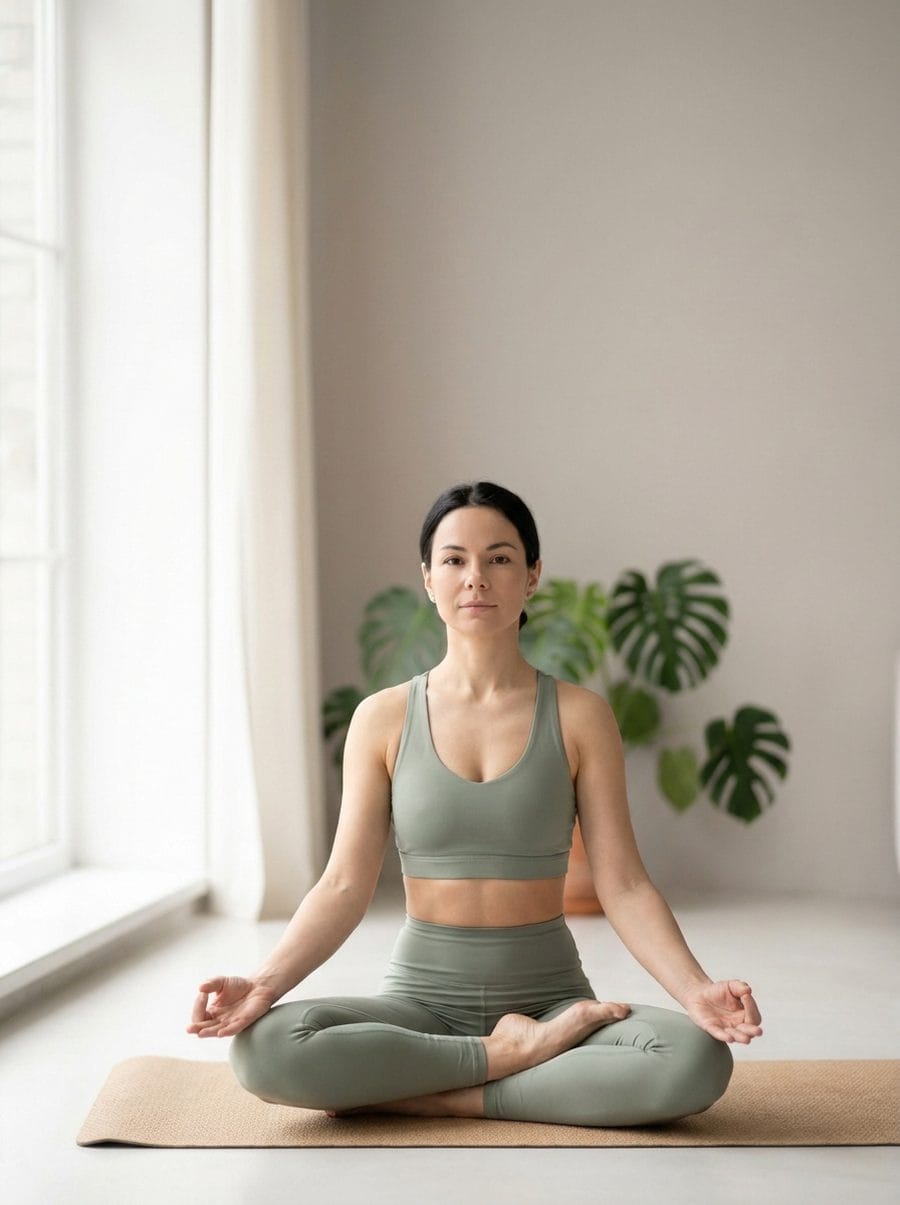
Most people picture mudras as hand gestures: a seated yogi with fingertips touching on the knees, or palms pressed together at the chest. In the yoga tradition the word is broader and far less mystical than popular books suggest. Below you'll learn what a mudra is, what six key hand mudras mean, how to form them, where mudras actually matter in breathing, meditation and Sun Salutation, and why you shouldn't expect miracles from them.
What is a mudra?
Translated from Sanskrit, mudra means "seal" or "sign." Hand gestures with a specific meaning run through Indian sculpture and religious art: on statues of the Buddha, the position of the hands tells you whether he is meditating or teaching. Classical Indian dance has its own vocabulary of mudras too, where a gesture stands for a word or an image.
In hatha yoga, mudras aren't limited to the hands. The Hatha Yoga Pradipika, a 15th-century text, describes ten mudras, and nearly all of them involve the whole body: positions, breath work and muscular locks. The later Gheranda Samhita lists twenty-five.
The finger mudras people usually ask about became popular in modern yoga as part of seated practice.
Hand mudras and their meanings
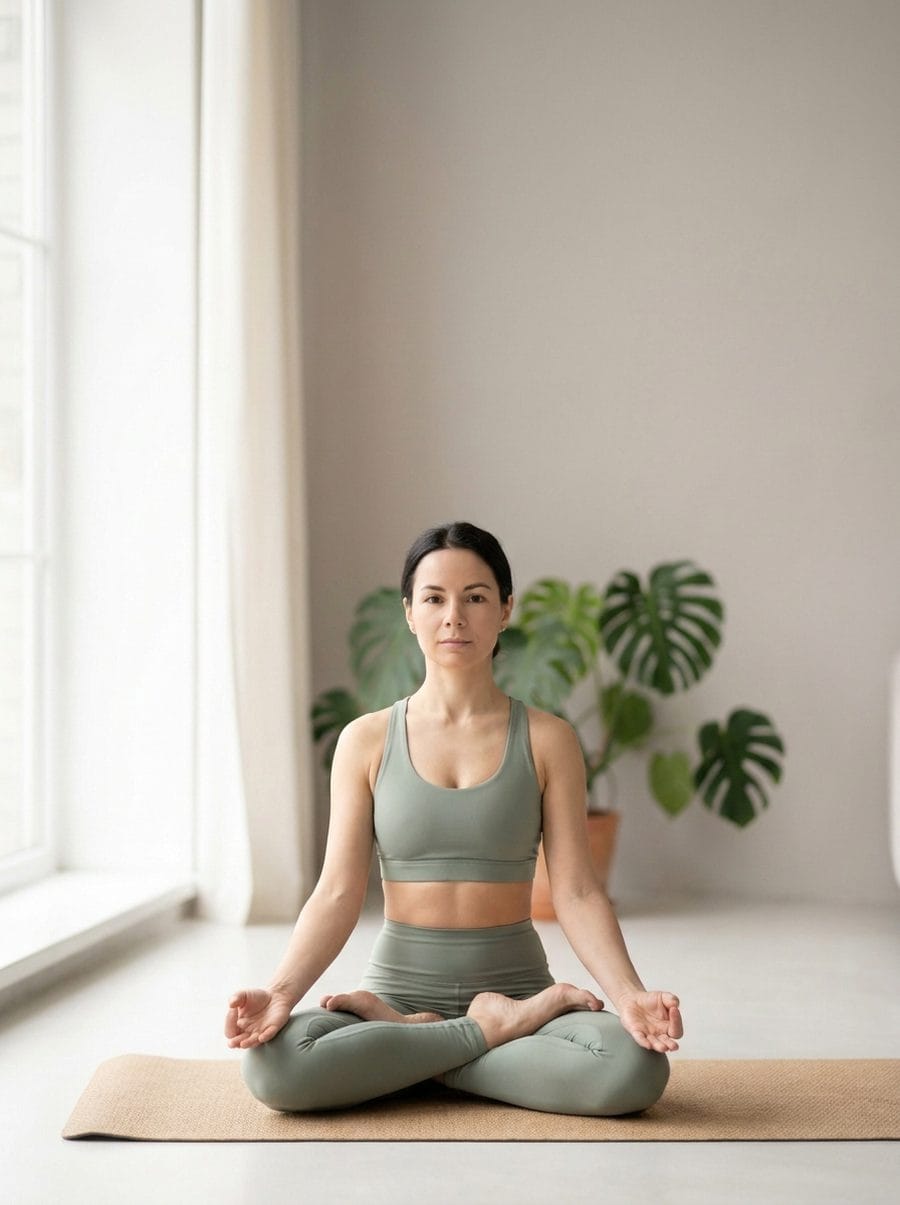
- Jnana mudra, the gesture of knowledge. The tips of your index finger and thumb meet in a ring while the other fingers stay loosely straight. Your hands rest on your knees, palms facing down.
- Chin mudra. The same ring of fingers, but with palms facing up. Some schools swap the names Jnana and Chin, and the practice stays the same.
- Dhyana mudra, the gesture of meditation. Your palms rest one on top of the other near your lower belly, with the thumbs lightly touching. Many seated Buddha statues hold their hands this way.
- Anjali mudra. Palms pressed together in front of the chest. It's the greeting gesture that goes with "namaste."
- Vishnu mudra. The index and middle fingers of your right hand fold toward the palm. The thumb then seals off the right nostril, while the ring finger takes care of the left one.
- Prana mudra. The tips of your ring finger and little finger touch the tip of your thumb while the other fingers stay straight. Modern books often call it the "mudra of life."
Three are enough to begin with: Jnana or Chin for seated practice, Anjali to open and close a session, and Vishnu for Alternate Nostril Breathing.
How to do mudras
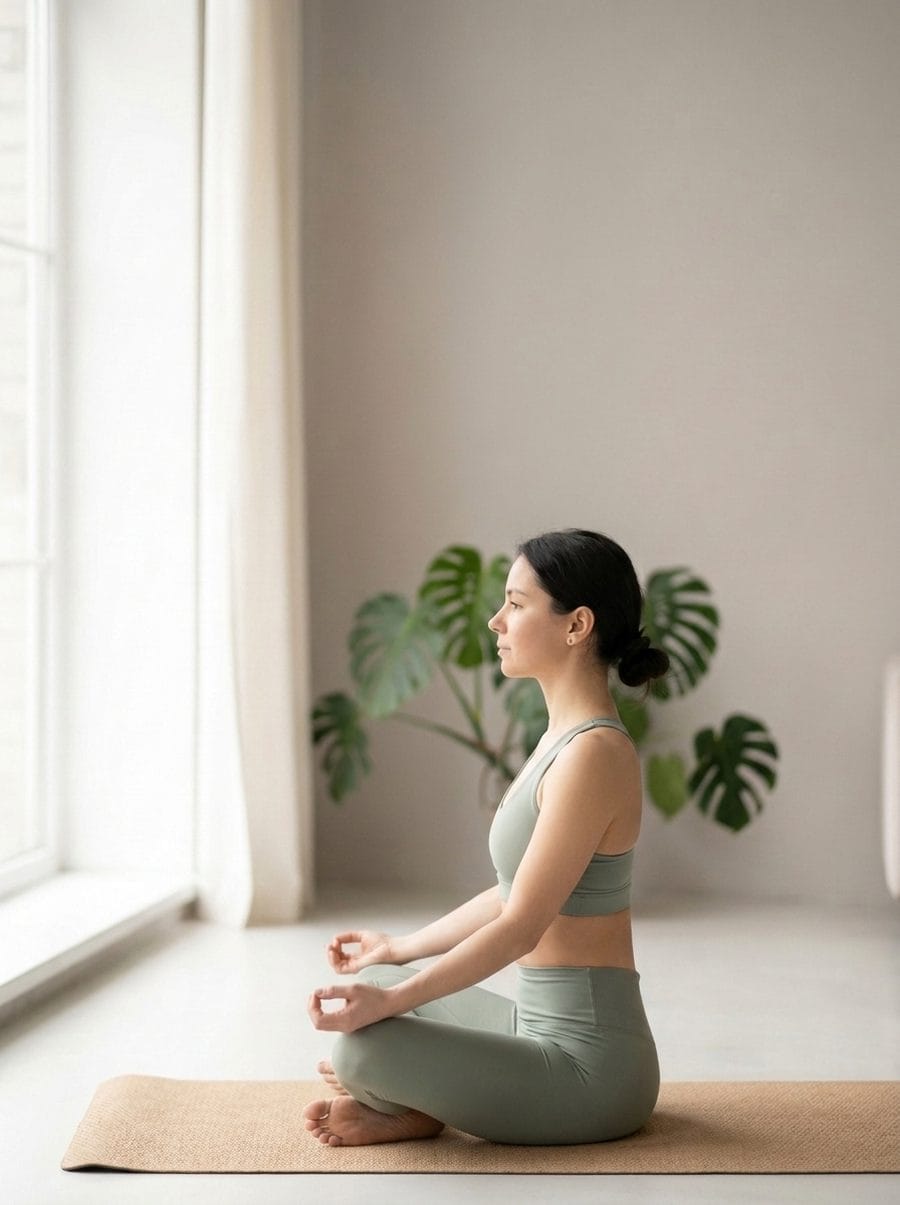
1. Choose a seat where your spine stays upright on its own. Easy Pose, Accomplished Pose or Lotus Pose all work, the last one only if it's comfortable for you. 2. Place your hands on your thighs or knees. Keep your shoulders low and your elbows soft. 3.
Let your fingers meet with a light touch, no pressing. If your fingertips turn white or your hand gets tired, you're squeezing too hard. 4. Keep the remaining fingers relaxed; they don't need to be perfectly straight. 5. Hold the mudra for as long as the practice itself lasts, whether that's a breathing exercise or a few minutes of stillness.
The mudra plays a supporting role here, and the steady seat comes first. If your legs go numb or your knees ride above hip level, your hands will start looking for support and the mudra will be forgotten.
How to use mudras in your practice
Mudras for meditation
Jnana, Chin and Dhyana mudra give your hands a defined place. Your body settles into stillness faster, and the light contact of your fingers becomes a spot to bring your attention back to whenever it drifts. Sound often goes hand in hand with a mudra, which you can read about in Mantras and Om.
Mudras in pranayama
Here a mudra has a purely practical purpose. In Alternate Nostril Breathing, Vishnu mudra lets you close one nostril at a time without tensing your hand. In Bee Breath, you can gently close your ears with your thumbs. Tradition calls the full version of this gesture Shanmukhi mudra: your fingers cover the ears, eyes, nostrils and lips.
Mudras in movement
Every round of Sun Salutation opens and closes with Anjali mudra: the first and last position is called Prayer Pose. Palms at the chest gather your attention before the next round. You'll find the full sequence in the Sun Salutation section.
To try a mudra in motion, use the app's 10-Minute Morning program. It takes 10 minutes at beginner level: seven poses, from Mountain Pose to a short Relaxation Pose, plus three rounds of Sun Salutation.
Mudras in hatha yoga: more than hands
The ten mudras of the Hatha Yoga Pradipika combine posture, breath and bandhas, the muscular locks. For example, the text counts mula bandha (drawing the pelvic floor softly upward) and jalandhara bandha (chin toward the chest) among the mudras. One of them is named viparita karani, just like Legs-Up-the-Wall Pose in the app, although the text describes a more demanding practice. The basics of the locks are covered in Bandhas: Energy Locks.
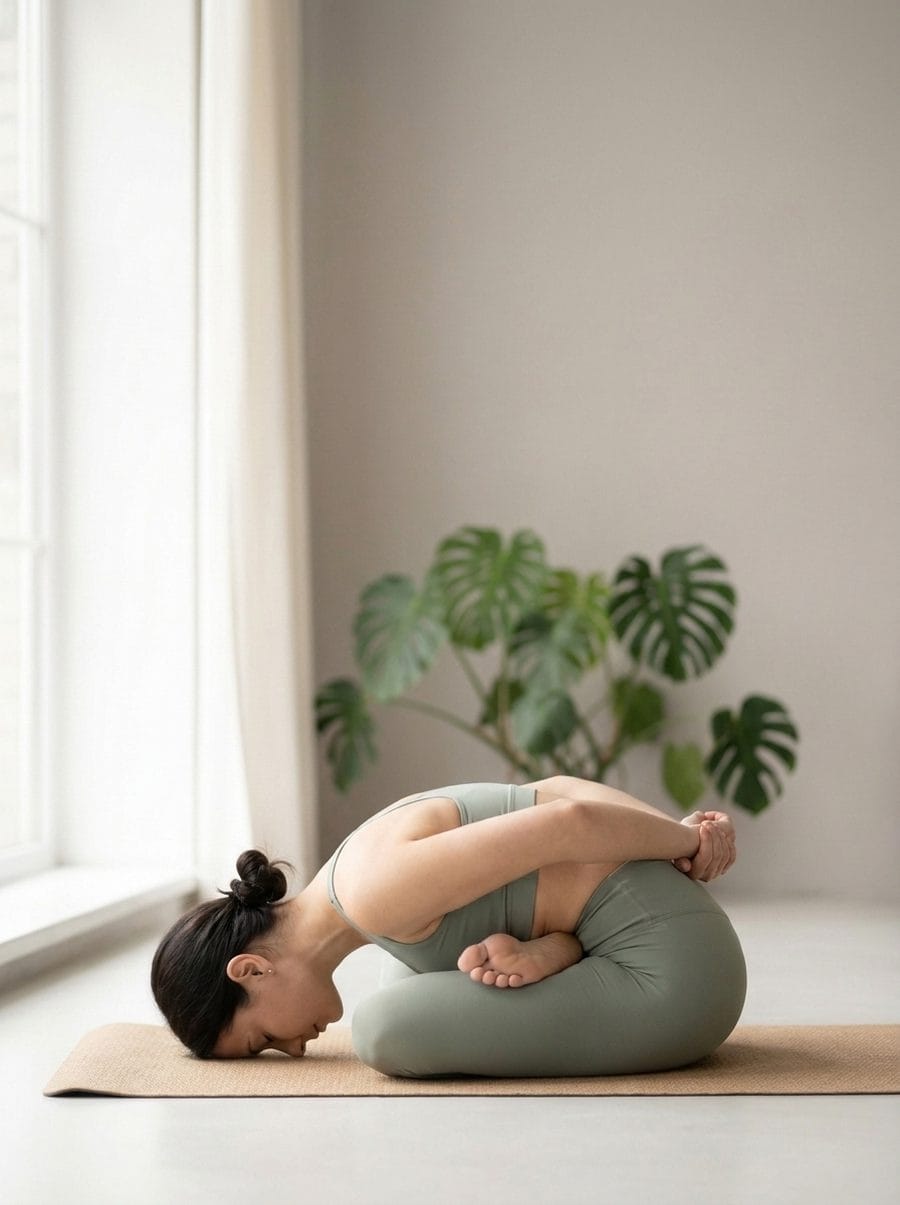
There's also a pose with mudra in its name: Yogic Seal Pose. From a cross-legged seat, you hold one wrist behind your back and fold forward on an exhale, bringing your forehead toward the floor. It's a level 2 pose.
Do hand mudras really work?
Popular books promise that particular mudras will help with headaches, improve your eyesight or grant wishes. There's no reliable evidence for any of that, and in the old texts mudras serve a different goal: to seal the body's position and hold attention steady.
The honest answer is that a mudra helps you sit still and notice where your attention is right now. That's worth something, but mudras are no substitute for medical care.
Safety
- Skip Lotus Pose with knee injuries, and never force your way into it. With injured knees, raise your hips on a cushion or block in Accomplished Pose; when Easy Pose bothers your knees, add height beneath you as well.
- Skip Yogic Seal Pose with knee injuries, hypertension or pregnancy.
- In the 10-Minute Morning program, skip Standing Forward Fold with high blood pressure, and keep Downward-Facing Dog short. Leave out Downward-Facing Dog with glaucoma or wrist and shoulder injuries. Cobra Pose doesn't suit pregnancy or a herniated lumbar disc.
If you're looking for a mudra for a specific health problem, start with a visit to your doctor. You'll find general guidelines on the Safety and Contraindications page.
Pose cautions in this article
- Knee injuries — use a prop under your hips (Accomplished Pose)
- Knee discomfort — sit on a prop (Easy Pose)
- Knee injuries (Lotus Pose, Yogic Seal Pose)
- Don't force it — knees don't forgive rushing into Lotus (Lotus Pose)
- Hypertension (Yogic Seal Pose)
- Pregnancy (Yogic Seal Pose)
This site is for general information and is not medical advice. If you have pain, an injury, a chronic condition, or are pregnant, check with a qualified professional before practicing.
Questions
What is a mudra in simple terms? It's a "seal": a position of the hands or body that anchors a pose and helps you keep your attention in place. The best known mudras are formed with the fingers during meditation and pranayama.
How many minutes should a mudra last? As long as the practice it belongs to: five minutes of breathing or ten minutes of stillness. Holding a mudra on its own, outside a practice, adds little.
Can mudras help with health problems? There's no scientific support for that. Mudras are part of a tradition and a way of training attention, so see a doctor about any symptoms.
Which mudra is best for meditation? Most people choose Jnana or Chin mudra on the knees, or Dhyana mudra near the lower belly. Pick the one that lets your shoulders stay relaxed.
Sources
- The Hatha Yoga Pradipika (chapter III) and the Gheranda Samhita as historical texts, summarized in our own words. Poses, pranayamas, Sun Salutation and the program contents: the Hatha Yoga app. How we verify our texts is explained on the How We Prepare Our Content page.
Read next
- Yoga for Arthritis and Osteoporosis: How to Protect Your Joints and Bones7 min read
- Ashtanga Yoga Explained: The Series, the Breath and the Difference from Hatha6 min read
- Ayurveda Explained Simply: The Basics and a Daily Routine (Dinacharya)5 min read
- Balance Exercises: 10 Yoga Poses for Balance and Stability7 min read