 Hatha Yoga
Yoga for Runners: What to Do Before a Run, After It and on Rest Days
Hatha Yoga editorial team · Updated · 6 min read
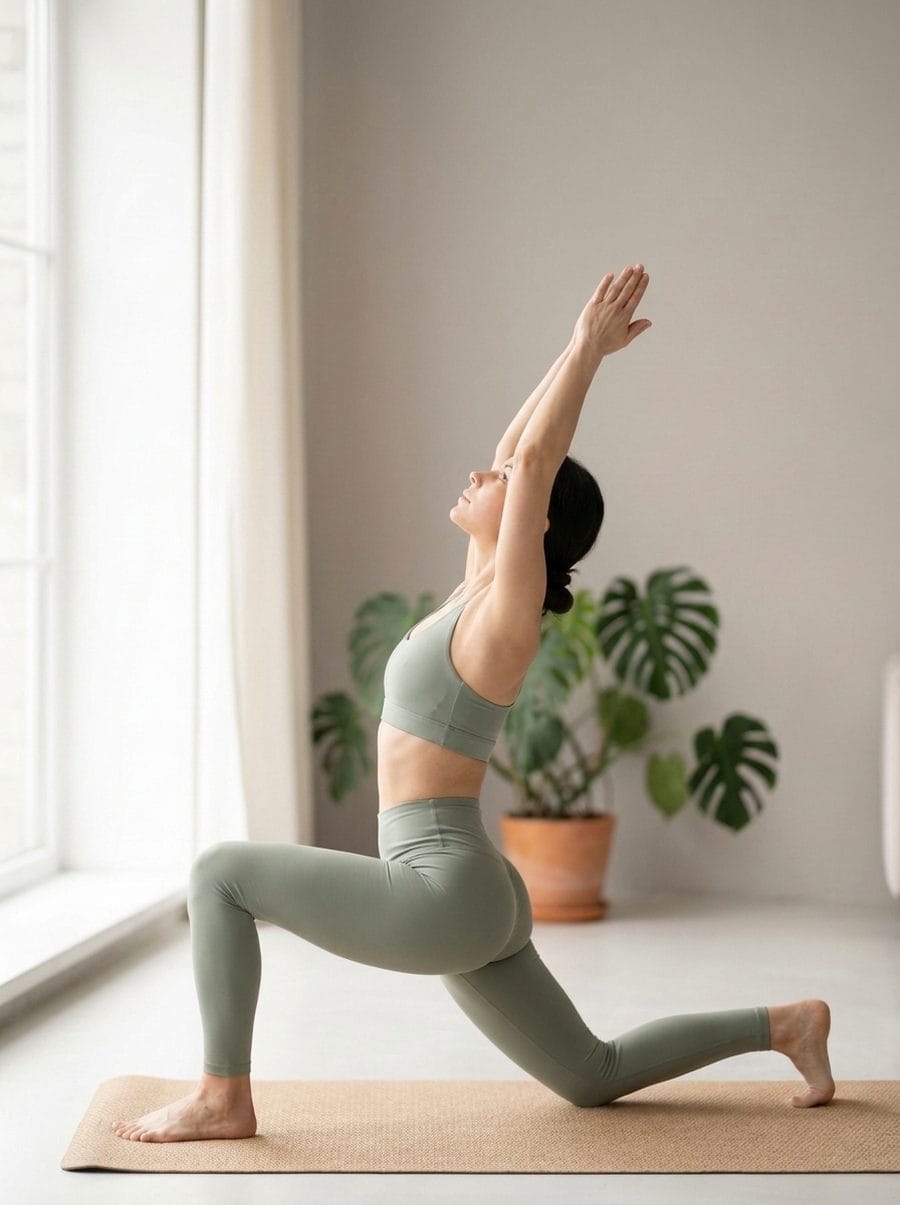
Running repeats the same forward motion thousands of times in a row, and your legs work through a narrow range. Yoga for runners adds what running lacks: movement in other directions, mobility, strength and balance. Below you'll find a warm-up for before your run, a 20-minute routine for afterward, a plan for rest days, and tips for other sports.
Is yoga good for runners? What it can and can't do
Stretching is often seen as injury protection, but the data doesn't back that up. A 2014 meta-analysis pooled 25 randomized trials with 26,610 participants. Stretching did not lower the number of sports injuries. Strength training cut them to less than a third, balance training also had a clear effect, and exercise programs nearly halved overuse injuries.
The practical takeaway: in yoga, stretching is there for mobility and to give your legs a break after a hard effort. For injury prevention, strength poses and balances matter more: lunges, chair variations and single-leg stands.
Before your run: move instead of holding
Before a run, don't hang out in long forward folds. In a 2016 review, static stretching of 60 seconds or more per muscle right before activity lowered performance by an average of 4.6%, while shorter holds of under a minute lowered it by about 1.1%.
Dynamic stretching done within a few minutes of starting gave a small boost. The extra range of motion from stretching usually lasts less than half an hour.
So before a run, five minutes of breath-paced poses where you keep moving rather than freezing in place will do: Hip Circles, Upward Salute Flow, Chair Flow and Warrior I Flow.
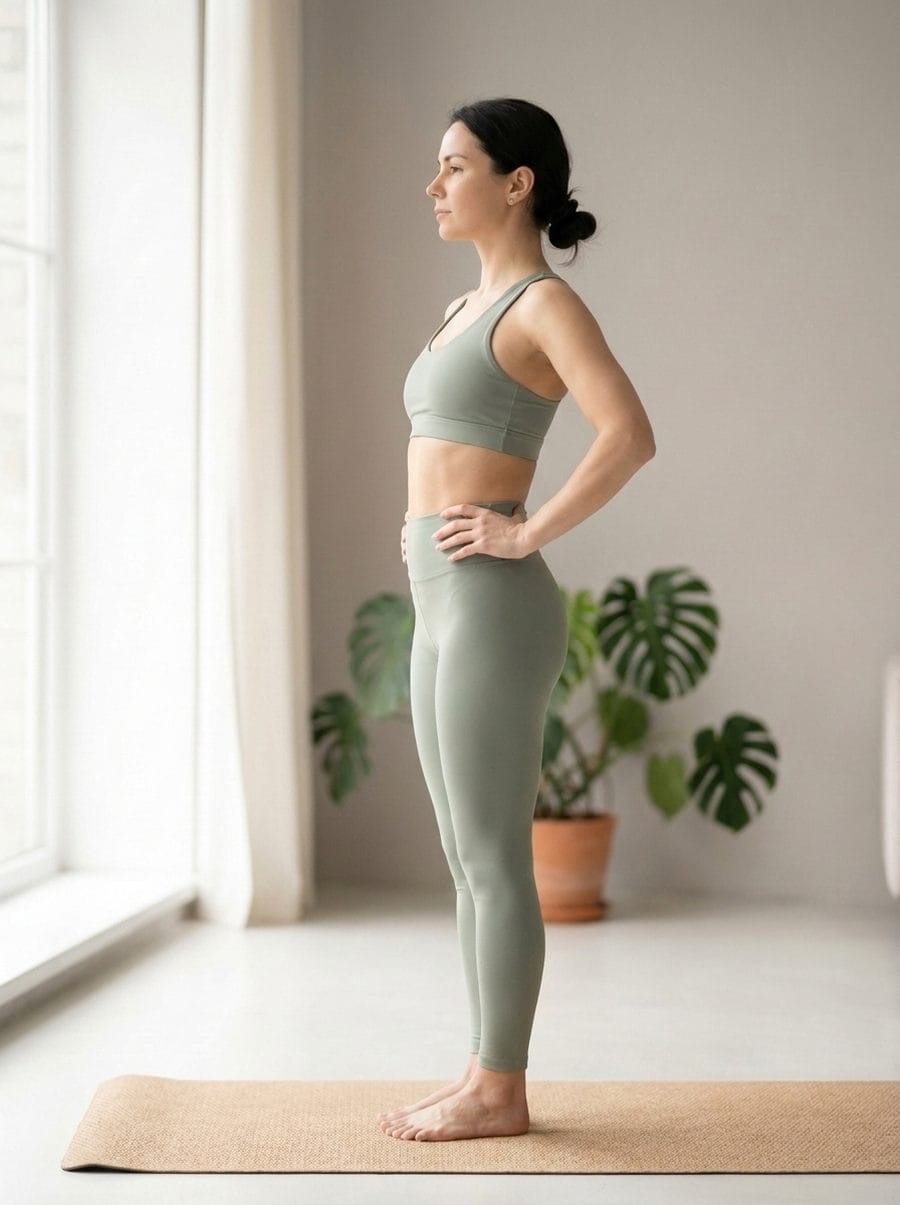
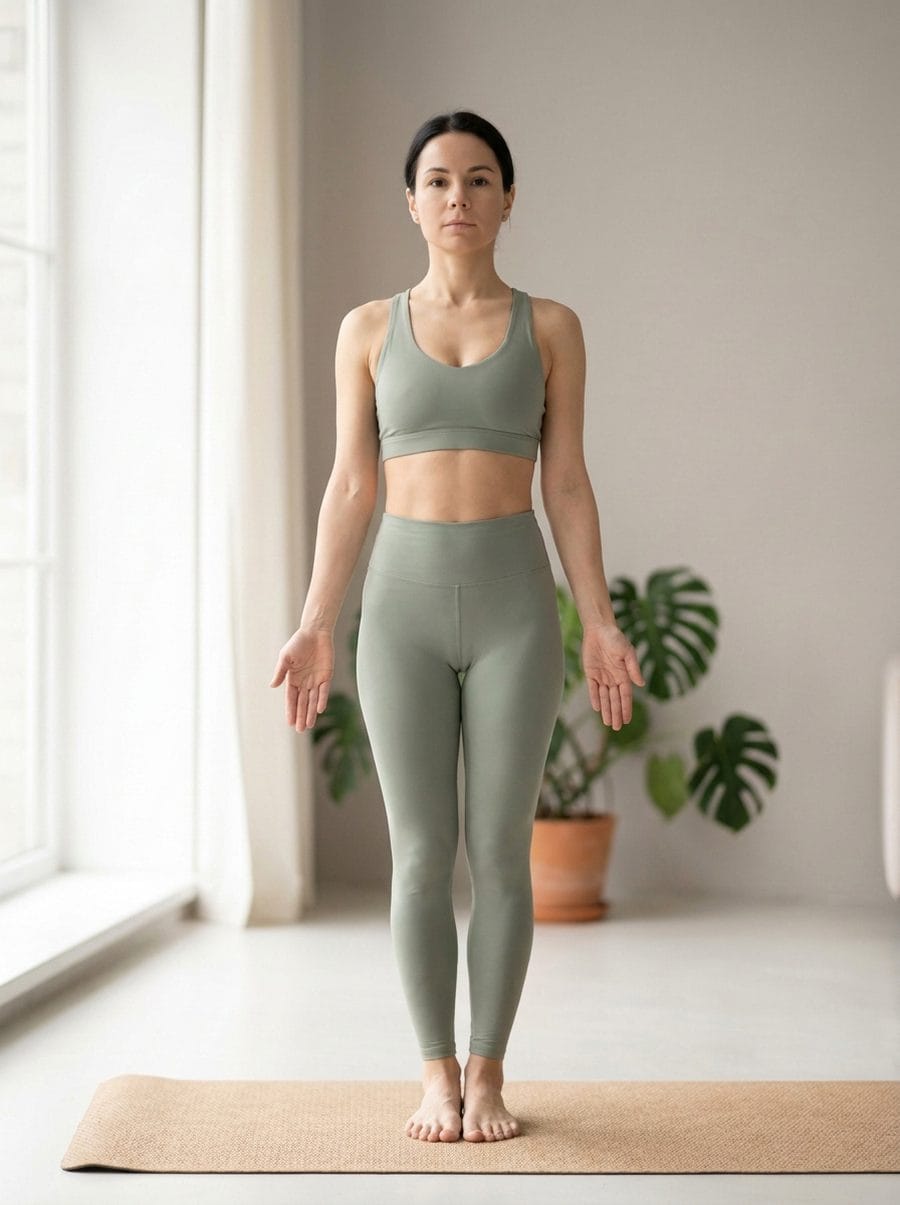
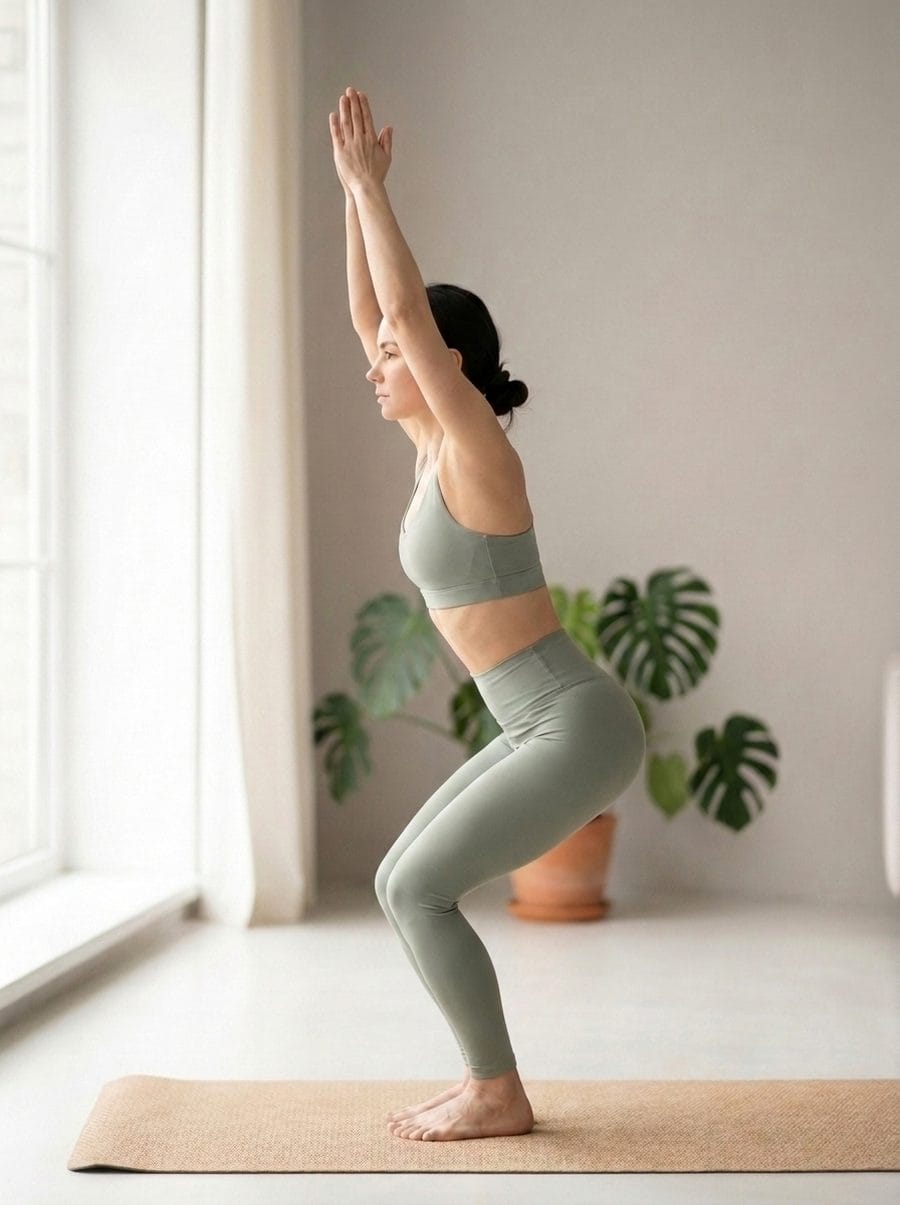
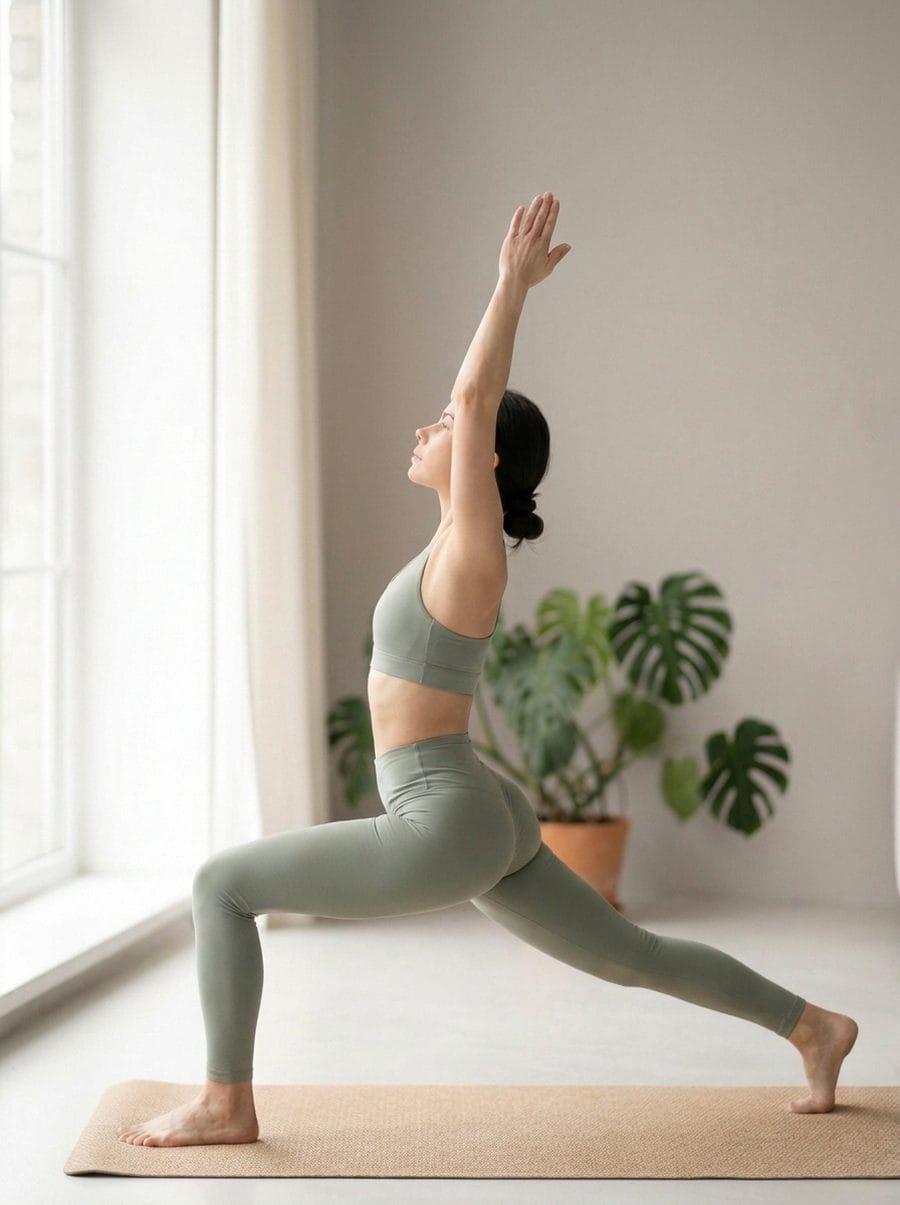
For a ready-made warm-up, use Flow with the Breath: its first seven steps can be done standing, including Hip Circles, Chair Flow and Forward Fold Flow.
Yoga for runners recovery: the Post-Workout Legs routine
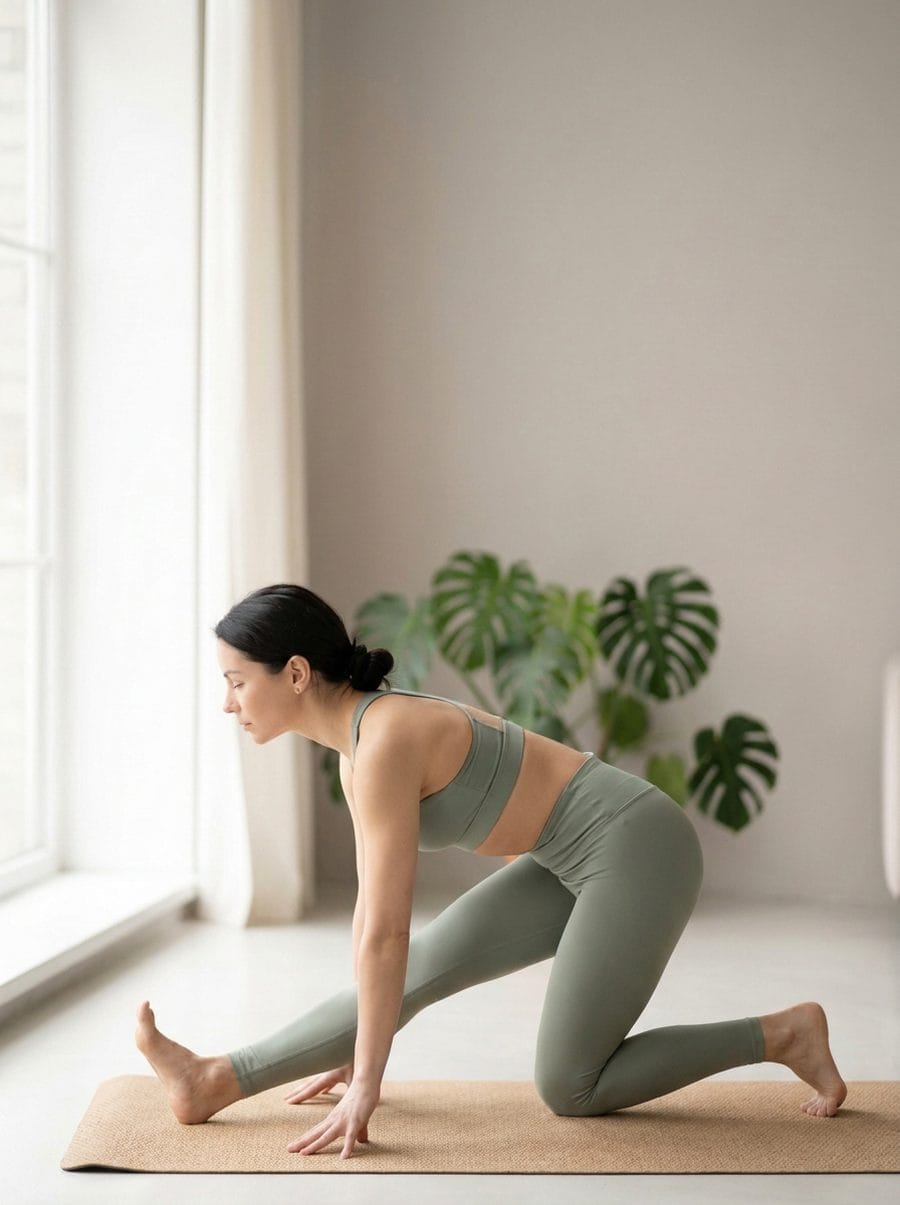
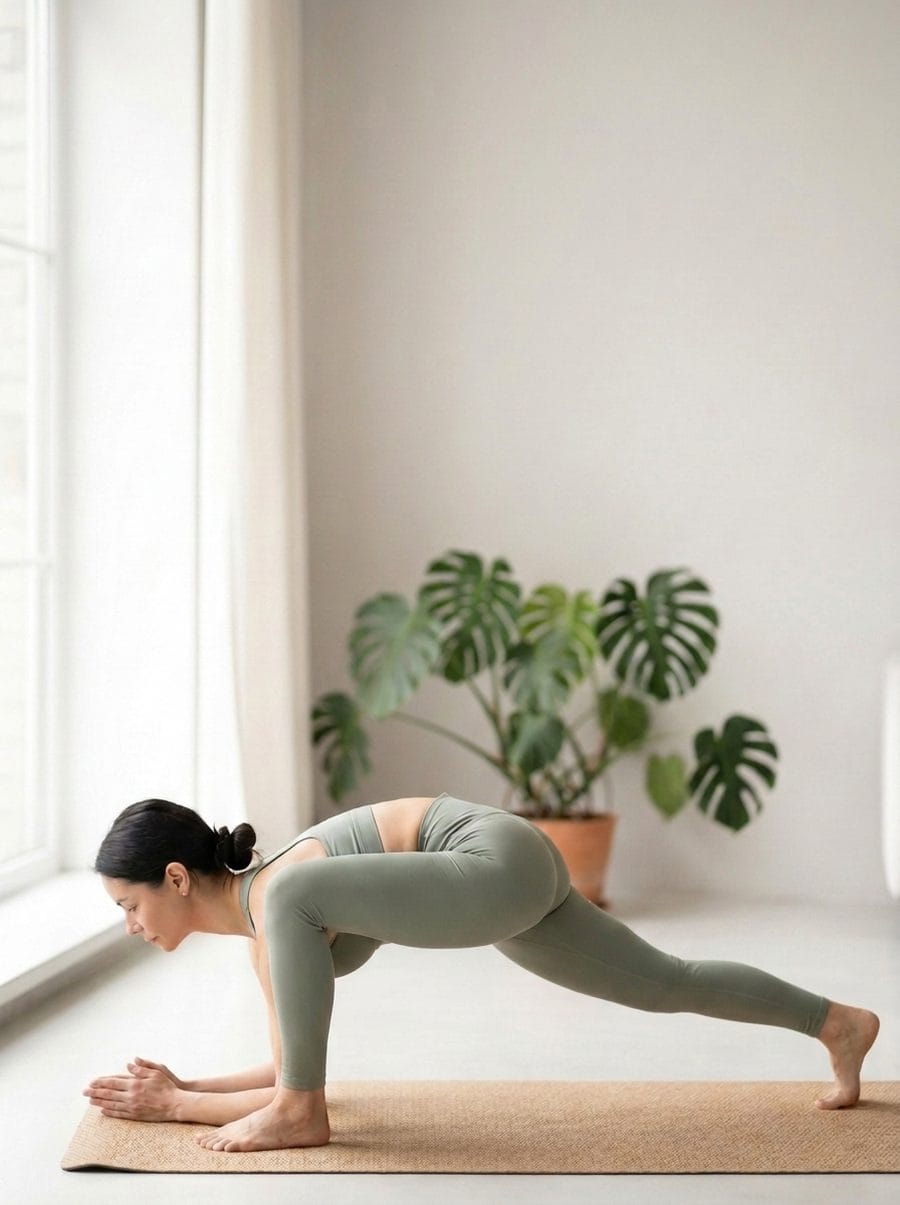
Your muscles are already warm after a run, so this routine skips Sun Salutation. Its 20 intermediate minutes go almost entirely to your legs. It opens with a standing forward fold, then Low Lunge releases the front of the hips, Half Splits from the same position shifts the work to your hamstrings, and Lizard Pose takes the hip work deeper.
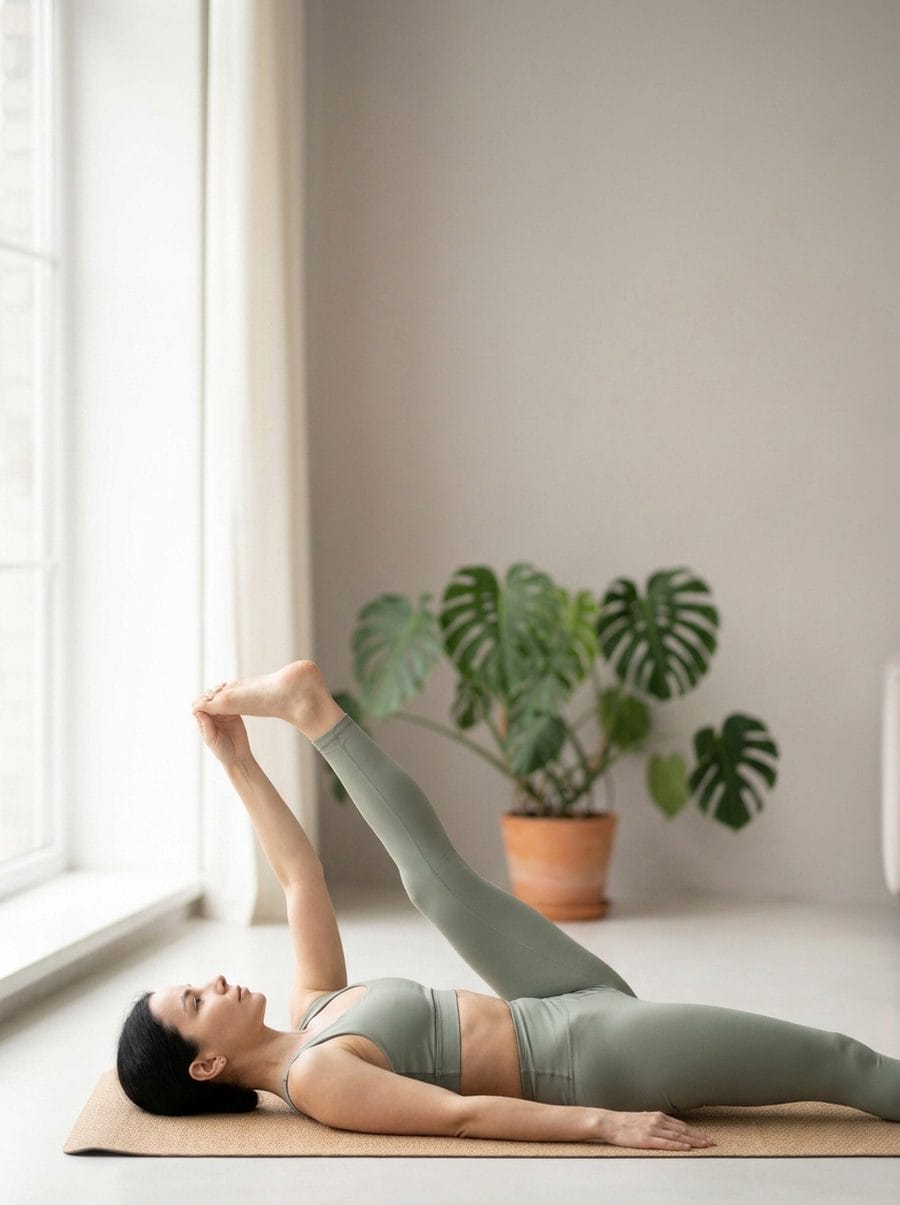
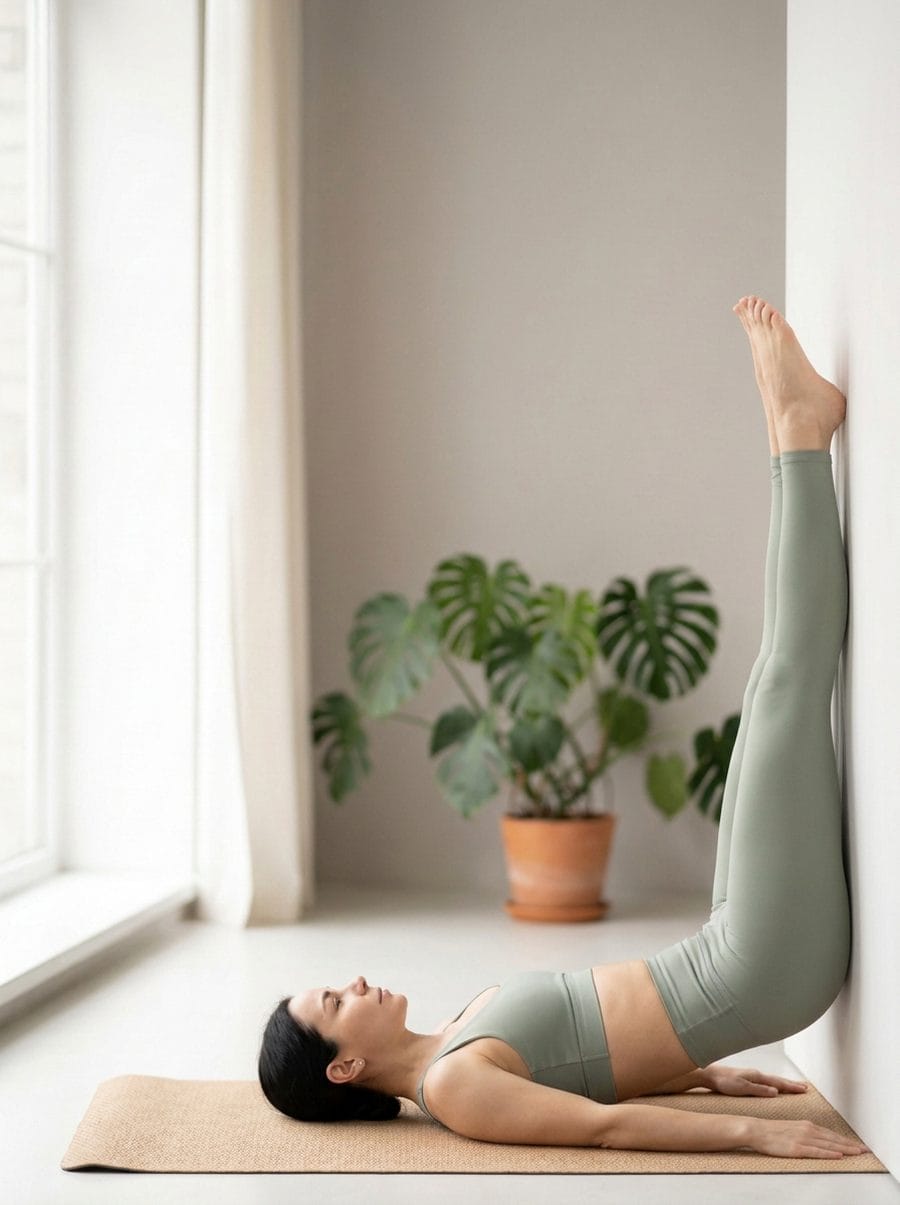
Next come Garland Pose for the ankles, two strap stretches lying on your back, one forward and one out to the side, and Legs-Up-the-Wall Pose, where your legs rest up a wall. The routine closes with a little over four minutes of Relaxation Pose.
Holds in this routine run from 55 to 85 seconds. Start once your breathing has settled after the run, and ease into each pose without bouncing.
Post-run stretches for your legs
Low Lunge and Lizard Pose target the front of the thighs and the hips; Half Splits and Reclining Hand-to-Big-Toe Pose target the backs of the legs. For calf stretches, Downward-Facing Dog works well as your heels sink toward the floor. Legs-Up-the-Wall Pose wraps things up with your legs resting above your heart.
Rest days: strength and balance
Since strength and balance work prevent injuries best, a day off from running is the perfect time for them. The 15-minute intermediate Knees & Feet routine strengthens your thighs, ankles and the arches of your feet with Chair Flow, One-Legged Chair Pose, Warrior I Flow, Goddess Pose and Side Lunge.
For balance, try First Balances, which builds up to Tree Pose one stage at a time. For your core, there's the 15-minute Strong Core.
Yoga for athletes in other sports
The same principles fit almost any sport: dynamic moves before training, calm poses after, and strength and balance on separate days. Only the areas that need extra attention change.
- Cycling. Long hours in the saddle shorten the hip flexors, so start with Low Lunge after a ride.
- Weight training. Hamstrings, hips and chest. There's a full breakdown in Yoga for Men.
- Swimming and throwing sports. Shoulders and upper back: try Shoulders & Posture.
- Team sports. Quick changes of direction call for stability, which is where Balance & Focus comes in.
How to fit yoga into your training week
- Before every run, five minutes of poses in motion.
- After a long or hard session, Post-Workout Legs. After an easy run, three or four of its poses are enough.
- On one or two rest days, a strength routine and balance work.
- Before a race or interval session, skip deep folds and splits.
Safety
- Hamstrings. With a hamstring injury, leave out Half Splits until the muscle has healed.
- Knees. With a knee injury, skip Garland Pose and Chair Flow. In Low Lunge, Lizard Pose and Warrior I Flow, put a blanket under your back knee. In the Knees & Feet routine, a knee injury also rules out One-Legged Chair Pose, Goddess Pose, Side Lunge and Thunderbolt Pose.
- Groin. Don't do the side version of Reclining Hand-to-Big-Toe Pose with a groin injury.
- Blood pressure and eyes. High blood pressure cuts the standing forward fold. Menstruation, glaucoma and uncontrolled hypertension are three reasons to pass on Legs-Up-the-Wall Pose.
- Lower back. If your lower back hurts, Low Lunge stays shallow with the torso vertical, and Chair Flow waits until any flare-up is over.
See a sports medicine doctor if pain hits suddenly mid-run, a joint swells, or pain hangs on for several days. Knee pain needs a checkup too, because poses can't tell you what's wrong.
Pose cautions in this article
- Knee injuries (Chair Flow)
- Flare-up of lower back problems (Chair Flow)
- Knee injuries — place a folded blanket under your back knee (Warrior I Flow)
- High blood pressure — keep your hands on your hips (Warrior I Flow)
- Knee injuries — place a blanket under your back knee (Low Lunge)
- Lower back pain — don't deepen the backbend; keep your torso upright (Low Lunge)
- Hamstring injuries (Half Splits)
- Knee injuries — rest your back knee on a blanket (Lizard Pose)
- Use a strap if your back lifts off the floor (Reclining Hand-to-Big-Toe Pose)
- Menstruation (Legs-Up-the-Wall Pose)
- Glaucoma (Legs-Up-the-Wall Pose)
- Uncontrolled hypertension (Legs-Up-the-Wall Pose)
This site is for general information and is not medical advice. If you have pain, an injury, a chronic condition, or are pregnant, check with a qualified professional before practicing.
Questions
Should I do yoga before or after running? Both, in different ways. Before a run, a short warm-up in motion; after it, calm stretching poses held for about a minute.
Can runners do yoga every day? Daily practice is fine for runners who mix it up: a short warm-up before each run, the stretching routine after long sessions, and strength poses on rest days.
Can yoga replace a cool-down after running? Post-Workout Legs works well as a calm cool-down. Begin once your breathing has evened out after the run.
Is yoga good for runner's knee? Knee pain should be checked by a doctor first. Leg-strengthening poses and balances are useful for prevention, but with an injury some of them are contraindicated.
Sources
- Lauersen JB, et al. The effectiveness of exercise interventions to prevent sports injuries: a systematic review and meta-analysis of randomised controlled trials. British Journal of Sports Medicine, 2014.
- Behm DG, et al. Acute effects of muscle stretching on physical performance, range of motion, and injury incidence in healthy active individuals: a systematic review. Applied Physiology, Nutrition, and Metabolism, 2016.
- Pose technique, holds and cautions, and routine contents: the Hatha Yoga app. More on how we review our texts on the How We Prepare Our Content page.
Read next
- Yoga for Arthritis and Osteoporosis: How to Protect Your Joints and Bones7 min read
- Ashtanga Yoga Explained: The Series, the Breath and the Difference from Hatha6 min read
- Ayurveda Explained Simply: The Basics and a Daily Routine (Dinacharya)5 min read
- Balance Exercises: 10 Yoga Poses for Balance and Stability7 min read