 Hatha Yoga
Yoga for core strength: the Strong Core sequence
Abs, back, and deep core
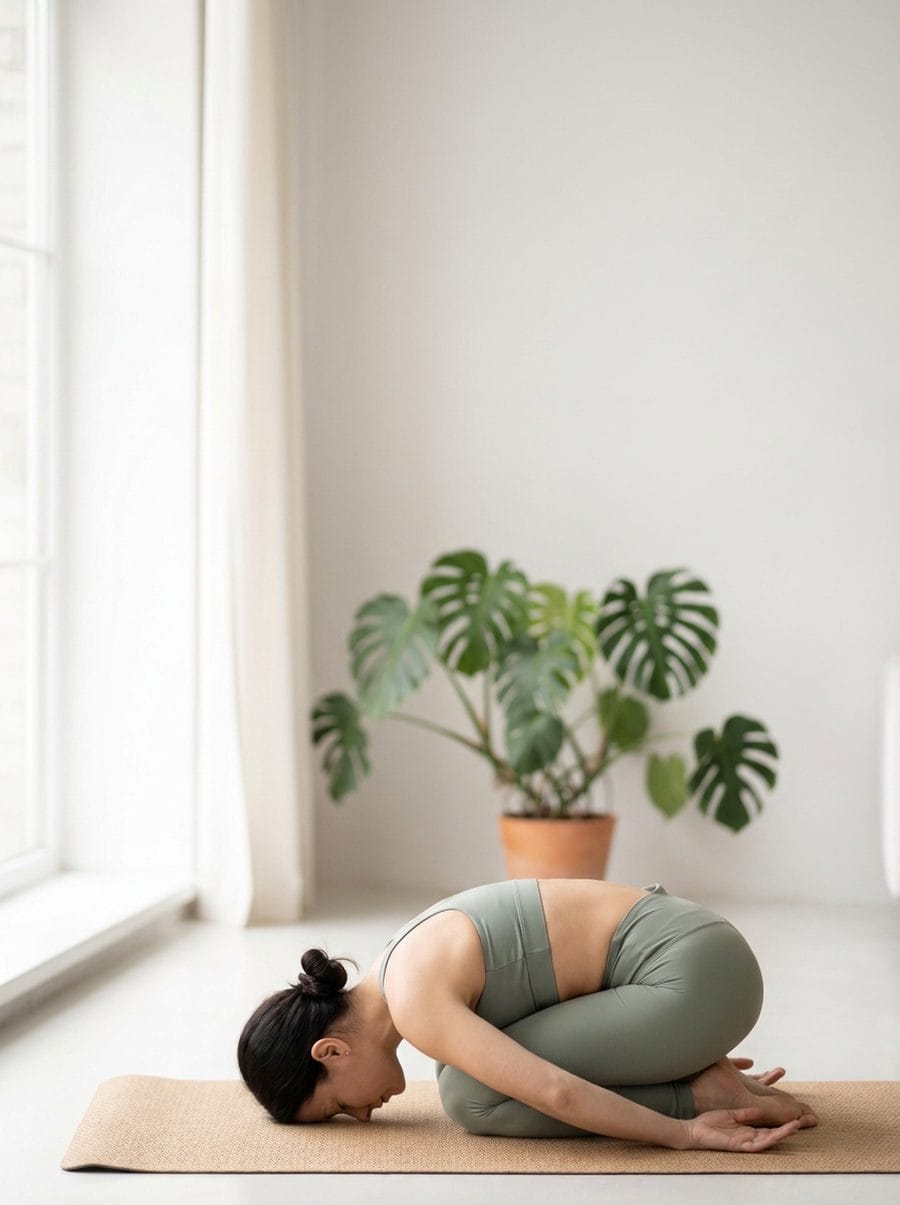
A program for the muscles at the center of your body: the straight and oblique abdominals, the deep stabilizers and the back. Two rounds of Sun Salutation serve as the warm-up, then eight strength poses follow one after another, and the only rest comes in Child's Pose near the end.
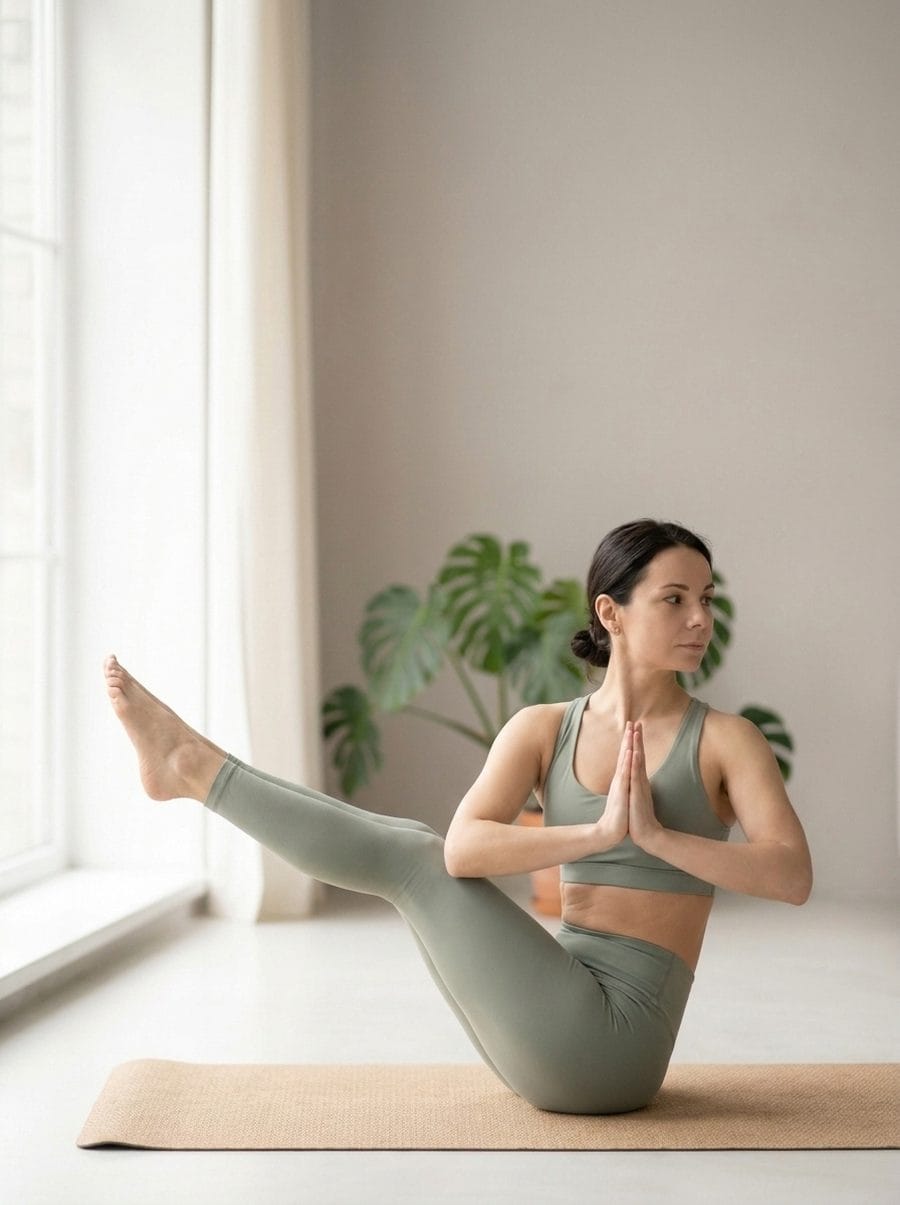
The level is intermediate, and Revolved Boat Pose is advanced: if you can't hold it yet, stay in regular Boat. The cautions are serious: with diastasis recti, a lumbar disc herniation or pregnancy, a good part of the sequence is not for you, so check the list on this page.
In the poses on your back, press your lower back into the floor.
Sun Salutation × 2
Why this order
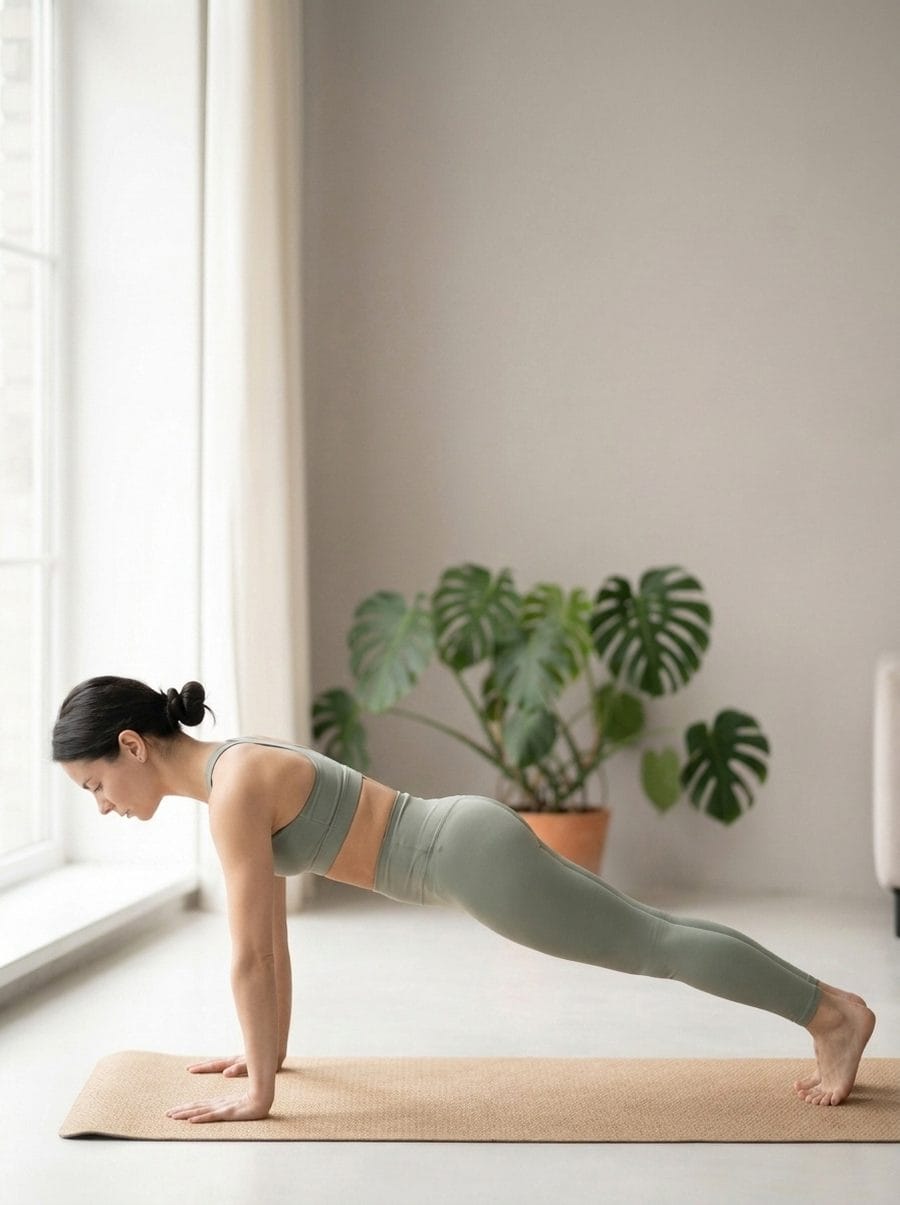
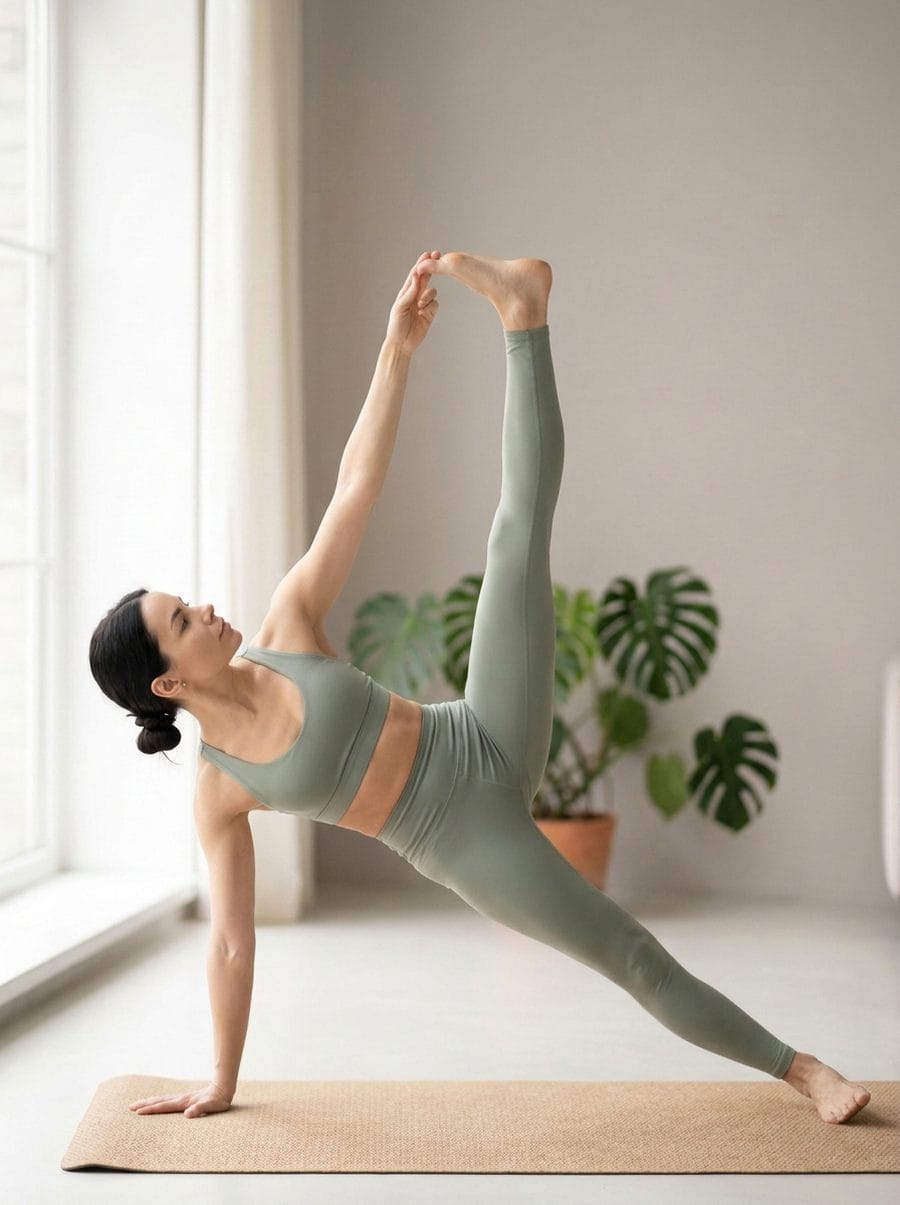
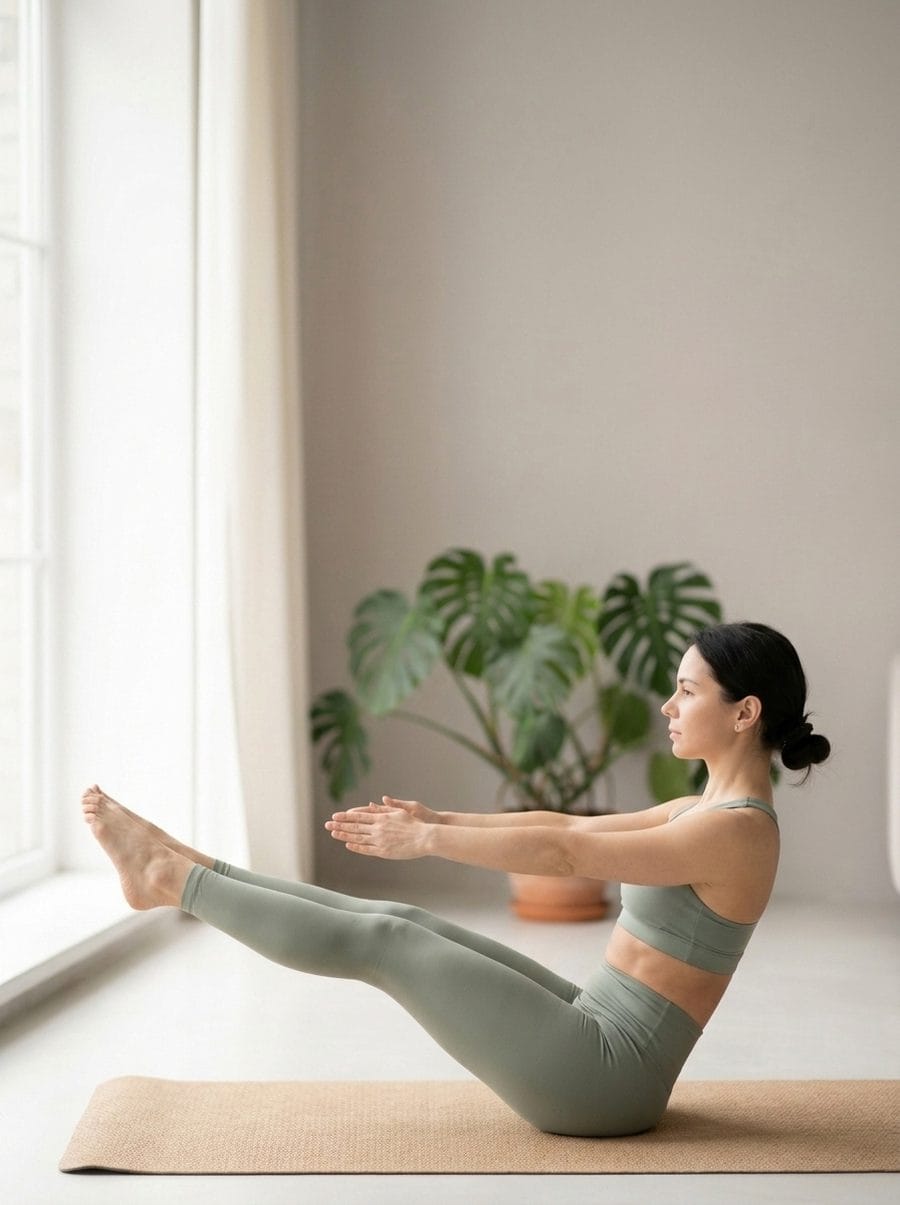
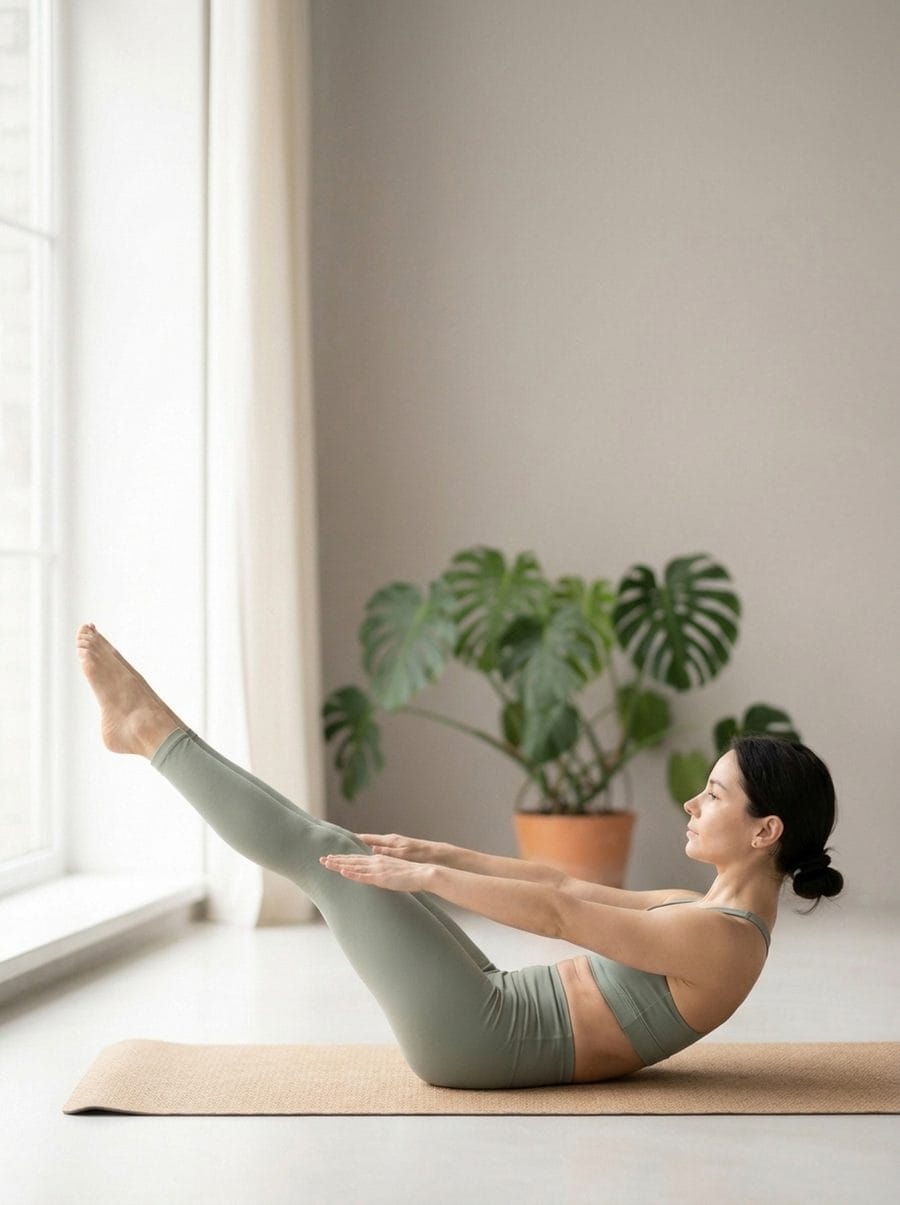
After Sun Salutation the work starts in arm support: Plank Pose loads the whole torso, and Side Plank brings in the obliques. Then you sit up into Boat Pose, lower into Half Boat and add a twist, which shifts the effort toward the lower belly and sides.
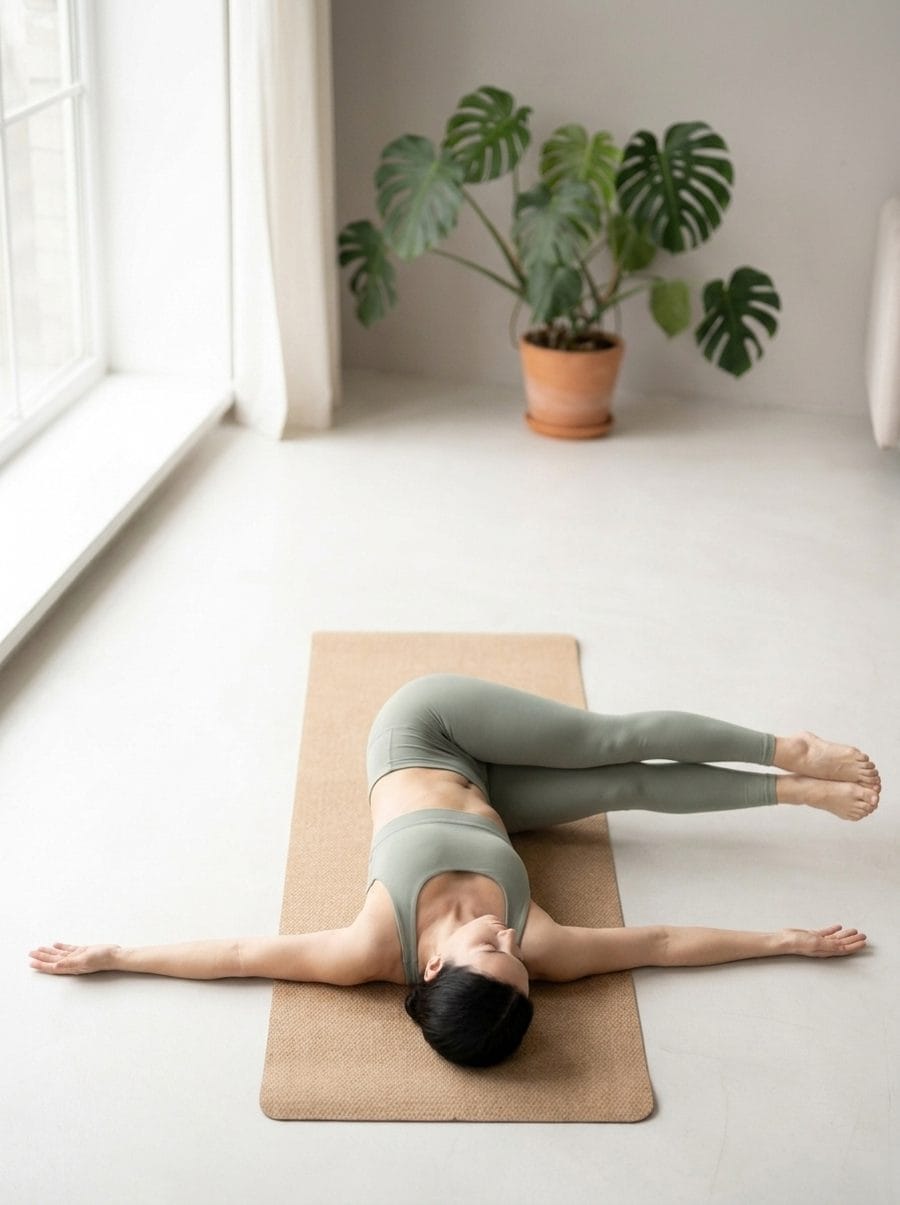
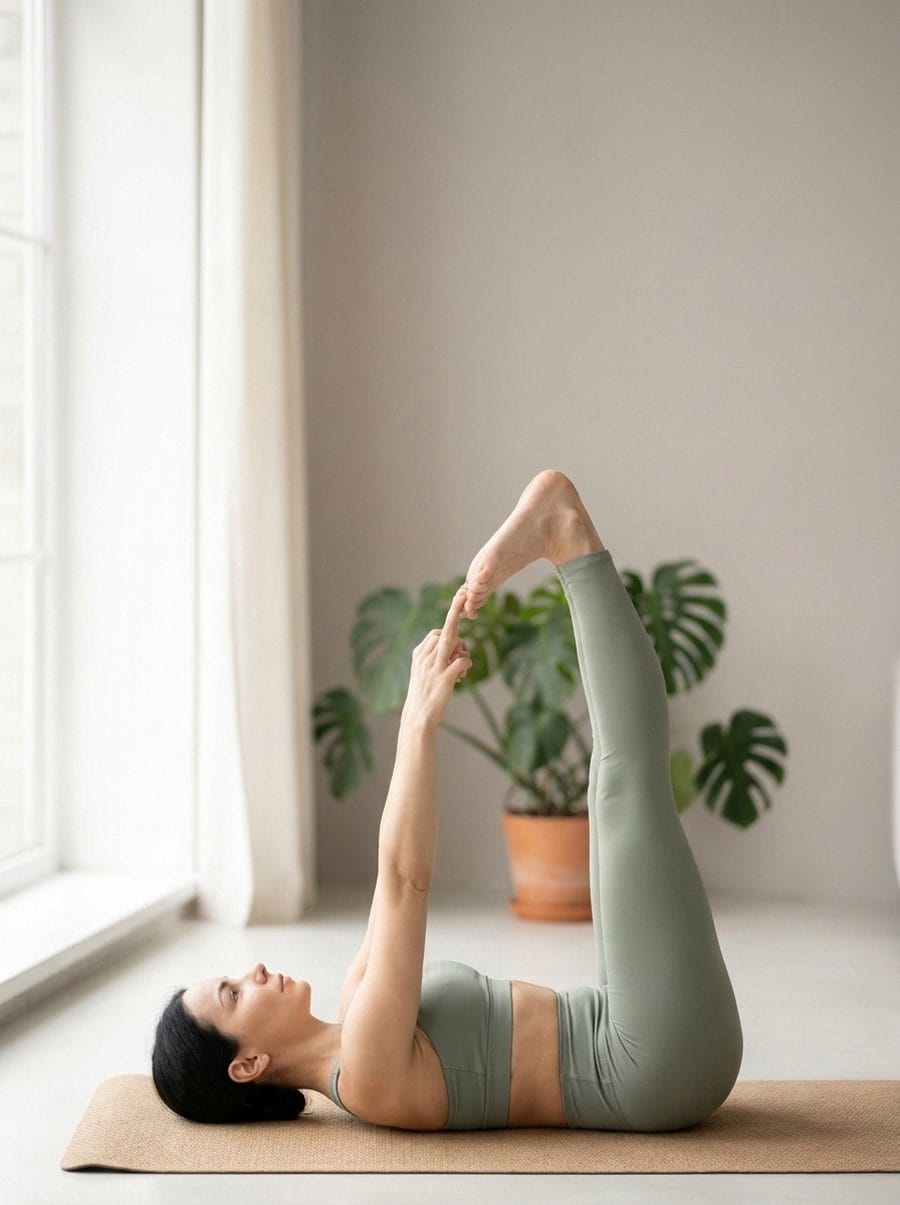
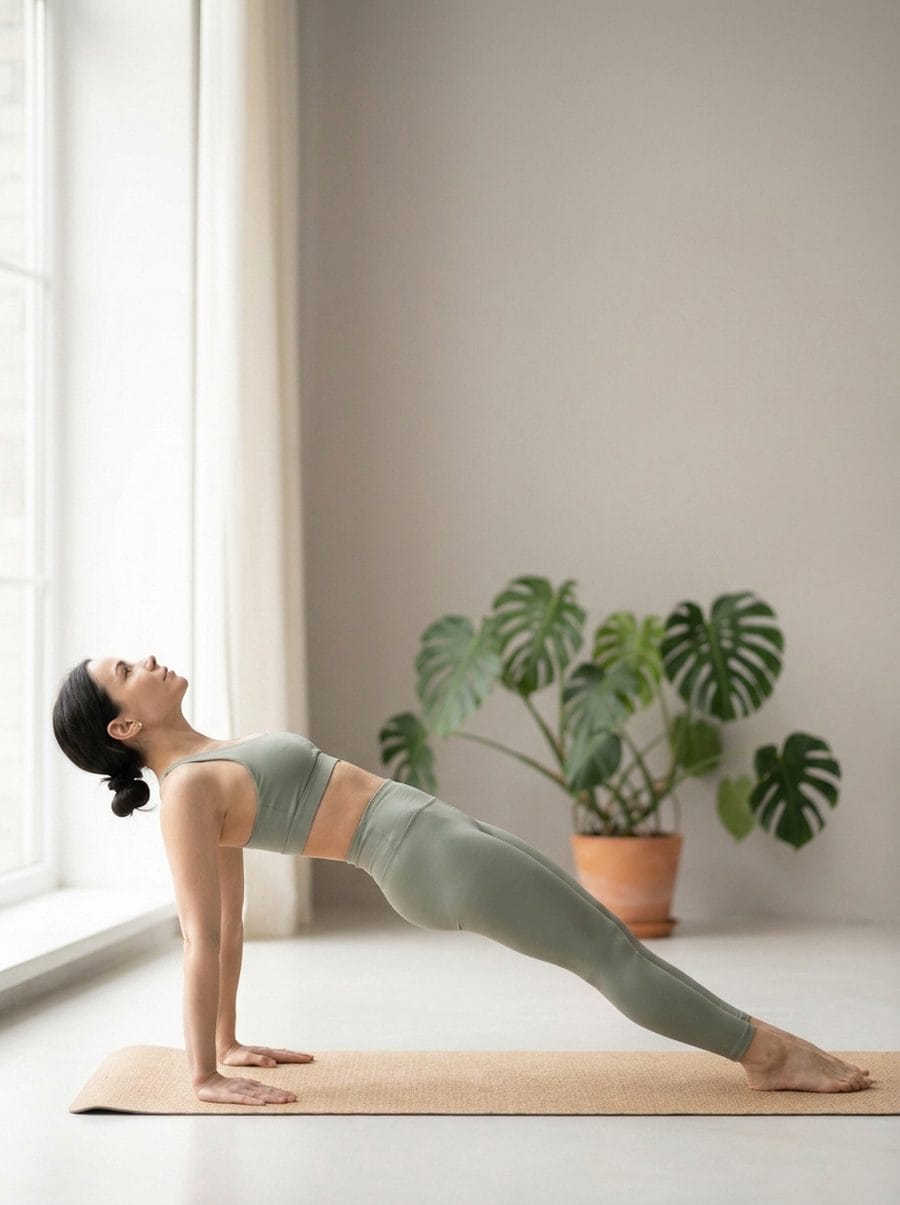
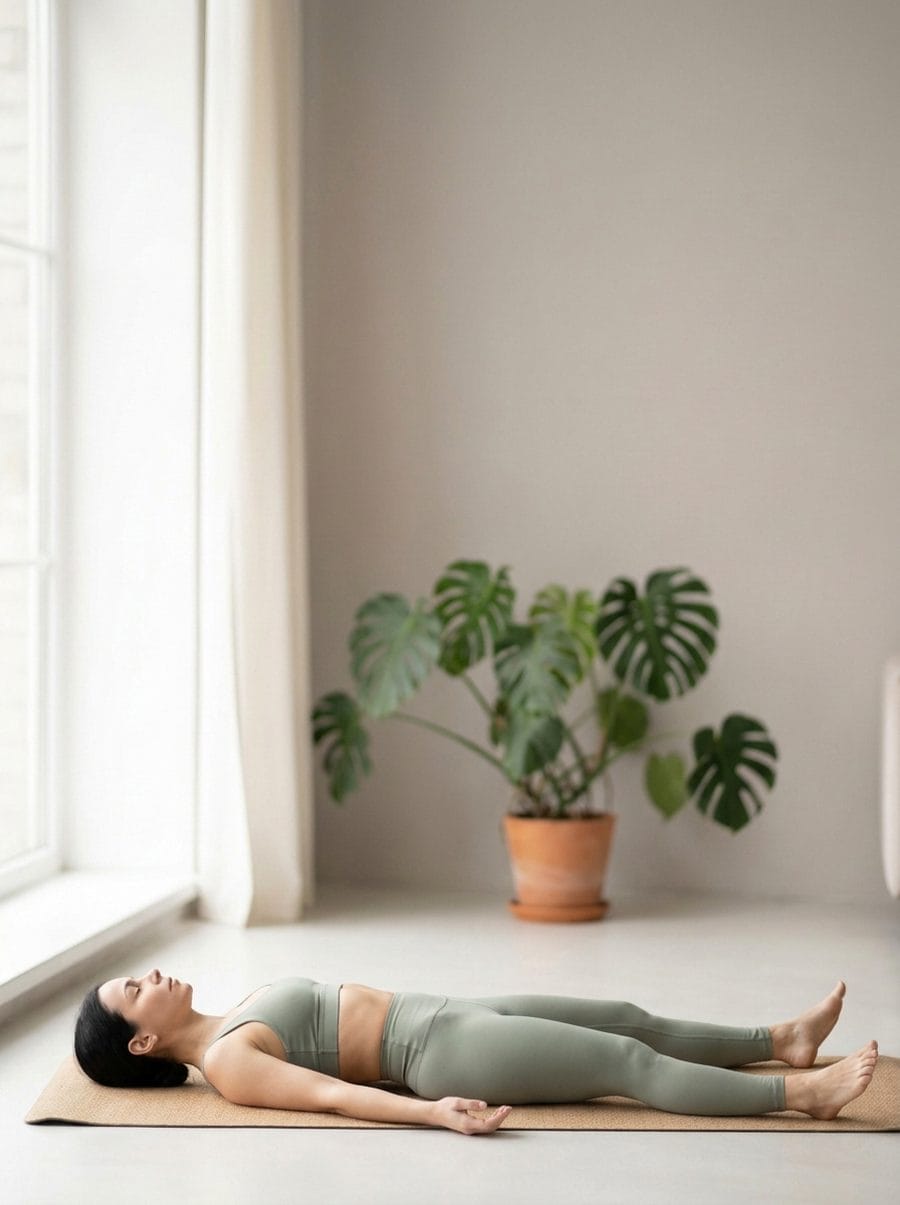
Lying down, Revolved Abdomen Pose and Right-Angle Leg Raise work with your lower back pressed to the mat. Reverse Plank turns your body face up and balances all that time spent curling forward, and Child's Pose plus Savasana relax your belly and back.
Cautions
- Wrist injuries — practice on your forearms (Plank Pose)
- Diastasis recti (Plank Pose, Boat Pose, Half Boat Pose)
- Wrist and shoulder injuries (Side Plank, Reverse Plank)
- Lumbar disc herniation (Boat Pose, Half Boat Pose, Revolved Boat Pose, Revolved Abdomen Pose)
- Pregnancy (Boat Pose, Half Boat Pose, Revolved Boat Pose, Revolved Abdomen Pose)
- Lower back pain — keep your hands under your sacrum (Right-Angle Leg Raise)
- Neck injuries — don't drop your head back (Reverse Plank)
- Pregnancy — widen your knees (Child's Pose)
- Knee injuries (Child's Pose)
This site is for general information and is not medical advice. If you have pain, an injury, a chronic condition, or are pregnant, check with a qualified professional before practicing.