 Hatha Yoga
Vegetarian Diet and Yoga: Tradition, Protein and Eating Without Meat
Hatha Yoga editorial team · Updated · 5 min read
Sooner or later, many people who take yoga seriously start thinking about going vegetarian. The tradition does link the two, but it's a choice, not a requirement for practice. This article covers where that link comes from, how vegetarian and vegan diets differ, where to get protein without meat, which nutrients deserve attention, and how plant-based eating fits a strength practice.
No diets and no weekly meal plans, just what reliable sources support.
Why yoga is linked with vegetarianism
The main reason is ahimsa, nonviolence. It's the first principle of yama, the opening limb of yoga: causing no harm in action, word or thought. Many schools read ahimsa as giving up meat. The Hatha Yoga Pradipika also lists meat and fish among foods a yogi should avoid, and when food is sorted by the gunas, meat counts as tamasic. More on that in the sattvic diet.
Still, Patanjali's Yoga Sutras contain no dietary rules, and each school interprets ahimsa its own way. Poses and pranayama are open to you whatever you eat, with meat or without.
Vegetarian vs. vegan: what's the difference?
- Vegetarians don't eat meat or fish but do eat dairy and eggs. In Indian tradition, eggs are often left out while milk stays in.
- Vegans eat nothing from animals: no meat, fish, dairy or eggs.
- Pescatarians eat fish, so strictly speaking they aren't vegetarian.
The difference matters nutritionally: dairy and eggs cover many needs that vegans have to plan for separately.
Where vegetarians get protein
Britain's NHS notes that most vegetarians usually get enough protein. Protein sources without meat include:
- legumes: lentils, chickpeas, beans, peas, mung beans;
- soy foods: tofu, tempeh, soy milk;
- dairy: milk, yogurt, kefir, cheese, cottage cheese;
- eggs, if you eat them;
- nuts and seeds.
The NHS stresses two points. Legumes matter most for people who don't get protein from meat, fish or dairy. And it's worth eating a variety of protein sources: together they supply the right mix of amino acids, which your body uses to build and repair cells.
What a day might look like
This is an example, not a meal plan. In the morning, oatmeal made with milk or soy milk, topped with nuts and fruit. At midday, lentils, chickpeas or beans with a grain and vegetables, plus something with vitamin C, such as a fresh salad.
In the evening, tofu, eggs or cottage cheese with vegetables. That way protein shows up at every meal, and the legumes help with iron too.
Iron, B12 and omega-3
According to the NHS, vegetarians are more likely to have lower iron stores than people who eat meat, because iron from plants is harder to absorb. Having something with vitamin C at the same meal helps. Plant sources of iron include legumes, dried fruit such as apricots, dark leafy greens, whole-wheat bread, fortified cereals and nuts.
For vegans, the NHS also suggests not drinking tea or coffee with or right after main meals.
Vitamin B12 occurs naturally only in animal foods. If you regularly eat eggs or dairy, you probably get enough. If you eat nothing from animals, you need a reliable B12 source, such as fortified foods: soy milk, breakfast cereals, nutritional yeast. Work out exactly how to cover it with your doctor.
Vegetarians can get omega-3 fats from flaxseed and canola oil, walnuts, and flax, chia and pumpkin seeds.
A vegetarian diet and strength practice
In its 2016 position paper, the Academy of Nutrition and Dietetics states that appropriately planned vegetarian diets, including vegan ones, are nutritionally adequate and suitable for every stage of life, athletes included. The key word is "planned."
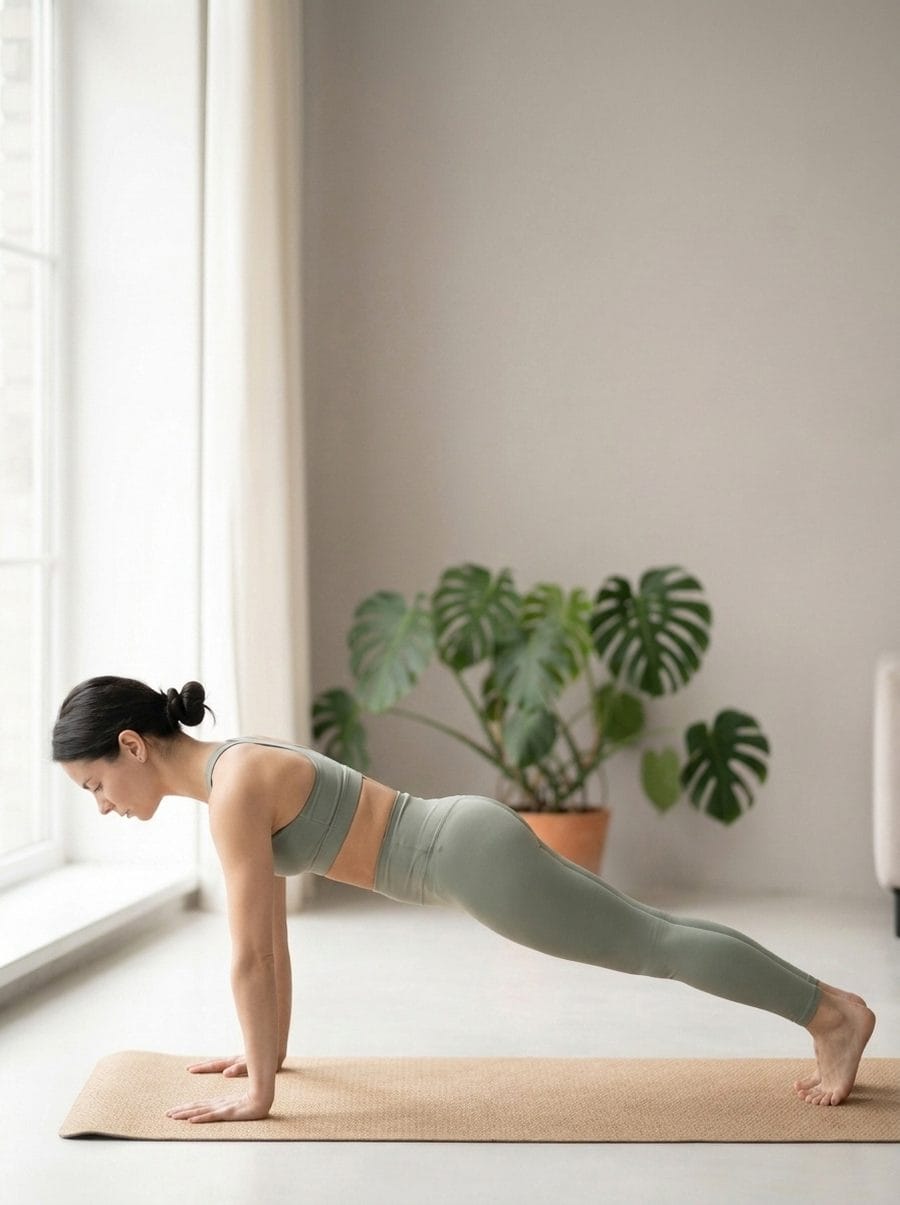
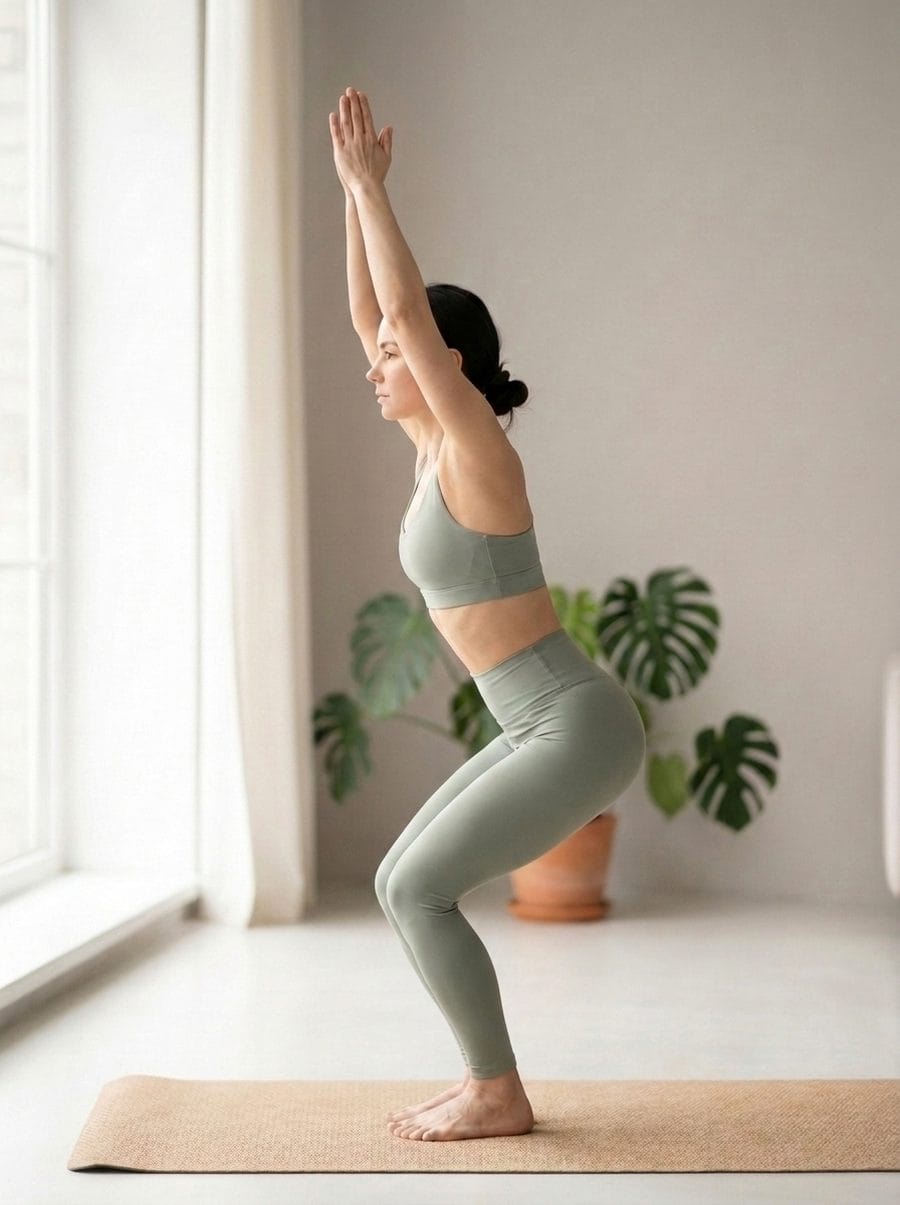
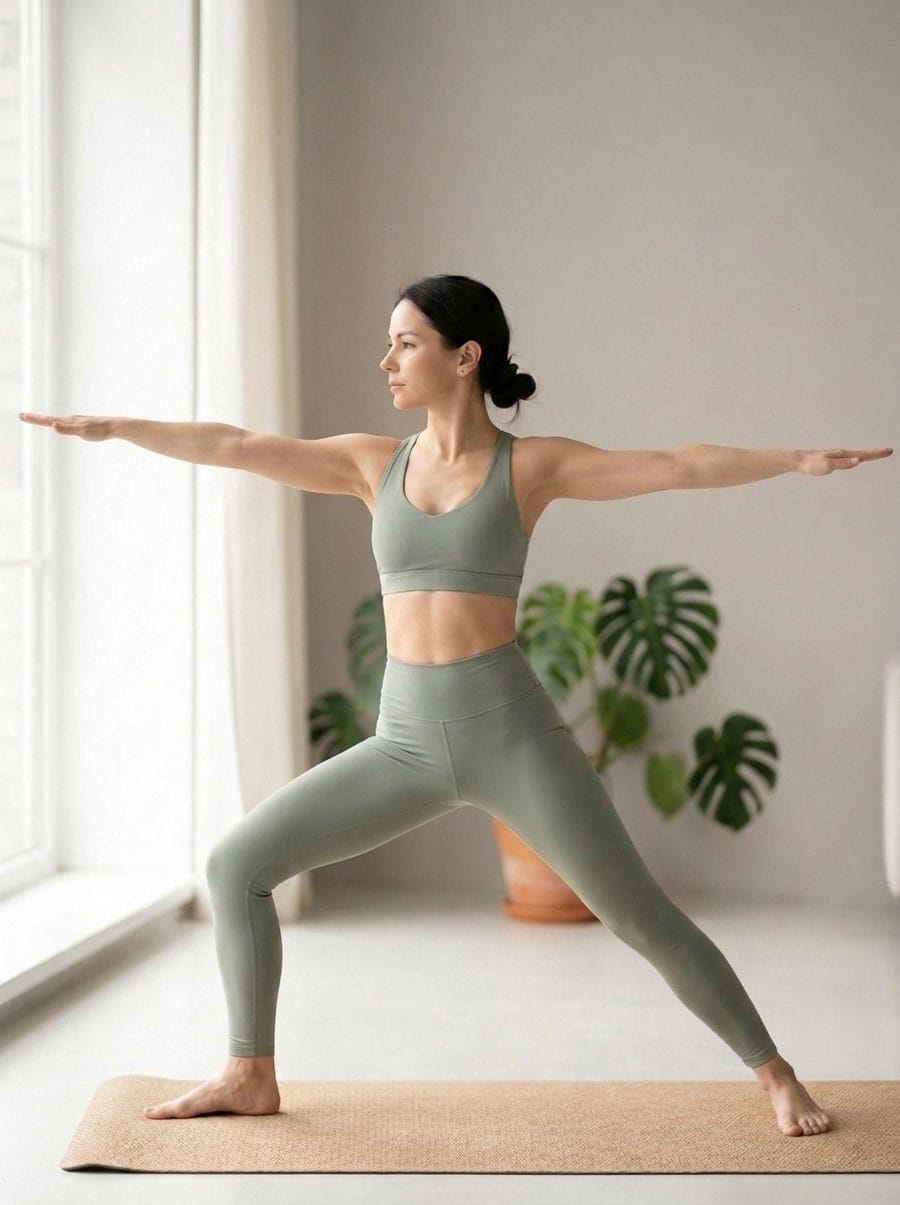
If you do strength routines regularly, include protein at every main meal. Strength & Tone, for example, takes 25 minutes at an intermediate level. Sun Salutation opens it four times over; after that come Chair Pose, Warriors I to III, two kinds of plank, Boat Pose and prone backbends.
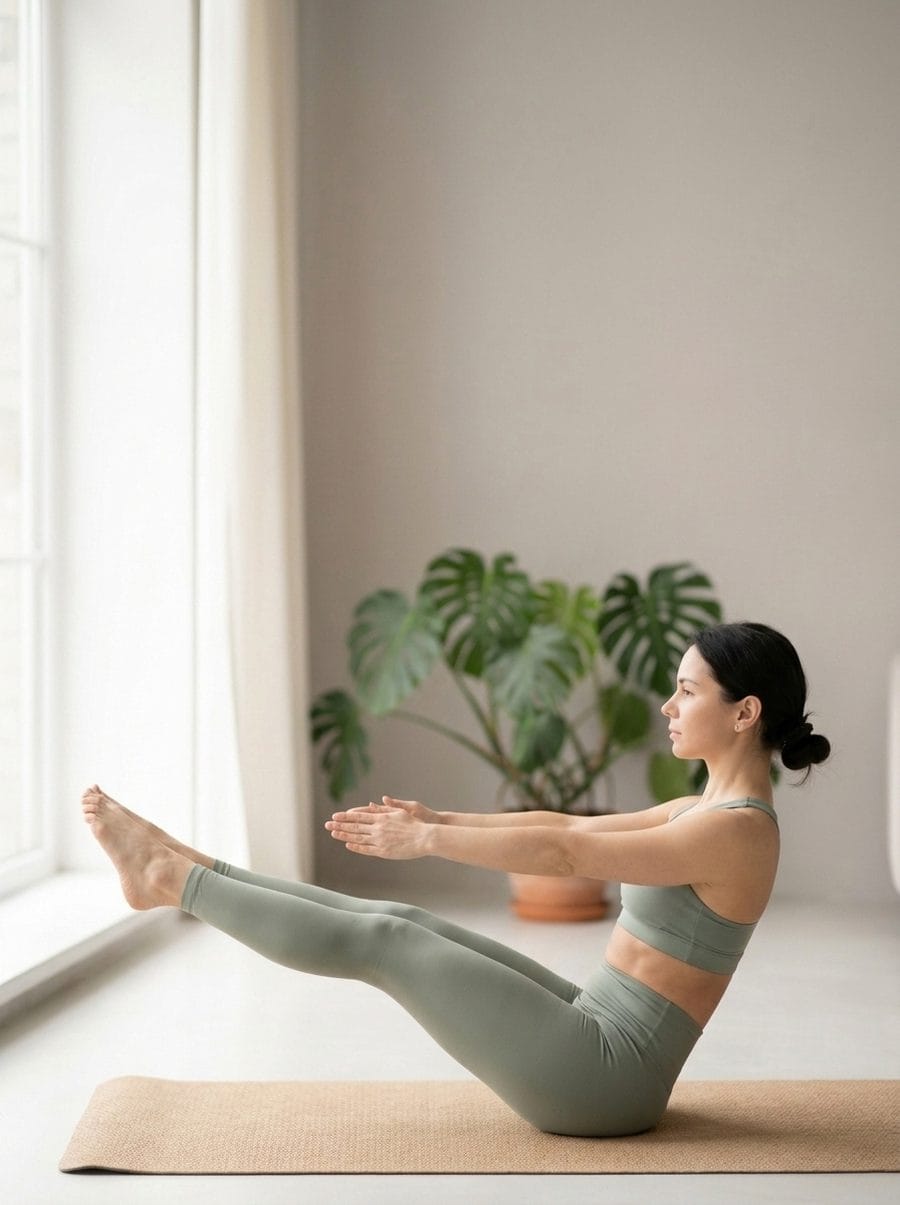
For your abs and back there's Strong Core, 15 minutes of planks, Boat Pose variations and Reverse Plank, finishing with Child's Pose and Relaxation Pose.


For when and what to eat around a session, read what to eat before yoga.
How to go vegetarian without extremes
- Gradually. Start with a few days a week when beans, tofu or eggs take the place of meat.
- With a plan. The NHS warns that without a well-planned diet, it's easy to fall short on iron and B12.
- With pleasure. Find two or three bean or tofu dishes you genuinely like, or the new habit won't stick.
- Without forcing it. Ahimsa applies to you too: if the switch is hard, take your time.
Safety
Children, pregnant or breastfeeding women, and people with chronic conditions should only change how they eat with a doctor's or dietitian's guidance. If ongoing tiredness and weakness show up, don't blame your practice: see a doctor.
Skip Chair Pose and Warrior II with injured knees. Boat Pose is out if you're pregnant, have diastasis recti or a herniated lumbar disc. Diastasis recti also rules out Plank Pose; sore wrists just mean doing it on your forearms. Bridge Pose isn't suitable after a neck injury. General rules are in Safety and Contraindications.
Pose cautions in this article
- Wrist injuries — practice on your forearms (Plank Pose)
- Diastasis recti (Plank Pose, Boat Pose)
- Knee injuries (Chair Pose, Warrior II)
- Flare-up of lower back problems (Chair Pose)
- Lumbar disc herniation (Boat Pose)
- Pregnancy (Boat Pose)
- Neck injuries (Bridge Pose)
- Flare-up of lower back pain (Bridge Pose)
- Pregnancy from the second trimester onward — take your knees wider than your belly or skip the pose (Knees-to-Chest Pose)
This site is for general information and is not medical advice. If you have pain, an injury, a chronic condition, or are pregnant, check with a qualified professional before practicing.
Questions
Is vegetarianism required for yoga? No. Vegetarianism in yoga grows out of ahimsa, but it's a personal decision. The practice works whatever you eat.
Can you get enough protein for strength yoga without meat? Usually, yes, as long as your diet includes legumes, dairy, eggs, soy, nuts and seeds, and your sources vary. Vegans need to plan more carefully.
What vegetarian foods are highest in protein? Legumes, tofu and tempeh, dairy, eggs, nuts and seeds. It's best to combine several sources over the day.
Do vegetarians need to take vitamins? That's a call for your doctor. People who eat dairy and eggs usually get enough B12. Vegans need a reliable B12 source, such as fortified foods.
Sources
- NHS. The vegetarian diet.
- NHS. The vegan diet.
- Melina V, et al. Position of the Academy of Nutrition and Dietetics: Vegetarian Diets. Journal of the Academy of Nutrition and Dietetics, 2016.
- Hatha Yoga Pradipika, chapter 1. The classic text is paraphrased.
- The principle of ahimsa, pose cautions and routine contents: the Hatha Yoga app. More on the How We Prepare Our Content page.
Read next
- Yoga for Arthritis and Osteoporosis: How to Protect Your Joints and Bones7 min read
- Ashtanga Yoga Explained: The Series, the Breath and the Difference from Hatha6 min read
- Ayurveda Explained Simply: The Basics and a Daily Routine (Dinacharya)5 min read
- Balance Exercises: 10 Yoga Poses for Balance and Stability7 min read